
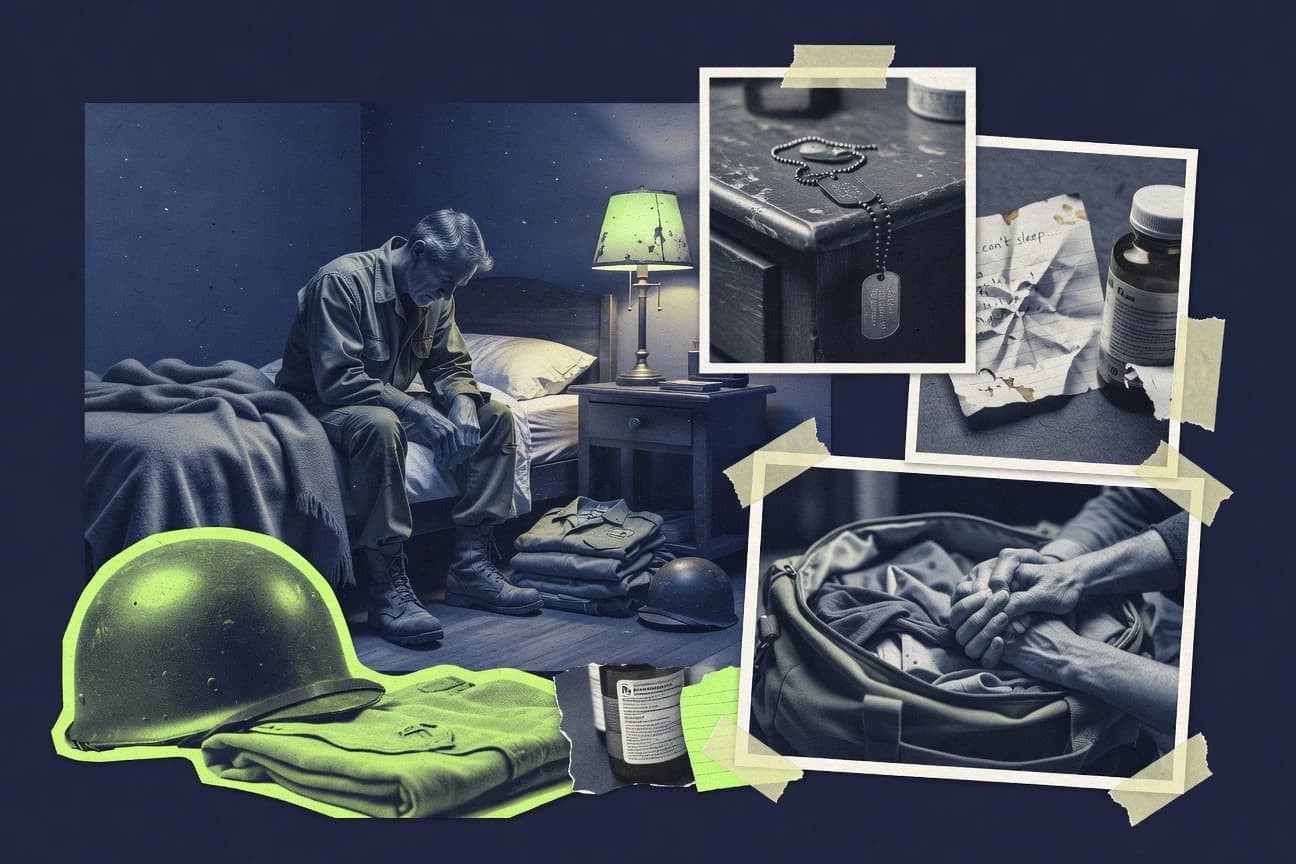

Depression is widespread among U.S. veterans, including many returning from Iraq and Afghanistan. In VA health care, about 23% of veterans have been diagnosed with depression—and screening shows major depression in some Operation Enduring Freedom/Operation Iraqi Freedom veterans.
This page connects prevalence with key clinical risks and comorbidities, including how PTSD and TBI history raise depression risk. You’ll also see how symptoms like low energy and anhedonia relate to daily functioning, and how treatment options—from antidepressants to CBT and telehealth—affect outcomes.
Key Takeaways
- Veterans with depression have 4x suicide risk
- Untreated depression leads to 20% work disability
- Mortality HR from depression: 1.7 in vets
- Approximately 20% of U.S. veterans returning from Iraq and Afghanistan suffer from depression or major depressive disorder
- In a study of 1,043 Operation Enduring Freedom/Operation Iraqi Freedom veterans, 12.7% screened positive for major depression
- Depression rates among Gulf War veterans are 15-20% higher than non-deployed peers
- TBI history increases depression risk by 2.5 times in veterans
- PTSD comorbidity triples depression risk in vets
- Multiple deployments raise depression odds by 1.8x
- Veterans with depression report anhedonia in 65% of cases
- Fatigue or loss of energy affects 70% of depressed veterans
- Suicidal ideation present in 45% of vet depression cases
- Antidepressant response rate in veterans: 60% after 8 weeks
- CBT efficacy: 50% remission in vet depression trials
- VA telehealth reaches 40% of rural depressed vets
Depression affects many veterans and greatly raises suicide and mortality risk, but treatment can help.
Related reading
01 · Category
Outcomes And Impacts26 stats
01
Veterans with depression have 4x suicide risk
02
Untreated depression leads to 20% work disability
03
Mortality HR from depression: 1.7 in vets
04
Suicide attempts: 15% lifetime in depressed vets
05
Relationship dissolution: 2x rate
06
Hospital readmission: 25% within 30 days
07
Unemployment rate: 30% higher
08
Homelessness risk: 3x elevated
09
Quality of life score drop: 40%
10
Relapse rate post-remission: 50% in 2 years
11
Cardiovascular disease risk +50%
12
Functional impairment score: 65% affected
13
Veteran suicide rate: 17/day, many with depression
14
Caregiver burden increases 35%
15
Productivity loss: $ billions annually
16
Chronicity >2 years: 40% of cases
17
Dementia risk doubles with late-life depression
18
Opioid overdose risk 2.5x
19
Social network size halves
20
ER visits 3x more frequent
21
Life expectancy reduced by 7 years
22
Child outcomes: higher behavioral issues 25%
23
Incarceration risk +40%
24
Treatment-resistant depression: 30%
25
Disability claims approved: 60% for depression
26
Remission maintenance: 45% at 1 year
Interpretation
Outcomes And Impacts Interpretation
Across outcomes and impacts, depression in veterans sharply raises harm and disruption, including a 4x suicide risk, 25% readmission within 30 days, and a 1.7 mortality hazard ratio.
02 · Category
Prevalence And Rates30 stats
01
Approximately 20% of U.S. veterans returning from Iraq and Afghanistan suffer from depression or major depressive disorder
02
In a study of 1,043 Operation Enduring Freedom/Operation Iraqi Freedom veterans, 12.7% screened positive for major depression
03
Depression rates among Gulf War veterans are 15-20% higher than non-deployed peers
04
23% of veterans using VA health care have been diagnosed with depression
05
Lifetime prevalence of major depression in Vietnam veterans is estimated at 19.7%
06
Post-9/11 female veterans have a depression prevalence of 25.4%
07
11.5% of all veterans aged 18-39 report current depression symptoms
08
Among homeless veterans, 42% have depression
09
Depression affects 1 in 5 Iraq/Afghanistan veterans
10
16.4% of OEF/OIF veterans have probable major depression
11
Vietnam-era veterans show 14.1% current depression rate
12
29% of veterans with TBI report depression
13
Depression prevalence in VA primary care patients is 17%
14
18.5% of post-9/11 veterans screen positive for depression
15
Rural veterans have 22% depression rate vs 18% urban
16
13% of National Guard veterans post-deployment have depression
17
Depression in older veterans (65+) is 12.4%
18
25% of veterans with PTSD also have MDD
19
OIF veterans depression rate: 14.9% at 12 months post-deployment
20
Female veterans depression: 21% lifetime
21
15.2% of VA-enrolled veterans have depression diagnosis
22
Combat-exposed veterans: 24% depression
23
Gulf War vets depression: 18%
24
10.5% of non-deployed veterans report depression
25
Post-deployment depression in Marines: 11%
26
Veterans with SCI: 28% depression
27
20.6% of OEF/OIF/OND vets have depression
28
Depression in vet prison population: 35%
29
17.3% Army vets post-Iraq
30
Lifetime MDD in vets: 22%
Interpretation
Prevalence And Rates Interpretation
Across the Prevalence And Rates data, depression is consistently common among veterans, with estimates ranging from about 12.7% screening positive for major depression to 23% among those using VA health care and as high as 25.4% for post 9 11 female veterans.
03 · Category
Risk Factors And Causes27 stats
01
TBI history increases depression risk by 2.5 times in veterans
02
PTSD comorbidity triples depression risk in vets
03
Multiple deployments raise depression odds by 1.8x
04
Combat exposure odds ratio for depression: 2.2
05
History of sexual trauma increases depression risk 3-fold in female vets
06
Chronic pain associated with 2.7x depression risk
07
Unemployment doubles depression risk in veterans
08
Homelessness linked to 4x higher depression odds
09
Mild TBI elevates depression risk by 1.9x
10
Family history of depression: OR 2.1 in vets
11
Sleep disturbances predict depression onset (HR 2.3)
12
Substance use disorder co-occurs, increasing risk 2.5x
13
Rural residence: 1.5x depression risk
14
Lower education level (HS or less): OR 1.7
15
Divorce/separation: 2.4x risk
16
Burn pit exposure Gulf War: elevated risk 1.6x
17
Pre-military trauma: HR 1.8 for depression
18
Financial stress: OR 2.0
19
Social isolation: 3.1x risk
20
Smoking history: 1.4x depression odds
21
Obesity BMI>30: OR 1.5
22
Military sexual trauma: 2.9x in males
23
Head injury severity correlates with risk (moderate TBI OR 2.8)
24
Childhood adversity score >4: HR 2.2
25
Insomnia duration >6 months: OR 3.0
26
Partner discord: 1.9x risk
27
Age <25 at deployment: 1.6x
Interpretation
Risk Factors And Causes Interpretation
Within the risk factors and causes category, depression in veterans is strongly tied to multiple overlapping exposures and conditions, with risks rising as high as 3 times for PTSD comorbidity and sexual trauma and staying elevated even with combat exposure at an odds ratio of 2.2.
More related reading
04 · Category
Symptoms And Comorbidities29 stats
01
Veterans with depression report anhedonia in 65% of cases
02
Fatigue or loss of energy affects 70% of depressed veterans
03
Suicidal ideation present in 45% of vet depression cases
04
Anxiety comorbidity in 55% of depressed vets
05
Sleep problems in 80% of veterans with MDD
06
Appetite/weight changes: 60%
07
Concentration difficulties: 68% prevalence
08
Feelings of worthlessness: 62%
09
Psychomotor retardation/agitation: 50%
10
PTSD co-diagnosis: 50-60%
11
Alcohol use disorder comorbidity: 35%
12
Chronic pain overlap: 75%
13
Somatic symptoms like headaches: 55%
14
Hopelessness scale score >10 in 40%
15
Bipolar comorbidity: 15%
16
TBI symptoms exacerbate in 70%
17
Gastrointestinal issues: 45%
18
Irritability/anger: 65%
19
Memory impairment: 58%
20
Social withdrawal: 72%
21
Panic attacks: 30%
22
OCD traits: 20%
23
Eating disorders: 12% in female vets
24
Hypersomnia: 25%
25
Guilt overkill: 55%
26
Dissociation: 35% with PTSD overlap
27
Sexual dysfunction: 40%
28
Depression severity (PHQ-9 >20): 28%
29
Cognitive fog reports: 67%
Interpretation
Symptoms And Comorbidities Interpretation
Among veterans dealing with depression, the symptoms and comorbidities cluster strongly around fatigue and sleep problems, with fatigue or loss of energy reported by 70% and sleep problems showing up in 80% of those with MDD.
05 · Category
Treatment And Interventions28 stats
01
Antidepressant response rate in veterans: 60% after 8 weeks
02
CBT efficacy: 50% remission in vet depression trials
03
VA telehealth reaches 40% of rural depressed vets
04
SSRI prescription rate: 70% of diagnosed vets
05
Collaborative care model reduces symptoms by 35%
06
ECT remission: 75% in treatment-resistant cases
07
Mindfulness-based therapy: 45% improvement
08
Exercise intervention: 30% symptom reduction
09
Only 50% of vets with depression receive treatment
10
TMS success rate: 55% in vets
11
Group therapy attendance: 65% adherence
12
Ketamine infusions: 70% rapid response
13
Peer support programs engage 40%
14
Medication adherence: 55% at 6 months
15
DBT for vets: 50% dropout reduction
16
Integrated PTSD/depression care: 60% better outcomes
17
Wait time for mental health appt: avg 20 days
18
Yoga therapy: 25% depression score drop
19
Pharmacotherapy + therapy: 65% remission
20
Vets in treatment: 59% moderate improvement
21
SUD concurrent tx: 45% success
22
Online CBT modules: 35% uptake
23
Light therapy for seasonal: 40% effective
24
Case management reduces hospitalizations 30%
25
SNRI alternatives: 50% response if SSRI fails
26
Family therapy: 55% family functioning improvement
27
Dropout rate from therapy: 25%
28
Psychedelic-assisted (psilocybin trial): 60% remission
Interpretation
Treatment And Interventions Interpretation
Within treatment and interventions for veteran depression, the most striking pattern is that while 70% receive SSRI and 40% of rural vets access telehealth, higher effectiveness options like ECT in treatment resistant cases achieve 75% remission and collaborative care cuts symptoms by 35%.
report visual · Breakdown
Depression in Veterans: Impact on Suicide Risk
Depression is strongly associated with higher suicide risk and related mental health burden.
20%
Untreated depression leads to 20% work disability
80%
Sleep problems in 80% of veterans with MDD
Reference
Cite This Report
This report is designed to be cited. We maintain stable URLs and versioned verification dates. Copy the format appropriate for your publication below.
APA
David Kowalski. (2026, February 13). Depression In Veterans Statistics. Gitnux. https://gitnux.org/depression-in-veterans-statistics
MLA
David Kowalski. "Depression In Veterans Statistics." Gitnux, 13 Feb 2026, https://gitnux.org/depression-in-veterans-statistics.
Chicago
David Kowalski. 2026. "Depression In Veterans Statistics." Gitnux. https://gitnux.org/depression-in-veterans-statistics.
Sources & references
14 datasets cited across this report · attribution is report-level