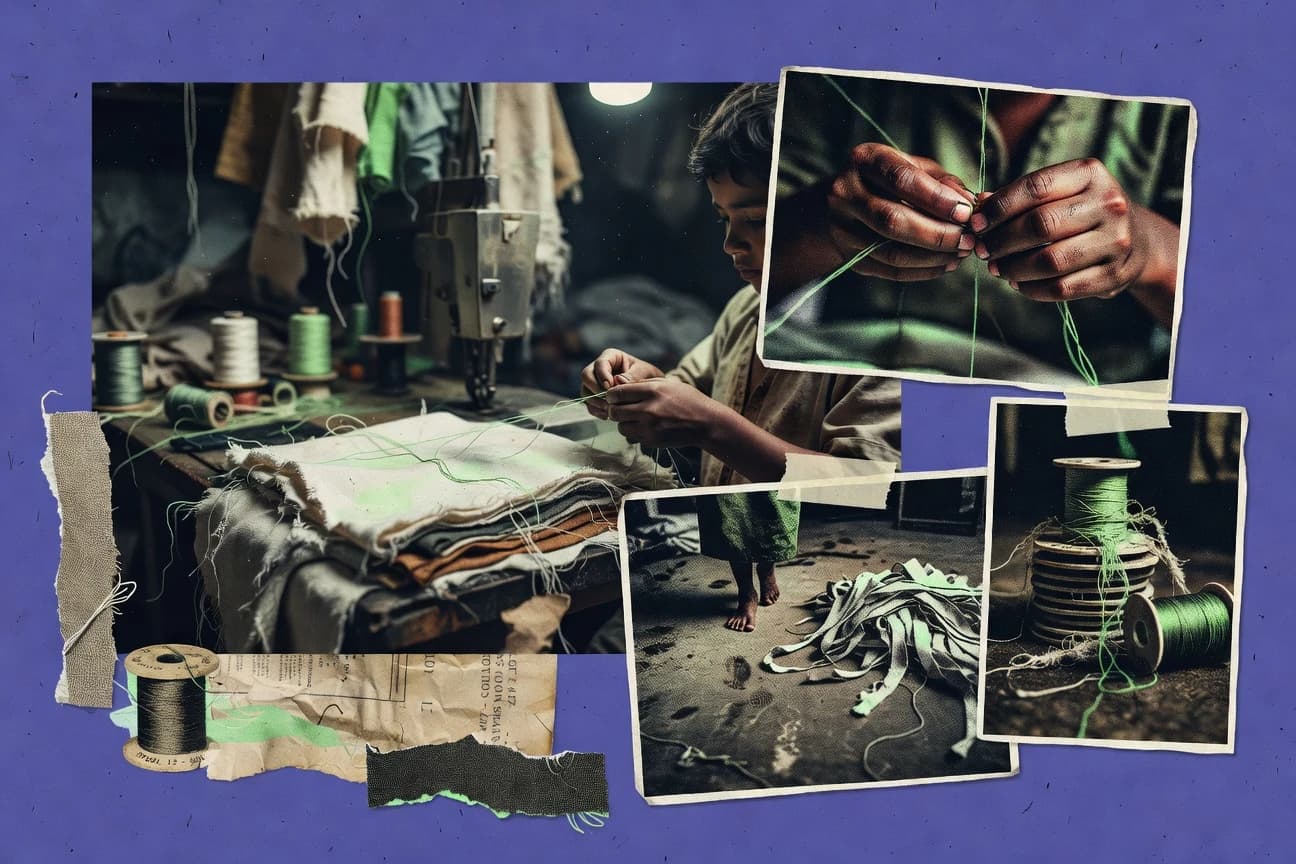

Child labour affects millions of girls and boys worldwide, and the burden is not evenly spread. Where children live and what work is available matter: 80% of child labourers live in rural areas, while only 10% are in urban areas. Age and sector shape exposure too, from agriculture to domestic work and mining. This page breaks down the who, the patterns, and the impacts—missed schooling, health harms, and preventable deaths.
Key Takeaways
- 58% of children aged 5-17 boys are in child labour compared to 42% girls globally
- Girls aged 5-14 are more likely in domestic work, comprising 71% of child domestics
- Children aged 12-14 make up 47% of all child labourers globally
- Globally, 160 million children were in child labour in 2020, accounting for 9.6% of children aged 5-17
- Of the 160 million children in child labour worldwide in 2020, 79 million were engaged in hazardous work
- In 2020, 63 million girls and 97 million boys were in child labour globally
- Child labour causes 152 million missed school days annually worldwide
- Children in labour are 3 times less likely to attend school regularly
- Hazardous work leads to 22,000 child deaths yearly from injuries
- Agriculture employs 70% of child labourers in Sub-Saharan Africa
- Globally, services sector accounts for 20% of child labour, with 32 million children involved
- Industry sector has 12 million child labourers worldwide, often in manufacturing
- Sub-Saharan Africa had 92 million children in child labour in 2020, representing 24% of children aged 5-17
- In Central and Southern Asia, 56 million children were in child labour in 2020 (11.1% rate)
- Latin America and the Caribbean saw 10.7 million children in child labour in 2020 (7.7% rate)
In 2020, 160 million children were in child labour, harming health and keeping many out of school.
Related reading
01 · Category
Demographic Statistics28 stats
01
58% of children aged 5-17 boys are in child labour compared to 42% girls globally
02
Girls aged 5-14 are more likely in domestic work, comprising 71% of child domestics
03
Children aged 12-14 make up 47% of all child labourers globally
04
In rural areas, 80% of child labourers reside, compared to 10% in urban areas
05
Indigenous children are 2.5 times more likely to be in child labour in Latin America
06
Children from poorest households are 4 times more likely to be in child labour
07
In Sub-Saharan Africa, 28% of boys aged 5-17 are in child labour vs 24% girls
08
Migrant children face 2-3 times higher child labour risks globally
09
Children with disabilities are 1.5 times more vulnerable to child labour
10
In India, 39% of child labourers are girls in rural areas
11
Adolescents aged 15-17 comprise 41 million of the 160 million child labourers
12
In urban settings, girls represent 55% of child domestics aged 5-14
13
Rural boys aged 5-11 are 30% more likely in agriculture labour
14
HIV-affected children are 3 times more prone to child labour
15
In conflict zones, girl child soldiers include labour forms for 40%
16
Refugee children have 50% higher child labour rates than hosts
17
Dalit children in India are twice as likely to be child labourers
18
Child labourers from female-headed households 1.8 times higher risk
19
Orphaned children are 2 times more likely in child labour globally
20
In Latin America, urban child labour 15% girls vs 12% boys aged 10-14
21
Asia rural areas: 60% boys in agriculture child labour
22
Africa urban girls 65% in domestic service child labour
23
Children of illiterate parents 3x more in child labour
24
Ethnic minorities in Vietnam 40% child labour rate vs national 8%
25
Large families (5+ children) have 2.5x child labour incidence
26
Boys 15-17 in industry 20% vs girls 5% globally
27
Landless households 4x child labour prevalence
28
Child marriage doubles girl child labour risk
Interpretation
Demographic Statistics Interpretation
Demographic patterns show child labour is far from evenly distributed, with rural children making up 80% of child labourers and the poorest households producing 4 times the likelihood compared to others.
02 · Category
Global Statistics21 stats
01
Globally, 160 million children were in child labour in 2020, accounting for 9.6% of children aged 5-17
02
Of the 160 million children in child labour worldwide in 2020, 79 million were engaged in hazardous work
03
In 2020, 63 million girls and 97 million boys were in child labour globally
04
Child labour rates have stagnated globally since 2016, with 160 million affected in 2020 compared to 152 million in 2016
05
Nearly 1 in 10 children worldwide (9.6%) aged 5-17 were in child labour in 2020
06
29% of children aged 5-17 in low-income countries were in child labour in 2020
07
Hazardous child labour affected 9.4% of all children aged 5-17 globally in 2020
08
70% of all children in child labour worldwide work in agriculture in 2020
09
The COVID-19 pandemic pushed an additional 9 million children into child labour between 2020-2022 globally
10
In 2024 estimates, child labour figures rose to 138 million children aged 5-17 globally
11
In 2020, 25 million children were in forced labour forms of child labour globally
12
Globally, 50 million people in modern slavery includes 12 million children in forced labour
13
73 million children aged 5-11 were outside formal education partly due to labour in 2020
14
Child labour prevalence is 4.5 times higher in conflict-affected countries
15
In low-income countries, 1 in 4 children (25%) are in child labour
16
85 million children work in hazardous conditions in agriculture alone globally
17
Global child labour projected to increase to 170 million by 2025 without action
18
28 million children in forced labour globally as part of 50 million in modern slavery 2021
19
Agriculture sector hazardous work: 70 million children exposed to pesticides globally
20
99 million children aged 5-17 neither in school nor work but at risk of labour
21
Low-income countries have 25.2% child labour rate vs 3.3% in high-income
Interpretation
Global Statistics Interpretation
Global statistics show that child labour has barely budged since 2016, with 160 million children aged 5 to 17 affected in 2020 and still making up 9.6% worldwide despite an increase from 152 million in 2016.
03 · Category
Impact And Trend Statistics25 stats
01
Child labour causes 152 million missed school days annually worldwide
02
Children in labour are 3 times less likely to attend school regularly
03
Hazardous work leads to 22,000 child deaths yearly from injuries
04
Child labourers suffer chronic health issues like respiratory diseases at 2x adult rates
05
Global child labour declined by 94 million from 2000 to 2020 before stagnation
06
COVID-19 reversed 20 years of progress, adding 8.9 million child labourers by 2024
07
Only 1 in 10 countries have sufficient social protection to prevent child labour
08
Education investment could reduce child labour by 20% globally
09
Child labour perpetuates poverty cycles, with affected children earning 20% less as adults
10
Child labour contributes to 10% higher malnutrition rates among workers
11
Injuries from child labour cost economies $11 billion annually in medical care
12
School dropout due to labour affects 260 million children yearly
13
Progress stalled post-COVID, with 26 million more in child labour since 2016
14
Climate change may add 10 million child labourers by 2030 due to migration
15
Ratification of ILO Convention 182 by 187 countries reduced worst forms by 50%
16
Social protection coverage gaps leave 426 million children vulnerable to labour
17
Child labour reduces future GDP by 1-2% in affected countries
18
Mental health issues like depression 4x higher in child labourers
19
Violence exposure increases child labour by 30% in affected kids
20
Child labour links to 15% higher teen pregnancy rates
21
Lost productivity from child labour: $190 billion globally yearly
22
Hazardous work causes 79,000 child injuries daily worldwide
23
Universal social protection could eliminate 50% child labour by 2030
24
SDG 8.7 progress: child labour reduced 38% since 2000 baseline
25
Digital economy emerging with child labour in online content moderation
Interpretation
Impact And Trend Statistics Interpretation
Under Impact And Trend Statistics, child labour has cost 152 million school days every year and, despite a drop of 94 million between 2000 and 2020, COVID-19 has pushed an additional 8.9 million child labourers by 2024.
04 · Category
Industry Specific Statistics25 stats
01
Agriculture employs 70% of child labourers in Sub-Saharan Africa
02
Globally, services sector accounts for 20% of child labour, with 32 million children involved
03
Industry sector has 12 million child labourers worldwide, often in manufacturing
04
In mining, over 1 million children work globally, facing hazardous conditions
05
Domestic work involves 35 million children worldwide, mostly girls
06
In agriculture, 108 million children work globally, exposed to pesticides and machinery
07
Fishing sector employs 1.5 million children in hazardous work
08
Carpet weaving in South Asia involves thousands of children in bonded labour
09
In garment factories of Bangladesh, over 400,000 children were employed pre-2010 reforms
10
Cocoa farming in West Africa uses 1.56 million child labourers as of 2019
11
Construction sector employs 5 million children globally in hazardous tasks
12
Scavenging and waste picking involves 2 million children worldwide
13
In brick kilns of Asia, 10 million children work in family-based operations
14
Firestone rubber plantations in Liberia employ child tappers
15
Shrimp farming in Asia and Latin America uses 100,000+ child labourers
16
Tobacco farming exposes 1.4 million children to nicotine poisoning yearly
17
In char production in Nepal, 12,000 children work in hazardous coal-making
18
Street vending occupies 10-15% of urban child labourers globally
19
Forestry sector uses 1.2 million children in logging hazards
20
Glass factories in India employ 50,000+ children in hazardous melting
21
Cottonseed farming in India has 1.3 million child labourers exposed to pesticides
22
Palm oil plantations in Indonesia employ 100,000 children
23
Salt production in India involves 300,000 children in Sambhar Lake
24
Leather tanning in Pakistan uses 15,000 children in toxic chemicals
25
Flower industry in Ethiopia and Kenya employs 50,000 children in pesticides
Interpretation
Industry Specific Statistics Interpretation
Across industry specific sectors, child labor remains heavily concentrated in high risk work, with 12 million children in industry and more than 1 million in mining alone, showing that industrial activities such as manufacturing and extractive work are central to the problem.
05 · Category
Regional Statistics25 stats
01
Sub-Saharan Africa had 92 million children in child labour in 2020, representing 24% of children aged 5-17
02
In Central and Southern Asia, 56 million children were in child labour in 2020 (11.1% rate)
03
Latin America and the Caribbean saw 10.7 million children in child labour in 2020 (7.7% rate)
04
Eastern and South-Eastern Asia had 41 million children in child labour in 2020 (7.4% rate)
05
Middle East and Northern Africa region had 13 million children in child labour in 2020 (8.3% rate)
06
In Western and Central Africa, child labour prevalence reached 28% of children aged 5-17 in 2020
07
South-Eastern Asia had a child labour rate of 7.5% for children aged 5-17 in recent surveys
08
In 2020, 23% of children in Sub-Saharan Africa excluding South Africa were in hazardous work
09
Latin America's child labour decreased by 38% from 2008 to 2020, but still affected 7.7%
10
Northern Africa saw child labour rates drop to 3.8% by 2020 from higher previous levels
11
Eastern Europe and Central Asia had 5.6 million child labourers in 2020 (7.5% rate)
12
In Western Asia, child labour rate stands at 9.6% for children 5-17
13
Southern Asia reduced child labour from 14% to 11% between 2016-2020
14
In the Pacific Islands, child labour affects 15% of children in rural areas
15
Eastern Africa has 35 million children vulnerable to child labour
16
Caribbean nations report 8% child labour rate, higher in Haiti at 25%
17
Northern Europe has near-zero child labour due to strong laws
18
In the Americas, indigenous children comprise 20% of child labourers despite 5% population
19
Pacific region child labour rate 15.5% in rural areas 2020
20
In Central Asia, 11% of children 5-17 in child labour, higher in Tajikistan 20%
21
Western Africa child labour 31% prevalence, highest globally
22
South America child labour 7.8%, with Bolivia at 19%
23
Middle East child labour 8.4%, Syria refugees contribute heavily
24
Eastern Asia 6.8% child labour rate, lower due to urbanization
25
EU countries average 1.1% child labour, higher in Romania 5%
Interpretation
Regional Statistics Interpretation
In Regional Statistics, Sub-Saharan Africa stands out with 92 million children in child labour in 2020, making up 24% of children aged 5 to 17, far higher than other regions like Central and Southern Asia at 56 million and 11.1% and Latin America and the Caribbean at 10.7 million and 7.7%.
Reference
Cite This Report
This report is designed to be cited. We maintain stable URLs and versioned verification dates. Copy the format appropriate for your publication below.
APA
Timothy Grant. (2026, February 13). Child Labor Statistics. Gitnux. https://gitnux.org/child-labor-statistics
MLA
Timothy Grant. "Child Labor Statistics." Gitnux, 13 Feb 2026, https://gitnux.org/child-labor-statistics.
Chicago
Timothy Grant. 2026. "Child Labor Statistics." Gitnux. https://gitnux.org/child-labor-statistics.
Sources & references
17 datasets cited across this report