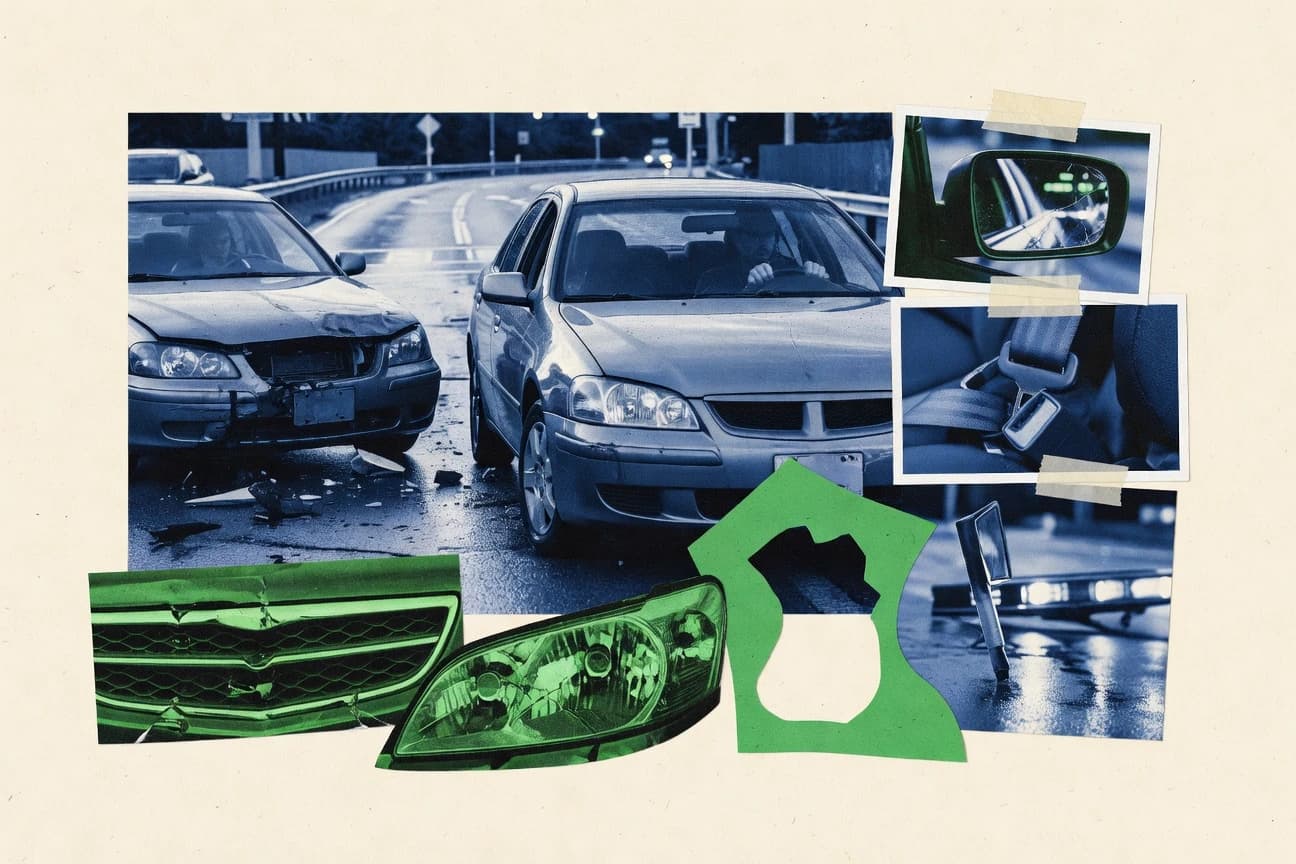

Gender differences in crash outcomes are stark and they show up in unexpected places. In 2019, 79% of people killed in traffic crashes were male, and across countries the gap stays wide even when the road user is a pedestrian or a cyclist. By comparing injury risk, fatality risk, and even at-fault involvement across major datasets, you start to see how “sex” connects to severity in ways that are harder to explain than people assume.
Key Takeaways
- 79% of all people killed in traffic crashes were male (2019, percent by sex)
- In the US, females accounted for 25% of traffic pedestrian deaths in 2022 (sex breakdown)
- In the US, females accounted for 28% of traffic cyclist deaths in 2022 (sex breakdown)
- In Australia, 2023 male road deaths were higher than female deaths by about 10 percentage points (AIHW road traffic injury)
- Men had a 14% higher risk of crash injury severity than women in a large US emergency department dataset (adjusted difference)
- In a Canadian study, males accounted for 58% of patients hospitalized for motor vehicle crashes (trauma registry)
- In a European trauma registry study, males accounted for 64% of severe road traffic injuries (TRISS severity cohort)
- In a systematic review, male sex was associated with higher odds of road traffic injury compared with female sex (pooled OR>1)
- In a meta-analysis, male sex was associated with a higher risk of fatal road traffic injury than female sex (pooled RR>1)
- WHO reports that males are about 3.5 times more likely than females to die from road traffic injuries in adolescents and young adults
- In the US, the male-to-female ratio for unintentional firearm deaths is 3.2 while for transport injury deaths it is 2.4 (context for sex differences; CDC)
- In a UK insurance analysis (2021), male drivers were 1.16x as likely to be involved in reported road traffic injury claims as female drivers
- 68% of road traffic deaths are male among high-income countries (2019, share by sex in Global Status Report on Road Safety)
- In Sweden, male fatality risk is higher than female fatality risk for all road users in 2023, with men 1.6x women (Transport Agency crash statistics by sex)
- In the US, male occupants comprised 62% of fatalities in crashes without airbags deployed in 2021 (FARS air bag deployment analysis)
Across many countries and injury datasets, men face substantially higher road crash death and injury risk than women.
Related reading
01 · Category
Fatality Profiles1 stats
01
79% of all people killed in traffic crashes were male (2019, percent by sex)https://crashstats.nhtsa.dot.gov/API/Public/ViewPublication/812624
Interpretation
Fatality Profiles Interpretation
In the Fatality Profiles, 79% of people killed in traffic crashes in 2019 were male, showing that fatalities are strongly concentrated among men.
02 · Category
Fatalities4 stats
01
In the US, females accounted for 25% of traffic pedestrian deaths in 2022 (sex breakdown)https://www.iihs.org/topics/fatality-statistics/detail/pedestrians
02
In the US, females accounted for 28% of traffic cyclist deaths in 2022 (sex breakdown)https://www.iihs.org/topics/fatality-statistics/detail/bicyclists
03
In Australia, 2023 male road deaths were higher than female deaths by about 10 percentage points (AIHW road traffic injury)https://www.aihw.gov.au/reports/injury/road-traffic-injury
04
A 2021 population-based study found that male older adults had higher odds of fatal pedestrian injury than females of similar age (rate ratio)https://pubmed.ncbi.nlm.nih.gov/34695075/
Interpretation
Fatalities Interpretation
For the fatalities category, the data consistently point to men having higher fatal road outcomes, with Australian 2023 road deaths about 10 percentage points higher for males than females and a 2021 study showing male older adults had higher odds of fatal pedestrian injury than females, while US pedestrian and cyclist fatality shares are also higher for males than females at 25% and 28% female respectively.
03 · Category
Injury Rates5 stats
01
Men had a 14% higher risk of crash injury severity than women in a large US emergency department dataset (adjusted difference)https://www.sciencedirect.com/science/article/pii/S0001457521000085
02
In a Canadian study, males accounted for 58% of patients hospitalized for motor vehicle crashes (trauma registry)https://journals.plos.org/plosone/article?id=10.1371/journal.pone.0206120
03
In a European trauma registry study, males accounted for 64% of severe road traffic injuries (TRISS severity cohort)https://pubmed.ncbi.nlm.nih.gov/30923586/
04
In a France study using hospital discharge data, 61% of serious road traffic injuries were among males (ICD-10 based analysis)https://www.sciencedirect.com/science/article/pii/S2213398421000212
05
A 2020 meta-analysis reported that male pedestrians have higher odds of injury severity than female pedestrians in road traffic crasheshttps://pubmed.ncbi.nlm.nih.gov/33002294/
Interpretation
Injury Rates Interpretation
Across major road traffic injury datasets, men consistently face higher injury severity risks, including a 14% adjusted higher severity risk than women in a US emergency department study and accounting for 58% to 64% of hospitalizations and severe injuries in Canadian and European registries.
04 · Category
Risk Factors6 stats
01
In a systematic review, male sex was associated with higher odds of road traffic injury compared with female sex (pooled OR>1)https://pubmed.ncbi.nlm.nih.gov/29847862/
02
In a meta-analysis, male sex was associated with a higher risk of fatal road traffic injury than female sex (pooled RR>1)https://pubmed.ncbi.nlm.nih.gov/32459383/
03
WHO reports that males are about 3.5 times more likely than females to die from road traffic injuries in adolescents and young adultshttps://www.who.int/news-room/fact-sheets/detail/road-traffic-injuries
04
In Canada, males were 1.5 times more likely to be killed in road crashes than females (ratio reported in Statistics Canada tables)https://www150.statcan.gc.ca/t1/tbl1/en/cv.action?pid=1810000401
05
A 2018 peer-reviewed review found that young male drivers have a substantially higher crash risk than young female drivers (age-by-sex interaction)https://journals.sagepub.com/doi/10.1177/0361198118760964
06
In a study of US drivers (2016-2018), males had higher relative odds of being at-fault in crashes than females (logistic regression results)https://www.sciencedirect.com/science/article/pii/S0001457519303001
Interpretation
Risk Factors Interpretation
Across multiple studies and reports, males consistently show higher road traffic injury risk than females, with mortality in adolescents and young adults about 3.5 times higher and Canada reporting a 1.5 times higher likelihood of being killed, underscoring sex as a key risk factor.
More related reading
05 · Category
Exposure & Demographics2 stats
01
In the US, the male-to-female ratio for unintentional firearm deaths is 3.2 while for transport injury deaths it is 2.4 (context for sex differences; CDC)https://www.cdc.gov/nchs/fastats/injury.htm
02
In a UK insurance analysis (2021), male drivers were 1.16x as likely to be involved in reported road traffic injury claims as female drivershttps://www.mib.org.uk/Files/Research/Claims-by-driver-sex.pdf
Interpretation
Exposure & Demographics Interpretation
From an Exposure and Demographics perspective, males appear more represented in fatal and nonfatal injury outcomes, with the male to female ratio at 3.2 for unintentional firearm deaths and 2.4 for transport injury deaths in the US, and UK insurance data showing male drivers are 1.16 times as likely as female drivers to be involved in reported road traffic injury claims.
06 · Category
Casualty Composition1 stats
01
68% of road traffic deaths are male among high-income countries (2019, share by sex in Global Status Report on Road Safety)https://www.who.int/publications/i/item/9789241565684
Interpretation
Casualty Composition Interpretation
Under the Casualty Composition angle, the 2019 data show that in high-income countries 68% of road traffic deaths are male, meaning men make up the clear majority of casualties.
07 · Category
Risk Exposure1 stats
01
In Sweden, male fatality risk is higher than female fatality risk for all road users in 2023, with men 1.6x women (Transport Agency crash statistics by sex)https://www.transportstyrelsen.se/en/road/road-traffic/road-traffic-crash-statistics/
Interpretation
Risk Exposure Interpretation
In Sweden’s 2023 risk exposure, men face a consistently higher fatality risk than women across all road users, with male fatalities at 1.6 times female levels.
08 · Category
Mechanisms And Severity1 stats
01
In the US, male occupants comprised 62% of fatalities in crashes without airbags deployed in 2021 (FARS air bag deployment analysis)https://crashstats.nhtsa.dot.gov/API/Public/ViewPublication/813358
Interpretation
Mechanisms And Severity Interpretation
For the Mechanisms And Severity angle, the fact that 62% of fatalities in 2021 US crashes without airbags deployed involved male occupants suggests that the absence of airbags disproportionately translates into higher fatality risk for men.
Reference
Cite This Report
This report is designed to be cited. We maintain stable URLs and versioned verification dates. Copy the format appropriate for your publication below.
APA
Leah Kessler. (2026, February 13). Car Accident Gender Statistics. Gitnux. https://gitnux.org/car-accident-gender-statistics
MLA
Leah Kessler. "Car Accident Gender Statistics." Gitnux, 13 Feb 2026, https://gitnux.org/car-accident-gender-statistics.
Chicago
Leah Kessler. 2026. "Car Accident Gender Statistics." Gitnux. https://gitnux.org/car-accident-gender-statistics.
Sources & references
21 datasets cited across this report
+9 additional datasets cited (not shown individually)