
GITNUXSOFTWARE ADVICE
Wellness FitnessTop 10 Best Gym Reservation Software of 2026
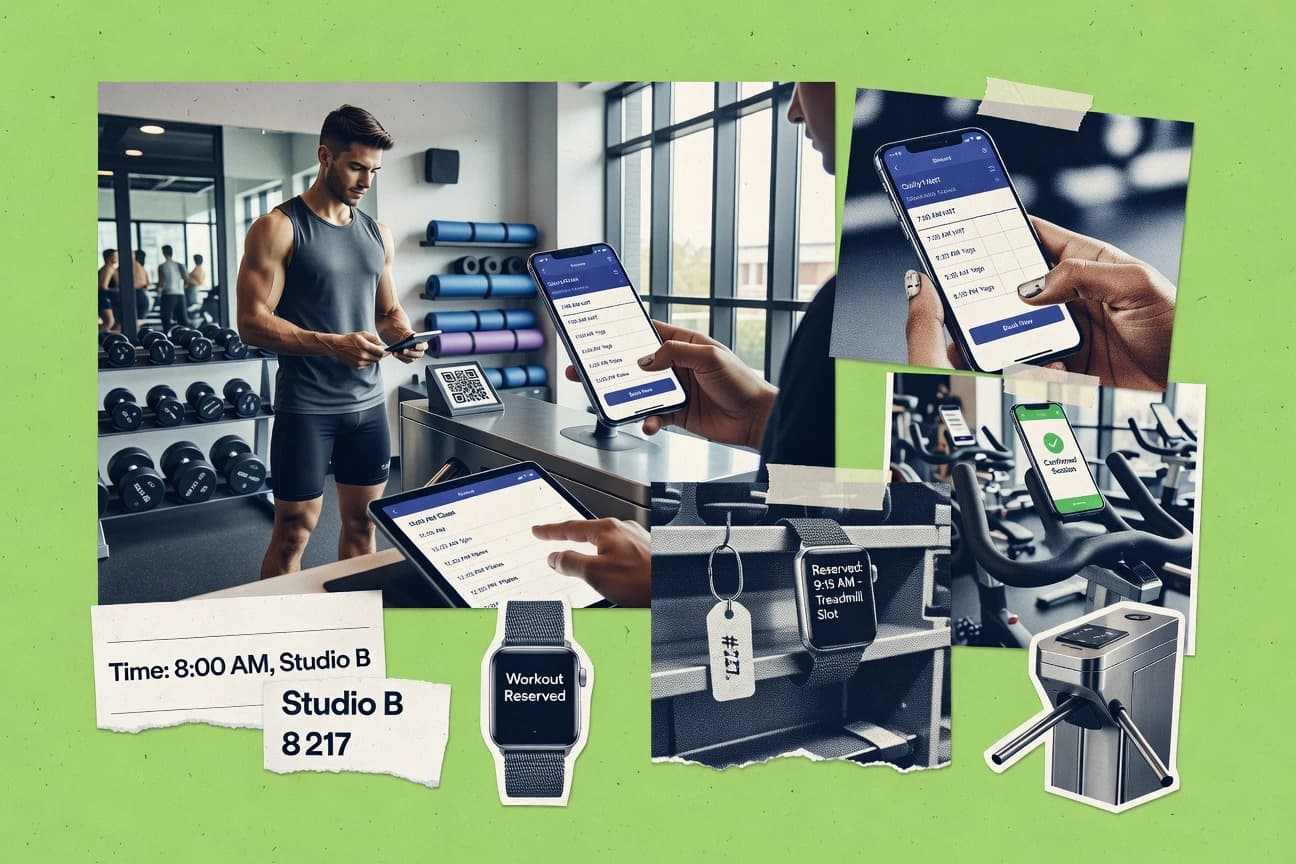
Top 10 ranking of gym reservation software for gyms, with feature comparisons and tradeoff notes for tools like Zen Planner, Glofox, and ABC.

How we ranked these tools
Core product claims cross-referenced against official documentation, changelogs, and independent technical reviews.
Analyzed video reviews and hundreds of written evaluations to capture real-world user experiences with each tool.
AI persona simulations modeled how different user types would experience each tool across common use cases and workflows.
Final rankings reviewed and approved by our editorial team with authority to override AI-generated scores based on domain expertise.
Score: Features 40% · Ease 30% · Value 30%
Gitnux may earn a commission through links on this page — this does not influence rankings. Editorial policy
Zen Planner is the safest overall fit for multi-location gyms that need consistent reservations and check-in tied to attendance reporting, whereas ABC Fitness Solutions works better when you need rule-governed enterprise reservations with QR check-in and calendar sync; if budgets are unclear, this pairing covers both sides.
Editor’s top 3 picks
Three quick recommendations before you dive into the full comparison below — each one leads on a different dimension.
Zen Planner
Attendance tracking tied to check-in records supports operational reporting without exporting every event.
Built for fits when multi-location gyms need consistent reservations, check-in, and attendance reporting..
Glofox
Editor pickRecurring class templates tied to session capacity control and day-of check-in workflows for operational continuity.
Built for fits when gyms need consistent class booking and staff check-in workflows across recurring schedules..
ABC Fitness Solutions
Editor pickRule-based reservation enforcement tied to capacity per time-slot and operational exceptions for staff-driven overrides.
Built for fits when mid-size facilities need rule-governed reservations plus QR check-in and calendar sync..
Comparison Table
Zen Planner
SMBAll-in-one gym management software with class scheduling, member billing, and workout tracking.
Attendance tracking tied to check-in records supports operational reporting without exporting every event.
Zen Planner supports member reservations for classes and time-based sessions with configurable rules for capacity and member eligibility. Attendance tracking ties directly to check-in workflows, and the system records outcomes that staff can use for follow-up and reporting. Admin users can manage multiple locations with schedule visibility that matches operational needs across staffed areas.
A tradeoff is that advanced automation beyond its built-in booking and attendance flows depends on external integrations rather than deep internal workflow scripting. It fits best for gyms that already run structured class templates and want consistent check-in and reporting without building custom reservation logic.
- +Reservation rules apply to classes and time-based sessions with consistent outcomes
- +Attendance tracking integrates with check-in workflows for actionable usage reporting
- +Multi-location scheduling keeps member visibility aligned with staffed operations
- +Calendar synchronization reduces schedule drift between staff and member views
- –Advanced workflow automation beyond standard flows needs integration work
- –Some complex eligibility and policy edge cases require careful admin configuration
- –External integration coverage may lag behind niche access control requirements
- –High-volume check-in processes can demand stronger staff process discipline
Front desk teams
Manage check-in and attendance
Fewer manual spreadsheets
Operations managers
Control capacity by schedule
Predictable booking outcomes
Show 2 more scenarios
Members and coaches
Keep class times consistent
Lower schedule confusion
Use booking pages and calendar sync to reduce mismatched schedules across devices.
Studio owners
Run recurring class templates
Faster weekly setup
Maintain class session structures that staff and members can book through the portal.
Best for: Fits when multi-location gyms need consistent reservations, check-in, and attendance reporting.
Glofox
SMBGym and fitness studio management platform with branded mobile app booking and member engagement.
Recurring class templates tied to session capacity control and day-of check-in workflows for operational continuity.
Glofox delivers a web booking portal for class reservations and a back-office setup for running schedules, staff rosters, and member accounts in one place. The workflow is built around recurring class templates and session capacity limits so operators can manage demand without manual counting. Member-facing pages support time-slot based booking and cancellation interactions tied to the scheduled sessions.
A key tradeoff is that high governance, such as fine-grained reservation policy variants by member type and location, can require careful configuration to avoid inconsistent enforcement. Glofox fits best when a single operator team manages a consistent set of studios or when staff need fast same-day visibility into bookings and attendance rather than a fully custom rules engine.
- +Recurring class templates reduce schedule maintenance for ongoing programs
- +Built-in capacity limits and reservation rules reduce manual oversight
- +Member management ties bookings to accounts for staff follow-up
- +Check-in workflows support day-of attendance tracking
- –Complex reservation policy variations need disciplined configuration
- –Multi-location consistency can require repeatable setup across locations
- –API and webhook coverage may not meet custom automation needs for every integration
- –Advanced reporting granularity may require exporting for deeper analysis
Gym operators
Run recurring classes with capacity limits
Fewer manual scheduling errors
Front-desk teams
Verify members at check-in
Faster entry and fewer disputes
Show 2 more scenarios
Multi-location coordinators
Standardize booking across studios
Reduced cross-location confusion
Location-aligned scheduling and member accounts help keep reservation behavior consistent across venues.
Membership managers
Handle cancellations and attendance
Cleaner membership records
Reservation lifecycle events link to session attendance so staff can manage follow-ups after changes.
Best for: Fits when gyms need consistent class booking and staff check-in workflows across recurring schedules.
ABC Fitness Solutions
enterpriseEnterprise gym management platform covering billing, member engagement, and club operations.
Rule-based reservation enforcement tied to capacity per time-slot and operational exceptions for staff-driven overrides.
ABC Fitness Solutions covers member reservations for classes and reservable sessions using configuration-driven rules for capacity and allowed booking windows. Staff scheduling features let operations teams control availability and override constraints when a facility needs exceptions for staff events or maintenance blocks. Calendar synchronization reduces manual coordination by pushing scheduled sessions to member calendars and aligning visible times across devices. Identity verification and check-in support are designed around QR-based workflows to reduce manual lookup during peak traffic.
The main tradeoff is that advanced automation depends on careful rule configuration across each facility location, time zone settings, and exception handling. ABC Fitness Solutions works best when a single facility wants consistent governance for reservations and attendance rather than when a chain needs deeply customized per-venue booking logic with frequent schema changes.
- +Reservation rules enforce capacity limits per session time-slot
- +QR-based check-in reduces manual member lookup at doors
- +Calendar sync keeps member schedules aligned with staff changes
- +Attendance capture supports post-session reporting workflows
- –Rule exceptions require careful configuration across each location
- –API and automation depth is limited for custom integrations beyond core sync
Front desk operations teams
Handle check-in during class transitions
Faster throughput at peak times
Facility managers
Control booking windows and session limits
Fewer scheduling conflicts
Show 2 more scenarios
Class scheduling coordinators
Publish schedule updates to members
Lower support tickets
Calendar synchronization propagates session changes to member calendars without manual outreach.
Membership and retention staff
Monitor attendance after reserved sessions
Improved attendance management
Attendance tracking ties into reservation outcomes for operational follow-up workflows.
Best for: Fits when mid-size facilities need rule-governed reservations plus QR check-in and calendar sync.
Wodify
vertical specialistGym management platform for CrossFit affiliates and functional fitness gyms with class reservations and workout tracking.
Waitlist-first handling tied to capacity limits keeps class spots moving when demand exceeds seats.
Wodify is gym reservation software focused on class-based workflows, with member-facing booking and staff operations tied to scheduled sessions. Its core capabilities include capacity-limited reservations, waitlist handling, and automated reminders that reduce forgotten check-ins.
Admin tooling covers session management, schedules, and operational settings that govern how members book and cancel. Calendar connectivity and integrations support ongoing schedule updates without manual re-entry across systems.
- +Capacity-limited bookings with waitlist flow for full sessions
- +Operational controls for session edits, cancellations, and booking governance
- +Calendar synchronization reduces schedule duplication across tools
- +Automation for member notifications around booking and attendance
- –Advanced workflows require consistent rule configuration across locations
- –Some integration scenarios depend on calendar feeds rather than event-level sync
- –Multi-location operations can become admin-heavy without standardized templates
- –Identity and check-in options can require external hardware setup
Best for: Fits when class schedules drive demand and staff need controlled capacity with automated member comms.
PushPress
SMBGym management system with class booking, member check-in, and billing for independent gym owners.
Reservation policy controls tied directly to staff check-in outcomes, so attendance status changes reflect booking rules during operations.
PushPress handles the booking lifecycle for gym sessions and classes, including capacity limits and waitlist behavior.
Staff check-in workflows convert scheduled reservations into attendance outcomes used for ongoing operational decisions.
Calendar publishing reduces schedule drift between the booking system and the member-facing view.
Admin and permission controls support multi-location staffing so schedules and rules stay consistent.
- +Waitlist and capacity rules reduce overselling for popular sessions
- +Staff check-in workflows link reservations to attendance states
- +Calendar sync keeps member schedules aligned with live booking rules
- +Multi-location configuration supports consistent operations across venues
- –Reservation rule configuration can be complex across varied class types
- –Advanced automation and API-driven workflows require careful setup
- –Reporting depth depends on how attendance and bookings are categorized
- –Some edge-case access policies need manual staff intervention
Best for: Fits when gyms need reservation rules with staff check-in flow and calendar sync across multiple locations.
Gymdesk
SMBGym management software with member scheduling, class bookings, and recurring billing.
Rule-based reservation controls that enforce capacity and eligibility per session time-slot.
Gymdesk is a gym reservation system designed around real-time capacity control and member booking flows. It centers on session-based reservations with rule-driven limits, plus operational tooling for attendance and check-in.
Integration options include calendar synchronization and automated notifications that support staff coordination. Admin workflows focus on managing facilities, booking rules, and access boundaries across locations.
- +Time-slot capacity limits enforce session ceilings automatically.
- +Reservation rules handle common constraints like booking windows and eligibility.
- +Calendar synchronization supports ongoing member and staff alignment.
- +Operational check-in workflow supports day-of attendance handling.
- –Multi-location governance can require careful configuration of booking rules.
- –Staff scheduling depth is limited compared with dedicated workforce tools.
- –Waitlist automation coverage can be narrower for complex demand scenarios.
- –Advanced identity verification workflows may need external setup.
Best for: Fits when a gym needs controlled session reservations with practical check-in operations and rule-based limits.
Exercise.com
SMBFitness business platform with gym scheduling, client management, and workout delivery.
API-first reservation and attendance data access designed for program-linked operational reporting.
Exercise.com centers gym reservations around member and program workflows, so booking ties into workouts, progress tracking, and staff operations. The scheduling surface supports session capacity limits, reservation rules, and waitlist handling as a single operational loop.
Admin controls cover location and role governance for day-to-day booking oversight. Integration options include calendar synchronization and an API surface for reservations and attendance-related events.
- +Reservation rules and waitlist logic reduce manual callouts
- +Capacity limits by time-slot help prevent overbooking
- +Calendar sync supports day-to-day coordination with less churn
- +API access supports building custom booking and reporting flows
- –Reservation setup requires careful coordination across locations
- –Advanced automation often depends on API and external tooling
- –Some identity verification steps rely on linked hardware workflows
- –Multi-location configurations can add administrative overhead
Best for: Fits when gyms need reservations that stay consistent with staff workflows and program attendance across multiple locations.
WellnessLiving
SMBBusiness management platform for fitness and wellness with class booking, marketing, and POS.
Integrated member management tied to reservations and attendance, so booking status drives operational reporting and staff tasks.
WellnessLiving is gym reservation software paired with member and class operations for facilities that run ongoing schedules. It supports web and mobile booking tied to inventory rules like capacity limits, cancellation windows, and waitlists for full sessions.
The admin experience focuses on staff-visible scheduling and attendance flows instead of a barebones reservation calendar. For integrations, WellnessLiving offers connectivity through published APIs and calendar sync so bookings and schedules can stay aligned across systems.
- +Capacity rules and waitlists handle full sessions without manual overrides
- +Attendance and check-in workflows connect bookings to staff operations
- +Calendar sync keeps member-visible schedules aligned across tools
- +Automation covers common booking lifecycle events like cancellations
- –Reservation complexity increases when multiple locations and rules overlap
- –Advanced identity and access workflows depend on add-on components
- –Custom automation often requires careful configuration of triggers and actions
- –Reports for reservation edge cases can require manual filtering
Best for: Fits when studios or multi-location gyms need booking plus operational workflows tied to schedules.
TeamUp
SMBClass booking and management software for fitness studios, gyms, and coaches.
Waitlist management tied to per-session capacity, with member visibility into slot availability changes.
TeamUp handles gym member reservations with a web booking portal and a class schedule that supports capacity limits per session. It adds staff and admin workflows for managing rosters, cancellations, and waitlists alongside day to day reservations.
Calendar synchronization and importable schedules support operational consistency across locations. Automation options center on booking rules, notification flows, and configurable reservation permissions.
- +Session capacity limits per class with waitlist handling
- +Web booking portal for member reservations with clear availability
- +Calendar synchronization for recurring classes and schedule updates
- +Admin tools for managing cancellations and reservation permissions
- –Reservation rules engine coverage can feel limited for complex policies
- –Multi-location operations require careful role and access configuration
- –API and automation surface is not as documented as top integration-first vendors
- –Advanced attendance and check-in workflows depend on add-ons or external tools
Best for: Fits when mid-size gyms need member self-service reservations plus practical admin controls.
Pike13
SMBClass scheduling and client management platform for fitness studios and class-based businesses.
Reservation rules engine that gates bookings and enforces session eligibility before confirmations.
Pike13 is a gym reservation software aimed at facilities that need tight control over bookings, capacity, and member access. The system supports a web booking portal for members, staff scheduling for internal coordination, and reservation rules that govern what can be booked. Pike13 also emphasizes operational workflows for check-in and attendance, including no-show handling mechanisms tied to bookings.
- +Reservation rules control capacity and booking eligibility by session
- +Member web booking portal keeps scheduling workflows in one place
- +Attendance capture ties check-in outcomes to booked sessions
- +Staff scheduling supports operational planning alongside reservations
- –Advanced booking policies require careful configuration of rule logic
- –External sync depth is limited when compared to API-first integrations
- –Multi-location governance can demand extra admin effort
- –Waitlist workflows may not match facilities needing complex escalation
Best for: Fits when teams need controlled reservations, member web booking, and attendance-linked operations without heavy custom builds.
Conclusion
After evaluating 10 wellness fitness, Zen Planner stands out as our overall top pick — it scored highest across our combined criteria of features, ease of use, and value, which is why it sits at #1 in the rankings above.
Use the comparison table and detailed reviews above to validate the fit against your own requirements before committing to a tool.
How to Choose the Right gym reservation software
This buyer’s guide compares gym reservation software used to control class and time-slot bookings, enforce session capacity limits, and connect reservations to check-in operations. Coverage includes Zen Planner, Glofox, ABC Fitness Solutions, Wodify, PushPress, Gymdesk, Exercise.com, WellnessLiving, TeamUp, and Pike13.
The sections that follow focus on integration depth, automation and API surface, and admin governance details that affect how reservations behave across locations and how attendance reporting is produced. Tools are evaluated against operational realities like capacity-limited sessions, waitlist handling, and the rule logic that governs eligibility and staff overrides.
Gym reservation software for booking rules, capacity limits, and attendance-linked check-in
Gym reservation software manages member bookings for classes and recurring time slots by applying reservation rules that control eligibility, booking windows, and session capacity ceilings. It also ties those bookings to check-in workflows such as QR scanning so attendance outcomes reflect what was reserved and what actually occurred.
Across the market, Zen Planner pairs reservation rules with attendance tracking tied to check-in records for operational reporting without exporting every event. Exercise.com emphasizes API-first reservation and attendance data access designed for program-linked operational reporting, with capacity limits by time-slot and waitlist logic built into the booking flow.
Reservation controls, attendance links, and integration depth
Capacity enforcement determines whether Glofox and Gymdesk can prevent overbooking as schedules fill. Waitlist behavior matters because Wodify and TeamUp handle full sessions differently from tools focused only on booking limits.
Attendance links also affect reporting quality after a reservation is made. Zen Planner and PushPress connect booking records to check-in outcomes, while Exercise.com and ABC Fitness Solutions address different integration needs for operational data.
Capacity and eligibility enforcement
Glofox applies capacity limits and reservation rules to recurring classes, while Gymdesk enforces capacity and eligibility by session time-slot. These controls reduce manual intervention when booking demand exceeds available places.
Waitlist behavior for full sessions
Wodify uses waitlist-first handling to keep class places moving when sessions reach capacity. TeamUp gives members visibility into availability changes through its web booking portal.
Check-in and attendance reporting
Zen Planner ties attendance tracking to check-in records for operational reporting without exporting every event. PushPress links staff check-in outcomes to reservation and attendance states.
API and synchronization depth
Exercise.com provides API-first access to reservation and attendance records for program-linked reporting. ABC Fitness Solutions covers QR check-in and calendar synchronization, but its API and automation depth is narrower for custom integrations.
Multi-location administration
WellnessLiving connects member management, reservations, and attendance across schedules, but overlapping location rules increase administrative complexity. Pike13 keeps booking and attendance workflows in one web booking portal with less external synchronization depth.
How to match reservation architecture to gym operations
The selection depends on whether the gym prioritizes centralized operational control, member self-service, or extensibility through external systems. Zen Planner and Glofox favor repeatable scheduling and attendance workflows, while Exercise.com favors API access for custom reporting and automation.
Location count, class volatility, and staff intervention determine which control model works best. A single-site studio may favor TeamUp or Pike13 for contained booking administration, while multi-location operators need consistent rules and reporting across sites.
Choose centralized controls or API extensibility
Select Zen Planner or Glofox when staff need defined booking and attendance workflows inside the platform. Select Exercise.com when reservation and attendance records must feed custom reporting or external automation through an API.
Decide how full sessions should behave
Choose Wodify or TeamUp when waitlist movement is central to filling cancelled places. Choose Gymdesk or ABC Fitness Solutions when strict time-slot capacity and eligibility rules matter more than member-facing waitlist visibility.
Map check-in requirements before comparing booking screens
Choose Zen Planner when attendance reporting must remain tied to check-in records. Choose ABC Fitness Solutions when QR-based door check-in and calendar synchronization are more relevant than deeper attendance reporting.
Separate recurring-program needs from flexible schedules
Choose Glofox when recurring class templates reduce ongoing schedule maintenance for stable programs. Choose Pike13 or TeamUp when administrators need a simpler web booking workflow for changing sessions and member self-service.
Test location governance with real exceptions
Use Zen Planner or PushPress when multiple locations need reservations linked to staff check-in operations. Test WellnessLiving and Gymdesk with location-specific eligibility, cancellation, and booking rules because overlapping policies can require detailed configuration.
Gym operating models that benefit from reservation software
Multi-location gyms need consistent reservation rules, check-in records, and attendance reporting across facilities. Zen Planner, Glofox, and PushPress address this operating model with controls that connect schedules to on-site staff workflows.
Class-led gyms need different capabilities from open-access facilities. Wodify and TeamUp suit demand patterns driven by full sessions and waitlists, while Exercise.com suits operators that connect booking data to program reporting or external systems.
Multi-location gyms with centralized administration
Zen Planner supports consistent reservations, check-in, and attendance reporting across locations. Glofox and PushPress also connect recurring schedules or staff check-in workflows to multi-location operations.
Class-led gyms with frequent waitlists
Wodify moves members through full-session waitlists, while TeamUp exposes changing availability through its member booking portal. These workflows suit gyms where cancellations regularly reopen limited class places.
Facilities using QR or kiosk-style door processes
ABC Fitness Solutions connects QR-based check-in with reservation operations. Zen Planner and PushPress connect staff check-in outcomes to attendance states for post-session reporting.
Operators building custom reporting or automation
Exercise.com provides API-first access to reservation and attendance records for program-linked reporting. Its external tooling model suits teams that need more control than standard platform workflows provide.
Common gym reservation software selection errors
Many purchasing errors come from testing a normal booking instead of the exceptions that determine daily administration. Full classes, late cancellations, eligibility conflicts, location-specific rules, and staff overrides expose differences between Zen Planner, Wodify, Gymdesk, and competing tools.
Integration claims also need operational testing. Exercise.com supports API-first data access, while Wodify may depend on calendar feeds for some synchronization scenarios, so the required event detail should be defined before selection.
Testing only an empty class with standard eligibility
Test a full session, a late cancellation, a waitlist promotion, and a staff override in Wodify, TeamUp, or Gymdesk. Record the resulting member status, staff task, and capacity count for each event.
Assuming recurring schedules remove all maintenance
Use Glofox recurring class templates with changed instructors, altered capacity, cancelled dates, and location exceptions. Confirm which changes apply to one session and which changes affect the recurring program.
Treating check-in as a separate reporting process
Run a real door workflow in Zen Planner, PushPress, or ABC Fitness Solutions and compare the check-in result with the reservation and attendance record. QR scans and staff lookup outcomes should produce the intended status without manual reconciliation.
Choosing synchronization without defining event detail
List required events such as booking creation, cancellation, waitlist promotion, and attendance completion before selecting an integration model. Exercise.com supports API-based access, while Wodify may use calendar feeds for some synchronization cases.
How We Selected and Ranked These Tools
We evaluated Zen Planner, Glofox, ABC Fitness Solutions, Wodify, PushPress, Gymdesk, Exercise.com, WellnessLiving, TeamUp, and Pike13 against reservation controls, capacity handling, waitlists, check-in links, integrations, and administrative workflows. Features accounted for 40% of each score, while ease of use accounted for 30% and value accounted for 30%.
Zen Planner ranked first with a 9.4 Overall score and a 9.4 Features score, supported by a 9.5 Ease score and a 9.3 Value score. Zen Planner set itself apart by tying attendance tracking directly to check-in records while supporting consistent reservations across multiple locations.
Frequently Asked Questions About gym reservation software
How do these gym reservation tools handle capacity limits per time-slot?
Which tools support waitlist-first workflows when a class reaches capacity?
How do QR check-in and attendance capture flow during operations?
When a member cancels, how is the cancellation grace window enforced?
Which platforms provide API access or automation hooks for reservations and attendance events?
What breaks if external calendar sync is disabled during class schedule updates?
Which tools support SSO for members and staff, and how does that affect access control?
How does data migration typically work when moving reservations and member records from an existing facility system?
Where do admin controls differ for multi-location teams that need per-site rules?
Tools reviewed
Primary sources checked during evaluation.
Referenced in the comparison table and product reviews above.
Keep exploring
Comparing two specific tools?
Software Alternatives
See head-to-head software comparisons with feature breakdowns, pricing, and our recommendation for each use case.
Explore software alternatives→In this category
Wellness Fitness alternatives
See side-by-side comparisons of wellness fitness tools and pick the right one for your stack.
Compare wellness fitness tools→