
GITNUXSOFTWARE ADVICE
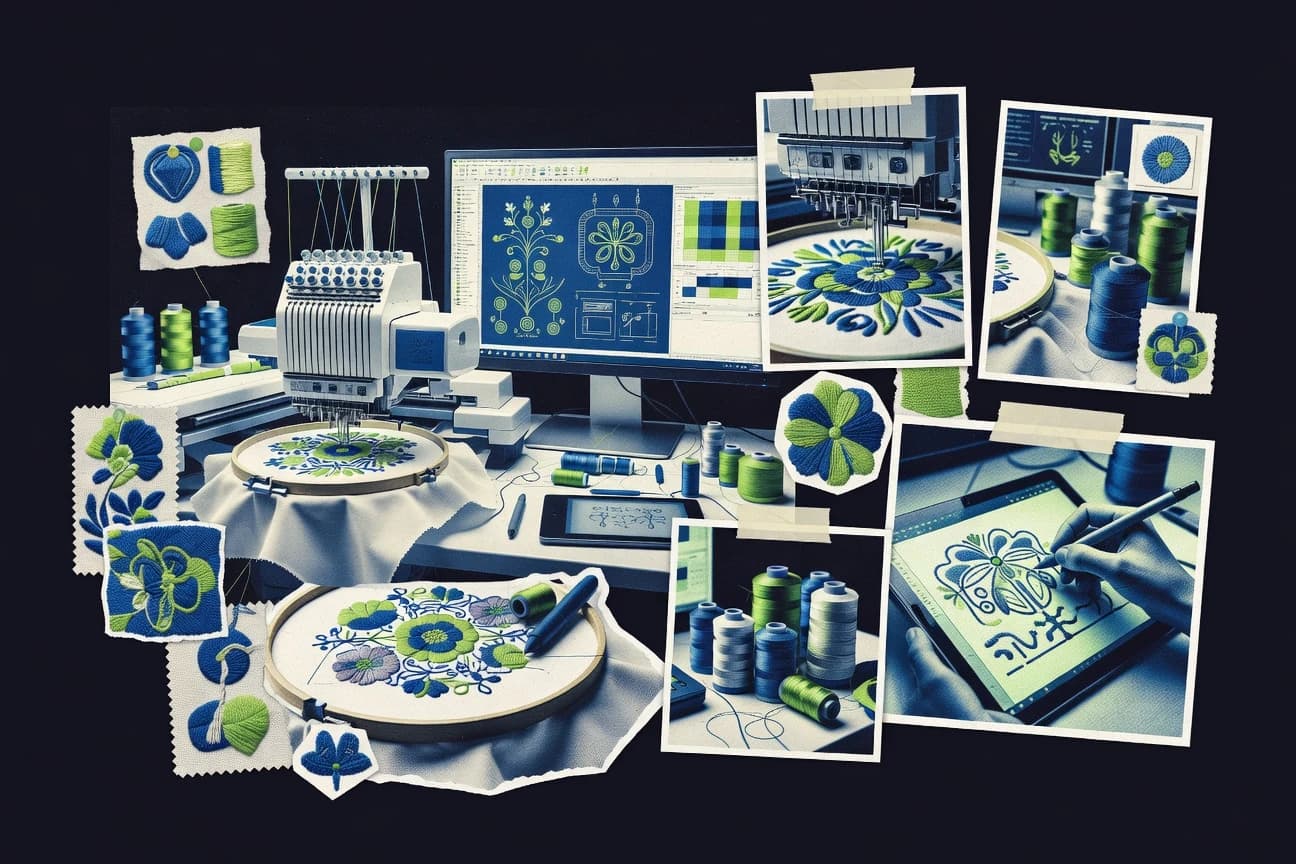
Art DesignTop 10 Best Auto Digitizing Embroidery Software of 2026
Ranking roundup of top auto digitizing embroidery software for machine-ready designs, comparing Wilcom EmbroideryStudio, DRAWings, and Chroma.

How we ranked these tools
Core product claims cross-referenced against official documentation, changelogs, and independent technical reviews.
Analyzed video reviews and hundreds of written evaluations to capture real-world user experiences with each tool.
AI persona simulations modeled how different user types would experience each tool across common use cases and workflows.
Final rankings reviewed and approved by our editorial team with authority to override AI-generated scores based on domain expertise.
Score: Features 40% · Ease 30% · Value 30%
Gitnux may earn a commission through links on this page — this does not influence rankings. Editorial policy
Wilcom EmbroideryStudio is the best fit for production teams that want repeatable auto digitizing with tight stitch control and export predictability, while DRAWings works well when you need fast batch-ready drafts and controlled edits, and Bernina ArtLink is a lighter choice if you’re staying budget-focused on Bernina workflows.
Editor’s top 3 picks
Three quick recommendations before you dive into the full comparison below — each one leads on a different dimension.
Wilcom EmbroideryStudio
Integrated machine embroidery simulation tied to editable stitch parameters for preflight-like review.
Built for fits when production teams need repeatable stitch generation with strong preview and export control..
DRAWings
Editor pickStitch simulation preview tied to the generated stitch plan for earlier correction before file export.
Built for fits when shops need fast auto digitizing drafts and controlled edits for batch production..
Chroma
Editor pickMachine-oriented workflow that connects auto digitizing output to Ricoma production file and validation steps.
Built for fits when a Ricoma shop needs repeatable auto digitizing with reliable simulation checks..
Comparison Table
Wilcom EmbroideryStudio
enterpriseWilcom EmbroideryStudio supports automatic digitizing, advanced stitch control, lettering, and production workflows.
Integrated machine embroidery simulation tied to editable stitch parameters for preflight-like review.
Wilcom EmbroideryStudio is built for hands-on embroidery digitizing and for vector-to-stitch production, with workspaces dedicated to stitch editing and visual verification. Users can manage stitch-level parameters like density and length, then validate with simulation before exporting to embroidery file formats.
A practical tradeoff is that deep parameter control and multi-step validation can add time for teams that only need quick, limited auto digitizing. It fits best when consistent design quality matters across repeated production runs, including logo resizing and color layout changes.
- +Vector-to-stitch workflow with tight control over stitch parameters
- +Machine simulation supports design review before export
- +Stitch editing covers satin, fill, and running element adjustments
- +Export-ready output formats for production use
- –Advanced parameter workflows require training to avoid quality drift
- –Automation depth depends on disciplined input art and object structure
- –Large multi-color projects can slow iteration during fine edits
- –Requires workflow decisions for consistent color-stop management
Embroidery digitizers
Convert client vectors into stitch data
Faster production-ready digitizing
Production managers
Validate multi-color designs before runs
Fewer machine-side corrections
Show 2 more scenarios
Merchandise brands
Resize logos across garments
Consistent logo quality
Editing geometry and stitch parameters helps keep stitch behavior consistent after resizing.
Apparel customization studios
Prepare files for different machines
Reduced format rework
Export to multiple embroidery file formats supports delivering compatible outputs to shops.
Best for: Fits when production teams need repeatable stitch generation with strong preview and export control.
DRAWings
SMBDRAWings provides embroidery digitizing, automatic conversion, lettering, editing, and machine-file export.
Stitch simulation preview tied to the generated stitch plan for earlier correction before file export.
DRAWings is aimed at turning vector or raster artwork into stitch plans that can be refined in an embroidery design editor workflow. It supports stitch simulation to preview how the generated satin stitch and fill stitch behavior will read before exporting to machine formats. Thread color mapping and color-stop management are handled alongside the stitch plan so multiple runs stay consistent across updates.
A key tradeoff is that auto digitizing output still requires targeted manual correction for complex lettering edges and overlapping objects. Shops get the most value when producing batches of similar graphics with consistent density and compensation rules, then exporting DST format, PES format, or JEF format for production.
- +Auto digitizing draft reduces setup time for new artwork
- +Stitch simulation helps catch dense areas before exporting
- +Color-stop management keeps multi-thread designs organized
- +Machine format exports support common production pipelines
- –Auto results need manual cleanup on tight lettering and trims
- –Fine-grained compensation tuning can slow batch iteration
- –Complex object stacking may require multiple edit passes
- –Vector-to-stitch conversion quality depends on input artwork structure
Small embroidery shops
Convert customer logos into stitch files
Faster design turnaround
Apparel decorators
Batch updates across many colorways
Lower remakes
Show 2 more scenarios
Production digitizers
Refine dense artwork for trims
Cleaner stitch coverage
Stitch simulation flags coverage density issues so satin stitch and fill stitch adjustments are targeted.
Lettering-focused operators
Digitize text overlays on garments
Sharper letter boundaries
Auto digitizing accelerates first drafts while manual control fixes edges and overlaps for stability.
Best for: Fits when shops need fast auto digitizing drafts and controlled edits for batch production.
Chroma
SMBChroma provides embroidery digitizing, automatic design conversion, lettering, and machine-file export.
Machine-oriented workflow that connects auto digitizing output to Ricoma production file and validation steps.
Chroma pairs auto digitizing with structured post-processing so stitch properties can be corrected without discarding the generated result. Stitch simulation and hoop-related configuration help validate design behavior before committing production time. Vector artwork import and raster-to-stitch conversion routes support common customer artwork sources when clean vectors are unavailable. This pairing fits operators who need predictable stitch output across varied artwork while still correcting problems in the generated stitches.
A tradeoff is that Chroma’s auto digitizing still needs manual tuning when artwork has ambiguous borders or tight lettering spacing. It is best used in a shop pipeline where each design goes through generation, simulation review, and export to a Ricoma machine format each time artwork or sizing changes.
- +Ricoma-focused workflow reduces machine compatibility friction
- +Auto digitizing includes practical stitch behavior tuning
- +Simulation supports earlier detection of density and spacing issues
- +Editing tools keep generated stitches salvageable
- –Auto results still require manual correction on complex lettering
- –Vector artwork import quality can drive downstream stitch quality
- –Fine control takes time for operators without digitizing background
- –Production exports depend on a compatible machine workflow
Embroidery production operators
Turn customer art into stitched orders
Fewer reworks and faster approvals
Digitizing leads
Standardize stitch settings across jobs
More uniform stitch quality
Show 2 more scenarios
Small embroidery shops
Handle mixed artwork sources quickly
Shorter time to first stitch file
Use both vector and raster conversion paths to start from imperfect art.
Lettering-focused teams
Generate text while controlling spacing
Cleaner lettering renderings
Use auto generation, then refine stitch geometry to avoid crowding and edge pull issues.
Best for: Fits when a Ricoma shop needs repeatable auto digitizing with reliable simulation checks.
Hatch Embroidery
SMBAuto-digitizing embroidery software for hobbyists and small businesses, developed by Wilcom.
Auto digitizing that applies compensation and stitch-type logic while generating stitch density and lengths from the input artwork.
Hatch Embroidery focuses on automatic digitizing workflows that turn artwork into production-oriented embroidery stitch data. It handles stitch generation with control over stitch types, densities, and compensation so letterforms and curved shapes print closer to the intended look.
Hatch Embroidery also supports vector-to-stitch and raster-to-stitch conversion paths and exports machine-ready stitch files for common embroidery formats. Design editing and machine hoop settings help teams fine-tune output before sending a job to production.
- +Automatic digitizing produces usable stitch runs quickly
- +Compensation settings help maintain letter and curve geometry
- +Machine hoop settings reduce last-minute fit surprises
- +Exported stitch files support common embroidery workflows
- –Advanced controls require more manual adjustment than expected
- –Some artwork types need cleanup before conversion
- –Thread color mapping can be time-consuming for multi-color sets
- –Results vary more for dense designs than for simple logos
Best for: Fits when small production teams need fast auto digitizing with enough manual tuning for lettering and logos.
Bernina ArtLink
vertical specialistFree embroidery software from Bernina with basic auto-digitizing and editing capabilities.
ArtLink’s Bernina-oriented generation workflow pairs automated stitch construction with color-stop and thread mapping continuity for edits.
Bernina ArtLink converts digitizing tasks into an automation-first workflow by turning vector and image inputs into stitch-ready embroidery structure. The software generates stitch paths and stitch types with Bernina-oriented design editing features, then prepares production files for common machine ecosystems.
It also supports color-stop management and thread color mapping so generated designs retain clear color sequencing for stitching. In practice, it reduces manual stitch planning time while still allowing targeted changes to stitch behavior and object placement.
- +Automates stitch generation from imported artwork with Bernina-focused output
- +Color-stop management keeps generated color sequencing consistent across edits
- +Digitized objects remain editable for targeted stitch and placement adjustments
- +Thread chart conversion supports clearer thread mapping before stitching
- –Advanced pull and push compensation tuning is limited versus manual digitizing
- –Vector import cleanup often requires follow-up editing to avoid stitch artifacts
- –Machine hoop settings can require manual verification for reliable fit
Best for: Fits when Bernina users need faster automatic digitizing for production-ready stitch files with controlled edits.
Premier+ 2 Embroidery
vertical specialistDesktop embroidery software with auto-digitizing modules for Husqvarna Viking users.
Stitch simulation and export settings stay tightly coupled to hoop and machine embroidery parameters for predictable runs.
Premier+ 2 Embroidery is an auto digitizing workflow aimed at Husqvarna Viking sewing and embroidery ecosystems, with digitizing tuned for stitch generation and production-ready outputs. It focuses on turning artwork into machine-ready stitch data with practical controls for stitch types like satin and fill, plus handling for underlay and density-related stitch behavior.
The tool supports embroidery design editing around color management and machine file export needs used in shop-floor production. File interchange with common embroidery formats is a central part of the workflow, with hoop and machine compatibility settings tied to export outcomes.
- +Digitizing workflow built around Husqvarna Viking embroidery compatibility needs
- +Stitch type coverage includes satin and fill with underlay support for stability
- +Color-stop management supports practical thread color workflows for production
- +Export-oriented approach targets machine files used for stitching turnaround
- –Automatic digitizing needs more manual cleanup for complex lettering
- –Advanced compensation tuning can be limited versus pro digitizing engines
- –Vector-to-stitch results vary across artwork contrast and edge quality
- –Automation breadth is narrower than tools focused on full batch pipelines
Best for: Fits when shop work needs Husqvarna Viking-aligned auto digitizing with fast stitch generation and export.
Embrilliance StitchArtist
SMBEmbrilliance StitchArtist provides embroidery digitizing, object editing, lettering, and stitch-file export.
Stitch simulation with interactive edit loops lets adjustments be validated against the generated stitch plan before export.
Embrilliance StitchArtist focuses on automatic digitizing with a workflow that keeps edits close to the generated stitch plan. It generates stitch types such as satin and fill and supports manual refinement of density, stitch length, and pull behavior.
The software’s charting and export workflow targets common embroidery machine ecosystems by producing production files plus stitch simulation for review. StitchArtist also supports vector artwork import and raster artwork conversion as inputs for stitch generation.
- +Automatic stitch generation produces usable satin and fill starting points fast
- +Density, stitch length, and compensation controls make refinement straightforward
- +Stitch simulation supports visual QC before export
- +Vector import and raster conversion cover common customer artwork sources
- –Lettering and logo work still needs manual cleanup for production consistency
- –Machine hoop settings workflow can require extra steps for each design
- –Limited automation surface compared with API-driven batch pipelines
- –Thread color mapping and stops can be time-consuming for complex gradients
Best for: Fits when production shops need automatic stitch generation plus interactive cleanup for logos and small runs.
Brother PE-Design
SMBBrother PE-Design converts artwork into embroidery designs and supports editing, lettering, and machine export.
Stitch simulation feedback tied to stitch-type parameters makes it easier to tune underlay and fills after automatic digitizing.
Brother PE-Design is an embroidery digitizing and editing suite designed around Brother machine file workflows, with direct support for common Brother output formats. It is built for automatic digitizing with stitch generation controls like density and compensation, plus practical editing for shapes, text, and multi-color designs.
The toolchain centers on translating artwork into production-ready stitch data, then previewing and tuning stitch behavior before exporting to machine-ready files. Automation is strongest when starting from templates or vector artwork, since the stitch engine needs clear shape intent to generate consistent fill, satin, and underlay paths.
- +Automatic digitizing with density and compensation controls for more predictable stitch coverage
- +Editing workflow supports lettering and shape refinement after stitch generation
- +Machine-focused export formats reduce friction when moving designs to Brother embroidery systems
- +Stitch simulation helps validate underlay and fill behavior before exporting
- –Auto digitizing results can degrade on low-contrast or messy vector artwork
- –Lettering and complex objects often need manual stitch-type overrides for clean outlines
- –Large production files can feel slow when repeatedly adjusting parameters and regenerating stitches
- –Advanced workflow automation and API access are limited for system integration
Best for: Fits when designers need faster Brother-machine-ready stitch generation and practical editing without custom tooling.
Tajima DGML by Pulse
enterpriseTajima DGML by Pulse provides automated digitizing, stitch editing, lettering, and commercial production tools.
DGML-focused export and validation workflow that keeps Tajima machine compatibility front-and-center.
Tajima DGML by Pulse generates embroidery stitch files in Tajima DGML workflows from vector or raster inputs. It focuses on automatic digitizing with controllable stitch parameters such as density, stitch length, underlay choices, and compensation behaviors for machine output.
The workflow targets production-ready file export and design editing loops that keep machine compatibility in scope. Integration hinges on how Pulse’s system fits into an existing production process for thread color mapping, stitch simulation, and consistent hoop setting rules.
- +DGML-first output path supports shop-floor Tajima workflows
- +Automatic stitch generation includes tunable density and length controls
- +Underlay stitching options help stabilize fills and complex edges
- +Stitch simulation supports faster pre-production validation
- –Digitizing control depth can lag manual editing tools for edge cases
- –Vector cleanup and color-stop planning can be required before auto runs
- –Complex appliqué workflows may need extra refinement cycles
- –Machine hoop setting logic needs consistent configuration discipline
Best for: Fits when production teams need DGML-oriented auto digitizing with repeatable stitch parameter control and validation.
Ink/Stitch
SMBInk/Stitch adds embroidery design creation and machine-file export to Inkscape.
Ink/Stitch generates stitch paths as editable Inkscape objects, so corrections stay localized instead of replacing the whole digitize.
Ink/Stitch is an open-source embroidery digitizing workflow built around stitch generation and editing inside Inkscape. It focuses on converting vector artwork into production-oriented stitch objects like fill, satin, and underlay with explicit stitch parameters.
Automation is driven by presets and rule-based generation rather than a fully autonomous black-box digitize button. It exports machine-ready stitch files for common embroidery ecosystems while keeping changes traceable in the SVG-based edit flow.
- +Vector-first workflow inside Inkscape with editable stitch objects
- +Rule-based stitch generation with per-region and per-stitch parameters
- +Stitch simulation and layer-style inspection of generated paths
- +Wide export coverage across common embroidery file formats
- –Auto digitizing still requires manual tuning for challenging artwork
- –Stitch results can be sensitive to vector cleanliness and node structure
- –Lettering and complex shapes take more setup than pure automation
- –Workflow friction increases when moving between many machine types
Best for: Fits when teams need vector-driven auto digitizing with editable stitch outputs for production files.
Conclusion
After evaluating 10 art design, Wilcom EmbroideryStudio stands out as our overall top pick — it scored highest across our combined criteria of features, ease of use, and value, which is why it sits at #1 in the rankings above.
Use the comparison table and detailed reviews above to validate the fit against your own requirements before committing to a tool.
How to Choose the Right auto digitizing embroidery software
Auto digitizing embroidery software turns imported artwork into stitch plans with stitch-type logic, density and length controls, and machine export pathways that reduce manual build time. This guide covers Wilcom EmbroideryStudio, DRAWings, Chroma, Hatch Embroidery, Bernina ArtLink, Premier+ 2 Embroidery, Embrilliance StitchArtist, Brother PE-Design, Tajima DGML by Pulse, and Ink/Stitch.
The tools differ in how tightly stitch simulation is coupled to the generated plan, how compensation behavior is handled during auto generation, and how much cleanup remains after automatic runs. The covered workflows focus on stitch generation quality, preflight-like preview control, and export readiness for specific machine ecosystems.
Auto digitizing embroidery software that generates stitch plans from artwork for production-ready exports
Auto digitizing embroidery software takes vector or raster artwork input and generates stitch paths by applying stitch-type rules such as satin, fill, and underlay logic plus parameters for stitch density and stitch length. The generated output typically feeds stitch simulation and export steps so digitized changes can be validated before file export.
Wilcom EmbroideryStudio ties machine embroidery simulation directly to editable stitch parameters so production teams can review stitch behavior and adjust the underlying stitch plan before exporting. Ink/Stitch instead generates stitch paths as editable Inkscape objects, which keeps corrections localized when auto output needs refinement for specific regions or stitch settings.
Auto digitizing capabilities that change stitch outcomes
Auto digitizing matters most when the generated stitch plan keeps its behavior consistent from preview to export. In these tools, stitch simulation feedback, compensation handling, and stitch-type logic directly determine whether dense areas, trims, and lettering hold up on machine runs.
The practical differentiator is how tightly simulation is tied to the editable stitch parameters and how much corrective work remains after automatic generation. Some tools keep corrections localized to stitch objects, while others rebuild stitch parameters through a draft-to-export workflow.
Stitch simulation coupled to editable stitch parameters
Wilcom EmbroideryStudio links machine embroidery simulation to editable stitch parameters for preflight-like review before export. DRAWings and Embrilliance StitchArtist both provide stitch simulation tied to the generated stitch plan so corrections can happen before file export.
Auto digitizing compensation behavior for letter and curve geometry
Hatch Embroidery applies compensation and stitch-type logic during auto generation while also deriving stitch density and lengths from input artwork. Brother PE-Design uses density and compensation controls to produce more predictable stitch coverage, then supports practical tuning after automatic digitizing.
Machine-ecosystem export pathways and validation workflows
Chroma is Ricoma-oriented with an auto digitizing workflow that connects output to Ricoma production file and validation steps. Tajima DGML by Pulse keeps DGML export and validation front-and-center so stitch parameter control stays aligned with shop-floor Tajima workflows.
Color-stop and thread mapping continuity across edits
Bernina ArtLink maintains color-stop management and thread mapping continuity so Bernina output stays consistent when edits change sequencing. Wilcom EmbroideryStudio supports vector-to-stitch workflow with tight control over stitch parameters that helps preserve stitch behavior through changes.
Editable stitch output structure for localized corrections
Ink/Stitch generates stitch paths as editable Inkscape objects so fixes stay localized instead of replacing the whole digitize. Wilcom EmbroideryStudio also emphasizes editable stitch parameters, but its differentiator is integrated machine simulation tied to those parameters.
Choosing an auto digitizing engine by workflow coupling and control depth
The decision should start with how much control must survive the path from auto digitizing draft to export-ready files. Tools that keep simulation tied to the generated stitch plan reduce the risk of surprises at export time.
Next, the selection should reflect the shop’s output ecosystem and how edits get governed across many designs. A DGML-first workflow, a Ricoma-focused workflow, or a machine-specific hoop and export coupling changes how reliably auto digitizing fits production throughput.
Confirm whether simulation is tied to the stitch plan or only provides feedback
Choose Wilcom EmbroideryStudio when machine embroidery simulation stays coupled to editable stitch parameters so the generated plan can be adjusted during review. Choose DRAWings when stitch simulation preview stays tied to the generated stitch plan so earlier correction happens before file export.
Select based on how compensation and stitch density get derived during auto generation
Choose Hatch Embroidery when compensation and stitch-type logic are applied during auto digitizing and stitch density and stitch lengths are derived from input artwork. Choose Brother PE-Design when the workflow emphasizes density and compensation controls after automatic digitizing to maintain predictable stitch coverage.
Match the export and validation workflow to the machine ecosystem
Choose Chroma when the shop needs Ricoma-focused output and validation steps connected to auto digitizing output. Choose Tajima DGML by Pulse when DGML-oriented export and validation keeps Tajima machine compatibility aligned with repeatable stitch parameter control.
Decide between localized stitch-object corrections and stitch-parameter rebuilds
Choose Ink/Stitch when rule-based generation outputs editable stitch paths as Inkscape objects so corrections stay localized to affected regions. Choose Embrilliance StitchArtist when interactive edit loops validate adjustments against the generated stitch plan before export, which reduces blind retries.
Evaluate whether lettering and complex objects will need significant manual cleanup
Choose DRAWings when batches can accept manual cleanup for tight lettering and trims and the goal is fast auto digitizing drafts. Choose Wilcom EmbroideryStudio when advanced parameter workflows can be trained to avoid quality drift and when complex stitch plans need repeatable control.
Check whether hoop and export settings remain tightly coupled to avoid parameter mismatch
Choose Premier+ 2 Embroidery when stitch simulation and export settings stay tightly coupled to hoop and machine embroidery parameters for predictable runs. Choose Brother PE-Design when edits focus on practical tuning of underlays and fills after stitch-type parameters are generated.
Who should use auto digitizing software instead of manual digitizing
Auto digitizing software fits production teams that must turn imported artwork into stitch plans quickly while still running stitch simulation checks before export. These tools reduce time spent rebuilding repetitive stitch structures such as satin and fill while still supporting corrective workflows.
The best matches depend on machine ecosystem alignment and on whether stitch simulation stays tightly bound to the generated stitch plan. Some tools prioritize machine-specific export workflows, while others prioritize editable stitch-object outputs or parameter-driven simulation review.
Production teams digitizing many similar logos and trims
DRAWings supports fast auto digitizing drafts with stitch simulation preview that helps catch dense areas before exporting. Hatch Embroidery also produces usable stitch runs quickly by generating stitch density and lengths from input artwork, which helps reduce repetitive manual setup.
Shops that require simulation-grade review before file export
Wilcom EmbroideryStudio ties machine embroidery simulation directly to editable stitch parameters for preflight-like review. Embrilliance StitchArtist provides interactive edit loops that validate adjustments against the generated stitch plan before export.
Ricoma-focused embroidery production environments
Chroma connects auto digitizing output to Ricoma production file and validation steps, which reduces machine compatibility friction. The workflow is designed to keep stitch behavior tuned for Ricoma runs.
Tajima production lines built around DGML workflows
Tajima DGML by Pulse is DGML-first, with export and validation workflows that keep Tajima machine compatibility at the center of the process. Automatic stitch generation includes tunable density and length controls aligned to shop-floor expectations.
Vector-centric teams that want localized stitch corrections
Ink/Stitch generates stitch paths as editable Inkscape objects, so corrections can stay localized to specific regions. This approach is most efficient when vector cleanliness and node structure are already under control.
Common pitfalls when adopting auto digitizing engines
Auto digitizing can fail when artwork structure and object organization do not match the generator’s assumptions. Several tools explicitly describe degraded results on complex lettering, messy vector files, or artwork that lacks clean outlines.
The other recurring issue is treating stitch simulation as a cosmetic preview instead of a parameter-linked review stage. Tools that tie simulation to editable stitch parameters require disciplined iteration to prevent quality drift and to avoid exporting designs that only looked acceptable during drafting.
Using auto digitizing on messy vectors without cleanup for outlines and trims
Ink/Stitch and Brother PE-Design both describe sensitivity to vector cleanliness, so low-contrast or messy vector artwork can degrade auto results. Pre-clean vector shapes so outlines and node structure support consistent stitch generation.
Over-trusting automatic lettering when the workflow still needs manual overrides
DRAWings calls out manual cleanup needs for tight lettering and trims, and Wilcom EmbroideryStudio requires training to manage advanced parameter workflows. Run targeted test digitizing on lettering-rich designs before batching production.
Accepting compensation behavior that does not match the expected fabric behavior
Hatch Embroidery uses compensation and stitch-type logic during auto digitizing, but advanced controls can still require more manual adjustment than expected. Brother PE-Design can need lettering and complex objects to be handled with stitch-type overrides for clean outlines.
Exporting without verifying that hoop and export settings remain aligned to simulation
Premier+ 2 Embroidery couples simulation and export settings to hoop and machine embroidery parameters, which is intended to prevent parameter mismatch on runs. If another tool’s workflow separates review from export too much, errors can slip through dense areas.
How We Selected and Ranked These Tools
We evaluated Wilcom EmbroideryStudio, DRAWings, Chroma, Hatch Embroidery, Bernina ArtLink, Premier+ 2 Embroidery, Embrilliance StitchArtist, Brother PE-Design, Tajima DGML by Pulse, and Ink/Stitch on feature depth that affects stitch generation behavior, simulation review, and export control. Features carried 40% weight because coupling between auto digitizing output and stitch simulation determines whether edits are validated before export.
Ease and value each carried 30% weight because shops need predictable cleanup effort, including manual correction on lettering and trims, and because machine ecosystem alignment changes the friction of validation steps. Wilcom EmbroideryStudio separated at the top by tying machine embroidery simulation to editable stitch parameters for preflight-like review, which creates repeatable control over stitch outcomes before export.
Frequently Asked Questions About auto digitizing embroidery software
How does Wilcom EmbroideryStudio handle vector artwork to stitch paths for satin, fill, and running elements?
Which tool gives the most correction loop between stitch simulation and stitch parameters before export?
When is Chroma the better choice for automation tied to a specific machine ecosystem?
What breaks if a production workflow needs thread color mapping and color-stop management to survive edits?
Which software keeps hoop and machine embroidery parameters tightly coupled to the generated output?
How does Ink/Stitch keep digitizing edits traceable when converting vector artwork into stitch objects?
Which tool is designed for DGML workflows when the shop must keep Tajima machine compatibility in scope?
Where do stitch type controls and underlay handling show meaningful differences across Hatch Embroidery and Wilcom EmbroideryStudio?
What technical input constraints matter most for Brother PE-Design when teams rely on templates or vector artwork?
Tools reviewed
Primary sources checked during evaluation.
Referenced in the comparison table and product reviews above.
- Art DesignTop 10 Best Embroidery Design Software of 2026
- Automotive ServicesTop 10 Best Auto Software of 2026
- Consumer RetailTop 10 Best Embroidery Shop Management Software of 2026
- Fashion ApparelTop 10 Best Clothing Design Software of 2026
- Digital Products And SoftwareTop 10 Best Automatic Scanning Software of 2026
Keep exploring
Comparing two specific tools?
Software Alternatives
See head-to-head software comparisons with feature breakdowns, pricing, and our recommendation for each use case.
Explore software alternatives→In this category
Art Design alternatives
See side-by-side comparisons of art design tools and pick the right one for your stack.
Compare art design tools→