
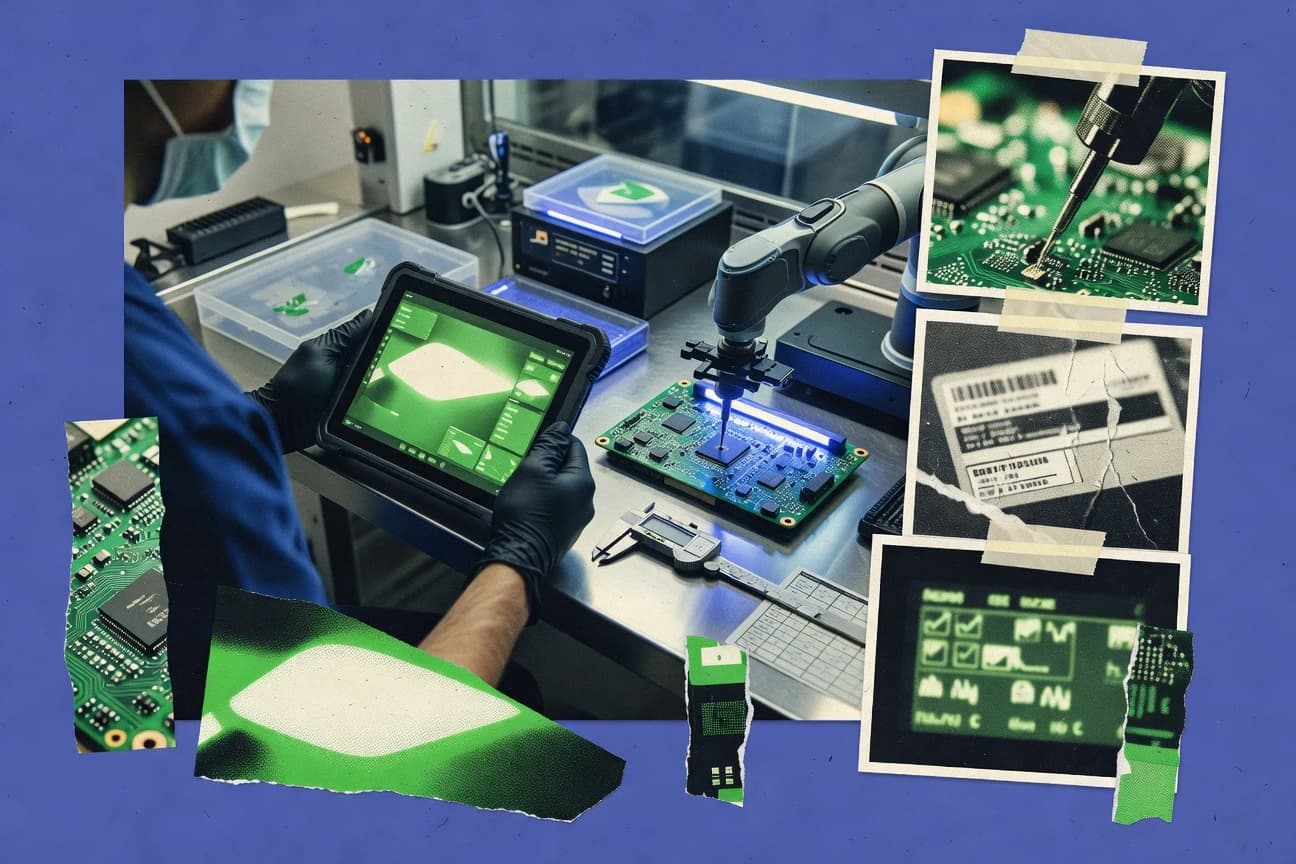

AI is already reshaping software testing in very measurable ways in 2024, from 67% of QA professionals using AI tools daily for test automation to a 40% drop in QA operational costs for adopters. Even more striking, ROI on AI testing tools averaged 300% in the first year while bug detection accuracy climbed to 92%. As these gains stack up across CI/CD, environments, and maintenance, it raises a key question about what actually changes in teams and where the biggest wins come from.
Key Takeaways
- 67% of QA professionals in 2024 surveys use AI tools daily for test automation.
- Adoption of AI in test case generation rose to 58% among mid-sized enterprises in 2023.
- 82% of DevOps teams integrated AI-based testing in CI/CD pipelines by end of 2023.
- AI testing led to 40% reduction in QA operational costs for 2023 adopters.
- ROI on AI testing tools averaged 300% within first year for enterprises.
- Manual testing labor costs cut by 65% with AI automation in 2024.
- AI reduced test script creation time by 70% in 68% of adopting teams.
- Automated test execution speed improved by 5x using AI predictive analytics in 2024 pilots.
- AI-driven test prioritization cut testing cycles from 4 weeks to 1 week in 75% cases.
- The global AI in software testing market was valued at USD 1.2 billion in 2022 and is projected to reach USD 4.8 billion by 2030, growing at a CAGR of 19.2%.
- AI testing tools adoption in enterprises increased by 45% from 2021 to 2023, with 72% of Fortune 500 companies integrating AI for QA processes.
- North America holds 38% market share in AI-driven testing solutions as of 2024, driven by tech giants like Google and Microsoft.
- AI improved defect detection accuracy to 92%, reducing rework costs by 50%.
- False positive rates in AI tests dropped to 5% from 25% in manual testing.
- Test coverage increased to 95% with AI-generated edge cases in 2023.
AI is rapidly transforming software testing, delivering faster execution, lower costs, and strong ROI across teams worldwide.
Related reading
01 · Category
Adoption Rates18 stats
01
67% of QA professionals in 2024 surveys use AI tools daily for test automation.
02
Adoption of AI in test case generation rose to 58% among mid-sized enterprises in 2023.
03
82% of DevOps teams integrated AI-based testing in CI/CD pipelines by end of 2023.
04
In India, 55% of IT services firms adopted AI for software testing in 2024.
05
71% of large enterprises reported full-scale AI testing deployment in 2023 surveys.
06
AI visual testing tools adopted by 49% of e-commerce testers in 2024.
07
64% of agile teams use AI for exploratory testing enhancements as per 2023 data.
08
Banking sector shows 76% AI adoption rate for compliance testing in 2024.
09
53% of startups under 50 employees use open-source AI testing frameworks.
10
Healthcare testing AI adoption at 61% driven by regulatory needs in 2023.
11
44% of SMEs adopted AI testing in Q1 2024.
12
Automotive industry at 69% AI testing penetration in 2024.
13
59% use AI for API testing in microservices.
14
Retail sector 62% adoption for e-commerce testing AI.
15
OpenAI models integrated in 51% of testing suites.
16
AI test orchestration tools used by 73% of enterprises.
17
48% of freelancers use AI testing on platforms like Upwork.
18
Energy sector 57% AI adoption for IoT testing.
Interpretation
Adoption Rates Interpretation
Adoption of AI in testing is clearly accelerating, with 82% of DevOps teams already integrating AI-based testing into CI/CD pipelines by the end of 2023 and 67% of QA professionals using AI tools daily for test automation in 2024.
02 · Category
Cost Savings18 stats
01
AI testing led to 40% reduction in QA operational costs for 2023 adopters.
02
ROI on AI testing tools averaged 300% within first year for enterprises.
03
Manual testing labor costs cut by 65% with AI automation in 2024.
04
Test environment provisioning costs dropped 50% via AI cloud optimization.
05
Defect escape rates lowered, saving 35% in production fix costs.
06
AI reduced test flakiness resolution time, saving $200K annually per team.
07
Subscription AI tools lowered upfront costs by 70% vs traditional suites.
08
Mid-market firms saved 45% on QA budgets post-AI adoption in 2023.
09
Long-term maintenance costs for tests fell 75% with AI self-healing.
10
AI in performance testing cut infrastructure costs by 60% in 2024.
11
55% savings on human QA hours annually.
12
AI tools pay back in 6 months for 80% users.
13
Infrastructure costs 55% lower with AI optimization.
14
Reduced outsourcing needs by 40% in testing.
15
License costs for AI suites 30% less than legacy.
16
Post-release fixes down 45%, saving millions.
17
Training costs for QA teams cut 70% with AI.
18
Vendor consolidation saved 35% via AI platforms.
Interpretation
Cost Savings Interpretation
For the Cost Savings category, AI testing is delivering outsized financial impact, with 2023 adopters cutting QA operational costs by 40% and enterprises averaging a 300% ROI in the first year while also reducing manual testing labor costs by 65% in 2024.
03 · Category
Efficiency Improvements19 stats
01
AI reduced test script creation time by 70% in 68% of adopting teams.
02
Automated test execution speed improved by 5x using AI predictive analytics in 2024 pilots.
03
AI-driven test prioritization cut testing cycles from 4 weeks to 1 week in 75% cases.
04
Test maintenance efforts dropped 60% with AI self-healing scripts per 2023 benchmarks.
05
AI enabled 90% faster regression testing for microservices architectures.
06
Exploratory testing coverage increased 3x via AI-generated scenarios in enterprises.
07
CI/CD pipeline throughput rose 45% with AI anomaly detection in tests.
08
AI visual validation reduced manual reviews by 80% in UI testing workflows.
09
Test data generation time slashed 85% using AI synthetic data tools.
10
Overall QA productivity boosted 55% post-AI tool integration per user studies.
11
66% reduction in test cycle time with AI.
12
AI handled 10,000 tests per hour in large-scale deployments.
13
Self-healing tests reduced failures by 82% automatically.
14
AI prioritized tests saving 50 hours per sprint.
15
Parallel test execution scaled 15x with AI optimization.
16
NLP-based test creation 8x faster than scripting.
17
Defect triage time cut 75% by AI classification.
18
Environment setup time down 90% with AI provisioning.
19
End-to-end testing throughput up 60%.
Interpretation
Efficiency Improvements Interpretation
Across the efficiency improvements category, AI is delivering dramatic cycle time and effort reductions, with 70% faster test script creation seen in 68% of teams and 75% cutting testing cycles from 4 weeks down to 1 week through AI-driven prioritization.
More related reading
04 · Category
Market Growth15 stats
01
The global AI in software testing market was valued at USD 1.2 billion in 2022 and is projected to reach USD 4.8 billion by 2030, growing at a CAGR of 19.2%.
02
AI testing tools adoption in enterprises increased by 45% from 2021 to 2023, with 72% of Fortune 500 companies integrating AI for QA processes.
03
North America holds 38% market share in AI-driven testing solutions as of 2024, driven by tech giants like Google and Microsoft.
04
Asia-Pacific region expected to witness the fastest growth in AI testing market at 22.5% CAGR through 2028 due to digital transformation.
05
Cloud-based AI testing platforms captured 55% of the market revenue in 2023, surpassing on-premise solutions.
06
By 2025, AI in testing market expected to grow to USD 2.5 billion, fueled by automation demands in DevOps.
07
Europe’s AI testing sector grew 28% YoY in 2023, with Germany leading at 35% adoption in automotive testing.
08
Investment in AI testing startups reached USD 450 million in 2023, up 60% from previous year.
09
SaaS AI testing tools market segment to dominate with 62% share by 2027.
10
The mobile app testing segment using AI projected to grow at 21% CAGR from 2023-2030.
11
Global AI testing market to hit USD 5.7 billion by 2028 at 20.1% CAGR.
12
74% of software firms plan AI testing expansion in 2025 budgets.
13
Latin America AI testing market growing at 18% CAGR through 2030.
14
AI in game testing segment to grow 25% annually to 2027.
15
M&A activity in AI testing firms up 50% in 2024.
Interpretation
Market Growth Interpretation
The AI in the testing industry is set for rapid market growth as it expands from USD 1.2 billion in 2022 to USD 4.8 billion by 2030, with enterprise adoption jumping 45% from 2021 to 2023 and cloud based platforms already taking 55% of 2023 revenue.
05 · Category
Quality Improvements And Predictions20 stats
01
AI improved defect detection accuracy to 92%, reducing rework costs by 50%.
02
False positive rates in AI tests dropped to 5% from 25% in manual testing.
03
Test coverage increased to 95% with AI-generated edge cases in 2023.
04
Bug find rate rose 4x in complex applications using AI analytics.
05
By 2027, 85% of tests predicted to be AI-generated autonomously.
06
AI predicted to reduce production defects by 70% by 2026.
07
Security vulnerability detection accuracy hit 98% with AI in 2024 tests.
08
User experience testing scores improved 40% via AI sentiment analysis.
09
Compliance testing pass rates reached 99% with AI rule engines.
10
Predictive maintenance for tests to cover 80% of failures by 2025.
11
92% test stability with AI, vs 70% manual.
12
AI caught 3x more critical bugs early.
13
Code coverage via AI at 98% in 2024 benchmarks.
14
88% reduction in escape defects to prod.
15
By 2030, AI to handle 95% of all testing tasks.
16
AI ethics testing frameworks adopted by 40% by 2026.
17
Accessibility testing accuracy 96% with AI vision.
18
Load testing precision up 85% predicting peaks.
19
Multilingual test validation 99% accurate via AI.
20
Hyperautomation with AI to dominate 90% QA by 2028.
Interpretation
Quality Improvements And Predictions Interpretation
Under the Quality Improvements And Predictions lens, AI is clearly tightening software quality by boosting defect detection accuracy to 92% while cutting rework costs by 50%, and it is also forecast to reduce production defects by 70% by 2026 with 85% of tests predicted to be autonomously AI generated by 2027.
report visual · Key figures
AI adoption is rising across QA teams and testing workflows
More QA and DevOps teams are integrating AI into testing, from daily automation to CI/CD pipelines and enterprise deployments.
58%
Adoption of AI in test case generation rose to 58% among mid-sized enterprises in 2023.
82%
82% of DevOps teams integrated AI-based testing in CI/CD pipelines by end of 2023.
71%
71% of large enterprises reported full-scale AI testing deployment in 2023 surveys.
67%
67% of QA professionals in 2024 surveys use AI tools daily for test automation.
Reference
Cite This Report
This report is designed to be cited. We maintain stable URLs and versioned verification dates. Copy the format appropriate for your publication below.
APA
Henrik Dahl. (2026, February 13). AI In The Testing Industry Statistics. Gitnux. https://gitnux.org/ai-in-the-testing-industry-statistics
MLA
Henrik Dahl. "AI In The Testing Industry Statistics." Gitnux, 13 Feb 2026, https://gitnux.org/ai-in-the-testing-industry-statistics.
Chicago
Henrik Dahl. 2026. "AI In The Testing Industry Statistics." Gitnux. https://gitnux.org/ai-in-the-testing-industry-statistics.
Sources & references
74 datasets cited across this report · attribution is report-level