
Market data
Waste Management Recycling
Explore waste management recycling statistics and market research reports with sourced data and trend analysis.
Latest update:
 Samuel Norberg
California Food Waste Statistics
Food waste drives 8.5 million metric tons of CO2e in California every year—see how it adds up and what actions can reduce it.
Waste Management Industry Statistics
Global methane from waste makes up 20% of anthropogenic emissions—and the market is set to grow from $1.26T in 2022 to $1.94T by 2030.
Junk Removal Industry Statistics
With the US junk removal industry reaching $10.7 billion in 2023, 68% of Americans have used a service in the past five years and eco focused buyers now steer 75% of choices, the market is clearly accelerating fast even as costs and hauling efficiency stay under pressure. You will also see how nationwide players like 1-800-GOT-JUNK? and Junk King are scaling alongside recycling and donation rates that reach 58% and generate real-world impact like 1.2 million tons of US e waste handled each year.
Recycling Industry Statistics
With global plastic recycling capacity running at just 50 percent and a mere 9 percent plastic recycling rate as of 2023, the page maps how contamination and quality bottlenecks keep materials from becoming new products. It also tracks what is working now with the US generating $117.4 billion in economic activity in 2021 alongside recycling rates that range from 32.1 percent in the US to 68.2 percent in Germany.

Electronic Recycling Statistics
As of 2025, e waste keeps climbing, and the gap between what gets recycled and what actually gets collected is widening fast. On this Electronic Recycling statistics page, you will see the latest figures that explain why the recovery rate still lags behind the volume of devices being discarded.
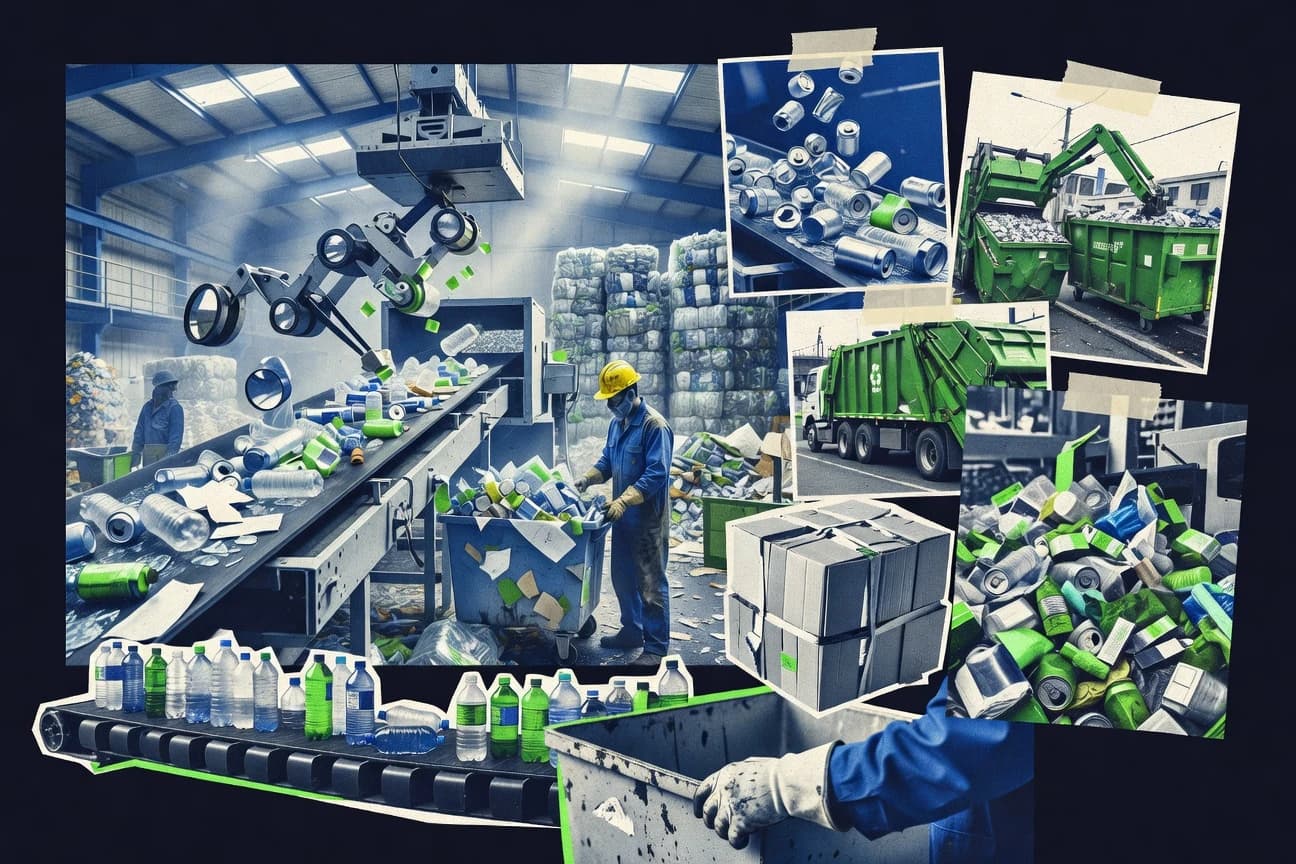
Waste Industry Statistics
Waste is projected to keep rising, from 2.01 billion metric tons globally in 2016 to 3.4 billion metric tons by 2050, while only about 9% of municipal waste is being recycled and roughly 33% ends up dumped. This page connects those outcomes to the real pressure points, including the waste sector’s 7% share of global greenhouse gas emissions and the gap in safely managed sanitation, so you can see exactly where material losses turn into climate and public health costs.
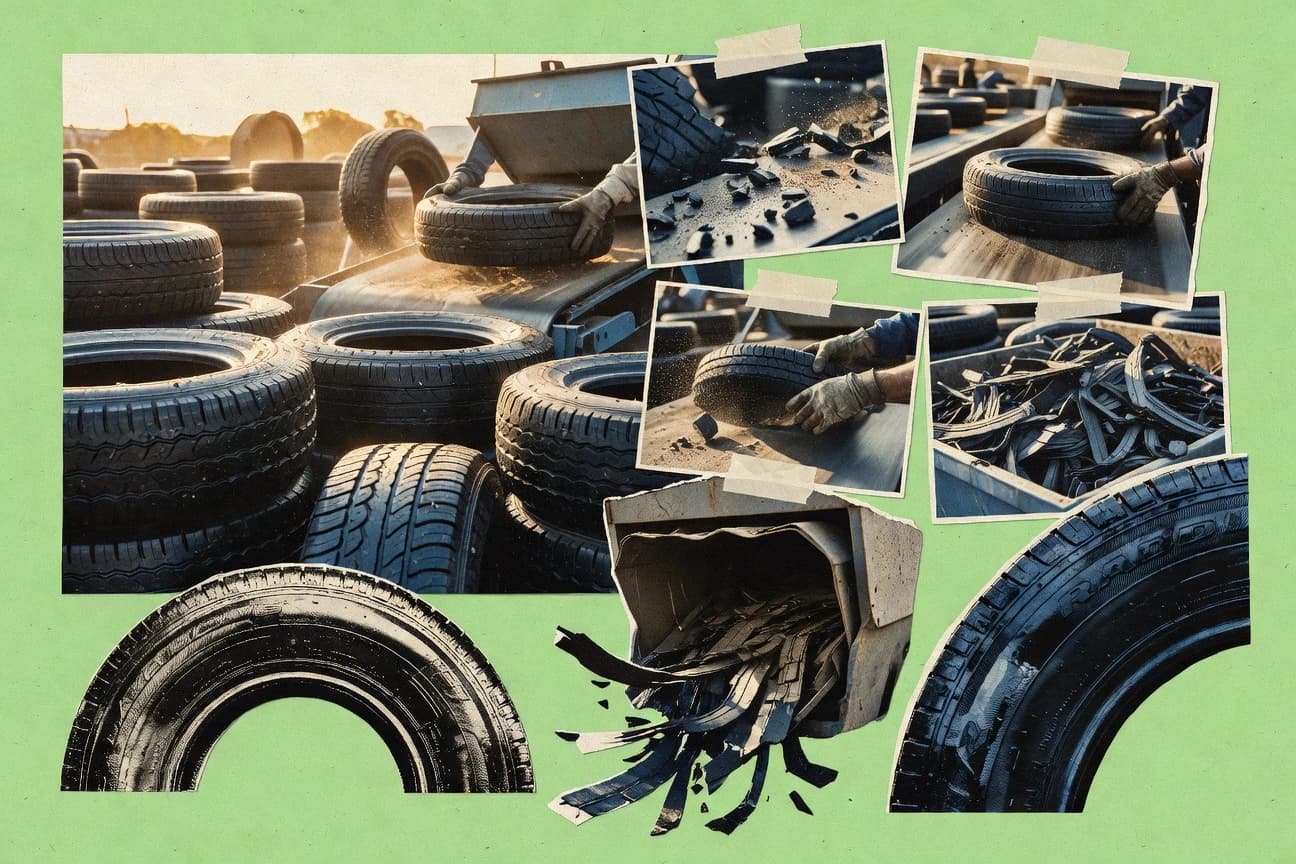
Tire Waste Statistics
Tire waste is costing money and health at the same time, with U.S. cleanup and tire fire damages running into the hundreds of millions each year even as recycling can save $1.5B in disposal costs annually. See how markets are scaling, from a $12B global tire recycling forecast to crumb rubber at $0.20 per lb, alongside the pollution tradeoffs like tire smoke particulate and landfill leachate that can outlast disposal itself.
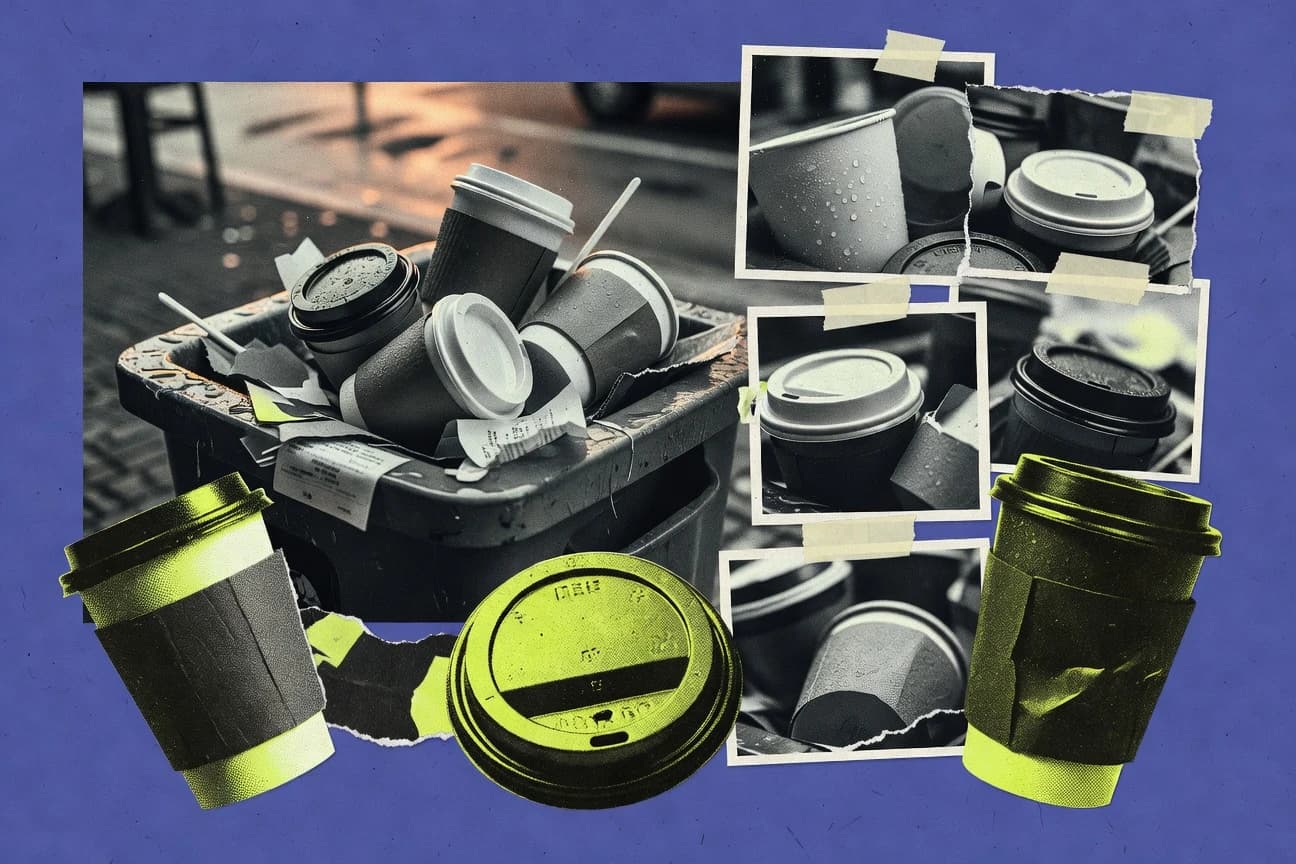
Coffee Cup Waste Statistics
Every coffee cup has an ocean afterlife you can measure in particles, emissions, and microplastics that can harm 80% of marine life, while only 1% of cups globally end up recycled and 99% are dumped in landfill. This Coffee Cup Waste page pairs startling production, waste, and city level figures with the stark reality that even in places like London where only 0.5% of cups are recycled, the streets keep getting littered with millions of cups every year.