
Market data
Sustainability In Industry
Explore verified sustainability in industry statistics and market research reports with sourced data and trend analysis.
Latest update:
 James Okoro

Sustainability In The Biotech Industry Statistics
Sustainability in biotech is moving from aspiration to measurable operating reality, with the global green chemistry market projected to grow 7.0% annually from 2021 to 2027 alongside major capital markets for low impact inputs such as $47.6 billion in 2023 bio based chemicals. The page connects that momentum to the hard constraints that still trip up biotech scaling, from Scope 3 measurement and sustainability reporting take up to a worrying baseline where 55% of global plastic waste ends up in landfill, incineration, or leakage.

Sustainability In The Electrical Industry Statistics
From 34% of new global power capacity added by renewables to more than 5.8 million public EV charging points worldwide, this page tracks how clean generation, grid efficiency, and reliability are scaling together, not in isolation. It also puts sharp focus on the still expensive and messy parts of decarbonization, from $2.2 trillion per year for transmission and distribution through 2050 to EU SF6 emissions of about 90,000 metric tons CO2e in the electricity and industrial categories and the urgent switch to lower impact high voltage equipment.

Sustainability In The Media Industry Statistics
Data centers are expected to drive a 20% jump in electricity demand by 2026 while the ICT sector still accounts for 9% of global greenhouse gas emissions, making climate arithmetic impossible to ignore for streaming and digital media. This page connects the policy and practice shifts shaping the industry, from CSRD and green claims rules to carbon aware scheduling and renewable procurement, so sustainability stops being a headline and becomes measurable operational choices.

Sustainability In The Beer Industry Statistics
AB InBev cut Scope 1 and 2 emissions by 38% per hl since the 2017 baseline and many brewers have made energy and packaging tradeoffs pay off, from 45% renewable power at Diageo in 2022 to 75% of US beer in recyclable aluminum. Follow how those gains stack with faster water action like Heineken cutting water use 11% to 8.2 billion liters while others push toward net zero and near zero waste.

Sustainability In The Tobacco Industry Statistics
See how sustainability claims translate into measurable change, from a 30 percent greenhouse gas intensity reduction per kilogram of tobacco leaf to 12 percent lower curing related PM2.5 emissions, alongside hard constraints like 73 percent of farmers reporting production setbacks. You will also find the scale behind it, including 7.3 million tonnes of cured leaf handled under sustainability systems and 100 percent of smoke constituents linked to health harms, making the environmental tradeoffs impossible to ignore.

Sustainability In The 3Pl Industry Statistics
From cutting warehouse energy with smart systems and LED upgrades that slash power use by up to 50%, to fleet and logistics emissions moves like electric forklifts, renewable diesel, and route telematics improving efficiency 10 to 15%, these 2026 ready sustainability statistics show how 3PLs are converting ESG goals into measurable reductions. You will also see the compliance and reporting signals shaping accountability, including 2023 progress such as 3PL solar and green contract momentum, plus how decarbonization investments hit $10B in 2023.
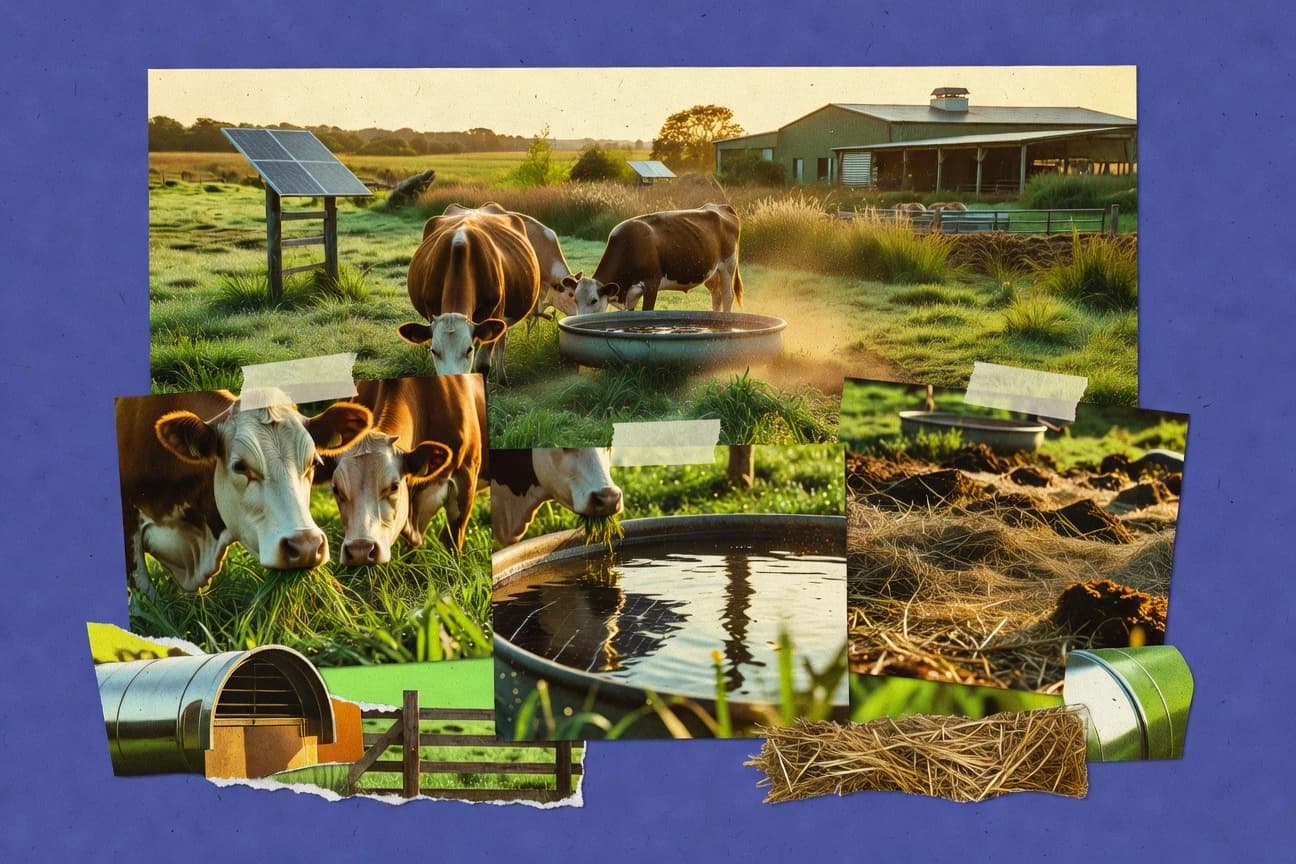
Sustainability In The Cattle Industry Statistics
U.S. feedlots now run at a 6:1 feed to beef ratio and global beef feed intake per kg gain is down 20% since 1990 showing efficiency gains are still pushing the needle in 2025 and 2026 era practices. At the same time, the page pairs those gains with hard climate and water tradeoffs like 193 million metric tons of CO2e from U.S. cattle production and tighter water use targets so you can see where sustainability improvements really come from and where they get challenged.
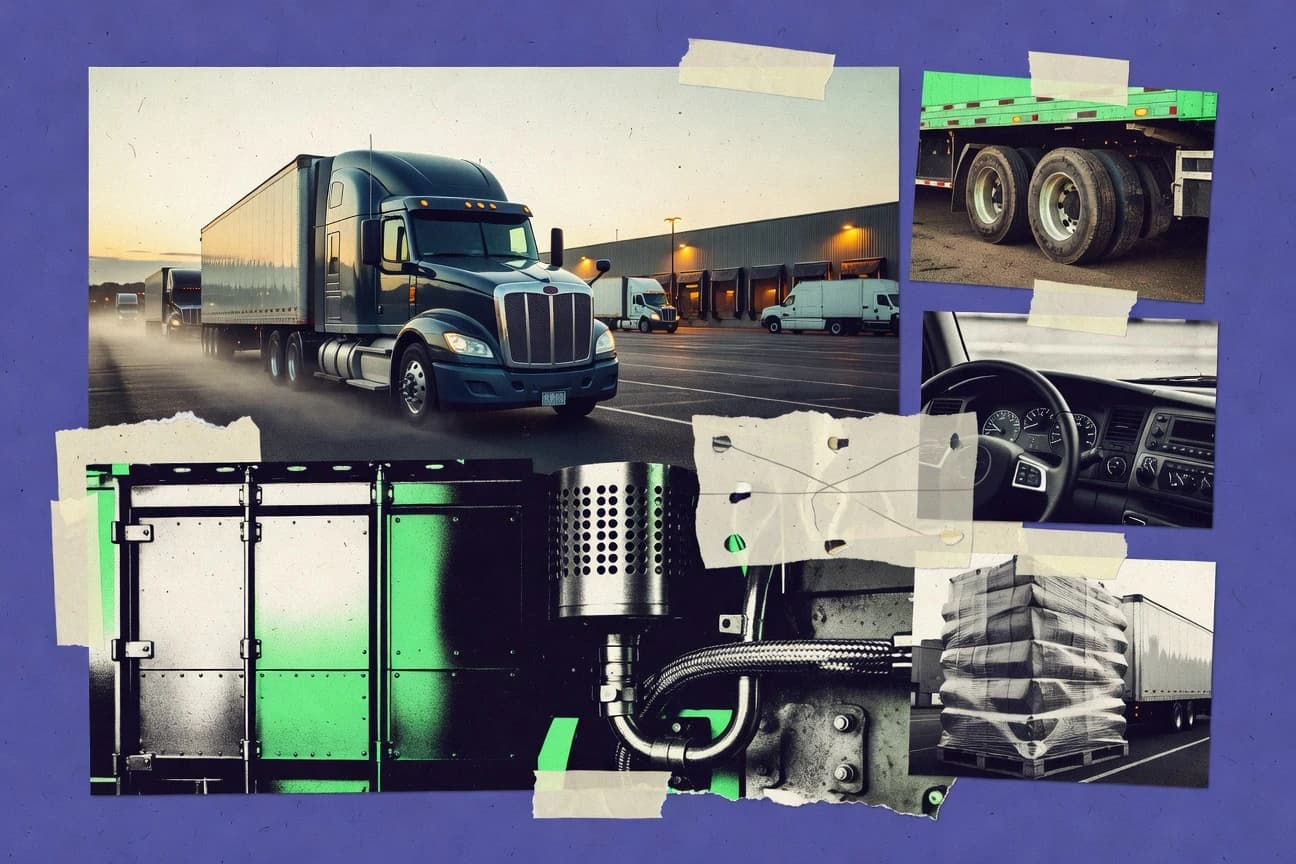
Sustainability In The Trucking Industry Statistics
Even with emissions still rising in key segments, U.S. fleet leaders already moved from 20% to 12% using alternative fuels and EV adoption is accelerating fast, with electric truck sales hitting 4,800 units in 2023 and battery costs falling 20% to $120 per kWh in 2023. This page ties together the surprise tradeoffs across cleaner powertrains, fuel production, and operational efficiency, from LNG and RNG to HVO and hydrogen, so you can see which levers cut CO2 and pollutants the most and where adoption is stalling.

Sustainability In The Bpo Industry Statistics
BPO emissions are being attacked from every angle, from energy cuts and renewable power that reduced global energy use by 15% since 2019 to cloud work shifting Scope 3 IT emissions down 38%, with 65% of firms now using carbon accounting software to cut reporting errors by 25%. But the gap is where the urgency lives, since even with 70% of BPOs participating in CDP climate disclosure, emissions are still shaped by purchased electricity and travel, making this page essential reading for anyone tracking how sustainability moves from pledges to measurable reductions in 2025 and beyond.

Sustainability In The Film Industry Statistics
From 2.1 billion tonnes of CO2 linked to cement in 2022 to the momentum of ISO 14001 adoption over one million certificates, the page connects industrial emissions, reporting quality, and supplier standards to what actually gets built on screen and what it takes to make set work lower carbon. It also tracks how electrifying production and tightening rules from EU packaging EPR to SBTi and CSRD are reshaping procurement, costs, and accountability across the film materials supply chain.

Sustainability In The Services Industry Statistics
See how services companies are cutting emissions while redesigning everyday operations, from hospitality using smart HVAC to lower energy use and retail driving major efficiency gains through LED retrofits. With 2023 Scope 1 emissions down 15 percent through electrification and a raft of sector wins like IT cloud energy down 25 percent and logistics cutting fleet emissions 28 percent, this page tracks the practical moves behind measurable progress.

Sustainability In The Home Improvement Industry Statistics
Green upgrades are cutting household impact fast, with 2023 ENERGY STAR certified appliance purchases using 10 to 50% less energy than standard models while saving $1 billion nationwide, alongside smart controls and insulation that curb waste at every stage. You will see how home improvement channels turned efficiency into measurable gains, from 68% of new HVAC systems sold as high efficiency models to window and air sealing changes that lower heating needs and make conservation feel like a default choice rather than a tradeoff.

Paper Usage Statistics
Paper use is being reshaped fast, with recycled paper reaching $40 billion in 2023 while printing and writing papers keep sliding as digitalization cuts revenue by 30% since 2015. You also get the tradeoffs behind the rebound, from recycled fiber benefits to stark environmental costs like 1.8 gigatons of CO2e a year and paper landfilled that still becomes methane.

Sustainability In The Big Data Industry Statistics
With data center power demand projected to more than double by 2026 and AI training producing about 626,000 pounds of CO2 per model, this page lays bare why efficiency wins can still coincide with rising emissions. It also tracks how hyperscalers are shifting toward renewables, why PUE improvements are not the whole picture, and what happens when big data growth outpaces mitigation.
Sustainability In The Peo Industry Statistics
Fresh pressure and fresh proof sit side by side. With 74% of Fortune 1000 companies saying sustainability shaped board decisions and global renewables adding 86% of new power capacity in 2021, the page links governance and incentives to real emissions math and the policy momentum reshaping what “sustainable” means for companies right now.

Sustainability In The Legal Industry Statistics
When 78% of corporate counsel say ESG matters are becoming more central to their cases, the cost and workload implications move fast, with 71% of compliance professionals reporting automated systems in 2024 to keep monitoring and reporting on track. From CSRD starting FY2024 to GDPR penalties that can reach €20 million or 4% of turnover, this page connects the regulatory pressure to the legal tech bets that reduce manual review and paperwork.

Sustainability In The Fast Fashion Industry Statistics
Fast fashion's immense water and chemical pollution masks its exploitative labor and growing waste crisis.

Sustainable Fashion Industry Statistics
The sustainable fashion market is rapidly growing as consumer demand shifts towards eco-friendly practices.