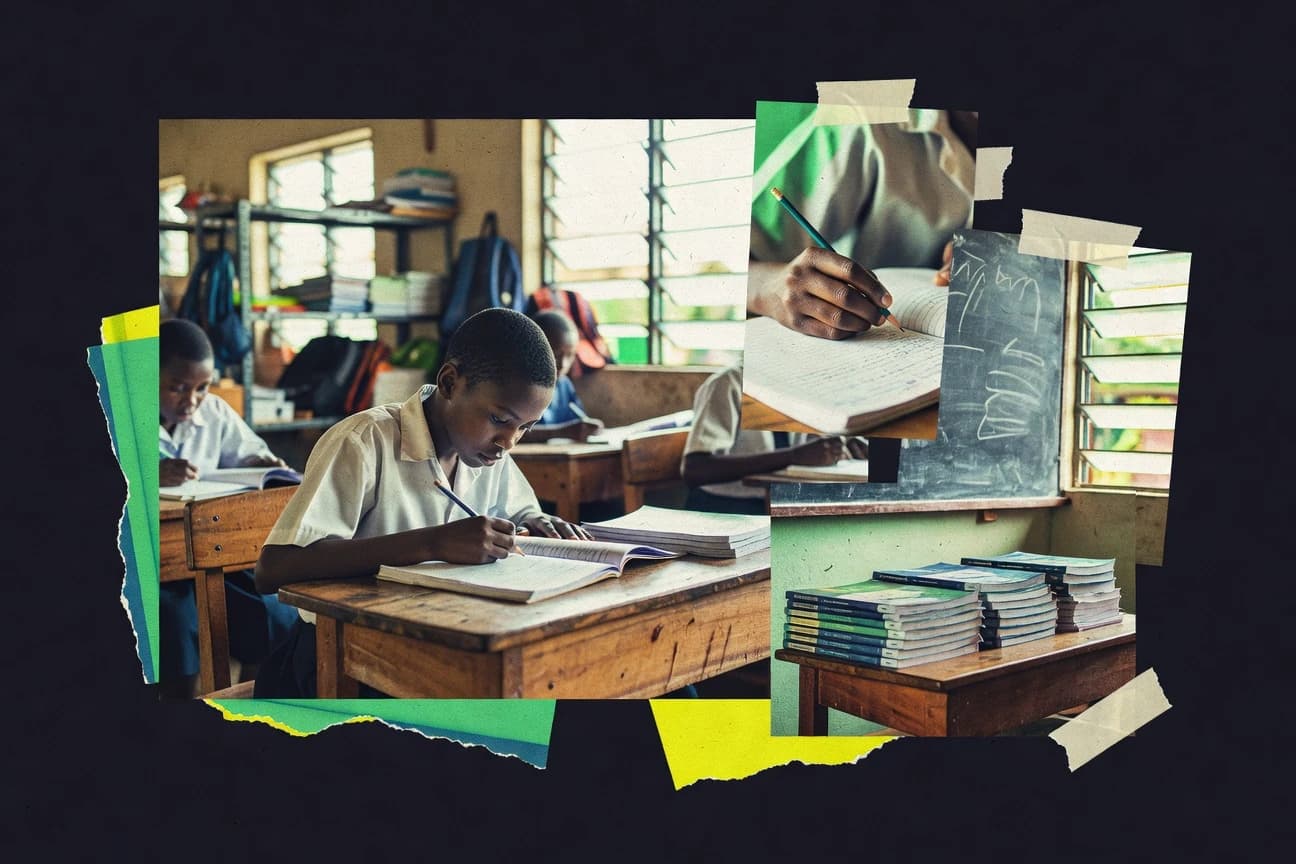

In Nigeria, only 57% of children are enrolled in primary school, and about 1 in 3 do not complete it. Adult literacy reaches 62.5%, but the education gap persists in both access and learning conditions. Rural primary net enrollment is 52% versus 70% in urban areas, and 55% of women and girls face social and economic barriers to education and training.
Key Takeaways
- Nigeria has a large number of out-of-school children; UNICEF reported 10.2 million children aged 5–14 out of school in 2018 (UNICEF estimate)
- Nigeria’s out-of-school rate is higher in conflict-affected states; 2018 UNICEF reporting attributes elevated exclusion to insecurity (education situation report)
- Nigeria’s school-related gender disparities include that girls are more likely to be out of school at secondary level; female secondary net enrollment was 40% in 2018 (World Bank/UIS)
- About 1 in 3 Nigerian children do not complete primary school (reported in 2020 by UNESCO using global education data)
- Primary school net enrollment rate in Nigeria was 57% in 2018 (World Bank data, consistent with UNESCO/UIS reporting)
- Secondary school net enrollment rate in Nigeria was 46% in 2018 (World Bank data, consistent with UNESCO/UIS reporting)
- Public expenditure on education as a share of total government expenditure was 10.0% in 2018 (UIS/UNESCO compilation for Nigeria)
- Nigeria received about US$1.2 billion in education-related financing commitments in 2020–2021 (OECD DAC aid database, education sector commitments)
- World Bank education commitments to Nigeria exceeded $1 billion cumulatively during 2020–2022 (World Bank project portfolio, education sector)
- Nigeria’s primary school pupil–teacher ratio was 31 in 2018 (UIS/UNESCO series via World Bank)
- Nigeria’s lower secondary pupil–teacher ratio was 28 in 2018 (UIS/UNESCO series via World Bank)
- Nigeria’s learning poverty for rural children was 64% in 2019 vs 54% for urban (World Bank Learning Poverty estimates)
- In Nigeria, the out-of-school rate for lower secondary-aged children was 27% in 2019 (UNESCO Institute for Statistics out-of-school indicator for Nigeria for 2019).
- Nigeria’s retention to the last grade of primary is 56% (UNESCO/UIS education survival rate indicator for Nigeria, latest available year).
- Nigeria’s share of schools that report usable latrines was 62% in surveyed schools (World Bank Service Delivery Indicators for sanitation facilities).
Millions of Nigerian children remain out of school and learning losses persist, despite steady enrollment improvements.
Related reading
01 · Category
School Conditions & Equity6 stats
01
Nigeria has a large number of out-of-school children; UNICEF reported 10.2 million children aged 5–14 out of school in 2018 (UNICEF estimate)https://www.unicef.org/nigeria/press-releases/40-cent-children-aged-5-14-not-school-2018-education
02
Nigeria’s out-of-school rate is higher in conflict-affected states; 2018 UNICEF reporting attributes elevated exclusion to insecurity (education situation report)https://www.unicef.org/media/90731/file/Nigeria-education-situation-report-2018.pdf
03
Nigeria’s school-related gender disparities include that girls are more likely to be out of school at secondary level; female secondary net enrollment was 40% in 2018 (World Bank/UIS)https://data.worldbank.org/indicator/SE.SEC.NENR.FE?locations=NG
04
Male secondary net enrollment was 52% in 2018 (World Bank/UIS)https://data.worldbank.org/indicator/SE.SEC.NENR.MA?locations=NG
05
The education system faces strong inequality by location: rural primary net enrollment was 52% in 2018 vs 70% urban (World Bank/UIS via disaggregation series)https://data.worldbank.org/indicator/SE.PRM.NENR.RU.ZS?locations=NG
06
Urban primary net enrollment was 70% in 2018 (World Bank/UIS rural-urban comparison series)https://data.worldbank.org/indicator/SE.PRM.NENR.UR.ZS?locations=NG
Interpretation
School Conditions & Equity Interpretation
Nigeria’s school conditions and equity challenges are stark, with 10.2 million children aged 5 to 14 out of school in 2018 and the gaps widening sharply by context, since secondary exclusion is higher for girls and rural primary net enrollment is 52% compared with 70% in urban areas.
02 · Category
Access & Participation7 stats
01
About 1 in 3 Nigerian children do not complete primary school (reported in 2020 by UNESCO using global education data)https://unesdoc.unesco.org/ark:/48223/pf0000370714
02
Primary school net enrollment rate in Nigeria was 57% in 2018 (World Bank data, consistent with UNESCO/UIS reporting)https://data.worldbank.org/indicator/SE.PRM.NENR?locations=NG
03
Secondary school net enrollment rate in Nigeria was 46% in 2018 (World Bank data, consistent with UNESCO/UIS reporting)https://data.worldbank.org/indicator/SE.SEC.NENR?locations=NG
04
Adult literacy rate in Nigeria was 62.5% (2018 estimate, World Bank)https://data.worldbank.org/indicator/SE.ADT.LITR.ZS?locations=NG
05
Female net enrollment rate at primary level was lower than male by about 4 percentage points (2018 estimate reported via World Bank/UIS series)https://data.worldbank.org/indicator/SE.PRM.NENR.FE?locations=NG
06
Male net enrollment rate at primary level was 61% in 2018 (World Bank/UIS)https://data.worldbank.org/indicator/SE.PRM.NENR.MA?locations=NG
07
55% of women and girls aged 15+ in Nigeria experience constrained access to education and training opportunities due to social and economic barriers (UNDP Human Development Report supporting data on gender inequalities in education and training opportunity).https://hdr.undp.org/sites/default/files/Country-Profiles/NGA.pdf
Interpretation
Access & Participation Interpretation
Nigeria’s access and participation gap is clear, with only 57% of children enrolled in primary school in 2018 and 1 in 3 not completing primary overall, while secondary enrollment sits even lower at 46%.
03 · Category
Financing & Spending3 stats
01
Public expenditure on education as a share of total government expenditure was 10.0% in 2018 (UIS/UNESCO compilation for Nigeria)https://uis.unesco.org/en/country/ng
02
Nigeria received about US$1.2 billion in education-related financing commitments in 2020–2021 (OECD DAC aid database, education sector commitments)https://stats.oecd.org/Index.aspx?DataSetCode=DV_DCD_DONOR_SECTOR
03
World Bank education commitments to Nigeria exceeded $1 billion cumulatively during 2020–2022 (World Bank project portfolio, education sector)https://projects.worldbank.org/en/projects-operations/projects-list?country=NG§or=Education
Interpretation
Financing & Spending Interpretation
In the financing and spending category, Nigeria allocated 10.0% of total government expenditure to education in 2018 and then attracted rising external education funding with about US$1.2 billion in commitments in 2020 to 2021 and more than $1 billion from the World Bank cumulatively during 2020 to 2022.
04 · Category
Learning Outcomes & Capacity3 stats
01
Nigeria’s primary school pupil–teacher ratio was 31 in 2018 (UIS/UNESCO series via World Bank)https://data.worldbank.org/indicator/SE.PRM.ENRL.TC.ZS?locations=NG
02
Nigeria’s lower secondary pupil–teacher ratio was 28 in 2018 (UIS/UNESCO series via World Bank)https://data.worldbank.org/indicator/SE.SEC.ENRL.TC.ZS?locations=NG
03
Nigeria’s learning poverty for rural children was 64% in 2019 vs 54% for urban (World Bank Learning Poverty estimates)https://www.worldbank.org/en/publication/human-capital
Interpretation
Learning Outcomes & Capacity Interpretation
In Nigeria’s Learning Outcomes and Capacity, rural learning poverty stood at 64% in 2019 compared with 54% for urban children, while relatively high pupil teacher ratios of 31 at the primary and 28 at the lower secondary level in 2018 suggest capacity constraints that likely reinforce these weaker learning outcomes.
More related reading
05 · Category
Learning Outcomes2 stats
01
In Nigeria, the out-of-school rate for lower secondary-aged children was 27% in 2019 (UNESCO Institute for Statistics out-of-school indicator for Nigeria for 2019).https://gaml.uis.unesco.org/indicator?indicatorId=501
02
Nigeria’s retention to the last grade of primary is 56% (UNESCO/UIS education survival rate indicator for Nigeria, latest available year).https://gaml.uis.unesco.org/indicator?indicatorId=317
Interpretation
Learning Outcomes Interpretation
From a learning outcomes perspective, Nigeria still faces major gaps as 27% of lower secondary age children are out of school in 2019 and only 56% are retained to the last grade of primary, which together point to challenges in sustaining progression through key schooling stages.
06 · Category
System Capacity2 stats
01
Nigeria’s share of schools that report usable latrines was 62% in surveyed schools (World Bank Service Delivery Indicators for sanitation facilities).https://microdata.worldbank.org/index.php/catalog/3771/related-materials
02
Nigeria has approximately 1.7 million out-of-school adolescents aged 15–17 (UIS out-of-school adolescents indicator for Nigeria, latest available year).https://gaml.uis.unesco.org/indicator?indicatorId=505
Interpretation
System Capacity Interpretation
From a System Capacity perspective, Nigeria’s sanitation infrastructure appears to lag, with only 62% of surveyed schools reporting usable latrines, while 1.7 million adolescents aged 15 to 17 remain out of school, highlighting capacity shortfalls in keeping students learning and healthy.
07 · Category
Education Finance3 stats
01
Education accounts for 13.2% of Nigeria’s total sectoral budget in 2024 (Nigeria Federal Budget 2024, sectoral breakdown including education).https://budgetoffice.gov.ng/?page_id=1366
02
Nigeria’s 2023 capital expenditure on education was NGN 284.6 billion (Nigeria Federal Budget 2023, education allocation).https://budgetoffice.gov.ng/?page_id=1294
03
Public-private partnerships and blended finance for education in Nigeria totaled about US$0.6 billion cumulatively between 2008 and 2022 (World Bank Group Private Participation in Education (PPE) / infrastructure financing tracking).https://ppi.worldbank.org/en/ppidata
Interpretation
Education Finance Interpretation
From an Education Finance perspective, Nigeria allocated 13.2% of its 2024 sectoral budget to education and spent NGN 284.6 billion on education capital in 2023, yet private financing through education-focused public private partnerships and blended finance remained modest at about US$0.6 billion cumulatively from 2008 to 2022.
08 · Category
Teaching & Staffing2 stats
01
21% of teachers in Nigeria report having less than the minimum required training/qualification for their teaching role (World Bank Education Quality and Learning / teacher qualifications findings compiled in EGR).https://documents.worldbank.org/en/publication/documents-reports/documentdetail/099000000000000
02
Nigeria has 0.26 trained teachers per 100 learning assessments in the ECCE system (UIS early childhood education teacher training indicator for Nigeria; latest release).https://gaml.uis.unesco.org/indicator?indicatorId=143
Interpretation
Teaching & Staffing Interpretation
In Nigeria’s teaching and staffing landscape, 21% of teachers report having less than the minimum required training, and the ECCE system has just 0.26 trained teachers per 100 learning assessments, pointing to a persistent shortage of adequately trained educators.
report visual · Key figures
Nigeria: enrollment and exclusion gaps
Enrollment is lower at secondary level and varies notably by gender and location, while millions of children remain out of school.
57%
Primary school net enrollment rate in Nigeria was 57% in 2018 (World Bank data, consistent with UNESCO/UIS reporting)
46%
Secondary school net enrollment rate in Nigeria was 46% in 2018 (World Bank data, consistent with UNESCO/UIS reporting)
40%
Nigeria’s school-related gender disparities include that girls are more likely to be out of school at secondary level; f
52%
The education system faces strong inequality by location: rural primary net enrollment was 52% in 2018 vs 70% urban (Wor
70%
Urban primary net enrollment was 70% in 2018 (World Bank/UIS rural-urban comparison series)
10.2
Nigeria has a large number of out-of-school children; UNICEF reported 10.2 million children aged 5–14 out of school in 2
source-verifieddata.worldbank.org · unicef.org2018
Reference
Cite This Report
This report is designed to be cited. We maintain stable URLs and versioned verification dates. Copy the format appropriate for your publication below.
APA
Henrik Dahl. (2026, February 13). Nigeria Education Statistics. Gitnux. https://gitnux.org/nigeria-education-statistics
MLA
Henrik Dahl. "Nigeria Education Statistics." Gitnux, 13 Feb 2026, https://gitnux.org/nigeria-education-statistics.
Chicago
Henrik Dahl. 2026. "Nigeria Education Statistics." Gitnux. https://gitnux.org/nigeria-education-statistics.
Sources & references
28 datasets cited across this report
+15 additional datasets cited (not shown individually)