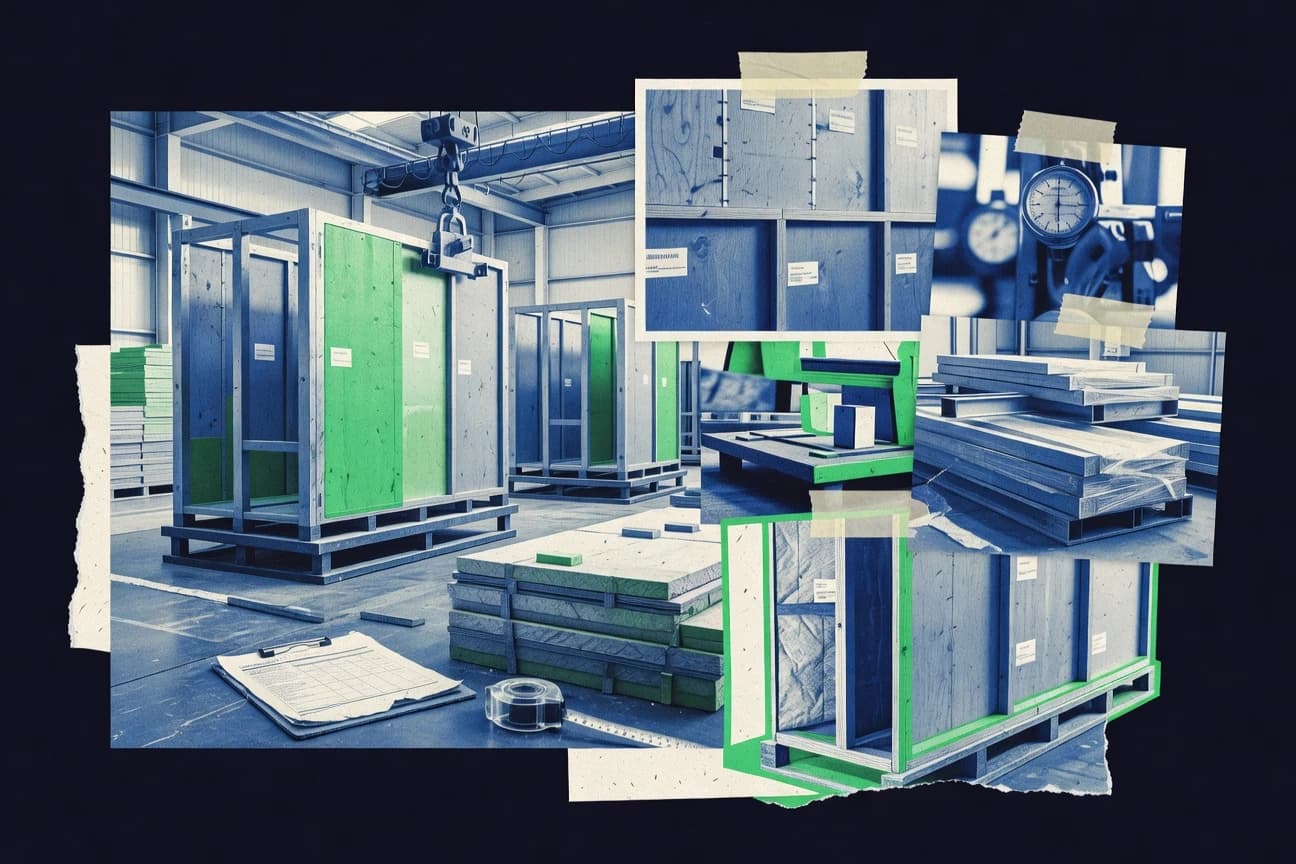

Modular homes are shifting from “alternative” to mainstream, with U.S. factory-built shipments reaching 22,000 units in Q1 2024, up 12% year over year. That momentum shows up in buyers’ attitudes too, including 28% of U.S. homebuyers who prefer modular for faster delivery and 62% of millennials viewing modular homes positively versus 45% of boomers. What’s driving that gap between generations, cities, and budgets is exactly what the Modular Homes Industry statistics lay out.
Key Takeaways
- 28% of U.S. homebuyers prefer modular homes for faster delivery in 2023 survey
- 62% of millennials view modular homes positively, vs 45% of boomers, 2023 poll
- Modular home ownership rose 15% among first-time buyers in U.S. 2022-2023
- Modular homes average cost 10-20% less than site-built, attracting 35% budget-conscious buyers
- U.S. modular home average price $250,000 in 2023, vs $350,000 site-built
- Factory production saves 15% on labor costs for modular vs traditional
- The U.S. modular housing market was valued at $12.5 billion in 2022 and is projected to reach $23.8 billion by 2030, growing at a CAGR of 8.4%
- Global modular construction market size stood at $98.5 billion in 2023, expected to expand to $145.2 billion by 2028 at a CAGR of 8.1%
- North American modular homes market generated $15.7 billion revenue in 2023, with a forecasted CAGR of 7.9% through 2032
- U.S. modular factory production capacity utilized 78% in 2023, up from 65% in 2020
- Average modular home factory outputs 450 units annually in the U.S., with top plants at 1,200 units
- 65% of U.S. modular homes are produced in factories under 500 miles from delivery site
- Modular homes 90% recyclable materials, reducing waste disposal costs 30%
- U.S. modular homes average ENERGY STAR certification rate 85%
- EU modular builds comply with 95% green building standards
Consumers increasingly prefer modular homes for faster delivery, customization, and higher quality satisfaction.
Related reading
01 · Category
Adoption & Consumer Trends19 stats
01
28% of U.S. homebuyers prefer modular homes for faster delivery in 2023 survey
02
62% of millennials view modular homes positively, vs 45% of boomers, 2023 poll
03
Modular home ownership rose 15% among first-time buyers in U.S. 2022-2023
04
41% of modular buyers cite customization options as top reason, 2023 data
05
Rural U.S. adoption of modular homes at 12% of new builds vs 3% urban, 2023
06
73% of modular homeowners report higher satisfaction with quality, 2023 survey
07
UK modular homes appeal to 55% of young families for affordability
08
U.S. modular multifamily units leased 20% faster than traditional, 2023
09
50% increase in modular home searches on real estate sites 2020-2023
10
67% of modular buyers are repeat customers or referrals
11
Canada modular adoption in affordable housing up 30% since 2021
12
39% of U.S. modular homes bought by eco-conscious consumers, 2023
13
Modular homes represent 8% of tiny home market in U.S.
14
52% of seniors prefer modular for aging-in-place features
15
Australia modular home inquiries rose 25% in 2023
16
45% of modular buyers finance via FHA loans, higher than site-built
17
Global modular adoption highest in hospitality at 22% of new builds
18
U.S. modular resale value appreciates 4.2% annually vs 3.1% site-built
19
61% of consumers unaware of modular benefits, awareness campaign needed, 2023
Interpretation
Adoption & Consumer Trends Interpretation
The modular home industry is no longer just a quirky alternative, but a mainstream movement fueled by faster, greener, and more satisfying homes, which is why it’s baffling that over half of consumers are still unaware of its appeal.
02 · Category
Cost Analysis20 stats
01
Modular homes average cost 10-20% less than site-built, attracting 35% budget-conscious buyers
02
U.S. modular home average price $250,000in 2023, vs $350,000 site-built
03
Factory production saves 15% on labor costs for modular vs traditional
04
UK modular homes cost £1,500 per sqm vs £2,200 site-built, 2023
05
Transportation adds 5-8% to total modular home cost in U.S.
06
Modular multifamily development costs 20% lower per unit
07
Average U.S. modular foundation cost $25,000,10% less than stick-built
08
Insurance for modular homes 12% cheaper annually due to quality
09
Canada modular home price per sq ft CAD 220 vs CAD 300 traditional
10
Material costs for modular 8% lower due to bulk factory buys
11
Time savings reduce financing costs by 25% for modular projects
12
U.S. modular customization adds $15,000-$50,000, still under site-built total
13
Maintenance costs 18% lower for modular homes over 10 years
14
Australia modular kit homes start at AUD 150,000 for 3-bed
15
Utility hookup for modular $10,000-$20,000, same as site-built but faster
16
ROI on modular commercial builds 15% higher due to speed
17
Tax incentives reduce modular costs by 5-10% in 15 U.S. states
18
Land cost 40% of total modular home budget in urban areas
19
Modular homes energy efficiency saves $1,200/year on bills
20
Global modular cost per sqm $1,200vs $1,800 traditional, 2023 avg
Interpretation
Cost Analysis Interpretation
Modular homes, it seems, are the financial world’s clever cheat code, systematically shaving costs from labor, materials, and time at every turn, yet they still manage to throw in a custom backsplash and lower your energy bill while they’re at it.
03 · Category
Market Size & Growth20 stats
01
The U.S. modular housing market was valued at $12.5 billion in 2022 and is projected to reach $23.8 billion by 2030, growing at a CAGR of 8.4%
02
Global modular construction market size stood at $98.5 billion in 2023, expected to expand to $145.2 billion by 2028 at a CAGR of 8.1%
03
North American modular homes market generated $15.7 billion revenue in 2023, with a forecasted CAGR of 7.9% through 2032
04
U.S. factory-built housing shipments reached 22,000 units in Q1 2024, up 12% YoY
05
European modular housing sector valued at €18.2 billion in 2023, projected CAGR of 6.5% to 2030
06
Asia-Pacific modular construction market hit $45.3 billion in 2023, fastest-growing region at 9.2% CAGR
07
Canadian modular homes market size was CAD 4.8 billion in 2023, expected to grow at 7.1% CAGR to 2030
08
U.S. modular multifamily housing market reached $3.2 billion in 2023, CAGR 10.1% forecast to 2029
09
UK modular homes market valued at £2.1 billion in 2023, projected to £3.8 billion by 2030 at 8.8% CAGR
10
Global permanent modular construction market was $67.4 billion in 2022, to hit $112.9 billion by 2031 at 5.9% CAGR
11
Australian modular housing industry generated AUD 1.9 billion in 2023, CAGR 6.7% to 2028
12
U.S. modular single-family home market share increased to 5.2% of total new homes in 2023 from 4.1% in 2020
13
India modular construction market valued at INR 15,200 crore in 2023, projected CAGR 12.4% to 2030
14
Modular homes accounted for 7% of all U.S. housing starts in 2023, up from 4% in 2019
15
Middle East modular housing market reached $4.1 billion in 2023, CAGR 7.3% forecast to 2029
16
U.S. modular homes production value hit $18.9 billion in 2023
17
South America modular construction market size was $2.3 billion in 2023, growing at 8.9% CAGR
18
Modular housing market in Japan valued at ¥1.2 trillion in 2023, CAGR 5.8% to 2030
19
U.S. modular commercial construction segment was $6.4 billion in 2023
20
Africa modular homes market emerging at $1.1 billion in 2023, projected CAGR 11.2%
Interpretation
Market Size & Growth Interpretation
It seems the world is finally realizing that building homes in a factory, while avoiding weather delays and neighborhood drama, is not only clever but also incredibly lucrative.
More related reading
04 · Category
Production Statistics19 stats
01
U.S. modular factory production capacity utilized 78% in 2023, up from 65% in 2020
02
Average modular home factory outputs 450 units annually in the U.S., with top plants at 1,200 units
03
65% of U.S. modular homes are produced in factories under 500 miles from delivery site
04
Global modular panelized production reached 1.2 million panels in 2023
05
U.S. modular homes factories numbered 120 in 2023, down 5% from 2019 but output up 15%
06
42% of modular homes use volumetric construction method in Europe
07
Average U.S. modular home factory employs 250 workers, with automation reducing labor by 20% since 2020
08
China modular factory production hit 2.5 million units in 2023, 60% of global total
09
U.S. modular homes average build time in factory is 4 weeks, vs 20 weeks site-built
10
55% of modular production uses steel framing in commercial segment
11
Swedish modular factories produce 85% of their homes for export
12
U.S. modular panel production grew 18% YoY to 850,000 panels in 2023
13
Average factory defect rate for modular homes is 1.2%, half of site-built at 2.4%
14
UK modular production facilities output 25,000 units annually in 2023
15
70% of U.S. modular homes incorporate BIM in production process
16
Canadian factories produced 8,500 modular units in 2023, up 22% YoY
17
Global volumetric modular modules produced: 750,000 in 2023
18
U.S. modular homes 95% completed in factory before transport
19
35% of modular production shifted to automation lines in 2023, reducing costs 15%
Interpretation
Production Statistics Interpretation
The modular housing industry is finally putting its assembly lines where its mouth is, with smarter factories squeezing out more quality homes faster and closer to demand, proving efficiency isn't just a blueprint but a built reality.
05 · Category
Sustainability & Regulations19 stats
01
Modular homes 90% recyclable materials, reducing waste disposal costs 30%
02
U.S. modular homes average ENERGY STAR certification rate 85%
03
EU modular builds comply with 95% green building standards
04
Modular factories emit 50% less CO2 per home than site-built
05
75% of U.S. modular homes use sustainable wood sourcing
06
UK regulations mandate modular homes meet BREEAM excellent rating
07
Water usage in modular production 40% lower than traditional
08
60% of modular homes achieve net-zero ready status in 2023
09
California seismic regulations met by 98% modular designs
10
Recycled content in modular homes averages 25% by weight
11
Modular construction reduces site waste by 90%
12
International Building Code (IBC) Chapter 31 governs 100% of U.S. permanent modular
13
Solar integration in 45% of new modular homes
14
Canada Green Building Council certifies 70% modular projects
15
Modular homes HERS index average 55 vs 70 site-built, better efficiency
16
EU ETS carbon credits available for modular low-emission factories
17
80% modular homes designed for 100+ year lifespan
18
U.S. HUD Code applies to 20% of modular homes as manufactured
19
Modular reduces noise pollution by 30% during construction
Interpretation
Sustainability & Regulations Interpretation
Modular homes are quietly building a greener future, transforming these dry statistics into a resounding declaration that efficiency and sustainability can be factory-made without sacrificing durability, compliance, or common sense.
Reference
Cite This Report
This report is designed to be cited. We maintain stable URLs and versioned verification dates. Copy the format appropriate for your publication below.
APA
Elena Vasquez. (2026, February 13). Modular Homes Industry Statistics. Gitnux. https://gitnux.org/modular-homes-industry-statistics
MLA
Elena Vasquez. "Modular Homes Industry Statistics." Gitnux, 13 Feb 2026, https://gitnux.org/modular-homes-industry-statistics.
Chicago
Elena Vasquez. 2026. "Modular Homes Industry Statistics." Gitnux. https://gitnux.org/modular-homes-industry-statistics.
Sources & references
75 datasets cited across this report