
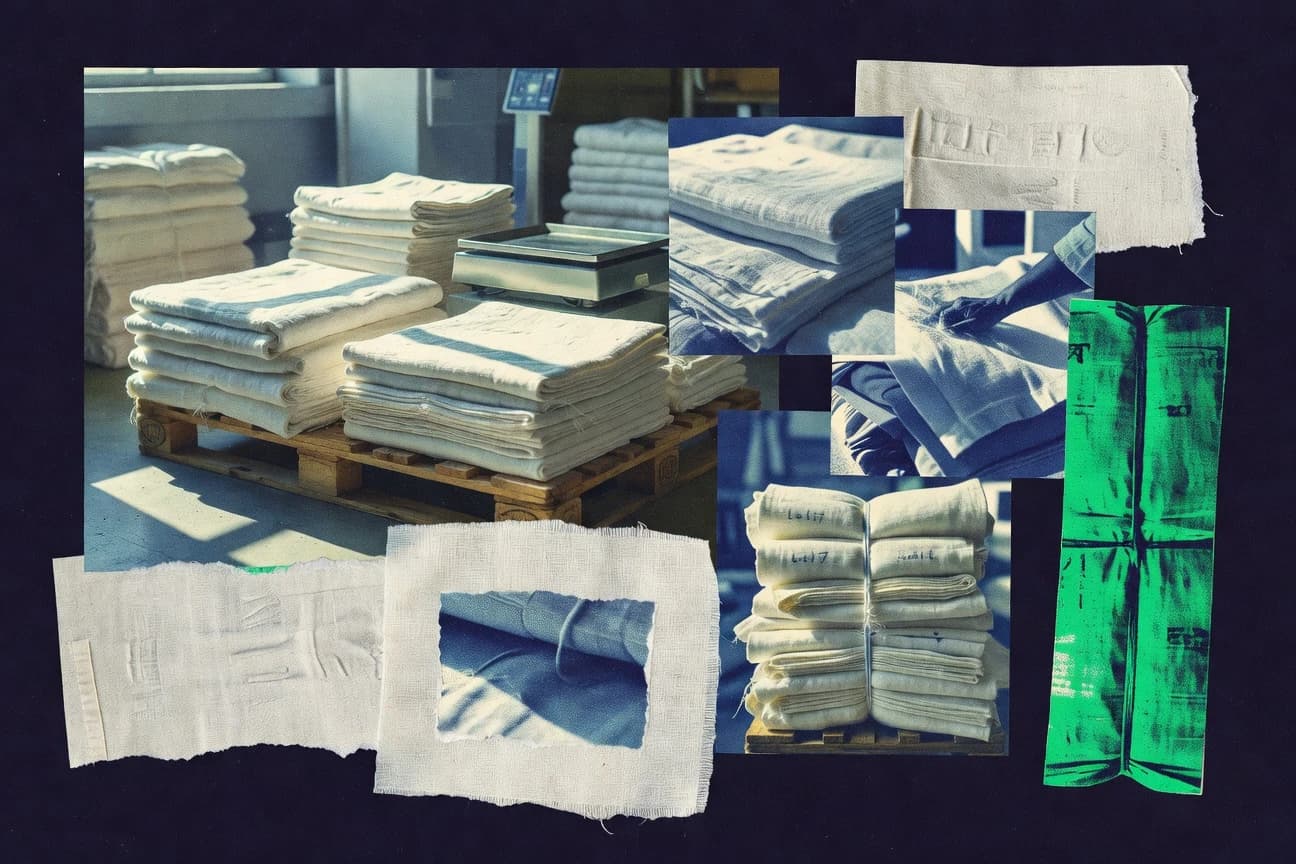

The U.S. lodging sector had 10.1 million rooms available, and labor and linen services accounted for 14% of hotel operating costs. At the same time, commercial laundering uses about 20 to 40 liters of water per kilogram of textiles and faces tighter reporting and product rules under CSRD and ESPR. These statistics show how hospitality demand, utility use, and compliance now shape linen supply contracts and replacement cycles.
Key Takeaways
- The U.S. hotel industry generated about $125.5 billion in gross operating profit in 2023, supporting downstream pull for guest-room textiles and linens
- In 2023, the U.S. lodging sector had 10.1 million rooms available, which drives baseline consumption of replaceable linens per room
- The global hotel industry’s revenue reached $1.6 trillion in 2023, providing a large macro base for linen supply contracts and replacements
- The global contract laundry market was valued at about $6.6 billion in 2023 and is projected to reach about $10.3 billion by 2030 (CAGR ~6.7%), reflecting growth in commercial linen supply services
- The global linen (bed/bath) market was valued at about $28.6 billion in 2022 and is expected to exceed $40 billion by 2030, indicating the broader textile category supporting linen supply
- The global textile services market (laundry and related services) is projected to reach about $52.0 billion by 2030, expanding the addressable market for linen supply contracts
- Natural gas prices in Europe were highly volatile; in 2022 average wholesale TTF prices were about €110/MWh, materially impacting laundry energy costs in affected regions
- Electricity price indices for commercial users increased sharply in 2022–2023 in many regions, driving higher utility costs for commercial linen laundering operations
- The global water and wastewater treatment market size reached about $456.7 billion in 2023, relevant because laundries often require water treatment and reuse
- The EU’s Waste Framework Directive requires separate collection targets; by 2025, 65% of municipal waste must be prepared for reuse/recycling (with ongoing reviews), affecting textile diversion programs
- The EU Ecodesign for Sustainable Products Regulation (ESPR) entered into force in 2024, expanding compliance expectations for textiles and textile-containing products
- In 2024, the EU introduced an obligation for large enterprises to report sustainability information under the CSRD, which can impact linen supply contracts via supplier reporting requirements
- In a 2020 study, commercial laundering can consume about 20–40 liters of water per kilogram of textiles depending on equipment and process settings
- A 2019 peer-reviewed assessment found that washing temperature reduction from 60°C to 40°C can reduce energy use by around 40% for typical textile wash cycles
- A 2018 LCA of textile re-use systems found about 55% lower global warming potential compared with disposal routes when reuse lifetimes are extended
In 2023, booming hotel demand and rising hygiene standards kept linen supply growing despite higher laundry costs and disruptions.
Related reading
01 · Category
Hygiene & Safety7 stats
01
A 2023 validation study reported that ozone/advanced oxidation processes can achieve microbial reductions >99% on textile surfaces at optimized conditions used in linen hygiene applications
02
In hospital laundry validation literature, properly managed thermal disinfection (e.g., ≥71°C) is associated with achieving log reductions exceeding 6 log10 for common pathogens on fabrics
03
In a 2020 study of textiles for healthcare, hydrogen peroxide-based laundering chemicals reduced bacterial counts by 3–5 log10 depending on fabric type and contact time
04
In 2022, the EU adopted harmonized standards and guidance supporting disinfection efficacy testing for chemical disinfectants, influencing requirements for linen hygiene processes
05
6.8% of the global population lived in homes with visible bedbug infestations in 2020 (survey-based estimate), which raises demand for hygiene-focused linen laundering and pest-safe handling
06
In 2023, global antimicrobial textiles market size reached about $10.2 billion, indicating demand for hygiene-oriented linen in healthcare and hospitality
07
A 2021 review found that silver-based antimicrobial coatings can reduce bacterial adhesion on textiles by up to 99% in laboratory conditions
Interpretation
Hygiene & Safety Interpretation
Hygiene and safety in the linen supply industry is being driven by strong evidence that modern disinfection methods deliver major microbial log reductions, with markets expanding too as the global antimicrobial textiles sector reached about $10.2 billion in 2023.
02 · Category
Industry Trends7 stats
01
23% of laundries reported supply-chain disruption impacts in 2022, increasing uncertainty in linen supply and replacement scheduling
02
12% of commercial laundry operators adopted IoT monitoring for energy/water tracking by 2024, accelerating process optimization opportunities
03
U.S. commercial laundry establishments number about 8,900 (latest available count), giving an estimate of the operator base for linen supply services
04
The U.S. labor market for textile, apparel, and related production occupations had about 1.0 million workers in 2023 (BLS employment), supporting labor availability considerations for linen supply plants
05
38.3% of U.S. consumers reported buying textiles/linens less often than before in 2023 due to cost pressures, indicating demand sensitivity affecting replacement cycles
06
RFID-based tracking reduced textile loss rates by 20–30% in pilot implementations reported by supply-chain technology case studies, supporting inventory control for linen supply
07
RFID adoption in retail/logistics increased to 44% of large enterprises using some form of item-level or pallet-level tracking in 2024 survey results (including healthcare/hospitality supply cases), improving linen traceability
Interpretation
Industry Trends Interpretation
With 23% of laundries reporting supply chain disruptions in 2022 and 38.3% of consumers buying textiles and linens less often due to cost pressures in 2023, the industry trends point to a mounting need to secure more reliable linen availability while improving efficiency, helped by technologies like RFID that can cut textile loss rates by 20 to 30%.
03 · Category
Market Size6 stats
01
The global contract laundry market was valued at about $6.6 billion in 2023 and is projected to reach about $10.3 billion by 2030 (CAGR ~6.7%), reflecting growth in commercial linen supply services
02
The global linen (bed/bath) market was valued at about $28.6 billion in 2022 and is expected to exceed $40 billion by 2030, indicating the broader textile category supporting linen supply
03
The global textile services market (laundry and related services) is projected to reach about $52.0 billion by 2030, expanding the addressable market for linen supply contracts
04
The global laundry detergent market was valued at about $27.9 billion in 2023, supporting the consumables base used for linen supply laundering
05
The commercial laundry equipment market is forecast to reach about $9.8 billion by 2030 (from ~$5.4B in 2022), supporting capex in linen supply infrastructure
06
In 2023, U.S. textile import value was about $8.4 billion for certain bedding/linen HS codes (bedding and furnishing textiles), supporting import-driven supply
Interpretation
Market Size Interpretation
The market for linen supply is set for strong expansion as key industry segments grow from roughly $6.6 billion in 2023 to about $10.3 billion by 2030 for contract laundry and from $28.6 billion in 2022 to more than $40 billion by 2030 for the global linen bed and bath market, underscoring a clear upward demand trend within the Market Size category.
More related reading
04 · Category
Input Costs6 stats
01
Natural gas prices in Europe were highly volatile; in 2022 average wholesale TTF prices were about €110/MWh, materially impacting laundry energy costs in affected regions
02
Electricity price indices for commercial users increased sharply in 2022–2023 in many regions, driving higher utility costs for commercial linen laundering operations
03
The global water and wastewater treatment market size reached about $456.7 billion in 2023, relevant because laundries often require water treatment and reuse
04
The global steam and heat generation sector provided significant industrial steam supply; industrial steam represents a core energy input for laundering and textile processing equipment
05
The U.S. industrial sector consumed about 31% of total U.S. energy in 2023, influencing energy price and availability for industrial laundering operations
06
In 2022, average U.S. hourly earnings for production workers were about $21.40, influencing labor cost structures for laundering operations
Interpretation
Input Costs Interpretation
In the linen supply industry, input costs are being squeezed from multiple energy and operating expense directions, with Europe’s 2022 average natural gas prices around €110 per MWh and commercial electricity rising sharply in 2022 to 2023, while water and wastewater treatment also grew to a $456.7 billion global market in 2023 and U.S. production labor averaged about $21.40 per hour in 2022.
05 · Category
Hospitality Demand5 stats
01
The U.S. hotel industry generated about $125.5 billion in gross operating profit in 2023, supporting downstream pull for guest-room textiles and linens
02
In 2023, the U.S. lodging sector had 10.1 million rooms available, which drives baseline consumption of replaceable linens per room
03
The global hotel industry’s revenue reached $1.6 trillion in 2023, providing a large macro base for linen supply contracts and replacements
04
3.1% of U.S. lodging establishments reported linen services as part of their operations in 2022, showing measurable presence of linen and related services in lodging
05
Commercial laundry and linen supply remains a critical cost item for hospitality: 14% of hotel operating costs are attributed to labor and linen-related services in operational cost breakdowns
Interpretation
Hospitality Demand Interpretation
Hospitality demand for linen supply is supported by the U.S. hotel industry generating about $125.5 billion in gross operating profit in 2023 and offering 10.1 million rooms in the same year, translating that large room base into continuous baseline replacement needs for guest-room textiles.
06 · Category
Industry Overview15 stats
01
37.5% reduction in energy use was observed when laundering at 40°C instead of 60°C (meta-findings consistent with multiple studies), supporting temperature-driven operating cost optimization
02
4.2 log10 reduction in microbial load was reported using hydrogen peroxide-based laundering in a healthcare textile validation context (study-dependent), supporting chemical-assisted disinfection effectiveness
03
1.5–2.0 log10 additional reduction can be achieved by ozone/advanced oxidation processes on textile surfaces when combined with appropriate contact conditions (study-dependent), supporting ozone-based hygiene outcomes
04
Up to 99% microbial reduction can be achieved with thermal disinfection at sufficient temperature/time profiles used in laundry hygiene validations (log-reduction ranges depend on organism and protocol)
05
Alkaline wash steps can remove proteinaceous soil with >90% cleaning efficiency for typical textile soiling loads in lab evaluations (protocol dependent), supporting laundering performance metrics
06
In a 2020 study, commercial laundering can consume about 20–40 liters of water per kilogram of textiles depending on equipment and process settings
07
A 2019 peer-reviewed assessment found that washing temperature reduction from 60°C to 40°C can reduce energy use by around 40% for typical textile wash cycles
08
A 2018 LCA of textile re-use systems found about 55% lower global warming potential compared with disposal routes when reuse lifetimes are extended
09
In a 2019 study, detergent dosage optimization reduced chemical usage by about 20% while maintaining cleaning efficacy in industrial washing
10
The EU’s Waste Framework Directive requires separate collection targets; by 2025, 65% of municipal waste must be prepared for reuse/recycling (with ongoing reviews), affecting textile diversion programs
11
The EU Ecodesign for Sustainable Products Regulation (ESPR) entered into force in 2024, expanding compliance expectations for textiles and textile-containing products
12
In 2024, the EU introduced an obligation for large enterprises to report sustainability information under the CSRD, which can impact linen supply contracts via supplier reporting requirements
13
$0.0565per kilowatt-hour (US average electricity retail rate, 2023), a cost driver for laundry electricity-intensive operations
14
$1.20per therm average U.S. natural gas price (2023, Henry Hub), relevant for steam generation used in laundering energy systems
15
65% of wastewater samples in a municipal benchmarking dataset had measurable surfactant concentrations (indicating detergent carryover), relevant to wastewater treatment load from laundry services
Interpretation
Industry Overview Interpretation
Across the linen supply industry, practical process changes drive major sustainability and hygiene gains, with energy use cutting by 37.5% at 40°C versus 60°C while microbial reductions range from 1.5 to 2.0 log10 improvements from ozone treatments up to near 99% with properly timed thermal disinfection.
report visual · Comparison
Hygiene efficacy & burden in linen supply
Laundry hygiene outcomes and real-world hygiene drivers are both substantial—thermal disinfection and oxidation technologies can deliver very large microbial reductions, while bedbug prevalence highlights ongoing demand for hygiene-focused linen laundering.
A 2023 validation study reported that ozone/advanced oxidation processes can achieve microbial reductions >99% on textil99%
In hospital laundry validation literature, properly managed thermal disinfection (e.g., ≥71°C) is associated with achiev
71
6.8% of the global population lived in homes with visible bedbug infestations in 2020 (survey-based estimate), which rai
6.8%
source-verifiedjournals.asm.org · sciencedirect.com · academic.oup.com2023
Reference
Cite This Report
This report is designed to be cited. We maintain stable URLs and versioned verification dates. Copy the format appropriate for your publication below.
APA
Daniel Varga. (2026, February 13). Linen Supply Industry Statistics. Gitnux. https://gitnux.org/linen-supply-industry-statistics
MLA
Daniel Varga. "Linen Supply Industry Statistics." Gitnux, 13 Feb 2026, https://gitnux.org/linen-supply-industry-statistics.
Chicago
Daniel Varga. 2026. "Linen Supply Industry Statistics." Gitnux. https://gitnux.org/linen-supply-industry-statistics.
Sources & references
46 datasets cited across this report · attribution is report-level
+16 additional datasets cited (not shown individually)