
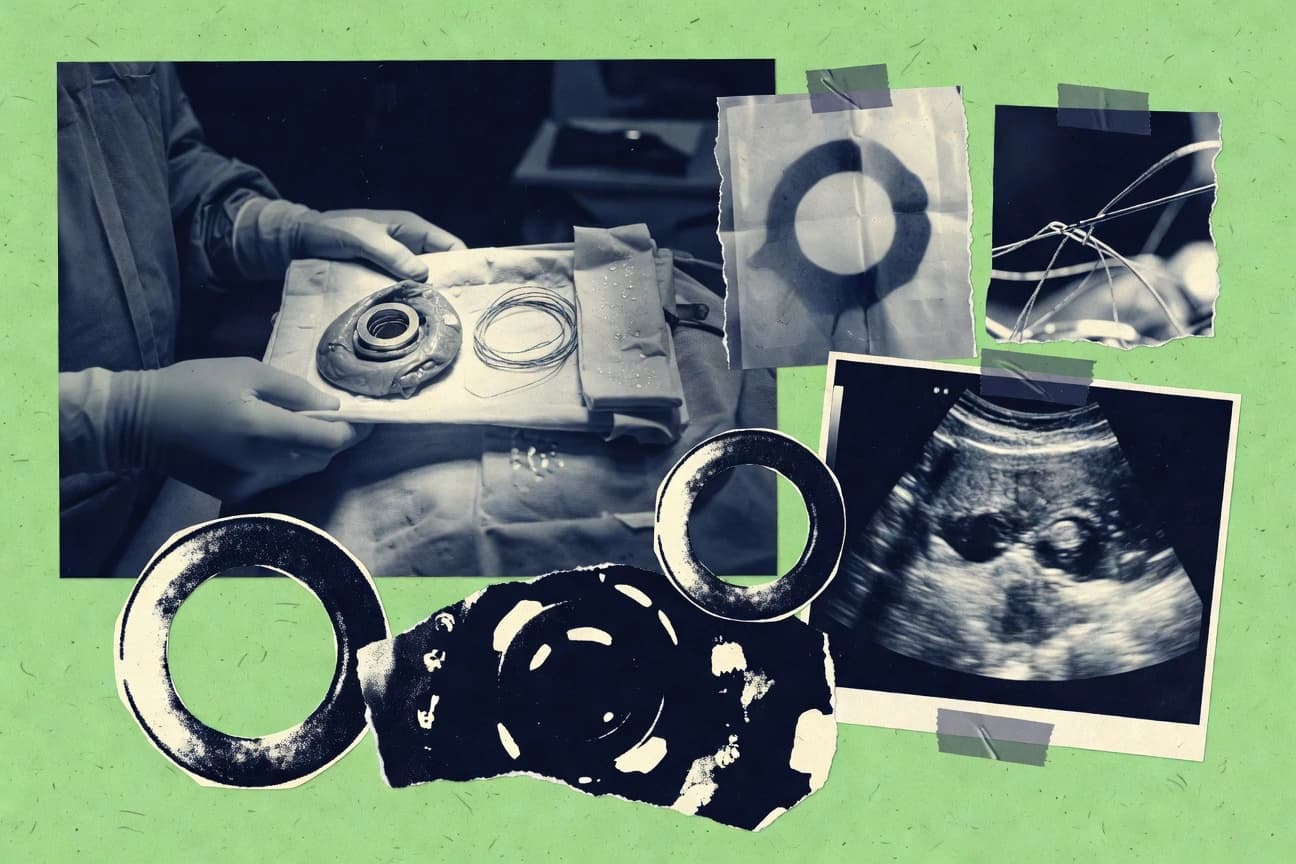

Over 250,000 prosthetic heart valves are implanted worldwide each year. This article details the demographics, procedures, and outcomes that define modern valve replacement.
Key Takeaways
- Stroke incidence 2% in 30 days SAVR
- Mean age at surgery 70 years
- Approximately 250,000 prosthetic heart valves are implanted worldwide each year
- 95% success rate for isolated AVR
- SAVR accounts for 60% of aortic procedures
Heart valve replacement improves survival for many people, highlighting its growing importance in modern cardiovascular care.
Related reading
01 · Category
Complications21 stats
01
Stroke incidence 2% in 30 days SAVR
02
AKI 10-20% post-valve surgery
03
Atrial fibrillation new onset 30-40%
04
Bleeding major 5% mechanical valves yearly
05
Prosthetic valve endocarditis 1% per year
06
PPM required 10% TAVR
07
Paravalvular leak moderate 5-10% TAVR
08
Reoperation for SVD 20% at 15 years bioprosthetic
09
Delirium 15-20% elderly post-op
10
Wound infection 2-5%
11
Hemolysis mild in 10% mismatch
12
Thrombosis 0.5-1% mechanical yearly
13
Respiratory failure 10%
14
Vascular complication 5-10% TF-TAVR
15
Coronary obstruction 1% TAVR redo
16
Hemopericardium 1-2%
17
Readmission pneumonia 8%
18
Valve thrombosis 2% bioprosthetic first year
19
30-day mortality 3% elective AVR
20
Sternal dehiscence 1%
21
Limb ischemia 3% transfemoral access
Interpretation
Complications Interpretation
The sobering tally of potential tribulations after heart valve replacement, from strokes to sternums that won’t stay closed, reads less like a simple surgical brochure and more like a grim but survivable gauntlet where the goal is to dodge the 30% of bullets with your name on them and manage the rest.
02 · Category
Demographics25 stats
01
Mean age at surgery 70 years
02
55% of valve surgery patients are male
03
45% female patients in aortic valve replacement
04
Average BMI 28 kg/m² in surgical candidates
05
30% have diabetes pre-surgery
06
Hypertension in 70% of patients
07
25% prior CABG history
08
COPD in 20% of valve surgery patients
09
Renal failure (eGFR<60) in 35%
10
Atrial fibrillation in 40% pre-op
11
NYHA class III/IV in 60%
12
EuroSCORE II average 3.5% predicted risk
13
15% emergency surgeries
14
Age >80 in 25% of cases
15
10% obese (BMI>35)
16
Smokers 20% active
17
Cerebrovascular disease in 15%
18
Peripheral artery disease 12%
19
Liver disease in 5%
20
Cancer history 10%
21
Mean LVEF 55% pre-op
22
65% isolated valve procedures
23
Multiple valve in 20%
24
70% mechanical valves in younger patients <60
25
85% bioprosthetic in >70 years
Interpretation
Demographics Interpretation
The typical heart valve replacement patient is a seventy-year-old man, statistically speaking, who arrives at the operating table carrying a heavy suitcase of comorbidities—from hypertension and diabetes to prior heart surgeries and failing kidneys—which explains why surgeons so meticulously calculate his 3.5% predicted risk, as they are not just replacing a valve but navigating an entire ecosystem of pre-existing wear and tear.
03 · Category
Epidemiology25 stats
01
Approximately 250,000 prosthetic heart valves are implanted worldwide each year
02
In the US, over 100,000 heart valve surgeries are performed annually
03
Aortic stenosis affects 2-4% of people over 65 years old
04
Mitral regurgitation prevalence increases to 10% in those over 75 years
05
Rheumatic heart disease accounts for 40-50% of valve disease in developing countries
06
Calcific aortic valve disease is the leading cause of valve replacement in developed nations
07
Bicuspid aortic valve occurs in 1-2% of the population
08
Infective endocarditis leads to valve surgery in 25-30% of cases
09
Degenerative valve disease prevalence doubles every decade after 50
10
Heart valve disease affects 2.5% of the US population
11
Moderate or severe valve disease in 10% of elderly >75 years
12
Annual incidence of severe aortic stenosis is 100 per million
13
Tricuspid regurgitation affects 0.8% of general population
14
Pulmonary valve disease is rare, <1% of valve surgeries
15
Global burden of valve disease projected to double by 2050
16
80% of aortic valve replacements are for stenosis
17
Mitral valve prolapse in 2-3% of population
18
Annual valve surgery rate 12.5 per 100,000 in Europe
19
Female predominance in mitral stenosis (2:1 ratio)
20
Congenital valve defects in 1% of births
21
Ischemic etiology in 20% of mitral replacements
22
Valve disease mortality rose 48% from 1999-2018
23
Severe aortic regurgitation in 0.5% over 65
24
Prosthetic valve mismatch in 20-30% post-surgery
25
Endocarditis prophylaxis reduced cases by 50%
Interpretation
Epidemiology Interpretation
While the world installs a quarter-million new heart valves annually like a global mechanic's shop, our own aging biology is the relentless engine making the repairs necessary, with nearly half of elderly hearts over 75 harboring a significant valve problem that time alone can't fix.
More related reading
04 · Category
Outcomes22 stats
01
95% success rate for isolated AVR
02
30-day survival 98% for elective AVR
03
TAVR 1-year mortality 10-15% high-risk
04
Mitral repair freedom from reop 90% at 10 years
05
Bioprosthetic durability 15 years 80% freedom SVD
06
NYHA class improves in 85% post-op
07
6MWT increases 100m average post-TAVR
08
LVEF improves 10% in 60% MR patients
09
Quality of life SF-36 score up 20 points
10
Stroke risk reduced 50% post-replacement
11
10-year survival 70% AVR <70yo
12
TAVR non-inferior to SAVR at 5 years
13
Mitral replacement 20-year survival 40%
14
Ross procedure 20-year survival 95%
15
AF ablation concurrent improves sinus 70%
16
Echo gradient <10mmHg in 90% successful AVR
17
Rehospitalization 15% at 1 year TAVR
18
Cost savings $20k with mini-AVR
19
Patient satisfaction 95% post-surgery
20
Freedom from anticoagulation 90% bioprosthetic
21
Late survival matches general population in young Ross
22
5-year freedom reintervention 85% TMVR
Interpretation
Outcomes Interpretation
While the numbers paint an optimistic picture of modern heart valve surgery—from near-universal short-term survival and quality of life boosts to impressive durability and cost savings—they also whisper a crucial reminder of its gravity, showing that long-term outcomes hinge profoundly on patient factors, valve choice, and procedural nuance.
05 · Category
Procedures22 stats
01
SAVR accounts for 60% of aortic procedures
02
TAVR performed in 50,000 US cases yearly
03
Mitral valve repair preferred over replacement in 70% cases
04
Ross procedure in 5% of young aortic patients
05
Minimally invasive AVR in 20% of surgeries
06
Transcatheter mitral repair (TMVR) growing 30% yearly
07
Mechanical valves require lifelong anticoagulation
08
Bioprosthetic valves degenerate in 10-15 years
09
Operative time averages 3.5 hours for AVR
10
Cardiopulmonary bypass used in 95% open surgeries
11
Homograft valves used in <5% endocarditis cases
12
Sutureless valves implanted in 10% European centers
13
Robotic mitral repair in 15% US high-volume centers
14
Balloon valvuloplasty bridge in 20% TAVR candidates
15
Edwards Sapien valve used in 60% TAVR
16
CoreValve/Medtronic in 30% TAVR procedures
17
Alfieri stitch in 40% complex mitral repairs
18
On-pump beating heart in 5% high-risk
19
3D echo guidance in 80% modern surgeries
20
Postoperative ICU stay 2-3 days average
21
Hospital length of stay 7 days for SAVR
22
TAVR LOS reduced to 2 days in 50%
Interpretation
Procedures Interpretation
The statistics paint a promising, yet sobering, landscape where less invasive techniques are clearly winning the popularity contest—whether it's TAVR allowing patients to swap their aortic valve and be home in two days, or mitral repair being favored 70% of the time—but they whisper a cautionary tale of trade-offs, reminding us that mechanical valves come with a lifetime of blood-thinner baggage, tissue valves will inevitably wear out, and even the slickest new procedures still require an average of 3.5 hours in the OR for a reason.
Reference
Cite This Report
This report is designed to be cited. We maintain stable URLs and versioned verification dates. Copy the format appropriate for your publication below.
APA
Samuel Norberg. (2026, February 13). Heart Valve Replacement Statistics. Gitnux. https://gitnux.org/heart-valve-replacement-statistics
MLA
Samuel Norberg. "Heart Valve Replacement Statistics." Gitnux, 13 Feb 2026, https://gitnux.org/heart-valve-replacement-statistics.
Chicago
Samuel Norberg. 2026. "Heart Valve Replacement Statistics." Gitnux. https://gitnux.org/heart-valve-replacement-statistics.
Sources & references
14 datasets cited across this report · attribution is report-level