
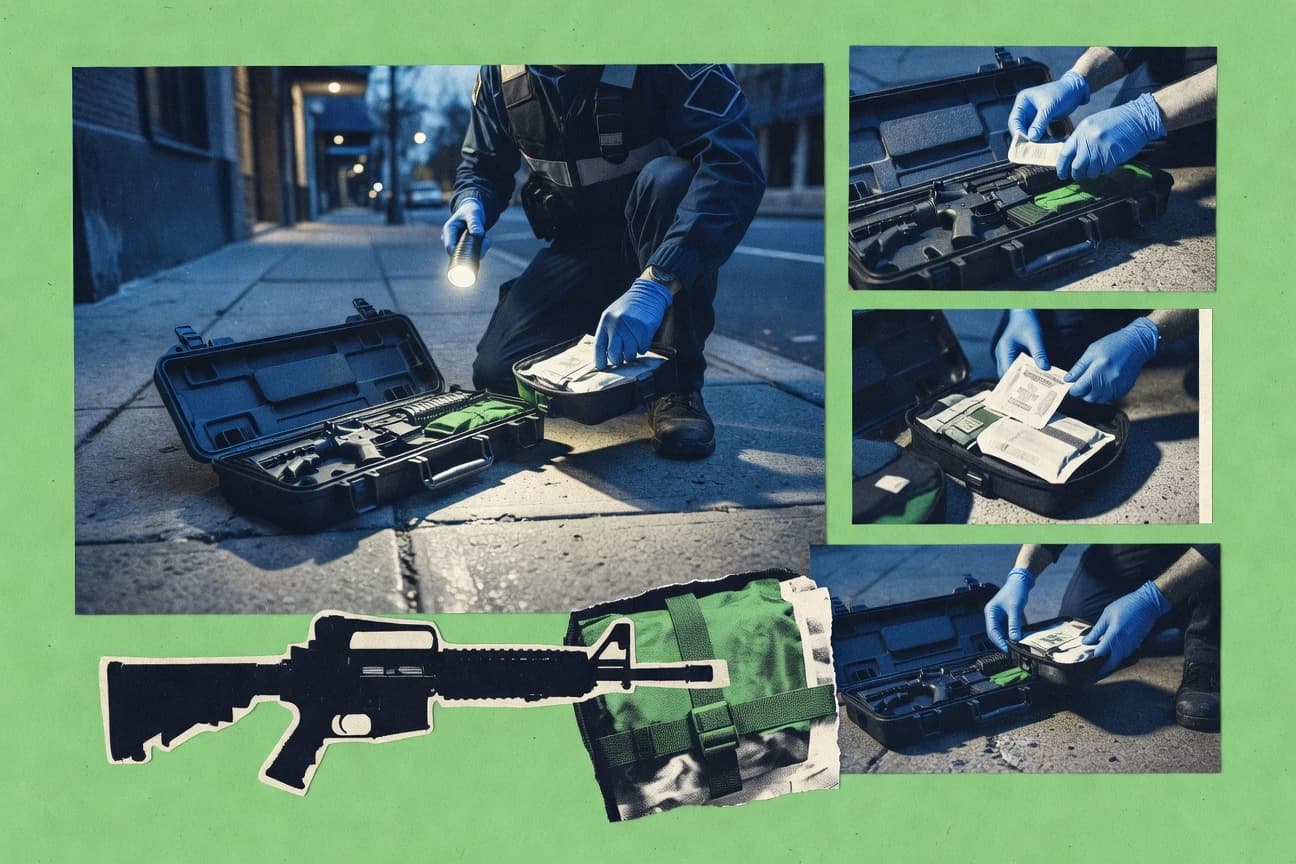

Twenty five percent of US children live in homes with firearms. Only 4.6 percent live in households where guns are secured by a safety device. Firearm injuries lead causes of death for US children and teens ages 1 to 19.
Key Takeaways
- 4.6% of US children lived in households with guns secured by a safety device, while 95.4% lived in households with unsecured guns
- 4% of households with firearms reported using only a trigger lock, and 8% reported using only a cable lock (with many still lacking other secure storage)
- 25% of US children live in homes with firearms, according to a national survey estimate (AAP summary of national survey data)
- Firearm-related injuries were the leading cause of death for US children and teens ages 1–19 in 2022
- A 2019 systematic review found that safe storage interventions were associated with reductions in unintentional firearm injuries among children and adolescents
- In 2022, there were 48,830 firearm-related emergency department visits in the US (CDC Injury Data)
- Firearm-related deaths were highest in males at 20.7 per 100,000 in 2022 (CDC Injury Data)
- A major RAND analysis estimated that defensive gun use likely falls in the range of hundreds of thousands to millions annually in the US, depending on assumptions
- A 2021 systematic review concluded that evidence for defensive gun use is limited by measurement and selection biases, but suggests defensive gun use occurs at non-trivial rates
- In a nationally representative study, respondents who reported carrying guns were more likely to report using them defensively than non-carriers (odds ratio reported in study)
- A study of firearm ownership and assault outcomes found a statistically significant association between safe storage practices and lower odds of adolescent firearm injury
- A randomized trial found that interventions improving safe storage increased safe storage device usage by about 20 percentage points relative to control (trial-reported effect)
- In a national study, households adopting a lock or safe had 80% higher odds of preventing child access to firearms (child-access outcome measure)
- 19% of US states had laws requiring firearm safe-storage as of 2023 (CAP-related or broader safe-storage requirements vary by state)
- 32% of US states had stand-your-ground laws as of 2023
Most US gun owners do not fully secure guns, and safe storage interventions can prevent child access and injuries.
Related reading
01 · Category
Household & Storage4 stats
01
4.6% of US children lived in households with guns secured by a safety device, while 95.4% lived in households with unsecured guns
02
4% of households with firearms reported using only a trigger lock, and 8% reported using only a cable lock (with many still lacking other secure storage)
03
25% of US children live in homes with firearms, according to a national survey estimate (AAP summary of national survey data)
04
48% of gun-owning households reported keeping a gun in or near the home where it can be accessed quickly
Interpretation
Household & Storage Interpretation
From a household and storage perspective, only about 4.6% of US children live with guns secured by a safety device while the vast majority face unsecured access, and even among gun-owning homes 48% report keeping a gun in or near the house where it can be reached quickly.
02 · Category
Child & Youth Safety2 stats
01
Firearm-related injuries were the leading cause of death for US children and teens ages 1–19 in 2022
02
A 2019 systematic review found that safe storage interventions were associated with reductions in unintentional firearm injuries among children and adolescents
Interpretation
Child & Youth Safety Interpretation
In the Child and Youth Safety category, firearm-related injuries were the leading cause of death for US children and teens ages 1–19 in 2022, and a 2019 systematic review found that safe storage interventions reduced unintentional firearm injuries, underscoring that prevention efforts focused on storage can directly protect young lives.
03 · Category
Fatalities & Outcomes2 stats
01
In 2022, there were 48,830 firearm-related emergency department visits in the US (CDC Injury Data)
02
Firearm-related deaths were highest in males at 20.7 per 100,000 in 2022 (CDC Injury Data)
Interpretation
Fatalities & Outcomes Interpretation
For the Fatalities and Outcomes category, the US saw 48,830 firearm-related emergency department visits in 2022 while firearm deaths were highest among males at 20.7 per 100,000, underscoring the serious and uneven human impact of firearms.
04 · Category
Defensive Gun Use3 stats
01
A major RAND analysis estimated that defensive gun use likely falls in the range of hundreds of thousands to millions annually in the US, depending on assumptions
02
A 2021 systematic review concluded that evidence for defensive gun use is limited by measurement and selection biases, but suggests defensive gun use occurs at non-trivial rates
03
In a nationally representative study, respondents who reported carrying guns were more likely to report using them defensively than non-carriers (odds ratio reported in study)
Interpretation
Defensive Gun Use Interpretation
Defensive gun use appears to involve hundreds of thousands to millions of incidents annually in the US, but research also notes that the evidence is limited by measurement and selection biases, even though nationally representative data still finds that gun carriers are more likely to report using guns defensively than non-carriers.
05 · Category
Safe Practices Effectiveness7 stats
01
A study of firearm ownership and assault outcomes found a statistically significant association between safe storage practices and lower odds of adolescent firearm injury
02
A randomized trial found that interventions improving safe storage increased safe storage device usage by about 20 percentage points relative to control (trial-reported effect)
03
In a national study, households adopting a lock or safe had 80% higher odds of preventing child access to firearms (child-access outcome measure)
04
A meta-analysis reported that gun lock interventions reduce the likelihood of children gaining unsupervised access to firearms by a statistically significant margin (effect size reported)
05
A 2020 study found that properly locking firearms reduced the probability of child unintentional injury compared with unsecured storage (estimated risk reduction reported)
06
A 2018 cohort study reported that safe-storage behaviors were associated with decreased firearm homicides and suicides involving children (reported associations by outcome)
07
In 2021, the percentage of gun owners reporting use of at least one safety measure (locked storage and/or other methods) was 76% (survey-reported)
Interpretation
Safe Practices Effectiveness Interpretation
Across studies under the Safe Practices Effectiveness category, safer firearm storage is linked to large reductions in harmful outcomes, including about a 20 percentage point rise in lock or safe use and an 80% higher odds of preventing child access to firearms.
More related reading
06 · Category
Policy Landscape3 stats
01
19% of US states had laws requiring firearm safe-storage as of 2023 (CAP-related or broader safe-storage requirements vary by state)
02
32% of US states had stand-your-ground laws as of 2023
03
48% of gun owners reported storing their guns loaded (with a chambered round) in a 2019 survey study (loaded storage is a key risk factor for rapid child access)
Interpretation
Policy Landscape Interpretation
From a Policy Landscape perspective, less than half of US states enacted major firearm safe storage requirements and nearly one third adopted stand your ground laws, while 48% of gun owners reported storing guns loaded, underscoring how policy gaps may leave high-risk storage patterns widespread.
07 · Category
Market & Adoption1 stats
01
46% of adults in the US reported having a gun in the home in 2018 (Gallup annual estimate; varies by year)
Interpretation
Market & Adoption Interpretation
In the Market and Adoption lens, the fact that 46% of US adults reported having a gun in the home in 2018 suggests a large existing user base that helps explain widespread potential uptake for gun safety and related benefits.
08 · Category
Health Outcomes1 stats
01
Firearm injury risks associated with home access are highest when guns are stored loaded and unlocked; in a US study, children’s exposure risk increased with both loading and unlocked storage
Interpretation
Health Outcomes Interpretation
For the health outcomes lens, evidence from a US study suggests that keeping guns stored loaded and unlocked can sharply increase children’s exposure to firearm injury risks at home, making safer storage a key way to protect public health.
09 · Category
Intervention Effectiveness6 stats
01
In a 2020 randomized trial, improving safe storage increased proper storage behaviors by 20 percentage points relative to control (effect size reported in trial)
02
Meta-analysis evidence (reported across multiple studies) indicates gun lock interventions reduce children’s unsupervised access compared with no lock/control conditions (statistical significance reported across pooled effects)
03
A systematic review reported that safe-storage interventions reduce unintentional firearm injuries among children and adolescents (pooled effect supported by multiple studies)
04
A randomized controlled trial found lock-and-education interventions increased safe storage device usage compared with control (reported absolute change of about 20 percentage points)
05
A nationally representative study reported that households using a lock/safe had higher odds of preventing child access than households without locks/safe (odds-based effect reported)
06
Proper locking is associated with a lower probability of child unintentional firearm injury in observational analyses comparing locked vs unlocked storage (estimated risk reduction reported)
Interpretation
Intervention Effectiveness Interpretation
Across intervention studies in the Guns Saving Lives evidence base, improving safe storage shows a measurable impact, with a 2020 randomized trial finding a 20 percentage point boost in proper storage behaviors and multiple reviews reporting that lock and education programs meaningfully reduce children’s unsupervised access and unintentional injuries, underscoring strong intervention effectiveness.
10 · Category
Economic Impact3 stats
01
One US analysis estimates that firearm-related injuries impose substantial direct medical costs, with annual economic burden reaching the tens of billions of dollars (broad societal cost estimate)
02
A 2014 peer-reviewed economic analysis estimated that fatal and non-fatal firearm injuries impose annual costs exceeding $200 billion in the US (societal cost estimate)
03
Lock and safe storage interventions are low-cost consumer products; a 2023 industry price survey reports many gun lock products priced between $20and $150 (typical retail price range)
Interpretation
Economic Impact Interpretation
For the Economic Impact of Guns Saving Lives, multiple analyses point to firearm injuries costing more than $200 billion a year in the US, while relatively low-cost consumer options like gun locks offer an affordable way to help reduce these burdens.
report visual · Comparison
Safe storage access vs unsecured guns
Most households with children report guns are unsecured or not secured by a safety device, while a smaller share reports gun access prevented by device-based storage.
25% of US children live in homes with firearms, according to a national survey estimate (AAP summary of national survey 25%
4.6% of US children lived in households with guns secured by a safety device, while 95.4% lived in households with unsec
4.6%
4% of households with firearms reported using only a trigger lock, and 8% reported using only a cable lock (with many st
4%
source-verifiedjamanetwork.com · publications.aap.org · rand.org
Reference
Cite This Report
This report is designed to be cited. We maintain stable URLs and versioned verification dates. Copy the format appropriate for your publication below.
APA
Marcus Afolabi. (2026, February 13). Guns Saving Lives Statistics. Gitnux. https://gitnux.org/guns-saving-lives-statistics
MLA
Marcus Afolabi. "Guns Saving Lives Statistics." Gitnux, 13 Feb 2026, https://gitnux.org/guns-saving-lives-statistics.
Chicago
Marcus Afolabi. 2026. "Guns Saving Lives Statistics." Gitnux. https://gitnux.org/guns-saving-lives-statistics.
Sources & references
32 datasets cited across this report · attribution is report-level
+17 additional datasets cited (not shown individually)