
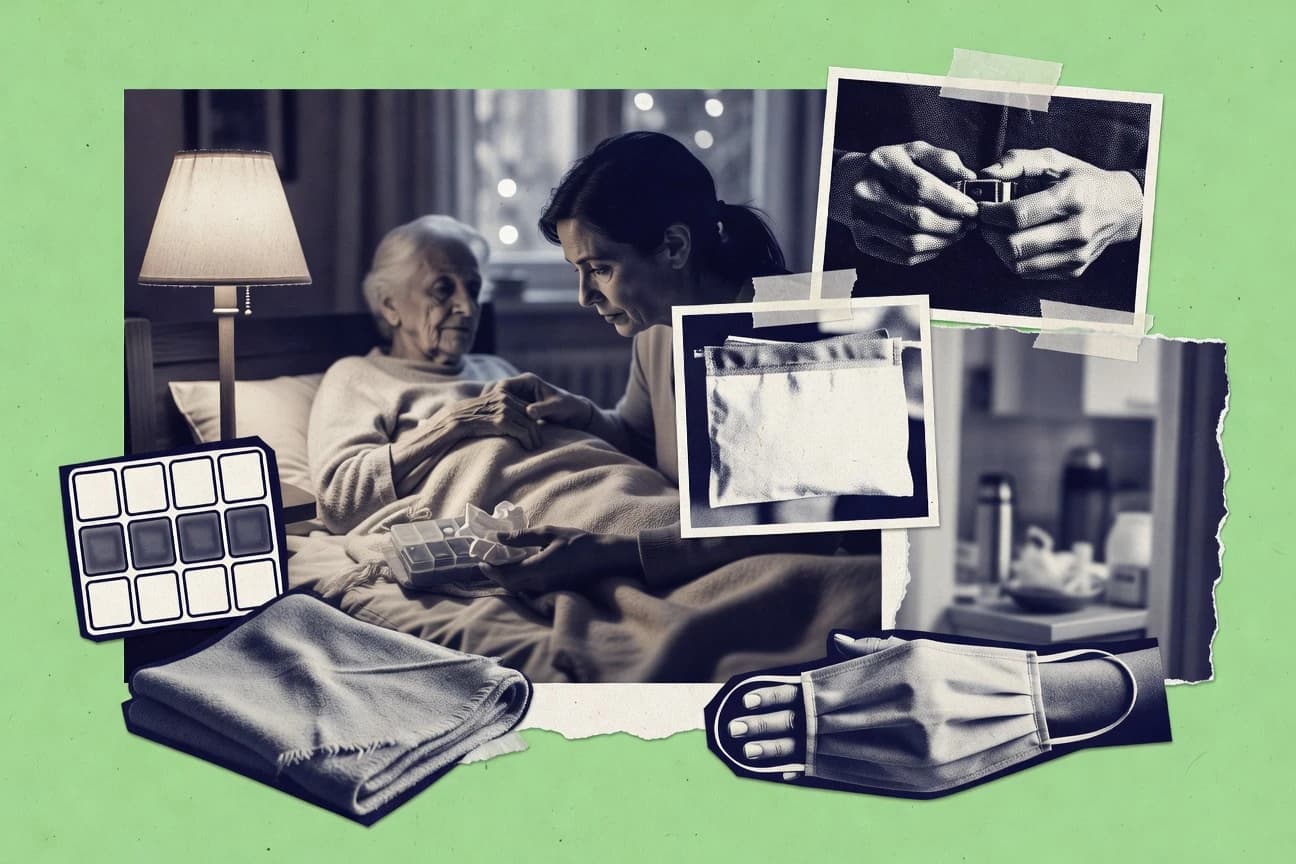

Family caregivers across the United States provide unpaid support to adults with health or functional needs, including help with daily living activities and managing medications. Caregiving affects different communities in different ways—women make up 61% of caregivers, and the average caregiver is 49.2 years old. This page explores the time burden, emotional and mental health toll, and the economic impact, including high out-of-pocket costs and limited access to respite care.
Key Takeaways
- 61% of US family caregivers are women, compared to 39% men, based on 2020 AARP survey
- Average age of family caregivers in the US is 49.2 years, with 25% under 30 and 14% over 65
- 28% of family caregivers in the US are Hispanic/Latino, 17% Black/African American, 10% Asian/Pacific Islander
- Family caregiving costs US economy $522 billion annually in lost productivity and health care
- Average out-of-pocket expenses for family caregivers total $7,242 yearly in the US
- 50% of employed family caregivers lose $8,000+ in wages annually due to caregiving
- 56% of family caregivers report high emotional stress from caregiving duties
- Family caregivers are 23% more likely to report fair or poor health compared to non-caregivers
- 40% of caregivers experience depression symptoms, twice the rate of general population
- Approximately 53 million adults in the United States provided unpaid caregiving to an adult with health or functional needs in 2020, representing 21% of the adult population
- Family caregivers in the US log more than 18 billion hours of unpaid care annually, equivalent to $600 billion in unpaid contributions
- 1 in 5 Americans are family caregivers, with numbers projected to reach 73 million by 2030 due to aging population
- 70% of family caregivers provide assistance with activities of daily living (ADLs) like bathing or dressing
- 80% of family caregivers manage medications for their loved ones, often multiple times daily
- 40% of caregivers provide wound care, medical equipment management, or other complex tasks
Family caregiving affects millions, costing billions and worsening health, with women most impacted and respite rarely used.
Related reading
01 · Category
Demographics Of Caregivers20 stats
01
61% of US family caregivers are women, compared to 39% men, based on 2020 AARP survey
02
Average age of family caregivers in the US is 49.2 years, with 25% under 30 and 14% over 65
03
28% of family caregivers in the US are Hispanic/Latino, 17% Black/African American, 10% Asian/Pacific Islander
04
48% of family caregivers have children under 18 living at home, known as 'sandwich generation'
05
In the US, 24% of family caregivers are employed full-time while providing 20+ hours of care weekly
06
Rural family caregivers are 15% more likely to be sole caregivers without formal support
07
LGBTQ+ individuals are 2x more likely to be family caregivers than heterosexual peers
08
40% of US family caregivers have a high school education or less, 30% college degree or higher
09
Adult children provide 54% of family caregiving in the US, spouses 15%, other relatives 31%
10
In Canada, 44% of family caregivers are daughters of care recipients, 26% spouses
11
US female family caregivers average 49 years old, males 51, with millennials comprising 33%
12
Black family caregivers are 50% more likely to provide care alone without paid help
13
23% of US family caregivers live in the care recipient's home, 29% have recipient live with them
14
Gen Z family caregivers (18-25) make up 11% of total, often for grandparents
15
Low-income family caregivers (<$25k/year) represent 36% of total US caregivers
16
Veterans' family caregivers are 20% more likely to be employed part-time due to care demands
17
Hispanic family caregivers often care for multiple generations simultaneously, 42% rate
18
37% of family caregivers have full-time jobs, 15% part-time, 23% not employed due to care
19
Adult daughters provide 2/3 of family care hours in US, sons 1/3 despite equal numbers
20
Immigrant family caregivers in US are 25% of total, facing language barriers 40% more
Interpretation
Demographics Of Caregivers Interpretation
In the Demographics Of Caregivers category, women make up 61% of US family caregivers and the average caregiver is 49.2 years old, showing caregiving is most often shouldered by midlife women across diverse age groups.
02 · Category
Economic And Policy Aspects19 stats
01
Family caregiving costs US economy $522 billion annually in lost productivity and health care
02
Average out-of-pocket expenses for family caregivers total $7,242yearly in the US
03
50% of employed family caregivers lose $8,000+ in wages annually due to caregiving
04
Only 29% of family caregivers use respite care services due to lack of awareness or access
05
Family caregivers forgo 43% of recommended preventive health services costing $1,821/year
06
Paid family leave policies cover only 23% of US private sector workers, impacting caregivers
07
Medicaid waiver programs support 1.2 million family caregivers but waitlists exceed 700,000
08
Tax credits for caregivers average $500savings but only 10% of eligible claim them
09
Employer-sponsored caregiver support reaches only 5% of US companies
10
Family caregivers incur $13.2 billion in additional healthcare costs yearly in US
11
70% of family caregivers spend 20% of income on care-related expenses
12
Workplace accommodations for caregivers save employers $3,000per employee annually
13
Only 14 states mandate caregiver leave beyond FMLA, covering 60% of workforce
14
Respite care funding totals $500 million federally, serving 300,000 caregivers yearly
15
Pension losses for family caregivers average $325,000over career lifetime
16
Medicare caregiver training reimbursements cover only 5% of eligible family members
17
Corporate caregiver resource programs reduce turnover by 50%, adopted by 28% firms
18
Global economic value of unpaid family care estimated at $1.5 trillion annually
19
In EU, family caregiver policies vary, with only 12 countries offering paid care leave
Interpretation
Economic And Policy Aspects Interpretation
Economic and policy gaps leave family caregivers paying heavily and planning poorly, from $522 billion a year in lost productivity and health care to only 29% using respite care and paid leave reaching just 23% of private sector workers.
03 · Category
Impacts On Caregivers' Health And Well Being21 stats
01
56% of family caregivers report high emotional stress from caregiving duties
02
Family caregivers are 23% more likely to report fair or poor health compared to non-caregivers
03
40% of caregivers experience depression symptoms, twice the rate of general population
04
High-intensity caregivers (20+ hrs/week) have 63% higher mortality risk over 7 years
05
35% of family caregivers report chronic conditions exacerbated by stress, like hypertension
06
Sleep deprivation affects 60% of family caregivers, averaging 6.5 hours/night vs 7.5 for others
07
Anxiety disorders are 21% higher among spousal family caregivers
08
48% of dementia family caregivers feel their health has worsened due to caregiving
09
Burnout rates reach 70% among family caregivers providing 40+ hours/week
10
Immune system suppression leads to 50% higher infection rates in stressed caregivers
11
29% of family caregivers give up vacations or travel due to health impacts
12
Isolation affects 43% of family caregivers, leading to social withdrawal
13
20% of family caregivers delay their own medical care due to time constraints
14
Obesity rates are 17% higher among family caregivers from poor self-care
15
PTSD symptoms reported by 30% of family caregivers of veterans or trauma survivors
16
66% experience physical strain like back pain from lifting/assisting mobility
17
Substance use increases 12% among high-stress family caregivers
18
39% report family conflicts heightened by caregiving responsibilities
19
Cognitive decline risk 15% higher in long-term family caregivers over 50
20
74% feel they have no choice in caregiving role, increasing resentment 25%
21
Heart disease risk elevated 37% in female family caregivers under chronic stress
Interpretation
Impacts On Caregivers' Health And Well Being Interpretation
The “Impacts On Caregivers' Health And Well Being” picture is alarming because 56% of family caregivers report high emotional stress and 40% have depression symptoms, while 60% suffer sleep deprivation and high intensity caregiving raises mortality risk by 63% over 7 years.
More related reading
04 · Category
Prevalence And Numbers20 stats
01
Approximately 53 million adults in the United States provided unpaid caregiving to an adult with health or functional needs in 2020, representing 21% of the adult population
02
Family caregivers in the US log more than 18 billion hours of unpaid care annually, equivalent to $600 billion in unpaid contributions
03
1 in 5 Americans are family caregivers, with numbers projected to reach 73 million by 2030 due to aging population
04
In 2015, 43.5 million family caregivers provided care to someone age 50+ in the US
05
Globally, 147 million informal caregivers provide care for older adults, with family members comprising 80% of them
06
In Canada, 8 million people aged 15+ are family caregivers, accounting for 35% of the adult population in 2022
07
UK family caregivers number 6.5 million, providing 7.9 billion hours of care yearly worth £132 billion
08
In Australia, 2.65 million people are primary family carers, with 31% providing care for 10+ years
09
EU countries report 8% of population as informal caregivers, totaling over 40 million family members
10
In Japan, 4.7 million family caregivers support elderly relatives, with 60% being women over 50
11
In 2020, 53 million adults in the US provided unpaid care, with 34% caring for someone with dementia or Alzheimer's
12
1 in 6 US adults is a family caregiver, increasing to 1 in 4 for ages 30-49
13
Projections show 73 million family caregivers in US by 2030, driven by baby boomers
14
In 2023, 44 million family caregivers in US, up 9.5% from 2015
15
Worldwide, family caregivers provide 90% of long-term care for elderly, totaling 250 million people
16
UK has 5.7 million unpaid family caregivers supporting adults, 4 million for children/disabled
17
Australia reports 2.7 million family caregivers, 12% of population aged 15+
18
In Germany, 4.5 million family caregivers provide daily care to relatives
19
India has over 100 million family caregivers for elderly, with 80% rural
20
South Korea sees 3.2 million family caregivers, 6.3% of population, mostly daughters-in-law
Interpretation
Prevalence And Numbers Interpretation
The prevalence data show that family caregiving is already widespread, with 53 million adults in the US providing unpaid care in 2020 and the share expected to grow to 73 million by 2030 as the population ages.
05 · Category
Types Of Care Provided20 stats
01
70% of family caregivers provide assistance with activities of daily living (ADLs) like bathing or dressing
02
80% of family caregivers manage medications for their loved ones, often multiple times daily
03
40% of caregivers provide wound care, medical equipment management, or other complex tasks
04
Average family caregiver spends 24.2 hours per week on care, with 16% providing 40+ hours
05
37% of caregivers assist with mobility and transportation needs weekly
06
Dementia family caregivers provide 58% more hours of care than non-dementia caregivers, averaging 35+ hours/week
07
55% handle household chores, meal preparation, and financial management for care recipients
08
Cancer family caregivers perform 50% of home-based chemotherapy administration tasks
09
Post-stroke family caregivers manage rehabilitation exercises for 68% of patients at home daily
10
45% of family caregivers provide emotional support and companionship as primary care type
11
77% of family caregivers assist with instrumental ADLs like shopping, housework
12
50% manage doctor's appointments, tests, and coordinate with healthcare providers
13
Family caregivers for chronic illness provide 24/7 monitoring for 65% of cases
14
62% help with bathing, dressing, toileting as personal care tasks daily
15
End-of-life family caregivers handle pain management for 72% of hospice patients at home
16
41% provide tech support, like managing telehealth or apps for health tracking
17
Mental health family caregivers facilitate therapy sessions for 55% of recipients weekly
18
68% prepare special diets or nutritional support for care recipients
19
Diabetes family caregivers monitor blood sugar 4-6 times daily for 80% of patients
20
52% assist with financial paperwork, bill paying, legal matters for elderly recipients
Interpretation
Types Of Care Provided Interpretation
In the types of care provided, family caregivers most often handle daily and medication needs with 70% assisting with ADLs and 80% managing medications, yet 40% also take on complex tasks like wound care, while the average caregiver spends 24.2 hours per week and dementia caregivers provide 58% more at 35+ hours weekly.
report visual · Breakdown
Who provides care (US caregivers)
Family caregiving is predominantly provided by women and adult children, highlighting who does the day-to-day work.
61%
61% of US family caregivers are women, compared to 39% men, based on 2020 AARP survey
39%
39% report family conflicts heightened by caregiving responsibilities
Reference
Cite This Report
This report is designed to be cited. We maintain stable URLs and versioned verification dates. Copy the format appropriate for your publication below.
APA
Elena Vasquez. (2026, February 13). Family Caregiver Statistics. Gitnux. https://gitnux.org/family-caregiver-statistics
MLA
Elena Vasquez. "Family Caregiver Statistics." Gitnux, 13 Feb 2026, https://gitnux.org/family-caregiver-statistics.
Chicago
Elena Vasquez. 2026. "Family Caregiver Statistics." Gitnux. https://gitnux.org/family-caregiver-statistics.
Sources & references
32 datasets cited across this report · attribution is report-level