
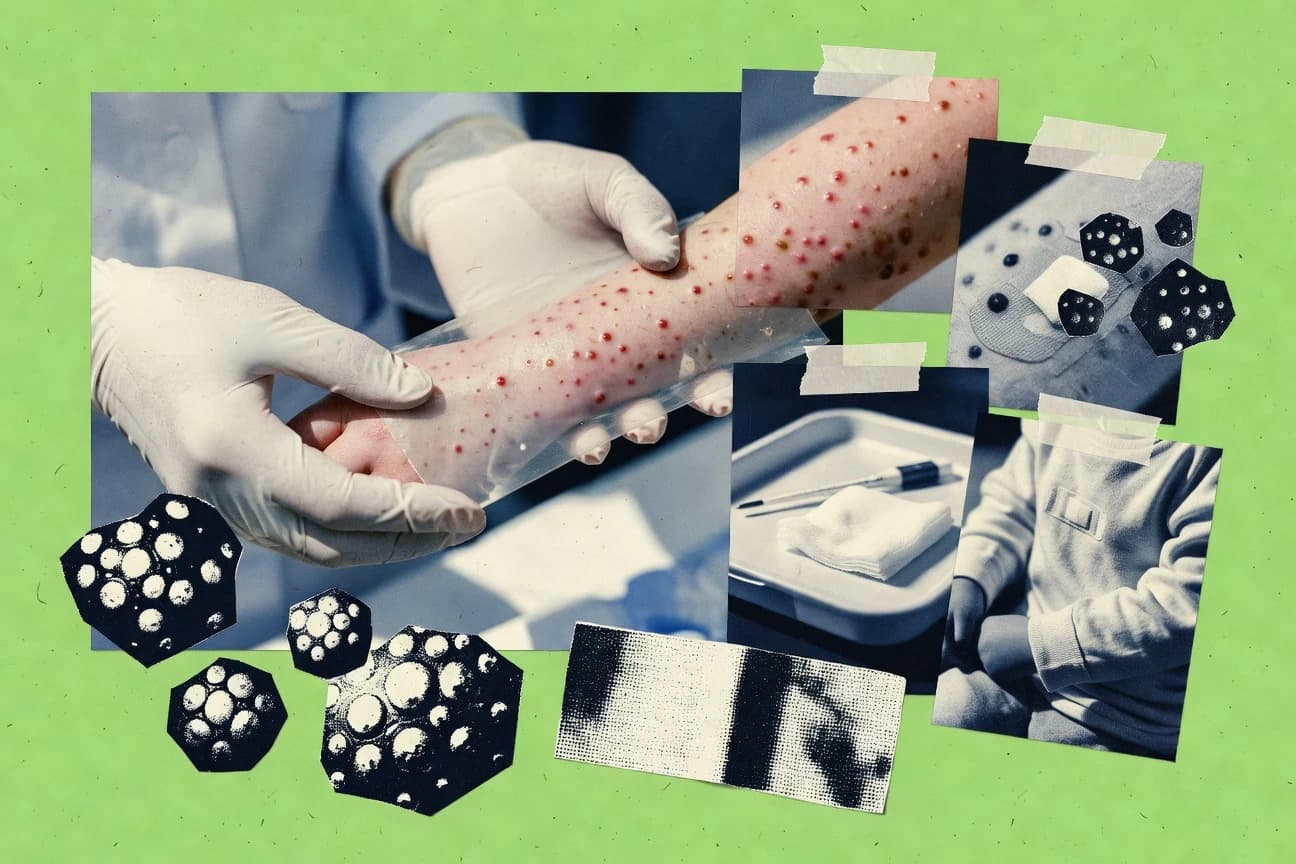

With the varicella vaccine, the picture of chicken pox has changed dramatically, yet outbreaks still carry risks that are easy to underestimate. For example, global varicella incidence was estimated at 140 million cases in 2019, most in children under 10, while complications like bacterial skin infections and varicella pneumonia vary widely in how often they strike. This post brings those figures together so you can see where the common rash ends and the life threatening outcomes begin.
Key Takeaways
- Chickenpox most common complication is bacterial skin infection in 5-10% cases
- Varicella pneumonia occurs in 1/400 adults, mortality 10-30%
- Encephalitis risk 1/33,000 cases, with 10-20% mortality
- Before the introduction of the varicella vaccine in 1995, approximately 4 million cases of chickenpox occurred annually in the United States
- In 2019, the global incidence of varicella was estimated at 140 million cases worldwide, primarily affecting children under 10 years
- In the pre-vaccine era in the US, chickenpox affected nearly every person before adulthood, with 90-95% lifetime risk
- Varicella vaccine efficacy 85-90% one dose, 98% two doses against severe disease
- Acyclovir IV reduces mortality in immunocompromised from 30% to 7%
- Two-dose MMRV schedule at 12-15 months and 4-6 years recommended
- The classic symptom of chickenpox is a pruritic rash starting as macules progressing to papules, vesicles, pustules, and crusts over 5-7 days
- Fever typically precedes the rash by 1-2 days, ranging 38-39°C in 70-80% of cases
- Malaise and anorexia occur in 50-75% of patients prior to rash onset
- Chickenpox is transmitted primarily via airborne spread of respiratory droplets from coughing/sneezing
- Direct contact with fluid from chickenpox blisters spreads virus in 90% of close exposures
- Virus shedding from respiratory tract peaks 1-2 days before rash, up to 10^6 PFU/ml
Chickenpox is common but complications are rare, with risks highest for pneumonia, encephalitis, and bacterial skin infections.
Related reading
01 · Category
Complications25 stats
01
Chickenpox most common complication is bacterial skin infection in 5-10% cases
02
Varicella pneumonia occurs in 1/400 adults, mortality 10-30%
03
Encephalitis risk 1/33,000 cases, with 10-20% mortality
04
Congenital varicella syndrome affects 0.4-2% pregnancies with maternal infection 13-20 weeks
05
Necrotizing fasciitis from Group A Strep in <1% but high mortality
06
Cerebellar ataxia in 1/4,000 cases, usually self-resolving
07
Reye syndrome association with aspirin use, incidence <1/100,000 post-warning
08
Secondary bacterial pneumonia in 1/400 children, 1/50 adults
09
Thrombocytopenia in 1-3%, usually mild
10
Neonatal varicella mortality 7-30% if <5 days old at exposure
11
Myocarditis rare, 1/10,000, with arrhythmias
12
Arthritis in 0.3-1%, polyarticular in adults
13
Hemorrhagic varicella in 2/10,000, worse in adults/leukemics
14
Guillain-Barré syndrome post-varicella 1/100,000
15
Orchitis/testicular torsion rare in males <1%
16
Fulminant hepatitis in immunocompromised, mortality 20%
17
Purpura fulminans with DIC in <0.1%
18
Acute retinal necrosis in 0.5/100,000, vision loss risk
19
Glomerulonephritis transient in 1%
20
Pericarditis/myopericarditis <0.5%
21
Disseminated intravascular coagulation in severe cases 5%
22
Transverse myelitis rare neurological complication
23
Stevens-Johnson syndrome triggered in <0.1%
24
Pre-vaccine US hospitalizations 10,500-13,000/year, now <1,000
25
Mortality pre-vaccine 100-150/year US, mostly adults/immunocompromised
Interpretation
Complications Interpretation
Among chickenpox complications, the standout pattern is that while most are uncommon, serious outcomes are clearly concentrated in a few cases, such as varicella pneumonia affecting about 1 in 400 adults with a 10 to 30% mortality rate.
02 · Category
Epidemiology30 stats
01
Before the introduction of the varicella vaccine in 1995, approximately 4 million cases of chickenpox occurred annually in the United States
02
In 2019, the global incidence of varicella was estimated at 140 million cases worldwide, primarily affecting children under 10 years
03
In the pre-vaccine era in the US, chickenpox affected nearly every person before adulthood, with 90-95% lifetime risk
04
Between 1995 and 2000, varicella incidence in the US decreased by 87% following vaccine introduction
05
In Europe, annual varicella cases are estimated at 4-5 million, with higher rates in unvaccinated populations
06
In Australia pre-vaccine, chickenpox incidence was 1,000-2,000 cases per 100,000 population annually
07
In India, varicella seroprevalence reaches 70-80% by age 15 in urban areas
08
UK reported 50,000-100,000 GP consultations for chickenpox annually pre-vaccine
09
In Japan post-vaccine, varicella incidence dropped 75% from 1986 levels
10
Globally, chickenpox causes about 6,400 deaths per year, mostly in children under 5
11
In the US, post-vaccine era saw hospitalizations drop from 10,000 to 1,000 annually
12
Africa reports varicella outbreaks with attack rates up to 80% in households
13
In Canada, pre-vaccine incidence was 200-300 cases per 100,000 yearly
14
Brazil urban areas show 60% seropositivity by age 10
15
In Germany, post-vaccine introduction, cases fell by 90% in vaccinated cohorts
16
US Native American populations had 2-3 times higher pre-vaccine incidence
17
In South Korea, annual varicella cases exceeded 100,000 pre-2015 vaccine
18
Italy reports 200,000-300,000 cases yearly despite vaccine availability
19
In tropical climates like Thailand, peak incidence shifts to adults at 40-50%
20
Pre-vaccine US mortality rate was 1-2 per 100,000 cases
21
In Spain, varicella vaccine reduced incidence by 85% in 5 years post-introduction
22
China estimates 3-4 million cases annually
23
In unvaccinated US communities like Amish, outbreaks affect 70-90% of children
24
France reports 800,000 cases yearly pre-vaccine recommendation
25
In Saudi Arabia, seroprevalence is 85% by age 20
26
Post-two-dose US vaccine policy, incidence fell another 80% from one-dose era
27
In Turkey, annual cases around 150,000-200,000
28
Mexico pre-vaccine had 1.5 million cases yearly
29
In Russia, varicella incidence is 300-500 per 100,000
30
Global under-5 mortality from varicella is 4.2 per 100,000 cases
Interpretation
Epidemiology Interpretation
Epidemiology data show that after the varicella vaccine was introduced in 1995, US chickenpox incidence dropped by 87% between 1995 and 2000 from about 4 million cases annually, illustrating how widespread transmission can rapidly decline when large-scale vaccination is implemented.
03 · Category
Prevention And Treatment27 stats
01
Varicella vaccine efficacy 85-90% one dose, 98% two doses against severe disease
02
Acyclovir IV reduces mortality in immunocompromised from 30% to 7%
03
Two-dose MMRV schedule at 12-15 months and 4-6 years recommended
04
Oral acyclovir within 24h rash onset shortens duration by 1-2 days in healthy kids
05
VZIG (varicella zoster immune globulin) within 96h post-exposure for high-risk, 47% efficacy
06
Calamine lotion and oatmeal baths relieve pruritus in 70-80%
07
Isolation until all lesions crusted prevents 80-90% household spread
08
Live attenuated Oka strain vaccine safe in >95%, mild rash in 5%
09
Antihistamines like diphenhydramine reduce itching, improve sleep in 60%
10
Post-exposure vaccine within 3 days prevents/modifies disease in 70-90%
11
IVIG 0.5-1g/kg for severe cases in immunocompromised
12
Avoid aspirin to prevent Reye syndrome, paracetamol preferred
13
Trim fingernails, gloves for infants to prevent superinfection
14
Breakthrough varicella milder, 20-50 lesions vs. 300+
15
Acyclovir prophylaxis in seronegative transplant patients prevents 70%
16
School exclusion 7-10 days from rash onset
17
Two doses reduce outbreaks by 95%
18
Wet compresses with Domeboro solution soothe skin
19
Routine catch-up vaccination for ages 7-18 if missed
20
Foscarnet for acyclovir-resistant VZV in AIDS
21
Screen healthcare workers for immunity, vaccinate if negative
22
Hydration and antipyretics for fever management
23
Vaccine storage 2-8°C, efficacy drops if frozen
24
Contraindicated in pregnancy, immunodeficiency (except specific)
25
Antibiotics for secondary Staph/Strep skin infections
26
Monitor high-risk neonates 28 days post-exposure
27
Burow's solution compresses reduce inflammation
Interpretation
Prevention And Treatment Interpretation
For prevention and treatment, the data strongly suggest early and complete protection works best, with one vaccine dose reaching 85 to 90% efficacy and two doses boosting to 98% against severe disease while timely antiviral therapy and supportive care further reduce complications and symptoms.
More related reading
04 · Category
Symptoms26 stats
01
The classic symptom of chickenpox is a pruritic rash starting as macules progressing to papules, vesicles, pustules, and crusts over 5-7 days
02
Fever typically precedes the rash by 1-2 days, ranging 38-39°C in 70-80% of cases
03
Malaise and anorexia occur in 50-75% of patients prior to rash onset
04
The rash initially appears on the trunk, scalp, and face, with up to 250-500 lesions in primary infection
05
Lesions appear in successive crops every 2-4 hours for 3-5 days
06
Pharyngitis and cough are reported in 20-30% of children with chickenpox
07
Splenomegaly occurs in 20% of cases during acute infection
08
Headache and photophobia can precede rash in 10-15% of adolescents and adults
09
Vesicles are described as "dew drops on a rose petal" in classic presentation
10
Myalgia affects 40-50% of adult patients with chickenpox
11
Conjunctivitis occurs in 5-10% due to vesicle involvement of conjunctiva
12
Lesion crusting begins centrally, completing in 4-7 days if not scratched
13
Prodromal symptoms last 1-4 days in adults vs. shorter in children
14
Pruritus peaks on days 3-5 of rash, leading to excoriations in 30%
15
Oral lesions appear as shallow ulcers on buccal mucosa in 20-30%
16
Lymphadenopathy, especially cervical, in 25-50% of pediatric cases
17
Rash can involve palms/soles in 10-20%, atypical for other exanthems
18
Incubation averages 14-16 days, with rash day 0 defining acute phase
19
Anorexia persists 2-3 days post-rash in 60% children
20
Adult rash often more severe with 300-500 lesions vs. 200-300 in kids
21
Pneumonitis symptoms include dyspnea in 10-20% adults
22
Vesicles rupture within 24-48 hours forming umbilicated pustules
23
Fatigue lasts 5-10 days post-rash resolution in 40%
24
Genital lesions in 5-10% adolescents, painful vesicles
25
Abdominal pain in 10%, due to visceral involvement
26
Rash evolution: macule (2h), papule (4h), vesicle (12h), pustule (1-2d), crust (4-7d)
Interpretation
Symptoms Interpretation
For the Symptoms category, chickenpox typically starts with a pruritic, evolving rash plus prodromal illness, with fever in about 70–80% of cases and rash crops recurring every 2–4 hours for 3–5 days, often beginning on the trunk, scalp, and face.
05 · Category
Transmission27 stats
01
Chickenpox is transmitted primarily via airborne spread of respiratory droplets from coughing/sneezing
02
Direct contact with fluid from chickenpox blisters spreads virus in 90% of close exposures
03
Virus shedding from respiratory tract peaks 1-2 days before rash, up to 10^6 PFU/ml
04
Contagious period from 1-2 days pre-rash to crusting of all lesions (7-10 days)
05
Household secondary attack rate is 65-87% in susceptible contacts
06
Airborne transmission occurs over distances up to 5-10 meters in enclosed spaces
07
Fomites rarely transmit as virus survives <2 hours outside host
08
Incubation period 10-21 days (mean 14-15)
09
Infectivity highest in first 3-4 days of rash
10
Virus enters via respiratory mucosa or conjunctiva, replicates locally 2-4 days
11
School outbreaks show R0 of 8-12, highly contagious
12
Mother-to-fetus transmission (congenital varicella) 2% risk if maternal infection weeks 13-20
13
Nosocomial transmission risk 28-57% pre-isolation in hospitals
14
Virus stable in aerosol form <30 min at room temp
15
Close contact defined as face-to-face <1m or shared space >1h
16
Post-exposure prophylaxis with vaccine effective if given within 3-5 days
17
Zoster transmission to susceptibles rare, <10% via vesicle contact
18
Seasonal peak winter-spring in temperate climates due indoor crowding
19
Virus DNA detectable in saliva 1-3 days pre-rash
20
Communal living increases transmission 3-5 fold
21
Perinatal transmission 20-40% if maternal rash 5 days pre to 2 days post-delivery
22
Droplet nuclei <5μm remain airborne hours
23
Sibling attack rate 80-90% if index case in home
24
International travel clusters reported with 50% secondary cases
25
HVAC systems spread virus in buildings
26
Asymptomatic shedding rare, <5%
27
Bacterial superinfection via scratching increases spread indirectly
Interpretation
Transmission Interpretation
From a transmission perspective, chickenpox spreads very efficiently even before the rash appears, with virus shedding peaking 1 to 2 days pre-rash up to 10^6 PFU per ml and an especially high household secondary attack rate of 65 to 87% among susceptible contacts.
report visual · Comparison
Chickenpox: severe complications are uncommon, but key mortality risks matter
While most complications are rare, certain severe outcomes (e.g., pneumonia, encephalitis, neonatal disease) have meaningful mortality, especially in high-risk groups.
Globally, chickenpox causes about 6,400 deaths per year, mostly in children under 56,400
Varicella pneumonia occurs in 1/400 adults, mortality 10-30%-30%
Neonatal varicella mortality 7-30% if <5 days old at exposure-30%
Encephalitis risk 1/33,000 cases, with 10-20% mortality-20%
Reference
Cite This Report
This report is designed to be cited. We maintain stable URLs and versioned verification dates. Copy the format appropriate for your publication below.
APA
Alexander Schmidt. (2026, February 13). Chicken Pox Statistics. Gitnux. https://gitnux.org/chicken-pox-statistics
MLA
Alexander Schmidt. "Chicken Pox Statistics." Gitnux, 13 Feb 2026, https://gitnux.org/chicken-pox-statistics.
Chicago
Alexander Schmidt. 2026. "Chicken Pox Statistics." Gitnux. https://gitnux.org/chicken-pox-statistics.
Sources & references
28 datasets cited across this report · attribution is report-level