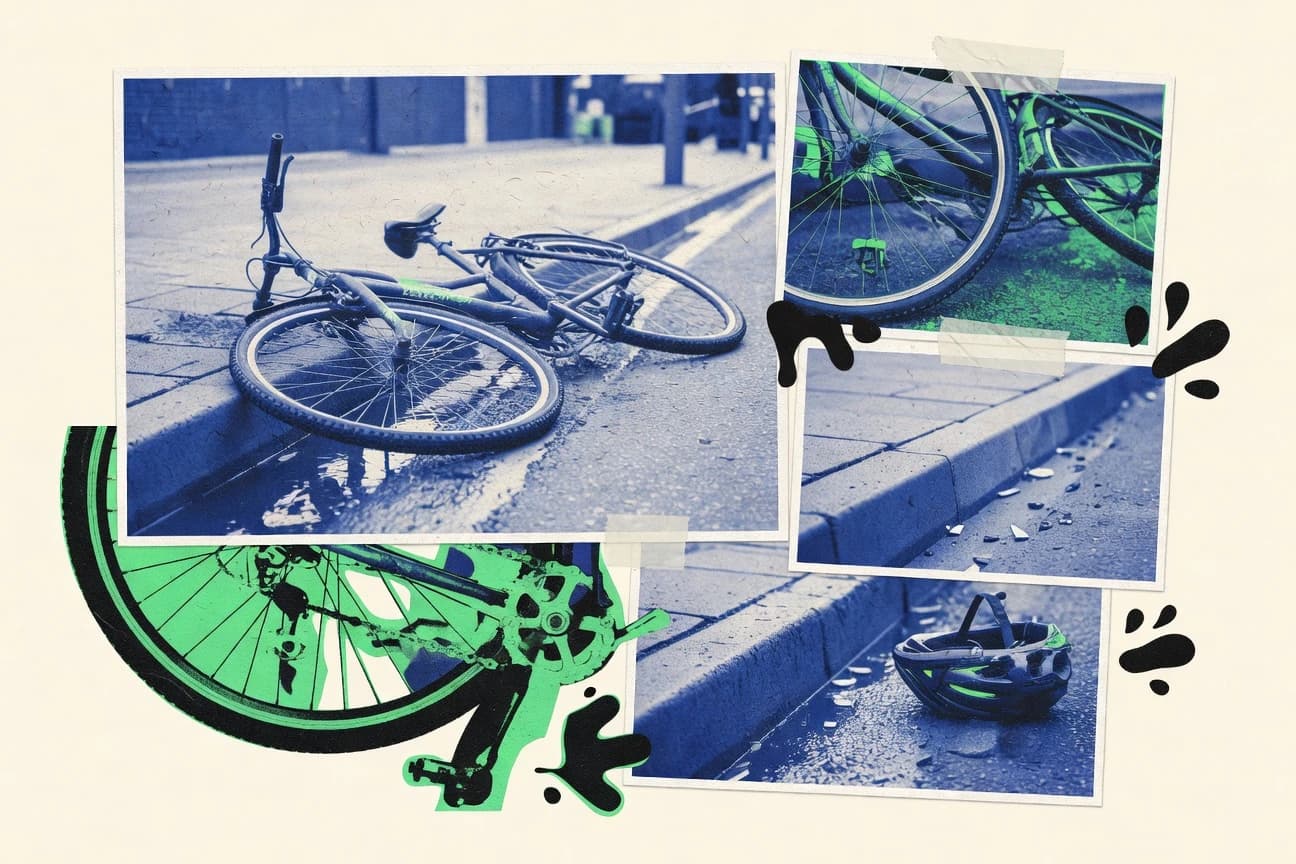

In the United States, 746,000 cyclists were injured in 2021, a 13.5% jump from 657,000 in 2020. Failure to yield right-of-way accounts for 37% of cyclist-motorist crashes. The section below breaks down the causes and locations behind those numbers so the pattern is measurable, not just memorable.
Key Takeaways
- In 2021, left-turning vehicles caused 20% of US cyclist injuries
- Males represent 78% of injured cyclists and 88% of fatalities in US
- In 2022, there were 1,105 bicyclist fatalities in the United States, marking a 16% increase from 951 in 2021
- In 2021, 746,000 cyclists were injured in US crashes, a 13.5% increase from 657,000 in 2020
- 62% urban vs 38% rural cyclist fatalities in US 2021
Bicycle accidents are often preventable, making safe riding habits crucial for reducing injuries and deaths.
Related reading
01 · Category
Causes27 stats
01
In 2021, left-turning vehicles caused 20% of US cyclist injuries
02
Failure to yield right-of-way accounts for 37% of cyclist-motorist crashes
03
In urban areas, dooring incidents represent 11% of cyclist injuries
04
DUI drivers involved in 12% of fatal cyclist crashes in 2021 US
05
Speeding vehicles contribute to 29% of cyclist fatalities, per NHTSA
06
Rear-end collisions make up 8% of cyclist crashes but 22% of injuries
07
Lack of bike lanes increases crash risk by 50% in urban streets
08
Driver inattention causes 18% of cyclist-motor vehicle crashes
09
Nighttime riding without lights responsible for 40% of dark-condition cyclist deaths
10
Hooking maneuvers by motorists cause 6% of cyclist crashes
11
Cyclist riding against traffic increases crash risk 3.5 times
12
Large trucks involved in 10% of urban cyclist fatalities
13
Poor road maintenance (potholes) causes 15% of single-bicycle crashes
14
Illegal parking obstructs 7% of cyclist paths leading to collisions
15
Distracted cycling (phone use) linked to 12% of solo falls
16
Right-hook turns by drivers cause 25% of intersection cyclist crashes
17
Adverse weather (rain) increases cyclist crash risk by 30%
18
Overloading bikes contributes to 5% of stability-loss accidents
19
Driver failure to detect cyclist: 62% of all motorist-at-fault crashes
20
Alcohol impairment in cyclists causes 10% of fatal solo crashes
21
Narrow lanes (<12 ft) raise cyclist risk 1.8 times vs wider lanes
22
E-bike higher speeds contribute to 20% more severe crashes than traditional bikes
23
Midblock crossing crashes: 14% of cyclist incidents
24
Tire blowouts or mechanical failure: 3% of all bicycle accidents
25
Overtaking too close by vehicles: 22% of non-intersection crashes
26
75% of cyclist crashes involve motor vehicles turning left or right
27
No helmet increases head injury severity by 2.5 times in crashes
Interpretation
Causes Interpretation
In short, drivers turning without looking, speeding while distracted, and designing cities for cars alone have collectively engineered a perilous obstacle course where the simple act of riding a bike demands a helmet's courage and a statistician's grim acceptance of the odds.
02 · Category
Demographics28 stats
01
Males represent 78% of injured cyclists and 88% of fatalities in US
02
Children aged 10-14 have highest cyclist injury rate per population: 450 per 100,000
03
Adults 45-54 years old account for 25% of cyclist fatalities in US 2021
04
Urban males aged 25-34 suffer 15% of all cyclist injuries
05
Elderly cyclists over 65: 30% of fatalities despite 20% ridership
06
Females comprise 22% of cyclist fatalities but 35% of injuries in EU
07
US Hispanic cyclists: 12% of fatalities, rising 50% since 2010
08
Children under 16: 10% of US cyclist deaths but 25% injuries
09
In Australia, males 78% of cyclist casualties
10
UK: 85% male cyclist KSI casualties in 2022
11
Low-income neighborhoods have 2x cyclist fatality rate per capita
12
Teens 15-19: highest ED visit rate for cyclist injuries, 650 per 100k
13
In Germany, 60% cyclist fatalities over 50 years old
14
Black cyclists underrepresented in fatalities (5%) vs population
15
Netherlands: females 40% of injured cyclists
16
Canada: males 80% of cyclist deaths 2017-2021
17
Japan: 50% cyclist fatalities elderly >65
18
Rural cyclists: 40% higher fatality rate per mile ridden
19
Students represent 30% of child cyclist injuries in urban areas
20
Adults 35-44: 20% US cyclist injuries
21
Immigrants in EU cities: 1.5x crash involvement rate
22
Delivery cyclists: 25% of NYC injuries despite 10% ridership
23
Females under 25: 45% helmet usage vs 60% males
24
Overweight cyclists 1.4x more likely injured in falls
25
55% of US cyclist fatalities male adults 16-34
26
In France, 70% cyclist victims male
27
Tourists: 15% of Amsterdam cyclist injuries
28
Low education level correlates with 2x non-helmet use
Interpretation
Demographics Interpretation
The statistics paint a clear and perilous picture: cycling safety is overwhelmingly a young-to-middle-aged man's game of Russian roulette, played most dangerously in cities and low-income areas, while the elderly and children pay a tragically disproportionate price despite riding less.
03 · Category
Fatalities30 stats
01
In 2022, there were 1,105 bicyclist fatalities in the United States, marking a 16% increase from 951 in 2021
02
Globally, an estimated 41,000 people die annually from bicycle-related crashes, accounting for 3% of all road traffic deaths
03
In the EU, 1,738 cyclists were killed in road accidents in 2021, with a rate of 3.8 deaths per million inhabitants
04
California recorded 271 cyclist deaths in 2022, the highest in the US, representing 24.5% of national total
05
Males accounted for 88% of all cyclist fatalities in the US in 2021, totaling 837 deaths
06
Between 2018 and 2022, Florida had 581 bicyclist deaths, averaging 116 per year
07
In Australia, 36 cyclists were killed in 2022, a 12% decrease from 41 in 2021
08
The cyclist fatality rate per billion km traveled in the Netherlands is 1.2, compared to 13.6 in the US
09
In 2020, 1,018 cyclists died in single-vehicle crashes in the US, 46% of total fatalities
10
UK cyclist deaths reached 91 in 2022, with 40% involving large goods vehicles
11
New York State saw 47 cyclist fatalities in 2022, up 20% from 2021
12
In Canada, 234 cyclists died between 2017-2021, averaging 47 per year
13
Japan reported 442 cyclist deaths in 2021, mostly involving elderly riders over 65
14
Bicyclist fatality risk increases 22 times at night without lights in urban areas
15
In 2021, 41% of US cyclist deaths occurred in urban areas, totaling 389 fatalities
16
Sweden's cyclist fatality rate is 2.3 per million population, lowest in EU
17
Texas had 180 cyclist deaths from 2018-2022, highest in South region
18
During COVID-19, US cyclist fatalities rose 29% in 2020 to 1,004
19
In Germany, 417 cyclists died in 2022, 75% over age 50
20
Bicyclist deaths per 100,000 population in Denmark: 1.9 in 2021
21
Illinois reported 62 cyclist fatalities in 2022, 25% increase YoY
22
Globally, low-income countries see 65% of cyclist deaths despite 27% bike usage
23
Oregon had 44 cyclist deaths 2018-2022, rate of 2.1 per 100,000
24
In 2021, 20% of US cyclist fatalities involved DUI drivers, totaling 190 deaths
25
Belgium recorded 75 cyclist deaths in 2022, 60% male
26
Bicyclist fatality rate in rural US areas: 2.4 per million, vs 3.1 urban
27
In 2022, 92 cyclist deaths in Washington State over 5 years prior
28
France saw 211 cyclist fatalities in 2022, up 11% from 2021
29
Per capita cyclist death rate in China: 5.6 per 100,000 in 2020
30
Michigan had 55 cyclist deaths 2018-2022
Interpretation
Fatalities Interpretation
A sobering calculus reveals that whether navigating the city grid or a Dutch bike path, the difference between life and death for cyclists is measured in simple, often neglected investments like infrastructure, visibility, and sobriety.
More related reading
04 · Category
Injuries30 stats
01
In 2021, 746,000 cyclists were injured in US crashes, a 13.5% increase from 657,000 in 2020
02
EU reported 18,200 serious cyclist injuries in 2021, rate of 40.7 per million
03
California saw 14,000 cyclist injuries in 2022, 27% hospitalized
04
Head injuries account for 60% of cyclist hospital admissions in US, totaling 447,600 cases yearly
05
In Australia, 13,897 cyclist casualties in 2022, 1,234 serious injuries
06
UK had 16,000 cyclist injury casualties in 2022, 3,000 seriously injured
07
US cyclists suffer 467,000 injuries annually, 85% from motor vehicle crashes
08
In Canada, 5,789 cyclist injuries reported 2017-2021, 25% requiring hospitalization
09
Germany recorded 64,000 cyclist injuries in 2022, 9% serious
10
Arm and hand fractures represent 22% of cyclist injuries in children
11
Netherlands hospitalizes 24,000 cyclists yearly, rate 1.3 per 1,000 riders
12
Florida reported 9,500 cyclist injuries 2018-2022
13
Traumatic brain injuries in cyclists: 69,000 ED visits yearly in US ages 18-64
14
Japan saw 45,000 cyclist injuries in 2021, 40% elderly
15
44% of US cyclist injuries occur in non-motor vehicle crashes, like falls
16
Sweden reports 12,000 cyclist injuries annually, 15% serious
17
New York City had 4,800 cyclist injuries in 2022, 12% severe
18
Lower extremity injuries comprise 40% of cyclist trauma cases
19
In 2021, 30% of injured cyclists in EU were children under 15
20
Texas logged 7,200 cyclist injuries 2018-2022
21
Helmet non-use increases severe head injury risk by 60% in crashes
22
UK child cyclist injuries: 4,500 in 2022, 20% head-related
23
In 2022, 467,000 non-fatal cyclist injuries in US, per NHTSA estimates
24
France reported 11,000 cyclist injuries in 2022, 2,100 serious
25
25% of cyclist ED visits involve facial injuries
26
Denmark has 8,000 cyclist injury claims yearly
27
35% of US cyclist injuries from dooring incidents in urban areas
28
Belgium saw 15,000 cyclist casualties in 2022
29
Spinal injuries in cyclists: 5-10% of total, higher without helmets
30
70% of cyclist injuries treated and released from US EDs annually
Interpretation
Injuries Interpretation
The numbers paint a grim global portrait: a bicycle ride is far too often a roll of the dice against a world of cars, curbs, and concrete, where the helmet is the only piece of armor issued.
05 · Category
Locations25 stats
01
62% urban vs 38% rural cyclist fatalities in US 2021
02
Intersections host 69% of cyclist-motorist crashes
03
Urban roads account for 80% of cyclist injuries in EU
04
Bike lanes reduce crashes by 50% per million km traveled
05
Rural roads: 48% of US cyclist fatalities despite low traffic
06
Protected bike lanes cut injury risk 88% vs parallel roads
07
35% cyclist crashes occur midblock, not intersections
08
Multi-lane roads increase fatality risk 4x for cyclists
09
Parks and trails: <1% of serious cyclist incidents
10
Highways prohibited but 2% illegal cyclist use leads to 10% fatalities
11
Roundabouts reduce cyclist crashes 40% with proper design
12
Sidewalks used by cyclists: 15% higher injury rate vs roads
13
Commercial districts: 25% of urban cyclist collisions
14
Shared paths with pedestrians cause 20% of non-motor conflicts
15
Downtowns: 3x crash density per km vs suburbs
16
Paved shoulders reduce rural risk 70%
17
Off-road trails: 90% of crashes minor falls
18
Bridge crossings: 5x higher collision rate for cyclists
19
Cycle tracks on arterials: 28% fewer incidents
20
Residential streets: 40% of child cyclist injuries
21
High-speed corridors >40mph: 60% fatal cyclist crashes
22
Buffered lanes cut sideswipe risks 80%
23
School zones: 12% of youth injuries despite low speed
24
Construction zones increase cyclist hazards 3x
25
One-way streets with contra-flow lanes: 50% safer
Interpretation
Locations Interpretation
The statistics paint a clear, human picture: while cyclists often feel safest on quiet paths, the real dangers are man-made, lurking in complex intersections, fast-moving traffic, and badly designed infrastructure that prioritizes speed over shared safety.
Reference
Cite This Report
This report is designed to be cited. We maintain stable URLs and versioned verification dates. Copy the format appropriate for your publication below.
APA
Priyanka Sharma. (2026, February 13). Bicycle Accidents Statistics. Gitnux. https://gitnux.org/bicycle-accidents-statistics
MLA
Priyanka Sharma. "Bicycle Accidents Statistics." Gitnux, 13 Feb 2026, https://gitnux.org/bicycle-accidents-statistics.
Chicago
Priyanka Sharma. 2026. "Bicycle Accidents Statistics." Gitnux. https://gitnux.org/bicycle-accidents-statistics.
Sources & references
34 datasets cited across this report