
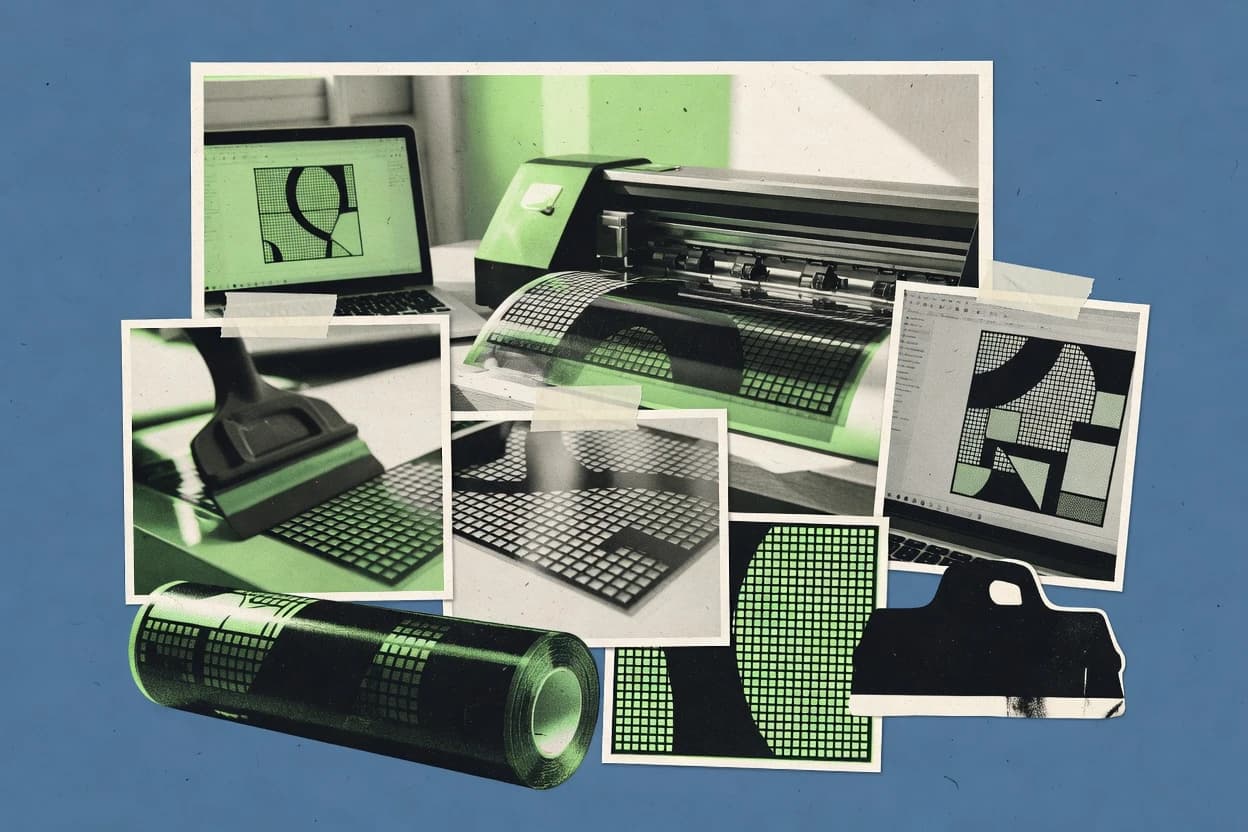
GITNUXSOFTWARE ADVICE
Consumer RetailTop 10 Best Window Film Cutting Software of 2026
Ranked top 10 window film cutting software for sign shops, with tool comparisons and tradeoffs for Roland DG CutStudio, Tint Tek, and Easy Cut Studio.

How we ranked these tools
Core product claims cross-referenced against official documentation, changelogs, and independent technical reviews.
Analyzed video reviews and hundreds of written evaluations to capture real-world user experiences with each tool.
AI persona simulations modeled how different user types would experience each tool across common use cases and workflows.
Final rankings reviewed and approved by our editorial team with authority to override AI-generated scores based on domain expertise.
Score: Features 40% · Ease 30% · Value 30%
Gitnux may earn a commission through links on this page — this does not influence rankings. Editorial policy
Roland DG CutStudio is the go-to when you’re producing reliable window film cuts on Roland plotters from Illustrator or CorelDRAW, while Easy Cut Studio is a strong entry if you need broad desktop compatibility and direct cut-ready preparation for day-to-day sign work.
Editor’s top 3 picks
Three quick recommendations before you dive into the full comparison below — each one leads on a different dimension.
Roland DG CutStudio
Roland DG cutter plug-ins for Adobe Illustrator and CorelDRAW transfer production artwork directly into CutStudio.
Built for fits when sign shops need dependable Roland cutter output from Illustrator or CorelDRAW for one-off window film jobs..
Tint Tek 20/20 Fusion
Editor pickFusion’s vehicle pattern database connects model-specific tint layouts with an installer-focused editing and cutting workflow.
Built for fits when automotive tint shops need vehicle-specific cutting with repeatable production control..
Easy Cut Studio
Editor pickIntegrated design-to-cutter workflow with broad hardware compatibility and built-in vector preparation tools.
Built for fits when sign shops need broad cutter compatibility and direct preparation of window graphics..
Comparison Table
Roland DG CutStudio
vertical specialistCutting software for Roland plotters with vector import, contour cutting, and registration-mark support.
Roland DG cutter plug-ins for Adobe Illustrator and CorelDRAW transfer production artwork directly into CutStudio.
CutStudio imports common artwork formats and provides tools for text, shapes, alignment, duplication, and sizing. Its Illustrator and CorelDRAW plug-ins transfer production artwork into the cutting workflow without requiring a separate design application export routine. Operators can configure cutting conditions, create registration marks, and prepare print-and-cut work for compatible Roland equipment.
The tradeoff is limited specialization for advanced window-film pattern work. CutStudio does not provide a dedicated pattern library or film distortion correction. It fits sign shops producing one-off glass graphics, logos, lettering, and printed decals directly from Roland-compatible hardware.
- +Direct Adobe Illustrator and CorelDRAW plug-ins reduce file-transfer steps.
- +Native Roland cutter workflow keeps cutting conditions and output in one application.
- +Built-in lettering and layout tools support quick sign edits.
- +Registration marks support printed graphics with contour cutting.
- –Windows deployment limits use on macOS workstations.
- –Requires compatible Roland DG cutting hardware.
- –No specialized window-film pattern library or film distortion correction.
- –No public API is exposed for automated job submission.
Sign shop operators
One-off storefront lettering
Faster job preparation
Window graphic installers
Printed logo cutouts
Accurate graphic alignment
Show 1 more scenario
Roland cutter owners
Small-batch decal production
Consistent repeat jobs
Production staff manage sizing, duplication, mirroring, and cutter settings inside one Roland-focused application.
Best for: Fits when sign shops need dependable Roland cutter output from Illustrator or CorelDRAW for one-off window film jobs.
Tint Tek 20/20 Fusion
vertical specialistPattern cutting software offered through Johnson Window Films for tint dealers.
Fusion’s vehicle pattern database connects model-specific tint layouts with an installer-focused editing and cutting workflow.
Automotive tint shops can select vehicle-specific patterns, send cut files to supported plotters, and produce repeatable pieces with less manual tracing. Tint Tek 20/20 Fusion also supports pattern editing for nonstandard windows and shop-specific adjustments. Its focused workflow reduces the need to move between separate design and cutting applications.
The tradeoff is a narrower operating scope than general sign software such as SignMaster, Cadlink SignMaster, or Flexi. Shops handling mixed signage, large-format graphics, or automated order intake may need another application because Fusion has no documented public API or broad production-management layer.
- +Vehicle-specific patterns reduce manual measuring and tracing.
- +Fusion database supports repeatable automotive tint preparation.
- +Pattern editing accommodates custom windows and shop adjustments.
- +Designed around direct plotter production.
- –Automotive tint focus limits mixed sign-production workflows.
- –No documented public API for automated job intake.
- –Plotter compatibility and local setup require technical verification.
- –Less suitable for teams needing integrated estimating or production management.
Automotive tint shops
Repeatable vehicle tint production
Faster repeat jobs
Mobile tint installers
On-site custom window preparation
Fewer manual templates
Show 1 more scenario
High-volume tint departments
Standardized daily cutting
Consistent shop output
Teams use the same vehicle coverage data and editing workflow across recurring orders.
Best for: Fits when automotive tint shops need vehicle-specific cutting with repeatable production control.
Easy Cut Studio
SMBDesktop cutting software with vector import, nesting, weeding, and plotter connectivity.
Integrated design-to-cutter workflow with broad hardware compatibility and built-in vector preparation tools.
Easy Cut Studio supports common artwork formats such as SVG, PDF, EPS, AI, and DXF, giving sign shops several ways to bring existing designs into production. Vector editing tools cover text, shapes, welding, alignment, duplication, mirroring, and scaling. Automatic tracing converts bitmap artwork into cuttable paths, while contour cutting supports printed graphics that need an external cut path. Compatibility with many cutter brands helps mixed-equipment shops avoid changing software for each device.
The tradeoff is limited evidence of a documented API, centralized user administration, or shared production queues. Easy Cut Studio fits a small sign shop that needs to import customer artwork, prepare window graphics, and send jobs directly to a cutter without maintaining separate design and cutting applications.
- +Combines vector design and cutter control in one desktop workflow
- +Supports SVG, PDF, EPS, AI, and DXF artwork imports
- +Automatic bitmap tracing reduces manual path creation
- +Works with a wide range of cutter brands
- –Limited documented API and automation coverage
- –Desktop-centered workflow lacks centralized job governance
- –Advanced vehicle pattern workflows are less specialized than dedicated systems
- –Large production teams may need separate asset management
Small sign shops
Prepare window decals from customer artwork
Fewer application handoffs
Mixed-equipment production teams
Run jobs across different cutter brands
Consistent operator workflow
Show 1 more scenario
Custom decal businesses
Convert raster logos into cut paths
Faster artwork preparation
Automatic tracing turns bitmap logos into editable vector paths for decals, labels, and window graphics.
Best for: Fits when sign shops need broad cutter compatibility and direct preparation of window graphics.
ComputerCut
vertical specialistAutomotive film pattern software for tint and paint protection installers using cutting plotters.
Production-oriented job files keep cutter parameters and placement context together from pattern preparation to final output.
ComputerCut is window film cutting software built around sign-shop production workflows, with an emphasis on controlling cutting outputs from import through nesting and path generation. It supports vector-based inputs and can generate plotter-ready instructions with settings for blade and cut-path behavior.
The practical strength is how it connects pattern preparation to operator-facing job files, reducing rework between design adjustments and shop-floor cutting. Teams using specific cutter models gain more predictable results when they align material settings with registration and print alignment needs.
- +Vector import workflow supports typical sign production handoffs
- +Job output generation keeps production settings close to the cut file
- +Pattern library management helps standardize recurring window films
- +Material and cutting parameters reduce repeat calibration during runs
- –Advanced output tuning requires shop discipline to avoid inconsistent cuts
- –Automation depth is limited for highly customized approvals and routing rules
Best for: Fits when a sign shop needs consistent cut-ready jobs from imported vectors with repeatable shop settings.
XPEL DAP
enterpriseDesign Access Program provides digital patterns for paint protection film and window film installers.
Spec-aligned pattern generation that ties vehicle film templates to consistent production cutting settings.
XPEL DAP supports window film cutting workflows by generating cutting-ready pattern files from customer inputs and XPEL film specs, then coordinating output to plotters. The workflow focuses on controlled roll and layout settings, plus pattern generation steps that reduce rework when vehicle templates or film variants change.
Integration depth is centered on how DAP consumes approved artwork and template data and how it drives the cutting stage, with an automation surface that aligns to production batch runs. Where teams need custom software integration, DAP’s value depends on whether the available export and handoff formats fit the shop’s existing toolchain.
- +Production-focused pattern generation tied to XPEL film specifications
- +Batch-friendly cut file creation for repeatable vehicle workflows
- +Layout and cutting parameters designed to reduce scrap from mismatched settings
- +Practical handoff to the cutting stage for plotter execution
- –Limited flexibility for shops needing custom vector preprocessing
- –Fewer integration paths than general-purpose sign cut software
- –Automation depends on template and export workflows that match DAP expectations
- –Less direct control over advanced toolpath tuning than specialist cutters
Best for: Fits when sign shops cut XPEL film at volume and want predictable, spec-driven production patterns.
Solar Gard Pattern Depot
vertical specialistPattern access platform for Solar Gard installers handling automotive film cutting layouts.
Curated pattern library management that keeps window-film cutting assets organized around film programs.
Solar Gard Pattern Depot centers on building and managing window-film cutting patterns for production, with an emphasis on pattern availability rather than a full CAD build environment. The workflow focuses on selecting approved pattern sets, preparing them for output, and keeping cut-ready templates aligned with specific film programs.
Core capabilities align with sign shop needs for repeatable layouts, including repeatable motif placement and production-ready pattern packaging. The practical fit is strongest when the shop already standardizes designs and wants a consistent source of pattern assets for cutting and installation.
- +Pattern library workflow favors repeatable, approved designs for production
- +Concentrates effort on pattern selection and packaging over custom authoring
- +Supports shop operations that standardize installs using consistent motif sets
- +Cuts down pattern rework by centralizing film-program pattern assets
- –Less suitable for custom design authoring and deep geometry editing
- –Integration depth depends on how the shop’s cutting software consumes patterns
- –No clear evidence of advanced automation controls for high-mix jobs
- –Pattern control relies on the shop’s version discipline rather than enforced governance
Best for: Fits when sign shops standardize approved window-film designs and want consistent, cut-ready pattern assets.
ComputerCut
vertical specialistWindow film pattern cutting software paired with LLumar and FormulaOne film programs.
Roll-width-aware layout plus template-based job setup aimed at repeat window-film production runs.
ComputerCut is oriented around producing window-film cut jobs from shop inputs into plotter-executable outputs using consistent setup patterns.
The system emphasizes repeatability through template reuse, registration-mark behavior, and layout decisions that reduce manual handling during production.
Vector intake supports practical workflows for common artwork sources, but path quality depends on source geometry cleanliness.
- +Installer-driven workflow that reduces job setup steps for repeat installs
- +Job outputs are geared toward plotter execution with clear cut-path generation
- +Template reuse supports consistent production across similar window geometries
- +Layout steps support roll-width-aware packing for lower material waste
- –Limited automation surface for integrating external sign design tools
- –Less flexibility for uncommon plotter dialects beyond typical configurations
- –Vector conversion quality varies by source drawing cleanliness
- –Fine-tuning cut path behavior can require extra operator attention
Best for: Fits when sign shops need repeatable window-film cutting jobs with consistent templates and plotter-ready exports.
CORE
vertical specialistPattern cutting software for automotive film and paint protection film installations.
Madico film workflow alignment with production patterns and registration cues built into the job flow.
CORE by madico.com focuses on window film production workflows for sign shops that already standardize film handling and cutting setup. The tool targets design-to-cut throughput through import of common vector sources and pattern management that supports repeatable job runs.
CORE also includes cut path generation behavior that reflects window-film production constraints, including handling for alignment and practical production registration cues. For teams, the differentiator is how CORE is shaped around madico’s window film ecosystem rather than generic wrap-only tooling.
- +Window film workflow design reduces rework during production handoff
- +Pattern library support helps keep job logic consistent across runs
- +Vector import supports common sign-shop source formats for cutting
- +Export supports direct handoff into common cutting workflows
- –Material-dependent behavior can limit use with non-madico film stacks
- –Automation depth is weaker than top tools with richer API control
Best for: Fits when sign shops run repeat window film jobs on madico materials and need consistent cutting output.
Flexi
enterpriseSign-production software with RIP, contour-cutting, nesting, and production workflow tools.
Material-aware film cutpath controls that combine kerf and offset adjustments with job-level pattern reuse.
Flexi is a window film cutting program built for generating cutting paths from vector artwork and job parameters for sign plotters. It supports DXF and SVG workflows, plus utilities for scaling, mirroring, registration mark placement, and weed line handling.
Flexi also produces plotter-ready toolpaths with material and cutting settings tuned for film output, including kerf and offset controls. The software’s distinct advantage for sign shops is repeatable job setup around patterns and device profiles that keep production consistent across lots.
- +DXF and SVG import supports common shop artwork sources
- +Pattern-based job setup keeps parameters consistent across runs
- +Registration mark and mirrored cutting settings fit production workflows
- +Kerf and offset controls help match plotter behavior for film
- –Material calibration and cut-path tuning needs disciplined setup
- –Advanced nesting and throughput controls can take time to learn
- –Cloud pattern sync features can be limiting without a defined workflow
- –Device output tuning varies by plotter model and driver setup
Best for: Fits when sign shops need repeatable film cut preparation from vector files with plotter-specific tuning.
GreatCut-R
vertical specialistCutting software for GCC plotters with contour cutting, vector editing, and production controls.
Window-film production settings that carry through layout and output generation for consistent repeat jobs.
GreatCut-R targets sign shops that need a repeatable workflow from vector artwork into cutter-ready paths for window film. The software focuses on cutting layout generation, including nesting and path output suited to common plotter communication paths.
GreatCut-R also supports offline-style production by preparing job data for later execution on the cutter. For teams doing frequent window jobs, it aims to reduce rework by standardizing calibration-related settings and repeatable production outputs.
- +Job preparation workflow stays close to cutter execution
- +Supports window-film specific production settings for repeated work
- +Nesting and layout handling reduce wasted film on standard jobs
- +Offline-style job data preparation helps keep shop throughput steadier
- –Import and conversion depth varies by source format quality
- –Calibration and setup discipline are required to avoid re-cuts
- –Automation for large bulk pattern libraries is limited compared with specialist sign suites
- –Integration depth with design systems and external systems is not clearly extensible
Best for: Fits when a sign shop runs frequent window-film cuts and prioritizes repeatable job prep over deep CAD integration.
Conclusion
After evaluating 10 consumer retail, Roland DG CutStudio stands out as our overall top pick — it scored highest across our combined criteria of features, ease of use, and value, which is why it sits at #1 in the rankings above.
Use the comparison table and detailed reviews above to validate the fit against your own requirements before committing to a tool.
How to Choose the Right window film cutting software
After individual tool reviews, this guide frames how sign shops should pick window film cutting software around real production steps, including cut-file preparation, plotter-ready output, and repeatable job setup. The comparison covers Roland DG CutStudio, Tint Tek 20/20 Fusion, Easy Cut Studio, ComputerCut, XPEL DAP, Solar Gard Pattern Depot, CORE, Flexi, GreatCut-R, and a second ComputerCut variant from a different hardware ecosystem.
These tools differ most in how they move artwork from common sign sources into cutter execution workflows and how they keep material and production settings consistent across repeated runs. The guide also tracks where each platform limits automation and governance, since tools like CutStudio and Fusion show different tradeoffs between plug-in driven file transfer and broader centralized job control.
Window film cutting software for sign shops: file imports, pattern workflows, and repeatable plotter output
Window film cutting software converts design files into plotter-ready cutting paths using film-specific settings like kerf behavior and offset controls, then packages jobs for reliable production execution. The category also centers on practical artwork intake options such as Adobe Illustrator and CorelDRAW plug-ins in Roland DG CutStudio, and multi-format imports like SVG, PDF, EPS, AI, and DXF in Easy Cut Studio.
Tools in this guide also diverge in how much job repeatability comes from internal pattern systems versus shop-driven governance. Tint Tek 20/20 Fusion ties workflow control to a vehicle pattern database for repeatable automotive preparation, while Solar Gard Pattern Depot focuses on curated pattern library management that standardizes approved window-film assets for production.
Decision criteria for window film cutting software in sign shops
Window film cutting software has to move artwork into cutter execution with film-specific cutpath controls like offset and kerf behavior, then keep those controls consistent across repeated production runs.
The most reliable deployments also reduce manual handoffs through integrations and documented automation surfaces, so the shop can generate plotter-ready outputs without rebuilding job intent every time an order changes.
Direct cutter workflow integration from sign design apps
Roland DG CutStudio includes direct Adobe Illustrator and CorelDRAW plug-ins that transfer production artwork into CutStudio for a single application workflow. Easy Cut Studio covers multi-format imports like SVG, PDF, EPS, AI, and DXF into one desktop workflow for shops that do not rely on a specific vendor plug-in.
Format intake coverage and import-to-cut readiness
Easy Cut Studio supports a broad set of vector and document imports including SVG, PDF, EPS, AI, and DXF so cutter-ready preparation can happen without format hunting. ComputerCut focuses on production-oriented job files that keep cutter parameters and placement context together from imported vectors to final output.
Repeatability through pattern libraries and template-driven job setup
Tint Tek 20/20 Fusion connects vehicle-specific patterns to an installer-focused editing and cutting workflow so shops can repeat model layouts with less manual measuring. Solar Gard Pattern Depot centers on curated pattern library management that packages approved window-film designs into repeatable cut-ready assets.
Film-specific cutpath tuning and production settings carry-through
Flexi combines kerf and offset adjustments with job-level pattern reuse so material-aware cutpath controls stay consistent per job. GreatCut-R carries window-film production settings through layout and output generation so repeated jobs preserve the same preparation logic into cutter execution.
Job governance depth and automation surface
Easy Cut Studio has limited documented API and automation coverage and it stays desktop-centered without centralized job governance controls. ComputerCut emphasizes production job files with parameters packaged close to the cut file, which suits shops that want consistent shop discipline rather than deep external automation.
How to choose window film cutting software for repeatable plotter output
Start by mapping where artwork originates and where it needs to land for cutter execution, because direct plug-ins and import breadth change the number of file-transfer steps.
Then choose how job repeatability will be enforced, either through internal pattern and template systems or through shop-governed job files that carry cutter parameters forward to output.
Pick the file intake path that matches the shop’s design stack
If the production workflow runs Adobe Illustrator or CorelDRAW, Roland DG CutStudio can transfer artwork directly via its native plug-ins into CutStudio for reduced conversion steps. If the shop needs multi-format intake across SVG, PDF, EPS, AI, and DXF, Easy Cut Studio provides a single desktop preparation workflow for window graphics.
Choose job repeatability driven by patterns or by packaged production settings
For automotive model repeatability, Tint Tek 20/20 Fusion ties vehicle-specific tint layouts to an installer-focused workflow using its vehicle pattern database. For window-film program repeatability, Solar Gard Pattern Depot concentrates on curated pattern library management that standardizes approved designs into consistent cut-ready assets.
Decide how much automation control is required for job intake and approvals
If automated job intake via an external system matters, Tint Tek 20/20 Fusion lacks a documented public API and is better aligned with workflow steps performed inside Fusion. If automation depth is lower priority, ComputerCut’s production-oriented job files keep cutter parameters and placement context tied to output generation for controlled, manual approval flows.
Validate that cutpath tuning aligns with the shop’s film and plotter hardware
If film-specific cutpath controls and pattern reuse must stay consistent, Flexi provides kerf and offset adjustments and it uses pattern-based job setup for repeatable film cut preparation. If the shop runs window-film production settings that must stay attached to layout and output, GreatCut-R maintains those settings through layout and generation for repeat jobs.
Match hardware ecosystem constraints to the software before committing to workflows
Roland DG CutStudio requires compatible Roland DG cutting hardware and it limits use on macOS workstations due to Windows deployment constraints. Easy Cut Studio supports broad hardware compatibility, which reduces the risk of workflow lock-in when the plotter fleet mixes cutter models.
Who should buy which window film cutting software
The best choice depends on whether the shop’s repeatability comes from vendor-provided pattern databases and template packaging or from shop-governed job files that carry cutter parameters through to output.
The right fit also depends on whether the shop needs native plug-ins for Adobe Illustrator and CorelDRAW or relies on multi-format import and desktop preparation.
Sign shops running Roland DG cutters and standard design production in Adobe Illustrator or CorelDRAW
Roland DG CutStudio includes native Adobe Illustrator and CorelDRAW plug-ins and keeps the cutter workflow inside CutStudio for dependable one-off window film jobs.
Automotive tint shops that install vehicle-specific patterns repeatedly
Tint Tek 20/20 Fusion uses a vehicle pattern database that connects model-specific tint layouts to an installer-focused editing and cutting workflow.
Window-film sign shops that standardize approved designs into repeat production assets
Solar Gard Pattern Depot is centered on curated pattern library management that organizes window-film cutting assets around film programs for consistent output.
Shops that prefer packaged production job files over centralized automation
ComputerCut emphasizes production-oriented job files that keep cutter parameters and placement context together from pattern preparation to final output, which supports consistent shop settings.
Shops that need film-specific cutpath tuning with reusable patterns
Flexi provides material-aware film cutpath controls that combine kerf and offset adjustments with job-level pattern reuse to keep preparation consistent across runs.
Common pitfalls when buying window film cutting software
Many failures come from assuming every tool exposes the same automation and governance controls or that pattern libraries are equally flexible for custom geometry.
Other issues come from ignoring platform constraints like operating system deployment and hardware compatibility, which can break production workflows even when file import looks adequate.
Selecting a desktop-centered tool without verifying integration needs for job intake
Easy Cut Studio has limited documented API and automation coverage and it lacks centralized job governance, so shops that need automated intake steps will spend time on manual packaging. Validate how job setup and approvals will work end to end inside the actual production environment.
Assuming a pattern system fits custom design workflows without geometry limitations
Solar Gard Pattern Depot focuses on curated pattern library management that favors repeatable approved designs and it is less suitable for custom design authoring and deep geometry editing. Confirm whether the shop’s exceptions require authoring inside the cutting workflow or can be handled through pre-generation outside the pattern library.
Buying software that cannot run on the shop’s operating system or plotter ecosystem
Roland DG CutStudio is tied to compatible Roland DG cutting hardware and it uses a Windows deployment model that limits use on macOS workstations. Confirm the shop’s cutter models and workstation operating systems before committing to pilot workflows.
Underestimating setup discipline for calibration-sensitive cutpath tuning
Flexi requires disciplined material calibration and cut-path tuning to maintain repeatable film cut preparation. GreatCut-R also depends on calibration and setup discipline to avoid re-cuts when repeated jobs reuse the same settings.
How We Selected and Ranked These Tools
We evaluated Roland DG CutStudio, Tint Tek 20/20 Fusion, Easy Cut Studio, ComputerCut, XPEL DAP, Solar Gard Pattern Depot, CORE, Flexi, GreatCut-R, and a second ComputerCut variant across film cutting workflows that move artwork into plotter-ready output. We weighted features at 40 percent because cut file packaging, import breadth, and pattern or settings carry-through determine whether jobs remain repeatable.
We weighted ease and value at 30 percent each because production throughput depends on how quickly operators can get from artwork to cutter execution with fewer transfer steps. Roland DG CutStudio ranked highest because it combines direct Adobe Illustrator and CorelDRAW plug-ins with a native Roland cutter workflow inside CutStudio, which reduces file-transfer steps and keeps cutting conditions inside one application.
Frequently Asked Questions About window film cutting software
Which tools provide direct design-to-cut integration with Adobe Illustrator or CorelDRAW?
How do Window film cutting workflows handle vector sources like DXF and SVG across sign shops?
What breaks if a shop relies on a general cutter workflow instead of a vehicle-specific pattern database?
When should a sign shop use pattern library management rather than rebuilding patterns per job?
How do tools support blade offset and kerf-related cutting accuracy for film work?
Where does roll-width-aware layout matter most during nested window film cutting?
How do teams reduce rework caused by registration mark handling changes across repeated window jobs?
What integration and automation surface options exist for spec-driven batch work and customer inputs?
Which tools are better suited for workflow governance when multiple operators run frequent window film cuts?
Tools reviewed
Primary sources checked during evaluation.
Referenced in the comparison table and product reviews above.
- Consumer RetailTop 10 Best Window Coverings Software of 2026
- Art DesignTop 10 Best Film Cutting Software of 2026
- Automotive ServicesTop 10 Best Window Tint Cutting Software of 2026
- Art DesignTop 10 Best Window Cleaning Web Design Services of 2026
- Digital MarketingTop 10 Best Window Cleaning Marketing Services of 2026
Keep exploring
Comparing two specific tools?
Software Alternatives
See head-to-head software comparisons with feature breakdowns, pricing, and our recommendation for each use case.
Explore software alternatives→In this category
Consumer Retail alternatives
See side-by-side comparisons of consumer retail tools and pick the right one for your stack.
Compare consumer retail tools→