
GITNUXSOFTWARE ADVICE
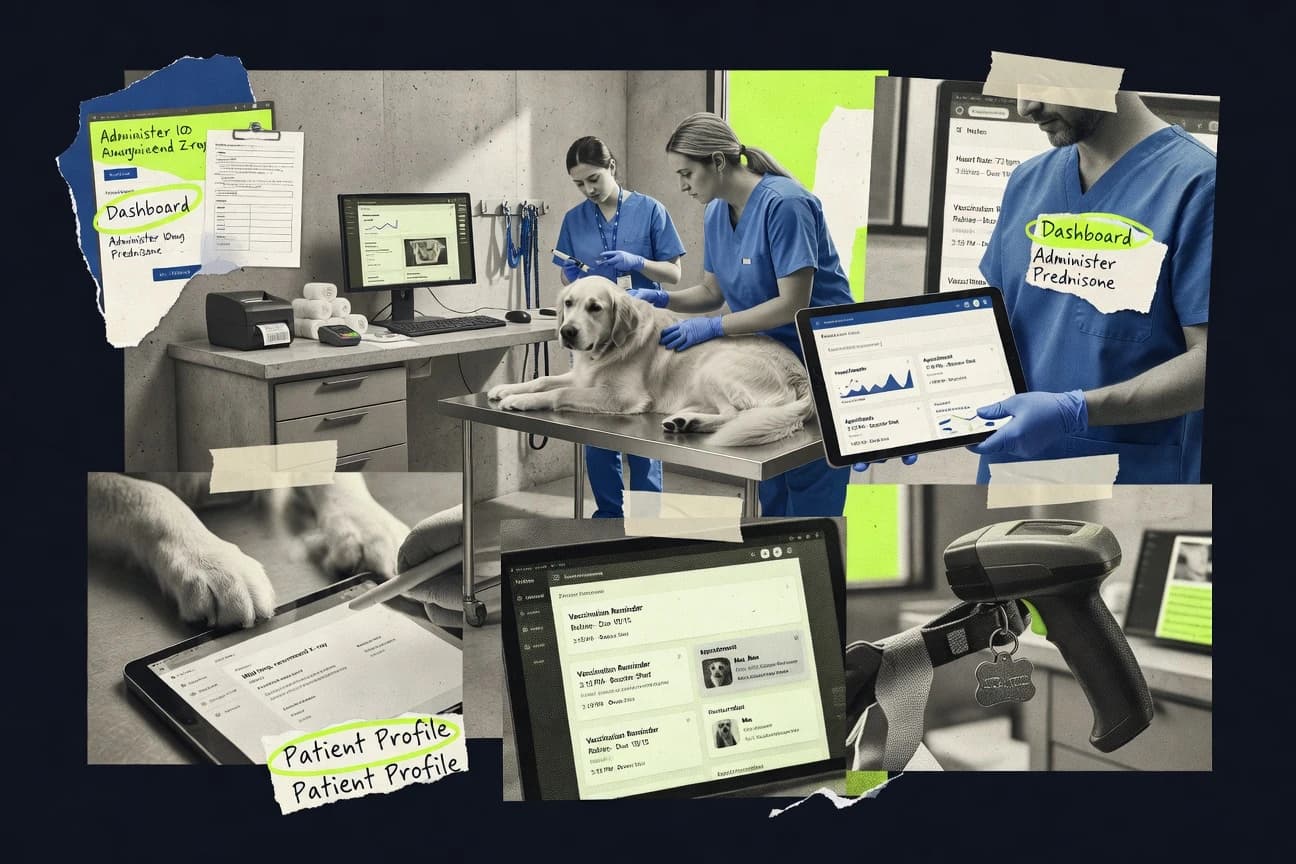
Veterinary Animal CareTop 10 Best Veterinarian Software of 2026
Top 10 veterinarian software ranked for clinics, with side-by-side coverage of scheduling, billing, records, and support tools like Covetrus Ascend.

How we ranked these tools
Core product claims cross-referenced against official documentation, changelogs, and independent technical reviews.
Analyzed video reviews and hundreds of written evaluations to capture real-world user experiences with each tool.
AI persona simulations modeled how different user types would experience each tool across common use cases and workflows.
Final rankings reviewed and approved by our editorial team with authority to override AI-generated scores based on domain expertise.
Score: Features 40% · Ease 30% · Value 30%
Gitnux may earn a commission through links on this page — this does not influence rankings. Editorial policy
Covetrus Ascend is the right enterprise choice for multi-provider clinics that need standardized documentation and encounter-linked billing across teams, whereas Shepherd fits mid-size practices that want smoother appointment-to-chart continuity and consistent preventive follow-up.
Editor’s top 3 picks
Three quick recommendations before you dive into the full comparison below — each one leads on a different dimension.
Covetrus Ascend
Encounter-linked workflow ties orders, notes, and charge capture into a single review-and-post sequence for each visit.
Built for fits when multi-provider clinics need standardized documentation and encounter-linked billing automation across teams..
Shepherd
Editor pickMedication directions and controlled tracking stay tied to the visit record, reducing missed instructions during follow-ups.
Built for fits when mid-size teams want appointment-to-chart continuity and consistent preventive follow-up..
VetBlue
Editor pickTemplate-driven SOAP documentation standardization that keeps problem lists and preventive reminders aligned per visit workflow.
Built for fits when a multi-clinician practice needs standardized charts and reminder-driven preventive care tracking..
Comparison Table
Covetrus Ascend
enterpriseCloud practice management software for veterinary practices and hospital groups.
Encounter-linked workflow ties orders, notes, and charge capture into a single review-and-post sequence for each visit.
Covetrus Ascend covers the core practice management stack with scheduling, veterinary electronic medical record documentation, and charge capture for invoicing and claims workflows. Clinical documentation supports structured templates and longitudinal problem tracking, which reduces re-keying during follow-up visits. Billing and financial workflows stay connected to encounter creation so charges, medications, and clinical findings can be reviewed together before posting.
A key tradeoff is that deep workflow configuration requires governance discipline to keep templates, preferences, and referral or communication rules consistent across locations. Covetrus Ascend fits best for multi-provider teams that want standardized documentation formats and repeatable appointment and follow-up processes across exam, treatment, and preventive care.
- +Templates and problem tracking reduce repeated clinical data entry
- +Encounter-driven workflow keeps billing aligned with documentation
- +Medication and controlled-substance documentation supports audit trails
- +Automation reduces manual follow-up work after appointments
- –Template configuration demands consistent admin ownership
- –Some advanced integrations may require vendor or partner support
- –Navigation depth can slow adoption for new staff roles
- –Reporting customization takes effort to match internal workflows
Multi-location practice admin teams
Standardize templates across locations
Fewer charting variations
Veterinary hospital billers
Reduce encounter-to-invoice errors
Cleaner claim submission
Show 2 more scenarios
Clinical teams and technicians
Speed preventive visit documentation
Faster throughput
Species templates guide notes, problem lists, and plans to reduce time spent on routine visits.
Controlled-substance workflow owners
Track controlled medication usage
Stronger compliance evidence
Controlled-substance documentation ties prescribing events to audit-ready encounter records.
Best for: Fits when multi-provider clinics need standardized documentation and encounter-linked billing automation across teams.
Shepherd
vertical specialistCloud veterinary practice management software for modern animal hospitals.
Medication directions and controlled tracking stay tied to the visit record, reducing missed instructions during follow-ups.
Shepherd centers on an appointment to medical record workflow that keeps SOAP-style documentation, problem lists, and treatment plans attached to the visit. The product supports preventive care guidance and recurring reminders that help standardize vaccination and checkup outreach. It also manages medication directions inside the clinical workflow, then carries those instructions forward for follow-ups.
A tradeoff is that clinics may need careful species template setup to keep documentation consistent across staff and visit types. Shepherd fits best when multiple clinicians must document the same visit structure, then generate prescriptions and follow-up plans without copying data between modules.
- +Visit workflow connects notes, problems, and plans without extra handoffs
- +Species-oriented documentation reduces variability between clinicians
- +Reminder engine supports preventive outreach aligned to clinic protocols
- +Controlled medication tracking supports audit-ready day-to-day logging
- –Template configuration effort can be high when species and service lines expand
- –Advanced automation depends on configuration rather than rule building
Multi-veterinarian clinics
Standardize documentation across exam types
Fewer charting gaps
Preventive care coordinators
Run vaccination and checkup reminders
Higher compliance rates
Show 2 more scenarios
In-clinic pharmacy users
Manage prescriptions and directions
Less transcription work
Prescription instructions are captured inside the medical record and reused for follow-ups.
Compliance-focused practice managers
Maintain controlled medication logs
Cleaner audit trails
Controlled substance tracking supports daily logging tied to clinical context for safer reconciliation.
Best for: Fits when mid-size teams want appointment-to-chart continuity and consistent preventive follow-up.
VetBlue
SMBCloud veterinary practice management software for appointments, records, and client communication.
Template-driven SOAP documentation standardization that keeps problem lists and preventive reminders aligned per visit workflow.
VetBlue targets day-to-day clinic operations with scheduling, client and visit context, and documentation that aims to reduce handoffs between front desk and clinicians. Veterinary charting includes structured visit notes, problem lists, treatment planning artifacts, and medication management within the same record view. Vaccination reminders and preventive care scheduling support recurring compliance work without manual tracking spreadsheets.
The main tradeoff is that customization depth depends on template configuration rather than open-ended workflow scripting, so unusual specialty workflows can require process alignment. VetBlue fits clinics that want consistent documentation standards across clinicians and that prioritize reminder-driven preventive care tracking more than deep integration breadth.
- +SOAP-style note capture with reusable visit templates
- +Vaccination reminders and preventive care tracking within the chart
- +Medication management tied to the clinical record workflow
- +HL7-focused connectivity for external data exchange
- –Workflow customization relies on template configuration
- –Advanced specialty edge cases may need manual process workarounds
GP clinic operations teams
Reduce charting variance across doctors
Cleaner records across providers
Preventive care coordinators
Run vaccination follow-up workflows
Fewer missed immunization visits
Show 1 more scenario
Integrations and IT admins
Share clinical data with labs
Less manual data entry
HL7-oriented connectivity supports external lab result interface patterns to reduce manual reentry.
Best for: Fits when a multi-clinician practice needs standardized charts and reminder-driven preventive care tracking.
ezyVet
vertical specialistCloud practice management software for veterinary hospitals and multi-site groups.
SOAP-style visit documentation is tied to follow-up tasks and medication entries inside the same patient chart.
ezyVet pairs veterinary practice management with an EMR workflow built around visit notes, problem lists, and species-focused clinical data entry. Appointment scheduling, reminders, and prescription workflows connect directly to the clinical record so the next visit can reuse prior findings.
The system also handles common practice ops such as billing records, documents, inventory tracking, and lab result capture when integration is available. Reporting supports operational visibility across visits, treatments, and medication usage rather than only chart viewing.
- +Clinical visit notes and problem lists feed repeatable treatment documentation
- +Appointment and reminders stay linked to patient records for follow-up continuity
- +Inventory and lot tracking support medication and supply compliance workflows
- +Searchable clinical history helps staff answer care questions quickly
- –Multi-location administration can require careful roles and workflow standardization
- –Some advanced integrations depend on add-ons and external lab or device feeds
- –Template customization depth can feel limiting for highly specialized case workflows
- –Billing and charge capture can require extra steps to match clinic billing rules
Best for: Fits when mid-size clinics want tightly connected scheduling, EMR documentation, and day-to-day practice ops.
Vetstoria
vertical specialistVeterinary online appointment booking software that connects with practice systems.
Controlled-substance logs tied to medication events inside the clinical workflow, with traceable entries for audits.
Vetstoria records appointments, clinical notes, and client interactions in one veterinary practice workflow. It supports SOAP-style documentation and species-oriented exam and care tracking so encounters stay structured across visits.
The system also handles prescription entry and medication logs, including controlled-substance tracking when enabled for clinic operations. Integration depth centers on veterinary data exchange, including health data interfaces and imaging or laboratory result import for longitudinal case review.
- +SOAP notes and problem tracking keep clinical history consistent across visits
- +Prescription management and medication logs reduce reconciliation gaps
- +Client communication artifacts stay linked to appointments and encounters
- +Inventory lot and expiration tracking supports medication stewardship
- –Advanced workflow customization can require careful configuration upfront
- –Some external integrations rely on clinic-specific setup and interface mapping
Best for: Fits when multi-doctor teams need structured notes, medication tracking, and client-linked workflows across routine visits.
AllyDVM
vertical specialistVeterinary client communication and engagement software for practice teams.
Clinic-configurable reminder workflows that trigger vaccination and preventive follow-ups from patient visit context.
AllyDVM is a veterinary practice management and record system designed for clinics that want appointment workflows to feed directly into clinical documentation.
Core capabilities include client and patient records, SOAP-style note entry, treatment documentation, and medication tracking workflows.
Preventive care and vaccination reminders support scheduled follow-ups across recurring visit cycles.
Administration relies on role-based access controls and activity auditing to manage staff permissions and track changes.
- +Appointment workflows are closely tied to charting and follow-up tasks
- +Patient notes support consistent SOAP-style documentation patterns
- +Preventive care and vaccination reminders support recurring outreach
- +Role-based access controls and activity auditing support governance
- –Third-party integration coverage is narrower than large multi-system ecosystems
- –Controlled-substance and inventory tracking workflows require disciplined setup
- –Automation options are limited compared with high-end EHR rule engines
- –Multi-location administration can feel manual for distributed teams
Best for: Fits when small to mid-size veterinary teams need charting and reminders coordinated around appointments.
DaySmart Software
SMBAppointment scheduling and business management software including veterinary-specific configurations.
Reminder and follow-up workflows can be triggered from patient and visit activity without leaving day-to-day scheduling.
DaySmart Software is a veterinary practice management and EMR suite that combines appointment handling, clinical documentation, and billing workflows in one workspace. It emphasizes configurable templates for common visit types and patient care documentation so staff can capture SOAP notes, plans, and follow-ups without leaving the chart.
Scheduling, invoicing, prescription creation, and client communication tools are built around day-to-day clinic operations rather than separate third-party modules. Automation features focus on reminders and operational follow-through tied to patient and visit records.
- +Single UI for scheduling, charting, and billing reduces cross-system switching
- +Configurable clinical templates support consistent documentation across visit types
- +Built-in reminder workflow connects preventive care follow-through to records
- +Client communication tools attach to patient activity for traceable messaging
- –Complex multi-location workflows can require careful role and permissions planning
- –Some deeper integrations, such as imaging and labs, may depend on external connections
Best for: Fits when a clinic wants unified scheduling, veterinary EMR documentation, and billing workflows in one system.
Weave
SMBClient communication platform offering phone, text, and review management for veterinary practices.
Two-way client messaging that ties appointment scheduling status and follow-up prompts into one conversation thread.
Weave targets veterinary practices with client messaging, online booking, and payment flows built into a single customer communication layer. Practice teams use its appointment scheduling and client reminders to reduce manual calls and to route updates to the right channel.
The system also supports document sharing and intake-style messaging that tie into day-of-visit coordination. Admin teams get configuration for communication rules and contact preferences across the practice’s client interactions.
- +Client messaging and reminder workflows reduce manual appointment follow-up
- +Online booking supports branded intake paths and appointment requests
- +Payment and checkout messaging reduce in-visit payment friction
- +Centralized client communication helps multi-doctor coordination
- –Clinical record depth is not as comprehensive as dedicated practice management
- –Advanced automation depends on careful configuration of templates and routing
- –Integration coverage for labs and imaging is thinner than some EMR-focused suites
- –Reporting is stronger for communications than for clinical operations
Best for: Fits when communication automation and online booking need tighter coordination than clinical workflow depth.
Instinct
SMBCloud-based veterinary PIMS with integrated AI scribe, treatment plans, and EMR for high-volume practices.
Controlled-substance logs connect documentation, prescribing actions, and access workflows to maintain traceability.
Instinct runs a clinic-facing workflow that links appointment capture, clinical documentation, and orders into one daily record. The system emphasizes veterinary-specific templates for SOAP documentation, problem lists, and preventive care reminders that reduce re-entry between visits.
It also supports prescription and controlled-substance tracking alongside inventory and lot expiration visibility. Integrations cover core lab, imaging, and messaging use cases through an API and integration interfaces used to exchange results and order status.
- +Veterinary note templates map cleanly to SOAP, problem lists, and preventive reminders
- +Controlled-substance tracking supports audit-ready logging workflows
- +Integration interfaces handle lab and imaging result exchange without manual retyping
- +Order status updates keep clinical and billing-adjacent steps aligned
- –Species and workflow templates need careful setup for consistent documentation
- –Multi-location configuration can add overhead when teams share similar services
- –Reporting depth depends on how practices structure reusable documentation fields
- –Some specialized workflows require integration points that take coordination
Best for: Fits when clinics want veterinary-specific documentation and integrated results without custom workarounds.
NectarVet
SMBAI-focused veterinary practice management platform with AI scribe, call summaries, and client communications.
Controlled-substance logging is built into the clinical record flow with traceable activity tied to prescriptions.
NectarVet fits veterinary clinics that want one workflow for appointments, clinical documentation, and client follow ups without forcing staff into separate systems. The system covers SOAP note charting with species-aware templates, preventive care workflows, prescription capture, and follow up reminders tied to patient records.
NectarVet also supports inventory and lot tracking and can log controlled-substance activity for compliance-oriented recordkeeping. Integration capability shows up through healthcare data exchanges such as HL7 and imaging-related interfaces, plus client-facing communication features built into the practice flow.
- +Species-aware clinical templates reduce documentation variance across exam types
- +Vaccination and preventive reminders connect directly to patient record workflows
- +Controlled-substance logs centralize compliance oriented tracking inside the chart
- +Inventory lot and expiration tracking supports audit friendly medication handling
- –Some integrations rely on external partners for imaging and lab connectivity depth
- –Automation coverage for multi-step care plans can require clinic-specific configuration
Best for: Fits when a mid-size clinic needs charting, reminders, prescriptions, and inventory in one operational workflow.
Conclusion
After evaluating 10 veterinary animal care, Covetrus Ascend stands out as our overall top pick — it scored highest across our combined criteria of features, ease of use, and value, which is why it sits at #1 in the rankings above.
Use the comparison table and detailed reviews above to validate the fit against your own requirements before committing to a tool.
How to Choose the Right veterinarian software
Veterinarian software brings scheduling, clinical documentation, and medication workflows into one operational system for clinics that need consistent charting and visit-linked billing. This guide covers Covetrus Ascend, Shepherd, VetBlue, ezyVet, Vetstoria, AllyDVM, DaySmart Software, Weave, Instinct, and NectarVet, focusing on how each tool ties encounter activity to follow-up and charge capture.
The tool cards emphasize encounter-linked workflows like Covetrus Ascend’s review-and-post sequence and visit continuity like Shepherd’s appointment-to-chart flow. The lineup also reflects reminder-driven preventive care from VetBlue and AllyDVM, plus controlled-substance traceability from Vetstoria, Instinct, and NectarVet.
Veterinarian practice management and veterinary EMR software for appointment-to-chart continuity
Veterinarian software coordinates appointment scheduling, veterinary electronic medical record documentation, and medication workflows so clinics can complete a visit from intake through prescribing and follow-up tasks. Systems in this set use clinical templates such as SOAP-style documentation in Covetrus Ascend and VetBlue to keep problem tracking and preventive reminders aligned to each visit.
In the top end of the list, Covetrus Ascend links notes and charge capture into an encounter-linked review-and-post sequence. Shepherd strengthens continuity by connecting medication instructions and controlled tracking directly to the visit record for fewer follow-up handoff gaps.
Veterinarian software capabilities that affect scheduling, charting, and follow-up throughput
Clinic teams feel the difference most when encounter activity links to documentation, medication events, and charge capture without extra handoffs. Covetrus Ascend drives this with an encounter-linked review-and-post sequence that ties orders, notes, and billing into one visit posting flow.
Encounter-linked workflow ties notes and billing into a single post sequence
Covetrus Ascend connects encounter documentation to charge capture through a review-and-post sequence. DaySmart Software also keeps scheduling and billing in one system interface to reduce cross-system switching during visit processing.
Medication instructions and controlled tracking remain attached to the visit record
Shepherd keeps medication directions and controlled tracking tied to the visit record to reduce follow-up instruction misses. Instinct also connects controlled-substance logs to prescribing and access workflows for traceable documentation.
Template-driven SOAP documentation standardizes problems and preventive reminders per visit
VetBlue uses reusable visit templates to standardize SOAP note capture and align problem lists with vaccination and preventive reminders. Vetstoria applies SOAP notes and problem tracking in a workflow that also supports prescription management and medication logs for reconciliation.
Appointment-to-chart continuity keeps tasks and follow-ups tied to patient records
ezyVet ties SOAP-style visit documentation to follow-up tasks and medication entries inside the same patient chart. AllyDVM coordinates appointment workflows with charting and follow-up tasks so reminders trigger from patient visit context.
Communication automation ties online booking and appointment status to client messaging
Weave links two-way client messaging to appointment scheduling status and follow-up prompts inside one conversation thread. Weave also supports online booking with branded intake paths for appointment requests that need tighter coordination than clinical workflow depth.
Controlled-substance logs create traceable audit-ready medication event history
Vetstoria provides controlled-substance logs tied to medication events within the clinical workflow with traceable entries for audits. NectarVet builds controlled-substance logging into the clinical record flow with traceable activity tied to prescriptions.
Choose veterinarian software by mapping encounter workflows to automation, integration depth, and governance control
The right product matches how the clinic actually turns an appointment into an encounter record. Tools like Covetrus Ascend that tie documentation and charge capture into a review-and-post sequence fit clinics that standardize visit posting across multiple providers.
Validate encounter-to-charge posting alignment for multi-provider billing workflows
Ask how Covetrus Ascend ties encounter documentation to charge capture in a review-and-post sequence after visit notes are completed. Compare that behavior to DaySmart Software, where a single UI is intended to keep scheduling, charting, and billing in one workflow to reduce missed steps during posting.
Test medication event attachment and controlled-substance traceability inside visit workflows
Check whether Shepherd attaches medication directions and controlled tracking directly to the visit record so follow-ups reuse the same instructions. Confirm how Vetstoria or Instinct represent controlled-substance logs, since both connect clinical documentation and medication actions to traceable audit-ready history.
Stress-test template configuration effort as species and service lines expand
If the clinic expects more species coverage or additional services, evaluate how Shepherd and VetBlue handle species-oriented and reusable SOAP templates as configuration workload grows. If template changes are frequent, ezyVet and Vetstoria should be tested for whether visit template edits remain predictable for documentation and follow-up tasks.
Determine whether automation depends on workflow rules or deeper configuration discipline
Shepherd relies on configuration to support advanced automation rather than rule building, so automation changes must be planned with clinic governance in mind. AllyDVM also depends on clinic-configurable reminder workflows, so administrators need clear ownership for disciplined setup of reminders tied to patient visit context.
Pick communication depth based on how much online booking and status messaging drives follow-up
If the clinic needs appointment requests, branded intake paths, and two-way status messaging in the same thread, evaluate Weave messaging and online booking workflow design. If the primary need is charting and reminder coordination rather than client-thread messaging depth, evaluate VetBlue, ezyVet, or DaySmart Software for how reminders live inside the patient record workflow.
Plan for integration dependencies by mapping labs, imaging, and pharmacy workflows to required add-ons
For clinics that need imaging and lab connectivity depth, test whether NectarVet or ezyVet depends on external partners or add-ons for imaging and lab or device feeds. If the clinic expects deeper multi-system integrations, DaySmart Software should be evaluated for its external connection model and how it behaves when multiple locations share similar service lines.
Veterinarian software fit by clinic size, workflow focus, and documentation governance
Clinic requirements diverge by how encounter documentation is reviewed, who posts charges, and how follow-up tasks are generated from appointment activity. Tools in this set map to those differences through encounter-linked workflows, template-driven SOAP documentation, and controlled-substance traceability tied to visit events.
Multi-provider clinics that standardize visit posting and charge capture
Covetrus Ascend fits when encounter-linked review-and-post posting needs to keep notes and billing aligned across teams. DaySmart Software also fits clinics that want scheduling, charting, and billing in one UI to reduce handoff gaps.
Mid-size teams that require appointment-to-chart continuity and consistent preventive follow-up
Shepherd fits when visit workflow connects notes, problems, and plans for appointment-to-chart continuity. AllyDVM fits teams that want charting and reminders coordinated around appointments with vaccination and preventive follow-up triggered from visit context.
Multi-clinician practices that prioritize standardized SOAP charting and reminder-driven preventive care tracking
VetBlue fits when reusable visit templates should keep SOAP documentation, problem tracking, and vaccination reminders aligned per visit. Vetstoria fits when standardized SOAP notes also need structured prescription management and medication logs for reconciliation.
Clinics that handle higher scrutiny medication logging and need audit-ready traceability
Vetstoria fits when controlled-substance logs tie to medication events with traceable entries for audits. Instinct fits when controlled-substance logs connect documentation, prescribing actions, and access workflows for traceability.
Clinics where client communication and online booking intake drive appointment throughput
Weave fits clinics that need two-way client messaging tied to scheduling status and follow-up prompts inside one conversation thread. This is also a strong fit when online booking uses branded intake paths for appointment requests that need status coordination.
Common veterinarian software implementation pitfalls that cause missed instructions or duplicate work
Many failures come from treating template setup and reminder workflow ownership as an admin afterthought. Several tools in this set depend on configuration discipline, and weak governance shows up as inconsistent documentation or reminders that fire at the wrong stage.
Assuming template-driven documentation works without assigning an admin owner for ongoing configuration
Covetrus Ascend depends on template configuration for encounter-linked billing alignment, so admin ownership must be clear. Shepherd and VetBlue also require deliberate template configuration as species and service lines expand.
Choosing for client messaging depth while underestimating the need for charting workflows that attach instructions to visits
Weave is strongest for appointment status messaging and two-way conversation threads, so it should not replace the visit-linked documentation depth needed for clinical workflows. ezyVet and VetBlue should be validated for how SOAP documentation and follow-up tasks stay tied to patient records.
Implementing controlled-substance workflows without testing the traceability path from documentation to log entries
Vetstoria and NectarVet provide controlled-substance logging built into the clinical workflow, so the audit trail must be tested with realistic medication events. Instinct should be tested for how controlled-substance logs connect prescribing and access workflows for traceable documentation.
Ignoring multi-location role and permissions planning when reminder workflows and posting workflows cross sites
DaySmart Software and ezyVet can require careful multi-location role and permissions planning, so governance must be defined before rollout. AllyDVM’s clinic-configurable reminder workflows also need disciplined setup when clinics scale across locations.
Ordering the implementation around integrations before mapping the internal visit steps that trigger those integrations
NectarVet and ezyVet can rely on external partners or add-ons for imaging and lab connectivity depth, so integration tests must occur after visit workflow mapping. Weave should be evaluated after defining how online booking and follow-up messaging status should match charting stages.
How We Selected and Ranked These Tools
We evaluated Covetrus Ascend, Shepherd, VetBlue, ezyVet, Vetstoria, AllyDVM, DaySmart Software, Weave, Instinct, and NectarVet on feature coverage and operational fit for veterinarian clinics. Features counted for 40% of the score, ease and usability counted for 30%, and value for the remaining 30%.
Covetrus Ascend ranked highest because encounter-linked workflow ties orders, notes, and charge capture into a single review-and-post sequence for each visit. The scoring also rewarded software that keeps medication instructions and controlled-substance traceability tied to the visit record so follow-ups reuse the same structured context.
Frequently Asked Questions About veterinarian software
How do Covetrus Ascend and ezyVet differ in how visit notes connect to billing and follow-up?
Which tool handles appointment-driven charting with tighter appointment-to-document continuity: Shepherd or AllyDVM?
What breaks if a clinic treats veterinary records as standalone notes and not as workflow objects in DaySmart Software?
How do VetBlue and Instinct handle HL7 or results exchange patterns for lab and external data?
When do controlled-substance logs matter most across NectarVet and Vetstoria?
Which system has the most explicit template-driven SOAP standardization across visits: VetBlue or Weave?
How does Weave’s client messaging thread differ from record-centered workflows in Covetrus Ascend?
What integration and extensibility options matter most when imaging and lab results must appear inside the record, not as imported PDFs: Instinct or Vetstoria?
How should a clinic plan admin controls and access governance when rolling out AllyDVM versus Shepherd?
Tools reviewed
Primary sources checked during evaluation.
Referenced in the comparison table and product reviews above.
- Veterinary Animal CareTop 10 Best Veterinary Booking Software of 2026
- Pets Pet IndustryTop 10 Best Mobile Veterinary Software of 2026
- Veterinary Animal CareTop 10 Best Vet Practice Software of 2026
- Veterinary Animal CareTop 10 Best Veterinary Client Communication Software of 2026
- Veterinary Animal CareTop 10 Best Veterinary Dictation Software of 2026
Keep exploring
Comparing two specific tools?
Software Alternatives
See head-to-head software comparisons with feature breakdowns, pricing, and our recommendation for each use case.
Explore software alternatives→In this category
Veterinary Animal Care alternatives
See side-by-side comparisons of veterinary animal care tools and pick the right one for your stack.
Compare veterinary animal care tools→