GITNUXSOFTWARE ADVICE
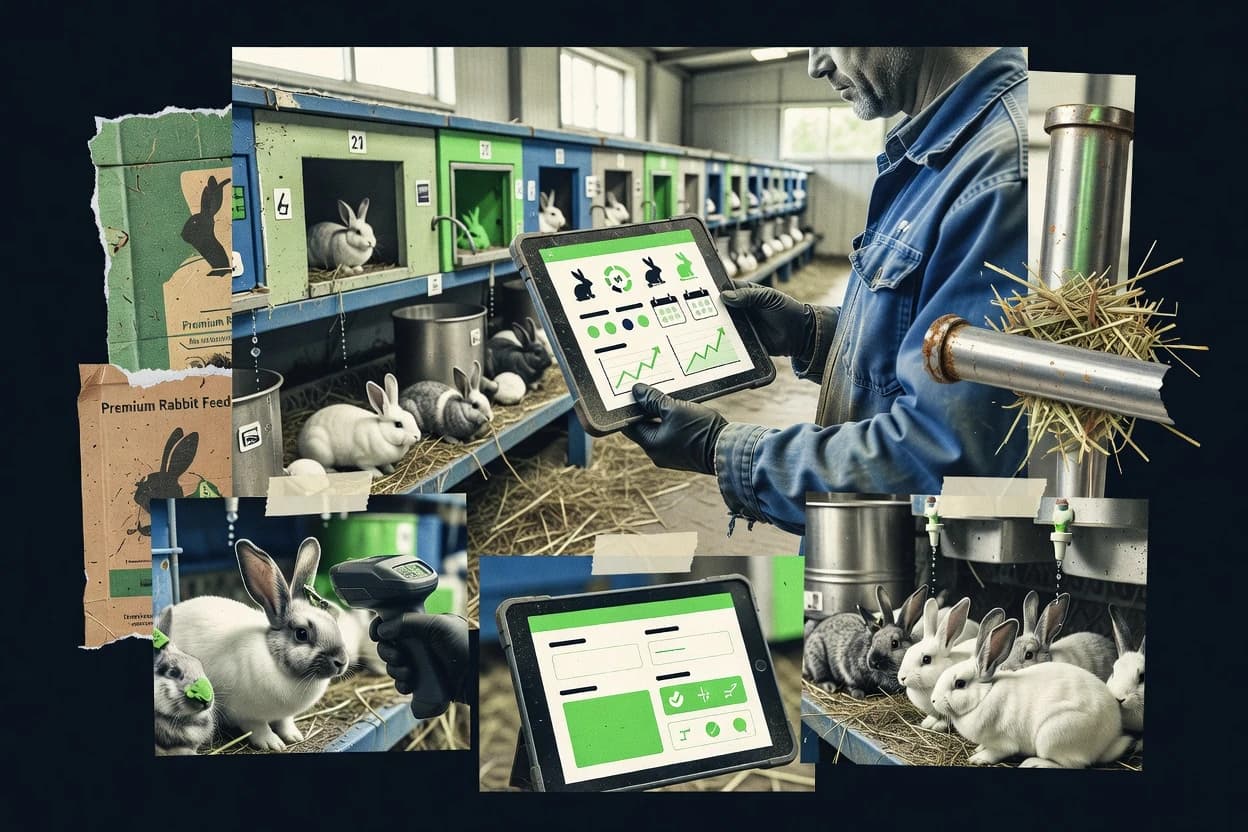
Agriculture FarmingTop 10 Best Rabbit Farm Management Software of 2026
Ranked roundup of rabbit farm management software tools, including Zoho Creator, Zoho CRM, and monday.com tradeoffs for rabbit farm teams.

How we ranked these tools
Before any source is gathered, an editor locks the question, what qualifies, and how the piece will be judged.
Search agents gather the source set and the review record, including transcriptions of video reviews and podcasts.
Framework: Features 40% · Ease 30% · Value 30%
Gitnux may earn a commission through links on this page — this does not influence rankings. Editorial policy
Livestocked is the best pick for breeding-heavy rabbitry teams that need linked lineage, events, and treatment histories in one shared workflow, while Kintraks is the tighter fit when you want event-driven breeding and litter records with consistent daily updates.
Editor’s top 3 picks
Three quick recommendations before you dive into the full comparison below — each one leads on a different dimension.
Livestocked
Breeding calendar-driven lineage stitching that connects each mating to litter events and ongoing animal history.
Best for: Fits when breeding-heavy rabbit operations need linked lineage, events, and treatment histories in one workflow.
Herdwatch
Editor pickTime-based task reminders tied to breeding and litter event dates.
Best for: Fits when farms want timeline-first rabbit records with controlled farm user workflows and repeatable log capture.
Kintraks
Editor pickEvent timeline for each litter ties kindling, weaning, and housing moves back to doe and buck histories.
Best for: Fits when rabbit farms need event-driven breeding and litter records with consistent daily updates.
Comparison Table
Livestocked
SMBCloud-based livestock management with support for multi-species tracking.
Breeding calendar-driven lineage stitching that connects each mating to litter events and ongoing animal history.
Livestocked centers around animal master records that connect breeding assignments to litter tracking, so matings and their outcomes remain linked in one history. The breeding calendar supports planning around upcoming pregnancies and active lactation windows, while litter records capture key events through weaning and disposition. Health and treatment logs include structured entries that fit veterinary documentation, including medication withdrawal period fields used for compliance tracking.
A key tradeoff is that Livestocked workflow depth depends on how farms model housing and batch movements in the tool, so operations that rely on highly granular cage-level processes may need custom conventions. Farms with a single or few barn workflows often benefit most, because staff can keep consistent mating, health, and event entry patterns across animal histories without frequent data reshaping.
- +Linked breeding assignments to litter outcomes across animal histories
- +Breeding calendar supports day-by-day planning around doe pregnancies
- +Health and treatment logs include medication withdrawal tracking fields
- +Litter-to-weaning event structure keeps grow-out references consistent
- –Housing and inventory granularity depends on farm’s chosen data conventions
- –API and automation surfaces are not clearly documented for custom integrations
breeding managers
plan matings and track outcomes
fewer missed follow-ups
veterinary coordinators
track treatments and withdrawal periods
clearer compliance windows
Show 2 more scenarios
farm managers
review doe and buck histories
faster selection decisions
Open each animal record to review mating history, litter results, and subsequent grow-out context in one timeline.
small multi-barn teams
standardize daily event entry
cleaner reporting outputs
Apply consistent event templates for litter outcomes and weaning so staff enter data the same way across barns.
Best for: Fits when breeding-heavy rabbit operations need linked lineage, events, and treatment histories in one workflow.
Herdwatch
SMBLivestock management app for record-keeping and compliance.
Time-based task reminders tied to breeding and litter event dates.
Herdwatch is a strong fit for farms that need repeatable workflows for breeding cycles, litter events, and grow-out tracking with fewer manual spreadsheets. The record layout is designed around animal and event history so caretakers can log health, treatments, and outcomes against a timeline. Reporting focuses on practical operational summaries, including counts and status views by group, which supports day-to-day decisions.
A notable tradeoff is that Herdwatch’s value depends on consistent data entry discipline, since timelines and reports reflect the accuracy of logged events. It works best when farms standardize naming and grouping for cages, colonies, or batches before switching workflows. Farms that need deep custom data modeling or highly specialized integrations may find the configuration surface limiting compared with more generic software builders.
- +Event timeline views reduce missed husbandry steps during active cycles
- +Housing and assignment fields keep animal locations trackable across moves
- +Cycle-oriented recordkeeping supports litter and offspring follow-through
- +Farm user management keeps day-to-day access aligned to roles
- –Reports stay tied to the setup used for grouping and naming
- –Custom fields for unusual workflows require careful administration discipline
Rabbit breeders
Manage breeding cycle records
Fewer missed cycle steps
Husbandry teams
Track treatments and outcomes
Faster follow-up decisions
Show 2 more scenarios
Farm managers
Audit group and housing status
More reliable inventory counts
Use assignment fields and summary views to verify which animals sit in which housing.
Multi-batch operations
Keep batches separated
Clean separation of records
Organize animals and events by batch to prevent cross-cycle confusion in records.
Best for: Fits when farms want timeline-first rabbit records with controlled farm user workflows and repeatable log capture.
Kintraks
vertical specialistKintraks manages animal pedigrees, breeding records, health data, and offspring histories.
Event timeline for each litter ties kindling, weaning, and housing moves back to doe and buck histories.
Kintraks is built for operational rabbitry work where breeding calendars and litter outcomes must stay connected to pedigree and housing changes. Litter tracking covers kindling, weaning, and subsequent grow-out milestones, and it links events back to the originating doe and buck records. Health and treatment logs keep veterinary notes searchable and structured, including medication withdrawal periods where configured. Reporting focuses on farm operations questions such as what produced a given litter, what is currently in each housing area, and which animals have pending events.
A key tradeoff is that Kintraks fits best when rabbit operations follow its event-driven workflow rather than when teams need a fully custom schema for every farm variant. Kintraks performs best when mobile data entry is used consistently for daily sightings, housing moves, and treatment updates, so records remain accurate enough for breeding planning and compliance-style traceability. Farms that require deep external system integration may need additional work because the product workflow is optimized for internal data capture and reporting first.
- +Breeding and litter workflows stay linked to individual animal records
- +Health and treatment logging includes medication withdrawal windows
- –Highly custom rabbitry schemas require process fit to Kintraks workflows
- –External integration depth is not the primary design focus
Rabbitry managers
Run breeding plans by planned events
Less planning drift
Hobbyist breeders
Track doe and buck lineages
Cleaner pedigree review
Show 1 more scenario
Farm staff on shifts
Log treatments during daily checks
More consistent medication handling
Staff capture structured health updates tied to animals and configured withdrawal rules.
Best for: Fits when rabbit farms need event-driven breeding and litter records with consistent daily updates.
Breedera
SMBLivestock record-keeping app for breeders and small farms.
Breeding calendar timeline view links mating dates to resulting litters for rapid follow-up.
Breedera positions itself as rabbitry recordkeeping software built around breeding and herd workflows rather than generic CRM forms. The product supports doe and buck records, mating and litter tracking, and inventory-style record capture for routine farm operations.
- +Breeding calendar workflows connect mating events to litter timelines
- +Doe and buck record pages keep lineage and history in one place
- +Mobile entry supports quick cage and housing updates in the field
- +Health and treatment logs support trackable decision making per animal
- –Limited visibility into barn-wide metrics without custom reporting work
- –Automation needs setup discipline to keep event dates consistent
- –External system integration options and documented API support are not prominent
- –Deep cage-level batch workflows require careful manual structuring
Best for: Fits when rabbit farms need breeding and animal-history records with field-ready mobile capture.
FarmKeep
SMBFarm management software with a dedicated rabbit module covering breeding, health, feed, and inventory tracking.
Event-linked litter histories tie kindling, weaning, and grow-out checkpoints into one continuous record trail.
FarmKeep records rabbitry data in a structured workflow that covers breeding schedules, litter tracking, and ongoing grow-out histories. The core value is the ability to maintain doe and buck records and connect events across a single production timeline, including nest box and weaning milestones.
- +Breeding calendar and litter tracking stay linked to individual doe and buck records
- +Grow-out histories support batch-style review of status across housing changes
- +Health and treatment logs provide continuity between events and animal outcomes
- +Mobile-friendly capture supports on-farm data entry during routine checks
- –Rabbit-specific workflows limit generic CRM-style automation and reporting
- –Integration options beyond standard exports are constrained by a limited automation and API surface
- –Advanced pedigree views require consistent data entry discipline across sessions
- –Quarantine and regulatory traceability workflows need extra manual structure
Best for: Fits when rabbitry teams want discipline-focused recordkeeping for breeding, litters, and health logs.
BunINDEX
vertical specialistRabbit breeding app for pedigree tracking, litter management, show records, and rabbitry performance.
Stage-linked litter tracking that carries pregnancy, kindling, and weaning fields through one record thread.
BunINDEX is rabbitry recordkeeping software built around farm-specific workflows like breeding calendar entries and litter-based tracking. The system organizes doe and buck records, tracks matings through pregnancy and kindling, and keeps grow-out and weaning data in the same operational view.
- +Litter-to-weaning workflow keeps records linked across stages
- +Doe and buck record screens reduce duplicate data entry
- +Health and treatment logs include withdrawal period reminders
- +Mobile-friendly entry flow supports daily on-farm capture
- –Some setup choices are hard to change after lots of records exist
- –Advanced reporting needs clearer filtering for multi-batch comparisons
Best for: Fits when breeding and litters must stay linked end to end with health records for each animal.
BreederHQ
vertical specialistRabbit breeding software with litter tracking, kindling records, cage assignments, and medication logging.
Litter-to-weaning record flow keeps each cohort’s status synchronized without separate spreadsheets.
BreederHQ is focused on rabbitry recordkeeping with a breeding calendar tied to doe and buck histories. The core workflows include mating planning, litter and kindling tracking, and downstream grow-out and weaning record updates.
- +Breeding calendar links directly to mating planning and litter progression
- +Doe and buck records support consistent pedigree and lineage references
- +Housing and cage assignment tracking reduces manual location lookups
- +Health and treatment logging keeps medication history connected to animals
- –Field setup can take time when farms need unusual record requirements
- –Bulk edits and batch reporting options feel limited for large seasonal runs
Best for: Fits when small to mid-size rabbit operations need end-to-end breeding, litter, and housing records in one workflow.
Show Rabbit Pro
vertical specialistRabbitry management software for pedigrees, breeding records, litter tracking, genetics, and show workflows.
Medication withdrawal period tagging is enforced at the time of each treatment log, keeping compliance notes attached to animals.
Show Rabbit Pro is rabbit farm management software built around end-to-end herd recordkeeping, from doe and buck profiles to ongoing litters. The system supports breeding and kindling workflows, plus cage and housing assignment history for tracking animals across time.
- +Animal-by-animal timelines keep breeding, kindling, and outcomes linked
- +Medication withdrawal period notes stay attached to health and treatment entries
- +Cage and housing assignment history supports traceability across moves
- +Mobile data entry supports field capture without redesigning workflows
- –Report customization is limited for complex inventory reconciliation needs
- –Automation between breeding milestones depends on manual entry discipline
- –Bulk updates are slower than single-record workflows during peak seasons
- –Permission controls are coarse for multi-user barn-level governance
Best for: Fits when a rabbitry needs structured herd timelines plus field entry, not deep analytics automation.
PedigreeHQ
vertical specialistMobile-first pedigree and rabbitry management system with smart breeding reminders and genotype calculations.
Pedigree-centric record relationships that auto-connect mating inputs to litter and lineage outcomes for each rabbit ID.
PedigreeHQ records rabbitry operations with a pedigree-first data approach for tracking lineage across breeding, litters, and offspring. It supports structured breeding workflows, litter tracking, and cage or housing assignments tied to animals and batches.
- +Pedigree-first record linking keeps lineage context attached to every downstream entry
- +Breeding workflow captures mating decisions and produces litter outputs tied to animals
- +Health and treatment logs connect veterinary events to individual rabbit records
- +Housing and assignment history supports batch and colony-level traceability
- –Rabbit-specific workflow depth can feel heavy for farms that only need basic logs
- –Automation requires consistent data entry discipline to avoid broken links across records
- –Reporting coverage depends on how records are modeled for animals, litters, and housing
- –Integrations for veterinary systems are not a central native workflow
Best for: Fits when rabbit farms need lineage-linked records and repeatable breeding-to-grow-out tracking across staff.
Everbreed
vertical specialistRabbit management software for breeders with records, litters, pedigrees, tasks, and financial tracking.
Litter-centered event recording ties kindling, weaning, and grow-out updates to the same batch record.
Everbreed is rabbit farm management software focused on day-to-day recordkeeping across housing, breeding, and health workflows. It is built around managing doe and buck histories, litter-level events, and ongoing grow-out tracking so staff can keep documents aligned to a batch.
- +Litter-level tracking keeps events connected to specific batches
- +Breeding histories link doe and buck records across mating cycles
- +Cage and housing assignments support practical daily operations
- +Treatment and vaccination logs reduce orphaned health notes
- –Limited visibility into multi-user workflows without strong governance discipline
- –Integration options outside direct farm workflows are not clearly documented
- –Automation depth for cross-record rules is constrained compared with general CRMs
- –Audit and admin controls feel basic for larger shared operations
Best for: Fits when a rabbitry needs one shared record system for breeding, litters, and care logs across cages.
Conclusion
After evaluating 10 rabbit farm management software, Livestocked stands out as our overall top pick — it scored highest across our combined criteria of features, ease of use, and value, which is why it sits at #1 in the rankings above.
Use the comparison table and detailed reviews above to validate the fit against your own requirements before committing to a tool.
How to Choose the Right Rabbit Farm Management Software
Rabbit farm management software tracks rabbitry recordkeeping across breeding calendar planning, litter and grow-out checkpoints, and health and treatment logs tied to specific rabbits or batches. The tools covered here include Livestocked, Herdwatch, Kintraks, Breedera, FarmKeep, BunINDEX, BreederHQ, Show Rabbit Pro, PedigreeHQ, and Everbreed.
After reviewing the individual tool cards, this guide frames the category around how each system stitches events together. It also covers how much admin governance exists for consistent data capture across cages, assignments, and event dates, using differences visible in the workflow emphasis of Livestocked, Herdwatch, and Kintraks.
Rabbit Farm Management Software for breeding-to-grow-out records, litter events, and health logs
Rabbit farm management software is used to connect doe and buck records to mating decisions, then carry those decisions into litter timelines that include kindling, weaning, and grow-out updates. Livestocked emphasizes breeding calendar-driven lineage stitching that links each mating to litter events and ongoing animal history, which reduces duplicate work when the record trail needs to follow each animal.
Herdwatch emphasizes time-based task reminders tied to breeding and litter event dates, which helps teams capture repeatable husbandry steps during active cycles. Kintraks pairs an event timeline for each litter with litter-linked housing moves back to doe and buck histories, and it also attaches medication withdrawal windows to health and treatment logging.
Rabbitry record stitching and workflow coverage for breeding-to-grow-out
Rabbit farm management software must connect breeding inputs to litter events and then carry those event timestamps into housing moves and health logs, or teams end up recreating context in multiple places. The tools below differ most in how they stitch mating plans, litter timelines, and downstream events into one navigable record trail.
Feature coverage also changes how much daily capture burden lands on staff. Some systems enforce event-linked workflows and medication withdrawal tagging at the entry point, while others require careful admin choices to keep reports and custom fields trustworthy.
Breeding-to-litter event linking that preserves lineage context
Livestocked connects breeding calendar planning to lineage stitching so each mating remains tied to litter outcomes and ongoing animal history. Herdwatch and Kintraks also support event-linked rabbit records, but Herdwatch focuses on timeline-first task capture while Kintraks emphasizes an event timeline per litter that ties kindling, weaning, and housing moves back to doe and buck histories.
Litter timeline depth across kindling, weaning, and grow-out transitions
FarmKeep provides event-linked litter histories that thread kindling, weaning, and grow-out checkpoints into a continuous record trail. Kintraks and BunINDEX also carry multiple stages forward, with Kintraks tying litter timelines back to doe and buck records and BunINDEX carrying pregnancy, kindling, and weaning fields through one stage-linked record thread.
Health and treatment logs with medication withdrawal period handling
Kintraks includes medication withdrawal windows as part of health and treatment logging tied to animal records. Show Rabbit Pro enforces medication withdrawal period tagging at the time of each treatment log so compliance notes stay attached to the animal-level timeline.
Housing and assignment tracking across moves with reportable locations
Herdwatch includes housing and assignment fields so animal locations stay trackable across moves, and its event timeline views reduce missed husbandry steps during active cycles. Kintraks also ties litter-linked housing moves back to doe and buck histories, while Livestocked can require clearer farm-specific data conventions to achieve the same housing and inventory granularity.
Data governance for custom fields and rabbitry-schema alignment
Herdwatch can keep reports tied to the setup used for grouping and naming, which makes custom fields for unusual workflows require careful administration discipline. Kintraks supports highly custom rabbitry schemas but expects process fit to Kintraks workflows, while BunINDEX can lock in setup choices that are hard to change after many records exist.
Decision framework for choosing Rabbit Farm Management Software by record stitching
Start with how daily work actually happens in the rabbitry. If staff execution is driven by calendar dates and repeatable husbandry steps, prioritize tools that surface time-based reminders and timeline views tied to breeding and litter events.
If work execution is driven by event-to-event continuity, prioritize tools that enforce litter-to-weaning record flows or stage-linked threads that keep health and housing changes tied to the originating doe and buck histories.
Choose by event-first vs calendar-first workflow execution
Pick Herdwatch when the workflow needs time-based task reminders tied to breeding and litter event dates and when controlled farm user workflows matter. Pick Kintraks when the workflow needs an event timeline per litter that ties kindling, weaning, and housing moves back to doe and buck histories.
Choose by how lineage stitching follows mating into downstream outcomes
Pick Livestocked when breeding-heavy operations require linked breeding assignments to litter outcomes across animal histories and a breeding calendar that supports day-by-day planning around doe pregnancies. Pick PedigreeHQ when pedigree-first record relationships are the operating center and mating inputs must auto-connect to litter and lineage outcomes for each rabbit ID.
Choose by medication withdrawal compliance workflow
Pick Kintraks when medication withdrawal windows must be captured inside health and treatment logging tied to the animal record trail. Pick Show Rabbit Pro when medication withdrawal period tagging must be enforced at the time of each treatment log so compliance notes cannot drift away from the underlying treatment entry.
Choose by housing and assignment granularity needed for colony moves
Pick Herdwatch when housing and assignment fields must stay trackable across moves and the team needs timeline views that reduce missed steps during active cycles. Pick Everbreed when the operation needs litter-centered event recording across cages with shared batch records, and the main risk tolerance is lower visibility into multi-user workflow governance without disciplined administration.
Choose by schema flexibility vs change safety after record volume grows
Pick Kintraks when unusual rabbitry schemas must be supported because it supports highly custom rabbitry schemas and expects consistent process fit to keep timelines linked. Pick BunINDEX when stage-linked litter tracking must carry pregnancy, kindling, and weaning fields end to end, but plan for the constraint that some setup choices can be hard to change after lots of records exist.
Who benefits from Rabbit Farm Management Software built around record trails
Rabbit operations that run repeat breeding cycles need software that keeps breeding plans, litter events, housing moves, and health logs in the same navigable trail. The best fit depends on which part of the workflow is most error-prone and which record relationships must remain unbroken across staff changes.
Breeding-heavy rabbit farms focused on lineage continuity
Livestocked fits when the breeding calendar must connect each mating to resulting litters and keep lineage context through ongoing animal history. PedigreeHQ fits when pedigree-first record relationships must auto-connect mating inputs to litter and lineage outcomes for each rabbit ID.
Operations that run staff checklists during active litters
Herdwatch fits when time-based task reminders tied to breeding and litter event dates reduce missed husbandry steps. BreederHQ fits when litter-to-weaning record flow must keep cohort status synchronized without separate spreadsheets.
Rabbitry teams that need treatment logs to carry medication withdrawal windows
Kintraks fits when medication withdrawal windows must be captured within health and treatment logging tied to the animal record trail. Show Rabbit Pro fits when medication withdrawal period tagging must be enforced at the time of each treatment log.
Farms with frequent housing moves that must stay reportable
Herdwatch fits when housing and assignment fields must stay trackable across moves. Kintraks fits when litter-linked housing moves must tie back to doe and buck histories.
Small to mid-size rabbit operations running a single end-to-end workflow
BreederHQ fits when a single workflow must connect breeding calendar planning to litter progression and keep doe and buck records aligned for consistent pedigree and lineage references. Everbreed fits when litter-centered batch records must tie grow-out updates back to the same batch even across cages, with stronger reliance on governance discipline for multi-user work.
Common rabbitry record trail pitfalls that break day-to-day capture
Rabbit farm records fail when the system captures events but loses the links that connect those events to rabbits, litters, and housing changes. The failures show up as missing follow-up tasks, broken lineage references, and treatment notes that no longer carry medication withdrawal context.
Using a generic workflow setup without aligning animal grouping and naming to reporting
Herdwatch reports can stay tied to the setup used for grouping and naming, so custom fields for unusual workflows require careful administration discipline. Fix the setup first by standardizing naming and grouping conventions before staff captures breeding and litter events.
Allowing inconsistent event dates that sever breeding-to-litter timelines
Breedera requires automation setup discipline to keep event dates consistent, which affects the breeding calendar timeline that links mating dates to resulting litters. Enforce a single event date input procedure during daily entry so mating and litter timelines stay joined.
Relying on medication treatment notes without enforcing withdrawal tagging at entry time
Show Rabbit Pro enforces medication withdrawal period tagging during each treatment log, so ignoring that structure increases the chance of losing withdrawal context. If medication withdrawal windows matter operationally, choose Kintraks or Show Rabbit Pro and require every treatment entry to include the withdrawal window fields.
Treating schema changes as easy after record volume grows
BunINDEX can make some setup choices hard to change after lots of records exist, which can force rework when field definitions need adjustment mid-season. Freeze schema decisions early and run a pilot batch workflow before capturing large numbers of doe and buck records.
Assuming multi-user work will work without governance controls
Everbreed shows limited visibility into multi-user workflows without strong governance discipline, so staff edits can produce inconsistent batch and cage-level trails. Define roles and edit responsibilities before allowing multiple users to touch breeding, litter, and grow-out records.
How We Selected and Ranked These Tools
We evaluated rabbit farm management tools by feature coverage that ties breeding, litter stages, and housing moves into one record trail, which accounted for 40% of the scoring. Ease and value each contributed 30% by measuring how directly the workflow supports consistent daily entry without breaking links between mating and litter outputs.
Livestocked separated from the rest with breeding calendar-driven lineage stitching that connects each mating to litter events and ongoing animal history, and with linked breeding assignments that carry outcomes across animal histories. Weaker integration documentation and less clearly documented API and automation surfaces limited customization in Livestocked, but the record-trail linkage depth kept it as the top-ranked option.
Frequently Asked Questions About Rabbit Farm Management Software
How do Livestocked and PedigreeHQ link mating inputs to later offspring records without manual spreadsheet joins?
What breaks if a rabbit farm tries to run daily herd logs in Herdwatch when the operation is lineage-heavy?
How does mobile data capture differ between Breedera and Show Rabbit Pro for field notes turned into herd records?
When does kindling and weaning tracking stay synchronized in BunINDEX versus BreederHQ?
Where do admin controls and workflow governance fit differently between FarmKeep and Herdwatch?
What integration and API shape is easiest to automate when connecting veterinary workflows to treatment and withdrawal records?
How do animal movement and housing assignment histories get handled across Kintraks and Everbreed?
Which tool best supports time-based husbandry reminders tied to breeding and litter dates, and what does it cost operationally?
What data migration approach works best when moving existing doe and buck histories into a breeding calendar workflow?
Tools reviewed
Primary sources checked during evaluation.
Referenced in the comparison table and product reviews above.
Keep exploring
Comparing two specific tools?
Software Alternatives
See head-to-head software comparisons with feature breakdowns, pricing, and our recommendation for each use case.
Explore software alternatives→In this category
Agriculture Farming alternatives
See side-by-side comparisons of agriculture farming tools and pick the right one for your stack.
Compare agriculture farming tools→