GITNUXSOFTWARE ADVICE
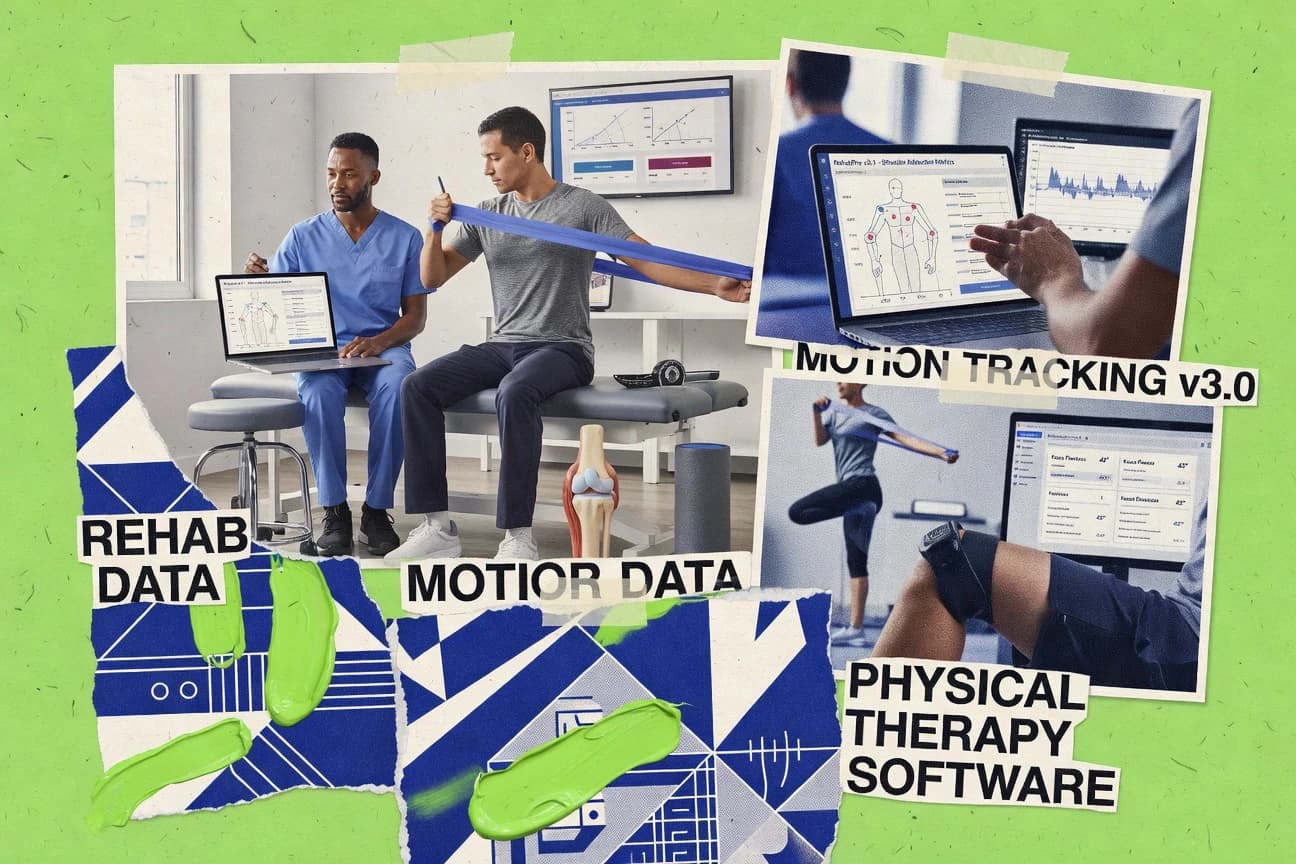
Healthcare MedicineTop 10 Best Physical Therapy Computer Software of 2026
Ranked roundup of physical therapy computer software for clinics, with features and tradeoffs for tools like TheraPlatform, Nookal, and HENO.

How we ranked these tools
Before any source is gathered, an editor locks the question, what qualifies, and how the piece will be judged.
Search agents gather the source set and the review record, including transcriptions of video reviews and podcasts.
Framework: Features 40% · Ease 30% · Value 30%
Gitnux may earn a commission through links on this page — this does not influence rankings. Editorial policy
TheraPlatform is the best fit for PT teams that want repeatable SOAP and outcomes documentation tied to scheduling operations, whereas HENO works better for multi-clinic groups aiming for standardized documentation to support consistent charge and claims prep without custom building, and Nookal is the cheapest entry point when you mainly need scheduling-driven follow-ups plus consistent PT documentation.
Editor’s top 3 picks
Three quick recommendations before you dive into the full comparison below — each one leads on a different dimension.
TheraPlatform
PT-specific SOAP and treatment plan templates designed for consistent episode documentation across visits.
Best for: Fits when PT teams need repeatable SOAP and outcomes documentation plus scheduling operations.
Nookal
Editor pickDenied-claim workflow that ties chart documentation requirements to follow-up tasks inside the same workspace.
Best for: Fits when clinics need PT documentation consistency plus scheduling-driven follow-ups without building custom workflows.
HENO
Editor pickTemplate-driven documentation that carries structured clinical fields into charge and claims preparation steps.
Best for: Fits when multi-clinic PT teams want standardized documentation to drive consistent charge and claims preparation workflows.
Comparison Table
TheraPlatform
SMBTelehealth and practice management platform serving physical therapy, occupational therapy, and speech therapy providers.
PT-specific SOAP and treatment plan templates designed for consistent episode documentation across visits.
TheraPlatform centers on visit documentation with PT-specific templates for SOAP notes and treatment plan authoring, so clinicians can record recurring elements without rebuilding notes each visit. Outcome measures tracking supports consistent measurement entry across episodes, which matters when progress reporting depends on repeatable inputs. Appointment scheduling includes operational controls like waitlist handling, so front-desk workflows stay connected to clinician schedules.
A key tradeoff is that deep interoperability with an EMR depends on the clinic’s integration choices rather than being an automatic fit for every EMR workflow. TheraPlatform works best when a clinic wants PT documentation consistency and clinic operations in one place, then adds integration where needed for claims, portals, or referrals.
- +PT-focused note templates reduce repetitive documentation work
- +Outcome measures entry stays consistent across visits
- +Waitlist-aware scheduling supports day-to-day front desk needs
- +Role-based access helps control clinical and operational permissions
- –External EMR integration depth can vary by integration approach
- –Template customization requires disciplined governance to avoid drift
- –Denials and claim follow-up workflow may require configuration
- –Reporting breadth depends on which data fields are captured consistently
Clinic operations managers
Manage waitlist-driven schedule changes
Fewer missed appointment handoffs
Physical therapy clinicians
Document visits with PT templates
Faster, more consistent charting
Show 2 more scenarios
Rehab director
Track outcome measures by episode
Clearer progress documentation
Outcome measures capture supports longitudinal progress tracking across care episodes.
Practice administrators
Control access to clinical records
Reduced access control risk
RBAC-style permissions separate clinical entry from operational and administrative tasks.
Best for: Fits when PT teams need repeatable SOAP and outcomes documentation plus scheduling operations.
Nookal
SMBPractice management software for allied health and physical therapy clinics covering bookings, clinical notes, and payments.
Denied-claim workflow that ties chart documentation requirements to follow-up tasks inside the same workspace.
Nookal bundles scheduling and clinical documentation so therapists can move from intake to SOAP notes and treatment plan updates without switching tools. PT teams can use configurable clinical templates for consistent charting, and the software can drive visit-level tasks from templates rather than relying on manual checklists. Operational workflows support appointment reminder automation and follow-up tasks tied to appointments. For clinics that want standardization across multiple therapists, Nookal’s template-first approach reduces variation in note structure.
A notable tradeoff is that advanced integrations and automation depth depend on how the clinic connects Nookal to its broader systems, since not every clinic workflow is fully native. A common fit is a single-practice PT group that needs consistent documentation, recurring patient reminders, and tighter denied-claim workflow execution without heavy customization projects. Teams with highly bespoke billing logic may still require manual review to cover edge cases not represented in the prebuilt workflows.
- +PT-focused documentation templates reduce note variation across therapists
- +Appointment reminder automation ties patient outreach to scheduling events
- +Denied-claim workflow supports faster follow-up on missing items
- +Clinic-governance options help control access to charting and tasks
- –Integration depth varies by clinic setup and may require configuration
- –Some billing edge cases still depend on manual review
- –Template customization can take time to align with team preferences
- –Automation scope is narrower than full back-office practice suites
Clinic operations managers
Automate reminders and follow-up tasks
Fewer missed communications
Physical therapists
Standardize SOAP note templates
More uniform documentation
Show 2 more scenarios
Billing and claims staff
Track denied claims remediation
Faster re-submissions
Denied-claim workflows route missing documentation work into task queues tied to patient visits.
Multi-therapist clinic leads
Control access across staff roles
Better charting governance
Role-based access and clinic governance limit who can edit charting and manage operational tasks.
Best for: Fits when clinics need PT documentation consistency plus scheduling-driven follow-ups without building custom workflows.
HENO
vertical specialistPhysical therapy EMR and clinic management software with scheduling, documentation, and billing workflows.
Template-driven documentation that carries structured clinical fields into charge and claims preparation steps.
HENO is a clinic operations tool built around PT documentation workflows that feed billing artifacts, including visit details that map into charge and claims preparation steps. PT staff can use structured clinical templates for treatment plan authoring and encounter notes, then carry those structured fields forward to reduce manual transcription. Billing-focused users get a constrained path from documented visit content to submission-ready claim data, which lowers the risk of missing charge elements.
A tradeoff appears in the way clinics must fit their documentation habits into HENO’s structured template and workflow sequence. The best usage situation is a multi-clinic team that standardizes treatment plan fields and documentation conventions so coding and claim preparation use the same definitions across sites.
- +PT-specific templates connect treatment plan fields to billing-ready encounter documentation
- +Workflow automation reduces re-keying between clinical notes and claims preparation steps
- +Documentation structure improves consistency across clinicians and locations
- +Admin governance supports multi-clinic standardization of clinical and billing conventions
- –Structured templates require clinics to adapt documentation habits to workflow sequence
- –Integration depends on external systems and may require implementation support
- –Advanced billing exceptions can still require manual handling outside the automated flow
- –Complex customization of templates can add upkeep work for admin teams
Clinic operations managers
Standardize documentation across sites
Fewer documentation-to-billing gaps
Billing office staff
Reduce manual re-keying
Lower data entry time
Show 2 more scenarios
Physical therapy clinicians
Create SOAP notes from templates
More consistent charting
Clinicians generate SOAP note content using PT-specific templates tied to structured clinical inputs.
Practice administrators
Control multi-clinic governance
Cross-site consistency
Administrators apply centralized workflow conventions so sites follow the same coding and documentation standards.
Best for: Fits when multi-clinic PT teams want standardized documentation to drive consistent charge and claims preparation workflows.
Power Diary
SMBPractice management and EMR software for allied health providers including physiotherapy and physical therapy clinics.
SOAP note template library that ties session structure to recurring visit workflows across the same client timeline.
Power Diary is a physical therapy computer software built around clinical documentation plus practice operations in one workflow. It combines SOAP note templates, treatment plan authoring, and appointment scheduling with patient messaging.
- +SOAP note templates stay consistent across repeated visit types
- +Scheduling and clinical documentation reduce handoffs during check-ins
- +Outcome-focused fields support measurable progress tracking per patient
- +Workflow automation reduces manual entry for recurring sessions
- –Advanced billing workflows need careful configuration across documentation fields
- –Multi-clinic administration is weaker than enterprise EHR governance patterns
Best for: Fits when PT clinics need tight charting and scheduling workflow coordination without building custom integrations.
OptimisPT
vertical specialistEMR, scheduling, billing, patient engagement, and analytics software for physical therapy clinics.
Outcome measures tracking is built into the visit documentation flow, keeping functional status aligned across notes.
OptimisPT runs PT clinic workflows with scheduling, documentation templates, and billing-support exports used in day-to-day visits. The system includes outcome measures tracking and treatment plan authoring so clinicians can keep clinical records aligned to functional limitation reporting.
- +Outcome measures tracking stays tied to treatment plan documentation
- +PT-specific clinical templates reduce time spent reformatting SOAP notes
- +Scheduling workflow supports consistent visit intake to documentation handoff
- +Claim-facing export tooling supports common submission workflows
- –EMR-EHR integration depth can be limited without additional connector setup
- –Admin configuration for templates requires governance to avoid note drift
Best for: Fits when PT groups need structured documentation, outcomes tracking, and claim-facing exports without heavy build work.
TheraOffice
SMBTherapy EMR and office management software for physical, occupational, and speech therapy practices.
PT-specific SOAP and functional reporting templates that align visit documentation to treatment plan structure.
TheraOffice fits clinics that need a PT-focused electronic workflow for scheduling, documentation, and billing support across front-desk and clinician tasks. The system centers on appointment and treatment plan workflows, with clinical note templates designed around SOAP documentation and functional reporting needs.
- +PT-oriented documentation templates for consistent SOAP note entry
- +Treatment plan authoring connects clinical goals to visit documentation
- +Appointment workflow supports recurring schedules and operational follow-ups
- +Outcome reporting helps track functional limitation changes over time
- –Navigation can feel appointment-first rather than documentation-first
- –Automation coverage depends heavily on template and field standardization
- –Complex billing workflows can require careful setup of coding inputs
- –Advanced governance features such as audit log depth may be limited
Best for: Fits when a PT clinic needs standardized notes and treatment plan workflows with consistent coding inputs.
WebPT
vertical specialistPractice management, documentation, scheduling, billing, and patient engagement software built for rehab therapy clinics.
One workflow links PT documentation to coding and claims status tracking so care and billing stay synchronized.
WebPT combines PT-clinic charting with revenue-cycle workflows in one system, which reduces handoffs between documentation and claims tasks. The core capabilities include PT-specific clinical templates, appointment and telehealth workflows, and guidance that supports coding and billing activities.
- +PT-specific documentation templates reduce time between note and billing steps
- +Built-in outcomes tracking ties clinical progress to operational reporting
- +Telehealth and scheduling workflows stay inside the same chart experience
- +Administrative permissions support multi-role workflows for coding and documentation
- –Some advanced workflows need consistent staff training to avoid documentation drift
- –Workflow depth can slow adoption for clinics only focused on scheduling
Best for: Fits when PT clinics need charting plus coding and billing workflows under one operational interface.
Clinicient
enterpriseRehab therapy EMR and revenue cycle management software for outpatient therapy providers.
SOAP note templates designed for physical therapy documentation with structured fields for downstream billing prep.
Clinicient is a physical therapy practice management system built around PT clinical documentation, scheduling, and claims-facing workflows. Core capabilities include PT note templates with SOAP structure, referral and episode tracking, and electronic submission support for the forms used in payer processes.
- +PT-focused note templates keep SOAP structure consistent across clinicians
- +Referral and episode tracking support longitudinal care organization
- +Scheduling workflows map well to common outpatient therapy operations
- +Documentation-to-claims handoff reduces rekeying during billing prep
- –Claims workflow coverage depends on payer-specific setup and document mapping
- –Advanced reporting depth can require extra configuration to match clinic KPIs
- –Integration options may be narrower than general EMR ecosystems for some clinics
- –Template customization requires disciplined administration to avoid drift
Best for: Fits when PT clinics want a documentation-centered workflow with consistent handoffs to billing and payer submissions.
Net Health Therapy
enterpriseRehab therapy software for documentation, scheduling, analytics, and revenue cycle operations.
Outcome measures tracking is built into the clinical workflow instead of living in a separate reporting tool.
Net Health Therapy converts PT clinical documentation into structured visit notes using PT-specific templates and guided note entry. The system supports treatment plan authoring, outcome measures tracking, and telehealth documentation within the same workflow.
- +PT-specific documentation templates reduce free-text variability across therapists
- +Outcome measures tracking keeps functional scoring attached to the episode timeline
- +Telehealth visit capture stays within the same clinical note workflow
- +Scheduling and check-in tools support day-to-day clinic throughput
- –Complex template setup can slow standardization for new sites
- –Deep reporting often depends on how documentation fields are configured
Best for: Fits when a PT group needs consistent clinical documentation tied to outcomes and reporting steps.
Physitrack
vertical specialistExercise prescription, telehealth, and patient engagement platform tailored to physiotherapy and rehabilitation.
Treatment plans include patient delivery of exercise tasks and progress tracking in the same care workflow.
Physitrack is a physical therapy computer software built around clinician-led digital treatment plans that patients can view in a browser and use between visits. It provides exercise and education authoring, outcome measure capture, and SOAP note workflows that reduce manual re-entry during documentation.
- +Patient-facing treatment plans keep exercise, education, and assignments in one place
- +Outcome measures capture supports consistent progress documentation over time
- +SOAP-style documentation templates reduce time spent retyping routine fields
- +Built-in messaging helps close the loop after exercise instructions are sent
- –Deep EHR billing workflows are limited compared with full chart plus claims systems
- –Advanced automation and governance controls need deliberate clinic configuration
Best for: Fits when clinics want patient-accessible exercise programs linked to notes and outcome tracking.
Conclusion
After evaluating 10 physical therapy computer software, TheraPlatform stands out as our overall top pick — it scored highest across our combined criteria of features, ease of use, and value, which is why it sits at #1 in the rankings above.
Use the comparison table and detailed reviews above to validate the fit against your own requirements before committing to a tool.
How to Choose the Right Physical Therapy Computer Software
Physical therapy computer software is judged on how consistently PT documentation maps into operational workflows like scheduling, follow-ups, and treatment plan structure across TheraPlatform, KeetHealth, and TheraOffice. This guide covers 10 tools including TheraPlatform, Nookal, HENO, Power Diary, OptimisPT, TheraOffice, WebPT, Clinicient, Net Health Therapy, and Physitrack, using concrete workflow differences rather than generic feature lists.
TheraPlatform earns the top rank for episode documentation consistency driven by PT-specific SOAP and treatment plan templates. Clinics that already run scheduling and charting often need follow-up automation and charge or claim preparation alignment, which varies sharply between these systems.
Physical Therapy Computer Software that standardizes PT notes and ties clinical documentation to care operations
Physical therapy computer software supports PT-specific documentation workflows built around structured visit notes, treatment plans, and functional or outcome measures tied to an episode timeline. In TheraPlatform, PT-focused SOAP and treatment plan templates are designed to keep episode documentation consistent across visits and support scheduling operations.
Nookal centers denied-claim workflow handling that turns documentation requirements into follow-up tasks inside the same workspace, which changes how teams manage payer rework. Across these tools, the practical difference shows up in how templates drive downstream steps like charge and claims preparation or outcomes tracking without forcing manual re-keying between clinical and operational screens.
Downstream workflow features that make PT documentation operational
Physical therapy computer software earns value when PT notes, treatment plan authoring, and outcome or functional measures feed the next operational step without re-keying. TheraPlatform leads this link with PT-specific SOAP and treatment plan templates designed to keep episode documentation consistent across visits.
PT-specific SOAP and treatment plan template control
TheraPlatform keeps episode documentation consistent across visits using PT-focused SOAP and treatment plan templates. TheraOffice aligns visit documentation to treatment plan structure using PT-oriented documentation templates and treatment plan authoring.
Outcome and functional measures tied to the episode timeline
OptimisPT keeps functional status aligned across notes by building outcome measures tracking into the visit documentation flow. Net Health Therapy embeds outcome measures tracking into the clinical workflow so functional scoring stays attached to the episode timeline.
Denial and follow-up task linkage to documentation
Nookal turns denied-claim documentation requirements into follow-up tasks inside the same workspace. This workflow approach changes how PT documentation gaps get converted into scheduling-driven rework rather than separate billing tickets.
Charge and claims preparation alignment from structured templates
HENO uses template-driven documentation that carries structured clinical fields into charge and claims preparation steps. WebPT connects PT documentation to coding and claims status tracking so care and billing stay synchronized under one workflow.
Scheduling coordination inside clinical documentation workflows
Power Diary ties SOAP note structure to recurring visit workflows across the same client timeline. This pairing helps reduce handoffs during check-ins, while its advanced billing workflows still depend on careful documentation field configuration.
Choose by where templates and workflows close the documentation-to-ops gap
A clinic should select based on the handoff point that breaks down most often in day-to-day PT operations. Some tools optimize the path from PT notes to episode structure, while others optimize the path from documentation to claims status, denied-claim rework, or functional reporting outputs.
Map the clinic bottleneck to the next operational step
If the bottleneck is inconsistent episode documentation across visits, TheraPlatform and TheraOffice both use PT-focused templates to standardize SOAP and treatment plan structure. If the bottleneck is outcomes drift across clinicians, OptimisPT and Net Health Therapy keep outcome or functional measures attached to the episode timeline inside the documentation flow.
Test whether documentation drives charge and claims preparation without re-keying
If structured clinical fields must carry directly into charge and claims preparation, HENO’s template-driven documentation is built to move those fields forward in workflow steps. If coding and claims status need to sit next to PT charting, WebPT links PT documentation to coding and claims status tracking in one operational interface.
Select denial and follow-up mechanics based on payer rework behavior
If denial work turns into recurring follow-ups tied to documentation gaps, Nookal’s denied-claim workflow converts chart documentation requirements into follow-up tasks inside the same workspace. If denied-claim handling is not a frequent operational driver, tools like Power Diary can still meet charting and scheduling coordination needs without building separate rework workflows.
Decide whether the clinic can govern template usage to prevent note drift
If template customization requires governance discipline, TheraPlatform’s value depends on disciplined template and field standardization to avoid drift. If staff training and consistent use are the main execution risks, WebPT’s workflow depth can slow adoption when documentation habits are not stabilized across the team.
Match administration scope to the clinic’s multi-site reality
If multi-clinic standardization is a priority, HENO and Nookal both rely on structured templates and workflow automation, but structured templates require clinics to adapt documentation habits to workflow sequence. If administration depth is a requirement beyond note template governance, Power Diary’s multi-clinic administration is weaker than enterprise EHR governance patterns.
Align patient-facing treatment plans with clinical documentation goals
If patient delivery of exercise tasks and progress tracking must live inside the same care workflow, Physitrack embeds patient-accessible treatment plans linked to notes and outcome tracking. If patient-facing delivery is secondary to charge or deep claims workflows, Physitrack’s billing depth is limited compared with full chart plus claims systems.
Which teams should buy Physical Therapy Computer Software
PT clinics should buy physical therapy computer software when they need structured documentation to drive scheduling, follow-ups, treatment plan structure, and outcomes alignment. The right fit depends on whether the clinic’s biggest risk is inconsistent notes, inconsistent outcomes, or operational rework that follows denials.
Single-practice PT clinics that want episode consistency across therapists
TheraPlatform and TheraOffice provide PT-specific SOAP and treatment plan template workflows that keep episode documentation consistent across visits. Their fit is strongest when clinicians need standardized documentation patterns rather than fully bespoke workflows.
PT groups that prioritize outcomes or functional measures tied to each visit
OptimisPT builds outcome measures tracking into the visit documentation flow so functional status stays aligned across notes. Net Health Therapy keeps outcome measures attached to the episode timeline through its documentation-centered workflow.
Clinics with denial rework driven by documentation gaps
Nookal ties denied-claim workflow handling to follow-up tasks inside the same workspace, which changes the operational loop for documentation rework. This structure suits clinics where billing staff need direct task generation linked to chart requirements.
Multi-clinic teams that standardize documentation to support charge and claims steps
HENO carries structured clinical fields from PT templates into charge and claims preparation steps, which supports consistent downstream outputs across sites. Its fit is strongest when clinics can adapt documentation habits to workflow sequence.
Clinics that want patient exercise delivery as part of the clinical documentation workflow
Physitrack includes treatment plans that give patients exercise tasks and progress tracking in the same care workflow. This fit is best when exercise assignment delivery and patient engagement are central workflow goals.
Common buying and rollout mistakes for PT documentation workflow tools
Clinics often buy based on template availability rather than the operational conversion from documentation to the next workflow step. The result is a system that looks standardized but still requires manual re-keying or separate operational tracking in day-to-day operations.
Selecting a tool because it has PT templates but not validating the downstream workflow they feed
TheraPlatform’s episode consistency depends on how SOAP and treatment plan templates support scheduling and repeatable visit documentation. HENO and WebPT also differ because one carries structured fields into charge and claims preparation while the other links coding and claims status tracking into the same interface.
Treating template customization as a low-governance task across multiple clinicians or sites
TheraPlatform warns that template customization needs disciplined governance to avoid drift, and Power Diary also requires careful configuration across documentation fields for advanced billing workflows. WebPT’s advanced workflow can slow adoption when staff training does not stabilize documentation habits.
Ignoring how denial and follow-up tasks affect the clinic’s rework loop
Nookal’s denied-claim workflow ties documentation requirements to follow-up tasks inside the same workspace, which reduces reliance on separate rework tracking. Clinics that do not model payer-driven documentation gaps may underestimate how much operational work still lands on manual review.
Overestimating deep billing workflow support when patient-facing exercise delivery is prioritized
Physitrack’s treatment plans keep exercise and progress in the same workflow, but deep EHR billing workflows are limited compared with full chart plus claims systems. Clinics that need full billing workflow depth should validate that requirement against charge and claims preparation alignment capabilities.
How We Selected and Ranked These Tools
We evaluated TheraPlatform, Nookal, HENO, Power Diary, OptimisPT, TheraOffice, WebPT, Clinicient, Net Health Therapy, and Physitrack using features, ease of use, and value, with features at 40% and ease and value at 30% each. Features weight favored PT-specific documentation workflows that connect SOAP and treatment plans to operational steps like scheduling coordination, outcomes tracking, charge and claims preparation, and denied-claim follow-up tasks.
Ease weight favored documentation flow design that reduces handoffs between check-in charting, visit note entry, and workflow steps tied to functional or outcome measures. Value weight favored tools that keep structured fields consistent over time without requiring heavy re-keying between clinical notes and operational screens, and TheraPlatform earned the top rank by pairing PT-focused SOAP and treatment plan templates with consistent episode documentation across visits.
Frequently Asked Questions About Physical Therapy Computer Software
How do TheraOffice and WebPT handle PT documentation and scheduling in the same workflow?
Which tool is better for tying outcome measures capture to the visit documentation flow?
Which system uses a PT-specific denied-claim workflow inside the clinical workspace?
What breaks if clinicians use SOAP note templates that do not match the treatment plan structure?
How do Power Diary and Physitrack support patient communication around recurring therapy tasks?
How does HENO reduce re-keying between clinical documentation and charge or claims preparation?
When do multi-therapist clinics benefit from Net Health Therapy versus Clinicient?
How do WebPT and OptimisPT handle integration points for downstream billing and external systems?
What admin controls matter most for role-based access to clinical records in these systems?
Tools reviewed
Primary sources checked during evaluation.
Referenced in the comparison table and product reviews above.
- Healthcare MedicineTop 10 Best Physical Therapy Electronic Documentation Software of 2026
- Healthcare MedicineTop 10 Best Physical Therapy Electronic Medical Records Software of 2026
- Healthcare MedicineTop 10 Best Therapist Practice Management Software of 2026
- Healthcare MedicineTop 10 Best Primary Care Software of 2026
- Healthcare MedicineTop 10 Best Occupational Therapy Documentation Software of 2026
Keep exploring
Comparing two specific tools?
Software Alternatives
See head-to-head software comparisons with feature breakdowns, pricing, and our recommendation for each use case.
Explore software alternatives→In this category
Healthcare Medicine alternatives
See side-by-side comparisons of healthcare medicine tools and pick the right one for your stack.
Compare healthcare medicine tools→