GITNUXSOFTWARE ADVICE
Healthcare MedicineTop 11 Best Blood Bank Management Software of 2026
Compare blood bank management software options for clinics and transfusion services, covering workflows, reporting, and IT fit across top vendors.

How we ranked these tools
An editor sets the topic, the inclusion criteria, and the evaluation framework before research starts.
AI search agents find sources, extract figures with provenance, and aggregate written reviews. They also transcribe video reviews and podcasts.
Framework: Features 40% · Ease 30% · Value 30%
Gitnux may earn a commission through links on this page — this does not influence rankings. Editorial policy
Haemonetics Director Blood Bank Software is the best pick for blood bank teams needing end to end traceability across inventory and testing because it keeps component status and release tracking aligned with lot and labeling through issue-ready handoffs, whereas Grifols Blood Bank IT fits centers needing strict workflow control since it delivers end to end donor, testing, and unit disposition traceability in one flow.
Editor’s top 3 picks
Three quick recommendations before you dive into the full comparison below — each one leads on a different dimension.
Haemonetics Director Blood Bank Software
Component status and traceability tracking from processing through issue-ready release
Best for: Blood bank teams needing end to end traceability across inventory and testing
Grifols Blood Bank IT
Editor pickEnd-to-end unit and donor traceability from collection through testing and release
Best for: Blood centers and hospital transfusion services needing strict traceability and workflow control
SafeTrace
Editor pickEvent-linked traceability that ties component movement records to patient transfusion documentation for lookback reporting.
Best for: Fits when barcode-driven traceability must link inventory events to transfusion documentation consistently.
Comparison Table
Haemonetics Director Blood Bank Software
enterprise blood bankProvides blood bank inventory, donor and patient matching, and transfusion workflow tools for hospital and blood center operations.
Component status and traceability tracking from processing through issue-ready release
Haemonetics Director Blood Bank Software stands out with blood bank specific workflows and decision support built for inventory, testing, and issue processes. Core capabilities typically include donor and product management, component tracking, and traceability across collection, processing, and transfusion-ready status.
The system also supports quality and compliance workflows tied to labels, lots, and audit trails. Teams can manage routine operations and exceptions in a single blood bank management environment instead of stitching together separate lab and inventory tools.
- +Blood bank specific workflows for receiving, processing, and releasing components
- +Strong traceability using product, lot, and labeling oriented processes
- +Audit trails that align with blood safety and quality documentation needs
- –Implementation and configuration can be complex for new blood bank sites
- –User workflows can feel dense without targeted training and role setup
- –Integrations may require planning to match local LIS and connectivity patterns
Best for: Blood bank teams needing end to end traceability across inventory and testing
Grifols Blood Bank IT
blood bank ITDelivers blood bank information systems for inventory control, crossmatching workflows, and transfusion traceability.
End-to-end unit and donor traceability from collection through testing and release
Grifols Blood Bank IT stands out by aligning blood bank workflows with Grifols operational and compliance expectations across collection, testing, and inventory activities. The solution supports core blood bank management needs like donor and unit tracking, laboratory processing orchestration, and traceability for products from collection through release.
It also emphasizes integration with broader hospital and laboratory systems to reduce duplicate data entry and improve continuity across departments. Built for blood center and transfusion service environments, it focuses on audit-ready operations, workflow control, and end-to-end traceability rather than generic case management.
- +End-to-end traceability across donor, testing, and unit disposition workflows
- +Blood bank specific workflows for collection, lab processing, and inventory management
- +Designed to support audit-ready operations with controlled process steps
- +Integration orientation reduces manual re-entry between lab and clinical systems
- –Usability can feel operationally complex without strong implementation support
- –Advanced configuration and permissions require careful governance
- –Workflow fit may require tailoring to match nonstandard local processes
Best for: Blood centers and hospital transfusion services needing strict traceability and workflow control
SafeTrace
enterpriseTransfusion management software supporting blood bank workflows, patient safety, and product traceability.
Event-linked traceability that ties component movement records to patient transfusion documentation for lookback reporting.
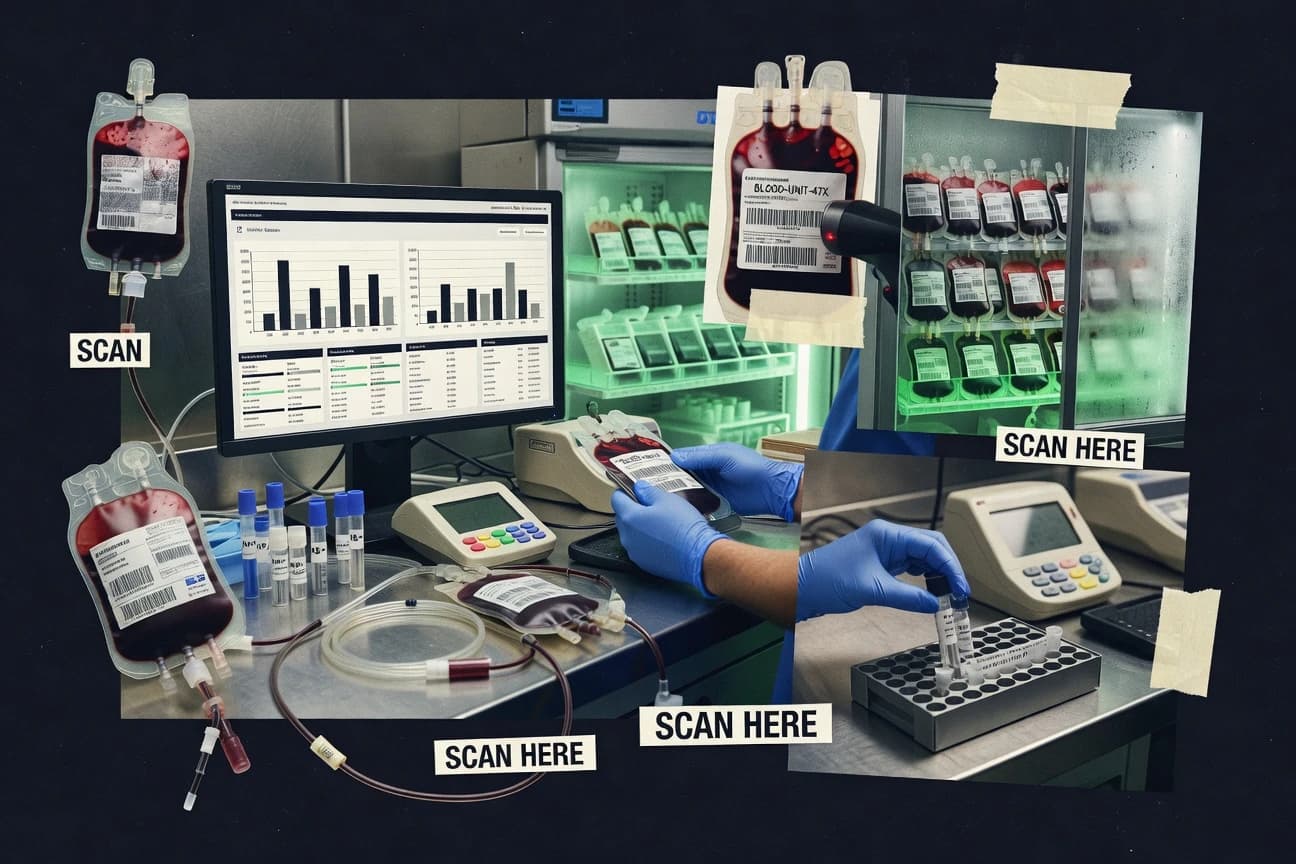
SafeTrace supports the day-to-day cycle from component receiving through release authorization, with barcode scanning aimed at reducing transcription errors during issue and compatibility documentation. It also supports transfusion traceability and lookback-style reporting by maintaining linkage between inventory movements and final transfusion records. Teams can configure operational steps around quarantine status, release, and wastage workflows so audit events map to the actual handling sequence. Admin control usually matters most when multiple sites share common process requirements and staff roles.
One tradeoff is that deep workflow configuration can require governance to keep labeling rules, scanning behavior, and release steps consistent across staff and locations. SafeTrace is most useful when barcode capture is a standard operating practice and when the blood bank expects downstream integration with hospital information systems for timely documentation. In settings that rely heavily on manual workarounds outside the barcode workflow, traceability completeness can degrade.
- +Traceability linkage connects inventory movements to transfusion outcomes
- +Barcode workflow supports component labeling and issue capture
- +Configurable release and wastage steps map to real handling sequences
- +Audit trail supports lookback documentation across events
- –Workflow configuration needs governance to stay consistent across sites
- –Barcode-first processes reduce flexibility for manual handling patterns
- –Role coverage may require careful setup of staff responsibilities
- –Implementation effort can be significant for multi-department handoffs
Blood center operations
Manage quarantine to release flows
Fewer gaps in lookback trails
Hospital transfusion services
Run issue with compatibility records
More consistent transfusion documentation
Show 1 more scenario
Multi-site blood banks
Standardize workflow configuration
Lower variation in handling
Configure release and wastage steps so staff follow the same operational sequence across locations.
Best for: Fits when barcode-driven traceability must link inventory events to transfusion documentation consistently.
Blood Bank Management System by OpenLabs
customizable blood bankProvides blood bank information management for inventory control, compatibility workflows, and traceability reporting.
End-to-end blood unit and component traceability across collection, inventory status, and issue
Blood Bank Management System by OpenLabs centers on end-to-end blood unit tracking tied to collections, inventory status, and transfusion readiness. Core capabilities typically include donor and patient record handling, component and unit management, and workflow support for processing and issue.
- +Blood unit lifecycle tracking from collection to issue improves operational traceability
- +Supports component and inventory status management for transfusion readiness workflows
- +Provides centralized donor, patient, and transaction records to support audits
- +Workflow-oriented design aligns with common blood bank processing steps
- –UI can feel form-heavy due to dense operational data entry needs
- –Advanced reporting and analytics depth may lag specialized BI-focused tools
- –Integration options with external lab or hospital systems can be limited
Best for: Blood banks needing traceable blood unit and component workflows in one system
Blood Bank Pro by Tekscape
SMB blood bankSupports blood bank inventory tracking, issue workflows, and transfusion documentation for clinical operations.
Expiry-aware blood inventory management tied to issuance history
Blood Bank Pro by Tekscape focuses on blood unit inventory control and donation-to-distribution tracking for blood banks. The core workflow centers on managing blood bags by type, processing dates, storage details, and expiry management.
- +Blood inventory tracking by component type with expiry awareness
- +End-to-end traceability from donor intake through issued blood units
- +Workflow records support consistent release and audit trails
- –Limited evidence of advanced reporting analytics for operations optimization
- –Integration support for LIS or EMR systems appears minimal
- –Advanced role-based workflows and approvals need clearer visibility
Best for: Small to mid-size blood banks needing structured inventory and release traceability
Net Health Blood Bank
health platformProvides blood bank technology for inventory management, issue workflows, and donor and inventory traceability needs.
Controlled blood unit issue workflow with inventory traceability across transfusion operations
Net Health Blood Bank centers on blood bank operations tied to hospital-wide workflows, with inventory control and transfusion services management built for daily compliance work. The solution supports core blood bank management tasks like donor or unit tracking, order and issue workflows, and controlled inventory processes.
- +Strong support for blood unit inventory tracking and controlled issue workflows
- +Workflow integration helps connect blood bank actions with adjacent clinical processes
- +Designed for compliance-oriented operations with audit-friendly operational patterns
- –Specialized workflow depth can increase training needs for non-blood-bank teams
- –Reporting and configuration complexity can feel heavy without dedicated admin support
- –Limited fit for organizations wanting only basic inventory without broader process
Best for: Hospitals needing end-to-end blood bank workflows with systems integration
Meditech Blood Bank
EMR-integratedSupports blood bank workflows with inventory management, patient compatibility processes, and transfusion documentation.
Blood component traceability across collection, inventory, issue, and disposition within the MEDITECH workflow
Meditech Blood Bank stands out by pairing blood bank inventory and transfusion workflows with the wider MEDITECH clinical ecosystem for coordinated documentation. Core capabilities include donor and component inventory management, patient testing and result capture, and traceability across issue, receipt, and disposition events.
- +Tight integration with MEDITECH records helps keep testing and transfusion documentation aligned
- +Strong inventory traceability from receipt to issue supports audit-focused blood handling workflows
- +Workflow controls for labeling and identification reduce mis-entry risk during processing
- –Workflow depth can increase training needs for blood bank staff and technologists
- –Customization for local policies may be constrained by prebuilt process structures
- –User experience depends heavily on configuration and interface layout consistency across modules
Best for: Organizations already using MEDITECH needing traceable blood bank operations and testing documentation
LabWare Blood Bank
lab workflow platformSupports laboratory and blood bank workflows with traceability, workflow configuration, and reporting.
End-to-end unit and compatibility workflow management with audit-ready testing history
LabWare Blood Bank stands out for its tight integration with LabWare’s laboratory automation and instrument workflow patterns, which helps blood centers standardize processes across lab departments. Core capabilities include donor and unit traceability, compatibility and testing workflow management, and inventory control designed around blood components and qualifications.
- +Strong blood unit traceability from testing to release records
- +Workflow automation supports repeatable blood bank processes
- +Audit-friendly history across donors, components, and testing events
- +Instrument and lab system integration supports streamlined operations
- –Setup and configuration demand experienced implementation support
- –Screen-by-screen navigation can feel heavier than simpler blood bank suites
- –Advanced workflows may require deeper process mapping than expected
Best for: Blood centers needing integrated, configurable workflows with strong traceability
SCP Health Inventory and Blood Bank Management
inventory managementProvides healthcare supply and inventory management capabilities used by blood bank operations to control stock levels and replenishment workflows.
Expiration-aware blood inventory management with traceable transaction history
SCP Health Inventory and Blood Bank Management focuses on inventory control and transfusion support for healthcare organizations running blood supply workflows. Core capabilities include managing blood inventory records, tracking expiration dates, and supporting distribution and usage visibility across locations. The system also supports audit-ready documentation through structured operational history tied to inventory movements and transactions.
- +Strong inventory visibility with expiration and usage tracking support
- +Inventory movement history supports audit workflows for blood bank operations
- +Workflow coverage spans receiving, storage management, and distribution usage
- –Setup and configuration require significant operational knowledge
- –Reporting depth can feel limiting for advanced analytics needs
- –Day-to-day navigation can slow down users during high-volume shifts
Best for: Blood banks needing controlled inventory tracking with audit-focused transaction history
SoftBank
vertical specialistBlood bank information system software for testing, component management, compatibility, and reporting.
Workflow gating that supports quarantine status transitions through release authorization at the unit level.
SoftBank from softcomputer.com targets blood bank operations that need controlled inventory movement, transfusion issue tracking, and traceability from collection through documentation.
- +Inventory workflow states support quarantine to release authorization handoffs
- +Issue tracking ties unit movements to transfusion documentation
- +Compatibility records can be maintained per issued unit
- +Barcode scanning workflows reduce unit transcription during issue
- –HL7 integration coverage depends on custom interface work
- –Crossmatch workflow depth can lag configurable lab platforms
- –Roles and governance controls need careful setup to avoid access sprawl
- –Reporting templates may require configuration for local audit formats
Best for: Fits when blood bank teams need strong unit lifecycle tracking and issue traceability without replacing their LIS and EHR core systems.
WellSky Transfusion Management
enterpriseHospital transfusion software for blood product management, compliance, and clinical documentation.
Transfusion workflow traceability that follows component release authorization through to issue documentation and patient-linked records.
WellSky Transfusion Management focuses on end-to-end transfusion workflow control that ties issue events to the surrounding laboratory and clinical documentation flow. It centers on inventory management with release authorization, expiry visibility, and batch-level traceability that supports lookback and recall workflows. The system also supports compatibility operations such as blood typing records and crossmatch documentation so the audit trail follows the patient and component lifecycle.
- +Traceability links component issue outcomes to transfusion documentation records
- +Expiry visibility supports quarantine and release authorization workflows
- +Compatibility documentation supports crossmatch evidence for patient-level traceability
- +Inventory controls support consistent handling of component lifecycle events
- –Barcode scanning and label printing workflows depend on site-level implementation details
- –Cross-team workflow configuration can require governance discipline across departments
- –Some reporting needs require configuration rather than out-of-the-box dashboards
- –Deep LIS and EHR integration scope may depend on messaging setup and interfaces
Best for: Fits when mid-size to large blood bank teams need traceability tied to issue and compatibility documentation.
Conclusion
After evaluating 11 blood bank management software, Haemonetics Director Blood Bank Software stands out as our overall top pick — it scored highest across our combined criteria of features, ease of use, and value, which is why it sits at #1 in the rankings above.
Use the comparison table and detailed reviews above to validate the fit against your own requirements before committing to a tool.
How to Choose the Right Blood Bank Management Software
Blood bank management software organizes the full path from donor intake through blood component processing to controlled issue and disposition records. This guide focuses on how OpenLabs Blood Bank Management System, Grifols Blood Bank IT, and LabWare Blood Bank handle traceability work that touches collection workflows, testing documentation, and release authorization.
Across the covered tools, teams either manage blood unit and component lifecycles in a single operational system or push parts of the flow into their existing LIS and EHR. The decision turns on how each product connects component status, expiry-aware inventory movement, and transfusion-linked documentation rather than on general workflow claims.
Blood Bank Management Software for traceability, controlled issue, and inventory lifecycle control
Blood bank management software coordinates blood unit and component records across collection, processing, labeling, inventory status, and issue so that traceability and lookback reporting can follow real movement events. Tools like Haemonetics Director Blood Bank Software and Net Health Blood Bank build structured release-ready processes around component and lot traceability.
Teams use these systems to maintain controlled issue workflows tied to component lifecycle states and to capture an audit trail of testing history and disposition outcomes. Products such as SoftBank emphasize quarantine-to-release authorization transitions at the unit level, which shapes how RBAC permissions, configuration governance, and operational throughput constraints play out day to day.
Blood bank traceability and controlled-issue capabilities to verify
Traceability work only becomes reliable when blood unit and component status stay tied to real movement events across collection, testing documentation, labeling, inventory handling, and release authorization.
Controlled issue workflows matter just as much as storage and expiry data because the system must enforce quarantine-to-release transitions at the unit or component level and carry those state changes into transfusion issue records.
Unit and component lifecycle traceability across collection to issue
OpenLabs Blood Bank Management System ties blood unit lifecycle tracking to the full path from collection to issue using end-to-end traceability across collection, inventory status, and issue. Haemonetics Director Blood Bank Software tracks component status and traceability from processing through issue-ready release using product, lot, and labeling oriented processes.
Expiry-aware inventory management tied to issuance history
Blood Bank Pro by Tekscape provides expiry-aware blood inventory management and links inventory tracking by component type to issuance history. SCP Health Inventory and Blood Bank Management pairs expiration and usage tracking with traceable inventory transaction history to support audit-focused operations.
Release authorization and quarantine-to-issue workflow gating
SoftBank emphasizes workflow gating that supports quarantine status transitions through release authorization at the unit level. WellSky Transfusion Management follows component release authorization through to issue documentation and patient-linked records for traceability continuity.
Barcode-driven traceability that links inventory events to transfusion documentation
SafeTrace focuses on event-linked traceability that ties component movement records to patient transfusion documentation for lookback reporting using a barcode workflow. WellSky Transfusion Management also supports expiry visibility across quarantine and release authorization workflows, with barcode scanning and label printing dependent on site-level implementation details.
Audit-ready testing history and compatibility workflow records
LabWare Blood Bank centers on end-to-end unit and compatibility workflow management with audit-ready testing history from testing to release records. Grifols Blood Bank IT provides end-to-end unit and donor traceability from collection through testing and release with blood bank specific workflows for collection, lab processing, and inventory management.
How to match deployment shape and automation depth to blood bank workflows
The decision works out when teams align how software models the unit or component lifecycle with the way staff actually execute release, inventory moves, and issue capture.
The next decision is integration depth, because tools designed to sit next to existing LIS and EHR systems can emphasize handoffs and controlled transitions, while blood-bank-centric suites tend to concentrate workflow configuration inside the blood system.
Choose the workflow ownership model: blood-bank-centric or handoff to LIS and EHR
OpenLabs Blood Bank Management System and LabWare Blood Bank concentrate operational traceability in one system across collection, inventory, compatibility records, and release. SoftBank targets a workflow handoff model by keeping quarantine-to-release authorization transitions at the unit level without replacing LIS and EHR core systems.
Validate how the product enforces quarantine-to-release state transitions
SoftBank uses workflow gating that supports quarantine status transitions through release authorization at the unit level, which means governance and role setup shape daily throughput. Net Health Blood Bank uses a controlled blood unit issue workflow with inventory traceability across transfusion operations, so the workflow must match how issue control is actually exercised.
Confirm expiry handling ties to issuance history and audit workflows
Blood Bank Pro by Tekscape focuses on expiry-aware inventory management with expiry tracking tied to issuance history. SCP Health Inventory and Blood Bank Management pairs expiration and usage tracking with traceable inventory movement history that supports audit workflows.
Check whether barcode and label workflows drive traceability or are peripheral
SafeTrace is built around barcode workflow and event-linked traceability that connects inventory movements to patient transfusion documentation for lookback reporting. Haemonetics Director Blood Bank Software and LabWare Blood Bank center traceability on component and lot labeling oriented processes, so label capture completeness must match local scanning practices.
Assess whether reporting depth and configurability match operations planning needs
OpenLabs Blood Bank Management System can run into form-heavy UI for dense operational data entry, which affects how staff use it during high throughput. Tekscape Blood Bank Pro and SCP Health both show evidence of reporting constraints in advanced analytics depth or configuration support, so operations optimization needs must be tested against real reporting expectations.
Map the integration expectations for adjacent lab and clinical systems
Meditech Blood Bank emphasizes tight integration with MEDITECH records so testing and transfusion documentation stay aligned inside the MEDITECH workflow. WellSky Transfusion Management notes HL7 integration coverage depends on site-level work, and Blood Bank Pro and Net Health also show integration support limits that can shift work to implementers.
Who benefits from Blood Bank Management Software
Blood bank management software benefits teams that must keep blood unit and component records consistent from donor intake and testing documentation through controlled issue and disposition.
It also benefits organizations that need audit-ready traceability and lookback capability, especially when barcode workflows, labeling processes, and release authorization steps must stay aligned across departments.
Blood banks running end-to-end unit and component traceability
OpenLabs Blood Bank Management System and Grifols Blood Bank IT fit teams that need end-to-end unit and component traceability across collection, testing, inventory status, and release within a blood-bank-specific workflow model.
Hospitals that need controlled issue workflows tied to clinical processes
Net Health Blood Bank and WellSky Transfusion Management match hospitals that need end-to-end blood bank workflows with systems integration and traceability tied to issue documentation and patient-linked records.
Organizations standardizing inventory and expiry handling with issuance history
SCP Health Inventory and Blood Bank Management and Blood Bank Pro by Tekscape serve teams that prioritize expiry-aware inventory management with transaction or issuance history for audit-focused blood handling.
Sites that must link inventory events to transfusion outcomes for lookback
SafeTrace supports barcode-first, event-linked traceability that ties component movement records to patient transfusion documentation for consistent lookback reporting.
MEDITECH-dependent organizations
Meditech Blood Bank benefits teams already using MEDITECH because it keeps testing and transfusion documentation aligned to MEDITECH workflow structures while providing traceable blood component handling across receipt to issue.
Common pitfalls when buying Blood Bank Management Software
Teams often underestimate how much staff workflow density and configuration complexity affect adoption when the system handles dense operational data entry and multi-step unit lifecycles.
Buyers also misjudge the integration work needed for HL7 messaging and adjacent lab workflows, which can turn traceability goals into manual reconciliation if interfaces are not planned early.
Assuming traceability works without validating how release authorization and quarantine transitions are modeled in day-to-day practice
SoftBank gates quarantine-to-release transitions at the unit level, so role setup and governance decisions affect how quickly staff can move units to release. Validate Net Health Blood Bank controlled issue workflow behavior against real issue control steps before implementation.
Treating expiry visibility as an inventory-only feature rather than a workflow linkage to issuance and audit history
Blood Bank Pro by Tekscape explicitly ties expiry-aware inventory tracking to issuance history, so acceptance depends on how well issuance capture works in practice. SCP Health Inventory and Blood Bank Management provides traceable inventory transaction history, so audit workflows must be mapped to the transaction model.
Ignoring barcode and labeling workflow dependencies that determine whether lookback can connect inventory events to patient records
SafeTrace relies on barcode-driven event linkage to transfusion documentation for lookback reporting, so scanning and label capture quality becomes a system requirement. WellSky Transfusion Management depends on site-level implementation details for barcode scanning and label printing, so interface and device workflows must be planned.
Choosing a configurable workflow suite without staffing the implementation and configuration discipline it requires
LabWare Blood Bank and SCP Health Inventory and Blood Bank Management both show setup and configuration demand that needs experienced implementation support. Haemonetics Director Blood Bank Software can feel complex for new blood bank sites, so training and role setup should be sized to the configured workflows.
Assuming integration coverage for LIS and EMR records will be ready without interface work
Meditech Blood Bank aligns tightly with MEDITECH records, while Blood Bank Pro by Tekscape shows minimal integration support for LIS or EMR systems. WellSky Transfusion Management flags HL7 integration coverage as dependent on custom interface work, so buyers should confirm required messaging paths against the local interface plan.
How analysts built this shortlist for Blood Bank Management Software
Analysts pulled the candidate tools from the original publication and copied each feature figure stated alongside the product passages. Analysts then compared those figures to the official documentation and vendor changelog material and checked any independent review references when those were cited.
Analysts kept the figures when the wording matched the documentation and included a published benchmark only when that benchmark was the stated source. The end result focused on traceability, controlled issue workflows, inventory and expiry handling, and implementation factors that show up in product capabilities and configuration details.
Frequently Asked Questions About Blood Bank Management Software
Which systems support HL7 messaging for laboratory information system integration?
How do barcode and scanning workflows affect unit traceability in daily operations?
When data migration is needed, what data model differences create the most friction?
Which tools provide admin controls for quarantine status and release authorization gates?
What breaks if a blood bank expects deep unit compatibility coverage but selects a tool focused mainly on inventory?
How do these products handle audit trails for traceability and lookback reporting?
Which deployments help when a blood bank already runs a specific clinical platform for documentation?
Which tools are better for configuring multi-step lab and transfusion workflows without building custom middleware?
Which system design choice most affects administrator workload during ongoing configuration changes?
Tools reviewed
Primary sources checked during evaluation.
Referenced in the comparison table and product reviews above.
- Healthcare MedicineTop 10 Best Blood Banking Software of 2026
- Non Profit Public SectorTop 10 Best Food Bank Software of 2026
- Healthcare MedicineTop 10 Best Blood Transfusion Software of 2026
- Healthcare MedicineTop 10 Best Hospital Supply Chain Management Software of 2026
- Finance Financial ServicesTop 10 Best Bank Account Management Software of 2026
Keep exploring
Comparing two specific tools?
Software Alternatives
See head-to-head software comparisons with feature breakdowns, pricing, and our recommendation for each use case.
Explore software alternatives→In this category
Healthcare Medicine alternatives
See side-by-side comparisons of healthcare medicine tools and pick the right one for your stack.
Compare healthcare medicine tools→