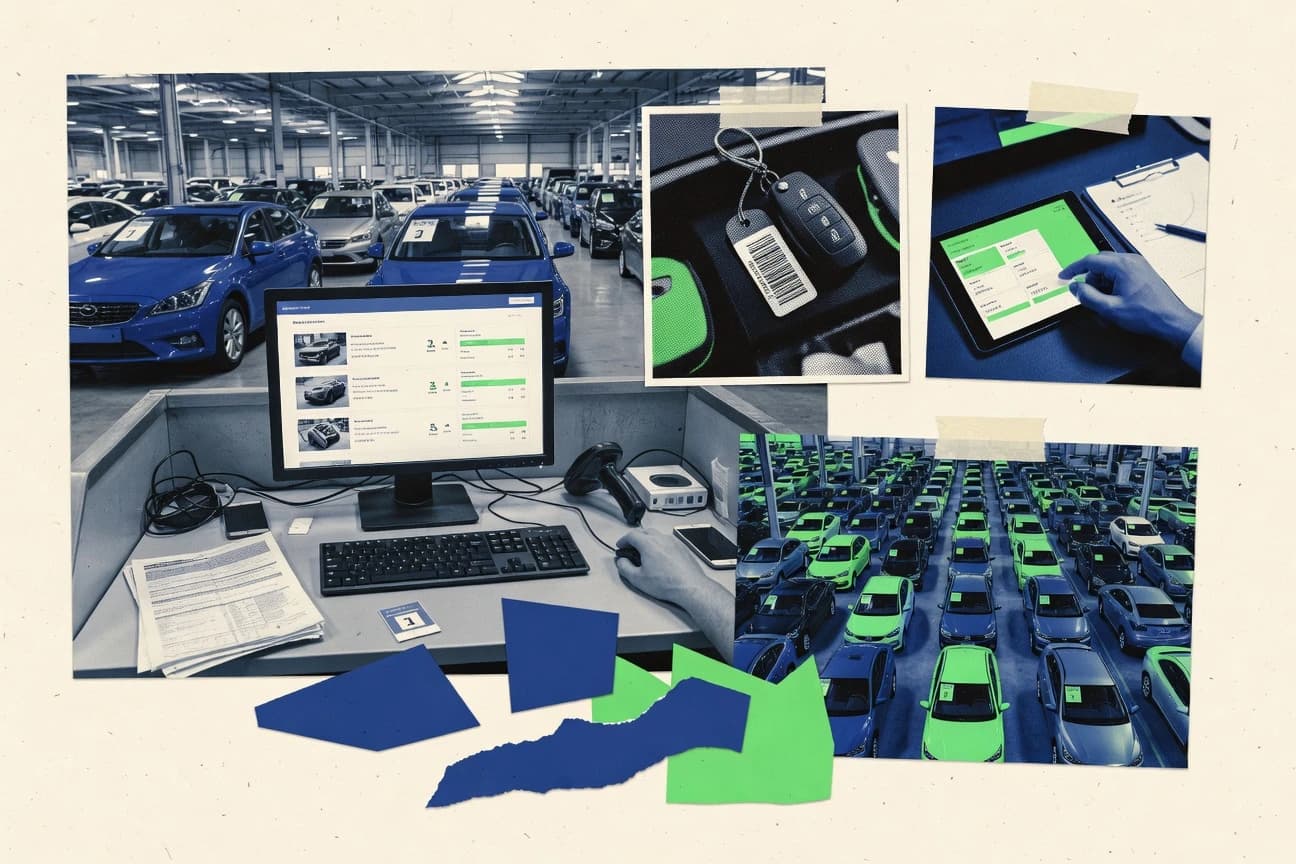
GITNUXSOFTWARE ADVICE
Automotive ServicesTop 10 Best Auto Auction Software of 2026
Top 10 auto auction software ranked for buyers and sellers, with side-by-side features, tradeoffs, and tools like Auction123, VAuto, and Wavebid.

How we ranked these tools
Gitnux editors write the brief first: the topic, the inclusion rules, and the frame for what belongs.
Agents extract product evidence with provenance, then collect written reviews and transcribe video reviews and podcasts.
Framework: Features 40% · Ease 30% · Value 30%
Gitnux may earn a commission through links on this page — this does not influence rankings. Editorial policy
VAuto is the strongest pick if you’re a wholesale team that needs consistent vehicle data across auction lanes and dealer operations, while Wavebid fits auction operators running frequent timed events with controlled bidder workflows, and Auction Mobility works best for dealer groups needing lane-driven bidder control plus outcome tracking.
Editor’s top 3 picks
Three quick recommendations before you dive into the full comparison below — each one leads on a different dimension.
VAuto
VIN-driven vehicle record linkage that keeps imaging, disclosures, and lot readiness aligned for auction execution.
Best for: Fits when wholesale remarketing teams need vehicle-data consistency across auction lanes and dealer operations.
Wavebid
Editor pickOperator-run lane configuration that enforces consistent bidding and lot execution across timed runs.
Best for: Fits when auction operators run frequent timed events and need controlled bidder workflows.
Auction Mobility
Editor pickLane-based bidder registration that ties eligibility to auction blocks and preserves outcomes through settlement workflows.
Best for: Fits when dealer groups need lane-driven bidder control plus sale outcome tracking across frequent auctions.
Comparison Table
VAuto
enterpriseInventory management and vehicle sourcing platform for dealers.
VIN-driven vehicle record linkage that keeps imaging, disclosures, and lot readiness aligned for auction execution.
VAuto’s core strength is end-to-end execution around wholesale remarketing, where a vehicle record feeds auction tasks from intake through lot presentation. VIN decoding and vehicle catalog fields reduce manual data entry when building auction blocks and lane assignments. Condition report content and vehicle imaging work together to keep disclosures tied to the correct lot.
One tradeoff is that teams with highly custom auction processes often need deliberate configuration to match their internal run-list and settlement steps. The best fit appears when an auction management workflow depends on consistent vehicle records and repeatable operator checklists across many lanes.
- +VIN-based vehicle records reduce intake errors for run list publishing
- +Lot readiness checklists tie condition updates to auction execution
- +Imaging and disclosure content stay associated with the correct vehicle lot
- +Automation supports repeatable dealer operations across multiple lanes
- –Custom lane and settlement workflows require careful configuration
- –Process fit depends on disciplined data capture from intake onward
- –Operational visibility into edge cases can require training for new users
- –Some integrations are workflow-dependent rather than drop-in for every auction setup
Dealer remarketing teams
Publish consistent lot details at scale
Fewer lot data corrections
Auction operations managers
Coordinate lane execution steps
Lower no-sale due to omissions
Show 2 more scenarios
Transport and intake coordinators
Match vehicle imaging to lots
Cleaner audit trail for lots
Imaging capture and disclosure content keep asset documentation attached to the correct record.
Dealer account operations
Run repeatable auction workflows
Faster throughput per lane
Workflow automation supports repeatable checklists across lanes without rewriting processes each cycle.
Best for: Fits when wholesale remarketing teams need vehicle-data consistency across auction lanes and dealer operations.
Wavebid
SMBCloud auction management software for cataloging, marketing, bidding, and settlement workflows.
Operator-run lane configuration that enforces consistent bidding and lot execution across timed runs.
Wavebid fits teams that manage repeated physical-to-digital auction processes and need consistent lane behavior across runs. Its core value is the orchestration of bidder access and auction execution so each lot follows the configured run flow without manual cross-checking. Buyers get a structured bidding experience that matches the auction cadence the seller expects.
A key tradeoff is that lane behavior depends on configuration discipline, because small workflow differences between auctions can create operational variance if setup is inconsistent. Wavebid is most useful when the same organization runs frequent timed auctions and wants the operator staff to rely on repeatable lot execution steps.
- +Timed auction lane execution supports consistent lot progression
- +Bidder access controls reduce unplanned participation errors
- +Vehicle listing workflows support repeatable auction operations
- +Integration options support synchronizing vehicle and run data
- –Workflow configuration requires ongoing operational governance
- –Some automation depth depends on external system integration work
- –Lane-specific setup can add overhead between auction formats
Auction operations teams
Run timed auctions with controlled bidding
Fewer execution mistakes during sales
Wholesale remarketing programs
Publish vehicle catalogs for each sale
Cleaner run readiness per sale
Show 1 more scenario
Systems and integration teams
Synchronize vehicle data with enterprise tools
Less manual reconciliation
Connects auction activity to external vehicle and order sources.
Best for: Fits when auction operators run frequent timed events and need controlled bidder workflows.
Auction Mobility
API-firstAuction software with branded websites, mobile bidding, catalog tools, and auction administration.
Lane-based bidder registration that ties eligibility to auction blocks and preserves outcomes through settlement workflows.
Auction Mobility is built around end-to-end dealer auction operations rather than generic auction tooling. The workflow connects run list handling to auction block execution, then carries outcomes through no-sale and settlement tracking. Buyer registration supports auction-day gate and participation controls by associating bidders to specific lanes and sale events.
A tradeoff appears in how tightly the platform aligns to in-auction processes, which can add configuration work for teams running highly customized auction formats. It fits best when a dealer group needs consistent bidder eligibility, repeatable lane execution, and standardized sale outcome reporting across frequent timed and live sessions.
- +Lane-based bidder registration that maps bidders to specific auction participation events
- +Auction block outcome tracking connects no-sale statuses to downstream settlement views
- +Configurable lane rules support repeatable execution across recurring auction runs
- +Integration points help connect vehicle intake data with auction execution and reporting
- –Admin setup for lane assignment and rule configuration can take several iterations
- –Complex cataloging workflows may require process alignment before full automation
- –Some reporting needs may depend on how integrations are implemented by the team
Dealer auction operations teams
Run timed lanes with controlled eligibility
Fewer day-of eligibility issues
Wholesale remarketing teams
Standardize vehicle intake and auction execution
Cleaner sale reconciliation
Show 1 more scenario
Dealer group administrators
Govern repeatable lane rule configuration
More consistent auction results
Administrators apply lane configurations across multiple runs to keep bid execution settings consistent.
Best for: Fits when dealer groups need lane-driven bidder control plus sale outcome tracking across frequent auctions.
Auction Edge
vertical specialistAutomotive auction management software for vehicle listings, sales, payments, and operations.
Lane-based timed auction execution that keeps lot state aligned from run list entry to auction outcome handling.
Auction Edge targets dealer auction management with vehicle intake, catalog workflows, and auction execution features.
- +Timed lane execution supports consistent bid windows across auctions
- +Lot progression tracking helps reduce manual status chasing
- +Auction operations align around run list style lot management
- +Vehicle intake and catalog workflows fit dealer reconditioning cycles
- –Extensibility relies on configuration patterns rather than broad self-serve add-ons
- –API and webhook coverage is not sufficient for fully headless marketplaces
- –VIN-centric enrichment is limited compared with heavier DMS integrations
- –Governance controls for multi-department admin roles require process discipline
Best for: Fits when auction operators need controlled lane execution plus lot status automation for dealer remarketing flows.
Bidpath
enterpriseOnline auction software for catalog management, bidding, payments, and auction administration.
API and webhooks for auction event state changes that keep external vehicle and bidder systems synchronized.
Bidpath runs dealer and auction workflows for buying and seller operations, including bid collection and auction execution for timed and live formats. It provides tools for bid management, lot organization, and run list handling so lanes and blocks can map to vehicle records during the auction event.
- +Auction event execution supports structured lot and bid workflows
- +API and webhook surface supports integration with dealer and remarketing systems
- +Run list and auction lane mapping reduce manual event operations
- +Registration and auction status handling support end to end bidder control
- –Complex configuration needed to match lane and lot assignment workflows
- –Some DMS and payment gateway integrations may require custom mapping work
Best for: Fits when auction operators need integration driven bid management tied to run lists and lane assignment.
DealerSocket
enterpriseDealer management platform with inventory and auction tools.
Configurable auction execution workflows that coordinate lot building through auction-block readiness for day-of consistency.
DealerSocket is an auto auction management system aimed at running dealer consignment flows, auction operations, and buyer onboarding in one workflow. It centers on auction execution features like lot building, run lists, and lane or block organization, with integrations to support vehicle and dealer operational data movement.
- +Auction lane and run list organization supports consistent day-of operations
- +Lot setup workflows reduce rework during catalog and block assignment
- +Status tracking helps coordinate handoffs across auction staff roles
- +Integration options support vehicle and dealer operational data exchange
- –Admin configuration requires careful setup to match local auction rules
- –Some workflows need tighter process definition to avoid manual exception handling
Best for: Fits when dealer groups need repeatable auction operations across multiple lanes and staff roles.
Auction Streaming
vertical specialistUnified wholesale auction management system with live simulcast bidding and vehicle inspection reports.
Auction setup ties vehicle catalog items to run-list execution for timed lanes, including clear end states like no-sale.
Auction Streaming targets auto auction operations with workflow support for online vehicle bidding and catalog-driven lane management. It centers on running timed auctions with live bidding and proxy bidding behavior, plus auction status handling for no-sale outcomes.
- +Timed auction execution supports consistent lane handoffs
- +Bidder registration flows reduce manual onboarding steps
- +No-sale status handling clarifies end-of-lane outcomes
- +Vehicle catalog organization speeds run-list setup
- –Limited visibility into title processing workflows versus DMS-connected stacks
- –API and webhook support depth is unclear for complex integrations
- –Arbitration and payment workflows appear less configurable
- –Simulcast bidding support may not match multi-channel auction houses
Best for: Fits when an auction operator needs timed online bidding tied to organized vehicle catalogs and operational lane runs.
PaddlUp
SMBWhite-label car auction platform for UK dealerships with DMS integration and branded bidding experience.
Lane-centric auction execution that ties lot assignment, catalog updates, and bid events into one operational flow.
PaddlUp targets auto auction management with a workflow built around auction lanes, vehicle catalogs, and bid events. The system supports timed and live-style auction workflows, including lot assignment and run-list style handling for day-of operations.
- +Lane-based lot handling supports structured run lists and auction blocks
- +Bid event workflow covers both timed sessions and live bidding operations
- +Registration flows reduce manual buyer and seller data collection
- +API and automation hooks support external system handoffs
- –Arbitration and dispute workflows lack clear depth compared to specialized operators
- –VIN decoding and imaging automation depend on external upstream data quality
- –Complex bid rule customization can require careful configuration discipline
- –Role-based governance controls are less granular than enterprise auction stacks
Best for: Fits when dealers need lane and bid workflow control with external system integrations.
AuctionMethod
vertical specialistCar auction software supporting timed, simulcast, and staggered auction events with integrated Fiserv payments.
Lane execution driven from lot and auction configuration, linking auction rules to outcome and settlement records.
AuctionMethod provides dealer auction management workflows for creating vehicle run lists, publishing auction lanes, and tracking live and timed bidding outcomes. Core capabilities include lot setup with VIN-led vehicle details, condition report and imaging capture, and configurable auction rules for increments and reserve handling.
- +Run list creation supports operational handoffs to auction lanes
- +VIN-led lot details reduce manual data entry during catalog build
- +Configurable bid increment rules keep bidding behavior consistent
- +End-to-end settlement tracking links outcomes to seller processing
- –Automation features require deliberate configuration for each auction workflow
- –API and webhook coverage for third-party integrations is less transparent than core UI tools
- –Catalog and imaging workflows can feel heavy when processing high-volume lanes
- –No-sale status handling needs careful rule configuration to match policy
Best for: Fits when dealer groups need structured lane execution, bid rule control, and settlement tracking across frequent auctions.
Auction Simplified
SMBWhite-label private wholesale auction software for independent auctions, franchise dealers, and repo companies.
Reserve, no-sale, and result-based status updates connect auction configuration to settlement-ready outcomes.
Auction Simplified is a dealer auction management tool focused on running cataloged vehicle auctions with bid control and seller settlement workflows. It supports auction configuration such as bid increment rules, reserve price handling, and no-sale outcomes tied to results.
- +Clear auction setup controls for reserve and no-sale outcomes
- +VIN-driven vehicle intake reduces manual data entry
- +Run list style operations support day-of auction execution
- +Buyer registration workflows align to lane and block activity
- –API and webhook surface is not documented in a way that supports custom integrations
- –Timed auction and simulcast bidding features are limited or not consistently covered
- –Arbitration workflow coverage appears narrow compared with larger auction stacks
- –Deep DMS and payment gateway integration depends on external handoffs
Best for: Fits when mid-size dealers need controlled auction execution without heavy custom integration work.
Conclusion
After evaluating 10 auto auction software, VAuto stands out as our overall top pick — it scored highest across our combined criteria of features, ease of use, and value, which is why it sits at #1 in the rankings above.
Use the comparison table and detailed reviews above to validate the fit against your own requirements before committing to a tool.
How to Choose the Right Auto Auction Software
Auto auction software is the control layer for dealer auction management, covering lot readiness, lane execution, bidder eligibility, and settlement-aligned outcomes across timed or live bidding workflows.
This guide covers VAuto, Wavebid, Auction Mobility, Auction Edge, Bidpath, DealerSocket, Auction Streaming, PaddlUp, AuctionMethod, and Auction Simplified. Each tool review focuses on how auction lanes get configured, how vehicle records stay consistent from intake to run list publishing, and how event state changes reach external systems.
VAuto is positioned as the most consistent choice for vehicle-data alignment using VIN-driven record linkage that ties imaging, disclosures, and lot readiness to auction execution.
Auto Auction Software for lane execution, vehicle intake, and settlement-ready outcomes
Auto auction software manages the workflows that turn a vehicle catalog into auction execution. It coordinates lane assignment, lot progression, bidder registration, and outcome handling such as no-sale statuses so staff can run consistent timed auction sessions or live bidding events.
VAuto anchors around VIN-driven vehicle record linkage that reduces intake errors and keeps imaging and disclosure updates aligned with lot readiness for run list publishing. Wavebid anchors around operator-run lane configuration that enforces consistent timed lane execution and uses bidder access controls to reduce unplanned participation errors.
Auto auction control features that prevent lane and lot-state drift
Auction execution depends on keeping vehicle records, lot states, and bidder eligibility aligned from run list entry through outcome handling. The strongest tools use explicit linkages or event-state surfaces so staff see the same truth across lanes and downstream systems.
The most buyer-relevant differences show up in lane configuration control, VIN-driven data consistency, and the depth of automation and API surface for bid and event state synchronization. These features determine whether the auction lane runs with predictable progression or requires manual exception handling.
VIN-linked vehicle records tied to auction readiness
VAuto maintains VIN-driven vehicle record linkage so imaging, disclosures, and lot readiness stay aligned for auction execution. Auction Simplified also uses VIN-driven vehicle intake to reduce manual data entry during catalog build.
Operator-controlled timed lane execution with bidder access controls
Wavebid supports operator-run lane configuration to enforce consistent bidding and lot execution across timed runs. Wavebid also applies bidder access controls to reduce unplanned participation errors during timed events.
Lane-based bidder registration mapped to auction blocks and outcomes
Auction Mobility ties lane-driven bidder registration to auction blocks and connects auction-block outcome tracking to downstream settlement views. Auction Streaming provides timed online bidding tied to organized vehicle catalogs and operational lane runs with clear end states like no-sale.
Bid and lot workflow state synchronization via API and webhooks
Bidpath provides API and webhooks for auction event state changes so external vehicle and bidder systems stay synchronized. Auction Edge emphasizes timed lane execution and lot progression tracking but does not provide enough API and webhook coverage for a fully headless marketplace.
Lot-building workflow coordination for repeatable day-of operations
DealerSocket uses configurable auction execution workflows to coordinate lot building through auction-block readiness. DealerSocket also supports auction lane and run list organization designed for consistent day-of operations.
Reserve and no-sale outcome state updates connected to settlement readiness
Auction Simplified focuses on reserve, no-sale, and result-based status updates that connect auction configuration to settlement-ready outcomes. Auction Streaming also includes clear end states like no-sale, but it has limited visibility into title processing versus DMS-connected stacks.
How to choose Auto Auction Software by integration depth and lane governance
The primary selection decision is how lane execution rules get enforced and how vehicle data linkage gets maintained during run list publishing. Tools that keep vehicle records consistent across lanes reduce intake errors and prevent lot readiness from falling out of sync.
The second decision is integration reach. Tools with documented API and webhook surfaces can drive bid management and external system synchronization, while UI-driven configuration tools may require tighter operational governance to avoid manual exceptions.
Start with the lane philosophy: operator-configured lanes or lane-driven registration
Choose Wavebid when timed auction events need operator-run lane configuration that enforces consistent bid windows and lot progression with bidder access controls. Choose Auction Mobility when lane assignment must also control bidder eligibility through lane-based bidder registration tied to auction blocks.
Confirm vehicle record alignment needs for catalog and readiness workflows
Choose VAuto when wholesale remarketing teams need VIN-driven record linkage that keeps imaging and disclosures aligned with lot readiness for run list publishing. Choose Auction Simplified when the main goal is VIN-driven vehicle intake paired with clear reserve and no-sale status updates for settlement outcomes.
Map the system of record for bid and event state changes
Choose Bidpath when bid and auction event state changes must stream to external vehicle and bidder systems via API and webhooks. Choose Auction Edge when lane execution and lot status automation are the priority, but plan for limited headless marketplace coverage because API and webhook coverage is not sufficient for that model.
Evaluate workflow repeatability for multi-staff and multi-lane operations
Choose DealerSocket when day-of consistency depends on configurable lot-building workflows that coordinate auction-block readiness across roles. Choose Auction Streaming or PaddlUp when timed lane execution must attach directly to vehicle catalog items and operational lane runs as a single operational flow.
Stress test governance effort across repeated auction cycles
Wavebid and Auction Mobility both require workflow configuration and lane assignment setup that can take operational governance discipline. Auction Edge depends on configuration patterns for extensibility, and the lack of deeper self-serve add-ons increases the need for planned configurations per auction workflow.
Who benefits from specific Auto Auction Software architectures
Different teams run auctions with different control points. Vehicle-data consistency, bidder eligibility enforcement, and event-state synchronization drive distinct software requirements across dealer groups and auction operators.
The right choice depends on whether lane execution is managed by operators, derived from lane-to-block mapping, or orchestrated through API-driven event state updates into external stacks.
Wholesale remarketing teams that run many lane types and need consistent catalog-to-execution alignment
VAuto reduces intake errors for run list publishing by keeping imaging, disclosures, and lot readiness aligned through VIN-based vehicle records across auction execution.
Auction operators running frequent timed events with strict control over who can bid
Wavebid enforces consistent bidding and lot execution through operator-run lane configuration and reduces participation errors with bidder access controls.
Dealer groups that need lane-driven bidder eligibility and traceable auction block outcomes
Auction Mobility maps bidders to specific auction participation events through lane-based bidder registration and ties no-sale statuses into settlement views via auction block outcome tracking.
Teams building integration-heavy stacks that depend on external systems for vehicles and bidder identity
Bidpath provides API and webhooks for auction event state changes so external vehicle and bidder systems stay synchronized during execution.
Mid-size dealers that prioritize controlled reserve and no-sale handling with limited custom integration work
Auction Simplified connects reserve, no-sale, and result-based status updates to settlement-ready outcomes while relying on VIN-driven intake to reduce manual data entry.
Common pitfalls when implementing Auto Auction Software for lane execution
Lane execution failures usually come from misaligned configuration between lane rules and vehicle readiness inputs. Many teams also underestimate how much governance the workflow configuration requires across repeated auction cycles.
Integration pitfalls show up when API and webhook coverage does not match the intended headless or automation-first architecture.
Treating vehicle intake as independent from lot readiness and run list publishing
VAuto prevents this drift with VIN-based vehicle record linkage that ties imaging and disclosures to lot readiness so run list publishing stays aligned with auction execution. If that discipline cannot be maintained end-to-end, custom lane and settlement workflows in VAuto still require careful configuration.
Configuring timed lane workflows without planning ongoing operational governance
Wavebid supports timed auction lane execution and bidder access controls, but workflow configuration needs ongoing governance to avoid inconsistent operator behavior across events. Auction Mobility also requires admin setup for lane assignment and rule configuration that can take several iterations.
Assuming a tool can serve fully headless integrations without sufficient API and webhook depth
Auction Edge is oriented around timed lane execution and lot progression tracking, but API and webhook coverage is not sufficient for fully headless marketplaces. Bidpath provides an API and webhook surface for auction event state changes, which is a better match for automation-first integration designs.
Overlooking title and DMS visibility requirements when the integration target is downstream processing
Auction Streaming has limited visibility into title processing compared with DMS-connected stacks, so settlement stakeholders may still require manual follow-up. PaddlUp and Auction Simplified both depend on external upstream data quality for areas like VIN decoding and imaging automation.
Expecting arbitration and dispute workflow depth to match specialized operator workflows
PaddlUp places lane-centric execution and bid events into one workflow, but arbitration and dispute workflows lack clear depth compared to specialized operators. This gap becomes a bottleneck when dispute handling becomes a frequent operational path.
How We Selected and Ranked These Tools
We evaluated VAuto, Wavebid, Auction Mobility, Auction Edge, Bidpath, DealerSocket, Auction Streaming, PaddlUp, AuctionMethod, and Auction Simplified on features, ease, and value with a features weight of 40 percent, ease weight of 30 percent, and value weight of 30 percent. Features scoring emphasized vehicle-data alignment for run list execution, lane configuration control for timed events, and the strength of automation and API and webhook surfaces for bid and auction event state synchronization.
Ease scoring prioritized how quickly teams can map lane and lot workflows into day-of operations, especially for timed auction progression and bidder onboarding flows. VAuto ranked highest because VIN-driven vehicle record linkage reduced intake errors for run list publishing and because lot readiness checklists tied condition updates to auction execution while keeping vehicle imaging and disclosure updates aligned across execution steps.
Frequently Asked Questions About Auto Auction Software
Which tools provide API and event webhooks for auction state synchronization?
How do VIN-based vehicle records reduce mismatch between imaging, disclosures, and lot readiness?
Which option is better for operator-controlled lane configuration in timed auctions?
What breaks if lot state transitions are not tightly tied to auction blocks and outcomes?
How do administrators control access across multiple auctions and staff roles?
How does data migration typically affect run list fidelity and downstream reporting in these systems?
Which tools tie bidder registration to eligibility checks at the auction-day or block level?
What tradeoff appears when a platform focuses on lane execution and configuration instead of a fully custom marketplace layer?
How should teams handle reserve price and no-sale status so settlement workflows stay consistent?
Tools reviewed
Primary sources checked during evaluation.
Referenced in the comparison table and product reviews above.
Funding and competing interests
This study was co-funded by several of the vendors assessed in it. No single vendor funded it. Funders could propose the market studied.
They had no role in selecting vendors, setting or weighting criteria, analysing data or drawing conclusions, and they received the same factual-accuracy check as every other vendor assessed.
Market definition, inclusion rules and criteria weights were fixed by an editor before research began and did not change afterwards. Editorial process →
- Automotive ServicesTop 10 Best Auto Shop Software of 2026
- Consumer RetailTop 10 Best Web Auction Software of 2026
- Automotive ServicesTop 10 Best Used Car Dealership Software of 2026
- Non Profit Public SectorTop 10 Best Auction Fundraising Software of 2026
- Finance Financial ServicesTop 10 Best Auto Loan Origination Software of 2026
Keep exploring
Comparing two specific tools?
Software Alternatives
See head-to-head software comparisons with feature breakdowns, pricing, and our recommendation for each use case.
Explore software alternatives→In this category
Automotive Services alternatives
See side-by-side comparisons of automotive services tools and pick the right one for your stack.
Compare automotive services tools→