GITNUXSOFTWARE ADVICE
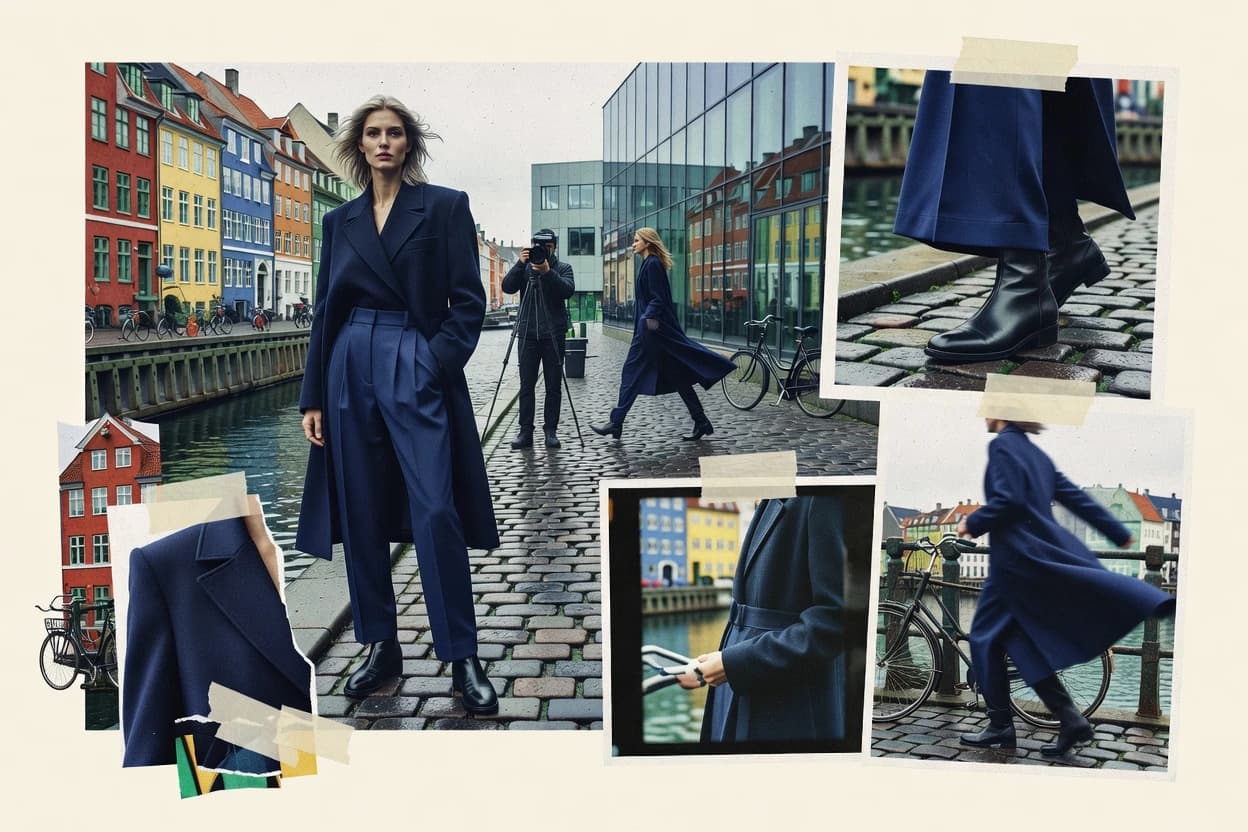
Top 10 Best AI Copenhagen Fashion Photography Generator of 2026
Compare ai copenhagen fashion photography generator tools for curation, style control, and output quality, with editorial tradeoffs for buyers.

How we ranked these tools
Vendors set the topic, but our editors set the inclusion criteria and the evaluation framework before research starts.
Agents extract product evidence with provenance, then collect written reviews and transcribe video reviews and podcasts.
Framework: Features 40% · Ease 30% · Value 30%
Gitnux may earn a commission through links on this page — this does not influence rankings. Editorial policy
Pebblely is the best pick for fashion retailers who want prompt-led scene variations while keeping the uploaded product image centered in each composition because its prompt-directed staging builds alternates without drifting the product, whereas RAWSHOT AI suits teams building configurable on-model shoots since it keeps a full seven-step set of editable choices tied to product, lighting, and framing.
Editor’s top 3 picks
Three quick recommendations before you dive into the full comparison below — each one leads on a different dimension.
Pebblely
Prompt-directed scene generation keeps the supplied product image at the center of each staged composition.
Best for: Fits when fashion retailers need prompt-led scenes around existing product photos, not generated model poses.
RAWSHOT AI
Editor pickRAWSHOT AI exposes the shoot as a seven-step set of editable choices, from product and model through lighting and composition. Its 15 image frames and 104 poses provide specific options for framing a product, while changing one selection leaves the rest of the composition in place.
Best for: E-commerce managers creating product-page imagery, marketing and brand teams developing campaign creative, and emerging labels preparing collection launches or presentations.
VModel.ai
Editor pickGarment-to-model generation turns an uploaded apparel image into a model-worn fashion photo.
Best for: Fits when apparel teams need model-worn catalog images from existing garment photos without scheduling a shoot.
Comparison Table
Pebblely
Vertical SpecialistAI product photography generator.
Prompt-directed scene generation keeps the supplied product image at the center of each staged composition.
Pebblely centers its workflow on a supplied product image, which it places into scenes selected from presets or described with text prompts. A retailer can request a Copenhagen-inspired setting with muted colors and pale architecture without arranging a location shoot.
The workflow suits accessories, shoes, and apparel shown as standalone products. It is less suited to editorial shoots that require consistent models, controlled garment fit, or the same pose across multiple images.
- +Creates alternate scenes around an uploaded product image.
- +Preset backgrounds and written prompts support different visual directions.
- +A simple upload-and-generate workflow suits quick catalog production.
- –Does not generate model-led fashion shoots with controlled poses.
- –Fine garment details can change in generated backgrounds and need review.
- –Does not provide repeatable pose controls for multi-image lookbooks.
Fashion ecommerce teams
Product listing scene variations
More varied listing imagery
Independent fashion boutiques
Copenhagen-inspired product imagery
Consistent visual direction
Show 1 more scenario
Fashion creative teams
Early campaign concepts
Faster concept review
Create quick scene options for products before committing to a photographed campaign.
Best for: Fits when fashion retailers need prompt-led scenes around existing product photos, not generated model poses.
RAWSHOT AI
AI fashion photography studioRAWSHOT AI turns fashion products into configurable on-model photos and short videos, with controls for models, styling, backgrounds, lighting, framing and poses.
RAWSHOT AI exposes the shoot as a seven-step set of editable choices, from product and model through lighting and composition. Its 15 image frames and 104 poses provide specific options for framing a product, while changing one selection leaves the rest of the composition in place.
RAWSHOT AI is an EU-built photo studio in software: users select the model, products, styling, background, lighting and composition before generating an image. A composition can include up to four products, and changing one choice leaves the rest of that composition in place. Users can also adapt a finished look from the Inspiration Gallery by replacing its product, model, background or makeup.
For example, an emerging label can use a gallery composition to prepare product imagery for a collection launch, then adjust its settings before generation. The tradeoff is that RAWSHOT AI ships one accuracy-first image style; teams seeking heavily stylized or graded imagery need to finish it in another tool.
- +1,200+ licence-free adult models, plus a private model builder.
- +Full commercial rights forever, with no recurring licensing on library models.
- +Photoshoots start at $9 a month.
- –Brands whose campaigns depend on reproducing a specific real-person ambassador need a different workflow; RAWSHOT AI uses synthetic composites.
- –Teams seeking heavily graded or stylized imagery need post-production or another image tool; RAWSHOT AI ships one accuracy-first image style.
E-commerce managers
Prepare product-page imagery
Ready-to-publish imagery
Emerging fashion labels
Create launch campaign images
Collection launch visuals
Show 2 more scenarios
Wholesale sales teams
Present a collection before samples arrive
Presentation-ready product images
Generate on-model product imagery from product photos, flat-lays, mockups or technical sketches.
Social content managers
Turn finished images into video
Short social videos
Add up to three five-second scenes with selectable camera motions and model actions.
Best for: E-commerce managers creating product-page imagery, marketing and brand teams developing campaign creative, and emerging labels preparing collection launches or presentations.
VModel.ai
Vertical SpecialistAI photo generation tool for e-commerce fashion.
Garment-to-model generation turns an uploaded apparel image into a model-worn fashion photo.
VModel.ai focuses on generating apparel imagery around a submitted garment, giving ecommerce teams a path from product-only photos to model-worn visuals. Users can create alternate model presentations and vary the visual setting for catalog or campaign concepts. The workflow suits teams that need more image variations than their production schedule can support.
Generated images can change small construction cues such as seams, prints, or trim, so they should not be treated as exact depictions of every SKU. A retailer can use VModel.ai to draft alternate campaign scenes, then check each image against the physical garment before publishing product-detail pages.
- +Converts uploaded garment images into model-worn visuals without arranging a physical photoshoot.
- +Selectable model presentations support varied catalog and campaign compositions.
- +Creates multiple visual directions from a single apparel source image.
- –Generated seams, prints, and trims can differ from the source garment.
- –Color and construction accuracy require human review before product-page publication.
fashion ecommerce teams
Model photos from flat-lay items
More catalog image options
independent clothing labels
Campaign concepts without cast bookings
Draft campaign imagery
Show 1 more scenario
fashion creative agencies
Alternate apparel image directions
Faster concept review
Creative teams can produce visual variations from supplied garment imagery for client review.
Best for: Fits when apparel teams need model-worn catalog images from existing garment photos without scheduling a shoot.
DALL-E 3
General AI Image GeneratorText-to-image generation model by OpenAI.
ChatGPT prompt rewriting turns conversational fashion direction into detailed generation instructions before DALL-E 3 renders an image.
For AI-generated fashion imagery, DALL-E 3 combines strong instruction following with ChatGPT’s conversational prompt rewriting, which turns art direction into detailed image instructions. It generates campaign concepts, styling scenes, and editorial compositions from text, while its API provides size, quality, and style controls. Short text in signs and graphic elements can appear legibly, but garment details and model continuity still need review.
- +ChatGPT rewrites conversational fashion direction into detailed generation prompts.
- +API provides selectable output dimensions, quality, and vivid or natural style.
- +Short text in signs and graphic elements can render legibly.
- –Separate generations do not reliably preserve model identity or outfit continuity.
- –The DALL-E 3 API does not support image editing or reference-image conditioning.
- –Garment construction details and branded marks can shift between outputs.
Fashion and editorial teams
Wardrobe styling scenes from prompts
Better editorial direction references
Marketing and creative teams
Campaign concepts from creative briefs
More concepts for selection
Show 2 more scenarios
Concept artists and storytellers
Character portraits with fashion direction
Faster concept iteration
Draft fictional people and outfit options before committing to production-ready designs.
Developers and product teams
Batch generation in software workflows
Repeatable image outputs
Embed programmatic image generation for repeatable asset creation inside internal pipelines.
Best for: Fits when creative teams need fashion campaign concepts from conversational art direction, not repeatable model identity.
Flair.ai
Vertical SpecialistAI-powered product photography and design tool.
The canvas-based scene builder lets users position uploaded products and props before generating the final image.
Flair.ai converts uploaded product photos into staged campaign images, using a drag-and-drop canvas to arrange products, props, and scene elements before generation. Text prompts and visual references guide backgrounds and compositions for fashion and ecommerce assets. It serves general product photography rather than a Copenhagen-specific generator, so Nordic street styling depends on prompt direction.
- +Canvas lets users place product images and props before generating a scene.
- +Text prompts and visual references give creators control over backgrounds and compositions.
- +One workflow supports fashion campaign images and general ecommerce product photography.
- –No dedicated Copenhagen setting or curated Scandinavian scene library is available.
- –Generated scenes can alter garment details or logos, requiring image review.
- –Creating multiple campaign scenes relies on repeated generation rather than a dedicated batch workflow.
Apparel and fashion teams
Coordinated lookbook spreads
Consistent lookbook concepts
Apparel sellers and marketers
Garment to model-worn scenes
More merchandising visuals
Show 2 more scenarios
Brand and marketing teams
Lifestyle campaign concept variations
Campaign-ready image alternatives
Place products into generated environments using prompts and visual references for backgrounds and composition.
Ecommerce merchandising teams
Catalog studio images from photos
More page-ready imagery
Generate studio-style product visuals and background variations from existing product photographs.
Best for: Fits when fashion teams need a visual canvas for staging product images in custom campaign scenes.
Vue.ai
vertical specialistAI fashion image generation and model styling platform for retail brands.
VueModel generates apparel model imagery from product photos within a retailer-focused content workflow.
Vue.ai suits fashion retailers producing catalog imagery at scale, combining generated model visuals with retail content workflows rather than focusing on Copenhagen-specific photography. VueModel creates model imagery from apparel product assets, while image-editing tools support background and product-image changes. Its catalog focus gives retail teams a defined production use case, but leaves less room for photographers seeking detailed Copenhagen street-style controls.
- +VueModel generates apparel model imagery from product photos.
- +Image-editing tools support background and product-image changes.
- +Retail content workflows suit catalog-scale image production.
- –Copenhagen-specific style controls are not a central product feature.
- –Public materials give limited detail on repeatable pose controls across image batches.
- –The retail catalog focus is less suited to independent creative shoot workflows.
Fashion marketing teams
Lifestyle product visuals without reshoots
More campaign assets
Brand creative teams
Coordinated lookbook editorial sequences
Reviewable lookbook drafts
Show 2 more scenarios
Ecommerce catalog teams
Consistent on-model listing images
More uniform catalog visuals
Generate uniform on-model images from garment inputs so variants follow the same visual pattern.
Content operations teams
Batch approval for fashion assets
Repeatable approval workflow
Generate image batches and route wardrobe, pose, background, and styling into a human review loop.
Best for: Fits when fashion retailers need AI model imagery and catalog image editing tied to existing product-content workflows.
Vmake
SMBAI-powered product photography and fashion model generation tool.
AI Fashion Model converts uploaded apparel photos into model-worn images with selectable model and pose variations.
Vmake centers fashion imagery on turning uploaded garment photos into model-worn product images, rather than generating every scene from text prompts. Its AI Fashion Model workflow offers model and pose variations, while background editing and image enhancement support catalog cleanup. The workflow suits quick ecommerce and social assets, but generated clothing details can shift from the source item and repeatable campaign styling has limits.
- +AI Fashion Model turns existing garment photos into model-worn product images.
- +Model and pose variations provide options without arranging a photoshoot.
- +Background editing and image enhancement support basic catalog image cleanup.
- –Generated seams, prints, and garment fit can differ from the source photo.
- –Limited repeatability makes consistent model styling across a campaign harder.
Apparel sellers and ecommerce teams
Model-worn images from garment photos
More model-worn assets
Fashion visual creatives
Stylized pose and scene drafts
Rapid editorial concept drafts
Show 2 more scenarios
Fashion brands and creative teams
Coordinated multi-look lookbook batches
More visually consistent sets
Generate batches with consistent model, garment, pose, and scene inputs for lookbook or campaign options.
Online retailers and marketplace sellers
Alternate backgrounds for product scenes
More storefront visuals
Turn one product source image into multiple styled backgrounds and lifestyle settings.
Best for: Fits when ecommerce teams need quick model-worn apparel images from existing product photos without arranging a shoot.
Pebble Studio
SMBAI image generation tool with fashion and product photography capabilities.
Apparel-photo-to-model generation creates on-model campaign images from garment shots without arranging a physical fashion shoot.
Pebble Studio turns apparel product photos into AI-generated on-model fashion images without arranging a conventional shoot. Users can create model and scene variations from garment photos for campaign and product-page use.
- +Creates on-model apparel images from product photos without a physical shoot.
- +Model and scene variations give labels alternatives for campaign and product-page visuals.
- +A focused image-generation workflow avoids the setup of a full editing suite.
- –Generated poses can alter seams, prints, or fit, requiring garment-by-garment review.
- –No public API or catalog-level batch workflow supports automated production across large assortments.
- –Fine control over garment details is limited for pieces that require exact reproduction.
Fashion brands and apparel creatives
Repeatable lookbook draft scenes
Seasonal campaign frames
Jewelry catalog teams
Lighting and variant jewelry images
Consistent catalog-style outputs
Show 2 more scenarios
Retail marketing teams
Directed product campaign compositions
Shareable campaign drafts
Generate product scenes and background variations for marketing concepts before a shoot.
Product photographers and sellers
Relight jewelry and catalog items
Lighting variations without reshoots
Apply different lighting directions to reference product images for catalog or campaign looks.
Best for: Fits when independent apparel labels need on-model campaign images from existing product photos without booking a studio.
Resleeve
vertical specialistAI-powered fashion photography generator for editorial and lookbook imagery.
Sketch-to-image generation renders hand-drawn garment concepts as model-worn fashion visuals.
Resleeve gives fashion teams a way to turn garment sketches into rendered looks on AI-generated models, linking design concepts with fashion imagery. Text and image inputs support new visual concepts and variations on existing images.
- +Sketch-to-image generation turns drawn garment concepts into model-worn visuals.
- +Text and image inputs support both new scenes and edits to existing fashion images.
- +Generated imagery gives design teams draft visuals for moodboards and concept reviews.
- –Generated seams, trims, and fabric details can diverge from the supplied design.
- –Model and scene variation can make matching a look across several images difficult.
- –AI-generated campaign visuals still need review before use as exact product documentation.
Fashion designers
Outfit concepts from sketches and text
Faster visual exploration
Costume and vintage teams
Period outfit ideation
More era-consistent visuals
Show 2 more scenarios
Fashion marketing teams
Synthetic photoshoots for direction
Early campaign visuals
Create model-based scenes with alternate environments for campaign or editorial planning.
Ecommerce and catalog teams
On-model product imagery from inputs
More review-ready product images
Turn garment photos, references, or sketches into model-based apparel visuals for presentation.
Best for: Fits when fashion designers need quick model-worn visuals from garment sketches for concept reviews and moodboards.
Ghost
vertical specialistAI fashion photography and video generation platform for retail.
Ghost’s garment-photo-to-model workflow creates fashion retail imagery from existing product assets.
For fashion teams turning catalog cutouts into model imagery, Ghost centers its workflow on AI-generated, model-worn product photos. Retailers can use existing garment images to create visual assets for ecommerce without arranging a new model shoot for each item. Its focus is fashion catalog content rather than general-purpose image generation.
- +Creates model-worn product images from existing garment photos.
- +Targets fashion retail imagery instead of broad text-to-image creation.
- +Can reduce the need to coordinate a separate model shoot for every product.
- –Generated images can alter garment details and require review against the source product.
- –Synthetic photos cannot show a garment’s actual fit or movement on a real model.
- –The fashion-specific workflow offers less scope for non-product creative work.
Retail ecommerce teams
Catalog cutouts into model-worn photos
More model-presented SKUs
Retail merchandisers
Avoid per-item model shoots
Less shoot scheduling
Show 2 more scenarios
Catalog production teams
Fashion catalog asset creation
Faster catalog updates
Generate catalog content oriented model imagery from existing fashion cutouts for online display.
Content operations teams
On-demand product image generation
Quicker content turnaround
Produce model-worn ecommerce images from garment inputs to support recurring content refresh cycles.
Best for: Fits when fashion retailers need model-worn catalog images from existing garment photos.
How to Choose the Right AI Copenhagen Fashion Photography Generator
VModel.ai leads this guide with a 9.3/10 overall score and converts uploaded apparel photos into model-worn images. RAWSHOT AI offers seven editable shoot stages, 15 image frames, and 104 poses.
The guide also covers Pebblely, DALL-E 3, Flair.ai, Vue.ai, Vmake, Ghost, Pebble Studio, and Resleeve. These tools range from Pebblely’s staged scenes around product photos to Resleeve’s model-worn visuals from garment sketches, with different levels of control over repeatability and garment detail.
What an AI Copenhagen Fashion Photography Generator Produces
An ai copenhagen fashion photography generator creates fashion images for a Copenhagen-inspired brief, using product photos, text direction, or garment sketches as inputs. The label describes the intended visual direction, not a shared built-in style control across the tools in this guide.
VModel.ai turns apparel photos into model-worn images, while Flair.ai lets users position product images and props on a visual canvas before generation. Flair.ai has no dedicated Copenhagen setting or curated Scandinavian scene library, so that look depends on user-directed scene choices rather than a named preset.
Image Inputs, Composition Controls, and Production Fit
Fashion generators differ first by the asset they accept: VModel.ai, Vmake, and Ghost turn garment photos into model-worn images, while Resleeve also accepts garment sketches. That input choice determines whether a team can reuse product photography or must direct a new scene.
Garment-photo conversion
VModel.ai converts uploaded apparel images into model-worn visuals and offers selectable model presentations. Vmake also creates model-worn images from garment photos, with model and pose variations.
Scene direction before generation
RAWSHOT AI divides a shoot into seven editable choices and provides 15 frames and 104 poses. Flair.ai lets users place product images and props on a canvas before generating a scene.
Product scene versus campaign concept
Pebblely keeps an uploaded product image central while generating prompt-directed scenes. DALL-E 3 uses ChatGPT to turn conversational fashion direction into generation instructions, but does not accept reference images through its API.
Retail content workflow
Vue.ai places VueModel apparel imagery and image editing within a retailer-focused content workflow. Ghost targets fashion retail images made from existing product assets.
Sketch input and assortment scale
Resleeve turns garment sketches into model-worn concept visuals and also accepts text and image inputs. Pebble Studio creates on-model campaign images from product photos but has no public API or catalog-level batch workflow.
Choose by Source Asset, Composition Control, and Output Use
Start with the source material and the image job. VModel.ai and Vmake work from apparel photos, Pebblely stages existing product photos, and Resleeve can turn a garment sketch into a model-worn visual.
Match the input to the assets on hand
Choose VModel.ai, Vmake, Vue.ai, Ghost, or Pebble Studio when the starting point is an apparel photo. Choose Resleeve when a drawn garment concept needs a model-worn visualization.
Choose model imagery or staged product scenes
For apparel shown on a synthetic model, compare VModel.ai and Vmake. For a product image placed in a designed setting, compare Pebblely’s prompted scenes with Flair.ai’s canvas-based placement of products and props.
Decide how much of the composition to specify
RAWSHOT AI suits teams that want separate choices for product, model, lighting, and composition. DALL-E 3 suits teams that prefer to describe a campaign direction conversationally through ChatGPT.
Check garment details against the source
VModel.ai, Vmake, Pebblely, and Flair.ai can alter seams, prints, trims, or logos in generated images. Review each output against the original garment before using it as product-page imagery.
Test the production workflow before scaling
Pebble Studio lacks a public API and catalog-level batch workflow, which limits automated production across large assortments. DALL-E 3 exposes an API with selectable dimensions, quality, and style, while its API does not support image editing or reference-image conditioning.
Teams Matched to Fashion Image Workflows
Retail teams with existing garment photography can use VModel.ai, Vmake, Vue.ai, or Ghost to create model-worn product imagery. Designers and campaign teams may need a different input or more direct scene control.
Apparel catalog teams with garment photos
VModel.ai creates model-worn visuals from uploaded apparel images, and Vue.ai combines VueModel imagery with product-image editing in a retailer-focused workflow.
Creative teams staging product scenes
Flair.ai provides a canvas for positioning products and props, while Pebblely creates alternate scenes around an uploaded product image using prompts and preset backgrounds.
Labels preparing controlled product and campaign imagery
RAWSHOT AI offers seven editable shoot stages, 15 image frames, and 104 poses. Its library includes more than 1,200 licence-free adult models, and it also has a private model builder.
Fashion designers reviewing garment concepts
Resleeve turns hand-drawn garment concepts into model-worn visuals and accepts text and image inputs for new scenes or edits.
Avoiding Garment, Continuity, and Workflow Mismatches
A generated fashion image can resemble the intended brief while changing construction details. Product-page and campaign workflows also differ in how well they preserve a model, garment, or composition across images.
Treating a generated garment image as an exact product record
VModel.ai and Ghost can change seams, prints, trims, or other garment details. Compare each generated image with the source before publishing product information.
Expecting one generated image to establish a consistent campaign identity
DALL-E 3 does not reliably preserve model identity or outfit continuity between separate generations. Vmake also has limited repeatability for consistent model styling across a campaign.
Choosing a model-photo tool for a background-led product scene
Pebblely creates scenes around an existing product image, while it does not generate controlled model poses. Flair.ai offers canvas placement for products and props when scene staging matters.
Assuming a Copenhagen look comes from a built-in setting
Flair.ai has no dedicated Copenhagen setting or curated Scandinavian scene library. Direct its backgrounds and compositions yourself rather than relying on a named regional preset.
Selecting a concept tool for automated catalog production
Pebble Studio has no public API or catalog-level batch workflow. Teams automating large assortments should account for that limitation before adopting it for production.
How We Selected and Ranked These Tools
We evaluated feature coverage at 40% of each score, with ease of use and value each accounting for 30%. We compared each tool’s input types, image controls, retail workflow, and stated limitations against apparel photography needs. VModel.ai ranked first with a 9.3/10 Overall score because it converts uploaded apparel images into model-worn visuals and supports selectable model presentations.
Frequently Asked Questions About AI Copenhagen Fashion Photography Generator
Which generators turn existing garment photos into model-worn fashion images?
How should a team choose between product staging and model-led photography?
When is a text-to-image tool more useful than a garment-photo workflow?
What breaks if generated images must preserve garment details exactly?
Can these tools connect to an API or automate image production?
What security and access controls should teams check before uploading apparel images?
Which tools can create a Copenhagen street-style look?
What source files work best for getting started?
Which tools suit design reviews rather than finished ecommerce assets?
Conclusion
After evaluating 10 ai copenhagen fashion photography generator, Pebblely stands out as our overall top pick — it scored highest across our combined criteria of features, ease of use, and value, which is why it sits at #1 in the rankings above.
Use the comparison table and detailed reviews above to validate the fit against your own requirements before committing to a tool.
Tools reviewed
Primary sources checked during evaluation.
Referenced in the comparison table and product reviews above.
Funding and competing interests
This study was co-funded by several of the vendors assessed in it. No single vendor funded it. Funders could propose the market studied.
They had no role in selecting vendors, setting or weighting criteria, analysing data or drawing conclusions, and they received the same factual-accuracy check as every other vendor assessed.
Market definition, inclusion rules and criteria weights were fixed by an editor before research began and did not change afterwards. Editorial process →
- Top 10 Best AI Good Product Photo Generator of 2026
- Top 10 Best Layered Necklace AI On Model Photography Generator of 2026
- Top 10 Best AI Showcase Photography Generator of 2026
- Top 10 Best Chinos AI On Model Photography Generator of 2026
- Top 10 Best AI Show Card Generator of 2026
- Top 10 Best Chiffon AI On Model Photography Generator of 2026
- Top 10 Best AI Action Poses Generator of 2026
- Top 10 Best AI Fashion Model Variation Generator of 2026
- Top 10 Best AI Boho Outfit Generator of 2026
- Top 10 Best AI Gobo Lighting Generator of 2026
- Top 10 Best AI Contrapposto Poses Generator of 2026
- Top 10 Best Romper AI On Model Photography Generator of 2026
- Top 10 Best Lace AI On Model Photography Generator of 2026
- Top 10 Best Knee High Boots AI On Model Photography Generator of 2026
- Top 10 Best Chelsea Boots AI On Model Photography Generator of 2026
- Top 10 Best Kente AI On Model Photography Generator of 2026
- Top 10 Best AI 3D Product Photography Generator of 2026
- Top 10 Best AI Winter Campaign Generator of 2026
- Top 10 Best AI Seated Poses Generator of 2026
- Top 10 Best AI Lookbook Page Generator of 2026
Keep exploring
Comparing two specific tools?
Software Alternatives
See head-to-head software comparisons with feature breakdowns, pricing, and our recommendation for each use case.
Explore software alternatives→Need a personal recommendation?
Software Advisory Service
Skip months of vendor evaluation. Our analysts recommend the right tool for your business in 2–4 weeks.
Talk to an analyst →