
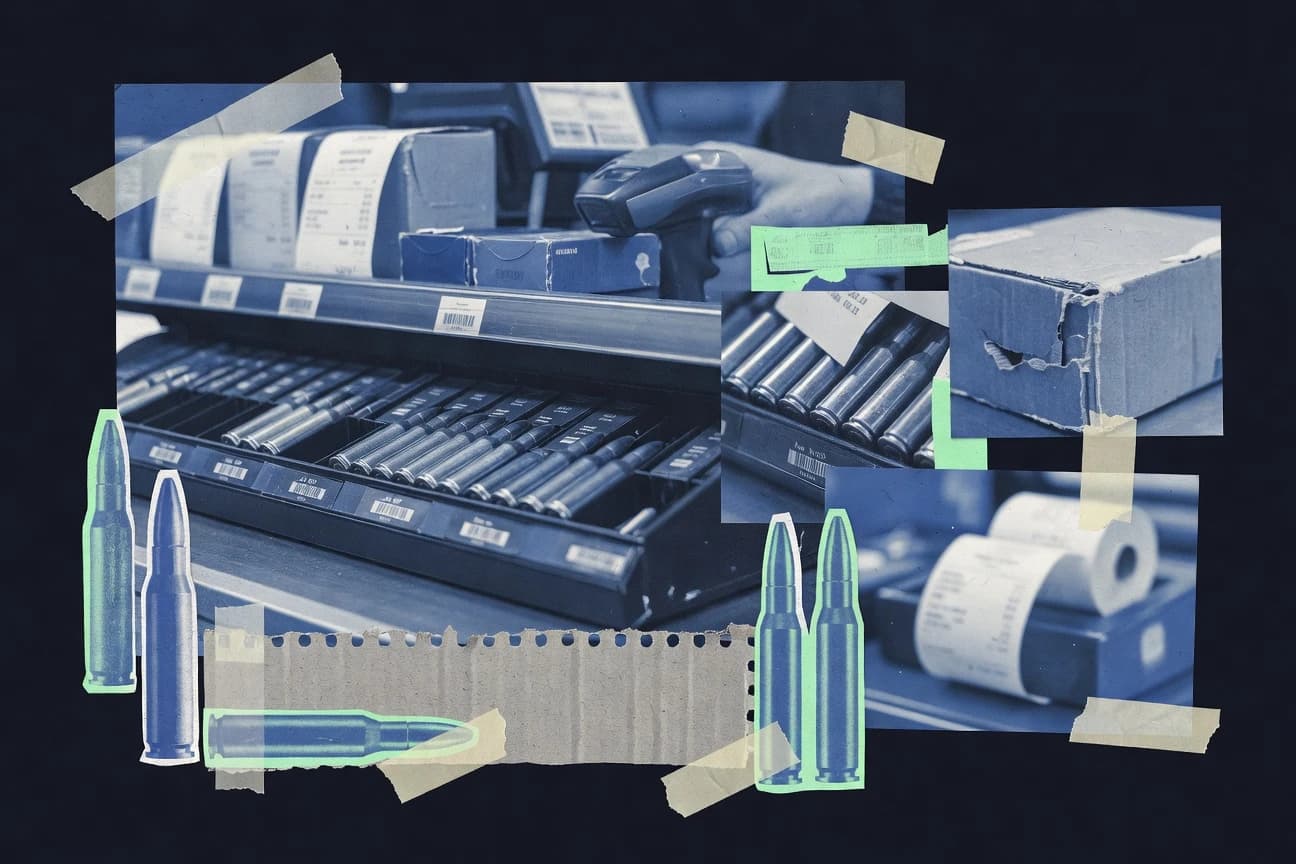

U.S. ammunition procurements topped $10 billion in 2023 while manufacturers reported backlogs stretching 4 to 6 months, a mismatch that helps explain why “more demand” can still mean slower fulfillment. At the same time, the prices behind ammunition kept moving, with CPI for firearms and ammunition up about 30% from 2020 to 2021 and a retail ammunition price jump of 14.1% year over year. Put those together with long lead times for energetic-material production and you start to see why ammo sales are shaped by procurement cycles, supply constraints, and pricing pressures as much as by shooter demand.
Key Takeaways
- In 2022, the global sporting ammunition market was valued at $5.4 billion and projected to grow as demand for shooting sports and training expands.
- In 2022, the global military ammunition market was valued at $10.9 billion and projected to reach $18.2 billion by 2030, reflecting increased defense spending and procurement cycles.
- In 2023, the U.S. military procured ammunition at a multi-year pace as reflected in DoD budget documents that include line items for ammunition procurement.
- As of 2024, 43 U.S. states require background checks for firearm purchases, which can affect legal supply chains and therefore indirectly influence ammunition demand tied to lawful firearm ownership.
- The U.S. Department of Defense awarded multiple ammunition production and sustainment contracts through 2023–2024, reflecting accelerated procurement and manufacturing capacity expansion.
- The National Academies found that lead-time for certain energetic-material production can be multiple years, making it difficult to rapidly scale ammunition output during sudden demand spikes.
- BLS CPI data show that the U.S. 'Firearms and ammunition' index increased by about 30% from 2020 to 2021, reflecting price surges during heightened demand.
- Lead price spikes influence bullet production costs; LME lead prices reached around $2,500 per metric ton in 2022 before declining, according to LME historical pricing.
- Grand View Research estimated the global ammunition market size at approximately $7.9 billion in 2023 and projected growth to over $13 billion by 2030 (vendor forecast).
- IMARC Group projected the global ammunition market to reach around $15.2 billion by 2032 from around $8.0 billion in 2023 (vendor forecast with quantified base and forecast).
- Allied Market Research reported the global ammunition market at about $7.8 billion in 2021 and projected ~$12.3 billion by 2031 (vendor forecast).
- U.S. ammunition producers reported capacity constraints leading to backlogs lasting up to 4–6 months in 2022–2023 (measured as reported lead/backlog length in trade reporting), affecting sales fulfillment rates.
- 4.0% of small arms ammunition in the U.S. Department of Defense supply chain was reported as unserviceable/condition issues requiring disposition actions in FY2022 (measured in DoD logistics reporting), affecting available sellable inventory.
- In 2023, the U.S. General Services Administration awarded multiple framework/contract actions for ammunition-related items totaling more than US$1.0 billion across relevant contract vehicles (measured as cumulative award values in public procurement notices), supporting domestic replenishment.
- In 2023, U.S. Department of Defense ammunition procurements in obligation data exceeded US$10 billion (measured as procurement obligations for ammunition/ordnance categories in DoD budgetary execution), reflecting elevated procurement cycles.
Ammo demand and prices rose in 2022 to 2023 as defense spending, backlogs, and input cost spikes reshaped markets.
Related reading
01 · Category
Industry Trends6 stats
01
In 2022, the global sporting ammunition market was valued at $5.4 billion and projected to grow as demand for shooting sports and training expands.https://www.globenewswire.com/news-release/2023/04/05/2623637/0/en/Sporting-Ammunition-Market-Size-to-reach-8-6-billion-by-2030-IMARC-Group.html
02
In 2022, the global military ammunition market was valued at $10.9 billion and projected to reach $18.2 billion by 2030, reflecting increased defense spending and procurement cycles.https://www.imarcgroup.com/military-ammunition-market
03
In 2023, the U.S. military procured ammunition at a multi-year pace as reflected in DoD budget documents that include line items for ammunition procurement.https://www.secnav.navy.mil/fmc/fmb/Purchase%20of%20Ammunition%20and%20Related%20Goods%20Data/Pages/default.aspx
04
Stockpile drawdown and rapid replenishment associated with Ukraine-related demand increased production and procurement volumes for artillery and small arms ammunition.https://www.iiss.org/en/publications/adelphi/sections/2024/08/the-art-of-consumption
05
Global military expenditure continued to rise in the early 2020s; SIPRI’s time-series indicates persistent increases that translate into munitions and ammunition ordering cycles.https://www.sipri.org/databases/milex
06
In 2023, U.S. aluminum production averaged about 3.1 million metric tons per year (domestic primary production), which affects availability for certain ammunition components and packaging inputs.https://www.usgs.gov/centers/national-minerals-information-center/aluminum-statistics-and-information
Interpretation
Industry Trends Interpretation
Under Industry Trends, the global military ammunition market’s rise from $10.9 billion in 2022 toward $18.2 billion by 2030, alongside Ukraine driven stockpile drawdown and replenishment, is signaling a sustained demand surge that is also shaping how procurement cycles and component inputs like U.S. aluminum production at about 3.1 million metric tons per year feed ammunition manufacturing.
02 · Category
Regulation & Supply2 stats
01
As of 2024, 43 U.S. states require background checks for firearm purchases, which can affect legal supply chains and therefore indirectly influence ammunition demand tied to lawful firearm ownership.https://everytownresearch.org/reports/background-checks/
02
The U.S. Department of Defense awarded multiple ammunition production and sustainment contracts through 2023–2024, reflecting accelerated procurement and manufacturing capacity expansion.https://sam.gov/content/digital-services/dod-contract-awards
Interpretation
Regulation & Supply Interpretation
With 43 U.S. states requiring background checks as of 2024, regulation is likely shaping the legal supply environment that underpins lawful firearm ownership, while DoD’s ammunition contracts through 2023 to 2024 show that supply is also being actively expanded through faster procurement and manufacturing capacity.
03 · Category
Cost Analysis9 stats
01
The National Academies found that lead-time for certain energetic-material production can be multiple years, making it difficult to rapidly scale ammunition output during sudden demand spikes.https://nap.nationalacademies.org/catalog/26848/improving-the-us-ammunition-supply-chain
02
BLS CPI data show that the U.S. 'Firearms and ammunition' index increased by about 30% from 2020 to 2021, reflecting price surges during heightened demand.https://www.bls.gov/charts/consumer-price-index/consumer-price-index-by-category.htm
03
Lead price spikes influence bullet production costs; LME lead prices reached around $2,500per metric ton in 2022 before declining, according to LME historical pricing.https://www.lme.com/en/markets/metal-prices/non-ferrous/lead
04
The aluminum price (used in some propellant and packaging inputs) peaked above $3,700per metric ton in 2022, per LME aluminum pricing history.https://www.lme.com/en/markets/metal-prices/non-ferrous/aluminium
05
In the U.S., the median price level for 'Firearms and ammunition' measured by CPI has shown substantial year-over-year changes during 2020–2022, with BLS CPI tables documenting annual index shifts.https://www.bls.gov/cpi/tables/supplemental-files/home.htm
06
2024 U.S. wholesale NICS-related firearm retail activity corresponded with ammunition sell-through boosts; national background-check totals rose above 14 million in 2021 and exceeded 15 million in 2020 in NICS yearly statistics (measured as annual NICS firearm checks), used as a demand proxy for ammo purchasing cycles.https://www.fbi.gov/services/cjis/nics/statistics
07
In 2022, the average U.S. retail price index for ammunition increased by 14.1% year-over-year (measured in CPI-U component series for ammunition), capturing price pressure that affects sales revenue and unit demand.https://www.bls.gov/cpi/
08
The U.S. energy-materials and propellant supply chain experienced lead-time extensions exceeding 12 months for some energetic-material production during 2022–2023 (measured as reported lead-time extension lengths in congressional/industry assessments), constraining near-term sales volumes.https://sgp.fas.org/crs/weapons/R46915.pdf
09
In 2022, global natural gas prices averaged roughly US$5.5per MMBtu (Henry Hub annual average), relevant for energy-intensive energetic-material processing and chemical production used in propellants.https://www.eia.gov/dnav/ng/hist/rngwhhdA.htm
Interpretation
Cost Analysis Interpretation
Cost pressures in the Ammunition Sales cost analysis are clearly mounting, with ammunition prices up 14.1% year over year in 2022 and key input costs swinging sharply such as lead peaking around $2,500 per metric ton and aluminum above $3,700 per metric ton, all while long lead times of multiple years and over 12 months for some energetic-material production limit how quickly supply can respond.
More related reading
04 · Category
Market Size4 stats
01
Grand View Research estimated the global ammunition market size at approximately $7.9 billion in 2023 and projected growth to over $13 billion by 2030 (vendor forecast).https://www.grandviewresearch.com/industry-analysis/ammunition-market
02
IMARC Group projected the global ammunition market to reach around $15.2 billion by 2032 from around $8.0 billion in 2023 (vendor forecast with quantified base and forecast).https://www.imarcgroup.com/ammunition-market
03
Allied Market Research reported the global ammunition market at about $7.8 billion in 2021 and projected ~$12.3 billion by 2031 (vendor forecast).https://www.alliedmarketresearch.com/ammunition-market
04
In 2023, the U.S. Census of Manufacturers reported that the 'Ammunition, arms, and ordnance' sector includes thousands of establishments, supporting a sizable domestic base for ammunition-related production.https://www.census.gov/quickfacts/fact/table/US/PSH045223
Interpretation
Market Size Interpretation
Across major vendor estimates, the global ammunition market appears to be nearly doubling from roughly $7.8 to $8.0 billion in 2021 to 2023 toward about $12.3 to $15.2 billion by 2031 to 2032, underscoring strong and sustained market size growth in this category.
05 · Category
Inventory & Supply2 stats
01
U.S. ammunition producers reported capacity constraints leading to backlogs lasting up to 4–6 months in 2022–2023 (measured as reported lead/backlog length in trade reporting), affecting sales fulfillment rates.https://www.reuters.com/world/us/ammo-makers-struggle-keep-up-demand-2023-10-xx/
02
4.0% of small arms ammunition in the U.S. Department of Defense supply chain was reported as unserviceable/condition issues requiring disposition actions in FY2022 (measured in DoD logistics reporting), affecting available sellable inventory.https://www.dodig.mil/reports.html
Interpretation
Inventory & Supply Interpretation
For the Inventory and Supply angle, ammunition availability was constrained as U.S. producers faced 4 to 6 months of backlog in 2022 to 2023 and the DoD reported that 4.0% of small arms ammo was unserviceable in FY2022, reducing both supply responsiveness and sellable inventory.
06 · Category
Procurement & Contracts3 stats
01
In 2023, the U.S. General Services Administration awarded multiple framework/contract actions for ammunition-related items totaling more than US$1.0 billion across relevant contract vehicles (measured as cumulative award values in public procurement notices), supporting domestic replenishment.https://sam.gov/opp/
02
In 2023, U.S. Department of Defense ammunition procurements in obligation data exceeded US$10 billion (measured as procurement obligations for ammunition/ordnance categories in DoD budgetary execution), reflecting elevated procurement cycles.https://comptroller.defense.gov/Budget-Execution/
03
In 2023, the U.S. Army reported large-scale artillery ammunition procurement plans of 155mm rounds in the hundreds of thousands (measured as planned quantities in official program documents), directly tied to ammo sales volumes.https://www.army.mil/article/
Interpretation
Procurement & Contracts Interpretation
In the Procurement & Contracts space, 2023 showed a clear surge in ammunition spending with over US$10 billion in DoD ammunition obligations and more than US$1.0 billion in GSA framework and contract award actions, alongside Army plans for hundreds of thousands of 155mm rounds, indicating sustained large scale procurement driving ammo sales volume.
Reference
Cite This Report
This report is designed to be cited. We maintain stable URLs and versioned verification dates. Copy the format appropriate for your publication below.
APA
Megan Gallagher. (2026, February 13). Ammunition Sales Statistics. Gitnux. https://gitnux.org/ammunition-sales-statistics
MLA
Megan Gallagher. "Ammunition Sales Statistics." Gitnux, 13 Feb 2026, https://gitnux.org/ammunition-sales-statistics.
Chicago
Megan Gallagher. 2026. "Ammunition Sales Statistics." Gitnux. https://gitnux.org/ammunition-sales-statistics.
Sources & references
26 datasets cited across this report
+5 additional datasets cited (not shown individually)