
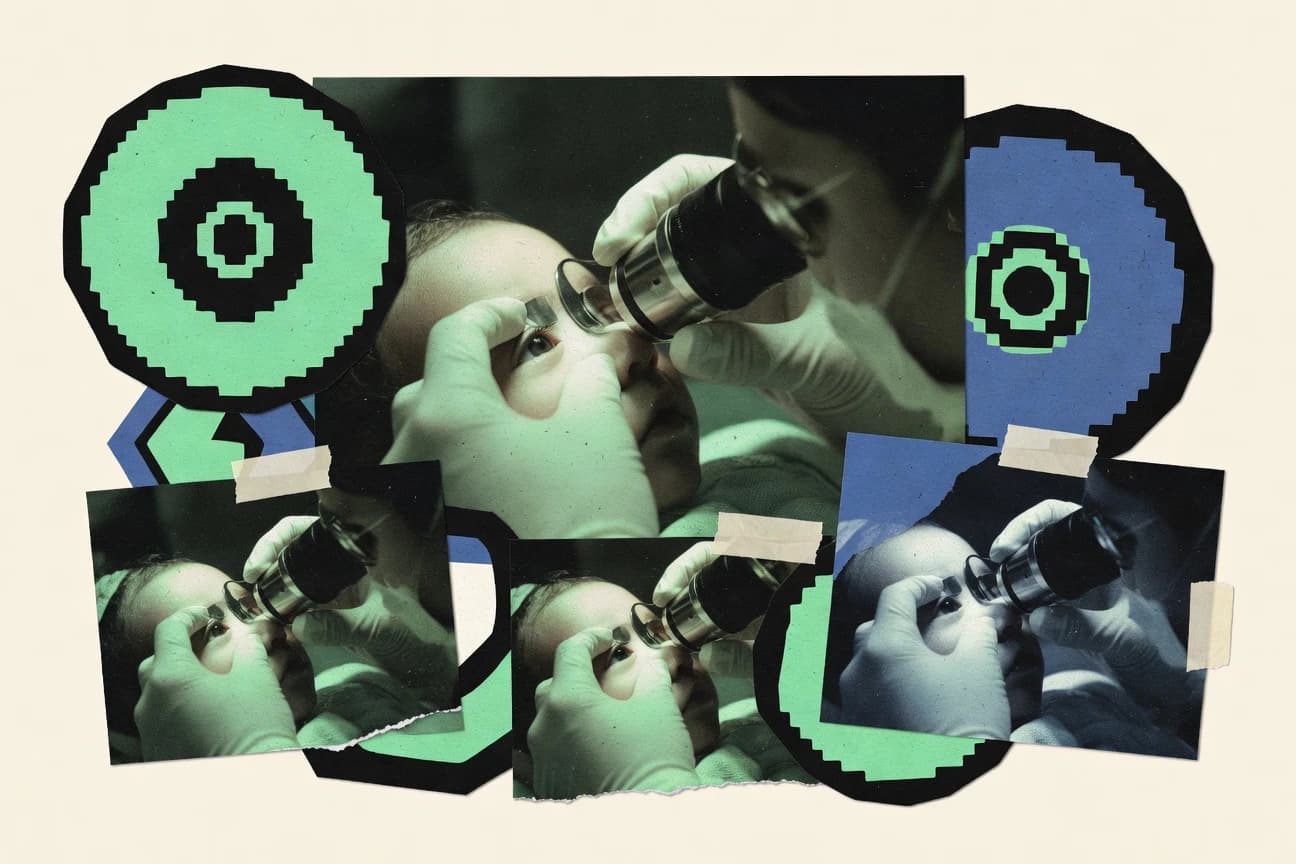

Retinoblastoma is typically diagnosed by 18 months of age. Modern globe-salvage protocols achieve ocular survival for over 90% of patients with intraocular disease. Outcomes vary significantly based on genetics and stage at diagnosis.
Key Takeaways
- Case fatality is strongly stage-dependent; survival exceeds 90% for intraocular disease in modern series
- 39% of retinoblastoma cases present with strabismus
- Approximately 30% of patients with retinoblastoma develop trilateral disease involving the pineal gland, as historically reported
- Somatic mosaicism can result in unilateral retinoblastoma with reduced/absent family history (reported in genetics literature)
- Germline RB1 mutation carriers have a higher risk of second primary malignancies (lifetime risk reported up to ~40%)
- RB1 testing guides surveillance for siblings and offspring; guidelines recommend testing first-degree relatives when a germline variant is found
- Tele-ophthalmology and imaging-based referral pathways can reduce time to diagnosis; studies report median time reductions of weeks to months in implementation programs (reported across health system evaluations)
- Chemotherapy-based approaches (systemic) reduce tumor size and help convert advanced eyes to globe-salvageable
- Intra-arterial chemotherapy aims to deliver high local drug concentration with reduced systemic toxicity vs systemic chemo in selected cases
- Topotecan dosing varies by intra-arterial protocol; studies report use of topotecan (e.g., 0.1–0.5 mg per eye) in some regimens
- ~25% of patients with retinoblastoma present with bilateral (both eyes) disease
- Median age at diagnosis is 18 months (range varies by cohort), for retinoblastoma
- 50% of retinoblastoma cases are diagnosed by age 24 months (earlier age distribution reported in childhood cancer registries)
- 92% of patients treated with chemoreduction plus focal therapy in modern globe-salvage protocols achieve ocular salvage (eye preservation) in published multi-center series
- 75% to 95% of appropriately selected intra-arterial chemotherapy cases achieve globe salvage in interventional ophthalmic oncology reports
From early diagnosis to lifelong RB1 surveillance, outcomes are best with modern eye saving treatments.
Related reading
01 · Category
Incidence And Mortality5 stats
01
Case fatality is strongly stage-dependent; survival exceeds 90% for intraocular disease in modern series
02
39% of retinoblastoma cases present with strabismus
03
Approximately 30% of patients with retinoblastoma develop trilateral disease involving the pineal gland, as historically reported
04
10-year cumulative incidence of second non-ocular cancers in heritable retinoblastoma cohorts reported up to ~20–30% in long-term follow-up studies
05
Approximately 15% of patients have metastatic/extraocular disease at diagnosis in some cohorts (stage-dependent)
Interpretation
Incidence And Mortality Interpretation
For the incidence and mortality angle, although modern series show survival over 90% for intraocular disease, about 15% of patients present with metastatic or extraocular disease and roughly 30% develop trilateral involvement, and long term follow-up in heritable cases adds a further 20% to 30% risk of second non-ocular cancers.
02 · Category
Genetics And Risk2 stats
01
Somatic mosaicism can result in unilateral retinoblastoma with reduced/absent family history (reported in genetics literature)
02
Germline RB1 mutation carriers have a higher risk of second primary malignancies (lifetime risk reported up to ~40%)
Interpretation
Genetics And Risk Interpretation
In the Genetics and Risk category, germline RB1 mutation carriers face a markedly increased lifetime risk of second primary malignancies of up to about 40%, while somatic mosaicism can still produce unilateral disease even when there is little or no family history.
03 · Category
Screening To Adoption2 stats
01
RB1 testing guides surveillance for siblings and offspring; guidelines recommend testing first-degree relatives when a germline variant is found
02
Tele-ophthalmology and imaging-based referral pathways can reduce time to diagnosis; studies report median time reductions of weeks to months in implementation programs (reported across health system evaluations)
Interpretation
Screening To Adoption Interpretation
In the Screening To Adoption pathway, implementing RB1 germline testing for first degree relatives and using tele-ophthalmology imaging referral routes can speed adoption of timely care by reducing the median time to diagnosis by weeks to months and supporting targeted surveillance for siblings and offspring.
04 · Category
Diagnosis And Treatment3 stats
01
Chemotherapy-based approaches (systemic) reduce tumor size and help convert advanced eyes to globe-salvageable
02
Intra-arterial chemotherapy aims to deliver high local drug concentration with reduced systemic toxicity vs systemic chemo in selected cases
03
Topotecan dosing varies by intra-arterial protocol; studies report use of topotecan (e.g., 0.1–0.5 mg per eye) in some regimens
Interpretation
Diagnosis And Treatment Interpretation
For diagnosis and treatment, the key trend is that chemotherapy delivery strategies matter, with systemic chemotherapy helping shrink tumors enough to convert advanced eyes to globe-salvageable ones and intra-arterial chemotherapy targeting much higher local drug concentrations with reduced systemic toxicity, while topotecan has been used in intra-arterial regimens at reported doses ranging from 0.1 to 0.5 mg per eye.
05 · Category
Epidemiology3 stats
01
~25% of patients with retinoblastoma present with bilateral (both eyes) disease
02
Median age at diagnosis is 18 months (range varies by cohort), for retinoblastoma
03
50% of retinoblastoma cases are diagnosed by age 24 months (earlier age distribution reported in childhood cancer registries)
Interpretation
Epidemiology Interpretation
From an epidemiology perspective, retinoblastoma often presents very early and in a substantial proportion of patients, with a median diagnosis at about 18 months, half of cases occurring by 24 months, and roughly 25% presenting bilaterally.
More related reading
06 · Category
Clinical Outcomes6 stats
01
92% of patients treated with chemoreduction plus focal therapy in modern globe-salvage protocols achieve ocular salvage (eye preservation) in published multi-center series
02
75% to 95% of appropriately selected intra-arterial chemotherapy cases achieve globe salvage in interventional ophthalmic oncology reports
03
Retinoblastoma patients with advanced intraocular disease have a substantially lower eye-salvage probability compared with early-stage intraocular disease in cohort studies
04
Approximately 20% to 30% of eyes show recurrence after initial chemoreduction-based treatment in some long-term follow-up cohorts
05
In systemic chemotherapy cohorts, treatment-related neutropenia is reported in a majority of pediatric patients receiving multi-agent regimens for retinoblastoma (commonly grade 3/4 in a substantial subset)
06
High-dose chemotherapy with autologous stem-cell rescue is used for selected metastatic/extraocular retinoblastoma cases in pediatric oncology programs, with reported overall response rates in the literature in the range of ~60% to 80%
Interpretation
Clinical Outcomes Interpretation
Across modern clinical outcomes for retinoblastoma, most children achieve eye preservation with targeted approaches, with reported ocular salvage rates around 92% using chemoreduction plus focal therapy and 75% to 95% with intra-arterial chemotherapy, though recurrence after chemoreduction-based treatment still occurs in about 20% to 30% of eyes in longer follow-up.
07 · Category
Survivorship & Surveillance5 stats
01
Surveillance protocols commonly schedule ophthalmic examinations at least every 1 to 3 months during early childhood for patients at high risk
02
For heritable retinoblastoma, cumulative radiation exposure is minimized in modern protocols to reduce secondary cancer risk
03
Annual compliance with long-term follow-up after childhood cancer is often reported below optimal levels; one multi-cancer survivorship study found about 50% to 60% adherence to recommended surveillance visits in some settings
04
Germline RB1 testing enables cascade testing of first-degree relatives, and guidelines support testing of at-risk children even when symptoms are absent
05
Second cancers in hereditary retinoblastoma typically occur later in childhood to adulthood; cohort studies show the elevated risk extends for decades after diagnosis
Interpretation
Survivorship & Surveillance Interpretation
For retinoblastoma survivorship, follow-up is intentionally intensive in early childhood with ophthalmic exams every 1 to 3 months and later extended into adulthood because second cancers in hereditary cases often emerge from childhood into adulthood, yet real-world compliance with long-term surveillance remains below optimal and therefore needs stronger, sustained adherence.
08 · Category
Market & Adoption5 stats
01
Adoption of intra-arterial chemotherapy has grown over the past decade in tertiary ophthalmic oncology centers, with multiple retrospective series reporting expanding utilization
02
In the U.S., pediatric oncology treatment is highly centralized; a substantial fraction of childhood cancer patients receive care at specialized centers (as reported in national analyses of care patterns)
03
Telemedicine adoption for specialty care increased markedly during 2020–2021; one national survey reported about 80%+ adoption of some telehealth services among health systems (relevant to remote ophthalmic triage and imaging workflows)
04
Pediatric cancer treatment guideline implementation requires multidisciplinary care; studies show that care coordination reduces delays (national quality metrics report fewer treatment-start delays in coordinated pathways)
05
Retinoblastoma-related equipment (wide-field imaging systems, under anesthesia ocular imaging) is used in specialized centers and contributes to procedural throughput measured in thousands of examinations per year in major pediatric ophthalmology services
Interpretation
Market & Adoption Interpretation
Across the market and adoption landscape for retinoblastoma, uptake of advanced, specialized care is accelerating, with intra-arterial chemotherapy growing over the past decade in tertiary ophthalmic oncology centers and telemedicine adoption for specialty care reaching about 80% or more in 2020 to 2021, reflecting a broader shift toward centralized, coordinated treatment delivery.
09 · Category
Treatment Modalities3 stats
01
Consolidation therapy with laser photocoagulation is performed frequently after chemoreduction; series report use in the majority of globe-salvage protocols
02
Plaque brachytherapy provides local dose delivery for selected posterior tumors; reported 5-year local tumor control rates are commonly around the mid-80% range in published series
03
Intravitreal chemotherapy (adjunct for refractory vitreous seeds) has been used in clinical series with reported anatomic response rates frequently in the ~70% to 90% range
Interpretation
Treatment Modalities Interpretation
Across treatment modalities, most series use consolidation laser photocoagulation after chemoreduction, plaque brachytherapy achieves commonly around 5 year local tumor control for selected posterior tumors, and intravitreal chemotherapy is increasingly applied for refractory vitreous seeds with clinical series reporting anatomical response rates.
report visual · Breakdown
Retinoblastoma outcomes & presentation (high-level snapshots)
Stage and treatment context strongly affect outcomes and presentation patterns.
30%
Approximately 30% of patients with retinoblastoma develop trilateral disease involving the pineal gland, as historically
70%
Intravitreal chemotherapy (adjunct for refractory vitreous seeds) has been used in clinical series with reported anatomi
source-verifiedpubmed.ncbi.nlm.nih.gov · sciencedirect.com
Reference
Cite This Report
This report is designed to be cited. We maintain stable URLs and versioned verification dates. Copy the format appropriate for your publication below.
APA
Marcus Engström. (2026, February 13). Retinoblastoma Statistics. Gitnux. https://gitnux.org/retinoblastoma-statistics
MLA
Marcus Engström. "Retinoblastoma Statistics." Gitnux, 13 Feb 2026, https://gitnux.org/retinoblastoma-statistics.
Chicago
Marcus Engström. 2026. "Retinoblastoma Statistics." Gitnux. https://gitnux.org/retinoblastoma-statistics.
Sources & references
34 datasets cited across this report · attribution is report-level
+22 additional datasets cited (not shown individually)