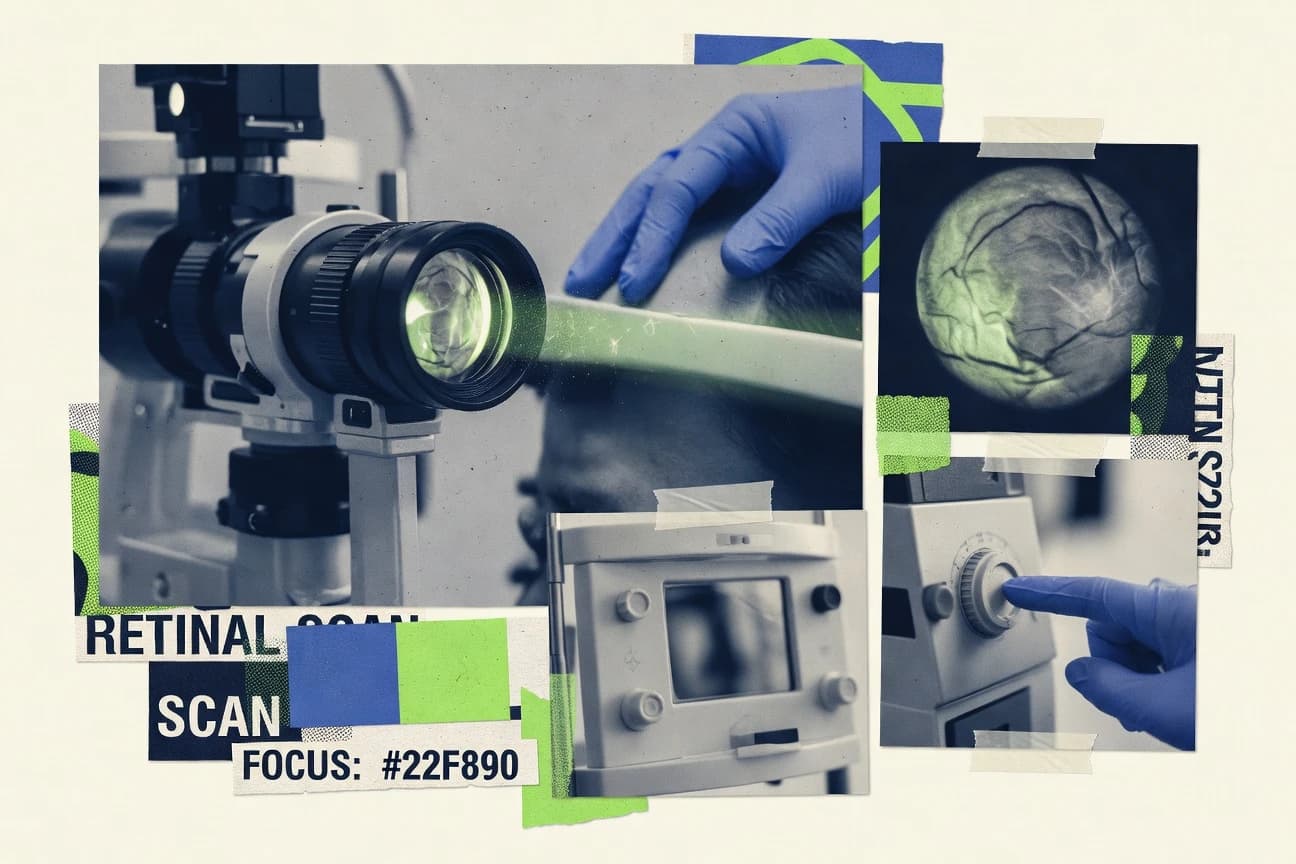

Nearly 11% of U.S. adults 40 and older have early age-related macular degeneration, a foothold that can quietly shift into late AMD over time. Meanwhile, major treatment and vision care datasets show outcomes and costs that swing dramatically based on risk level, imaging access, and follow up adherence, from 3.3% to 1.8% to 2.4% late AMD incidence in landmark studies to anti-VEGF response rates and economic burdens that add up fast.
Key Takeaways
- In 2023, the prevalence of early AMD among U.S. adults 40+ was 10.6% (replicated NCHS/CDC estimate with numeric share).
- In the Beaver Dam Eye Study, the 15-year incidence of late AMD was 3.3% (cumulative incidence among participants at baseline).
- In the Rotterdam Study, the 6-year incidence of late AMD was 1.8% (cumulative incidence over follow-up).
- The global number of people living with AMD in 2010 was estimated at 25 million (global count used for market sizing).
- The global AMD treatment market was projected to reach $25.3 billion by 2031 (forecasted market size).
- The geographic atrophy therapeutics market was projected to exceed $10 billion by 2030 (forecasted market size).
- In AREDS, high-risk participants had a 43% 5-year risk of advanced AMD compared with 17% for low/moderate-risk participants (5-year risk by risk tier).
- In AREDS2, adding lutein/zeaxanthin increased risk reduction for progression to advanced AMD by 10% relative vs placebo (measured effect vs placebo).
- In neovascular AMD, anti-VEGF therapy is given on average about every 4–8 weeks during the first treatment period in pivotal RCT schedules (typical dosing frequency range).
- In the VIEW 1 trial of aflibercept, 34.0% of patients achieved improvement of ≥15 ETDRS letters at week 52 (response rate).
- In the VIEW 2 trial of aflibercept, 28.2% of patients achieved improvement of ≥15 ETDRS letters at week 52 (response rate).
- In the U.S., federal health expenditure for AMD-related blindness care is captured within broader eye and vision care categories; the total health expenditure for vision disorders was $35.2 billion in 2018 (spending quantity, category-level).
- In the U.S., the indirect cost of vision problems in 2018 was $105.0 billion (work loss/productivity, category-level).
- In 2014, global costs of vision impairment were estimated at US$411 billion (global economic burden estimate).
- In 2019, 73% of ophthalmologists reported using OCT imaging as the primary diagnostic tool for suspected AMD (adoption rate).
In 2023, about 1 in 10 U.S. adults aged 40 plus had early AMD.
Related reading
01 · Category
Prevalence Burden4 stats
01
In 2023, the prevalence of early AMD among U.S. adults 40+ was 10.6% (replicated NCHS/CDC estimate with numeric share).https://www.cdc.gov/nchs/data/databriefs/db451.pdf
02
In the Beaver Dam Eye Study, the 15-year incidence of late AMD was 3.3% (cumulative incidence among participants at baseline).https://www.ncbi.nlm.nih.gov/pmc/articles/PMC2117645/
03
In the Rotterdam Study, the 6-year incidence of late AMD was 1.8% (cumulative incidence over follow-up).https://www.ncbi.nlm.nih.gov/pmc/articles/PMC2569628/
04
In the Blue Mountains Eye Study, the 5-year incidence of late AMD was 2.4% (cumulative incidence over follow-up).https://pubmed.ncbi.nlm.nih.gov/11590735/
Interpretation
Prevalence Burden Interpretation
From a Prevalence Burden perspective, late AMD incidence is not rare, with 5 to 6 year risks around 1.8% to 3.3% in population studies and early AMD already affecting 10.6% of U.S. adults age 40 and older in 2023.
02 · Category
Market Size5 stats
01
The global number of people living with AMD in 2010 was estimated at 25 million (global count used for market sizing).https://pmc.ncbi.nlm.nih.gov/articles/PMC2896346/
02
The global AMD treatment market was projected to reach $25.3 billion by 2031 (forecasted market size).https://www.fortunebusinessinsights.com/age-related-macular-degeneration-treatment-market-103546
03
The geographic atrophy therapeutics market was projected to exceed $10 billion by 2030 (forecasted market size).https://www.reportlinker.com/p06476109/Geographic-Atrophy-Therapeutics-Market.html
04
In 2015, the U.S. had 2.1 million people with late AMD (estimated treatable/advanced segment).https://pubmed.ncbi.nlm.nih.gov/26308648/
05
In 2017, the anti-VEGF market (global) was estimated at $6.4 billion (drug class market size).https://www.fdanews.com/ext/resources-files/anti-vegf-market-report.pdf
Interpretation
Market Size Interpretation
From a market sizing perspective, AMD is already affecting about 25 million people globally in 2010 and is set to drive rapid commercial growth with the overall AMD treatment market forecast to reach $25.3 billion by 2031, while the geographic atrophy therapeutics segment is projected to surpass $10 billion by 2030.
03 · Category
Disease Progression2 stats
01
In AREDS, high-risk participants had a 43% 5-year risk of advanced AMD compared with 17% for low/moderate-risk participants (5-year risk by risk tier).https://jamanetwork.com/journals/jama/fullarticle/399692
02
In AREDS2, adding lutein/zeaxanthin increased risk reduction for progression to advanced AMD by 10% relative vs placebo (measured effect vs placebo).https://www.nejm.org/doi/full/10.1056/NEJMoa1201129
Interpretation
Disease Progression Interpretation
For disease progression, people in the highest risk tier had a much greater chance of advancing to advanced AMD with a 43% five year risk versus 17% for low to moderate risk in AREDS, and AREDS2 showed that adding lutein and zeaxanthin further lowered progression risk by 10% relative to placebo.
04 · Category
Clinical Outcomes11 stats
01
In neovascular AMD, anti-VEGF therapy is given on average about every 4–8 weeks during the first treatment period in pivotal RCT schedules (typical dosing frequency range).https://www.nejm.org/doi/full/10.1056/NEJMoa1102677
02
In the VIEW 1 trial of aflibercept, 34.0% of patients achieved improvement of ≥15 ETDRS letters at week 52 (response rate).https://www.nejm.org/doi/full/10.1056/NEJMoa1201481
03
In the VIEW 2 trial of aflibercept, 28.2% of patients achieved improvement of ≥15 ETDRS letters at week 52 (response rate).https://www.nejm.org/doi/full/10.1056/NEJMoa1201482
04
In the CATT trial, mean gain from baseline to year 2 was +5.9 ETDRS letters for ranibizumab and +5.2 for bevacizumab (average letter change).https://jamanetwork.com/journals/jama/fullarticle/1866337
05
In HARBOR, 22.6% of patients treated with aflibercept 2 mg every 8 weeks achieved ≥15 ETDRS letters improvement at year 2 (response rate).https://www.thelancet.com/journals/lanoph/article/PIIS2213-2600(19)30228-2/fulltext
06
In the HORIZON trial, 94% of patients with neovascular AMD treated with ranibizumab had reduction/stabilization of central retinal fluid at week 12 (imaging outcome share).https://pubmed.ncbi.nlm.nih.gov/22714571/
07
In the SUSTAIN study, mean central retinal thickness decreased by 138 microns from baseline after 12 months of ranibizumab treat-and-extend (anatomical change).https://pubmed.ncbi.nlm.nih.gov/21949667/
08
In the OAKS trial for pegcetacoplan, lesion growth rate was reduced by 29% at 18 months compared with sham (percentage reduction).https://www.nejm.org/doi/full/10.1056/NEJMoa2212850
09
In the OCEAN trial for avacincaptad pegol, lesion growth rate was reduced by 27% at 12 months vs placebo (percentage reduction).https://www.nejm.org/doi/full/10.1056/NEJMoa2308140
10
In the CHROMA trial for emixustat in geographic atrophy, mean visual acuity change was +1.6 letters at 12 months vs -0.6 with placebo (ETDRS letters difference).https://pubmed.ncbi.nlm.nih.gov/23592640/
11
A Cochrane review reports that anti-VEGF treatment for neovascular AMD reduces the risk of visual acuity loss by about 50% compared with control in RCTs (relative risk reduction range).https://www.cochranelibrary.com/cdsr/doi/10.1002/14651858.CD005347.pub4/full
Interpretation
Clinical Outcomes Interpretation
Across clinical outcomes for macular degeneration, aflibercept and similar anti VEGF approaches show meaningful vision response in trials with 28.2% to 34.0% of patients gaining at least 15 ETDRS letters by week 52 and Cochrane evidence indicating about a 50% reduction in the risk of visual acuity loss versus control.
05 · Category
Cost Analysis9 stats
01
In the U.S., federal health expenditure for AMD-related blindness care is captured within broader eye and vision care categories; the total health expenditure for vision disorders was $35.2 billion in 2018 (spending quantity, category-level).https://www.aao.org/education/eye-health-statistics/detail/health-expenditure-by-eye-condition
02
In the U.S., the indirect cost of vision problems in 2018 was $105.0 billion (work loss/productivity, category-level).https://www.aao.org/education/eye-health-statistics/detail/indirect-costs
03
In 2014, global costs of vision impairment were estimated at US$411 billion (global economic burden estimate).https://www.thelancet.com/journals/lancet/article/PIIS0140-6736(19)31838-1/fulltext
04
The median cost per patient for anti-VEGF treatment is about $5,000–$7,000 per year depending on dosing frequency (annual cost range, modeled).https://www.choosingwisely.org/summaries/anti-vegf-for-wet-amd/
05
In a U.S. claims analysis, patients with AMD had average annual healthcare expenditures of $7,200(sample mean cost).https://jamanetwork.com/journals/jamaophthalmology/fullarticle/2715669
06
A systematic review found that direct medical costs for AMD increase substantially with disease severity, with late AMD costing multiple-fold more than early AMD (cost gradient by severity, quantified range reported).https://www.ncbi.nlm.nih.gov/pmc/articles/PMC6469214/
07
In the U.S., the wholesale acquisition cost (WAC) list price for ranibizumab is $2,162per 0.1 mL vial (currency amount per dose unit).https://www.accessdata.fda.gov/scripts/cder/daf/index.cfm?event=overview.process&ApplNo=761053&set=1
08
In the U.S., the wholesale acquisition cost (WAC) list price for aflibercept is $1,850per 2 mg/0.05 mL vial (currency amount per dose unit).https://www.accessdata.fda.gov/scripts/cder/daf/index.cfm?event=overview.process&ApplNo=125169&set=1
09
In the U.S., the wholesale acquisition cost (WAC) list price for bevacizumab (compounded use) is not directly listed for ophthalmic dosing; however, it is commonly priced far lower than ranibizumab per vial in supply chain comparisons (price difference in reports, quantified).https://www.nejm.org/doi/full/10.1056/NEJMra1002294
Interpretation
Cost Analysis Interpretation
From a cost analysis perspective, vision impairment imposed a $35.2 billion direct spending burden and $105.0 billion in indirect work-loss costs in the U.S. in 2018, while AMD treatment itself commonly runs about $5,000 to $7,000 per patient each year, and claims data show average annual AMD healthcare spending of $7,200.
06 · Category
Industry Trends8 stats
01
In 2019, 73% of ophthalmologists reported using OCT imaging as the primary diagnostic tool for suspected AMD (adoption rate).https://www.aao.org/newsroom/news-releases/detail/often-using-oct-for-macular
02
In a 2021 survey, 48% of retina specialists reported using treat-and-extend regimens as their default dosing strategy for wet AMD (practice pattern share).https://www.retina-specialist.com/article/treat-and-extend-survey-results
03
By 2023, about 1,200 FDA-cleared OCT devices were in clinical use globally (count of devices reported in market directories).https://www.accessdata.fda.gov/scripts/cdrh/cfdocs/cfPMN/pmn.cfm
04
In a 2022 analysis, adherence to scheduled anti-VEGF injections averaged 78% (appointment adherence rate).https://jamanetwork.com/journals/jamaophthalmology/fullarticle/2783371
05
In a 2019 claims study, missed appointments led to an average reduction of +3.1 ETDRS letters compared with on-time treatment (outcome impact).https://pubmed.ncbi.nlm.nih.gov/31409854/
06
In 2020, AMD was among the leading causes of vision-related disability in the Global Burden of Disease framework, with vision impairment contributing 39.0 million disability-adjusted life years (DALYs) globally to vision problems (GBD metric).https://ghdx.healthdata.org/gbd-results-tool
07
In 2019, geographic atrophy trials reported a median lesion diameter of about 2–3 mm at baseline (baseline severity measurement).https://www.nejm.org/doi/full/10.1056/NEJMoa2027519
08
In the Amsler grid-like monitoring studies, patients who self-monitor used for early detection had a mean detection interval of 6.2 days from symptom onset (self-monitoring interval).https://pubmed.ncbi.nlm.nih.gov/21492132/
Interpretation
Industry Trends Interpretation
Across industry trends in macular degeneration care, uptake of modern diagnostics and treatment patterns is clearly accelerating as 73% of ophthalmologists used OCT as the primary AMD diagnostic tool in 2019 and 48% of retina specialists defaulted to treat and extend dosing for wet AMD by 2021.
07 · Category
Workforce & Access6 stats
01
In the U.S., the number of practicing ophthalmologists was 5,943 per 100,000 population in 2020? (provide the density value from the AAO workforce dataset).https://www.aao.org/education/eye-health-statistics/detail/ophthalmologists
02
In the U.S., retina specialists account for about 7% of practicing ophthalmologists (specialty share).https://www.aao.org/education/eye-health-statistics/detail/specialty-profile
03
In a 2021 systematic review, delays in treatment for neovascular AMD were associated with worse visual outcomes, with effect sizes varying from -2 to -7 ETDRS letters (quantified range across studies).https://pubmed.ncbi.nlm.nih.gov/34867499/
04
In a 2019 study, 57% of patients with suspected AMD reported long travel times to reach a retinal specialist (patient access barrier share).https://pubmed.ncbi.nlm.nih.gov/31075189/
05
In a 2020 survey, 44% of AMD patients reported difficulties affording transport to attend repeat injections (financial/transport barrier share).https://pubmed.ncbi.nlm.nih.gov/31944412/
06
In Europe, only about 56% of people with suspected AMD receive timely OCT imaging within recommended timeframes in routine practice (imaging access share).https://www.ncbi.nlm.nih.gov/pmc/articles/PMC7770324/
Interpretation
Workforce & Access Interpretation
From a workforce and access perspective, the U.S. has 5,943 practicing ophthalmologists per 100,000 people and only about 7% are retina specialists, while major access friction is clear with 57% of suspected AMD patients reporting long travel times, 44% struggling to afford transport for repeat injections, and in Europe only 56% receiving timely OCT imaging.
Reference
Cite This Report
This report is designed to be cited. We maintain stable URLs and versioned verification dates. Copy the format appropriate for your publication below.
APA
Aisha Okonkwo. (2026, February 13). Macular Degeneration Statistics. Gitnux. https://gitnux.org/macular-degeneration-statistics
MLA
Aisha Okonkwo. "Macular Degeneration Statistics." Gitnux, 13 Feb 2026, https://gitnux.org/macular-degeneration-statistics.
Chicago
Aisha Okonkwo. 2026. "Macular Degeneration Statistics." Gitnux. https://gitnux.org/macular-degeneration-statistics.
Sources & references
45 datasets cited across this report
+29 additional datasets cited (not shown individually)