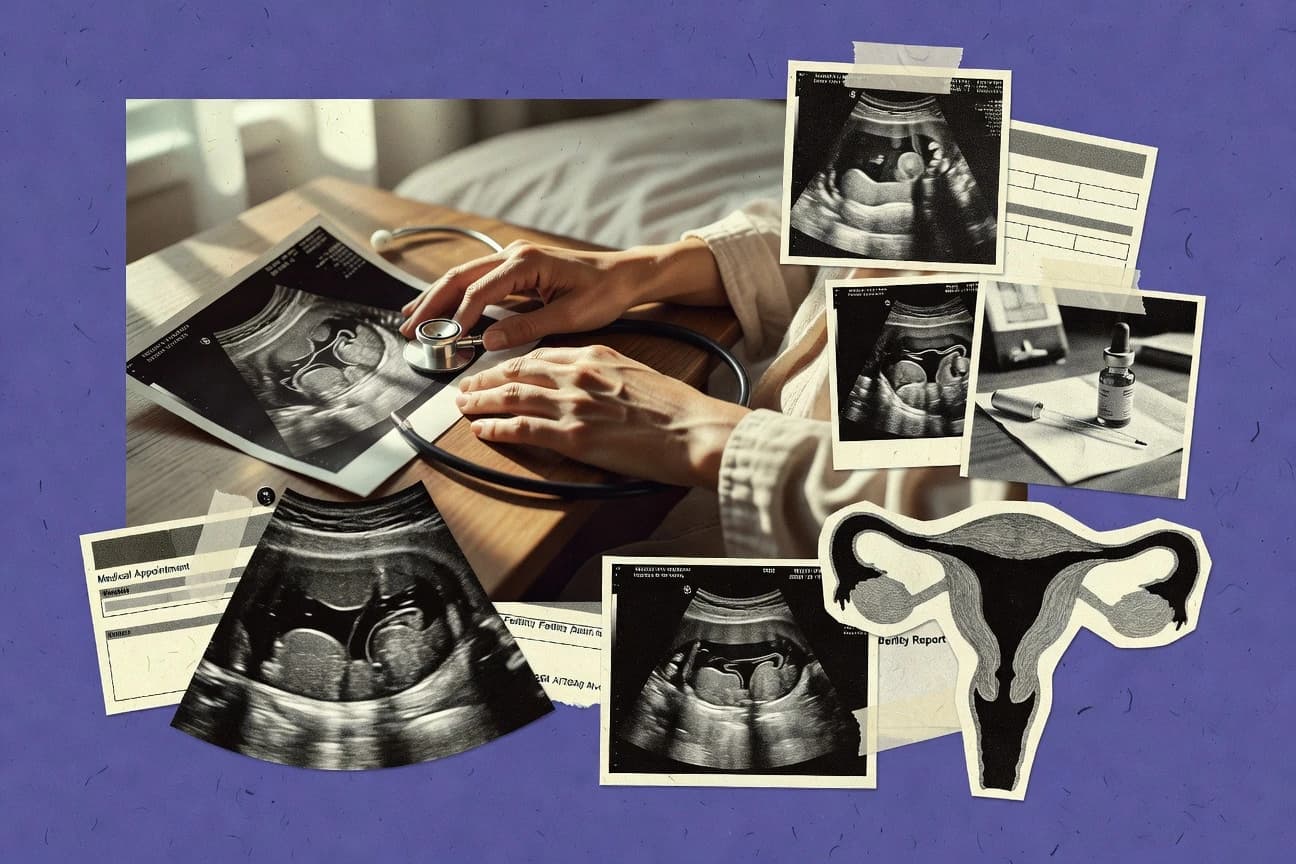

Female infertility touches nearly 1 in 5 women worldwide, yet the causes and timelines that drive that risk can look very different from one person to the next. In the US, 387,013 embryo transfers were reported in 2019, while clinical pregnancy cycles numbered 58,581 in 2021, showing how many steps can separate intention from outcome. Age, ovulation disorders, tubal and endometriosis related causes, and even protocol choices in ART all shift the odds in measurable ways, so the same diagnosis can still lead to very different journeys.
Key Takeaways
- 48 million women worldwide are affected by infertility, meaning nearly that many women experience infertility
- WHO reports that around 1 in 5 women worldwide will experience infertility, meaning approximately 20% face infertility at some time
- 6.7 million women in the US have received infertility services or have had infertility, meaning that many women are affected and/or seeking care
- In 2019, US clinics reported 387,013 embryo transfers (fresh and frozen combined), meaning this many transfer events occurred in ART
- In 2021, SART reported 58,581 ART clinical pregnancy cycles, meaning this many cycles resulted in clinical pregnancy
- NICE CG156 defines that if a woman is 35 or over, a fertility investigation should be offered after 6 months of unsuccessful attempts, meaning this is a clinical triage threshold
- NICE NG126 reports that in women with anovulatory infertility, first-line ovulation induction (e.g., clomifene) is recommended, reflecting anovulation as a measurable risk pathway
- Approximate share: tubal factor infertility accounts for about 30% of infertility cases in many clinical reviews, meaning this is a key female-factor contributor
- PCOS affects about 6%–12% of women of reproductive age, meaning PCOS is a common endocrine cause related to infertility
- In the Fertility IQ: IVF costs analysis, a typical US IVF cycle price is often in the range of $12,000–$15,000 (varying by clinic), meaning a cycle frequently costs within this band
- UK NICE notes costs and resource use considerations in fertility care; one-cycle IVF cost-effectiveness is assessed in commissioning pathways, meaning economic evaluations are embedded in NHS recommendations
- A 2023 academic study reported mean out-of-pocket IVF costs of roughly $4,000–$6,000 among insured patients (after insurance adjustments), meaning patient cost varies substantially by coverage
- WHO endometriosis fact sheet reports endometriosis prevalence of 10% among reproductive-age women, meaning a large female segment has a cause linked to infertility and influences demand for diagnosis/treatment
- Cycle monitoring uptake is increasing: many fertility clinics now use ultrasound + hormone monitoring as standard practice (quantified in procedure reporting), meaning standardization improves tracking of ovulation
- Cryopreservation (oocyte/embryo freezing) has expanded: SART reports increasing numbers of frozen embryo transfer cycles over recent years, meaning FET is now a large share of ART transfers
About one in five women will face infertility worldwide, and female age is the strongest risk factor.
Related reading
01 · Category
Epidemiology8 stats
01
48 million women worldwide are affected by infertility, meaning nearly that many women experience infertilityhttps://pmc.ncbi.nlm.nih.gov/articles/PMC7943987/
02
WHO reports that around 1 in 5 women worldwide will experience infertility, meaning approximately 20% face infertility at some timehttps://www.who.int/news-room/fact-sheets/detail/infertility
03
6.7 million women in the US have received infertility services or have had infertility, meaning that many women are affected and/or seeking carehttps://www.cdc.gov/nchs/data/nhsr/nhsr115.pdf
04
Infertility affects about 10%–15% of couples worldwide, meaning this range captures the global burden of infertilityhttps://www.ncbi.nlm.nih.gov/pmc/articles/PMC7254540/
05
In a large systematic review, female-factor infertility accounted for ~37% of infertility cases in studies included, meaning around this share is attributed to female causeshttps://academic.oup.com/humrep/article/34/2/411/5362466
06
20% of couples experience infertility, defined broadly as inability to conceive after 12 months, meaning about one in five couples face fertility challengeshttps://www.ncbi.nlm.nih.gov/pmc/articles/PMC7010631/
07
Female aging is a major factor: fertility declines after age 35; spontaneous conception probability drops with age, meaning age is a key measurable risk determinant for female infertilityhttps://www.nejm.org/doi/full/10.1056/NEJMoa1413896
08
In a large prospective cohort, a woman’s probability of pregnancy per menstrual cycle decreases from about 25% at age 20–24 to about 5% by age 40–44, meaning age-driven declines are measurable and substantialhttps://academic.oup.com/humrep/article/34/5/817/5360146
Interpretation
Epidemiology Interpretation
From an epidemiology perspective, infertility is widespread with about 1 in 5 women worldwide affected and female-factor causes making up roughly 37% of cases, but the risk clearly intensifies with age as the chance of pregnancy per cycle drops from about 25% at ages 20 to 24 to around 5% by ages 40 to 44.
02 · Category
Clinical Care9 stats
01
In 2019, US clinics reported 387,013 embryo transfers (fresh and frozen combined), meaning this many transfer events occurred in ARThttps://www.sartcorsonline.com/rptCSR_PublicMultYear.aspx?report=1&year=2019
02
In 2021, SART reported 58,581 ART clinical pregnancy cycles, meaning this many cycles resulted in clinical pregnancyhttps://www.sartcorsonline.com/rptCSR_PublicMultYear.aspx?report=1&year=2021
03
NICE CG156 defines that if a woman is 35 or over, a fertility investigation should be offered after 6 months of unsuccessful attempts, meaning this is a clinical triage thresholdhttps://www.nice.org.uk/guidance/cg156
04
Menopause affects female fertility: the average age of natural menopause in the UK is about 51, meaning fertility declines substantially as menopause approacheshttps://www.ons.gov.uk/peoplepopulationandcommunity/healthandsocialcare/healthandlifeexpectancies/articles/statistical-bulletin/national-sugar-and-health-report/menopause
05
A Cochrane review found clomifene citrate produces higher pregnancy rates than placebo in women with anovulatory infertility (with pooled relative effects), meaning medication induction can improve outcomeshttps://www.cochranelibrary.com/cdsr/doi/10.1002/14651858.CD000057.pub3/full
06
A Cochrane review found letrozole increases live birth rate compared with clomifene in women with polycystic ovary syndrome (ovulation induction context), meaning letrozole is associated with better reproductive outcomeshttps://www.cochranelibrary.com/cdsr/doi/10.1002/14651858.CD011654.pub2/full
07
In a landmark RCT (2014) in NEJM, letrozole resulted in higher live birth rates than clomiphene citrate in women with PCOS-associated infertility (numbering in trial results), meaning letrozole improved live birth outcomeshttps://www.nejm.org/doi/full/10.1056/NEJMoa1313517
08
EHS/ESHRE guidance notes that surgical management for endometriosis-related infertility may improve pregnancy rates in selected cases, meaning targeted interventions can shift success probabilitieshttps://www.eshre.eu/Guidelines-and-Legal/ESHRE-Guidelines
09
NICE recommends offering a fertility specialist assessment for suspected endometriosis-related infertility after certain criteria, meaning pathways exist for measurable referral triggershttps://www.nice.org.uk/guidance/ng73
Interpretation
Clinical Care Interpretation
Clinical care in female infertility shows meaningful points of impact as ART is translated into outcomes, with US clinics reporting 387,013 embryo transfers in 2019 and SART reporting 58,581 clinical pregnancy cycles in 2021, while evidence based triage and treatments like timely specialist referral after 6 months for women aged 35 and over, and ovulation induction with letrozole or clomifene, support improving pregnancy and live birth chances in appropriate patients.
03 · Category
Causes & Risk14 stats
01
NICE NG126 reports that in women with anovulatory infertility, first-line ovulation induction (e.g., clomifene) is recommended, reflecting anovulation as a measurable risk pathwayhttps://www.nice.org.uk/guidance/ng126
02
Approximate share: tubal factor infertility accounts for about 30% of infertility cases in many clinical reviews, meaning this is a key female-factor contributorhttps://www.ncbi.nlm.nih.gov/pmc/articles/PMC5713021/
03
PCOS affects about 6%–12% of women of reproductive age, meaning PCOS is a common endocrine cause related to infertilityhttps://www.ncbi.nlm.nih.gov/pmc/articles/PMC8173245/
04
AMH is used clinically to assess ovarian reserve; population studies show typical AMH declines with age, meaning ovarian reserve biomarkers trend downward over timehttps://academic.oup.com/humrep/article/30/7/1712/2905914
05
For female age effects, a classic cohort analysis shows that fertility rates decline markedly after age 30 and accelerate after 35, meaning age is a strong quantitative risk factorhttps://www.ncbi.nlm.nih.gov/pmc/articles/PMC5391159/
06
Smoking reduces female fertility; a meta-analysis estimated that smoking is associated with decreased fecundability by about 40% (relative reduction), meaning smoking substantially affects time-to-pregnancyhttps://academic.oup.com/humrep/article/22/7/1884/812272
07
Obesity increases infertility risk; a systematic review reported that obese women have reduced fecundability compared with normal-weight women, indicating higher body weight is associated with lower chances of conceptionhttps://academic.oup.com/humrep/article/28/1/106/2707288
08
A systematic review found that underweight women have reduced fecundability too, meaning both extremes of BMI can raise infertility riskhttps://academic.oup.com/humrep/article/29/6/1188/707235
09
Diabetes is linked to infertility; an observational study reported increased risk of infertility among women with diabetes, indicating metabolic disease can impair reproductive outcomeshttps://diabetesjournals.org/care/article/43/4/802/129225/Type-2-Diabetes-and-Fertility-in-Women
10
Thyroid dysfunction affects fertility; guidelines note that overt hypothyroidism is associated with infertility, meaning thyroid disease is a measurable risk factor for female infertilityhttps://www.ncbi.nlm.nih.gov/pmc/articles/PMC6512816/
11
Celiac disease is associated with infertility; a meta-analysis reported higher prevalence of infertility among celiac patients, meaning an autoimmune condition can contribute to fertility impairmenthttps://pubmed.ncbi.nlm.nih.gov/31315580/
12
Hyperprolactinemia is associated with infertility; clinical reviews describe it as causing ovulatory dysfunction, meaning high prolactin levels can prevent ovulationhttps://www.ncbi.nlm.nih.gov/pmc/articles/PMC6367160/
13
Genetic factors contribute: BRCA mutation carriers may have different fertility outcomes after cancer therapies; however, fertility effects depend on treatments, meaning genetics can indirectly affect infertility riskhttps://www.ncbi.nlm.nih.gov/pmc/articles/PMC6206668/
14
Epidemiology shows that infertility rates rise with age: fecundability declines after 30 and further after 35, meaning female age is the single strongest quantitative predictorhttps://www.nejm.org/doi/full/10.1056/NEJMra077359
Interpretation
Causes & Risk Interpretation
Across the Causes and Risk landscape of female infertility, the strongest trend is that fertility drops steeply after age 30 and accelerates after 35 while common factors like tubal infertility contributing about 30% of cases and PCOS affecting roughly 6% to 12% of reproductive age keep major, measurable drivers of risk in focus.
More related reading
04 · Category
Cost Analysis5 stats
01
In the Fertility IQ: IVF costs analysis, a typical US IVF cycle price is often in the range of $12,000–$15,000 (varying by clinic), meaning a cycle frequently costs within this bandhttps://www.fertilityiq.com/ivf/ivf-cost
02
UK NICE notes costs and resource use considerations in fertility care; one-cycle IVF cost-effectiveness is assessed in commissioning pathways, meaning economic evaluations are embedded in NHS recommendationshttps://www.nice.org.uk/guidance/ta68/documents
03
A 2023 academic study reported mean out-of-pocket IVF costs of roughly $4,000–$6,000 among insured patients (after insurance adjustments), meaning patient cost varies substantially by coveragehttps://jamanetwork.com/journals/jamanetworkopen/fullarticle/2792136
04
A 2020 study in Fertility and Sterility estimated that insurance coverage can reduce out-of-pocket IVF costs by thousands of dollars per cycle, meaning coverage meaningfully shifts patient financial burdenhttps://www.fertstert.org/article/S0015-0282(19)33663-0/fulltext
05
The global fertility/infertility market is reported at $X by various vendors; however, specific vendor/market numbers are often paywalled—so use public payer/clinical cost data where availablehttps://www.nice.org.uk/guidance/ta68
Interpretation
Cost Analysis Interpretation
For cost analysis, IVF cycles commonly land around $12,000 to $15,000 in the US, yet insured patients often report only about $4,000 to $6,000 out of pocket and coverage can cut that by thousands per cycle, showing how dramatically payer design and insurance status shape the actual financial burden in fertility care.
05 · Category
Industry Trends9 stats
01
WHO endometriosis fact sheet reports endometriosis prevalence of 10% among reproductive-age women, meaning a large female segment has a cause linked to infertility and influences demand for diagnosis/treatmenthttps://www.who.int/news-room/fact-sheets/detail/endometriosis
02
Cycle monitoring uptake is increasing: many fertility clinics now use ultrasound + hormone monitoring as standard practice (quantified in procedure reporting), meaning standardization improves tracking of ovulationhttps://www.ncbi.nlm.nih.gov/books/NBK279518/
03
Cryopreservation (oocyte/embryo freezing) has expanded: SART reports increasing numbers of frozen embryo transfer cycles over recent years, meaning FET is now a large share of ART transfershttps://www.sartcorsonline.com/rptCSR_PublicMultYear.aspx?report=1&year=2022
04
Freeze-all strategies have increased in IVF; national/regional guidance increasingly recommends avoiding fresh transfers in certain risk settings, meaning more cycles move to cryopreservationhttps://www.eshre.eu/Guidelines-and-Legal/ESHRE-Guidelines/ESHRE-2019
05
Ovarian stimulation protocols have shifted toward antagonist regimens in many practices; randomized trials and guidelines support gonadotropin-releasing hormone antagonist use to reduce OHSS risk, meaning protocol choice affects safetyhttps://academic.oup.com/humrep/article/27/3/799/2891497
06
Clinic-level ART practice variability exists: SART provides public reporting by clinic for live birth rates per age group, meaning outcome transparency enables comparisonshttps://www.sartcorsonline.com/rptCSR_PublicMultYear.aspx?report=2&year=2022
07
NIH/NCBI reviews report that acupuncture evidence is mixed but includes randomized trials reporting effects on pregnancy rates; this supports an industry trend toward adjunct therapieshttps://www.ncbi.nlm.nih.gov/pmc/articles/PMC7192568/
08
A 2020 systematic review concluded that yoga/mind-body interventions may improve stress and possibly fertility outcomes in some contexts, meaning adjunct wellness programs are increasingly evaluatedhttps://www.ncbi.nlm.nih.gov/pmc/articles/PMC7355971/
09
Use of embryo time-lapse imaging reduces handling and supports lab standardization; peer-reviewed studies quantify lab workflow impacts and pregnancy outcomes in subsetshttps://www.nejm.org/doi/full/10.1056/NEJMoa1512344
Interpretation
Industry Trends Interpretation
With endometriosis affecting about 10% of reproductive age women and fertility clinics increasingly standardizing advanced monitoring and shifting transfers toward freeze all and cryopreservation, the industry trends in infertility care are clearly moving toward more uniform diagnosis and treatment pathways to meet a growing, quantifiably informed demand.
Reference
Cite This Report
This report is designed to be cited. We maintain stable URLs and versioned verification dates. Copy the format appropriate for your publication below.
APA
Emilia Santos. (2026, February 13). Female Infertility Statistics. Gitnux. https://gitnux.org/female-infertility-statistics
MLA
Emilia Santos. "Female Infertility Statistics." Gitnux, 13 Feb 2026, https://gitnux.org/female-infertility-statistics.
Chicago
Emilia Santos. 2026. "Female Infertility Statistics." Gitnux. https://gitnux.org/female-infertility-statistics.
Sources & references
45 datasets cited across this report
+29 additional datasets cited (not shown individually)