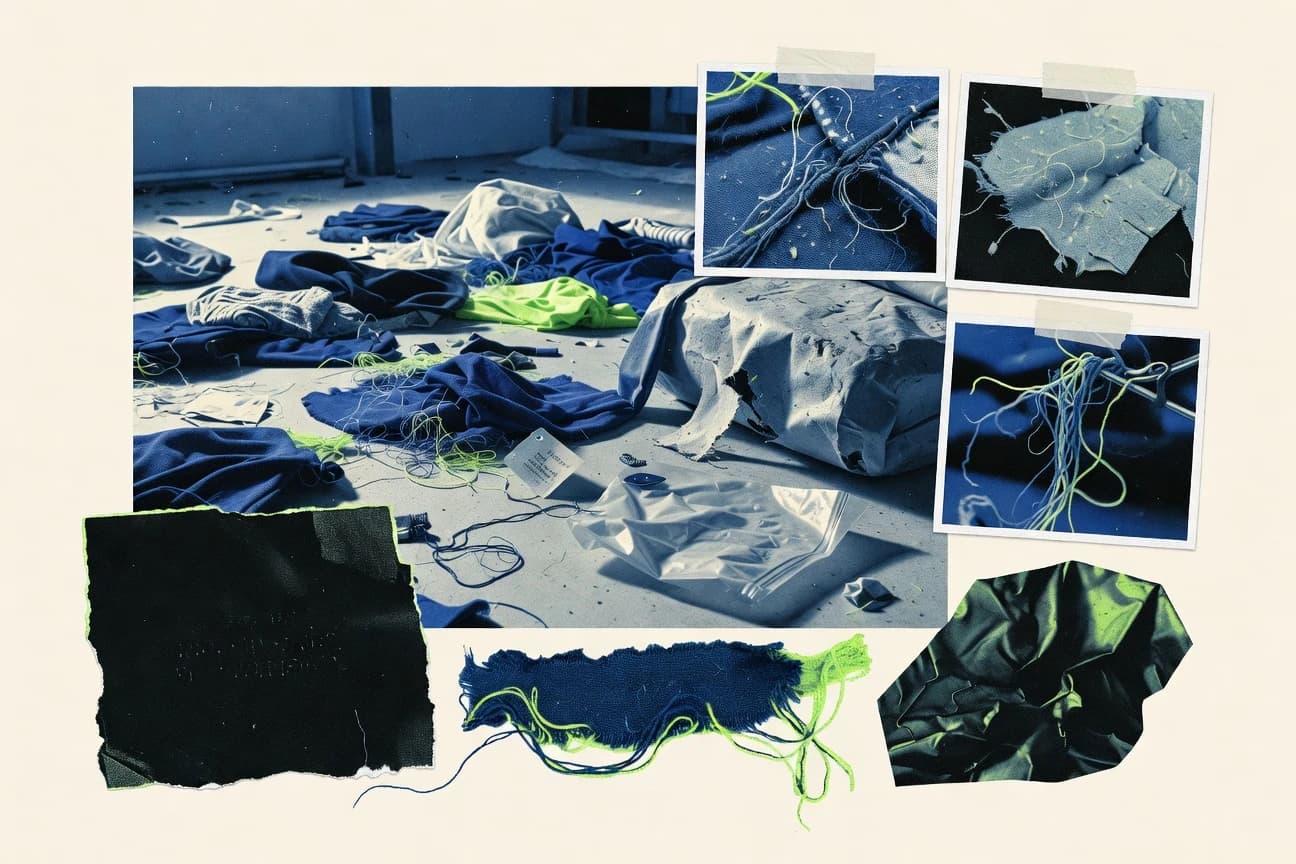

The global fashion industry discards 92 million tons of textile waste annually, equivalent to one garbage truck per second. Less than one percent of this material is recycled into new clothing.
Key Takeaways
- Average consumer buys 60% more clothing than 15 years ago but keeps items half as long
- Fashion landfill waste emits 1.2 billion tons CO2 equivalent yearly from methane
- In 2018, the global fashion industry generated 92 million metric tons of textile waste annually, equivalent to one garbage truck per second
- Fashion industry recycling rate is 1%, with $160 billion materials lost to waste
- Americans discard 81 pounds of textile waste per person annually, with 66% landfilled
Fashion generates vast waste each year, making urgent reductions in overproduction and landfill disposal essential.
Related reading
01 · Category
Consumer Waste28 stats
01
Average consumer buys 60% more clothing than 15 years ago but keeps items half as long
02
30% of clothes in wardrobes are never worn, leading to premature disposal
03
Impulse buys account for 50% of clothing purchases, discarded after 3 wears on average
04
UK consumers discard 1 million tons of clothing yearly due to short ownership
05
Americans throw away 68% of clothes after 6 or fewer wears
06
Global consumers wash clothes 33% more frequently than needed, accelerating wear
07
40% of young consumers buy trendy items expecting to discard soon
08
Households keep clothes 7 years on average, down from 10 years in 2000
09
25% of returns from online fashion sales become waste due to non-resaleable condition
10
Gen Z discards clothes 2x faster than millennials
11
60% of consumers regret purchases within a week, leading to disposal
12
Laundry causes 500,000 tons of microfiber loss yearly from consumer washing
13
35% of donated clothes are unwearable and landfilled
14
Fast fashion consumers own 5x more clothes but satisfaction 30% lower
15
50% of clothes bought during sales are discarded unused
16
Women discard 20% of maternity wear prematurely
17
Children's clothes worn 3 months on average before outgrowing
18
70% of gym wear discarded after 10 washes due to pilling
19
Holiday outfits worn once and discarded by 40% consumers
20
45% of workwear replaced yearly despite usability
21
Vintage buyers still discard 20% finds unworn
22
Renters return 30% damaged, becoming waste
23
55% consumers don't repair clothes, opting for new
24
Social media influences 60% impulse buys discarded fast
25
Uniforms discarded after one season by 25% staff
26
65% festival outfits never reworn
27
Pet clothing discarded monthly by 15% owners
28
80 billion pieces of clothing produced yearly, 40% discarded within year
Interpretation
Consumer Waste Interpretation
Our closets have become revolving doors of remorse, where fast fashion's fleeting flirtations with our wallets end in a heaping, guilty pile of textile ghosts we barely knew.
02 · Category
Landfill and Pollution26 stats
01
Fashion landfill waste emits 1.2 billion tons CO2 equivalent yearly from methane
02
Textiles occupy 5% of landfill space in US
03
Landfilled clothes take 200+ years to decompose, leaching dyes
04
11% of global microplastics (500,000 tons) from textile landfills enter oceans
05
Incineration of textiles releases 1.5 tons CO2 per ton burned
06
Fashion waste pollutes soil with PFAS from landfills at 10x safe levels
07
39% of ocean microplastics from synthetic clothing breakdown in landfills
08
Landfill leachate from textiles contaminates 20% groundwater in fashion hubs
09
Burning textiles emits dioxins 100x more toxic than other waste
10
70 million trees felled yearly for landfill-bound viscose textiles
11
Fashion landfills produce 700 million tons methane yearly
12
Heavy metals from denim dyes leach into 15% landfill sites
13
Synthetic textiles release 35% VOCs in landfills, worsening air quality
14
92 million tons textiles to landfill equals 10% global CO2 from fashion
15
Landfill fashion waste costs $500 billion in environmental damage yearly
16
25% landfill fires from spontaneous combustion of cotton bales
17
PFAS in sportswear persists in landfills for centuries
18
Textile landfill odor from anaerobic decay affects 30% nearby residents
19
40% marine pollution from landfill textile fibers
20
Incinerators emit 4kg mercury per ton textiles from dyes
21
Fashion waste landfills cover 1% Chile desert
22
Ghana landfills 15 million used garments weekly from exports
23
80% Bali beaches polluted by fashion waste from landfills
24
Landfill textiles contribute 5% global methane emissions
25
Dye leachate kills 50% landfill-adjacent aquatic life
26
Only 1% textiles recycled, 75% landfilled, 24% incinerated globally
Interpretation
Landfill and Pollution Interpretation
The fashion industry is not just dressing the planet but burying it alive, with each landfill-bound garment acting as a slow-motion weapon of mass destruction that poisons our air, water, and soil for centuries.
03 · Category
Production Waste30 stats
01
In 2018, the global fashion industry generated 92 million metric tons of textile waste annually, equivalent to one garbage truck per second
02
Textile production uses 93 billion cubic meters of water yearly, with 20% wasted in dyeing processes
03
15% of fabric used in clothing manufacturing ends up as waste during cutting and sewing, totaling 97 million tons globally per year
04
Fast fashion brands discard 30% of unsold stock before it reaches consumers, contributing to 10 million tons of waste annually
05
Cotton production waste includes 2,000 liters of water per t-shirt wasted through inefficient irrigation
06
Global apparel manufacturing discards 25% of materials as pre-consumer waste, equating to $500 billion in lost value yearly
07
Synthetic fiber production generates 35% more waste than natural fibers due to chemical byproducts
08
10-15% of dyes used in textile finishing are lost in wastewater, polluting 20% of global industrial water
09
Leather tanning in fashion wastes 17,000 liters of water per ton of hide, with 80% contaminated
10
Overproduction leads to 30% excess inventory waste in fashion supply chains annually
11
Fabric scraps from garment factories amount to 15-20% of total material input
12
Polyester production waste includes 700,000 tons of antimony catalyst residue yearly
13
97% of clothing is made from virgin materials, leading to massive raw material waste
14
Knitwear manufacturing wastes 20% of yarn during looping processes
15
Denim production generates 50 liters of wastewater per pair of jeans from stone washing
16
Global fashion factories produce 11 million tons of hazardous sludge from dyeing yearly
17
25% of global microfiber pollution originates from textile production shedding
18
Wool processing wastes 10-15% of fiber in scouring
19
Printed textiles waste 10% ink and fabric due to misalignment errors
20
Garment trimmings and offcuts total 92 million tons globally from cutting tables
21
Silk reeling wastes 30% of cocoons as non-reusable pupae
22
Viscose production emits 300,000 tons of carbon disulfide waste gas annually
23
Embroidery processes waste 5-10% thread and fabric scraps per garment
24
Footwear manufacturing discards 20% leather and synthetics as trimmings
25
Activewear stretch fabric wastes 18% due to pattern mismatches
26
Global handbag production wastes 15% exotic skins from defects
27
Lingerie lace production generates 12% waste from intricate cutting
28
Swimwear lining wastes 22% from seam allowances
29
Accessory beading wastes 25% beads and threads in fashion items
30
Global textile wet processing wastes 200 billion liters of water yearly
Interpretation
Production Waste Interpretation
While the fashion industry dresses the world in ever-changing trends, it shamefully wears the permanent stain of waste, discarding enough resources each year to clothe the forgotten.
More related reading
04 · Category
Recycling and Reuse30 stats
01
Fashion industry recycling rate is 1%, with $160 billion materials lost to waste
02
Only 12% of materials used in clothing are recycled into new clothes
03
Global textile recycling capacity covers just 2.5% of waste volume
04
Mechanical recycling degrades fibers after 2-3 cycles, limiting reuse
05
Chemical recycling processes only 0.3% of polyester waste globally
06
Second-hand market captures 10% of clothing volume, up from 5% in 2017
07
Upcycling diverts only 1 million tons from landfills yearly
08
EU textile collection rate 45%, but sorting efficiency 50%
09
US recycles 15% textiles, mostly exported for downcycling
10
India recycles 20% cotton waste into shoddy yarns
11
Sorting technology recovers 87% reusable textiles from mixed waste
12
Biodegradable fibers recycled rate 0.1% due to contamination
13
Rental models reuse clothes 30 times per item
14
Resale platforms grew 36% in 2022, but still <5% market share
15
Fiber-to-fiber recycling pilots process 50,000 tons polyester yearly
16
Wool recycling limited to 2% globally due to contamination
17
Denim recycling recovers 70% cotton but loses stretch fibers
18
87% recycled PET bottles into polyester degrades quality after one use
19
Blockchain tracing enables 20% better reuse rates in pilots
20
Garment repair extends life by 9 months, reducing waste 20%
21
Digital IDs boost recycling efficiency by 30%
22
Industrial composting recycles 5% cellulosics successfully
23
Take-back programs recycle 25% returned items in brands like H&M
24
AI sorting increases textile recovery from 40% to 90%
25
Global reuse market $192 billion but potential $725 billion if scaled
26
Leather recycling 15% into new products, rest landfilled
27
Silk waste recycling into protein scaffolds 1% utilization
28
Footwear recycling recovers 30% materials via shredding
29
Lingerie recycling pilots 10% success rate due to elastics
30
Activewear nylon recycling 5% via depolymerization
Interpretation
Recycling and Reuse Interpretation
The fashion industry is a spectacularly wasteful magician, expertly making $160 billion in materials vanish from our closets into landfills while conjuring up a paltry 1% recycling rate, proving it's still tragically better at generating headlines than circularity.
05 · Category
Textile Waste28 stats
01
Americans discard 81 pounds of textile waste per person annually, with 66% landfilled
02
Europe throws away 4 million tons of textiles yearly, 75% to landfill or incineration
03
UK households waste £140 worth of still-usable clothes per year, totaling 1.7 billion items
04
Globally, 85% of textiles end up in landfills or incinerated without reuse
05
In the US, 11.3 million tons of textile waste generated yearly, only 15% recycled
06
Australia discards 500,000 tons of clothing annually, 70% to landfill
07
India generates 1 million tons of textile waste yearly from urban areas alone
08
China produces 26 million tons of textile waste annually, with 80% informal dumping
09
Brazil landfills 1.4 billion pieces of clothing yearly
10
Germany discards 400,000 tons of textiles yearly, recycling rate 40%
11
France generates 700,000 tons textile waste annually, 50% incinerated
12
Japan throws away 921,000 tons of clothing yearly, 90% incinerated
13
Canada produces 500,000 tons textile waste per year, 95% landfilled
14
South Africa discards 300,000 tons of second-hand imports as waste yearly
15
Nigeria receives 150,000 tons of used clothing waste dumped annually
16
Bangladesh landfills 400,000 tons of post-factory textile waste yearly
17
Vietnam generates 1.8 million tons textile waste from factories and consumers
18
Turkey discards 1.5 million tons of apparel waste annually
19
Italy produces 800,000 tons textile waste yearly, 60% recycled
20
Spain generates 900,000 tons of clothing waste per year
21
Netherlands discards 150,000 tons textiles annually
22
Sweden produces 100,000 tons textile waste yearly, 50% to energy recovery
23
Belgium generates 120,000 tons clothing waste per year
24
Austria discards 80,000 tons textiles annually
25
Switzerland produces 70,000 tons textile waste yearly
26
Denmark generates 60,000 tons clothing waste per year
27
Norway discards 50,000 tons textiles annually
28
Finland produces 40,000 tons textile waste yearly
Interpretation
Textile Waste Interpretation
Our closets are staging a global landfill coup, with billions of garments annually being sentenced to death-by-dumpster while the planet picks up the tab.
Reference
Cite This Report
This report is designed to be cited. We maintain stable URLs and versioned verification dates. Copy the format appropriate for your publication below.
APA
Elena Vasquez. (2026, February 13). Fashion Industry Waste Statistics. Gitnux. https://gitnux.org/fashion-industry-waste-statistics
MLA
Elena Vasquez. "Fashion Industry Waste Statistics." Gitnux, 13 Feb 2026, https://gitnux.org/fashion-industry-waste-statistics.
Chicago
Elena Vasquez. 2026. "Fashion Industry Waste Statistics." Gitnux. https://gitnux.org/fashion-industry-waste-statistics.
Sources & references
93 datasets cited across this report