
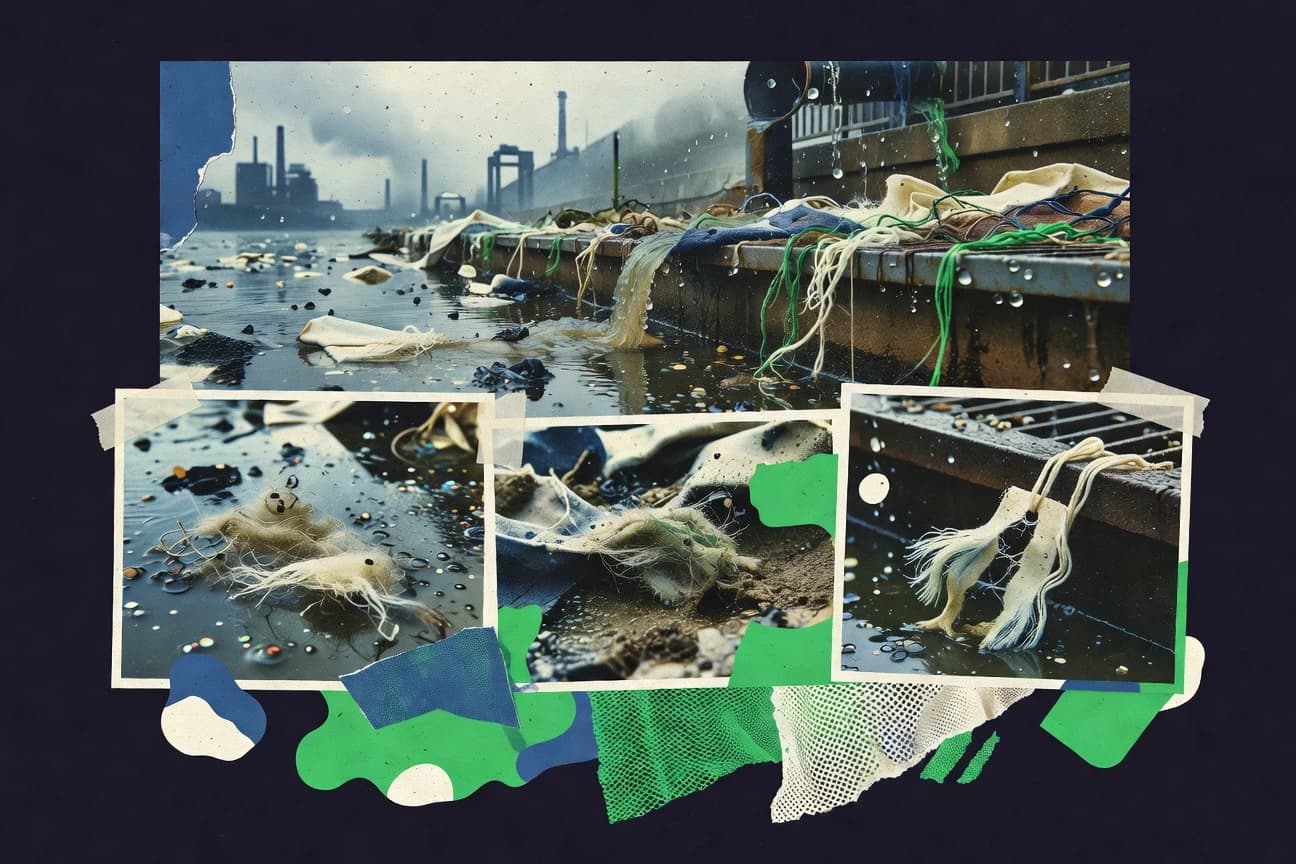

While your new jeans might look crisp and clean, their production is part of a devastating cycle that pollutes over 32 million Olympic-sized swimming pools' worth of fresh water each year, contaminating rivers with toxic dyes and chemicals from a fashion industry responsible for 20% of the world's industrial wastewater, according to the team at Rawshot AI.
Key Takeaways
- The fashion industry accounts for 20% of global industrial wastewater pollution
- Textile dyeing is the world's second largest polluter of clean water after agriculture, consuming vast amounts and discharging untreated effluents
- Producing one cotton T-shirt requires 2,700 liters of water, equivalent to one person's drinking water for 2.5 years
- Fashion industry uses 79 trillion liters of water yearly, 20% directly polluting waterways
- Textile production releases 3,000 chemicals into environment, many carcinogenic
- Nonylphenol ethoxylates (NPEs) from laundry detergents in fashion supply chains persist in water
- Fashion industry responsible for 10% of global carbon emissions, more than international flights and maritime shipping combined
- Producing 1 kg of cotton emits 20 kg CO2e due to irrigation and pesticides
- Apparel and footwear GHG emissions reached 2.1 billion tons CO2e in 2018, 4% of global total
- Fashion produces 92 million tons of waste annually, filling 3.5 billion landfills equivalent
- Only 1% of clothing is recycled into new clothing, 75% landfilled or incinerated
- Americans discard 81 pounds of clothing per person yearly, 11.3 million tons total
- Fashion sheds 35% of primary microplastics to oceans via wastewater to landfill sludge
- Washing synthetic clothes releases 500,000 tons microfibers annually to marine environments
- Polyester garments shed 0.23g microfibers per wash, 496,030 tons/year global
The fashion industry heavily pollutes both water and air while generating massive waste.
Related reading
01 · Category
Chemical Use and Discharge26 stats
01
Fashion industry uses 79 trillion liters of water yearly, 20% directly polluting waterways
02
Textile production releases 3,000 chemicals into environment, many carcinogenic
03
Nonylphenol ethoxylates (NPEs) from laundry detergents in fashion supply chains persist in water
04
Azo dyes in 60% of clothing release aromatic amines, cancer-causing
05
Per- and polyfluoroalkyl substances (PFAS) used in 70% of waterproof fashion items contaminate soil and water
06
Formaldehyde in wrinkle-free shirts exceeds safe limits in 30% of tested garments
07
Phthalates in PVC prints on T-shirts leach into skin and environment
08
Heavy metals like cadmium and lead in fashion jewelry and dyes total 8,000 tons discharged yearly
09
Flame retardants in synthetic fabrics release PBDEs, bioaccumulating toxins
10
Bleaching agents in cotton processing emit chlorine compounds harming ozone
11
500,000 tons of hazardous chemicals used annually in textile wet processing
12
Pesticides from cotton account for 24% of global insecticide use, 16% world pesticide market
13
Antimony in polyester production contaminates 10 million tons of sludge yearly
14
Chromium VI from leather tanning affects 40 million people via contaminated water
15
Volatile organic compounds (VOCs) from printing inks total 100,000 tons/year in fashion
16
PFCs in sportswear persist forever, found in 99% Arctic animals
17
Dye houses discharge 200 tons of unfixed dyes daily
18
Ammonia from nylon production pollutes air and water at 50 kg per ton fiber
19
Triclosan in antimicrobial fabrics enters waterways, promoting resistance
20
Mercury in viscose rayon pulp processing contaminates rivers
21
Plasticizers in faux leather release 1 ton phthalates per 10,000 m2 produced
22
Sulphonated oils in wool processing discharge 20% untreated
23
Disperse dyes for polyester release 30% into wastewater unbound
24
Arsenic in some denim washes exceeds EU limits by 5x
25
Nano-silver in antibacterial clothing sheds into sewage
26
8 billion liters of chemical-laden wastewater from denim per year globally
Interpretation
Chemical Use and Discharge Interpretation
The fashion industry, in its relentless quest to make you look good, has perfected a far more sinister art: turning our planet into a toxic, chemical-soaked accessory.
report visual · Key figures
Key pollution shares in fashion
Multiple fashion processes contaminate air and waterways, while hazardous chemistry and dyes are widespread.
20%
Fashion industry uses 79 trillion liters of water yearly, 20% directly polluting waterways
60%
Azo dyes in 60% of clothing release aromatic amines, cancer-causing
70%
Per- and polyfluoroalkyl substances (PFAS) used in 70% of waterproof fashion items contaminate soil and water
35%
Fashion sheds 35% of primary microplastics to oceans via wastewater to landfill sludge
30%
Formaldehyde in wrinkle-free shirts exceeds safe limits in 30% of tested garments
02 · Category
Greenhouse Gas Emissions27 stats
01
Fashion industry responsible for 10% of global carbon emissions, more than international flights and maritime shipping combined
02
Producing 1 kg of cotton emits 20 kg CO2e due to irrigation and pesticides
03
Apparel and footwear GHG emissions reached 2.1 billion tons CO2e in 2018, 4% of global total
04
Polyester production emits 9 tons CO2e per ton of fiber
05
Fast fashion supply chains emit 1.2 billion tons CO2e annually from Scope 3
06
Leather processing emits 110 kg CO2e per kg finished leather from methane
07
Global fashion GHG footprint projected to rise 60% by 2030 without action
08
Viscose production emits 90 kg CO2e per kg fiber from dissolving pulp
09
Air freight for fashion contributes 500 million tons CO2e yearly
10
Wool farming emits 25 kg CO2e per kg wool from enteric fermentation
11
Synthetic fiber manufacturing uses 1% of global fossil fuels, emitting 700 million tons CO2e
12
Retail stores' energy use emits 200 million tons CO2e per year
13
Cotton ginning and spinning emit 5 kg CO2e per kg yarn
14
Fast fashion returns generate 2.5 million tons CO2e from reverse logistics
15
Nylon 6,6 production emits 120 kg CO2e per kg due to adipic acid
16
Global textile wet processing emits 500 million tons CO2e annually
17
Fashion's Scope 1 and 2 emissions are 10% of total, mostly from factories
18
Acrylic fiber emits 8 tons CO2e per ton from acrylonitrile
19
Consumer laundry of synthetics emits 460,000 tons CO2e yearly from energy
20
Lyocell production emits 0.9 kg CO2e per kg, low but scaled to 1 million tons
21
Fashion industry methane emissions from landfills and leather total 300 million tons CO2e
22
Sea shipping for fashion emits 200 million tons CO2e, 3% of maritime total
23
H&M's supply chain emitted 175 million tons CO2e in 2022
24
Global fashion electricity use emits 1 billion tons CO2e from coal power
25
Spandex production emits 50 kg CO2e per kg from petroleum
26
Fashion e-commerce packaging emits extra 50 million tons CO2e yearly
27
Global textile industry emits 1.2 Gt CO2e, 2.5% of anthropogenic total
Interpretation
Greenhouse Gas Emissions Interpretation
If the fashion industry were a country, it would rank as the world's third-largest polluter, making our wardrobe's carbon footprint far heavier than any trend it could ever carry.
03 · Category
Microplastics and Marine Pollution29 stats
01
Fashion sheds 35% of primary microplastics to oceans via wastewater to landfill sludge
02
Washing synthetic clothes releases 500,000 tons microfibers annually to marine environments
03
Polyester garments shed 0.23g microfibers per wash, 496,030 tons/year global
04
8 million tons plastic entering oceans yearly, 1 million from laundry lint
05
One fleece jacket sheds 250g microplastics over life, polluting 500 washes
06
Marine microplastics from textiles 35% of total primary
07
Washing machine effluent carries 700,000 fibers per wash to sea
08
Nylon fishing nets from fashion waste contribute 640,000 tons marine plastic yearly
09
99% ocean microplastics from laundry, roads, tyres; textiles top source
10
Microfibers ingested by 100,000 marine mammals yearly from fashion pollution
11
Tire wear 28%, textiles 35% of ocean microplastics mass
12
One 6kg wash releases 137,951 fibers, 40% polyester, to marine food chain
13
Global microfiber emission 1.07 million tons/year from washing
14
Seabirds have 14,000 plastic pieces, 90% microfibers from clothing
15
Wastewater treatment removes only 99% microfibers, 3,000 particles/L effluent to sea
16
Acrylic sweaters shed 720,000 fibers per wash, highest of synthetics
17
Marine sediment microplastics 94% fibers from fashion textiles
18
Fish consume 12,000-24,000 tons microplastics yearly, half textile fibers
19
Polar fleece washing pollutes Arctic waters with 0.1% global microplastics
20
Tyre, road, textiles microplastics enter sea via rivers, 80% from land
21
Mussels contain 0.09 microplastics/g tissue, mostly polyester from laundry
22
Beach sand microplastics 50% clothing fibers
23
Global plastic production 400m tons, 0.5m from microfiber shedding to sea
24
Washing 100 polyester items pollutes 27 pools with microfibers
25
Deep sea sediments have 4 fibers per 10g sample from surface runoff
26
Fashion microplastics bioaccumulate in plankton, up 10x in food chain
27
93,000 tons microfibers from US washing alone enter oceans yearly
28
Coral reefs ingest 15,000 microplastic pieces/km2, 60% textile
29
Sea turtles have 50% diet microplastics from fibers
Interpretation
Microplastics and Marine Pollution Interpretation
Our closets are secretly laundering microplastics into the oceans, making our laundry rooms a primary source of the very pollution we're trying to clean up with each wash.
More related reading
04 · Category
Waste and Landfills29 stats
01
Fashion produces 92 million tons of waste annually, filling 3.5 billion landfills equivalent
02
Only 1% of clothing is recycled into new clothing, 75% landfilled or incinerated
03
Americans discard 81 pounds of clothing per person yearly, 11.3 million tons total
04
EU households throw away 12 kg textiles per person annually, 5.8 million tons
05
Fast fashion generates 10% of global landfill waste by volume
06
Polyester clothing shedding creates 0.5 million tons landfill microplastics yearly
07
Global textile waste 92 million tons/year, projected 134 million by 2030
08
Chile's Atacama desert hosts 39,000 tons used clothing dumped yearly
09
India's landfills receive 1 million tons textile waste annually from imports
10
UK sends 300,000 tons clothing to landfill yearly
11
Garment factories produce 20% fabric waste in cutting rooms, 5 million tons global
12
Second-hand clothing market discards 80% upon import in Africa
13
Washing machines discard 500,000 tons microfibers to landfills via sewage sludge
14
Luxury brands incinerate 30% unsold stock, 100,000 tons yearly
15
Global footwear waste 700 million pairs landfilled yearly
16
Synthetic textile waste decomposition takes 200+ years in landfills
17
Bangladesh landfills 400,000 tons post-factory textile waste yearly
18
Overproduction leads to 30% unsold fashion inventory landfilled
19
US textile waste recycling rate only 15%, 85% to landfill/incineration
20
Ghana receives 15 million used clothing items weekly, 40% discarded to landfill
21
Carpet waste from fashion interiors 5 billion pounds to US landfills yearly
22
Fast fashion T-shirts lifespan 10 washes, then landfill, 15 billion units/year
23
Australia's textile waste 500,000 tons/year, 70% landfilled
24
Leather scraps waste 150,000 tons/year globally from fashion
25
E-commerce fashion packaging waste 800,000 tons plastic to landfills yearly
26
Fashion industry discards 5,000 garments per minute globally to waste
27
Washing one load releases 700,000 microplastic fibers to landfill-bound sludge
28
Global fashion landfill methane emissions equivalent to 1.5 billion tons CO2e
29
98 million tons clothing produced yearly, 92 million wasted
Interpretation
Waste and Landfills Interpretation
The fashion industry is a runaway train of excess, where we meticulously produce a mountain of clothes only to immediately designate it as trash, making our landfills the world’s most tragically overstocked closet.
05 · Category
Water Usage and Pollution30 stats
01
The fashion industry accounts for 20% of global industrial wastewater pollution
02
Textile dyeing is the world's second largest polluter of clean water after agriculture, consuming vast amounts and discharging untreated effluents
03
Producing one cotton T-shirt requires 2,700 liters of water, equivalent to one person's drinking water for 2.5 years
04
The apparel industry uses 93 billion cubic meters of water annually for irrigation of cotton alone
05
Fast fashion wastewater contains dyes, heavy metals, and salts, contaminating rivers in producing countries like Bangladesh
06
Leather tanning in the fashion supply chain pollutes water with chromium and other toxic chemicals, affecting 15% of global tannery pollution
07
Denim production washes use 100 liters of water per pair of jeans on average, with 90% discharged as polluted effluent
08
Polyester fabric production requires 30 million barrels of oil yearly, indirectly contributing to water pollution via petrochemical runoff
09
In China, textile mills discharge 1.8 billion tons of wastewater annually, much from fashion-related production
10
Viscose production, used in 100 million dresses yearly, generates 70 million tons of toxic wastewater
11
Cotton farming for fashion uses 2.4% of world's arable land and 16% of global insecticides, leading to water contamination
12
One pair of jeans production pollutes 17 teaspoons of water with indigo dye residues
13
Bangladesh's 4,000 garment factories discharge 200 million liters of untreated wastewater daily into rivers
14
Fashion industry water footprint is 116 billion cubic meters per year, 5% of global total
15
Wet processing in textiles consumes 200 liters per kg of fabric, mostly discharged polluted
16
A single fashion brand's supply chain in India polluted 20 rivers with dyes in 2022
17
Global fashion water use equals 32 million Olympic-sized swimming pools annually
18
85% of denim factories in Asia have no wastewater treatment
19
Producing 1 kg of cotton fabric requires 10,000 liters of water
20
Fashion effluents in Vietnam rivers exceed safe limits for COD by 300%
21
Wool scouring pollutes water with lanolin and pesticides, 20 liters per kg wool
22
Synthetic fiber rinsing discharges microfibers and chemicals, 500,000 tons yearly to water
23
Garment washing plants in Turkey release 150 million m3 polluted water yearly
24
One T-shirt's lifecycle water pollution impact equals 2,500 liters contaminated discharge
25
Fast fashion brands discharge 5 billion liters of dye-laden water monthly worldwide
26
Rayon production pollutes 50 times more water per kg than cotton
27
Pakistan's textile sector contaminates 70% of Indus River water with salts and dyes
28
A cotton shirt requires 3,000 liters water, 20% polluted discharge
29
Global apparel water pollution causes $500 billion economic loss yearly from health impacts
30
Silk reeling discharges 15 liters polluted water per kg silk
Interpretation
Water Usage and Pollution Interpretation
Our closets may hold the latest styles, but the fashion industry's staggering thirst and toxic runoff reveal a chilling truth: we are quite literally dressing the planet for its own funeral.
Reference
Cite This Report
This report is designed to be cited. We maintain stable URLs and versioned verification dates. Copy the format appropriate for your publication below.
APA
Stefan Wendt. (2026, February 13). Fashion Industry Pollution Statistics. Gitnux. https://gitnux.org/fashion-industry-pollution-statistics
MLA
Stefan Wendt. "Fashion Industry Pollution Statistics." Gitnux, 13 Feb 2026, https://gitnux.org/fashion-industry-pollution-statistics.
Chicago
Stefan Wendt. 2026. "Fashion Industry Pollution Statistics." Gitnux. https://gitnux.org/fashion-industry-pollution-statistics.
Sources & references
70 datasets cited across this report · attribution is report-level