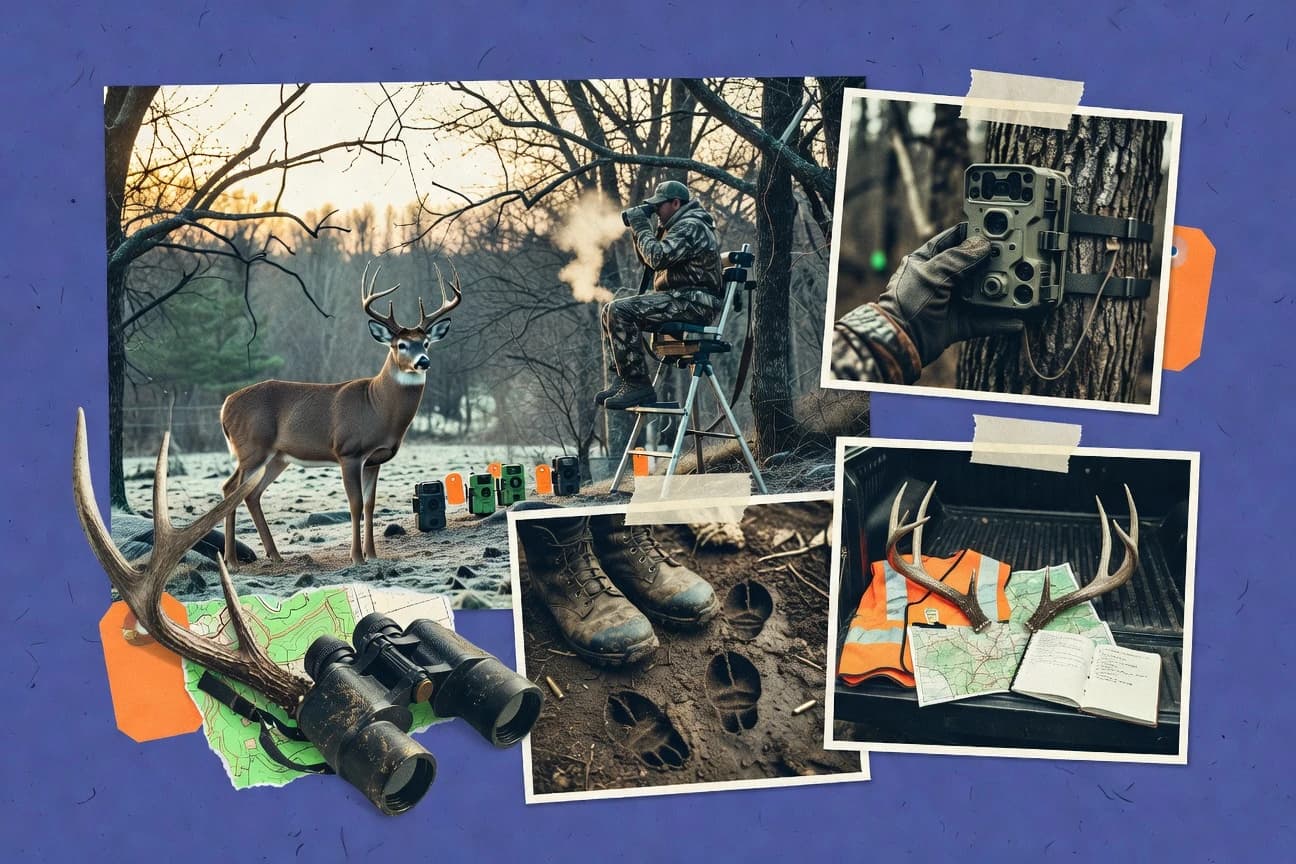

More than 11.5 million Americans hunted in 2022, with participation highest in the Midwest. Texas holds the largest U.S. deer herd (over 5.5 million whitetails), while Michigan (over 2 million) and Pennsylvania (around 1.5 million) also see heavy harvests. Explore who hunts by age and gender, how licenses work, and what hunter-safety trends—like orange and reduced firearm accidents—reveal across seasons.
Key Takeaways
- The U.S. white-tailed deer population is estimated at over 30 million
- Texas has the largest deer herd in the U.S. with over 5.5 million whitetails
- Michigan's deer population exceeds 2 million animals
- Deer hunting generates $20 billion in economic impact annually
- Texas deer hunting contributes $3 billion to economy
- Nationwide, hunters spend $2.5 billion on gear yearly
- U.S. hunters harvest about 6 million deer annually
- In 2022, Texas hunters harvested 665,000 deer
- Michigan's 2022 deer harvest was 346,000
- Average deer hunter age is 47 years old
- 87% of deer hunters are male
- Youth hunters (under 18) make up 10% of deer hunters
- About 11.5 million Americans hunted in 2022
- Deer hunting participation is highest in the Midwest
- Texas issues over 1 million deer hunting licenses annually
With over 11.5 million hunters, US deer hunting powers $20 billion annually and still follows strong safety trends.
Related reading
01 · Category
Deer Population Statistics30 stats
01
The U.S. white-tailed deer population is estimated at over 30 million
02
Texas has the largest deer herd in the U.S. with over 5.5 million whitetails
03
Michigan's deer population exceeds 2 million animals
04
Pennsylvania's statewide deer population is around 1.5 million
05
Wisconsin has approximately 1.3 million whitetails
06
Georgia's deer population is estimated at 1.1 million
07
Alabama has over 1.25 million deer
08
Mississippi's whitetail population is about 1.5 million
09
South Carolina estimates 750,000 deer
10
Oklahoma has around 500,000 deer
11
Iowa's deer population is approximately 450,000
12
Illinois has about 750,000 whitetails
13
Ohio's deer herd numbers around 700,000
14
Indiana estimates 600,000 deer
15
Kentucky has over 900,000 whitetails
16
Missouri's population is estimated at 1.1 million
17
Arkansas has about 1 million deer
18
Louisiana estimates 400,000 deer
19
North Carolina has 1 million whitetails
20
Tennessee's deer population is around 900,000
21
Virginia estimates 1 million deer
22
Maryland has about 225,000 deer
23
New York has approximately 1 million deer
24
Minnesota's whitetail population is 1.25 million
25
Nebraska has around 400,000 mule and white-tailed deer
26
Kansas estimates 750,000 deer
27
Wyoming's mule deer population is about 400,000
28
Colorado has over 400,000 mule deer
29
Utah's deer herd is approximately 350,000
30
Montana estimates 150,000 mule deer
Interpretation
Deer Population Statistics Interpretation
With the U.S. white-tailed deer population estimated at over 30 million and Texas alone holding more than 5.5 million, these deer population statistics show how one state can represent a major share of the overall herd size.
02 · Category
Economic Statistics24 stats
01
Deer hunting generates $20 billion in economic impact annually
02
Texas deer hunting contributes $3 billion to economy
03
Nationwide, hunters spend $2.5 billion on gear yearly
04
Travel spending by deer hunters: $5 billion
05
Food plot investments total $1 billion annually
06
Lease land for hunting: $3 billion market
07
Tax revenue from licenses: $800 million
08
Outfitter services generate $2 billion
09
Retail sales at hunting stores: $10 billion
10
Jobs supported: 250,000 full-time
11
Michigan deer economy: $2 billion
12
Wisconsin generates $1.5 billion from deer hunting
13
Pennsylvania impact: $1.2 billion
14
Georgia: $1 billion economic boost
15
Alabama hunting economy: $1.8 billion total
16
Trophy fees average $5,000in high-fence hunts
17
Conservation funding from Pittman-Robertson: $1 billion to states
18
Lodging revenue: $3.5 billion
19
Fuel sales for hunting trips: $1.2 billion
20
Ammo and optics market: $800 million
21
Taxidermy industry: $500 million annually
22
Meat processors handle 3 million deer yearly worth $1 billion
23
Guiding services: 50,000 jobs
24
Apparel sales: $2 billion
Interpretation
Economic Statistics Interpretation
Deer hunting is a major economic driver, producing $20 billion annually while hunters nationwide spend $2.5 billion on gear and $5 billion on travel, showing that the industry’s impact goes well beyond just the hunt itself.
03 · Category
Harvest And Success Rates30 stats
01
U.S. hunters harvest about 6 million deer annually
02
In 2022, Texas hunters harvested 665,000 deer
03
Michigan's 2022 deer harvest was 346,000
04
Pennsylvania harvested 355,000 deer in 2022
05
Wisconsin's 2022 harvest totaled 339,000 deer
06
Georgia hunters took 391,000 deer in 2022
07
Alabama's 2022-23 harvest was 253,000
08
Mississippi harvested 245,000 deer in 2022
09
South Carolina's 2022 harvest was 148,000
10
Oklahoma harvested 105,000 deer in 2022
11
Iowa's 2022 harvest was 115,000
12
Illinois hunters harvested 163,000 deer in 2022
13
Ohio's 2022 deer harvest was 202,000
14
Indiana harvested 142,000 deer in 2022
15
Kentucky's 2022 harvest totaled 204,000
16
Missouri harvested 289,000 deer in 2022
17
Arkansas took 155,000 deer in 2022
18
Louisiana's 2022 harvest was 65,000
19
North Carolina harvested 180,000 deer in 2022
20
Tennessee's 2022 harvest was 155,000
21
Virginia harvested 195,000 deer in 2022
22
Maryland's 2022 harvest was 45,000
23
New York's 2022 deer harvest was 195,000
24
Minnesota harvested 220,000 deer in 2022
25
Nebraska's 2022 harvest was 65,000
26
Kansas harvested 105,000 deer in 2022
27
Wyoming took 30,000 mule deer in 2022
28
Colorado's 2022 deer harvest was 55,000
29
Utah harvested 45,000 deer in 2022
30
Montana's 2022 mule deer harvest was 20,000
Interpretation
Harvest And Success Rates Interpretation
Across the Harvest And Success Rates category, U.S. hunters harvest about 6 million deer each year, and 2022 state totals like Texas at 665,000, Pennsylvania at 355,000, and Wisconsin at 339,000 show how strongly deer harvest success is concentrated in a handful of top hunting states.
04 · Category
Hunter Demographics24 stats
01
Average deer hunter age is 47 years old
02
87% of deer hunters are male
03
Youth hunters (under 18) make up 10% of deer hunters
04
25% of deer hunters are over 55 years old
05
Rural residents comprise 70% of deer hunters
06
College-educated hunters are 35% of deer participants
07
Income average for deer hunters is $75,000household
08
Participation among Hispanics in hunting is growing at 5% annually
09
Female hunter participation doubled in 20 years to 11%
10
Veteran hunters make up 20% of participants
11
First-time hunters increased 8% post-COVID
12
Bowhunters represent 30% of deer hunters
13
Muzzleloader hunters are 15% of total
14
Gun hunters dominate at 55%
15
Crossbow use rose to 20% in recent years
16
Public land hunters are 60% of deer hunters
17
Private land access used by 40%
18
Average days afield per deer hunter is 12
19
65% of hunters recruit family members
20
Retention rate for new deer hunters is 60%
21
Urban hunters grew 15% in 10 years
22
Southern states have highest female participation at 15%
23
Midwest has oldest average hunter age at 50
24
30% of hunters use technology like trail cams
Interpretation
Hunter Demographics Interpretation
Deer hunting is largely driven by a mostly rural, male population with an average age of 47, where 25% of hunters are over 55 and only 10% are youth, pointing to an aging demographic within the hunter demographics category.
05 · Category
Hunter Numbers And Trends30 stats
01
About 11.5 million Americans hunted in 2022
02
Deer hunting participation is highest in the Midwest
03
Texas issues over 1 million deer hunting licenses annually
04
Michigan has 700,000 deer license buyers yearly
05
Pennsylvania sells about 1 million hunting licenses
06
Wisconsin's deer hunters number around 600,000
07
Georgia has 450,000 deer hunters
08
Alabama licenses 250,000 deer hunters annually
09
Mississippi has 200,000 deer permit holders
10
South Carolina's deer hunters total 175,000
11
Oklahoma issues 250,000 hunting licenses
12
Iowa has 150,000 deer hunters
13
Illinois deer hunters number 300,000
14
Ohio sells 500,000 deer tags yearly
15
Indiana has 350,000 hunters pursuing deer
16
Kentucky licenses 400,000 deer hunters
17
Missouri has 500,000 deer hunters annually
18
Arkansas deer hunters total 300,000
19
Louisiana has 150,000 deer license holders
20
North Carolina's hunters number 400,000 for deer
21
Tennessee has 450,000 deer hunters
22
Virginia licenses 350,000 deer hunters yearly
23
Maryland has 100,000 deer hunters
24
New York has 500,000 deer license buyers
25
Minnesota's deer hunters total 500,000
26
Nebraska issues 150,000 deer permits
27
Kansas has 200,000 deer hunters
28
Wyoming deer hunters number 80,000
29
Colorado licenses 250,000 big game hunters including deer
30
Utah has 150,000 deer permit applicants
Interpretation
Hunter Numbers And Trends Interpretation
In 2022, roughly 11.5 million Americans hunted deer, showing that deer hunting remains a major, nationwide pastime while participation is especially strong in the Midwest and large states like Texas and Michigan alone account for well over a million license buyers each year.
06 · Category
Safety Statistics24 stats
01
Safety record shows 1 hunter death per 1 million days afield
02
Firearm-related hunting accidents dropped 60% since 1990
03
80% of hunting accidents are self-inflicted
04
Hunter orange worn by 90% reduces accidents by 3x
05
Bowhunting accidents are 1/10th of firearm rates
06
Alcohol involved in 10% of incidents
07
Youth hunter safety courses prevent 75% of mishaps
08
Tree stand falls cause 70% of injuries
09
500 hunting injuries annually in U.S.
10
Deer-vehicle collisions kill 200 hunters indirectly yearly
11
Mandatory hunter ed required in all states since 2000s
12
Accidental shootings down to 50 per year
13
99.99% of hunting trips are incident-free
14
Women have lower accident rates than men
15
Public land has higher incident rate than private
16
Firearms mishandling causes 40% of accidents
17
Falls from stands average 8,000 injuries/year
18
Heart attacks kill more hunters than accidents
19
Hypothermia incidents up 20% in cold seasons
20
Snake bites rare at 100/year
21
Drowning in water retrievals: 50 cases/year
22
Vehicle accidents during travel: 300 deaths/year
23
Lyme disease from ticks affects 10% of hunters
24
Carbon monoxide from heaters: 20 deaths/year
Interpretation
Safety Statistics Interpretation
Overall deer hunting safety has improved with firearm-related hunting accidents down 60% since 1990, yet the data still shows that 80% of hunting accidents are self-inflicted and alcohol plays a role in 10% of incidents, underscoring that prevention focused on personal choices is key.
Reference
Cite This Report
This report is designed to be cited. We maintain stable URLs and versioned verification dates. Copy the format appropriate for your publication below.
APA
Leah Kessler. (2026, February 13). Deer Hunting Statistics. Gitnux. https://gitnux.org/deer-hunting-statistics
MLA
Leah Kessler. "Deer Hunting Statistics." Gitnux, 13 Feb 2026, https://gitnux.org/deer-hunting-statistics.
Chicago
Leah Kessler. 2026. "Deer Hunting Statistics." Gitnux. https://gitnux.org/deer-hunting-statistics.
Sources & references
71 datasets cited across this report