
GITNUXSOFTWARE ADVICE
Science ResearchTop 10 Best Lens Correction Software of 2026
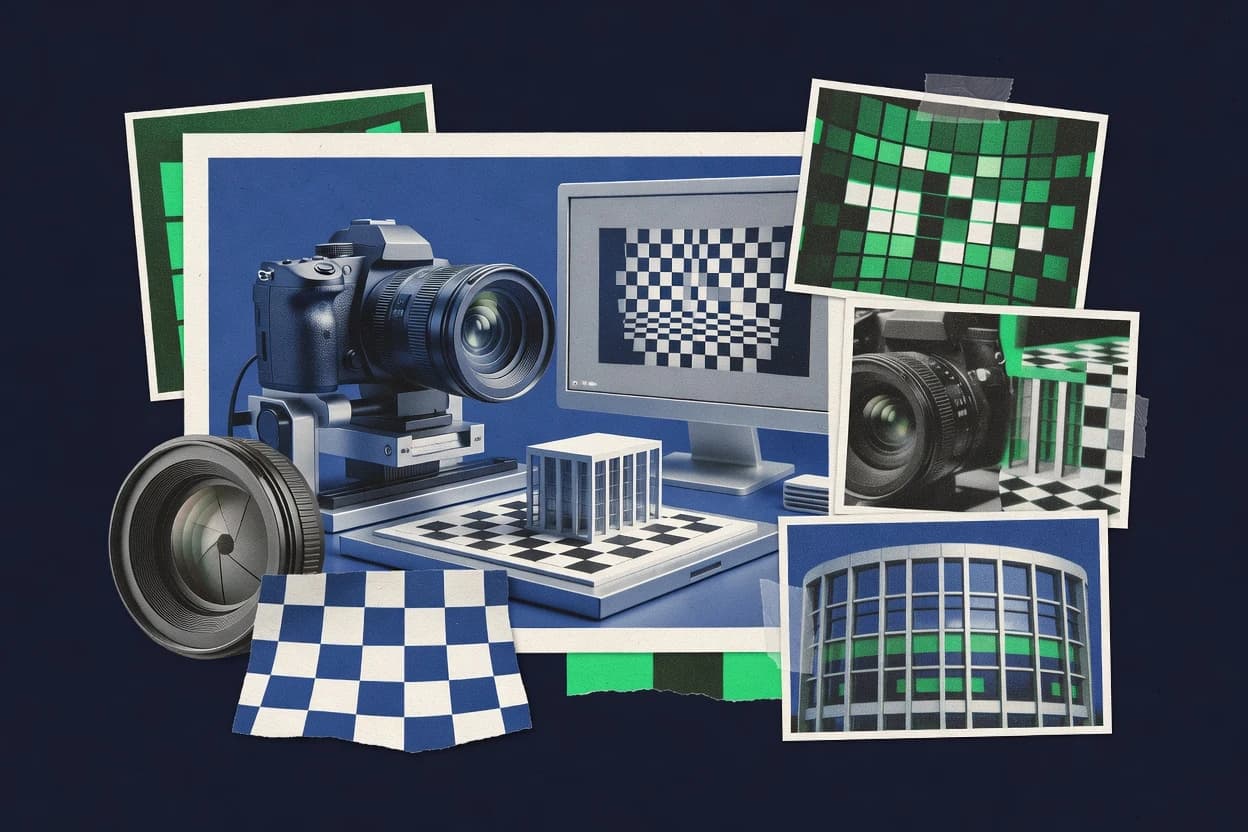
Top 10 lens correction software ranked by technical criteria for photos, with reviews of tools like digiKam, Luminar Neo, and ON1 Photo RAW.

How we ranked these tools
Core product claims cross-referenced against official documentation, changelogs, and independent technical reviews.
Analyzed video reviews and hundreds of written evaluations to capture real-world user experiences with each tool.
AI persona simulations modeled how different user types would experience each tool across common use cases and workflows.
Final rankings reviewed and approved by our editorial team with authority to override AI-generated scores based on domain expertise.
Score: Features 40% · Ease 30% · Value 30%
Gitnux may earn a commission through links on this page — this does not influence rankings. Editorial policy
digiKam is the best fit when you manage large libraries and want repeatable, batch-ready lens corrections via Lensfun with export to TIFF, whereas Luminar Neo suits event and studio work when you need fast automatic distortion fixes plus occasional manual refinement.
Editor’s top 3 picks
Three quick recommendations before you dive into the full comparison below — each one leads on a different dimension.
digiKam
Optical correction tied to lens profiles and image metadata, applied in bulk across a managed library for consistent outputs.
Built for fits when large photo libraries need repeatable optical corrections with batch throughput and export to TIFF..
Luminar Neo
Editor pickDNG lens profile embedding lets corrected optics travel with exports into compatible editors.
Built for fits when event and studio workflows need fast batch corrections with occasional manual refinements..
ON1 Photo RAW
Editor pickLens Correction presets apply repeatable profile-like corrections during batch processing across a shoot.
Built for fits when photographers need repeatable optical correction presets inside one RAW editor..
Comparison Table
digiKam
open sourceOpen-source photo management application with lens correction powered by the Lensfun database.
Optical correction tied to lens profiles and image metadata, applied in bulk across a managed library for consistent outputs.
digiKam’s lens-correction workflow is built around profile-based corrections tied to image metadata and batch processing across many files. The optical correction stage can target geometry and peripheral illumination effects while supporting RAW optical correction paths that rely on camera and lens identification. Integration depth is strong because corrections happen inside the same library that manages tags, collections, and bulk operations.
A notable tradeoff is that the best results depend on having accurate lens profiles and metadata, and missing or incomplete identification often leaves manual tuning as the fallback. digiKam fits well when a team needs repeatable correction presets across a folder import pipeline and then exports TIFF for consistent finishing.
- +Batch lens corrections inside the photo library workflow
- +Lens-profile based optical correction for RAW and metadata-aware processing
- +Exports corrected results to TIFF for reliable downstream handling
- +Correction settings can be reused across collections
- –Quality depends heavily on lens identification and available profiles
- –Manual calibration for uncommon lenses can be time-consuming
- –GUI tuning for distortion can feel slower than specialized editors
- –Advanced control requires learning digiKam’s correction pipeline
Wedding photographers
Mass RAW correction across client galleries
Faster consistent deliverables
Event media teams
Reprocess mixed lenses from imports
Lower rework per job
Show 2 more scenarios
Photo archiving labs
Library-wide correction before catalog exports
Consistent archive generation
Apply optical correction within the same system that manages tags and bulk export pipelines.
Developers in photography pipelines
Automated correction via desktop workflow
Predictable correction stage
Use digiKam’s batch operations to standardize correction steps before handing files to other tools.
Best for: Fits when large photo libraries need repeatable optical corrections with batch throughput and export to TIFF.
Luminar Neo
SMBAI-driven photo editor with automatic lens distortion and chromatic aberration correction.
DNG lens profile embedding lets corrected optics travel with exports into compatible editors.
Luminar Neo’s lens correction centers on profile-based correction driven by EXIF focal-length extraction and lens identity, which reduces the time spent chasing per-shot slider tweaks. The module provides a distortion grid style workflow for visible warping and also includes vignetting compensation and fringing suppression controls for edge artifacts. The interface keeps correction parameters close to the main edit stack so the corrected preview updates alongside exposure and color edits.
A key tradeoff is that Luminar Neo’s automation depends on lens and camera metadata quality, so shots from mismatched or missing lens records may need manual adjustments. A practical usage situation is batch-correcting event galleries shot across the same camera and lenses, then doing quick per-image refinements only for frames with atypical focus distances or cropping.
- +Metadata-driven corrections reduce per-image distortion tuning time
- +Integrated preview keeps correction adjustments visible during broader edits
- +Batch correction preset workflow supports high-volume galleries
- +Export supports TIFF pipeline and DNG lens profile embedding
- –Automatic results weaken when EXIF lens or focal data is missing
- –Manual correction controls take longer than automated presets for edge cases
- –Perspective and geometry issues often need additional masking for localized fixes
- –Some correction outcomes rely on specific lens profile availability
Wedding photographers
Batch-correct mixed focal-length event sets
More uniform image geometry
RAW retouch artists
Refine optical corrections on edge artifacts
Cleaner edges with less rework
Show 2 more scenarios
Photography educators
Teach lens correction workflow quickly
Faster classroom demonstrations
Live previews show how profile-based correction interacts with the rest of the edit stack.
Pipeline-focused editors
Ship corrected exports downstream
Fewer re-corrections later
Exports support TIFF output and DNG lens profile embedding for continued consistency in later steps.
Best for: Fits when event and studio workflows need fast batch corrections with occasional manual refinements.
ON1 Photo RAW
SMBNon-destructive photo editor with automatic lens correction profiles and geometry tools.
Lens Correction presets apply repeatable profile-like corrections during batch processing across a shoot.
ON1 Photo RAW includes a dedicated Lens Correction module that supports lens profile behavior and manual sliders for geometry fixes and peripheral color issues. The workflow fits photographers who want a single app for RAW optical correction and final output, not a separate plug-in round trip. Presets enable batch correction across large shoots while keeping the same correction decisions per lens and focal-length combination.
A tradeoff exists because ON1 Photo RAW corrects through its own editor pipeline rather than exposing correction engines as a standalone API-style module for other apps. It fits situations where a studio or event workflow needs consistent per-lens correction presets for export-ready TIFF and DNG.
- +Lens Correction module combines profile-based and manual geometry controls
- +Batch correction presets reduce per-image rework
- +RAW-to-output workflow keeps correction decisions tied to editing
- +Supports TIFF output and DNG export paths with correction embedding options
- –Correction behavior depends on ON1’s editor pipeline order
- –Automation is preset-driven rather than scriptable at engine level
- –Some advanced perspective or calibration workflows need manual refinement
Wedding photographers
Batch correct mixed lenses
Faster uniform exports
Photo studios
Standardize per-camera correction
Consistent delivery look
Show 2 more scenarios
RAW editors at agencies
Export TIFF for retouching
Cleaner starting files
Correct distortion and peripheral color issues in the RAW pipeline, then export TIFF for downstream retouching.
Archivists
Retain corrected metadata
Reproducible archive output
Export DNG so optical correction information can be preserved alongside the processed image.
Best for: Fits when photographers need repeatable optical correction presets inside one RAW editor.
Hugin
vertical specialistOpen-source panorama stitcher with lens calibration, distortion correction, and field-of-view estimation tools.
Distortion grid calibration refined by control points for camera geometry driven unwarping.
Hugin is lens correction software built around full camera-to-image geometry, not just profile-based warping. It can generate and apply distortion grids, then refine parameters through control point matching for geometric unwarping.
The toolset also includes optical vignetting modeling and workflows for batch processing outputs, including TIFF-ready results. Hugin’s editor-driven pipeline favors repeatable calibration steps when consistent lens and camera setups are available.
- +Distortion grid calibration supports high-fidelity barrel and mustache corrections
- +Control-point based optimization improves results for complex geometric setups
- +Optical vignetting modeling can compensate for peripheral illumination rolloff
- +Batch-ready workflow generates consistent output after parameter refinement
- –Geometric setup and control-point workflow takes more learning than profile editors
- –Native automation and API surface are limited compared with developer-first pipelines
- –RAW optical correction depends on external conversion steps for common formats
Best for: Fits when repeatable lens calibration and geometry-based refinement matter more than one-click presets.
PhotoLine
vertical specialistImage editor with lens distortion correction, chromatic aberration removal, and vignetting adjustment tools.
DNG lens profile embedding links the corrected optics profile to exported files for downstream lens-aware processing.
PhotoLine applies lens profile based distortion correction to produce rectified geometry and cleaner edges during RAW to TIFF workflows. The editor supports vignetting compensation, chromatic aberration removal, and perspective distortion correction with per-image controls and batchable presets.
It also supports DNG lens profile embedding so corrected output can carry lens identification metadata forward into downstream pipelines. The overall result is a dedicated optical correction module inside a full photo editor rather than a plugin-only approach.
- +Batchable lens correction presets for consistent distortion and vignetting outcomes
- +DNG lens profile embedding keeps lens metadata attached to output
- +Optical correction controls include geometry unwarping and fringing suppression
- +EXIF focal-length extraction supports quick profile matching per image
- –Lens profile selection workflow can slow down mixed-camera batch processing
- –Advanced manual slider tuning still dominates for uncommon lenses
- –Automation surface is lighter than scripting-first imaging toolchains
- –Calibration steps for custom correction grids require operator attention
Best for: Fits when photographers need repeatable RAW optical correction with batch presets and profile-aware output for post workflows.
ACDSee Photo Studio
SMBPhoto management and editing software that includes lens distortion correction and optical fixes.
Integrated batch lens correction presets that apply profile-based fixes and manual geometry adjustments during export.
ACDSee Photo Studio targets photographers who want lens correction inside a photo library and editing workflow rather than as a separate utility. The correction tools focus on profile-based optical adjustments plus manual geometry controls, and batch correction presets for handling large sets.
It supports RAW optical correction workflows that read lens and capture metadata and applies distortion and vignetting compensation during export. Output is designed for a TIFF pipeline and for embedding lens metadata where the export format supports it.
- +Batch correction presets speed up repeated lens fixes across folders
- +Profile-based optical correction applies automatically when lens metadata matches
- +Integrated library plus editor reduces tool switching for cleanup work
- +Export pipeline supports TIFF-based downstream processing
- –Geometric unwarping controls are less granular than dedicated editor workflows
- –Lens profile coverage depends on metadata quality and available profiles
- –Automation and API access for external orchestration is limited
- –Manual slider workflows take longer for mixed-lens batches
Best for: Fits when photographers need batch lens correction inside a single library-to-export workflow.
Corel AfterShot Pro
SMBRaw photo workflow software with lens correction tools and camera profile support.
Lens profile embedding into exported DNG so downstream tools can reuse the same correction context.
Corel AfterShot Pro focuses on lens profile based RAW optical correction inside a high-throughput RAW development workflow. It supports distortion and chromatic aberration fixes driven by lens profile metadata, with controls for geometry, fringing suppression, and vignetting compensation.
Output pipelines can export corrected TIFF and DNG with embedded lens profile data for downstream editing. Compared with editor-first tools, AfterShot Pro keeps correction settings persistent as part of a repeatable preset workflow.
- +Profile driven RAW optical correction with persistent presets for repeatable batches
- +DNG lens profile embedding and corrected TIFF export support
- +Decentering and geometry controls for manual refinement beyond profile defaults
- +Batch correction workflow for large sets of mixed lenses and bodies
- –Lens profile coverage depends on supported camera and lens metadata accuracy
- –Manual distortion slider work can be slower than grid based correction tools
- –Layered editing pipelines are limited compared with full pixel editors
- –Automation is preset oriented and not exposed as a programmable API surface
Best for: Fits when photographers need repeatable RAW correction presets with batch processing and export-ready TIFF or profile embedded DNG.
Photo Ninja
enterpriseProfessional raw converter that includes advanced lens correction capabilities for distortion and chromatic aberration.
DNG lens profile embedding preserves optical correction parameters for later applications.
Photo Ninja corrects lens distortion with a profile-driven workflow that uses EXIF focal-length extraction for better automation than manual slider adjustment. It includes geometric unwarping plus optical corrections intended for barrel and pincushion distortion, peripheral illumination falloff, and color fringing.
The output pipeline supports high-quality TIFF exports and can embed lens profile metadata into DNG for downstream reuse. Photo Ninja is most effective when a consistent lens setup needs repeatable corrections across large batches.
- +EXIF focal-length extraction supports largely automatic corrections
- +Batch correction presets reduce repetitive lens profile setup work
- +Optical vignetting curve modeling improves peripheral illumination consistency
- +DNG lens profile embedding preserves correction intent for later editing
- –Lens profile accuracy drops when EXIF focal-length or camera metadata is missing
- –Advanced tuning takes time compared with quick one-click correction tools
- –Export and round-trip workflows require testing to match downstream software expectations
- –Throughput can lag on very large RAW sets without staged outputs
Best for: Fits when batch photo pipelines need repeatable lens and optical corrections from consistent camera metadata.
Iridient Developer
SMBMac raw image editor featuring advanced lens correction for distortion, vignetting, and lateral chromatic aberration.
DNG lens profile embedding that preserves correction metadata for consistent reuse across RAW conversion steps.
Iridient Developer generates RAW optical corrections by turning lens profile data and capture metadata into an image-space correction pipeline. It focuses on distortion modeling, vignetting compensation, and chromatic aberration correction with a workflow built around RAW development controls and export-ready TIFF output.
The software can embed lens profile information into DNG workflows and apply corrections consistently during batch processing. Integration depth shows up most in its tight coupling between lens-profile application, grid-based refinement behavior, and deterministic export settings.
- +Lens-profile-driven RAW correction that keeps geometry and color changes consistent
- +Batch correction presets that reduce repetitive profile and render setting work
- +DNG lens profile embedding supports round-tripping inside RAW-based workflows
- +Export pipeline to TIFF keeps corrected results stable for downstream tools
- –Distortion refinement can be unintuitive without a calibration reference image
- –Automation and API control surface are limited compared with pipeline-centric tools
- –Workflow depends on having correct lens profile coverage for each camera and lens
- –Advanced correction tuning is more manual than slider-based correction suites
Best for: Fits when photographers need accurate RAW lens profile corrections with batch-ready exports, not scripted automation.
DeFishr
SMBStandalone application specifically designed to remove fisheye distortion from video and photo footage.
Profile-driven correction that uses EXIF focal-length extraction to apply distortion fixes consistently in batch runs.
DeFishr from prodaed.com focuses on lens distortion correction and lens profile workflows rather than general image editing. It supports RAW optical correction using EXIF focal-length extraction and produces cleaned geometry and color output in a TIFF-oriented pipeline.
The tool is geared toward repeatable batch processing with presets so camera sets stay consistent across large imports. Its distinctive value is quick, profile-driven unwarping that can be applied in bulk without interactive dialing for every file.
- +EXIF focal-length extraction enables profile-based correction without manual per-shot input
- +Batch preset workflow keeps outputs consistent across large camera sessions
- +Geometric unwarping targets barrel, pincushion, and keystone-style distortion patterns
- +Exports corrected images in a TIFF-centered pipeline suited for downstream editing
- –Limited manual distortion grid refinement compared with advanced editor plugins
- –Chromatic aberration removal depth can feel basic for heavy lateral fringing cases
- –Tuning is less granular than feature-rich alternatives that expose per-component controls
- –Automation and API surface is minimal for server-side or pipeline integration
Best for: Fits when photographers need fast, preset-based optical correction for many files before editing in Photoshop or GIMP.
Conclusion
After evaluating 10 science research, digiKam stands out as our overall top pick — it scored highest across our combined criteria of features, ease of use, and value, which is why it sits at #1 in the rankings above.
Use the comparison table and detailed reviews above to validate the fit against your own requirements before committing to a tool.
How to Choose the Right lens correction software
Lens correction software applies optical correction using lens profiles, metadata, and distortion models so RAW and rendered outputs align across a photo workflow. This guide covers digiKam, Luminar Neo, ON1 Photo RAW, Hugin, PhotoLine, ACDSee Photo Studio, Corel AfterShot Pro, Photo Ninja, Iridient Developer, and DeFishr.
These tools differ most in how they source lens identity and focal-length context from image metadata and how they persist correction state into DNG lens profiles for later stages. Some tools prioritize bulk, profile-driven library exports while others focus on distortion grid calibration with control-point geometry refinement.
Lens correction software for optical distortion, vignetting, and chromatic aberration workflows
Lens correction software reduces barrel and pincushion distortion and suppresses optical fringing by applying lens-profile-based corrections and geometry unwarping before editing or export. Many workflows rely on EXIF focal-length extraction and lens metadata matching so corrections run automatically across folders.
digiKam applies optical correction tied to lens profiles and image metadata and runs those fixes in bulk across a managed library for consistent TIFF exports. Hugin takes a different path by refining distortion grid parameters through control-point calibration to drive camera-geometry unwarping when accuracy depends on explicit alignment rather than profile matching.
What matters in lens correction software
Lens correction workflows succeed when the software can match lens identity and focal-length context to a usable lens profile or calibration model. Tools like digiKam and PhotoLine tie corrections to lens profiles embedded into exported files so later steps keep the same optical correction context.
Practical throughput depends on batch behavior and how correction parameters persist across exports. Luminar Neo, Corel AfterShot Pro, and PhotoLine emphasize DNG lens profile embedding so corrected optics travel with exports into downstream editors and RAW pipelines.
Metadata-aware profile correction for automatic batches
digiKam and ACDSee Photo Studio apply profile-based optical correction automatically when lens metadata matches, which reduces per-image setup across large folders. Photo Ninja and DeFishr extend the same idea through EXIF focal-length extraction for largely automatic correction runs.
Persistent DNG lens profile embedding for round-trip consistency
Luminar Neo and Corel AfterShot Pro embed DNG lens profiles so corrected optics remain available in compatible downstream editors. PhotoLine and Iridient Developer also embed DNG lens profile context to keep geometry and color changes consistent across RAW conversion steps.
Distortion grid calibration using control points
Hugin refines distortion grid calibration with control-point optimization for camera geometry unwarping, which suits repeatable lens calibration when profiles are incomplete. This approach trades click-to-fix speed for more explicit calibration control than profile-driven engines.
Preset-driven lens correction modules with manual geometry overrides
ON1 Photo RAW and ACDSee Photo Studio use lens correction modules that combine profile-based fixes with manual geometry controls when edge cases appear. digiKam also supports manual calibration for uncommon lenses, but it relies on lens identification and available profiles to keep quality consistent.
RAW correction export formats aligned with later pipelines
Corel AfterShot Pro and digiKam support TIFF-oriented export workflows so corrected results feed external editing steps without redoing optical correction. PhotoLine and Iridient Developer emphasize DNG lens profile embedding so downstream RAW conversion can reuse the same correction context.
Pick based on how correction state moves through the workflow
Some tools focus on correcting a managed photo library with repeatable batch exports, while others focus on geometry calibration that depends on explicit control points. The best choice maps to where lens identity and focal-length context live in the workflow and whether later steps can reuse embedded correction state.
Two different philosophies dominate. digiKam and ACDSee Photo Studio lean toward library batch processing that keeps TIFF exports consistent, while Hugin leans toward distortion grid calibration driven by control points and geometric unwarping refinement.
Choose profile-based automation when lens metadata is reliable
If image EXIF focal-length and lens metadata are present for most shots, choose digiKam or Photo Ninja for largely automatic lens profile correction runs. For similar automation inside a single export workflow, ACDSee Photo Studio also applies profile-based fixes when metadata matches.
Choose DNG lens profile embedding when corrections must persist downstream
When downstream editors in the pipeline can read embedded corrections, pick Luminar Neo or PhotoLine for DNG lens profile embedding that travels with exports. Corel AfterShot Pro and Iridient Developer also embed lens profile context into exported DNG so geometry and color changes remain consistent across RAW conversion steps.
Choose distortion grid calibration when accuracy depends on explicit geometry alignment
When profiles are missing or unreliable, pick Hugin because distortion grid calibration uses control points and camera geometry driven unwarping. This path targets barrel and mustache corrections through higher-fidelity calibration rather than preset reuse.
Choose preset-driven correction when speed matters inside one RAW editor
When the workflow starts and ends inside one RAW editor session, ON1 Photo RAW offers lens correction presets and manual geometry controls during batch processing. DeFishr also emphasizes fast preset-based optical correction for many files before editing in Photoshop or GIMP.
Check what happens when EXIF lens or focal data is missing
If a shoot includes cameras or lenses with incomplete EXIF, prefer tools that can still fall back to manual refinement like ON1 Photo RAW or digiKam. If EXIF focal-length extraction drives automation, Luminar Neo and Photo Ninja show weaker results when focal or lens context is missing.
Match manual tuning depth to the types of edge cases expected
For uncommon lenses that need deeper tuning, digiKam and Hugin support calibration work, but Hugin expects more geometry setup. For common batches with occasional edge cases, ON1 Photo RAW and ACDSee Photo Studio keep manual correction time lower by starting from preset-like profile corrections.
Who lens correction software fits best
Lens correction software fits photographers who need consistent distortion and optical fringe behavior across entire shoots and who export into pipelines where corrections must survive. It also fits developers and technical editors who prefer correction state to remain attached to output through embedded profiles.
Tool fit depends on whether the main bottleneck is library-scale batch throughput, editor-internal preset refinement, or geometry calibration for complex setups.
Photographers with large libraries and repeated export demands
digiKam targets batch lens corrections inside a managed library so exports stay consistent across TIFF outputs. ACDSee Photo Studio also emphasizes batch lens correction presets across folders.
Shooters who rely on downstream editors that can reuse embedded DNG profiles
Luminar Neo and PhotoLine embed DNG lens profiles so corrected optics carry into compatible editors. Corel AfterShot Pro and Iridient Developer also embed lens profile context into exported DNG for reuse in later steps.
Technical photographers who calibrate lenses rather than trusting profiles
Hugin fits workflows where control-point calibration drives distortion grid refinement for complex geometric setups. This approach is best when explicit camera geometry calibration outweighs one-click preset convenience.
Event and studio teams prioritizing fast batch correction with occasional manual refinements
Luminar Neo and ON1 Photo RAW support fast batch corrections with controls available when edge cases appear. ON1 Photo RAW also combines profile-like correction behavior with batch preset reuse.
Pre-edit pipelines that need quick optical fixes before Photoshop or GIMP
DeFishr applies profile-driven batch corrections using EXIF focal-length extraction so large camera sessions move quickly into manual editing. It is also designed to preserve repeatable correction outputs prior to later retouching.
Common buying and workflow pitfalls
Mistakes usually come from assuming profile automation will work for every image or from buying calibration depth that the workflow does not actually need. Several tools also differ in how manual tuning behaves, so choosing based only on one-off visual quality can cause slowdowns later.
The second pattern is export-state mismatch, where the workflow expects corrections to persist into other editors but the chosen tool does not embed or carry correction context the way the pipeline requires.
Choosing profile automation without checking lens identity coverage
digiKam and ACDSee Photo Studio quality depends on lens identification and available profiles when metadata matches. Missing or uncommon lenses can force time-consuming manual calibration in digiKam.
Expecting automatic correction to work when EXIF focal or lens data is absent
Luminar Neo and Photo Ninja show weaker automatic results when EXIF lens or focal data is missing. ON1 Photo RAW still supports manual geometry controls, but it requires more per-image attention.
Buying a grid-calibration tool but using it like a preset engine
Hugin requires a geometry and control-point workflow for distortion grid calibration and unwarping refinement. Attempting to run it as a purely one-click preset pipeline increases setup and learning time.
Ignoring correction persistence and embedding expectations across editors
If the workflow relies on later editors reusing the same correction context, choose tools with DNG lens profile embedding like Luminar Neo or PhotoLine. Corel AfterShot Pro and Iridient Developer also embed lens profile context, while tools without this persistence can require rework.
Assuming manual tuning depth matches between preset tools and calibration tools
DeFishr focuses on fast preset-based batch correction and offers limited manual distortion grid refinement compared with advanced editor plugins. When heavy lateral fringing cases require deeper refinement, tools with stronger tuning workflows can reduce reprocessing.
How We Selected and Ranked These Tools
We evaluated digiKam, Luminar Neo, ON1 Photo RAW, Hugin, PhotoLine, ACDSee Photo Studio, Corel AfterShot Pro, Photo Ninja, Iridient Developer, and DeFishr using features at 40%, ease at 30%, and value at 30%. Features coverage included whether each tool applies optical correction tied to lens profiles, whether it persists correction context through DNG lens profile embedding, and whether it supports distortion grid calibration with control-point refinement.
Ease measured how batch lens correction presets and lens-profile selection flows affect time across folder-scale processing rather than single-image tweaking. Value reflected how quickly repeatable corrections become usable exports for common pipelines, and digiKam separated itself through optical correction tied to lens profiles and image metadata applied in bulk for consistent TIFF exports.
Frequently Asked Questions About lens correction software
How does batch lens correction differ between digiKam, Luminar Neo, and ON1 Photo RAW?
Which tools apply optical correction from lens profiles and camera metadata rather than interactive sliders?
What tradeoff appears when using distortion grids and control points for geometric unwarping in Hugin versus profile-only correction tools?
How can corrected output carry lens identity and correction context into later workflows using DNG lens profile embedding?
Where does each tool handle chromatic aberration and color fringe differently for edge accuracy?
When does EXIF focal-length extraction matter for more automated distortion correction in Photo Ninja and DeFishr?
What data migration steps are needed to preserve prior lens correction presets across workflows in digiKam and ON1 Photo RAW?
Which tool supports API or programmable integration for lens correction pipelines, and what common integration pattern fits the others?
How do admin controls and security considerations differ for team-managed libraries in digiKam compared with editor-only desktop workflows?
Tools reviewed
Primary sources checked during evaluation.
Referenced in the comparison table and product reviews above.
Keep exploring
Comparing two specific tools?
Software Alternatives
See head-to-head software comparisons with feature breakdowns, pricing, and our recommendation for each use case.
Explore software alternatives→In this category
Science Research alternatives
See side-by-side comparisons of science research tools and pick the right one for your stack.
Compare science research tools→