
GITNUXSOFTWARE ADVICE
Healthcare MedicineTop 10 Best Clinical Laboratory Management Software of 2026
Ranked roundup of clinical laboratory management software for labs, comparing CliniSys LIS, LabVantage LIMS, LabWare LIMS, with key tradeoffs.

How we ranked these tools
Core product claims cross-referenced against official documentation, changelogs, and independent technical reviews.
Analyzed video reviews and hundreds of written evaluations to capture real-world user experiences with each tool.
AI persona simulations modeled how different user types would experience each tool across common use cases and workflows.
Final rankings reviewed and approved by our editorial team with authority to override AI-generated scores based on domain expertise.
Score: Features 40% · Ease 30% · Value 30%
Gitnux may earn a commission through links on this page — this does not influence rankings. Editorial policy
Clinisys Laboratory Information System is the strongest fit when you need governed automation from accessioning through validated, controlled release across clinical, public health, and pathology labs, whereas SoftLab works better for mid-size teams that want strong workflow control with careful implementation support.
Editor’s top 3 picks
Three quick recommendations before you dive into the full comparison below — each one leads on a different dimension.
Clinisys Laboratory Information System
Configurable validation engine that gates results from entry through review and final release.
Built for fits when labs need governed automation from accessioning through validated release..
LabVantage LIMS
Editor pickValidation policy engine that coordinates autoverification outcomes with delta checking and critical result routing.
Built for fits when multi-department labs need instrument-driven automation and governed result release across sites..
LabWare LIMS
Editor pickConfigurable workflow engine ties accessioned specimens to ordered tests through controlled states and release checkpoints.
Built for fits when regulated labs need configurable, governed workflows across specimen receiving, testing, and controlled result release..
Comparison Table
Clinisys Laboratory Information System
enterpriseLaboratory information system software for clinical, public health, and pathology laboratories.
Configurable validation engine that gates results from entry through review and final release.
Clinisys Laboratory Information System is built around operational LIS workflows, including accession number handling, specimen status tracking, and downstream reporting. It supports batch and real-time result entry paths, with validation steps that control when results move from review to final. Instrument interfacing reduces manual transcription by ingesting results directly from connected devices into the workflow queue.
A key tradeoff is that the depth of validation and workflow configuration increases implementation effort, especially when multiple laboratories share a test catalog with different rules. Clinisys is most practical when a lab needs governed automation for accessioning through release, not only a basic order and report screen set.
- +Validation and release logic that enforces controlled result outcomes
- +Instrument interfaces that reduce manual result transcription
- +Specimen workflow states tied to accessioning and reporting
- +Configurable test catalog rules across laboratory sections
- –Workflow and validation setup requires strong governance discipline
- –Automation depth can slow configuration changes without a release process
- –Advanced configurations may demand targeted training for analysts
- –Some integrations depend on interface mapping work
Laboratory operations managers
Standardize workflows across multiple sites
Fewer manual overrides
Accessioning and specimen staff
Track specimens through processing stages
Reduced specimen mix-ups
Show 2 more scenarios
Medical laboratory technologists
Queue review for exceptions and deltas
Faster exception handling
Result intake from instruments feeds review queues with rule-driven validation steps.
Integration engineers
Connect orders and results to EHR
Lower integration rework
Defined connectivity patterns support exchanging orders and final results with external systems.
Best for: Fits when labs need governed automation from accessioning through validated release.
LabVantage LIMS
enterpriseLaboratory information management software with clinical laboratory workflows and integrations.
Validation policy engine that coordinates autoverification outcomes with delta checking and critical result routing.
LabVantage LIMS supports specimen tracking from barcode-based accessioning to aliquot management and chain-of-custody records across laboratory routes. Clinical workflows can be configured for anatomic pathology, clinical chemistry, hematology, microbiology, and molecular diagnostics with test definitions, reflex testing, and reference range handling. Instrument interfacing and message-driven updates help move data from analyzers into worksheets and work queues for verification.
A clear tradeoff is that extensive configuration is required to model local test catalogs, specimen routing, and validation policies without gaps. This is a strong fit for regional lab networks or hospital core labs that need consistent throughput controls and standardized result release across multiple sites. It is a weaker fit when labs only need basic order entry and reporting without instrument integration or validation rule automation.
- +Configurable validation rules support autoverification, delta checks, and critical notifications
- +Barcode specimen tracking links accession records to aliquots and specimen routing
- +Instrument interfacing reduces rekeying by importing results into verification workflows
- +Role-based permissions and audit logs support governance for result release
- –Complex configuration required to model catalogs, reflex logic, and routing policies
- –Workflow changes can be slower when many downstream validations depend on shared rules
- –Meaningful API and integration work often requires middleware or specialist implementation
- –Multi-workflow setups add operational overhead for maintaining test and instrument mappings
Hospital core laboratory teams
Standardize result release across departments
More consistent approvals and fewer overrides
Reference and send-out labs
Manage aliquots and chain-of-custody
Lower specimen mix-ups and rework
Show 2 more scenarios
Microbiology and molecular labs
Drive reflex testing and interpretation
Faster paths to final reports
Apply reflex logic so follow-up tests trigger from initial results and workflows update automatically.
Instrument operations teams
Ingest analyzer results into work queues
Higher throughput with cleaner data
Connect instruments and feed results into verification to reduce manual transcription and queue errors.
Best for: Fits when multi-department labs need instrument-driven automation and governed result release across sites.
LabWare LIMS
enterpriseLaboratory information management software with applications for clinical laboratories.
Configurable workflow engine ties accessioned specimens to ordered tests through controlled states and release checkpoints.
LabWare LIMS covers core LIMS workflows including specimen accessioning, barcode-driven tracking, order entry, test execution status, and result validation with release controls. The system supports instrument interfacing so results can be imported and reconciled with the originating order records. Governance is built for regulated use with audit trail visibility and access restrictions that map to operational roles. Extensibility is practical through integration touchpoints that connect ELR, LIS neighbors, and middleware-style services to keep data consistent across boundaries.
A common tradeoff appears when deep configuration is required for site-specific rules and reflex logic because that shifts work into implementation and ongoing change management. LabWare fits best when laboratories need controlled workflow states, multi-step result processing, and tight linkage between specimens, orders, and final reporting. It is less ideal when labs want fast rollout with minimal configuration and very few custom rules.
Operationally, LabWare is well suited to environments handling multiple lab areas with consistent identity management, since specimen-to-order relationships need to persist across receiving, aliquoting, and testing. The configuration-driven approach helps teams standardize throughput patterns such as batch processing and controlled release windows.
- +Workflow configuration supports specimen-to-result status control
- +Instrument interfacing supports automated result import into orders
- +Audit trail plus role-based permissions supports release governance
- +Barcode-driven tracking reduces specimen identity errors
- –Deep configuration needs ongoing governance for rule changes
- –Administrative setup requires specialized implementation effort
- –Complex sites may need careful change control for custom logic
- –UI configuration can slow down day-one analyst productivity
Mid-size hospital laboratories
Accessioning and controlled release across shifts
Fewer late corrections
High-throughput core chemistry
Instrument-driven result intake
Higher processing throughput
Show 2 more scenarios
Reference and send-out labs
Chain of custody across partners
Improved traceability
Specimen tracking keeps identity and order linkage intact through transfers and returns.
Molecular diagnostics groups
Reflexing and validation workflows
More consistent results
Configured processing steps manage dependency rules until final reporting is released.
Best for: Fits when regulated labs need configurable, governed workflows across specimen receiving, testing, and controlled result release.
STARLIMS
enterpriseLaboratory information management software supporting clinical and diagnostic operations.
Specimen status control that stays consistent from barcode accessioning through result validation and closure.
STARLIMS is clinical laboratory management software built around specimen-centric workflows and end-to-end test handling from order entry through result validation. The system targets operational control points like accession number generation, barcode specimen tracking, and custody-aware specimen status transitions.
Automation support centers on autoverification and rules-driven result workflows, which reduce manual rework during high-throughput runs. Integration options focus on instrument interfacing and interoperability patterns used in clinical lab environments.
- +Barcode specimen tracking tied to accessioning reduces misrouting events
- +Autoverification and rule-based result actions cut repeat review cycles
- +Instrument interfacing supports faster data capture from lab hardware
- +Workflow configuration supports clinical chemistry and hematology style flows
- –Workflow changes require disciplined configuration governance
- –Advanced automation rules can add complexity for new administrators
- –Instrument interface coverage can vary by device integration requirements
- –Complex multi-site rollouts need careful standards for identifiers and statuses
Best for: Fits when a mid-size clinical lab needs specimen-to-result workflow control with automation and hardware integration.
SoftLab
vertical specialistClinical laboratory information system software from Soft Computer Corporation.
Accession-linked workflow control that keeps specimen status, test progress, and validation gates synchronized across the lab lifecycle.
SoftLab from softcomputer.com supports clinical laboratory operations with specimen reception workflows, test ordering, and result handling through configurable lab processes. Automation is focused on moving specimens through accessioning stages, triggering validations, and managing result status from entry to release.
Integration depth matters most in SoftLab deployments, where interface work for instruments and healthcare systems is typically the deciding factor. Administration tooling centers on controlled configuration and role-based access patterns for day-to-day lab governance.
- +Configurable workflow states for specimen reception through result release
- +Order entry support mapped to lab test catalogs and accession identifiers
- +Result handling supports validation gates before final release
- +Audit-friendly operational tracking across specimen and test lifecycle stages
- –Instrument interface depth can require dedicated integration work
- –Complex rule configuration can slow onboarding for new lab roles
- –Limited visibility into middleware-style orchestration compared with broader stacks
- –Some advanced workflow automation may depend on add-on modules or services
Best for: Fits when mid-size clinical labs need strong workflow control and instrument integration, with careful implementation support.
NovoPath
vertical specialistLaboratory information system software for anatomic pathology and clinical laboratories.
Rule-driven validation workflow that ties specimen status, verification checkpoints, and result actions into a single configurable review path.
NovoPath targets clinical laboratory teams that need LIMS-style workflow control for ordering, accessioning, testing, and result validation. The product differentiates through automation around specimen status changes and rule-driven result review so validation steps can be standardized across technologist roles.
NovoPath also supports instrument integration and EHR connectivity workflows that reduce manual transcription between analyzers, ordering systems, and downstream consumers. Admin controls focus on operational governance with user permissions, audit-ready activity capture, and configurable lab processes to match each site’s procedures.
- +Rule-based autoverification reduces manual result review load
- +Specimen workflow tracking supports barcode-driven accessioning steps
- +Instrument integration supports common analyzer interface patterns
- +Audit-ready activity logging supports traceability for changes
- –Clinical chemistry and hematology templates need configuration for each site
- –API depth for external workflows is documented less than core UI automation
- –Certain governance controls require careful role mapping across sites
- –Reflex testing rules can require iterative tuning to match practice
Best for: Fits when mid-size labs need configurable test workflows and validation automation across multiple technologist roles.
Psyche Systems LIS
vertical specialistLaboratory information system software for clinical, pathology, and specialty laboratories.
Validation workflow configuration that couples autoverification logic with reflex and notification behaviors for routine throughput control.
Psyche Systems LIS focuses on clinical laboratory operations with workflow control across order entry, accessioning, and result handling. It supports instrument interfacing workflows used to move results into validation and release steps while keeping paperless traceability.
Administration features support controlled user roles, configuration of laboratory rules, and audit-style activity visibility for operational governance. Automation options are centered on validation, reflexing, and notification patterns used in routine lab throughput.
- +Configurable test workflow rules for validation and result release steps
- +Instrument interfacing supports batch result ingestion into LIS workflow
- +Role-based access supports separation between entry and validation duties
- +Audit-style activity visibility supports operational traceability during changes
- –Less explicit extensibility surface than middleware-centric integrations
- –Microbiology and molecular workflow depth may require configuration effort
- –Some automation patterns depend on well-maintained reference and reflex rule data
- –Governance controls require disciplined lab admin processes to stay consistent
Best for: Fits when mid-size clinical labs need configurable workflows, controlled validation, and instrument-driven result ingestion.
CloudLIMS
SMBCloud-based laboratory information management software for regulated laboratories.
Specimen-centric workflow configuration that ties accession state to ordering, validations, and reporting transitions.
CloudLIMS is a clinical laboratory management software built around end-to-end specimen handling and lab workflows. It supports configurable order entry, accessioning, and result processing with audit trail coverage for clinical reporting.
Integration patterns focus on instrument interfacing and healthcare messaging so results can move between laboratory systems and downstream clinical platforms. Automation options cover standardization of validation steps and workflow routing for routine and exception cases.
- +Configurable accessioning and workflow steps for routine specimens
- +Instrument interfacing supports automated result capture workflows
- +Audit trail supports traceability from order through reporting
- +Workflow automation reduces manual reruns during validation
- –Configuration depth can increase time-to-go-live for complex labs
- –Automation rules for exceptions may need careful governance
- –Integration interfaces require lab-to-lab mapping work for each change cycle
- –Role boundaries and approvals feel less granular than in enterprise LIMS suites
Best for: Fits when mid-size labs need configurable order-to-result workflows with traceability and instrument intake automation.
LabCollector LIMS
SMBLaboratory information management software for samples, inventory, workflows, and reporting.
Barcode and aliquot state management ties specimen movements to a traceable audit trail across workflow steps.
LabCollector LIMS performs specimen and workflow management for clinical laboratories with configurable order processing and result status tracking. It focuses on practical laboratory operations like barcode-based specimen tracking, aliquot handling, and audit trail visibility across work steps.
The product supports instrument integration via common lab middleware patterns and exposes extensibility points for automation around accessioning, verification, and notifications. Admin controls center on user roles, configuration governance, and traceable changes so teams can keep workflows consistent across runs and sites.
- +Barcode-driven specimen and aliquot tracking reduces misidentification risk
- +Configurable lab workflows support accessioning to result validation steps
- +Audit trail visibility links key changes to users and timestamps
- +Extensibility enables automation around notifications and work queues
- –HL7 and FHIR coverage depends on integration choices and interfacing scope
- –Advanced automation requires careful workflow configuration and mapping
- –Hematology, microbiology, and molecular depth varies by lab setup
- –Complex multi-site governance needs disciplined role and workflow management
Best for: Fits when clinical labs need configurable accessioning workflows with barcode tracking and audit trails for managed throughput.
LABDAQ
vertical specialistLaboratory information system software for hospitals, clinics, and independent laboratories.
Barcode-centered specimen tracking across workflow states with audit trail visibility for order to result movement.
LABDAQ from cgm.com positions itself for end-to-end clinical laboratory workflow management with configurable order handling, specimen tracking, and result processing. The core capabilities focus on accessioning and barcode-based specimen movement through testing workflows, then validating and routing results to clinical reporting.
Administration tools center on user permissions, operational audit trails, and controlled configuration of laboratory-specific rules. Integration options typically center on clinical data exchange through standard healthcare messaging and interface patterns used by laboratories.
- +Supports specimen accessioning with barcode-oriented tracking across workflow steps
- +Provides operational controls for result validation, verification, and release states
- +Includes audit trail coverage for key actions across orders, specimens, and results
- +Supports laboratory-specific configuration for rules like reference ranges and reflex behavior
- –Instrument interfacing depth can require additional engineering to cover edge cases
- –Complex workflow customization needs governance to avoid inconsistent rule behavior
- –Automation coverage is strongest for standard flows and thinner for bespoke specialties
- –API and data export capabilities can lag behind modern FHIR-centric integration needs
Best for: Fits when a lab needs barcode-driven accessioning and controlled result release with practical governance.
Conclusion
After evaluating 10 healthcare medicine, Clinisys Laboratory Information System stands out as our overall top pick — it scored highest across our combined criteria of features, ease of use, and value, which is why it sits at #1 in the rankings above.
Use the comparison table and detailed reviews above to validate the fit against your own requirements before committing to a tool.
How to Choose the Right clinical laboratory management software
This buyer’s guide covers clinical laboratory management software used for test ordering, specimen workflow, instrument interfacing, and result validation to release.
Tools covered include Clinisys Laboratory Information System, LabVantage LIMS, LabWare LIMS, STARLIMS, SoftLab, NovoPath, Psyche Systems LIS, CloudLIMS, LabCollector LIMS, and LABDAQ.
The guidance focuses on decision points that determine whether automation stays governed from accessioning through release and whether integrations support real instrument throughput.
Every section ties evaluation criteria to concrete capabilities shown in the tool write-ups.
Clinical lab workflow control software that runs ordering, specimen tracking, and validated result release
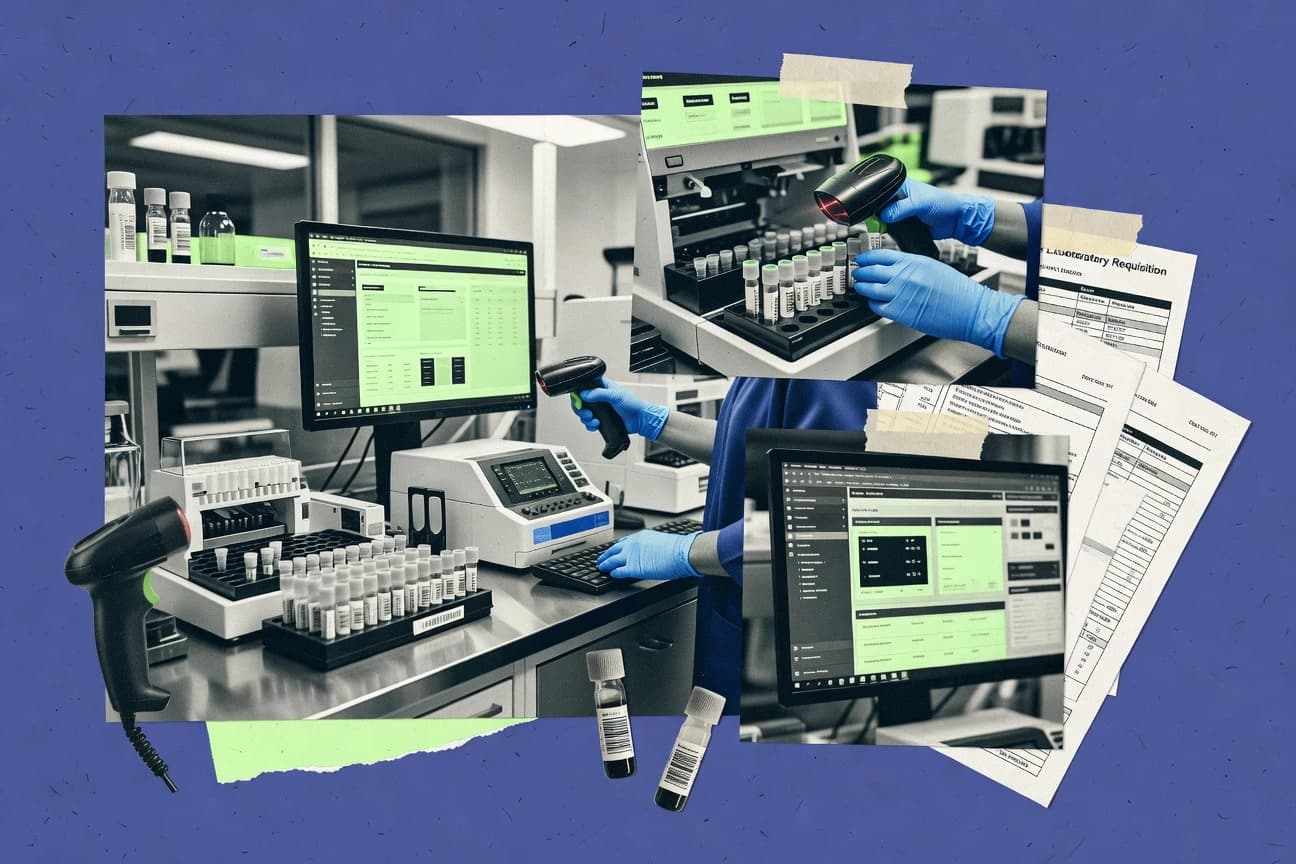
Clinical laboratory management software coordinates the path from test ordering and specimen accessioning to instrument result intake, validation, and final reporting.
These systems reduce manual rekeying and enforce consistent review gates using configurable workflow rules, while administrators control who can enter, verify, and release results.
Teams also use these tools to keep specimen state consistent from barcode capture to closure, which shows up clearly in tools like STARLIMS and LabVantage LIMS.
Validation gates, specimen-state workflow control, and integration automation that maintain release governance
The category hinges on how validation and workflow rules move results from entry through verified outcomes and final release.
The second axis is whether specimen identity and custody-aware status stay consistent across accessioning, aliquot routing, and closure, which directly affects misrouting risk.
The third axis is integration and automation surface, including instrument interfacing patterns and how external systems connect without breaking validation logic.
Configurable validation engine that gates results before release
Clinisys Laboratory Information System uses a configurable validation engine that gates results from entry through review and final release, which supports governed automation across the full lifecycle. LabVantage LIMS similarly uses a validation policy engine that coordinates autoverification outcomes with delta checking and critical result routing to reduce manual exception handling.
Autoverification, delta checking, and critical notification routing rules
LabVantage LIMS coordinates autoverification outcomes with delta checking and critical result routing, which reduces repeated manual verification in high-throughput workflows. Psyche Systems LIS couples validation workflow configuration with reflex and notification behaviors, which keeps routine throughput consistent across verification steps.
Specimen-centric status control tied to accessioning and closure
STARLIMS keeps specimen status consistent from barcode accessioning through result validation and closure, which reduces workflow drift when multiple technologist roles touch the same case. CloudLIMS ties specimen-centric configuration to ordering, validations, and reporting transitions, so workflow states remain linked across order-to-result movement.
Workflow engine that binds accessioned specimens to ordered tests through release checkpoints
LabWare LIMS uses a configurable workflow engine that ties accessioned specimens to ordered tests through controlled states and release checkpoints. SoftLab uses accession-linked workflow control to keep specimen status, test progress, and validation gates synchronized across the lab lifecycle.
Barcode specimen tracking plus aliquot state management with audit trail
LabCollector LIMS ties barcode and aliquot state management to a traceable audit trail across workflow steps, which supports inventory-like visibility for specimen movements. LABDAQ also centers barcode-driven specimen tracking across workflow states with audit trail visibility for order to result movement.
Integration and instrument interfacing patterns that reduce rekeying and transcription
LabVantage LIMS and LabWare LIMS both emphasize instrument interfacing to reduce rekeying by importing results into verification workflows. Clinisys Laboratory Information System supports instrument interfaces for automated result intake and depends on defined connectivity patterns for exchanging orders and results with hospital and ancillary systems.
A decision framework for selecting lab workflow software that keeps validation and integrations aligned
Start with the workflow control model. Decide whether validation gating and specimen state control need to be centralized inside the LIS/LIMS configuration or coordinated across sites and downstream validations.
Then validate the operational surface area. The right tool should show concrete support for instrument-driven workflows and governed change control when rules and routing policies evolve.
Match the validation control model to the lab’s release governance needs
Choose Clinisys Laboratory Information System when release governance must be enforced through a configurable validation engine that gates results from entry through review and final release. Choose LabVantage LIMS when validation outcomes must coordinate autoverification with delta checking and critical result routing across multi-department or multi-site workflows.
Select a specimen-state workflow approach that fits the lab’s identity and routing complexity
Choose STARLIMS when consistent specimen status from barcode accessioning through validation and closure is the main risk reducer for the lab. Choose LabWare LIMS when accessioned specimens must stay bound to ordered tests through controlled states and explicit release checkpoints in regulated workflows.
Evaluate how instrument interfacing and external connectivity affect configuration change time
If the lab expects frequent workflow evolution tied to instrument-driven inputs, Clinisys Laboratory Information System can add governance overhead because advanced configuration can require a strong release process. If many downstream validations share rules, LabVantage LIMS can slow workflow changes because shared rules across workflows can increase operational overhead.
Probe extensibility and API or automation depth using your actual integration plan
NovoPath documents API depth less strongly than core UI automation, so external workflow orchestration may depend on integration work for external steps. LabCollector LIMS provides extensibility for automation around notifications and work queues, but HL7 and FHIR coverage depends on integration choices and interfacing scope.
Choose the deployment fit by workflow coverage breadth and template maturity
Choose SoftLab when mid-size labs need strong workflow control and instrument integration and when onboarding support is available for complex rule configuration. Choose CloudLIMS when the lab needs end-to-end order-to-result workflows with audit trail coverage and can manage increased time-to-go-live for complex lab setups.
Stress-test governance controls against real role mapping across the lab
LabVantage LIMS includes role-based permissions and audit logs for governance around ordering, approving, and releasing results, which matters when multiple departments share release responsibility. NovoPath and Psyche Systems LIS both require careful role mapping across technologist workflows, so validate how verification duties separate from entry before rollout.
Which labs benefit from which workflow control profile
Clinical laboratory management software fits labs that must run specimen identity through ordered tests, capture instrument results, and enforce validation steps before release.
The best fit depends on whether the lab primarily needs centralized validation engines, specimen-state consistency, or governed multi-workflow automation across departments and sites.
Multi-department labs needing instrument-driven automation with governed result release across sites
LabVantage LIMS is a strong match because role-based permissions plus audit logs support governance, and its validation policy engine coordinates autoverification with delta checking and critical result routing. For similar multi-site governance needs, Clinisys Laboratory Information System also fits when configured validation gates must control results from entry through final release.
Regulated labs that need governed workflow configuration from specimen receiving to controlled result release
LabWare LIMS fits because its configurable workflow engine binds accessioned specimens to ordered tests through controlled states and release checkpoints. Clarity on specimen routing and auditability also aligns with how STARLIMS maintains specimen status consistency from barcode accessioning through closure.
Mid-size clinical labs that require consistent specimen status across barcodes and multiple technologist handoffs
STARLIMS fits because specimen status control stays consistent from barcode accessioning through result validation and closure. CloudLIMS fits when specimen-centric workflow configuration must tie accession state to ordering, validations, and reporting transitions.
Mid-size labs that want rule-driven validation tied to reflex and notification behaviors
NovoPath fits because rule-driven validation workflows tie specimen status, verification checkpoints, and result actions into one configurable review path. Psyche Systems LIS fits when validation workflow configuration must couple autoverification with reflex and notification behaviors for routine throughput control.
Labs that prioritize barcode and aliquot state management with audit trail visibility for specimen movements
LabCollector LIMS fits because barcode and aliquot state management ties specimen movements to a traceable audit trail across work steps. LABDAQ fits when barcode-centered specimen tracking across workflow states and audit trail visibility for order to result movement are the primary operational priorities.
Pitfalls that derail lab workflow projects and how to correct them using specific tools
Most implementation failures trace back to mismatched governance discipline, overly ambitious configuration change schedules, or integration assumptions that conflict with validation logic.
Several tools require stronger operational discipline around configuration and rule tuning, while others depend on integration mapping work to cover device and workflow edge cases.
Treating validation rules as simple configuration without a release governance process
Clinisys Laboratory Information System and LabVantage LIMS both rely on configured validation policies that gate or route results, so governance discipline must include change control for validation and release logic. If change control cannot be maintained, configuration can slow change cycles and introduce inconsistency across review steps.
Underestimating the effort to model catalogs, reflex logic, and routing policies across many downstream validations
LabVantage LIMS can add operational overhead when many downstream validations depend on shared rules, so reflex logic and routing policies should be modeled early. LabWare LIMS also requires specialized implementation effort because deep configuration governs specimen receiving, testing, and controlled release.
Assuming the instrument and external interface coverage matches every device without mapping work
Clinisys Laboratory Information System notes that some integrations depend on interface mapping work, so device onboarding plans should include mapping steps. LABDAQ and SoftLab can require additional engineering for instrument interfacing edge cases if the device set includes nonstandard outputs.
Relying on advanced automation without validating governance for exception workflows
CloudLIMS and LabCollector LIMS both require careful governance for exception automation because workflows for exceptions need disciplined rule mapping. STARLIMS also adds complexity when advanced automation rules are introduced without strong configuration governance.
Choosing a tool that does not match the lab’s workflow specialty depth expectations
LabCollector LIMS shows variable depth across hematology, microbiology, and molecular depending on lab setup, so specialty workflow requirements should be validated before rollout. NovoPath and Psyche Systems LIS can require configuration effort for clinical chemistry and hematology templates or for microbiology and molecular workflow depth.
How We Selected and Ranked These Tools
We evaluated each clinical laboratory management software tool on feature coverage, ease of use, and value using the provided tool ratings and capability summaries, with features carrying the biggest weight at 40 percent while ease of use and value each account for 30 percent.
We rated how each product supports order-to-result throughput using concrete mechanisms such as specimen workflow states, validation gating behavior, instrument interfacing for automated result intake, and governance controls like role-based access and audit logging.
We then used the same scoring to produce an overall rating where a tool with strong validation and workflow control rose even if configuration required more disciplined onboarding.
Clinisys Laboratory Information System stands apart because its configurable validation engine gates results from entry through review and final release, which directly improved the features score and justified the top placement for organizations that need release governance across the full specimen-to-result lifecycle.
Frequently Asked Questions About clinical laboratory management software
How do Clinisys, LabVantage, and LabWare handle specimen-to-result validation gating?
Which tools support instrument interfacing for automated result intake into the LIS or LIMS?
What integration path exists between laboratory systems and EHR environments in STARLIMS, CloudLIMS, and LabVantage LIMS?
When a lab needs SSO and RBAC, which platforms provide administrative control for who can release results?
How does STARLIMS perform barcode specimen tracking and maintain chain-of-custody style traceability?
What breaks if delta checking and autoverification policies conflict across runs in LabVantage LIMS and NovoPath?
Which tool is best suited for multi-department configuration where validation logic must match local procedures?
How do data migration and configuration changes affect audit trail continuity in CloudLIMS and LabCollector LIMS?
What extensibility options exist for automation around accessioning, verification, and notifications in LabCollector LIMS and LabVantage LIMS?
Tools reviewed
Primary sources checked during evaluation.
Referenced in the comparison table and product reviews above.
- Healthcare MedicineTop 10 Best Clinical Laboratory Software of 2026
- Healthcare MedicineTop 10 Best Clinical Trial Data Collection Software of 2026
- Healthcare MedicineTop 10 Best Clinical Communication And Collaboration Software of 2026
- Science ResearchTop 10 Best Laboratory Sample Management Software of 2026
- Healthcare MedicineTop 10 Best Clinical Decision Software of 2026
Keep exploring
Comparing two specific tools?
Software Alternatives
See head-to-head software comparisons with feature breakdowns, pricing, and our recommendation for each use case.
Explore software alternatives→In this category
Healthcare Medicine alternatives
See side-by-side comparisons of healthcare medicine tools and pick the right one for your stack.
Compare healthcare medicine tools→