
GITNUXSOFTWARE ADVICE
Fashion ApparelTop 10 Best 3D Apparel Design Software of 2026
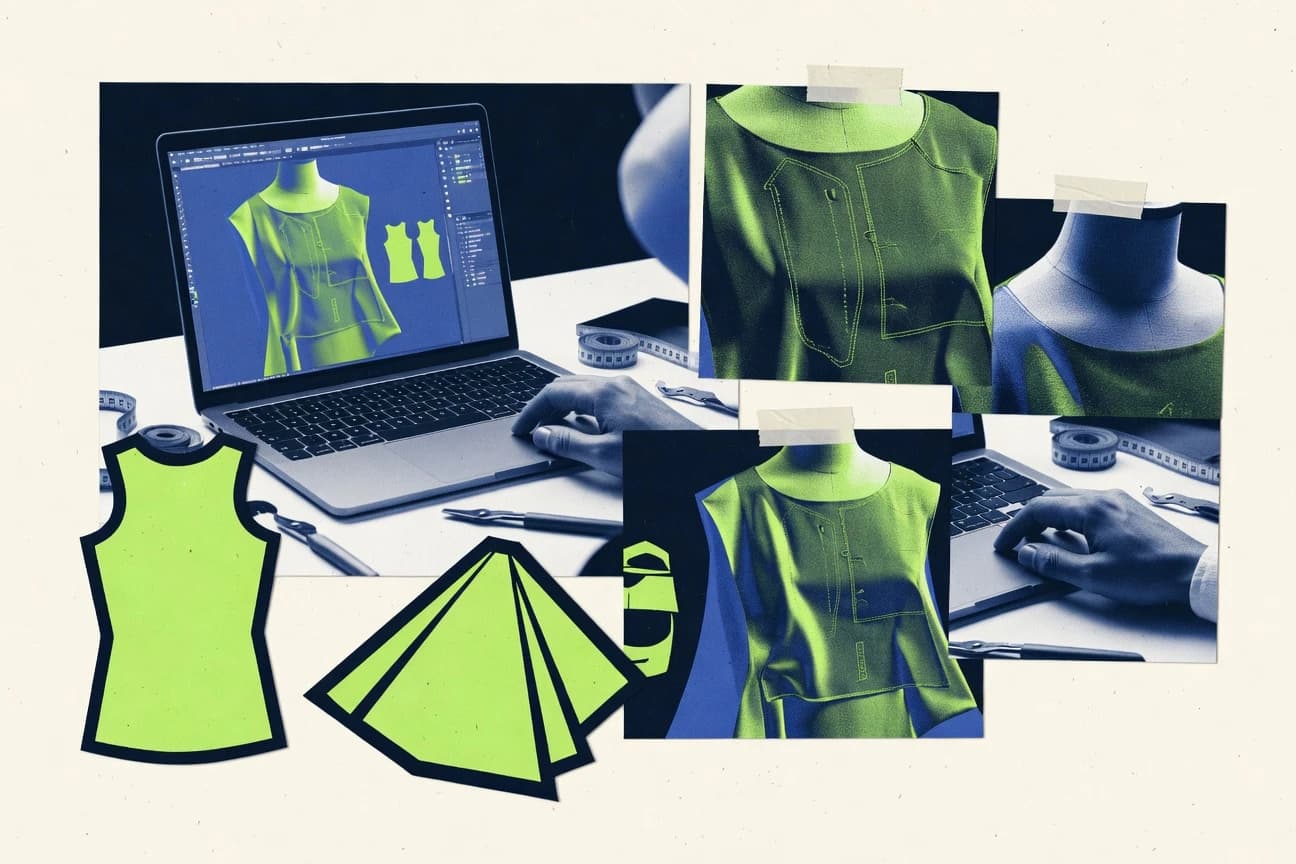
Top 10 3d apparel design software ranked for virtual try-on and pattern workflow, comparing Browzwear VStitcher, Optitex, and CLO for apparel teams.

How we ranked these tools
Core product claims cross-referenced against official documentation, changelogs, and independent technical reviews.
Analyzed video reviews and hundreds of written evaluations to capture real-world user experiences with each tool.
AI persona simulations modeled how different user types would experience each tool across common use cases and workflows.
Final rankings reviewed and approved by our editorial team with authority to override AI-generated scores based on domain expertise.
Score: Features 40% · Ease 30% · Value 30%
Gitnux may earn a commission through links on this page — this does not influence rankings. Editorial policy
Browzwear VStitcher is the strongest fit-review pick for apparel teams that want repeatable pattern-to-3D garment development with consistent construction logic, whereas Gemini CAD 3D works best when you need quick, repeated 3D-validated pattern edits for virtual sampling cycles.
Editor’s top 3 picks
Three quick recommendations before you dive into the full comparison below — each one leads on a different dimension.
Browzwear VStitcher
VStitcher’s pattern-to-3D conversion uses garment construction cues from the source pattern to drive draping and seam behavior.
Built for fits when apparel teams need repeatable pattern-to-3D fit review with consistent materials and construction logic..
Gemini CAD 3D
Editor pickPattern-driven 3D visualization tied to body measurement profiles for standardized fit review across sizes.
Built for fits when apparel teams need repeated pattern edits validated in 3D for fit review cycles..
EFI Optitex ( legacy 3D )
Editor pickPattern-to-3D draping workflow links edits to fit review iterations inside the same garment construction context.
Built for fits when apparel teams need repeatable pattern-based 3D fit review without heavy external automation..
Comparison Table
Browzwear VStitcher
enterpriseBrowzwear VStitcher supports 3D garment development, fit validation, and digital product creation.
VStitcher’s pattern-to-3D conversion uses garment construction cues from the source pattern to drive draping and seam behavior.
VStitcher is built around a pattern workflow where pattern geometry and garment construction details drive 3D draping, so fit changes can be validated without recreating garments from scratch. It supports exporting usable 3D formats for downstream viewing and for collaboration around digital garment assets. Teams that already manage patterns, measures, and size ranges can keep revisions tied to the same source pattern artifacts.
A key tradeoff is that pattern cleanliness and construction logic in the source input strongly affect simulation stability, so poorly structured tech packs lead to more correction cycles in 3D. VStitcher fits best for repeat apparel programs where the same garment family is reworked across colorways and size runs and where fit review needs tight feedback loops.
- +Pattern-driven 3D draping keeps fit decisions tied to construction inputs
- +Material and textile mapping improve consistency across virtual sample iterations
- +Asset export supports cross-team sharing for virtual garment review
- +Revision workflow supports repeated fit checks during ongoing development
- –Simulation quality depends on disciplined pattern and construction inputs
- –Advanced scene and garment setup can take training time for new users
- –Complex trims and embellishments may require careful setup per garment
- –Downstream collaboration may be limited by target format expectations
Apparel development teams
Rapid fit review from pattern revisions
Fewer physical sampling rounds
Pattern engineering teams
2D-to-3D construction validation
Cleaner construction fixes
Show 2 more scenarios
Product visualization teams
Material-consistent virtual sample sets
More repeatable presentation
Apply fabric and texture mapping to maintain look consistency across iterations.
PLM and digital asset teams
Hand-off of 3D garment assets
Faster cross-team alignment
Export digital garment outputs for downstream review and asset consumption.
Best for: Fits when apparel teams need repeatable pattern-to-3D fit review with consistent materials and construction logic.
Gemini CAD 3D
SMB3D apparel design and simulation software from Gemini CAD Systems for pattern validation and virtual sampling.
Pattern-driven 3D visualization tied to body measurement profiles for standardized fit review across sizes.
Gemini CAD 3D is used by apparel teams that need fast visual feedback during digital prototyping, where pattern changes must reflect quickly in 3D draping. The workflow is built for colorway and styling iteration with material look updates so design reviews can be done without leaving the 3D context. Export options support sharing 3D garment outputs with other tools that handle 3D review, asset delivery, and manufacturing handoff. The fit review process is grounded in body measurement profiles so garment appearance can be checked across target sizes.
A tradeoff appears in how teams structure their pattern-to-3D preparation, because inconsistent pattern organization can slow down repeated 3D revisions. Gemini CAD 3D fits best when an apparel house has an established internal pattern workflow and expects multiple stakeholders to review fit and visual styling in the same digital cycle.
- +Pattern-driven 3D iteration supports quick fit and styling reviews
- +Body measurement profiles help standardize fit checks across size targets
- +Exportable 3D garment assets support downstream review and presentation
- +Colorway and material appearance updates keep design reviews in 3D
- –Pattern organization issues can slow down repeated 3D revisions
- –Advanced pattern authoring needs tighter internal process control
- –Collaboration relies on consistent asset handoffs between stakeholders
- –Limited visibility into automation hooks compared with API-first tools
Apparel product development teams
Iterate patterns and assess fit in 3D
Fewer rework rounds
Digital merchandisers
Review colorways with consistent 3D visuals
Faster approvals
Show 2 more scenarios
Sourcing and sample coordinators
Share 3D garment assets for reviews
Cleaner review handoffs
Coordinators export 3D models for vendor or internal reviews without regenerating visuals.
Pattern techs
Prepare repeatable pattern inputs for 3D
More predictable 3D outputs
Pattern techs use repeatable pattern preparation so 3D appearance stays consistent between revisions.
Best for: Fits when apparel teams need repeated pattern edits validated in 3D for fit review cycles.
EFI Optitex ( legacy 3D )
enterprise3D digital apparel design and simulation solution offered as part of EFI Optitex product suite.
Pattern-to-3D draping workflow links edits to fit review iterations inside the same garment construction context.
EFI Optitex ( legacy 3D ) turns apparel patterns into draped 3D garments so designers can review fit, balance, and coverage against body measurement profiles. The workflow is built around iterative updates where pattern edits propagate back to the 3D view for repeatable fit review cycles. Material and texture mapping support helps teams compare colorways and fabric look in virtual sampling.
A key tradeoff is that the legacy generation does not emphasize integration depth and automation surfaces compared with newer CAD and virtual try-on stacks. It fits best when a team already relies on Optitex-style pattern files and needs dependable internal fit visualization rather than deep external system coupling. It is also a good match when throughput depends on designer-driven iterations, not on scripted pipelines.
- +Pattern-driven 3D draping keeps fit review tied to editable construction
- +Material look and texture mapping support helps compare fabric and colorways
- +Virtual sampling cycles reduce repeated physical mockups for fittings
- +Apparel-focused workflow aligns with garment teams doing iterative design
- –Legacy implementation limits modern API and automation depth
- –Requires disciplined pattern setup for predictable 3D fit results
- –Interchange with non-native CAD flows can involve manual steps
- –Virtual try-on experiences depend on internal workflow rather than turnkey avatars
Product development teams
Iterate pattern changes in 3D
Fewer physical re-samples
Merchandising and design studios
Compare fabric and colorway looks
Faster visual approvals
Show 2 more scenarios
Tech pack production teams
Coordinate construction verification
Lower fit review rework
Review construction alignment in 3D before locking pattern and measurements for documentation.
SMB apparel brands
Run internal virtual sampling
Improved design iteration throughput
Conduct virtual sampling iterations using established pattern data and internal viewing workflows.
Best for: Fits when apparel teams need repeatable pattern-based 3D fit review without heavy external automation.
CLO 3D
vertical specialistCLO 3D creates digital garments with virtual fitting, textile simulation, and apparel visualization.
Its pattern-to-3D garment conversion pairs with parameterized fabric simulation for construction-aware fit checks during iteration.
CLO 3D combines virtual garment prototyping with real-time 3D draping, letting apparel teams iterate on fit and construction decisions from a single design workspace. The workflow supports importing and refining pattern files, then converting them into simulated 3D garments for review against body measurement profiles.
Material behavior is controlled through fabric physics parameters and textile texture mapping, which makes visual and dimensional checks part of the same loop. Export options support downstream usage in apparel CAD and digital product creation pipelines.
- +Real-time 3D draping tuned by fabric physics for faster fit iteration
- +Pattern-to-garment workflow supports virtual sampling and construction review
- +Material libraries support textile texture mapping and consistent appearance checks
- +Export formats cover common apparel interchange needs for downstream work
- –Higher learning curve for stable drape outcomes and material parameter calibration
- –Complex tech pack style edits can require extra workflow steps versus CAD editing
- –Virtual try-on review still depends on accurate body measurement profiles
- –Automation beyond the UI needs scripting or external integration planning
Best for: Fits when apparel teams need repeatable 2D-to-3D pattern workflow for virtual sampling and fit review.
Optitex 3D
enterpriseOptitex provides 2D pattern engineering and 3D apparel visualization for garment production teams.
Pattern-to-3D workflow that keeps construction intent aligned during virtual sampling and fit iteration inside the draping view.
Optitex 3D turns apparel patterns into rendered garments using 3D draping, with a workflow built around virtual sampling and fit review. It supports pattern and spec iteration loops that connect 2D pattern changes to 3D visuals for quicker visual checks of construction and proportions.
The core experience centers on textile appearance workflows, including material and colorway assignment, plus export paths for digital product outputs used in downstream tools. Optitex 3D also fits teams that want CAD interoperability for pattern exchange as part of their digital garment prototyping process.
- +Tight 2D-to-3D iteration for faster construction and proportion checks
- +Draping workflow supports practical fit review loops for sampling
- +Material and color assignment supports consistent virtual garment appearance
- +Export paths support common digital garment handoff formats for production pipelines
- –Advanced scene and fabric setup can take longer than basic visualization workflows
- –Interoperability needs deliberate file management when exchanging pattern data
- –Complex design variants can increase scene workload during repeated 3D checks
- –Automation and API extensibility are limited compared with tools that expose deeper integration
Best for: Fits when apparel teams need repeatable pattern-to-3D sampling loops for fit review and design validation.
Dassault Systèmes MODSIM
enterpriseUnified modeling and simulation environment for apparel design built on the 3DEXPERIENCE platform.
Pattern-centered iteration that ties apparel CAD changes to 3D fit review outputs for controlled virtual sampling cycles.
Dassault Systèmes MODSIM is built for 3D apparel design teams that need tight coordination between pattern workflows and simulation-ready garment visuals. The tool supports apparel CAD and 3D garment draping for iterative fit review, with export paths for downstream asset use.
MODSIM also fits organizations that already run Dassault systems-style product data processes, since apparel work can be structured as reusable digital product content rather than one-off renders. The strongest value shows up when teams treat virtual sampling as a controlled pipeline feeding tech packs and 3D assets used in review and visualization.
- +Draping and garment visualization support repeatable fit review loops
- +Apparel CAD workflows keep pattern work connected to 3D review outputs
- +Export options support handoff to visualization and downstream production steps
- +Works well when apparel content must stay consistent across iterations
- –Pattern-to-3D workflows can require disciplined setup to avoid rework
- –Integration with non-Dassault PLM stacks can add friction
- –Advanced automation depends on external workflow engineering rather than in-app wizards
- –Complex collections may feel heavy without standardized project conventions
Best for: Fits when apparel teams need a controlled pattern-to-3D review workflow tied to repeatable outputs.
Audaces 3D
SMB3D virtual garment creation and fitting tool integrated with Audaces pattern design software.
Pattern-to-3D iteration workflow built to shorten the loop from tech-pack changes to virtual fit review deliverables.
Audaces 3D pairs 3D garment visualization with a pattern-centric workflow focused on virtual sampling and fit review. The software supports digital garment prototyping with material appearance controls and export paths for handoff into downstream apparel processes.
Audaces 3D is differentiated by its integration path into the broader Audaces apparel toolchain, which reduces friction between pattern files and 3D visualization steps. For teams that run repeatable fit and style iterations, it emphasizes throughput from pattern updates to visual check deliverables.
- +Tight workflow between pattern changes and 3D fit review iterations
- +Material appearance controls that support consistent visual checks
- +Export options for 3D presentation and downstream asset handoff
- +Designed for repeated virtual sampling cycles across style ranges
- –3D-to-CAD interoperability depth can lag behind CAD-first vendors
- –Automation coverage depends on how Audaces modules are deployed
- –Large scenes can slow iterative review without workflow discipline
- –API and extensibility surface is limited for custom pipelines
Best for: Fits when apparel teams need dependable 3D sampling feedback loops from pattern updates.
TailorNova
SMBTailorNova provides browser-based fashion design, custom pattern drafting, and 3D garment visualization.
Measurement-driven avatar try-on that ties visual fit checks to rapid garment iteration for sampling review workflows.
TailorNova is a 3D apparel design and virtual sampling workspace that centers on pattern-to-3D fitting review rather than only asset visualization. It supports avatar-based try-on and measurement-driven fit checks to speed iteration on garment shape and proportion.
The workflow includes material and surface assignment for colorways and textile look development in rendered outputs. It also targets CAD handoff by exporting digital garment representations for downstream marketing and product creation reviews.
- +Avatar fitting workflow focuses on measurement-driven fit review
- +Material and surface assignments support consistent colorway presentation
- +Exports support use in virtual showroom style review pipelines
- +Iteration loop is built around visual sampling for garment changes
- –DXF or detailed pattern exchange depth is narrower than dedicated pattern CAD tools
- –Advanced fabric physics and drape tuning controls are limited for edge cases
- –Tight PLM-style governance like audit logs and approvals is not core
- –Automation and API surface for batch conversions appears limited
Best for: Fits when apparel teams need fast 3D fit review loops for sampling and stakeholder presentation.
TUKA3D
enterpriseTUKA3D supports virtual garment development, fitting, fabric simulation, and apparel merchandising.
TUKA3D’s garment draping workflow ties 3D fit review closely to pattern-driven edits across iterations.
TUKA3D converts 2D pattern content into 3D garment views for fit review and virtual sampling workflows. It supports draping, material and texture mapping, and iterative garment updates tied to pattern edits.
The tool also supports export of 3D assets for downstream use in visualization and asset pipelines. Automation options are centered on repeatable scene generation from garment sources rather than full custom integrations.
- +Strong 2D to 3D garment conversion for rapid fit checks
- +Draping and garment behavior are suitable for early-stage sampling iterations
- +Material look development supports consistent textile texture placement
- +Export of 3D assets supports reuse in visualization workflows
- –Workflow depth depends on upstream pattern quality and naming conventions
- –Automation and API extensibility are limited for custom enterprise pipelines
- –Advanced shade variation and large colorway batch management can be labor-intensive
- –Collaboration features for review assignment and approvals are not the core focus
Best for: Fits when apparel teams need dependable 2D-to-3D fit review and material visualization without heavy pipeline engineering.
Marvelous Designer
vertical specialistMarvelous Designer creates detailed 3D garments with cloth simulation and pattern-based construction.
Interactive garment creation with cloth simulation tightly coupled to panel sewing operations and immediate drape feedback.
Marvelous Designer is a 3D apparel design app built around interactive cloth simulation for pattern drafting, draping, and fit review inside a single workflow. It supports garment creation from 2D patterns and rapid iteration on seams, panel layouts, and avatar-driven adjustments.
Export pipelines include common 3D formats plus pattern outputs for downstream fabrication and documentation work. For apparel teams that prioritize rapid virtual sampling, its strongest value is shortening the loop between pattern edits and visible garment behavior.
- +Interactive cloth simulation that updates drape behavior after pattern edits
- +Pattern drafting and panel sewing workflow built into the same garment scene
- +Avatar fitting controls support measurement-based iteration for fit reviews
- +Exports include mesh and pattern-related deliverables for downstream use
- –Automation via API and external orchestration is limited for large production pipelines
- –Complex material and texture workflows can require manual setup for consistency
- –Large scene performance can degrade with heavy multi-garment assemblies
- –Coordinating tech pack style artifacts still takes more manual cleanup than some CAD suites
Best for: Fits when garment teams need fast virtual sampling loops from pattern edits to fit review.
Conclusion
After evaluating 10 fashion apparel, Browzwear VStitcher stands out as our overall top pick — it scored highest across our combined criteria of features, ease of use, and value, which is why it sits at #1 in the rankings above.
Use the comparison table and detailed reviews above to validate the fit against your own requirements before committing to a tool.
How to Choose the Right 3d apparel design software
This buyer's guide covers Browzwear VStitcher, Optitex 3D and CLO 3D, plus eight other systems used for 3D garment visualization and virtual sampling workflows.
The sections that follow focus on how each tool converts pattern work into repeatable 3D draping and fit review outputs, and which products tie those steps most tightly to garment construction inputs. Browzwear VStitcher and CLO 3D are featured early because their pattern-to-3D conversion workflows directly drive draping and seam behavior during iteration. Optitex 3D and Optitex EFI represent the Optitex approach to pattern-driven 3D sampling loops with different integration and automation depth.
3D apparel design software for virtual sampling, pattern-to-3D fit review, and garment visualization
3D apparel design software supports digital garment prototyping by turning pattern edits and construction cues into 3D garment draping for fit review cycles.
Browzwear VStitcher uses pattern-to-3D conversion that applies garment construction cues from the source pattern to drive seam behavior in 3D. CLO 3D pairs its pattern-to-3D conversion workflow with parameterized fabric simulation so construction-aware fit checks update during iteration. Optitex 3D keeps construction intent aligned during virtual sampling inside the draping view, while Optitex EFI 3D anchors pattern-to-3D fit review in a single construction context with legacy implementation limits. Tools like TailorNova focus more on measurement-driven avatar try-on, which prioritizes rapid stakeholder presentation over deep DXF or detailed pattern exchange.
3D fit review and pattern-to-3D conversion controls that shape iteration speed
Pattern-to-3D conversion quality determines whether fit decisions stay tied to construction inputs during virtual sampling. Browzwear VStitcher links pattern edits to 3D draping seam behavior using garment construction cues from the source pattern.
Fabric look and textile or surface mapping controls decide whether teams can compare colorways and materials consistently across revisions. CLO 3D and Browzwear VStitcher emphasize fabric physics and material or textile mapping, while TailorNova centers measurement-driven avatar try-on for faster stakeholder visibility.
Pattern-driven 3D draping that preserves construction intent
Browzwear VStitcher and CLO 3D tie fit review outcomes to how the garment is constructed in the source pattern, not just visual geometry. EFI Optitex keeps the edits inside a single garment construction context, while TUKA3D focuses on dependable pattern-to-3D fit review loops.
Repeatable fit review loops across sizing targets
Gemini CAD 3D uses pattern-driven 3D visualization tied to body measurement profiles to standardize fit checks across size targets. Browzwear VStitcher supports consistent fit review iterations by keeping conversion logic tied to pattern construction inputs.
Material appearance consistency during virtual sampling
Browzwear VStitcher pairs pattern-driven 3D draping with material and textile mapping for consistency across virtual sample iterations. CLO 3D uses parameterized fabric simulation for construction-aware fit checks, and Audaces 3D includes material appearance controls that support consistent visual checks.
Workflow fit for 2D-to-3D vs CAD-linked review cycles
Optitex 3D and CLO 3D prioritize pattern-to-3D sampling loops inside the draping view for quick construction and proportion checks. Dassault Systèmes MODSIM ties apparel CAD changes to 3D fit review outputs for controlled virtual sampling cycles.
Automation and extensibility depth for enterprise pipelines
Browzwear VStitcher is scored highly for overall features and ease, and it stands out in how conversion preserves construction cues for repeatable downstream work. EFI Optitex is constrained by legacy implementation that limits modern API and automation depth, while TailorNova and Marvelous Designer show limited automation via API and external orchestration for production-scale pipelines.
Choose by pipeline control depth, conversion logic, and integration requirements
The fastest path to fewer fit-review reworks comes from aligning the tool’s conversion logic with how pattern edits are authored and validated. Browzwear VStitcher and Optitex 3D emphasize pattern-driven 3D sampling loops that keep construction intent aligned during iteration.
Teams that standardize fit across measurement targets should weight tools like Gemini CAD 3D that connect pattern-driven visualization to body measurement profiles. Teams that require orchestration and automation surfaces should also compare EFI Optitex legacy limitations against tools that support deeper workflow automation expectations.
Map the fit-review source of truth to the tool’s conversion logic
If garment construction cues must drive seam behavior in 3D, Browzwear VStitcher connects pattern-to-3D conversion to construction logic. If fit review needs parameterized fabric physics coupled to a pattern-to-3D conversion workflow, CLO 3D supports construction-aware fit checks during iteration.
Pick the iteration loop style: in-view pattern conversion or CAD-to-3D controlled outputs
Optitex 3D and TUKA3D prioritize a pattern-to-3D workflow that keeps sampling and fit review tightly inside the draping view. Dassault Systèmes MODSIM ties apparel CAD changes to controlled 3D fit review outputs to match workflows that require repeatable review cycles.
Standardize sizing checks using measurement profiles where the workflow requires it
Gemini CAD 3D uses body measurement profiles to standardize fit review across size targets when repeated pattern edits must validate in 3D. Browzwear VStitcher focuses on consistent construction-driven conversion, which reduces variation when size targets are produced through disciplined pattern inputs.
Validate that material or fabric parameter workflows match the team’s consistency bar
Browzwear VStitcher adds material and textile mapping for consistency across virtual sample iterations. CLO 3D supports parameterized fabric simulation for faster construction-aware fit iteration, while Audaces 3D provides material appearance controls that support consistent visual checks.
Decide whether legacy platform constraints fit the automation expectations
If enterprise automation depth and modern API or orchestration are required, EFI Optitex is limited by legacy implementation that restricts modern API and automation depth. If the team mainly needs repeatable pattern-based 3D fit review without heavy external orchestration, EFI Optitex can still align with the workflow.
Choose avatar-driven measurement review only when exchange depth is not the priority
TailorNova centers measurement-driven avatar try-on for fast sampling and stakeholder presentation, which narrows DXF or detailed pattern exchange depth versus dedicated pattern CAD tools. Marvelous Designer can update drape behavior after pattern edits in a single garment scene, but automation via API and external orchestration is limited for large production pipelines.
Which teams benefit from pattern-to-3D conversion, construction-aware simulation, and controlled review loops
Apparel teams that run repeatable pattern-to-3D fit review cycles benefit when conversion logic preserves garment construction cues. Browzwear VStitcher fits apparel fit review workflows that need repeatable pattern-to-3D draping with seam behavior driven by construction inputs.
Teams that prioritize measurement-driven stakeholder visibility benefit from avatar fitting workflows even when pattern exchange depth is narrower. TailorNova supports measurement-driven avatar try-on for rapid sampling and presentation.
Apparel pattern and fit review teams standardizing construction-driven 3D validation
Browzwear VStitcher is best for repeatable pattern-to-3D fit review with consistent materials and construction logic, and its pattern-driven conversion uses garment construction cues to drive draping and seam behavior. Optitex 3D also targets pattern-to-3D sampling loops for construction and proportion checks inside the draping view.
Teams that run size-target fit review with measurement profiles
Gemini CAD 3D ties pattern-driven 3D visualization to body measurement profiles to standardize fit checks across size targets. Browzwear VStitcher supports consistent construction-driven conversion when size targets are produced from disciplined pattern and construction inputs.
Design and sampling teams iterating on fabric behavior during virtual sampling
CLO 3D is suited for teams that need parameterized fabric simulation so construction-aware fit checks update during iteration. Audaces 3D supports dependable 3D sampling feedback loops from pattern updates with material appearance controls for consistent visual checks.
Enterprises needing controlled review outputs from CAD-linked pipelines
Dassault Systèmes MODSIM supports pattern-centered iteration that ties apparel CAD changes to 3D fit review outputs for controlled virtual sampling cycles. This approach matches teams that require controlled repeatable outputs instead of solely in-view sampling loops.
Stakeholder-facing workflows where measurement-driven avatar fit is the priority
TailorNova focuses on measurement-driven avatar try-on and prioritizes fast visual fit checks for sampling and stakeholder presentation. Marvelous Designer also provides immediate drape feedback in the same garment scene, while its automation depth remains limited for orchestration-driven pipelines.
Common selection and rollout pitfalls in 3D apparel design software
Most rollout failures come from assuming that pattern edits will carry through to 3D results without strict control of input structure and iteration steps. Browzwear VStitcher produces predictable drape and seam behavior when pattern and construction inputs are disciplined, and CLO 3D requires stable drape outcomes through material parameter calibration.
Integration problems also derail fit review pipelines when file exchange needs exceed what the tool is optimized to handle. TailorNova and Marvelous Designer limit detailed pattern exchange depth or automation via API for production workflows, while Audaces 3D can lag in 3D-to-CAD interoperability depth compared with CAD-first vendors.
Choosing a tool that looks good in 3D but does not preserve construction-to-drape logic
Browzwear VStitcher is designed so pattern-driven 3D draping keeps fit decisions tied to construction inputs, including seam behavior. CLO 3D and Optitex 3D support construction-aware sampling, but stable outcomes depend on correct pattern workflow and fabric parameter calibration.
Ignoring workflow control for repeated 3D revisions
Gemini CAD 3D can slow repeated 3D revisions when pattern organization issues are present, and it requires tighter internal process control for advanced pattern authoring. Browzwear VStitcher and EFI Optitex also need disciplined pattern setup because simulation quality depends on disciplined inputs.
Overestimating automation and API extensibility for enterprise pipelines
EFI Optitex uses a legacy implementation that limits modern API and automation depth. Marvelous Designer limits automation via API and external orchestration, and TailorNova has narrower exchange depth than dedicated pattern CAD tools.
Expecting deep interoperability without planning exchange steps
Audaces 3D has 3D-to-CAD interoperability depth that can lag behind CAD-first vendors, which can add friction when moving between tools. Optitex 3D also needs deliberate file management when exchanging pattern data, especially during virtual sampling iteration loops.
Using avatar-driven visualization when pattern exchange and drape tuning are required
TailorNova centers measurement-driven avatar try-on and limits DXF or detailed pattern exchange depth versus dedicated pattern CAD tools. Marvelous Designer provides interactive cloth simulation with immediate drape feedback, but advanced fabric and texture workflows can require manual setup for consistency.
How We Selected and Ranked These Tools
We evaluated Browzwear VStitcher, Optitex 3D, and CLO 3D first because their pattern-to-3D conversion workflows drive draping and fit review iteration. Features accounted for 40% of the ranking and weighed how pattern-driven conversion, material or textile mapping, and construction-aware simulation support repeatable sampling loops.
Ease accounted for 30% of the ranking and prioritized how quickly teams can reach stable drape outcomes without rework caused by setup complexity. Value accounted for 30% of the ranking and reflected the balance between conversion consistency, fit review workflow loops, and limitations like legacy automation constraints that appear most clearly in EFI Optitex.
Frequently Asked Questions About 3d apparel design software
How does Browzwear VStitcher handle pattern-to-3D conversion when seam and closure placement is critical?
What breaks if a team uses legacy Optitex (legacy 3D) for API-driven automation across design and visualization steps?
Which tools support standardized fit review across sizes using body measurement profiles as the reference frame?
How do CLO 3D and Marvelous Designer differ when the primary goal is construction-aware fabric physics during fit review?
When a workflow needs CAD interoperability for pattern exchange, where does Optitex 3D fit versus MODSIM?
How does Audaces 3D reduce friction when moving from tech-pack changes to virtual fit review deliverables?
What tradeoff appears when TUKA3D is used for repeatable scene generation compared with full custom integrations?
How does TailorNova map avatar-based try-on into a sampling workflow tied to pattern iteration?
When teams need glTF or OBJ export for downstream digital product creation, which tools align with export-focused pipeline outputs?
Tools reviewed
Primary sources checked during evaluation.
Referenced in the comparison table and product reviews above.
- Fashion ApparelTop 10 Best 3D Fashion Design Software of 2026
- Fashion ApparelTop 10 Best 3D Clothing Design Software of 2026
- Fashion ApparelTop 10 Best Custom Tshirt Design Software of 2026
- Fashion And ApparelTop 10 Best Costume Designing Software of 2026
- Fashion ApparelTop 10 Best Custom Shoe Design Software of 2026
Keep exploring
Comparing two specific tools?
Software Alternatives
See head-to-head software comparisons with feature breakdowns, pricing, and our recommendation for each use case.
Explore software alternatives→In this category
Fashion Apparel alternatives
See side-by-side comparisons of fashion apparel tools and pick the right one for your stack.
Compare fashion apparel tools→