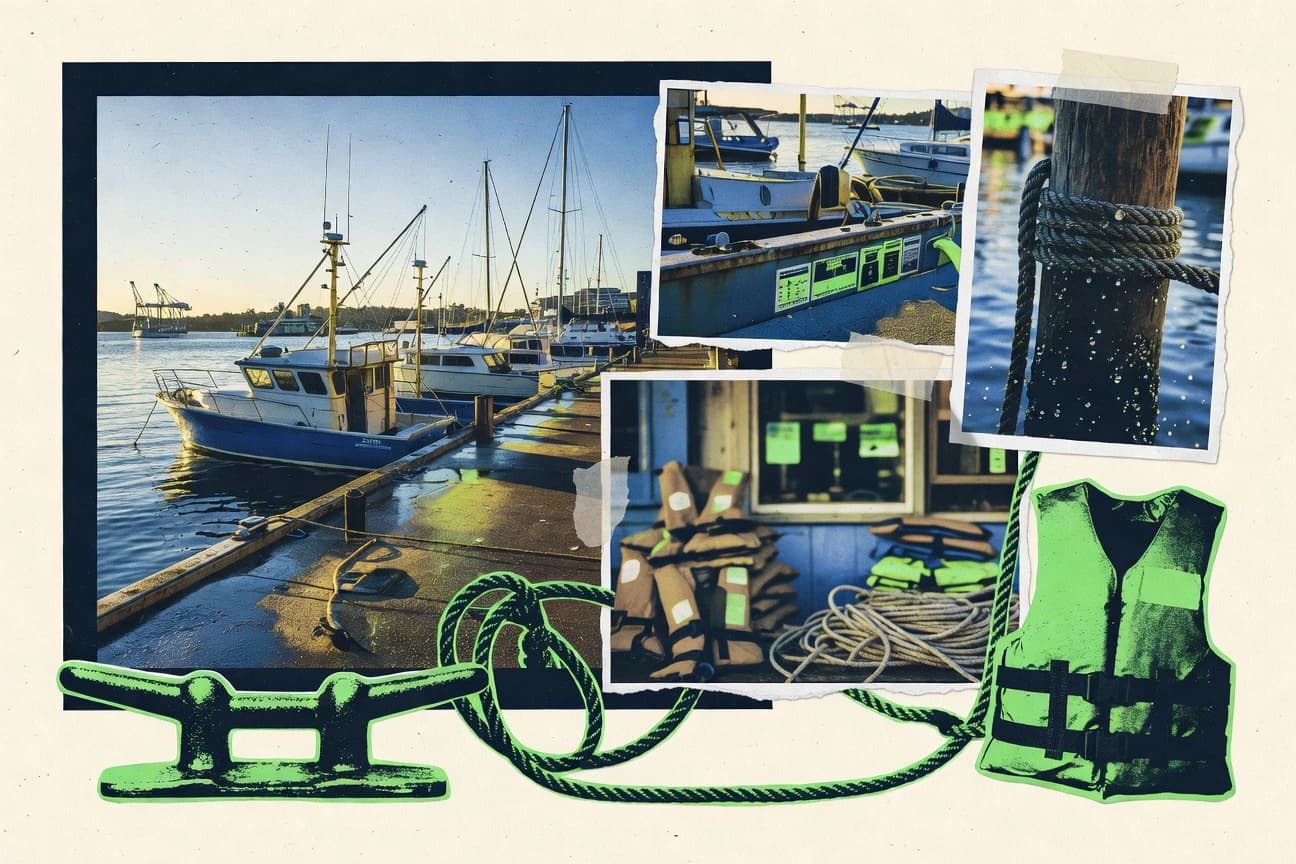

In 2022, Australia’s boating industry contributed $12.6 billion to national GDP, equal to 0.5% of total output. It supported 82,000 full-time equivalent jobs and paid $5.1 billion in wages and salaries. Tourism added another $4.2 billion in direct expenditure in 2021-22, showing how boating demand spreads beyond the marina.
Key Takeaways
- In 2022, the Australian boating industry contributed $12.6 billion to the national GDP, representing 0.5% of total GDP
- The boating industry employed 82,000 people directly in 2022
- Australia had 923,000 registered recreational vessels in 2022
- Boating fatalities dropped to 35 in 2021-22, lowest in decade
- Trailer boat sales dominated with 75% market share in 2022, totaling 16,900 units
Australian boating industry statistics show strong growth in boating participation and ongoing investment in marine infrastructure.
Related reading
01 · Category
Economic Impact18 stats
01
In 2022, the Australian boating industry contributed $12.6 billion to the national GDP, representing 0.5% of total GDP
02
The boating sector supported 82,000 full-time equivalent jobs in Australia as of 2022
03
Boating tourism generated $4.2 billion in direct expenditure in 2021-22
04
Retail sales of new boats reached $1.8 billion in FY2022, up 15% from previous year
05
The industry paid $5.1 billion in wages and salaries in 2022
06
Boating-related imports totaled $2.3 billion in 2022, primarily engines and accessories
07
Domestic boating supply chain expenditure was $8.9 billion in 2022
08
The sector induced $3.4 billion in household spending in 2022
09
Boating exports grew by 8% to $450 million in 2022
10
Fuel sales for recreational boating amounted to $1.1 billion annually in 2021
11
Maintenance and repair services generated $2.7 billion in revenue in 2022
12
New boat sales volume increased to 22,500 units in 2022
13
The industry's total economic output multiplier effect was 2.1 in 2022
14
Boating contributed $1.2 billion to state government taxes in 2022
15
Charter boat operations earned $650 million in 2021-22
16
In 2022, the Australian boating industry contributed $12.6 billion to GDP, up 5% from 2021
17
Induced economic effects from boating totaled $3.4 billion in household consumption in 2022
18
Boating sector taxes to federal government were $2.8 billion in 2022
Interpretation
Economic Impact Interpretation
The Australian boating industry is far more than just a sunny day hobby; it's a formidable economic tide lifting everything from national GDP and job creation to tourism and exports, all while floating on a sea of taxes, wages, and retail therapy.
02 · Category
Employment25 stats
01
The boating industry employed 82,000 people directly in 2022
02
Manufacturing subsector had 15,000 jobs in 2022
03
Retail and dealerships employed 25,000 FTE in 2022
04
Marine services technicians numbered 18,000 in 2022
05
Charter and tourism boat operations employed 12,000 in 2021-22
06
QLD boating sector jobs totaled 22,000 in 2022
07
Average wage in boating manufacturing was $85,000pa in 2022
08
NSW marine employment was 20,000 jobs in 2022
09
Apprenticeships in boat building reached 1,200 in 2022
10
VIC boat repair shops employed 8,500 people in 2022
11
Female employment in industry grew to 28% in 2022
12
WA marine sector jobs were 9,000 in 2022
13
Skills shortage affected 35% of marine businesses in 2022 survey
14
Tourism boating jobs increased 10% post-COVID to 15,000 in 2022
15
Boat builders certification holders numbered 4,500 in 2022
16
Manufacturing jobs grew 3% to 15,500 in boat building 2022
17
Dealership employment turnover rate was 12% in 2022
18
Offshore racing crew jobs number 2,500 seasonally
19
Training completions in marine mechanics: 850 in 2022
20
SA marine industry employs 4,200 directly in 2022
21
Remote area boating jobs (NT) total 1,800 in tourism
22
42% of businesses report mechanic shortages in 2022
23
Median marine technician salary $92,000pa in 2022
24
Event staffing for boating shows employs 5,000 annually
25
TAS boat building workshops employ 1,200 skilled workers
Interpretation
Employment Interpretation
Behind every blissful Australian enjoying a day on the water, there's a surprisingly robust and stressed-out army of 82,000 professionals building, fixing, selling, and certifying the boats, all while desperately trying to hire more mechanics.
03 · Category
Participation and Ownership26 stats
01
Australia had 923,000 registered recreational vessels in 2022
02
18% of Australian households owned a boat in 2021, totaling 1.9 million people involved
03
Queensland had the highest boat registrations at 285,000 in 2022
04
NSW boat owners numbered 250,000 in 2022
05
Average boat ownership tenure is 12 years in Australia
06
45% of boats are used primarily for fishing, per 2022 survey
07
Victoria registered 145,000 vessels in 2022
08
32% of owners are aged 35-54, the largest demographic in 2022
09
WA had 95,000 recreational boats registered in 2022
10
Membership in boating clubs exceeded 250,000 in 2022
11
28% growth in female boat ownership since 2015, reaching 22% in 2022
12
SA registrations stood at 55,000 boats in 2022
13
Annual boating participation rate is 12.5% of population, or 3.1 million people
14
Tasmania had 28,000 registered vessels in 2022
15
Multi-hull ownership increased 15% to 45,000 vessels since 2018
16
NT boat registrations were 12,000 in 2022
17
Average annual usage per boat is 85 hours in 2022
18
55-64 age group owns 25% of all registered boats in 2022
19
Sydney Harbour boat density is 1 vessel per 10 hectares of water
20
Interstate boating trips totaled 1.2 million annually pre-2023
21
ACT residents own 5,000 boats despite no coastline, registered interstate
22
Overnight boating trips average 4 nights per trip for 25% of owners
23
Diesel engines power 22% of recreational fleet in 2022
24
Corporate boat ownership is 8% of total registrations
25
Youth participation (under 18) in boating is 15% of total
26
Median boat value owned is $45,000in 2022 survey
Interpretation
Participation and Ownership Interpretation
Australia is a nation so devoted to its boats that, statistically speaking, we're practically a floating continent held together by fishing lines, diesel fumes, and the stubborn determination of a quarter-million club members to have a serious chat about the marina's new parking rules.
More related reading
04 · Category
Safety and Infrastructure26 stats
01
Boating fatalities dropped to 35 in 2021-22, lowest in decade
02
72% of fatalities involved males aged 30-60 in 2022
03
Australia has 1,250 public marinas with 85,000 berths in 2022
04
Capsizing caused 18% of incidents in 2021-22
05
PFD wear rate improved to 65% in monitored incidents 2022
06
Total boating accidents reported: 4,200 in 2021-22
07
Marina occupancy rate averaged 92% nationally in 2022
08
Alcohol involved in 22% of fatalities in 2022
09
QLD had 450 marina berths added in 2022
10
Serious injuries from boating: 1,150 cases in 2021-22
11
NSW ramp infrastructure includes 620 public boat ramps
12
AIS adoption on recreational vessels reached 15% in 2022
13
EPIRB carriage compliance 98% in checked vessels 2022
14
VIC dry storage facilities hold 25,000 boats in 2022
15
Weather-related incidents down 12% due to better forecasting in 2022
16
Australia has 22,000 km of navigable waterways for boating
17
Over 1,000 km of new breakwaters built since 2010 for safe havens
18
Boating incident rate per 100,000 hours is 2.1 nationally 2022
19
95% of marinas meet international safety standards in 2022 audit
20
Mobile phone distress signals used in 40% of rescues 2022
21
Fuel spills incidents reduced to 120 in 2021-22
22
WA coastline has 350 public ramps, most in Australia
23
VHF radio carriage mandatory compliance 88% in 2022 checks
24
Dry stack storage capacity grew 20% to 35,000 spaces by 2022
25
Collision incidents: 1,800 reported in 2021-22
26
Boating education courses completed: 150,000 since 2015
Interpretation
Safety and Infrastructure Interpretation
The Australian boating industry has achieved its safest decade on record by expanding and upgrading infrastructure, improving safety gear compliance, and harnessing better forecasting, yet it remains a sobering reality that the most stubborn risk factor is still a middle-aged man with a beer making poor choices.
05 · Category
Sales and Manufacturing21 stats
01
Trailer boat sales dominated with 75% market share in 2022, totaling 16,900 units
02
New powerboat sales rose 12% to 18,200 units in FY2022
03
Yacht sales increased by 20% to 1,200 units in 2022, driven by luxury segment
04
Boat manufacturing output was $1.2 billion in 2021-22
05
Personal watercraft (PWC) sales hit 4,500 units in 2022, up 25%
06
Aluminium boat production led with 45% of new builds in 2022
07
Engine sales for boats totaled 28,000 units in 2022, valued at $950 million
08
Fibreglass hulls accounted for 35% of new trailer boat sales in 2022
09
Commercial vessel new builds were 150 units in 2022
10
Kayak and canoe sales surged 30% to 12,000 units in 2022
11
Marine electronics sales reached $450 million in 2022
12
Used boat sales market was valued at $3.5 billion in 2022
13
Sailboat new sales were 850 units in 2022, down 5% YoY
14
Boat trailer sales hit 20,000 units in 2022
15
Fishing boat segment sales grew 18% to 9,500 units in 2022
16
New powerboat registrations hit record 20,300 in 2022
17
Outboard motor sales volume was 25,000 units valued at $800 million in 2022
18
Boat brokerage sales averaged $2.8 billion annually 2020-22
19
GRP (fibreglass) boats comprised 40% of new sales by value in 2022
20
Import share of new boats was 55% in 2022
21
Rigids (non-inflatable) dominated PWC market with 85% share in 2022
Interpretation
Sales and Manufacturing Interpretation
While Australia's boating industry in 2022 reveals a nation firmly wedded to the practical freedom of trailer boats, the significant growth in luxury yachts and personal watercraft suggests we're equally committed to compensating for our inland deserts with extravagant displays on the water.
Reference
Cite This Report
This report is designed to be cited. We maintain stable URLs and versioned verification dates. Copy the format appropriate for your publication below.
APA
David Sutherland. (2026, February 13). Australia Boating Industry Statistics. Gitnux. https://gitnux.org/australia-boating-industry-statistics
MLA
David Sutherland. "Australia Boating Industry Statistics." Gitnux, 13 Feb 2026, https://gitnux.org/australia-boating-industry-statistics.
Chicago
David Sutherland. 2026. "Australia Boating Industry Statistics." Gitnux. https://gitnux.org/australia-boating-industry-statistics.
Sources & references
26 datasets cited across this report
boatingindustry.com.autourismresearch.gov.auabs.gov.auaustrade.gov.auinfrastructure.gov.au superyachttimes.com
 ibisworld.com
 marinebusinessnews.com.aumsq.qld.gov.aurms.nsw.gov.auvic.gov.autransport.wa.gov.auboatingclubs.com.ausa.gov.aumarine.tas.gov.aunt.gov.aunsw.gov.auwa.gov.auamsa.gov.aumiaa.com.au
 portauthoritynsw.com.au
 ausmarinenews.com.autraining.gov.au
 seek.com.auacma.gov.au
 boatingsafetyvic.com.au