
GITNUXSOFTWARE ADVICE
Personal Care ServicesTop 10 Best Tattoo Appointment Software of 2026
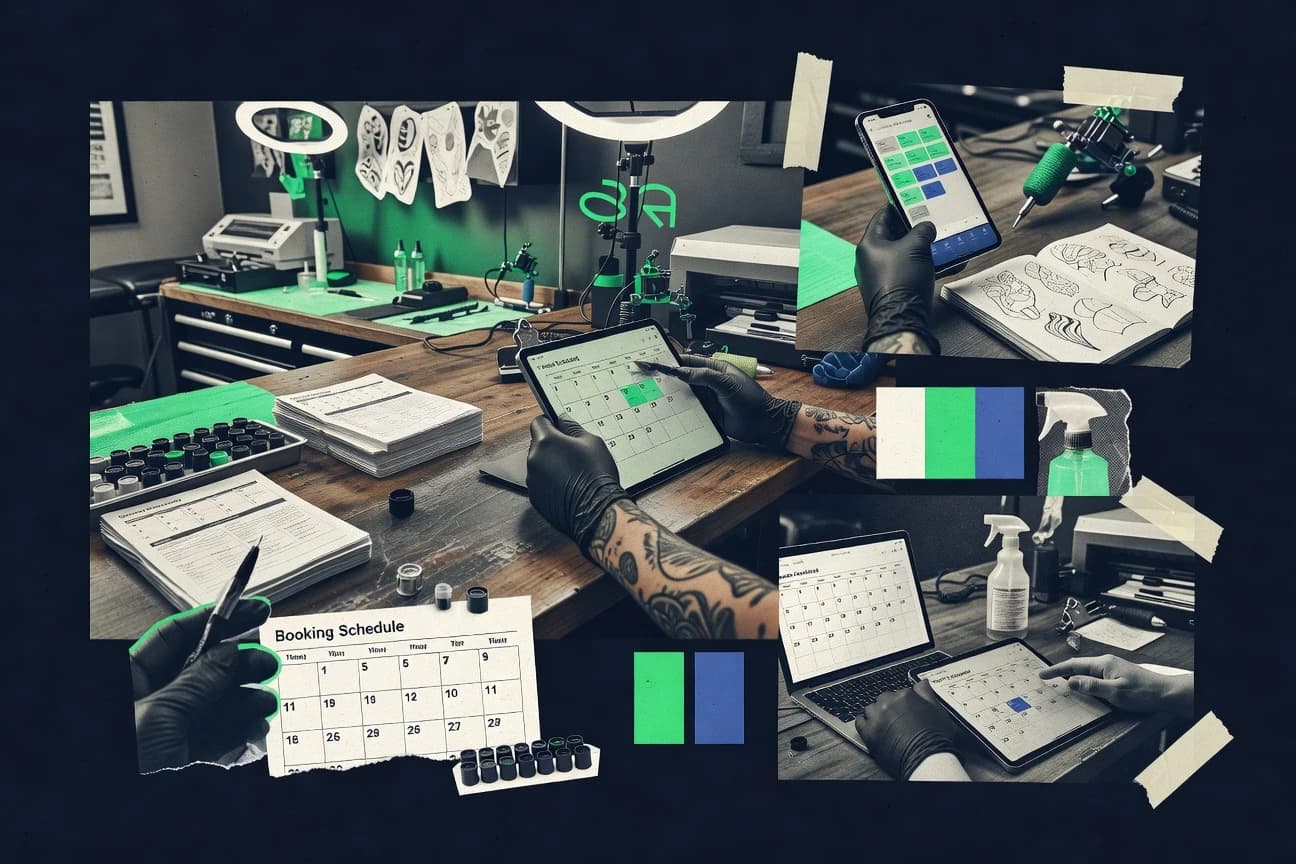
Ranking roundup of tattoo appointment software for tattoo studios, with scheduling and client tools compared across 10 options like Square Appointments.

How we ranked these tools
Core product claims cross-referenced against official documentation, changelogs, and independent technical reviews.
Analyzed video reviews and hundreds of written evaluations to capture real-world user experiences with each tool.
AI persona simulations modeled how different user types would experience each tool across common use cases and workflows.
Final rankings reviewed and approved by our editorial team with authority to override AI-generated scores based on domain expertise.
Score: Features 40% · Ease 30% · Value 30%
Gitnux may earn a commission through links on this page — this does not influence rankings. Editorial policy
Square Appointments is the best fit for tattoo studios that want quick booking and deposit-based no-show reduction tied to Square payments, while EasyWeek suits studios needing rule-based artist scheduling and intake without custom tooling, and if you want the cheapest entry with basic intake and SMS updates, Setmore is worth a look.
Editor’s top 3 picks
Three quick recommendations before you dive into the full comparison below — each one leads on a different dimension.
Square Appointments
Integrated deposit handling inside the appointment lifecycle for studio-controlled no-show reduction and cancellation enforcement.
Built for fits when tattoo studios need fast booking, reminders, and deposit-based no-show reduction without complex design gating..
Calendly
Editor pickEvent routing rules distribute booking to the right staff calendar based on availability and selected service.
Built for fits when appointment booking automation matters most and intake or waivers live in another system..
EasyWeek
Editor pickDeposit handling tied directly to the rescheduling and cancellation workflow reduces studio revenue leakage.
Built for fits when tattoo studios need rule-based artist scheduling and intake handling without custom tooling..
Comparison Table
Square Appointments
SMBAppointment scheduling integrated with Square payments and POS hardware.
Integrated deposit handling inside the appointment lifecycle for studio-controlled no-show reduction and cancellation enforcement.
Square Appointments uses a studio calendar view that reflects availability and booking states, then feeds those updates into client-facing confirmations and reminders. Intake forms capture client details needed for tattoo preparation, and waiver-ready fields can be added to the pre-appointment data collection flow. Staff availability and assignment can be handled through staff selection in the booking experience and through controlled calendar acceptance in the back office.
A key tradeoff is that complex tattoo-specific workflows like multi-step design approval gates and artist assignment rules can require outside process steps rather than fully automated enforcement. Square Appointments fits well when a studio needs dependable appointment scheduling and client communication around scheduled sessions, and can keep design approval handled in separate tools until scheduling is confirmed.
- +Embeddable booking widget for studio websites and social links
- +Staff profiles support artist selection inside the scheduling flow
- +Automated SMS and email reminders reduce missed appointments
- +Deposit handling supports no-show management via policy
- –Multi-step design approval workflows are not native to scheduling
- –No-show and waiver enforcement depends on studio configuration discipline
- –Advanced per-artist availability rules can require manual oversight
- –Waitlist queue management is limited for high-demand cancellations
Tattoo studios with multiple artists
Artist selection during booking
Fewer scheduling conflicts
Studio managers running daily ops
Automated confirmations and reminders
Lower no-show rate
Show 2 more scenarios
Tattoo artists handling inquiries
Intake forms collected before sessions
Faster pre-session prep
Required client details are captured before the appointment to reduce back-and-forth.
Operations teams needing deposit policy
Deposit capture for held appointments
More committed attendance
A deposit policy can be tied to appointment creation and cancellation behavior.
Best for: Fits when tattoo studios need fast booking, reminders, and deposit-based no-show reduction without complex design gating.
Calendly
SMBGeneral meeting and appointment scheduling with payment and form integrations.
Event routing rules distribute booking to the right staff calendar based on availability and selected service.
Tattoo studios use Calendly for client-facing booking pages that map to specific services and session lengths, so walk-ins and phone-only scheduling get converted into consistent appointment scheduler intake. Studio calendars stay aligned via calendar sync, and staff availability rules help prevent double-booking when multiple artists share the same shop schedule. The automation layer handles confirmation, reminders, and rescheduling options without creating a separate admin workflow for every change.
The tradeoff is that Calendly’s studio recordkeeping depends on integrations for deeper intake, waiver storage, and design-approval state tracking. It fits best when a studio’s main operational need is fast appointment scheduling with fewer scheduling calls, and a separate system or lightweight forms cover client intake and consent records.
- +Timezone-aware scheduling prevents cross-region booking mistakes
- +Session-based scheduling reduces manual coordination across artists
- +Automated confirmations and reminders cut appointment handling overhead
- +Calendar sync supports fewer conflicts between multiple staff calendars
- –Waiver and intake workflows require external tools or add-ons
- –Artist assignment rules are limited compared with studio-specific dispatch
- –Complex approval chains need integrations to avoid manual follow-ups
- –Shared studio calendar views need careful setup to stay readable
Tattoo studio operators
Reduce scheduling calls during business hours
Fewer inbound scheduling requests
Studio managers
Coordinate multiple artists on one schedule
Cleaner studio calendar control
Show 1 more scenario
Front desk coordinators
Manage cancellations and reschedules consistently
Less manual rescheduling work
Rescheduling flows keep clients in the same booking workflow with updated confirmations and reminders.
Best for: Fits when appointment booking automation matters most and intake or waivers live in another system.
EasyWeek
vertical specialistOnline booking system supporting tattoo studios, beauty salons, and wellness businesses.
Deposit handling tied directly to the rescheduling and cancellation workflow reduces studio revenue leakage.
EasyWeek centers on studio operations by tying session types to artist selection and enforcing availability rules during appointment creation. Intake forms and waiver management can be attached to a booking flow so studios capture consent details before a session. Client communication templates and confirmation messages reduce manual follow-up around time zones and appointment changes.
A tradeoff is that studios with highly customized design approval steps may need manual coordination since the booking workflow focuses more on scheduling and intake than on multi-stage art production. EasyWeek fits best for shops that want consistent intake and predictable scheduling controls for walk-ins and recurring clients.
- +Artist assignment rules prevent conflicts when booking sessions
- +Deposit handling keeps cancellations from turning into unpaid gaps
- +Intake forms and waivers can be attached to each booking
- +Cancellation and rescheduling controls manage policy outcomes
- –Design approval workflows are not as granular as studio art pipelines
- –API automation coverage is limited for two-way calendar update workflows
- –Waitlist queue configuration can require more operational attention
- –Advanced multi-artist session routing is harder than single-artist flows
Studio operations managers
Standardize intake and appointment policies
Fewer no-shows
Tattoo artists and managers
Enforce artist availability during booking
Lower scheduling conflicts
Show 2 more scenarios
Reception staff
Capture waivers before first session
Faster check-in
Intake forms and consent records attach to bookings to avoid paper backlogs.
Studios with deposits
Reduce unpaid cancellations
Improved revenue consistency
Deposit handling connects directly to policy outcomes when clients reschedule or cancel.
Best for: Fits when tattoo studios need rule-based artist scheduling and intake handling without custom tooling.
Booksy
SMBMobile booking app for beauty and tattoo professionals with calendar and payments.
Artist-aware scheduling rules that keep sessions tied to the selected artist on the studio calendar.
Booksy is scheduling software used by tattoo studios to manage appointments, staff availability, and client details in one workflow. Its appointment scheduler supports studio calendar views with time slots, artist selection rules, and session-length handling.
Booksy also covers client intake with forms, automated reminders, and communication templates to reduce no-shows. Admin controls cover cancellation and rescheduling controls alongside operational reporting for day-to-day management.
- +Studio calendar view supports artist assignment and time-slot clarity
- +Automated reminders reduce no-shows through consistent client notifications
- +Client intake forms and saved client profiles cut repeated data entry
- +Clear cancellation and rescheduling workflow options for daily operations
- –Advanced workflow changes require careful configuration to avoid rule conflicts
- –Some tattoo-specific steps need manual handling outside built-in steps
- –Customization of client communication templates can take iterative tuning
- –Calendar sync coverage can require separate setup per calendar ecosystem
Best for: Fits when tattoo studios need staff-aware scheduling plus client intake and automated confirmations.
Acuity Scheduling
SMBGeneral appointment scheduling with intake forms and deposits for solo artists.
Webhook notifications paired with a scheduling-focused API for pushing booking and status changes into studio tools.
Acuity Scheduling runs a client-facing booking widget that collects session choices and routes bookings into a studio calendar built around configurable appointment types.
Tattoo studios can control booking behavior using cancellation policy controls and rescheduling workflow tied to each appointment type.
The platform handles timezone-aware scheduling so client selections map consistently to studio local time across confirmations and reminders.
Extensibility comes from API access and webhook notifications that support two-way operational sync for appointment status updates.
- +Timezone-aware availability rules for multi-artist tattoo booking windows
- +API and webhooks for syncing appointments with external studio systems
- +Configurable cancellation and rescheduling workflows tied to appointment types
- +Intake forms that attach structured data to each scheduled appointment
- –Advanced studio governance requires careful configuration of booking rules
- –Waiver management and consent records need deliberate workflow design
- –Artist assignment logic can be complex for flexible multi-artist sessions
- –Conflict detection depends on how session duration and buffers are configured
Best for: Fits when tattoo studios need multi-artist scheduling, intake capture, and sync automation across calendars.
Setmore
SMBFree appointment scheduling with calendar sync and online booking pages.
Calendar sync via iCal/ICS plus API hooks for keeping appointment changes synchronized across studio tools.
Setmore manages tattoo appointments with an appointment scheduler, a booking site, and staff calendars that support day-to-day studio booking. The workflow centers on digital time slots plus client records, with confirmations and automated reminders to reduce missed appointments.
Setmore also offers intake-style fields and customization for booking preferences, which helps studios capture consent-related details before the session. For studios needing systems integration, Setmore provides calendar sync via iCal/ICS and supports developer hooks through an API for automating booking events.
- +Appointment scheduling with a shareable booking page and studio staff calendars
- +Automated email and SMS notifications for confirmations and reminders
- +Calendar sync via iCal/ICS to keep studio schedules aligned
- +API support for booking automation and third-party integrations
- –Advanced artist assignment rules can require manual handling for complex multi-artist jobs
- –Waitlist workflows need studio process discipline to avoid seat conflicts
- –Design approval and session governance require external processes for many workflows
- –Intake and waiver workflows are limited for studios needing strict consent history
Best for: Fits when studios need fast scheduling, SMS updates, and basic client intake before sessions.
Fresha
SMBSalon and wellness booking platform with no subscription fee for businesses.
Artist assignment rules tied to service configuration keep the studio calendar accurate during reschedules and multi-artist availability changes.
Fresha pairs a studio appointment scheduler with integrated client and service management designed for tattoo workflows. The booking experience centers on configurable services, staff assignment, and a studio calendar view that reflects artists availability and booking status.
Client records support intake-related fields and ongoing communication so studios can keep sessions tied to the same contact. Automation features include automated reminders and messaging that reduce manual follow-up around confirmations, reschedules, and cancellations.
- +Studio calendar view shows artist availability and booking conflicts in one place
- +Configurable services and session types map cleanly to tattoo booking flows
- +Automated reminders and confirmations reduce manual no-show chasing
- +Client profiles keep appointment history and communication threads together
- –Advanced rescheduling workflow controls require careful setup of rules
- –Digital intake forms support common fields but can feel limited for complex waiver logic
- –Artist assignment behavior can be constrained when multiple artists share identical services
- –Calendar sync via iCal needs validation for edge cases like rapid reschedules
Best for: Fits when tattoo studios need artist assignment, client records, and automated reminders in one scheduling workflow.
Timely
SMBAppointment scheduling software with online booking, reminders, client records, and calendar management.
Two-way calendar sync via iCal updates keeps client calendars aligned after reschedules and studio changes.
Timely is tattoo appointment software centered on studio scheduling and multi-artist calendar operations. It provides a studio calendar view with appointment booking, artist assignment, and session type handling so staff can manage bookings across working hours and locations.
Timely also supports customer intake via forms and automated client communication using email and SMS notifications plus confirmation messages. Staff coordination is strengthened by workflow controls for rescheduling and cancellations, along with calendar syncing for two-way updates.
- +Studio calendar view with multi-artist assignment rules
- +Automated reminders using email and SMS confirmation messages
- +Calendar sync via iCal updates for faster client re-planning
- +Intake forms capture details before appointment confirmation
- –Waitlist queue features are limited compared with queue-first schedulers
- –Deposit handling and no-show management require careful process design
- –Advanced cancellation policy controls are not as granular as some tools
- –Complex availability rules need more admin attention for staff shifts
Best for: Fits when tattoo studios need clear multi-artist scheduling plus automated confirmations without heavy customization.
Appointy
SMBOnline appointment scheduling with booking pages, reminders, staff calendars, payments, and integrations.
Studio appointment templates that tie deposit requirements and intake forms to specific session types.
Appointy routes intake, scheduling, and client communications into one tattoo studio appointment scheduler that supports artist assignment and session-based booking. The system handles studio calendar views, automated reminders, and deposit handling workflows that reduce gaps between booking and show.
It also supports digital forms tied to appointments, plus confirmation and rescheduling communications for each session. Appointy’s administration focus centers on managing staff availability rules and controlling cancellation policy behaviors.
- +Appointment workflows support tattoo sessions with artist selection and studio calendar scheduling
- +Automated reminder and confirmation messaging reduces manual follow-up work
- +Deposit handling flows help align bookings with committed client intent
- +Intake forms attach to bookings for consistent pre-visit collection
- –Complex artist assignment rules can require careful configuration across staff profiles
- –Design approval workflow support is limited for multi-step tattoo consent and revision chains
- –Waitlist queue behavior lacks fine controls for per-session overflow rules
- –Calendar sync via iCal/ICS support can be one-way in practice, increasing admin reconciliation
Best for: Fits when tattoo studios need session-based scheduling with reminders, deposits, and consistent intake forms.
Mangomint
SMBStudio management software with online booking, staff scheduling, forms, payments, and reporting.
Waitlist queue management that preserves studio workflow when appointments cancel and reschedule.
Mangomint is tattoo appointment software for studios that need a calendar-first workflow with artist assignment and client intake in one place. The core setup centers on studio scheduling with session types, confirmation messaging, and automated reminders that reduce no-shows.
Mangomint also supports studio operations around waitlists, cancellations, and rescheduling flows so staff can manage changes without rebuilding schedules. Where studios use deposits and waivers, Mangomint can tie intake details to upcoming appointments for cleaner follow-up.
- +Calendar-first booking flow reduces manual handoffs between staff and artists.
- +Client intake can be attached to scheduled sessions for consistent follow-up.
- +Waitlist handling helps studios fill cancellations without rekeying clients.
- +Automated reminder messaging supports no-show prevention for upcoming sessions.
- –Advanced governance features like RBAC and audit logs are limited for multi-studio teams.
- –Conflict detection and rescheduling rules feel basic for complex session dependencies.
- –Calendar sync behavior can require operational testing for timezone edges.
- –Integration surface for two-way updates and webhooks is not clearly comprehensive.
Best for: Fits when a tattoo studio needs appointment scheduling with intake and automated confirmations, not heavy systems integration.
Conclusion
After evaluating 10 personal care services, Square Appointments stands out as our overall top pick — it scored highest across our combined criteria of features, ease of use, and value, which is why it sits at #1 in the rankings above.
Use the comparison table and detailed reviews above to validate the fit against your own requirements before committing to a tool.
How to Choose the Right tattoo appointment software
Tattoo appointment software manages studio scheduling with digital time slots, client communication templates, and confirmation reminders across tools like Square Appointments and Calendly. This buyer’s guide compares the setup choices that determine whether bookings stay correct during reschedules and multi-artist session dispatch.
The tools covered include Square Appointments, Calendly, EasyWeek, Booksy, Acuity Scheduling, Setmore, Fresha, Timely, Appointy, and Mangomint. The differences show up most in deposit handling, artist assignment rules, and integration mechanisms such as iCal/ICS calendar sync and webhook-driven status updates.
Tattoo appointment software for studio booking, deposits, client intake, and artist assignment rules
Tattoo appointment software is built to schedule tattoo sessions with studio calendar view support, artist selection rules, and session types that map to specific booking intents. It also handles the studio-side consequences of scheduling changes, including cancellation enforcement and rescheduling workflow behavior driven by deposits.
Square Appointments stands out for integrated deposit handling inside the appointment lifecycle, which tightens no-show reduction and cancellation enforcement. Acuity Scheduling differentiates through webhook notifications paired with a scheduling-focused API that pushes booking and status changes into studio tools while keeping timezone-aware availability rules usable across multiple artists.
Studio scheduling control points that decide appointment correctness
Tattoo appointment software has to keep scheduling state correct when clients reschedule, artists change, and sessions depend on prior decisions like intake and waivers. The feature set matters most where the product ties booking actions to consequences like deposits, conflict detection, and workflow enforcement.
In this lineup, Square Appointments pairs studio-controlled deposit handling with the appointment lifecycle, while Acuity Scheduling adds webhook notifications and a scheduling-focused API for pushing booking and status changes. These integration and automation surfaces determine how consistently studios can keep calendars aligned after changes.
Deposit handling tied to enforcement workflows
Square Appointments keeps deposit handling inside the appointment lifecycle to tighten no-show reduction and cancellation enforcement. EasyWeek ties deposit handling directly to rescheduling and cancellation workflow behavior to reduce revenue leakage from changes.
Artist assignment rules that survive reschedules
Booksy uses artist-aware scheduling rules that keep sessions tied to the selected artist on the studio calendar. Fresha uses artist assignment rules tied to service configuration so reschedules and multi-artist availability changes keep the calendar accurate.
Automation surface for studio integrations
Acuity Scheduling pairs webhook notifications with a scheduling-focused API to push booking and status changes into studio tools. Setmore provides calendar sync via iCal/ICS plus API hooks so appointment changes can stay synchronized across studio systems.
Calendar interoperability for studio-wide scheduling
Timely keeps client calendars aligned after reschedules and studio changes with two-way calendar sync via iCal updates. Setmore supports a shareable booking page and studio staff calendars with iCal/ICS sync plus API hooks.
Queue behavior for cancellations and replacement booking
Mangomint offers waitlist queue management that preserves the studio workflow when appointments cancel and reschedule. EasyWeek reduces appointment gaps by tying deposit behavior to cancellation and rescheduling workflow outcomes.
Choose by integration depth and workflow control boundaries
The deciding factor is where control should live when appointments change. Studio-controlled deposit enforcement and artist-aware scheduling reduce downstream manual corrections, while API and webhook surfaces reduce the risk that other tools fall out of sync.
Different products optimize different boundaries between scheduling, intake, and design approval. Square Appointments maximizes enforcement inside scheduling, while Calendly prioritizes event routing rules that distribute booking to the right staff calendar when intake and waivers live outside the scheduler.
Pick the enforcement boundary for deposits and cancellations
Choose Square Appointments when studio-controlled deposit handling must be enforced inside the appointment lifecycle. Choose EasyWeek when deposit handling should be tied to the specific rescheduling and cancellation workflow steps to reduce revenue leakage.
Match artist dispatch complexity to rule granularity
Choose Booksy when artist-aware scheduling rules need to keep sessions tied to the selected artist in the studio calendar view. Choose Fresha when configurable services and session types must map cleanly to tattoo booking flows and keep conflict state visible during scheduling.
Select the integration model based on how other tools update
Choose Acuity Scheduling when webhook notifications and a scheduling-focused API must push booking and status changes into external studio systems. Choose Setmore or Timely when iCal/ICS or iCal updates are the primary mechanism for keeping calendar changes synchronized.
Avoid split workflows for waivers and intake if governance cannot span systems
Choose Square Appointments or Booksy when scheduling should also carry enough client intake and enforcement behavior to prevent inconsistent waiver handling. Choose Calendly when intake or waivers can live in another system and event routing rules should distribute booking to the right staff calendar.
Define how reschedules affect availability and conflict handling
Choose Fresha when advanced rescheduling workflow controls are set up as rules that preserve artist assignment integrity. Choose Timely when two-way calendar updates after reschedules are the priority to keep client and studio calendars aligned.
Decide whether waitlist replacement should be queue-first
Choose Mangomint when cancellations and reschedules should feed a waitlist queue to preserve studio workflow without heavy manual handoffs. Choose Booksy or Square Appointments when studios can absorb replacement logic through reminders and appointment lifecycle enforcement rather than queue-first behavior.
Who should use each approach to tattoo scheduling
Studios need scheduling software that enforces studio-side consequences when booking changes happen. The right choice depends on whether deposit enforcement and artist dispatch live inside the scheduler or must integrate with external intake and design review tools.
Square Appointments fits tattoo studios that want fast booking plus deposit-based no-show reduction inside scheduling. Acuity Scheduling fits studios that need multi-artist booking with automation for syncing appointment state into other studio systems through API and webhooks.
Tattoo studios running deposit-first policies for cancellations and no-shows
Square Appointments and EasyWeek tie deposit handling to enforcement and rescheduling outcomes so unpaid gaps shrink when clients change plans.
Studios with multi-artist calendars that must stay accurate during reschedules
Booksy, Fresha, and Timely keep sessions tied to artist availability through studio calendar views and rule-driven assignment or two-way calendar updates.
Studios integrating booking status into other tools for production workflows
Acuity Scheduling supports webhook notifications and a scheduling-focused API for pushing booking and status changes into studio tools. Setmore adds API hooks and iCal/ICS sync to keep appointment changes aligned across systems.
Studios that treat tattoo intake and waivers as external to scheduling
Calendly routes events to the right staff calendar using event routing rules when waivers and intake workflows are handled elsewhere.
Studios that need waitlist replacement when appointments cancel
Mangomint manages a waitlist queue so cancellations and reschedules preserve studio workflow through queue-first behavior.
Common failure points when configuring tattoo appointment workflows
Tattoo scheduling breaks most often when rules for artist assignment, deposits, and reschedules are under-specified. It also breaks when scheduling changes do not propagate to other tools that carry intake or waiver logic.
Treating artist assignment rules as optional when reschedules can change availability
Studios should configure artist-aware scheduling rules in tools like Booksy or Fresha so sessions remain tied to the selected artist after changes.
Using a calendar sync mechanism without aligning status updates between systems
Studios that rely on external tools should prefer Acuity Scheduling webhook-driven status updates or iCal/ICS sync with API hooks in Setmore to prevent appointment state drift.
Assuming multi-step design approval workflows will be fully native inside scheduling
Square Appointments lacks native multi-step design approval workflow support inside scheduling, so studios with complex consent and revision chains should plan workflow handoffs outside the scheduler.
Expecting waitlist behavior to work without studio seat conflict policy discipline
Mangomint and other queue-first approaches still require studio process discipline for seat conflicts, and waitlist workflows can fail when internal rules for replacements are undefined.
Overbuilding intake and waiver logic inside a scheduling tool that does not model it deeply
Calendly requires waiver and intake workflows outside scheduling, so studios that need detailed waiver logic should avoid treating Calendly as the system of record for consent details.
How We Selected and Ranked These Tools
We evaluated each tattoo appointment software on features coverage for deposits, artist assignment rules, and studio calendar correctness during reschedules. We weighted feature fit at 40% because studios depend on workflow integrity, and we weighted ease of use and value at 30% each to measure how quickly teams can configure scheduling without creating rule conflicts.
Square Appointments separated itself with integrated deposit handling inside the appointment lifecycle, which tightens no-show reduction and cancellation enforcement while keeping the booking flow fast with an embeddable booking widget. The ranking also reflected where automation and integrations are delivered, especially Square Appointments embedding scheduling enforcement and Acuity Scheduling delivering webhook notifications and an API for pushing appointment status changes into studio tools.
Frequently Asked Questions About tattoo appointment software
How do tattoo studios keep bookings timezone-correct across multiple artists and locations?
Which tools support automated reminders plus rescheduling and cancellation workflows inside the booking trail?
What breaks if deposit handling is missing or not tied to cancellation enforcement?
How should intake forms and waiver or consent records be captured before the session?
Which software provides API or webhook events for pushing booking changes into studio tools?
How do studios sync appointment calendars both ways after clients reschedule?
How do artist assignment rules work when a studio uses session types with different durations?
What administrative controls help manage staff availability, cancellations, and rescheduling behavior?
Which tools handle waitlist queue management when appointments cancel or get rescheduled?
Tools reviewed
Primary sources checked during evaluation.
Referenced in the comparison table and product reviews above.
- Personal Care ServicesTop 10 Best Tattoo Appointment Scheduling Software of 2026
- Personal Care ServicesTop 10 Best Tattoo Studio Booking Software of 2026
- Personal Care ServicesTop 10 Best Tattoo Artist Software of 2026
- Personal Care ServicesTop 10 Best Nail Salon Appointment Software of 2026
- Personal Care ServicesTop 10 Best Tattoo Shop Management Software of 2026
Keep exploring
Comparing two specific tools?
Software Alternatives
See head-to-head software comparisons with feature breakdowns, pricing, and our recommendation for each use case.
Explore software alternatives→In this category
Personal Care Services alternatives
See side-by-side comparisons of personal care services tools and pick the right one for your stack.
Compare personal care services tools→