GITNUXSOFTWARE REVIEW
Supply Chain In IndustryTop 10 Best Supplier Performance Management Software of 2026
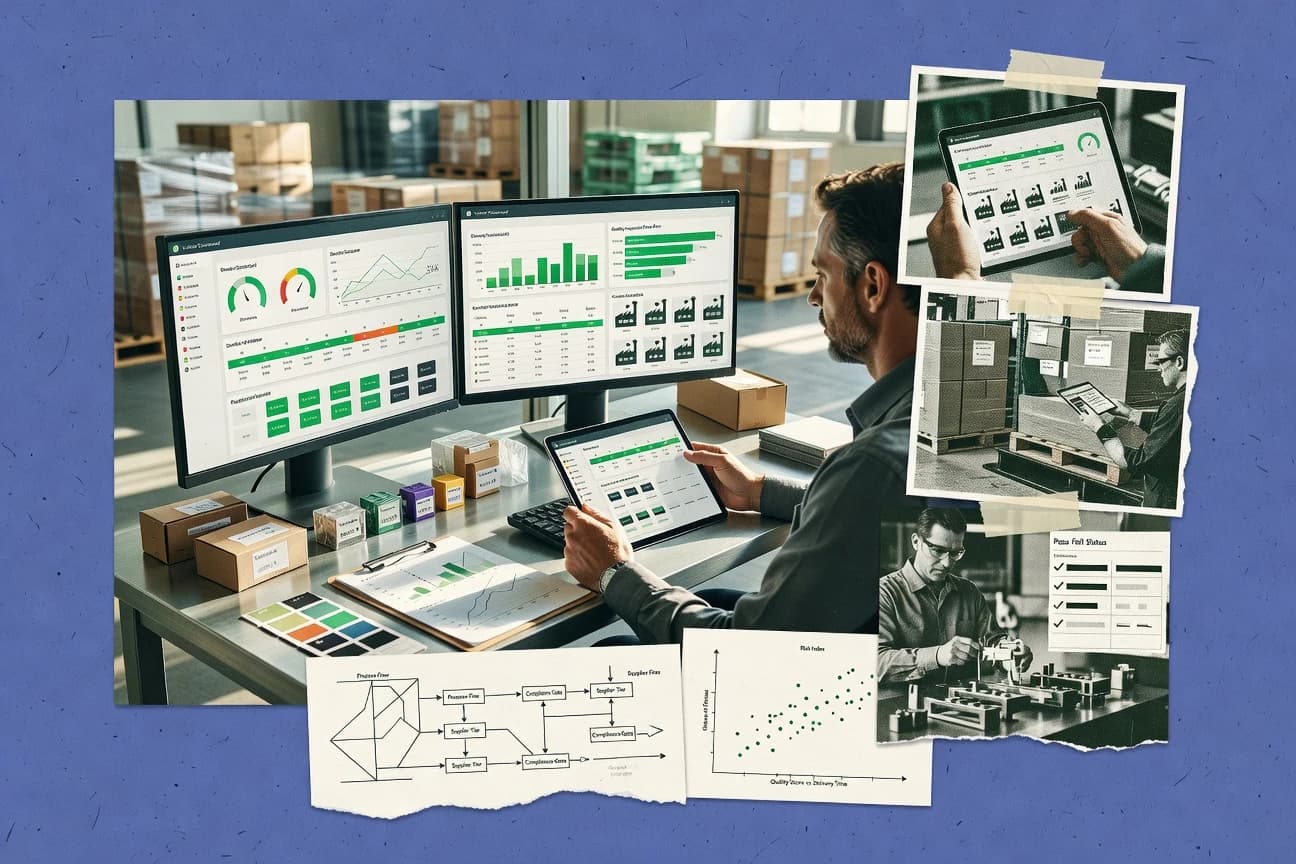
Compare supplier performance management software options for procurement teams, with tradeoffs for managing vendor KPIs and supplier risk.

How we ranked these tools
Vendors set the topic, but our editors set the inclusion criteria and the evaluation framework before research starts.
Agents extract product evidence with provenance, then collect written reviews and transcribe video reviews and podcasts.
Framework: Features 40% · Ease 30% · Value 30%
Gitnux may earn a commission through links on this page. This does not influence our reviews. Editorial policy
Coupa Supplier Management is the best fit for procurement teams that need supplier performance actions tied to execution and approvals, because its corrective action workflows connect outcomes to the right procurement context, while Intelex is a strong alternative for global teams running governed scorecards and evidence-driven corrective actions across supplier segments.
Editor’s top 3 picks
Three quick recommendations before you dive into the full comparison below — each one leads on a different dimension.
Coupa Supplier Management
Corrective action workflows connect supplier performance outcomes to procurement-driven context and approvals.
Best for: Fits when procurement teams want supplier performance actions tightly linked to Coupa execution and approvals.
Intelex
Editor pickSupplier corrective action request workflows that enforce evidence capture and track closure through standardized action stages.
Best for: Fits when global operations need governed supplier scorecards plus corrective action routing across many supplier segments.
Procurify
Editor pickKPI threshold evaluation can automatically trigger corrective action requests tied to specific supplier performance gaps.
Best for: Fits when procurement teams need KPI scorecards and routed corrective actions with supplier-facing submission workflows.
Comparison Table
Coupa Supplier Management
enterpriseSupplier management capabilities for onboarding, information management, risk, and performance tracking.
Corrective action workflows connect supplier performance outcomes to procurement-driven context and approvals.
Coupa Supplier Management is a fit for procurement organizations that already run Coupa Procure-to-Pay and want supplier performance management to stay inside that execution context. Supplier scorecards can be configured to reflect KPIs and evaluation rules, and corrective actions can be created and progressed through workflow states. Supplier segmentation can be used to apply different evaluation treatments by supplier group, which helps reduce one-size-fits-all scoring.
A key tradeoff is that deeper use of Supplier Management depends on how well Coupa is already integrated with supplier and purchasing data sources, because performance conclusions remain only as complete as the upstream data. For teams with multiple ERP and logistics feeds, the setup effort concentrates on establishing reliable data flows before performance dashboards and actions become trustworthy. A common usage situation is quarterly supplier reviews where underperforming suppliers trigger corrective action requests tied to the procurement context.
- +Workflow-native corrective action tracking tied to procurement relationships
- +Supplier segmentation supports different scoring treatments by supplier group
- +Governance controls include role-based access and audit trail logging
- +Integration with Coupa procurement data reduces scorecard context gaps
- –Performance quality hinges on upstream data completeness and event coverage
- –Complex scorecard configuration can require procurement governance discipline
Procurement ops teams
Quarterly reviews with corrective action routing
Faster issue closure cycles
Sourcing and supplier management
Segmented scoring by supplier group
More consistent supplier comparisons
Show 1 more scenario
IT integration teams
Supplier data and KPI feed orchestration
Fewer data mismatch incidents
Use integration to align supplier master attributes and performance inputs with procurement events.
Best for: Fits when procurement teams want supplier performance actions tightly linked to Coupa execution and approvals.
Intelex
vertical specialistEHS and quality management software with supplier performance auditing.
Supplier corrective action request workflows that enforce evidence capture and track closure through standardized action stages.
Intelex differentiates with supplier performance management workflows that connect supplier self-assessment intake, scorecard outcomes, and corrective action execution in one governed process.
Core capabilities include supplier self-assessment questionnaires, KPI threshold evaluation, and supplier corrective action request tracking with audit trail visibility for changes and outcomes.
Admin controls cover RBAC and audit logging, which support oversight of supplier performance data, action status changes, and evidence artifacts.
API access and integration paths support supplier onboarding workflow and supplier master data synchronization, which reduce manual handoffs between ERP and supplier records.
- +End-to-end corrective action workflow with controlled status transitions
- +Supplier scorecards connect KPI thresholds to supplier accountability
- +Supplier self-assessment questionnaires support structured evidence collection
- +RBAC and audit trail support governance over supplier performance records
- –Configuring supplier tier mapping and segmentation rules takes governance effort
- –Integrations often require implementation work for ERP and supplier master synchronization
- –Advanced reporting depends on data mapping into Intelex reporting models
- –Supplier portal UX can lag behind dedicated supplier-facing tooling
Quality managers
Run CAPA for supplier nonconformances
Traceable CAPA closure records
EHS compliance managers
Link incidents to corrective actions
Verified follow-up actions
Show 2 more scenarios
Environmental compliance teams
Manage recurring supplier compliance evaluations
Centralized compliance records
Organize environmental evaluations and nonconformances with supporting evidence for management review cycles.
EHS document owners
Control supplier procedure versions
Structured procedure review history
Maintain controlled EHS procedures and manage change history that ties to corrective action workflows.
Best for: Fits when global operations need governed supplier scorecards plus corrective action routing across many supplier segments.
Procurify
SMBSpend management platform with supplier management for mid-market organizations.
KPI threshold evaluation can automatically trigger corrective action requests tied to specific supplier performance gaps.
Procurify is a supplier performance management tool focused on structured supplier scorecards and measured improvement workflows. It supports creating KPIs with threshold-based evaluations, collecting results through supplier-facing questionnaire and evidence collection, and routing gaps into corrective action requests.
Teams use supplier portals to share performance views and manage supplier self-assessment cycles while buyers track outcomes against targets. Procurement teams also use supplier segmentation to apply different expectations across supplier categories and risk tiers.
- +Scorecards can drive threshold-based performance outcomes.
- +Supplier portal supports questionnaire and evidence submission workflows.
- +Corrective action requests keep remediation tied to specific KPI gaps.
- +Supplier segmentation helps apply expectations across supplier groups.
- –Deep ERP integration is limited compared with more enterprise-centric suites.
- –Complex governance needs more manual workflow design and review.
Sourcing and category teams
Run RFx events and structured comparisons
More repeatable award processes
Group purchasing teams
Track agreement eligibility and usage
Consistent agreement monitoring
Show 2 more scenarios
Strategic sourcing teams
Organize qualification and approvals in records
Stronger decision traceability
Store qualification inputs, event documents, and approvals within linked sourcing project records.
Procurement buying managers
Analyze supplier performance from spend
Clear visibility into spend
Review purchasing activity by supplier, category, volume, and exceptions to guide actions.
Best for: Fits when procurement teams need KPI scorecards and routed corrective actions with supplier-facing submission workflows.
EcoVadis
vertical specialistSupplier sustainability ratings and performance intelligence platform.
Supplier self-assessment questionnaire engine that converts responses into scored supplier results used for benchmarking and improvement follow-ups.
EcoVadis manages supplier performance through scored sustainability and compliance assessments that feed supplier dashboards, benchmarking views, and improvement planning. It handles supplier self-assessment questionnaire workflows and consolidates results into supplier scorecards that procurement and supplier teams can monitor over time.
- +Supplier self-assessment questionnaire workflows produce audit-ready assessment inputs
- +Scorecards support supplier performance benchmarking across peer sets
- +Corrective action workflows connect outcomes to documented improvement cycles
- +Supplier segmentation and risk-tier reporting clarify which suppliers need attention first
- –Limited native coverage for operational metrics like OTIF and PPM defect rate
- –Supplier onboarding and ongoing refresh cycles require disciplined master data stewardship
- –Admin configuration and governance need setup to match internal supplier tiers
- –Deep ERP-driven workflows like PO flip or ASN compliance often require external integrations
Responsible sourcing and procurement teams
Compare sustainability scores across supplier base
More consistent supplier comparisons
Supplier development and compliance teams
Run corrective actions from weak results
Documented improvement follow-up cycles
Show 2 more scenarios
Supplier qualification teams
Screen sustainability data before approval
More consistent onboarding checks
Collects structured supplier sustainability information to support qualification and initial risk review steps.
Supply chain risk teams
Monitor multi-tier supplier performance
Broader view of disclosed performance
Extends assessment invitations and performance tracking across broad supplier populations for network-level visibility.
Best for: Fits when sustainability and compliance scorecards must drive supplier engagement, benchmarking, and corrective action tracking.
Ivalua
enterpriseSource-to-pay platform with supplier performance, risk, and quality management capabilities.
Corrective action request workflows that track from KPI breach to closure with supplier portal evidence.
Ivalua targets organizations that want supplier scorecards and supplier compliance evidence tied to sourcing and ongoing supplier operations, not handled in disconnected spreadsheets. Supplier performance data can flow into review cycles that trigger corrective action requests, collect supplier self-assessments, and track resolution status through to closure. Admin control is strengthened by audit trails for changes and access controls that separate buyer reviewers from supplier users in the supplier portal experience.
- +KPI-based supplier scorecards connect directly to corrective action workflows
- +Supplier portal supports structured self-assessments and evidence submission cycles
- +Audit trail records supplier performance and governance-relevant changes
- +RBAC separates buyer evaluation steps from supplier user interactions
- –Scorecard and escalation logic requires careful initial configuration
- –Supplier segmentation and risk tier rules need disciplined data inputs
- –Advanced governance requires planning for roles and workflow ownership
- –Deep procurement coupling can make phased rollout slower
Procurement operations teams
Run KPI-based supplier scorecards
Faster supplier performance decisions
Supplier quality teams
Manage nonconformance corrective actions
Closed-loop issue remediation
Show 2 more scenarios
Strategic sourcing leaders
Control evaluation cycles across categories
Consistent supplier governance
Evaluation workflows and portal steps standardize supplier responses across multiple commodity groups.
Vendor management administrators
Audit and govern supplier portal changes
Lower governance risk
Audit trail and access controls support review of who changed supplier performance configurations.
Best for: Fits when procurement needs KPI scoring tied to corrective actions, with auditability for supplier performance governance.
Aravo Solutions
enterpriseSupplier risk and performance management platform for regulated industries.
Corrective action plan workflow ties KPI threshold breaches to structured CAP tasks and supplier portal updates with full audit trail visibility.
Aravo Solutions supports supplier performance management with workflows for scorecards, KPI thresholding, and corrective action request handling across supplier segments. The system is built around supplier performance data capture from questionnaires and evidence, then drives follow-up using supplier corrective action plan tracking and nonconformance records.
- +KPI threshold monitoring drives corrective action request routing to suppliers
- +Supplier portal workflows cover questionnaires, evidence collection, and status updates
- +EightD root cause and CAP task tracking keep remediation measurable
- +ERP integration supports supplier master data synchronization for scorecard inputs
- –Complex supplier tier mapping needs deliberate governance to avoid inconsistent segmentation
- –Corrective action outcomes depend on structured questionnaire and evidence setup
- –Advanced reporting requires careful KPI and metric model configuration
- –Integration projects add effort when POs, ASNs, and OTIF metrics must align
Supplier quality and performance teams
Scorecards link KPIs to improvement actions
Documented improvement follow-up
Procurement and supplier management teams
Onboard and qualify suppliers via evidence
Consistent supplier qualification
Show 2 more scenarios
Enterprise procurement governance teams
Centralize supplier reviews and governance status
Shared supplier governance visibility
Governance teams consolidate supplier lifecycle states and review history across procurement and compliance programs.
Compliance managers and risk owners
Assign corrective actions to findings
Clear ownership and status
Risk owners connect nonconformance records to corrective action tracking and monitor progress to closure.
Best for: Fits when procurement teams need automated supplier scorecards, exceptions, and CAP tracking across segments and tiers.
GEP SMART
enterpriseUnified procurement software with supplier performance, risk, and contract management.
Workflow-driven corrective action requests triggered from supplier scorecard results, with traceable audit trail and supplier portal follow-through.
GEP SMART combines supplier performance management with operational procurement controls, which makes it practical when supplier KPIs must flow back into buying decisions. The workflow set supports supplier segmentation and risk tiering use cases where corrective action requests and follow-ups are scheduled around scorecard thresholds. Audit trail coverage supports traceability across changes to assessments, actions, and review outcomes.
- +Supplier scorecard thresholds can trigger corrective action requests automatically
- +Supplier self-assessment questionnaire workflows support structured evidence collection
- +Audit trail captures changes across assessments, actions, and review outcomes
- +Supplier portal workflows reduce manual back-and-forth with suppliers
- –Initial KPI and routing setup requires governance discipline to avoid noisy actions
- –Advanced automation depends on clean supplier master data synchronization
- –Complex segmentation and tiering rules can be difficult to validate end-to-end
- –Deep ERP integration may require dedicated implementation effort
Procurement operations teams
Automate quarterly supplier scorecard reviews
Faster supplier issue closure
Supplier risk managers
Run risk-tier governance cycles
Earlier risk detection
Show 2 more scenarios
Quality and compliance teams
Track corrective actions to completion
Stronger compliance traceability
Use audit trail records to track nonconformance evidence and confirm closure of supplier corrective action plans.
ERP integration teams
Sync supplier performance data
Reduced manual reconciliation
Synchronize supplier master records and performance metrics to keep supplier governance aligned with procurement transactions.
Best for: Fits when procurement needs KPI governance tied to supplier actions and review workflows, not just reporting.
Sphera Supplier Quality Management
enterpriseSupplier quality and risk management solution covering supplier audits, inspections, and corrective actions.
End-to-end corrective action tracking links supplier nonconformance, response, and audit evidence in one workflow.
Sphera Supplier Quality Management helps procurement and quality teams run supplier performance tracking tied to quality outcomes across the supplier lifecycle. The product focuses on structured nonconformance workflows, supplier responses, and audit and evidence collection to keep corrective actions traceable.
- +Corrective action workflow keeps supplier response and evidence in one thread
- +Supplier portal supports structured self-assessments and document submission
- +KPI threshold rules trigger action routing for underperforming suppliers
- +Audit scheduling and supplier audit documentation support governance trails
- –Supplier segmentation and tiering setup takes governance time
- –ERP integration support can depend on specific connector choices
- –Dashboards require configuration to match each procurement process
- –Corrective action customization can feel heavy for small supplier programs
Global procurement and QA teams
Track supplier nonconformance responses
Audit-ready closure for each case
Supplier management operations
Run supplier self-assessments
Faster intake and scoring
Show 2 more scenarios
Category procurement leaders
Trigger actions from KPI thresholds
Consistent response to underperformance
Threshold configuration drives supplier performance alerts and initiates corrective action processes.
Compliance and audit teams
Schedule and document supplier audits
Stronger audit trail coverage
Audit planning and documentation collection helps maintain traceability for supplier quality governance.
Best for: Fits when enterprise procurement needs governed supplier quality performance workflows with audit-ready evidence trails.
Achilles
vertical specialistSupplier qualification and performance management for regulated supply chains.
Correction flow ties each performance gap to a tracked corrective action request and supplier submission cycle.
Achilles is used by procurement and supply chain teams to manage supplier performance through scorecards and compliance workflows. Its core capabilities focus on supplier onboarding signals, recurring performance measurement, and corrective action request handling tied to supplier outcomes.
- +Links supplier scorecard outcomes to corrective action request workflows
- +Supports structured supplier self-assessment questionnaires inside the performance loop
- +Provides supplier portal-style execution for ongoing supplier tasks
- +Maintains an audit trail across performance events and action statuses
- –Scales best with governance discipline for supplier segmentation and thresholds
- –Requires integration planning for ERP and master data synchronization needs
- –Complex onboarding and questionnaire setup can slow down early iterations
- –OTIF and defect-rate reporting depends on clean upstream data feeds
Procurement governance and supplier performance teams
Run supplier governance reviews with performance evidence
Shared basis for decisions
Supplier management and onboarding teams
Control intake of qualification documents and approvals
More consistent qualification decisions
Show 2 more scenarios
Supplier compliance managers
Monitor certificate expiry and compliance exceptions
Earlier visibility into drift
Track expiring documents and unresolved exceptions to drive timely follow-up on compliance drift.
Audit and regulated supply chain teams
Maintain audit evidence and decision history
Traceable audit records
Organize audit evidence with approvals and change history across supplier programs for audit readiness.
Best for: Fits when supplier performance, compliance evidence, and corrective actions must run together across multiple supplier tiers.
Avetta
vertical specialistSupplier compliance, prequalification, and performance management network.
End-to-end corrective action routing ties supplier nonconformance to closure tracking inside supplier scorecard cycles.
Avetta manages supplier onboarding, compliance, and performance in a workflow that connects supplier portal activity with internal scorecards. Supplier performance monitoring is driven by configurable scorecards and corrective action processes that route issues to suppliers and track closure.
- +Scorecard workflows connect issues to supplier corrective action plans with tracked closure
- +Supplier onboarding and compliance tasks are managed through a supplier portal workflow
- +Supplier segmentation supports different requirements by risk tier
- +Audit trail records supplier actions and status changes across the workflow
- –Corrective action programs require governance discipline to keep KPI threshold rules consistent
- –Supplier performance benchmarking exports can require manual shaping for external reporting
- –ERP integration depth can depend on data mapping quality between systems
- –Role permissions need careful configuration to prevent cross-business-unit data visibility
Supplier quality managers
Request corrective actions and track closure evidence
More traceable corrective action handling
Procurement and risk teams
Run structured supplier risk reviews from documents
More traceable eligibility and risk decisions
Show 2 more scenarios
Compliance and audit teams
Retrieve compliance decisions and document history
Faster access to compliance history
Teams access historical review outcomes, documents, and status changes for supplier compliance and audits.
Construction safety coordinators
Log incidents and link follow-up actions
More consistent safety event documentation
Teams record contractor incidents and near-misses and connect them to risk context and next steps.
Best for: Fits when procurement and quality teams need guided supplier performance workflows with tracked corrective action closure.
Conclusion
After evaluating 10 supplier performance management software, Coupa Supplier Management stands out as our overall top pick — it scored highest across our combined criteria of features, ease of use, and value, which is why it sits at #1 in the rankings above.
Use the comparison table and detailed reviews above to validate the fit against your own requirements before committing to a tool.
Frequently Asked Questions About Supplier Performance Management Software
How do Coupa, Ivalua, and GEP SMART differ in KPI threshold handling for corrective actions?
Which supplier performance management systems support supplier portal evidence submission tied to scorecards?
What breaks if supplier master data synchronization is weak in supplier performance workflows?
How do Aravo Solutions and Avetta handle SLA breach tracking and CAP execution across segments?
When should a team choose Achilles instead of a lighter scorecard workflow tool?
How do Intelex and Sphera implement admin controls and audit trail for supplier performance changes?
What integration depth is required for ERP-linked supplier onboarding workflow and procurement linkage?
How does EcoVadis convert supplier self-assessment responses into scored results and improvement planning?
Where does EcoVadis fall short compared with procurement-centric tools like Coupa or Ivalua for operational KPI governance?
How does Procurify route KPI-based gaps into supplier-facing submission and corrective actions?
Tools reviewed
Primary sources checked during evaluation.
Referenced in the comparison table and product reviews above.
How to Choose the Right Supplier Performance Management Software
We see the real split in supplier performance management software come from how consistently the platform turns supplier data into outcomes: Data model quality, Automation and API surface, and RBAC and audit log depth. Those differences decide whether teams can score, review, and drive change without manual spreadsheet work.
Supplier score data model flexibility
Why it matters
Supplier score data model flexibility controls whether the same logic works across different programs and business units. When the model is flexible, you can score like-for-like and still support different dimensions of performance.
How to check
Ask to view a sample setup where score dimensions map to real supplier attributes (for example: quality, delivery, service). Then ask whether they can add a new dimension without breaking historical scores or re-importing everything.
Performance workflows and approvals
Why it matters
Performance workflows and approvals determine how scores move from measurement to discussion to follow-up. Clear workflow states prevent “score produced, nothing happens” situations and reduce cycle time variance.
How to check
Request to see the end-to-end workflow screen from score publication to supplier review and internal approval. Check whether you can set different review steps by business unit and see the status of a supplier over time.
Automation and API surface for updates
Why it matters
Automation and API surface affects how quickly changes in purchase activity, quality events, and shipments reflect in supplier performance. Strong API coverage reduces lag and reduces manual rekeying.
How to check
In the demo, ask what triggers a score update (scheduled job vs event-driven). Then request an example API call or automation rule that refreshes scores after a data upload, and confirm what happens when a record is corrected.
RBAC and audit log granularity
Why it matters
RBAC and audit log granularity matters because supplier performance is cross-functional and often sensitive. When permissions and audit trails are detailed, you can review who changed definitions, uploads, or final scores.
How to check
Ask for a role breakdown (for example: admin, analyst, reviewer, approver). Then verify the audit log entries for a definition change and for an imported performance record.
Data quality checks during import
Why it matters
Data quality checks during import prevent silent scoring errors from incomplete or inconsistent data feeds. That matters because supplier performance outcomes are only as trustworthy as the underlying inputs.
How to check
Request to import a sample dataset with one missing field and one inconsistent date. Check whether the system blocks the import, flags specific rows, or logs issues for correction, and whether you can re-run imports cleanly.
Red flags
- Scores change after re-import without a clear explanation in the audit log.
- Workflow states exist, but there is no way to track what was reviewed and approved per supplier.
- Import errors show up only after dashboards refresh, with no row-level flags.
Fit by situation
- If your team must reuse the same scoring logic across business units, prioritize Supplier score data model flexibility.
- If supplier reviews and follow-ups are stalled today, prioritize Performance workflows and approvals.
- If your performance data arrives from multiple systems, prioritize Automation and API surface for updates.
Funding and competing interests
This study was co-funded by several of the vendors assessed in it. No single vendor funded it. Funders could propose the market studied.
They had no role in selecting vendors, setting or weighting criteria, analysing data or drawing conclusions, and they received the same factual-accuracy check as every other vendor assessed.
Market definition, inclusion rules and criteria weights were fixed by an editor before research began and did not change afterwards. Editorial process →
- Review · 2026 · Supply Chain In IndustryThird Party Supplier Risk Management Software
- Review · 2026 · HR In IndustryContinuous Performance Management Software
- Review · 2026 · Business FinanceSupplier Performance Risk Management Software
- Review · 2026 · Sustainability In IndustrySustainable Supply Chain Software
- Review · 2026 · Technology Digital MediaComputer Performance Monitoring Software
Keep exploring
Comparing two specific tools?
Software Alternatives
See head-to-head software comparisons with feature breakdowns, pricing, and our recommendation for each use case.
Explore software alternatives→In this category
Supply Chain In Industry alternatives
See side-by-side comparisons of supply chain in industry tools and pick the right one for your stack.
Compare supply chain in industry tools→