
GITNUXSOFTWARE ADVICE
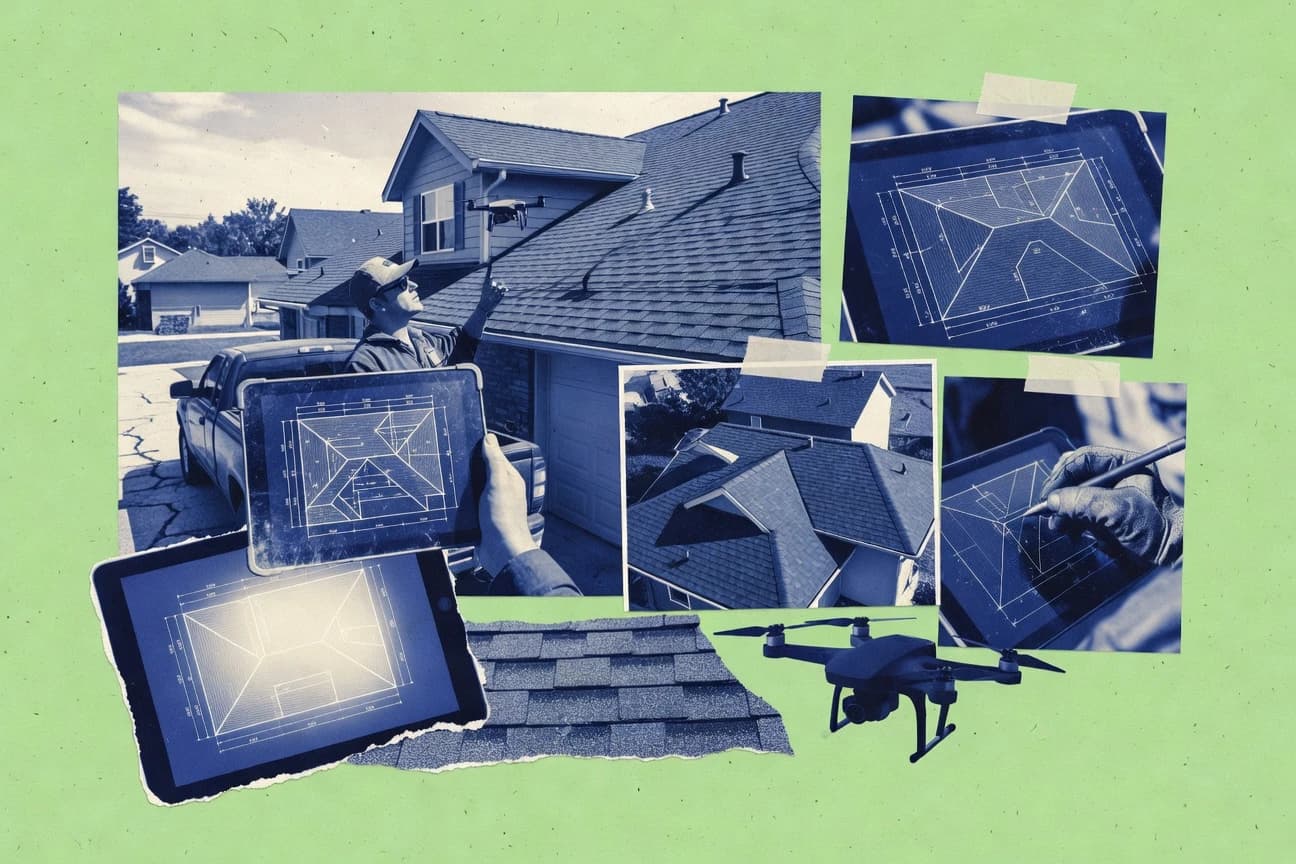
Construction InfrastructureTop 10 Best Roof Measuring Software of 2026
Top 10 roof measuring software ranked for roofing teams, comparing AccuLynx, JobNimbus, Measure Roofing, features, and tradeoffs.

How we ranked these tools
Core product claims cross-referenced against official documentation, changelogs, and independent technical reviews.
Analyzed video reviews and hundreds of written evaluations to capture real-world user experiences with each tool.
AI persona simulations modeled how different user types would experience each tool across common use cases and workflows.
Final rankings reviewed and approved by our editorial team with authority to override AI-generated scores based on domain expertise.
Score: Features 40% · Ease 30% · Value 30%
Gitnux may earn a commission through links on this page — this does not influence rankings. Editorial policy
AccuLynx is the best pick when you need geometry-grade roof diagrams from aerial measurement providers with exports that make estimating handoffs smoother, while Measure Roofing fits best if your priority is turning field measurements into consistent diagrams and roof reports quickly.
Editor’s top 3 picks
Three quick recommendations before you dive into the full comparison below — each one leads on a different dimension.
AccuLynx
Measurement confidence score linked to imagery date, carried through to roof report outputs for review decisions.
Built for fits when teams need geometry-grade roof diagrams plus exports for estimating handoffs..
JobNimbus
Editor pickJob-specific task automation that drives measurement-related documentation through review and handoff steps.
Built for fits when roofing teams need job workflow control and review steps around measurements..
Measure Roofing
Editor pickJob-level generation of diagram-backed roof report outputs from structured measurement inputs.
Built for fits when field measurements must turn into consistent diagrams and roof reports quickly..
Comparison Table
AccuLynx
SMBRoofing business management software that connects contractors with aerial measurement providers.
Measurement confidence score linked to imagery date, carried through to roof report outputs for review decisions.
AccuLynx is designed to take roof surfaces through a measurement workflow that culminates in a roof report and diagram artifacts. Deliverables are aligned to estimating needs through export options like CSV export and DXF export for geometry reuse. Imagery date capture and measurement confidence score fields add governance signals when work spans multiple imagery captures. The data it generates can support hybrid measurement workflows by mixing manual edits with automated geometry from aerial imagery.
A tradeoff appears in ongoing operations when teams require deep roofing-logic automation like automated waste factor application and rule-driven flashing measurements. AccuLynx fits best when a team needs consistent roof polygons and roof plane breakdowns across projects and must keep a documented link to the imagery date. It can also work well when roofing CRM integration exists as a downstream step, but the primary value remains the geometry and reporting outputs rather than end-to-end CRM process automation.
- +Generates roof polygons and facet planes for repeatable roof area calculations
- +Provides measurement confidence score tied to the imagery date for review workflows
- +Exports geometry for downstream use via DXF export and CSV export
- +Supports hybrid measurement by blending manual edits with aerial-derived geometry
- –Roof waste factor automation is limited when waste rules vary by contract
- –Roof report customization requires tighter workflow configuration than basic one-click outputs
Roofing estimating teams
Standardize roof area takeoffs across jobs
Fewer remeasurements
Aerial measurement operators
Manage multi-capture aerial imagery reviews
Faster approval cycles
Show 2 more scenarios
Engineering CAD workflows
Reuse roof geometry in CAD
Reduced manual drafting
Delivers DXF export so CAD teams can work from measured roof facets.
Roofing project managers
Produce consistent roof reports for stakeholders
Clearer stakeholder decisions
Generates a roof report that packages geometry outputs into a review-ready artifact.
Best for: Fits when teams need geometry-grade roof diagrams plus exports for estimating handoffs.
JobNimbus
SMBRoofing CRM and project management software with integrations for aerial roof measurements.
Job-specific task automation that drives measurement-related documentation through review and handoff steps.
JobNimbus centers on job management plus documentation workflows, which suits roofing teams that need consistent field execution across crews and branches. Roof measurement artifacts are tied to the same job record used for scheduling, internal approvals, and customer-facing documents. This reduces mismatches between field progress and office estimating files because the job context is shared across roles.
A key tradeoff is that the platform focuses on workflow and reporting integration rather than acting as a dedicated aerial roof measurement or orthomosaic analytics engine. Manual roof measurement processes can be well structured inside the job workflow, but automated measurement outputs depend on how images and measurement artifacts are produced upstream. The best fit is a hybrid measurement workflow where field capture, review, and reporting must follow a repeatable process.
- +Job record ties roof deliverables to approvals and downstream tasks
- +Task checklists standardize how crews produce consistent documentation
- +Role-based collaboration supports internal reviews before customer handoff
- +Automation keeps office status aligned with completed field steps
- –Does not replace aerial roof measurement or orthomosaic processing engines
- –Roof polygon and DXF export workflows require external measurement sources
- –Roof report customization can feel constrained versus dedicated reporting tools
Small to mid roofing contractors
Standardize field measurement documentation
Fewer rework cycles
Regional roofing operations
Coordinate multi-crew job handoffs
Faster internal approvals
Show 2 more scenarios
Estimating teams
Reduce proposal mismatches with field
Lower discrepancy rate
Tie roof reporting deliverables to job status so estimates reflect the latest collected artifacts.
Project managers
Run consistent roof reporting workflows
More predictable delivery
Use configuration around job steps to keep roof report outputs consistent across projects.
Best for: Fits when roofing teams need job workflow control and review steps around measurements.
Measure Roofing
vertical specialistAerial roof measurement platform delivering reports with area, pitch, and waste calculations.
Job-level generation of diagram-backed roof report outputs from structured measurement inputs.
Measure Roofing is designed to generate a project roof sketch and roof diagram from entered measurements and captured geometry, then package the results into a roof report. The workflow supports recurring job structures by letting teams reuse measurement patterns and keep outputs aligned to the same diagram logic across projects. Document exports like PDF roof reports help route measurement results into review and estimating steps without manual reformatting.
A tradeoff is that fully automated aerial roof measurement inputs require a specific imagery and measurement path outside the core manual workflow. Measure Roofing fits best when measurement data is already being captured by a field team or another capture process, and the main need is fast diagram generation plus consistent roof area calculation for estimates.
- +Generates roof sketch and roof diagram directly from entered measurements
- +Produces a PDF roof report suitable for internal review and customer sharing
- +Keeps measurement-to-report traceability within a single job workflow
- +Exports measurement outputs for downstream estimating processes
- –Automated imagery-to-polygon flows depend on a separate capture setup
- –Advanced automation requires stricter workflow discipline across crews
- –More complex roof facet edits can take longer than straight remeasuring
- –Integration depth with estimating software varies by the export path
Roofing estimating teams
Convert field measurements into estimate-ready documentation
Less rework during plan review
Project managers
Standardize measurement documentation across crews
More consistent job handoffs
Show 2 more scenarios
Sales teams
Send measurement-backed visuals to customers
Fewer clarification calls
Generates roof diagram visuals and PDF roof reports from measured inputs for customer-facing clarity.
Operations coordinators
Prepare exports for estimating tools
Shorter time to takeoff
Uses export outputs to move measurement results into estimating steps without manual transcription.
Best for: Fits when field measurements must turn into consistent diagrams and roof reports quickly.
Roofr
vertical specialistRoof measurement, estimating, proposals, and sales workflow software for roofing contractors.
Automated roof sketch and roof report generation from uploaded photos with editable outputs for estimator corrections.
Roofr is a roof measuring software focused on converting images into roof sketches and geometry for estimating workflows. It supports automated roof measurement using photogrammetry-style processing and outputs roof reports that teams can review and reuse.
Roofr also enables exporting measurement data for downstream estimating and documentation steps, including common file formats used in takeoffs. The main distinction is the end-to-end path from imagery capture to a reviewable roof diagram that can be carried into estimating packages.
- +Automated roof sketch generation from captured imagery for faster takeoffs
- +Roof report artifacts that support review and reuse across projects
- +Data export formats that fit estimating and documentation pipelines
- +Hybrid workflows that let estimators correct or refine generated geometry
- –Strongest results depend on image quality and capture consistency
- –Limited in-tool control for niche roof details compared with CAD-first tools
- –External estimating integration depth varies by workflow and format
- –Batch processing and governance controls are not as granular as enterprise estimating systems
Best for: Fits when crews need fast roof sketches from imagery and clean handoff into estimating workflows.
HOVER
vertical specialistProperty measurement software that creates digital models and roof measurements from imagery.
DXF export of roof geometry so estimators and CAD users can use the same measured facets without re-drawing.
HOVER turns aerial and oblique capture into roof measurements for estimating workflows, with outputs designed for roof report creation. The workflow focuses on producing roof geometry that can be reviewed and edited into roof polygon based diagrams, then exported into estimating-friendly formats.
HOVER supports PDF roof report generation and project-level measurement baselines tied to an imagery date so teams can compare updates. It also supports DXF export for downstream CAD usage and integrates into field-to-office processes where roof sketches and diagrams must stay consistent across edits.
- +Roof polygon outputs support reviewable roof geometry for estimating workflows.
- +PDF roof report generation keeps a consistent measurement narrative.
- +DXF export supports CAD and estimating teams with nonstandard pipelines.
- +Imagery date linkage helps teams track when measurements were derived.
- –Accuracy varies by image quality and scene clutter, requiring manual checkpoints.
- –Hybrid measurement workflows add overhead when teams need frequent edits.
Best for: Fits when roofing teams need aerial roof measurement outputs with CAD export and PDF roof report delivery.
EagleView
enterpriseAerial imagery and roof measurement products for contractors, insurers, and property professionals.
Delivery of CAD-ready DXF plus structured roof report data tied to dated imagery sources.
EagleView delivers aerial roof measurement inputs that feed roof report and estimate workflows used in roofing and exteriors. Its core value is converting dated imagery into structured roof sketches and diagrams that support roof polygon style area and feature takeoffs.
EagleView also supports exports such as DXF and CSV for downstream estimating tools and document generation. Governance is handled through project ownership and shared access patterns tied to delivered measurement assets.
- +Aerial measurement outputs convert directly into roof report artifacts
- +DXF and CSV exports support estimator and CAD downstream workflows
- +Measurement outputs include visual roof sketch and diagram materials
- +Workflow supports hybrid handoff from imagery to manual refinement
- –Roofs with unusual geometries can require manual verification work
- –Automation depends on integration paths that require planning
- –Project collaboration controls can be limiting for complex RBAC needs
- –Asset revisions can create version matching work across exports
Best for: Fits when teams need aerial roof measurement inputs that can flow into estimating and CAD outputs.
GAF QuickMeasure
vertical specialistRoof measurement reports that support estimating and material planning for roofing contractors.
Image-to-report workflow that turns aerial inputs into a GAF-style roof report with an aligned roof sketch.
GAF QuickMeasure combines roof measurement and report generation around a GAF workflow for faster estimating handoffs. It supports aerial roof measurement inputs and produces a structured roof report with calculated areas and visual roof sketch outputs.
The tool focuses on getting measurement results into contractor-facing deliverables like PDF roof reports for review and estimating use. Automation is geared toward repeatable roof measurements rather than fully custom geometry pipelines.
- +Tightly guided workflow for turning roof imagery into an estimating-ready roof report
- +Generates a roof sketch aligned with measured roof planes and facets
- +Produces PDF roof report outputs for contractor and customer sharing
- +Uses aerial roof measurement inputs to reduce manual field measurement time
- –DXF export is not a primary strength for downstream CAD modeling workflows
- –Automations favor the standard flow over deep custom measurement steps
- –Manual roof measurement corrections can feel constrained to the default geometry approach
- –Integration surface for external roofing CRM and estimating systems is limited
Best for: Fits when contractors need quick roof measurement to PDF roof report delivery inside a GAF-led workflow.
RoofSnap
vertical specialistRoof measurement, estimating, and proposal software designed for roofing businesses.
DXF export of roof geometry tied to RoofSnap’s roof diagram workflow, enabling reuse in CAD and quantity tooling.
RoofSnap focuses on turning roof measurements into usable roof report outputs for estimating workflows. The core capability is building a roof diagram with measurements captured from imagery-based inputs, then packaging results for downstream review and quoting.
It supports exports used by contractors and estimating teams, including DXF and CSV formats for sharing roof geometry and quantity data. RoofSnap also supports roof-specific calculations such as area and pitch-related breakdowns to feed roof report creation.
- +DXF and CSV exports for transferring roof geometry and measurement data
- +Roof report output tied to measured roof geometry rather than raw screenshots
- +Roof diagrams support practical review of facets, edges, and lines
- +Roof area calculation and pitch reporting reduce manual spreadsheet work
- –Limited visibility into measurement confidence scoring compared with GIS-grade workflows
- –Hybrid workflows require discipline to keep imagery date context consistent
- –Automation depth for CRM and estimating software integrations is narrower than peers
- –Complex roof edits can take time when many facets and lines are involved
Best for: Fits when contractors need imagery-to-roof report workflows with geometry exports for estimating teams.
iRoofing
vertical specialistRoofing sales and inspection software with measurement and estimating capabilities.
Roof report generation from measurement sessions, producing shareable PDFs without manual reformatting.
iRoofing measures roofs by turning inputs into geometric roof sketches and area outputs designed for estimating workflows. The tool generates roof report deliverables that can be shared with customers and crews after measurements are defined.
It also supports common export formats used to feed downstream estimating and spreadsheet processes. Automation depth is centered on repeatable measurement steps rather than a deep integration suite for third-party estimating or roofing CRM systems.
- +Produces roof sketches and area calculations in a workflow suitable for estimates
- +Generates PDF-ready roof reports for sharing with customers
- +Exports measurement outputs for spreadsheet-based estimating handoffs
- +Workflow supports repeatable measurement steps for multi-project throughput
- –Automation focus is limited compared with fully automated aerial measurement pipelines
- –Integration depth for estimating software and roofing CRM systems is thin
- –Advanced roof-geometry confidence scoring is not a primary output
- –Precision tuning requires disciplined measurement setup across projects
Best for: Fits when teams need consistent roof sketches and report generation with controlled handoffs to estimating spreadsheets.
RoofStruct
SMBRoof measurement and estimating tool with satellite or drone image tracing, 3D models, and multi-format export.
DXF export of roof geometry to speed diagram-to-estimating and diagram-to-CAD workflows.
RoofStruct is a roof measuring tool focused on producing roof sketch and roof diagram deliverables for estimating workflows. It supports translating measured geometry into roof area calculations, then packaging results into a roof report format for project handoff.
The workflow is geared toward repeatable field-to-report output, which helps when multiple projects need consistent diagrams and measurements. RoofStruct also supports CAD export to share roof outlines with downstream design and estimating steps.
- +DXF export for roof outlines and geometry handoff
- +Generates roof sketch and roof diagram artifacts for client-ready review
- +Automates roof area calculation from captured measurements
- +Produces a structured roof report for estimating file organization
- –Limited automation for fully automated roof measurement from aerial sources
- –Workflow depends on consistent input geometry to keep measurements coherent
- –Export coverage centers on diagram and CAD outputs rather than data feeds
- –Advanced configuration needs careful project-level setup to avoid mismatches
Best for: Fits when crews need repeatable roof sketch, diagram, and report outputs for estimating handoffs.
Conclusion
After evaluating 10 construction infrastructure, AccuLynx stands out as our overall top pick — it scored highest across our combined criteria of features, ease of use, and value, which is why it sits at #1 in the rankings above.
Use the comparison table and detailed reviews above to validate the fit against your own requirements before committing to a tool.
How to Choose the Right roof measuring software
Roof measuring software turns roof geometry and measurements into review-ready roof diagrams, roof sketches, and roof report outputs for estimating handoffs. This buyer’s guide covers AccuLynx, JobNimbus, Measure Roofing, Roofr, HOVER, EagleView, GAF QuickMeasure, RoofSnap, iRoofing, and RoofStruct.
The differences show up in how each tool builds roof polygons and facet planes, how it ties results to imagery date context, and how it exports for estimating and CAD workflows. AccuLynx carries a measurement confidence score linked to imagery date into roof report decisions, while Roofr focuses on automated roof sketch and roof report generation from uploaded photos for estimator corrections.
Roof measuring software that produces roof diagrams, polygons, and export-ready roof reports
Roof measuring software captures roof inputs and converts them into structured roof geometry, typically expressed as roof polygons, roof facet planes, and roof pitch or slope-ready diagram artifacts. It then packages those outputs into roof report formats such as PDF roof report deliverables for internal review and customer sharing.
AccuLynx is built around imagery-linked measurement confidence scoring that follows the workflow into roof report outputs, and it also generates roof polygons and facet planes for repeatable roof area calculations. EagleView and HOVER emphasize aerial measurement delivery into CAD-ready outputs such as DXF plus structured roof report data, which is why their fit depends on how estimating teams want to reuse geometry downstream.
Roof-measuring software criteria for geometry, reporting, and export handoffs
Roof measuring software has to convert field or aerial inputs into structured roof geometry that estimators can reuse. The category value comes from how reliably a tool generates roof diagrams and packages them into roof report outputs with consistent geometry context.
The tools also differ in their export paths for estimating software integration and CAD downstream work. DXF and CSV export quality matters because roof polygons and facet planes drive downstream waste factor math and plan markup consistency.
Imagery-linked measurement confidence carried into roof report outputs
AccuLynx links a measurement confidence score to the imagery date and carries that confidence into roof report outputs. This is the only listed tool that explicitly ties confidence to the imagery date for review decisions, not just for viewing.
Aerial-to-CAD deliverables via DXF plus structured roof report data
HOVER delivers DXF export plus PDF roof report generation, so measured roof facets land in CAD without redrawing. EagleView provides CAD-ready DXF and structured roof report data tied to dated imagery sources.
Diagram-backed report generation from structured measurement inputs
Measure Roofing generates roof sketch and roof diagram directly from entered measurements and then outputs a PDF roof report. Roofr generates an editable roof sketch and roof report artifacts from uploaded photos so estimators can correct geometry in the workflow.
Export-first geometry handoff for estimating and CAD workflows
HOVER exports roof polygons for reviewable roof geometry that estimating workflows can consume. RoofSnap exports DXF and CSV for transferring roof geometry and measurement data into downstream quantity tooling.
Job workflow automation that ties measurement deliverables to approvals
JobNimbus drives job-specific task automation that routes measurement-related documentation through review and handoff steps. The job record ties roof deliverables to approvals and downstream tasks, while the tool does not replace aerial measurement engines.
Contract-oriented workflow guidance for image-to-report production
GAF QuickMeasure uses a tightly guided image-to-report workflow to turn aerial inputs into a GAF-style roof report with aligned roof sketch output. It prioritizes the standard flow over deep custom measurement steps and treats DXF export as a secondary need.
Choose the workflow shape that matches how roofs enter, get reviewed, and leave
The first fork is whether the workflow starts with aerial measurement deliverables or with human-entered measurements. AccuLynx and EagleView align to imagery date context and review-ready outputs, while Measure Roofing and iRoofing focus on turning structured measurement sessions into consistent roof sketches and PDF roof reports.
The second fork is where edits happen. Roofr and JobNimbus support estimator and review steps around measurement artifacts, while HOVER, EagleView, and RoofStruct focus on getting DXF geometry and geometry-linked diagram artifacts into CAD and estimating workflows with minimal rework.
Match the entry source to the output pipeline
If the project starts from aerial measurement delivery tied to dated imagery, AccuLynx or EagleView better aligns the workflow with measurement confidence and structured report data. If the project starts from structured field measurement inputs, Measure Roofing better maps entered measurements to roof sketch and roof diagram outputs.
Decide whether geometry edits happen in the tool or after export
If estimator corrections must happen inside the workflow, Roofr generates editable roof sketch and roof report artifacts from uploaded photos so corrections stay attached to the deliverable. If CAD users will correct geometry downstream, HOVER and RoofStruct center the workflow on DXF export for roof outlines and geometry handoff.
Plan for export consumers and their required formats
When estimating teams need DXF and CSV for downstream reuse, HOVER and RoofSnap provide export sets built for geometry and measurement transfer. When the downstream consumer mainly needs review-ready PDF roof report artifacts, iRoofing can reduce manual reformatting by generating PDF-ready roof reports from measurement sessions.
Evaluate how review decisions use confidence and imagery context
If review decisions require an explicit measurement confidence signal tied to the imagery date, AccuLynx carries that confidence into roof report outputs. If confidence visibility is limited, RoofSnap emphasizes geometry reuse through DXF and CSV while showing less visibility into confidence scoring compared with GIS-grade workflows.
Confirm whether the tool is a measurement engine or a workflow wrapper
JobNimbus is a job workflow and automation layer that does not replace aerial roof measurement or orthomosaic processing engines. EagleView and HOVER act as measurement-focused deliverable generators that provide CAD-ready outputs such as DXF plus structured roof report data.
Who roof measuring software serves best
Roof measuring software fits teams that must turn roof inputs into repeatable deliverables for estimation and customer review. The best matches are teams that care about geometry consistency in roof sketches and roof report outputs and that need exports that estimating and CAD users can consume.
The category splits between measurement-led tools that produce CAD-ready geometry and workflow-led tools that route measurement deliverables through approvals. The right choice depends on whether crews need automation tied to job records or they need imagery-linked outputs with confidence context.
Roofing contractors with estimator takeoffs that require CAD-reusable geometry
HOVER and EagleView produce DXF plus structured roof report artifacts that CAD users and estimators can reuse without re-drawing roof facets and polygons.
Teams running aerial measurement review decisions that depend on imagery date context
AccuLynx supports measurement confidence scoring tied to the imagery date and carries that signal into roof report outputs for review decisions.
Roofing teams that standardize field measurement-to-diagram production
Measure Roofing generates roof sketch and roof diagram from entered measurements and outputs a PDF roof report for consistent internal review and customer sharing.
Operations teams that need job workflow control around measurement deliverables
JobNimbus ties roof deliverables to approvals and downstream tasks using job record automation and task checklists, while it expects aerial measurement inputs from elsewhere.
Contractors producing diagram-driven estimates with geometry exports for quantity tooling
RoofSnap emphasizes DXF and CSV exports tied to its roof diagram workflow, which supports transferring measured geometry into CAD and estimating quantity workflows.
Common buying pitfalls that create rework after deployment
Buyers often pick a tool based on output appearance and then discover later that their downstream handoff requires different export formats or geometry edit control. Geometry must transfer cleanly into estimating software integration and CAD workflows or takeoffs get delayed.
Another failure mode is choosing a workflow automation layer that does not generate aerial measurement deliverables. That mismatch shows up when crews expected automated imagery-to-polygon generation but then needed separate capture or processing.
Assuming the tool provides aerial measurement processing when it only manages job workflows
JobNimbus provides job record automation and review steps but does not replace aerial roof measurement or orthomosaic processing engines. Selection should confirm that measurement inputs come from an appropriate aerial pipeline.
Underestimating how image quality affects automated sketch accuracy
Roofr and HOVER rely on uploaded photos and image quality, and both call out accuracy sensitivity to image quality and scene clutter. Manual checkpoints and capture consistency should be built into production plans.
Planning waste factor automation when the tool handles it as a limited feature
AccuLynx can generate roof polygons and facet planes and can provide measurement confidence tied to imagery date, but roof waste factor automation is limited when waste rules vary by contract. Waste factor logic should be validated against the contract variability before standardizing outputs.
Expecting deep DXF output for CAD modeling from report-first vendor workflows
GAF QuickMeasure prioritizes its guided image-to-report workflow and treats DXF export as not a primary strength. Buyers who depend on DXF for CAD modeling should test the geometry fidelity and export use case against their downstream CAD steps.
How We Selected and Ranked These Tools
We evaluated AccuLynx, JobNimbus, Measure Roofing, Roofr, HOVER, EagleView, GAF QuickMeasure, RoofSnap, iRoofing, and RoofStruct using features, ease of use, and value, with features at 40%, ease at 30%, and value at 30%. We prioritized measurement-to-deliverable workflows where tools output roof polygons and roof report artifacts that estimators can reuse without reformatting.
We also weighted integration depth based on how each tool supports export handoffs for downstream estimating and CAD workflows using DXF, CSV, and PDF roof report generation. AccuLynx ranked highest because it provides geometry outputs plus a measurement confidence score linked to the imagery date and carries that confidence through to roof report outputs for review decisions.
Frequently Asked Questions About roof measuring software
How does AccuLynx connect imagery date and measurement confidence score to roof report outputs?
When does JobNimbus automate measurement documentation as the job progresses?
Which tool should teams use for generating editable roof sketches from uploaded images?
What breaks if the workflow needs DXF geometry export for CAD users after review?
How does aerial measurement differ across EagleView and HOVER in deliverable structure?
Where does GAF QuickMeasure fall short if teams need fully custom geometry pipelines?
Which option best fits teams that want DXF and CSV exports tied to a roof diagram workflow?
How does RoofStruct handle repeatable field-to-report output when multiple projects share a diagram standard?
When should teams choose Measure Roofing instead of a photo-first workflow like Roofr?
How do admin controls and access governance typically appear in these tools?
Tools reviewed
Primary sources checked during evaluation.
Referenced in the comparison table and product reviews above.
- Technology Digital MediaTop 10 Best Drone Roof Measuring Software of 2026
- Construction InfrastructureTop 10 Best Roofing Measurement Software of 2026
- Construction InfrastructureTop 10 Best Roof Estimate Software of 2026
- Construction InfrastructureTop 10 Best Construction Measuring Software of 2026
- Construction InfrastructureTop 10 Best Roof Inspection Software of 2026
Keep exploring
Comparing two specific tools?
Software Alternatives
See head-to-head software comparisons with feature breakdowns, pricing, and our recommendation for each use case.
Explore software alternatives→In this category
Construction Infrastructure alternatives
See side-by-side comparisons of construction infrastructure tools and pick the right one for your stack.
Compare construction infrastructure tools→