
GITNUXSOFTWARE ADVICE
Wellness FitnessTop 10 Best Online Personal Trainer Software of 2026
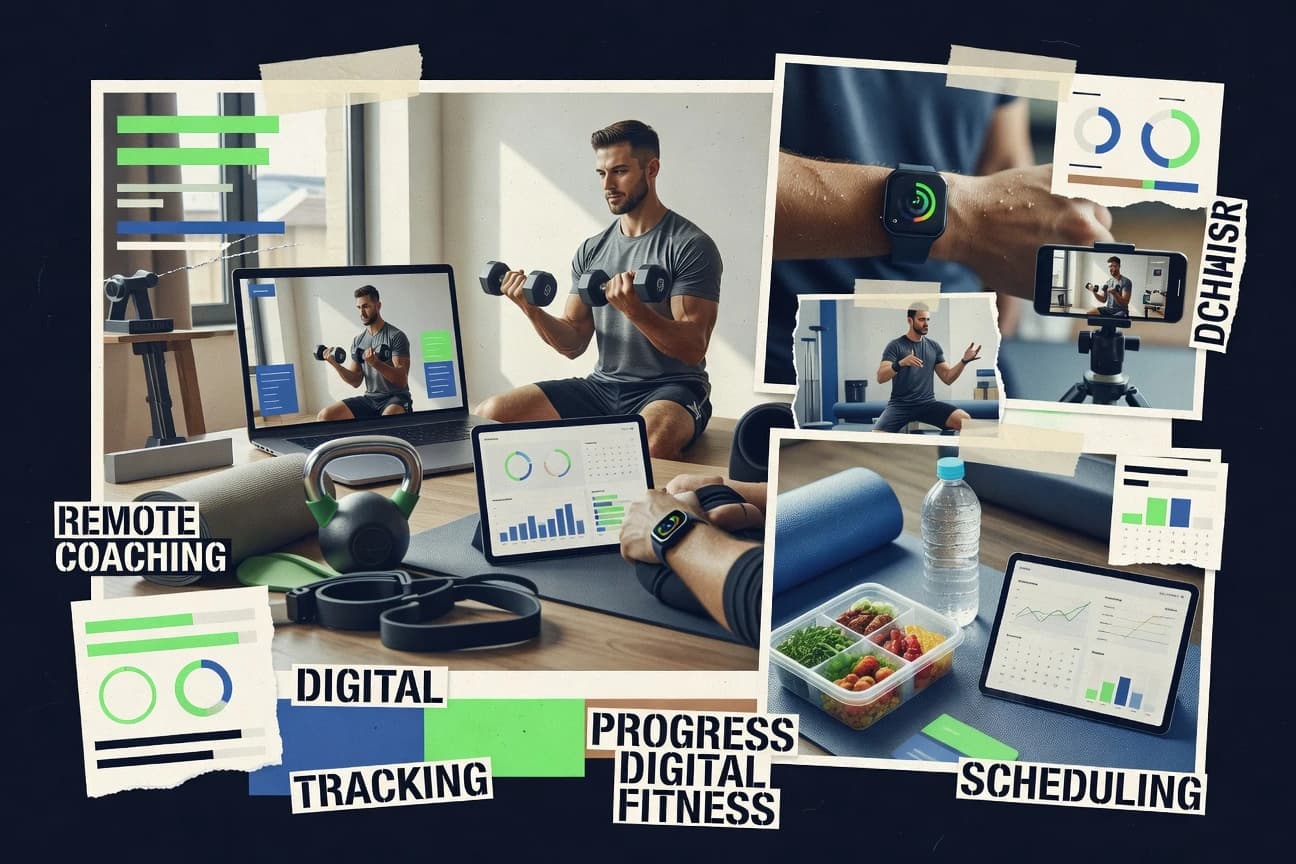
Ranking roundup of top online personal trainer software with feature, pricing, and coaching workflow comparisons for fitness coaches and studios.

How we ranked these tools
Core product claims cross-referenced against official documentation, changelogs, and independent technical reviews.
Analyzed video reviews and hundreds of written evaluations to capture real-world user experiences with each tool.
AI persona simulations modeled how different user types would experience each tool across common use cases and workflows.
Final rankings reviewed and approved by our editorial team with authority to override AI-generated scores based on domain expertise.
Score: Features 40% · Ease 30% · Value 30%
Gitnux may earn a commission through links on this page — this does not influence rankings. Editorial policy
Coach Catalyst is the best pick for coaching teams that need repeatable habit-focused onboarding and structured client plans, whereas Exercise.com suits when you want consistent program delivery and client recordkeeping at scale.
Editor’s top 3 picks
Three quick recommendations before you dive into the full comparison below — each one leads on a different dimension.
Coach Catalyst
Template-driven plan setup that maps directly to scheduled sessions and ongoing client progress updates.
Built for fits when coaching teams need repeatable plan formatting and structured client onboarding..
Exercise.com
Editor pickWorkout plan assignment and client tracking stay connected from programming creation through adherence review.
Built for fits when coaching teams need repeatable plan delivery and consistent client recordkeeping at scale..
Kahunas
Editor pickTemplate-driven workout plan building with quick publishing to the client workspace.
Built for fits when coaching teams need repeatable programming and a structured client portal without heavy custom integrations..
Comparison Table
Coach Catalyst
vertical specialistClient coaching software for habit change, communication, accountability, and retention.
Template-driven plan setup that maps directly to scheduled sessions and ongoing client progress updates.
Coach Catalyst covers the core loop from intake to plan creation to ongoing client check-ins through a trainer dashboard and a client-facing app experience. Workout programming centers on reusable templates and training plans that trainers can adapt for scheduled sessions. Client communication and progress artifacts are kept alongside the plan, so coaching happens in context rather than across separate tools. Scheduling support ties sessions to the training plan timeline and keeps recurring work organized.
A key tradeoff is that workout design flexibility depends on how the templates and plan structure are configured in the workspace. Teams with highly custom programming logic may need extra configuration work to match their internal coaching standards. Coach Catalyst fits best when a trainer team wants consistent plan formatting and repeatable onboarding for every new client.
- +Training plans and templates keep weekly programming consistent for multiple clients
- +Session scheduling stays tied to client plan progress and coaching updates
- +Client onboarding captures readiness details in the same workflow as programming
- +Exercise library media supports clearer workout demonstrations inside plans
- –Advanced programming logic may require more template configuration discipline
- –Some coaching workflows can feel plan-centric instead of message-first
- –Data export options may be limited compared with analytics-first systems
Fitness coaches with teams
Run weekly programming at scale
Fewer plan errors
Solo trainers
Standardize onboarding and intake
Faster first-session readiness
Show 2 more scenarios
Small PT agencies
Coordinate multiple coaches
Cleaner coach-to-coach continuity
Client records keep workouts, progress, and coaching messages in one workflow for handoffs.
Remote coaching staff
Keep async guidance organized
Lower admin overhead
Messaging and progress records attach to the current plan context for asynchronous follow-ups.
Best for: Fits when coaching teams need repeatable plan formatting and structured client onboarding.
Exercise.com
enterpriseFitness business software covering workout delivery, assessments, payments, and client management.
Workout plan assignment and client tracking stay connected from programming creation through adherence review.
Exercise.com combines a trainer dashboard with a client-facing portal for ongoing programming updates and progress review. Coaching workflows center on creating training plans, assigning exercises and templates, and guiding clients through scheduled sessions. Client onboarding can include readiness intake so new accounts start with documented context before training begins.
A key tradeoff is that advanced setup takes time when teams want strict automation rules across multiple programs and client segments. Exercise.com fits best when a coaching business needs repeatable plan delivery with consistent recordkeeping across a growing staff, not when each client requires fully bespoke processes.
- +Trainer-first workflow keeps programming, messaging, and plan updates in one loop
- +Structured onboarding intake helps standardize client context at start of coaching
- +Client portal supports asynchronous review of workouts and progress entries
- +Export-focused reporting supports operational review of training adherence
- –Program setup and assignment rules can require careful configuration
- –Complex multi-program routing can feel heavy for small one-trainer teams
Strength coaching studios
Manage group clients across plans
Faster coaching decisions
Independent personal trainers
Deliver consistent training programs
Lower admin overhead
Show 2 more scenarios
Online coaching agencies
Standardize onboarding intake
More consistent assessments
Intake forms collect baseline context so coaches start sessions with documented readiness information.
Operations and compliance teams
Run audit-friendly progress exports
Improved visibility
Progress records can be exported to support internal reporting and quality checks.
Best for: Fits when coaching teams need repeatable plan delivery and consistent client recordkeeping at scale.
Kahunas
vertical specialistOnline coaching software for fitness programs, nutrition plans, payments, and client messaging.
Template-driven workout plan building with quick publishing to the client workspace.
Kahunas is built for coaches who want repeatable programming workflows, since workout templates and plan publishing reduce the time spent rewriting recurring sessions. The system also supports intake capture and ongoing progress recording so trainers can review results and adjust plans during the coaching cycle. Client communication is handled inside the client workspace, which reduces the need to coordinate across separate chat tools.
A tradeoff is that automation and external system connectivity are more limited than in coaching systems with a fully documented API surface and programmable event triggers. Kahunas fits best when a coaching business needs faster plan creation and consistent client access, but does not require deep integrations with wearables, CRM tools, or custom billing logic.
- +Workout templates reduce manual rework across repeated coaching cycles
- +Trainer dashboard keeps plan updates and coaching notes in one place
- +Client portal organizes scheduled sessions and plan access
- +Built-in progress tracking supports ongoing plan adjustments
- –API and automation options lag platforms with full external extensibility
- –Wearable and advanced biometric ingest options are limited in scope
- –Governance controls for multi-trainer teams are less granular
- –Data export supports reporting, but complex ETL needs more work
Personal trainers
Publish weekly plans fast
Less time programming
Small coaching studios
Coordinate multiple clients
Fewer scheduling errors
Show 1 more scenario
Fitness program managers
Review adherence and progress
More consistent adjustments
Managers use progress records to spot plateaus and guide program revisions across cohorts.
Best for: Fits when coaching teams need repeatable programming and a structured client portal without heavy custom integrations.
PT Distinction
vertical specialistPersonal trainer software for exercise programming, client management, and branded coaching apps.
Questionnaire-driven client onboarding that feeds into the workout setup workflow, reducing manual retargeting after intake.
PT Distinction is an online personal trainer software solution centered on structured client onboarding, ongoing workout programming, and coaching workflows inside a trainer dashboard. It supports repeatable client intake through questionnaire-style forms tied to training setup, then carries that information forward into session execution and progress review.
Coaching delivery is handled with templated training plans and session scheduling so clients receive consistent workout guidance between check-ins. Admin workflows focus on managing clients, content, and workout revisions in one place rather than scattering actions across disconnected tools.
- +Workout programming uses reusable templates to keep plan changes consistent
- +Client onboarding inputs carry into training setup instead of staying siloed
- +Session scheduling aligns delivery with the training cycle you configure
- +Trainer dashboard consolidates day-to-day client and workout management
- –Third-party integration options are limited compared with API-first competitors
- –Advanced governance controls for roles and approvals are not as granular
- –Bulk client management tools lag behind systems built for high volume
- –Automation for recurring changes depends more on manual updates than rules
Best for: Fits when a coaching business needs consistent programming, scheduled delivery, and repeatable onboarding without heavy systems integration.
FitSW
SMBPersonal trainer software for workouts, nutrition, progress tracking, and client management.
Exercise library and workout templates work together so trainers can generate training plans consistently across multiple clients.
FitSW functions as an online personal trainer workspace that turns client intake into coached programming and ongoing session workflows. It supports workout programming with reusable exercise content and structured training plans inside a trainer dashboard.
Client-facing delivery centers on an in-app client area that follows scheduled sessions and tracks training progress over time. FitSW also covers asynchronous coaching workflows through messaging tied to the client program.
- +Trainer dashboard keeps programming edits and client sessions in one place
- +Reusable exercise library speeds workout creation for recurring training plans
- +Client portal supports ongoing adherence tracking tied to scheduled sessions
- +Asynchronous coaching messaging reduces back-and-forth outside the app
- –Workflow depth depends on correct setup of templates and recurring schedules
- –Exercise media and form cues can feel limited compared with video-heavy coaching stacks
- –Advanced automation is thinner if custom client flows need deeper branching logic
- –Data export options may be constrained for granular reporting needs
Best for: Fits when a coaching team needs structured workout planning and an app-based client program without heavy customization.
ABC Trainerize
vertical specialistClient management software for personal trainers, fitness businesses, and coaching teams.
Trainer dashboard workout builder with reusable exercise content and plan templates for consistent programming at scale.
ABC Trainerize organizes coaching into trainer dashboard workflows for workout programming, client intake, and ongoing progress review. It uses templates and reusable exercise content so trainers can build training plans faster and keep client delivery consistent.
Client communication and session scheduling support recurring programs with built-in adherence and check-ins. Data export and configurable onboarding forms support standard operational needs for gyms and remote coaching teams.
- +Workout template system keeps programming consistent across clients
- +Client onboarding forms reduce manual back-and-forth for intake
- +In-app messaging supports asynchronous coaching between sessions
- +Data export supports off-platform reporting and record keeping
- –Exercise and plan management takes time to configure for a custom library
- –Scheduling workflows require discipline to avoid missed recurring sessions
Best for: Fits when coaching teams need repeatable programming delivery with structured onboarding and client messaging.
Everfit
vertical specialistPersonal training software with workout plans, nutrition tools, messaging, and client tracking.
Trainer dashboards that connect client readiness intake to scheduled training plan assignment in one workflow.
Everfit pairs a trainer dashboard with client-facing onboarding and progress capture to support recurring coaching workflows. Workout programming is built around templates and plan scheduling so trainers can standardize training plans while still adjusting per client.
The system supports in-app communication tied to sessions, plus data export for ongoing client management. Automation stays centered on repeatable coaching steps such as schedule setup, client data intake, and plan assignment.
- +Template-driven plan creation reduces rework across recurring clients
- +Client onboarding forms capture readiness inputs used during programming
- +Session-linked messaging keeps coaching context with scheduled work
- +Progress artifacts and history are exported for client continuity
- –Customization depth can feel limited for complex programming logic
- –Automation is strongest for standard workflows, not edge-case coaching
- –Integrations and API capabilities are not prominent in day-to-day setup
- –Role and governance controls require disciplined account management
Best for: Fits when coaching is scheduled around recurring sessions and needs repeatable programming workflows.
Virtuagym
enterpriseFitness management software with training plans, client engagement, payments, and business administration.
A training-plan builder connected to scheduling and client progress tracking in a single coach and client workflow.
Virtuagym pairs a trainer dashboard with a client-facing app for end-to-end workout programming, scheduling, and ongoing coaching. Its exercise library and plan-building workflow support structured training plans that coaches can reuse and adapt across clients.
The tool also covers onboarding intake, progress tracking, and in-app communication tied to coaching sessions. Virtuagym is distinct in how coaching content stays organized across programming, adherence, and client progress inside one shared workspace.
- +Workout templates and reusable plan structure reduce coach setup time
- +Client and trainer views keep exercises, sessions, and progress in one timeline
- +Scheduling and appointment workflows support recurring coaching rhythms
- +In-app messaging keeps coaching feedback close to the training plan
- –Deep configuration can feel heavy for small teams managing few clients
- –Advanced integrations depend on specific add-ons and implementation scope
- –Bulk onboarding and data migration workflows are not as transparent as competitors
- –Analytics depth is limited compared with platforms focused on cohort reporting
Best for: Fits when fitness coaches need a structured workout plan workflow with client progress in one place.
TeamBuildr
vertical specialistStrength and conditioning software for program design, athlete monitoring, and coach communication.
Recurring training plan assignment tied to templates, with client delivery and completion status aligned to the same programming structure.
TeamBuildr runs workout programming and client delivery inside a trainer dashboard with a client-facing app for scheduled sessions and plan adherence. It supports building training templates, assigning training plans, and tracking completion signals alongside lightweight progress inputs.
TeamBuildr also centralizes client communication around the workout flow, reducing the need to coordinate sessions across separate tools. Automation is strongest around recurring programming and repeating session assignment, not around custom workflows.
- +Workout templates and plan assignment are built for repeatable coaching cycles
- +Trainer dashboard keeps programming, messaging, and session status in one place
- +Client app supports scheduled delivery and straightforward workout completion tracking
- +Exercise media and workout structure reduce manual formatting for common plans
- –Customization of onboarding and intake workflows is limited compared with coach-centric rivals
- –Reporting focuses on adherence, with less depth for coaching insights and benchmarks
- –Deep wearable and heart-rate integration requires extra setup beyond core coaching
- –Admin controls and audit visibility are not as granular as enterprise-grade systems
Best for: Fits when independent trainers need repeatable workout plans, client delivery, and basic progress tracking.
Trainiza
vertical specialistPersonal trainer app for delivering workouts and managing clients.
Trainer dashboard workflow that ties workout templates to recurring scheduling and ongoing progress updates for the same client.
Trainiza focuses on trainer-led delivery with a trainer dashboard for workout programming and client-facing workout access. Core workflows center on session scheduling, workout templates, and ongoing progress tracking through client updates.
Client onboarding is handled with intake forms that gather readiness and health history details before training begins. In-app messaging supports asynchronous coaching so trainers can review adherence and adjust plans between appointments.
- +Workout templates speed up plan creation for recurring program cycles
- +Session scheduling supports recurring appointments and consistent trainer availability
- +Asynchronous in-app messaging keeps coaching feedback tied to the client workflow
- +Progress tracking gives trainers a running view of adherence and measurement changes
- –API and automation surface are limited, which restricts deep integrations
- –Admin controls for roles and audit trails are basic for multi-trainer governance
Best for: Fits when individual trainers need scheduling, templates, and messaging with consistent client progress capture.
Conclusion
After evaluating 10 wellness fitness, Coach Catalyst stands out as our overall top pick — it scored highest across our combined criteria of features, ease of use, and value, which is why it sits at #1 in the rankings above.
Use the comparison table and detailed reviews above to validate the fit against your own requirements before committing to a tool.
How to Choose the Right online personal trainer software
This guide covers online personal trainer software tools built around trainer dashboards, workout plan templates, and client-facing delivery loops. Coach Catalyst leads the set with template-driven plan setup that maps directly to scheduled sessions and ongoing progress updates.
The lineup also includes Exercise.com for trainer-first programming and adherence review, plus Kahunas for template-driven workout publishing into a client workspace. PT Distinction, FitSW, Trainerize, Everfit, Virtuagym, TeamBuildr, and Trainiza round out workflows centered on onboarding intake, recurring scheduling, and progress capture.
Online personal trainer software for template-based coaching, scheduling, and client progress tracking
Online personal trainer software centralizes workout programming, session scheduling, and client progress visibility so trainers can run coaching cycles without stitching together separate systems. Most platforms in this category use reusable workout templates to convert programming into scheduled delivery and to keep plan updates tied to client engagement.
Coach Catalyst and Exercise.com both emphasize connected programming and tracking loops, where plan creation, client updates, and adherence review share the same workflow surface. Kahunas focuses on template-driven workout plan building with quick publishing to the client workspace, which keeps trainer-to-client updates tightly coupled to the plan templates.
Online personal trainer software features that determine coaching throughput
In online personal trainer software, trainer dashboard workflow quality controls whether programming stays consistent across clients or drifts into manual handoffs. Templates matter because they convert coaching intent into scheduled sessions and follow-up updates without rebuilding the same structure each cycle.
Template-to-session mapping that stays synchronized
Coach Catalyst uses template-driven plan setup that maps directly to scheduled sessions and ongoing progress updates. Trainiza also ties workout templates to recurring scheduling and ongoing progress updates for the same client.
Connected programming and adherence review loops
Exercise.com keeps workout plan assignment and client tracking connected from programming creation through adherence review. TeamBuildr aligns recurring training plan assignment, client delivery, and completion status to the same programming structure.
Client onboarding intake that feeds workout setup
PT Distinction uses questionnaire-driven onboarding inputs that feed into workout setup workflow to reduce manual retargeting after intake. Everfit links client readiness intake to scheduled training plan assignment in one workflow.
Workout publishing speed into the client workspace
Kahunas focuses on template-driven workout plan building with quick publishing to the client workspace. Virtuagym keeps exercises, sessions, and progress in one timeline across trainer and client views.
Repeatable exercise libraries that reduce rewrite work
FitSW pairs an exercise library with workout templates so trainers can generate training plans consistently across multiple clients. ABC Trainerize provides reusable exercise content and plan templates for consistent programming at scale.
Workflow depth for multi-program and edge-case coaching
Exercise.com can handle repeatable plan delivery and client recordkeeping at scale but program setup and assignment rules can require careful configuration. Everfit’s automation is strongest for standard workflows, not edge-case coaching.
How to choose online personal trainer software by workflow control and automation depth
Start with how coaching work should flow inside the trainer dashboard, because each platform ties programming, scheduling, and client updates together differently. Select based on where the system should reduce clicks versus where it should allow customization.
Choose a system that treats templates as the scheduling source of truth
If scheduled delivery must reflect each plan update immediately, Coach Catalyst maps template-driven plans to scheduled sessions and ongoing progress updates. If recurring appointments and plan structure must stay aligned for one client at a time, Trainiza ties workout templates to recurring scheduling and progress capture.
Select the programming-to-tracking loop that matches the coaching cadence
For teams that want programming, messaging, and plan updates in one loop with adherence review, Exercise.com supports a trainer-first workflow. If the main requirement is recurring training plan assignment with completion status aligned to the same templates, TeamBuildr targets that repeatable cycle.
Pick onboarding-first platforms when intake must reduce later retargeting
When client intake needs to flow into workout setup without staying siloed, PT Distinction carries onboarding inputs into training setup. If readiness inputs should connect directly to scheduled plan assignment, Everfit connects client readiness intake to scheduled training plan assignment in one workflow.
Choose publishing workflow speed when client workspace usage is central
If the client experience depends on fast workout plan publishing from templates, Kahunas emphasizes quick publishing into the client workspace. If trainers need one timeline that shows exercises, sessions, and progress for both sides, Virtuagym keeps those views aligned in a single timeline.
Match library-driven plan generation to how much customization the business requires
If trainers generate recurring programs across many clients using reusable exercises and templates, FitSW’s exercise library plus templates supports consistent plan generation. If a custom library needs heavier upfront configuration and scheduling discipline, ABC Trainerize requires time to configure a custom library and careful recurring scheduling.
Stress-test automation flexibility for multi-program routing and governance complexity
If the coaching model includes complex multi-program routing, Exercise.com can feel heavy for small one-trainer teams and may require careful configuration. If governance needs exceed basic role control and audit depth, Trainiza keeps admin controls for roles and audit trails basic for multi-trainer governance.
Who online personal trainer software fits best based on coaching operations
Different platforms optimize for different coaching workflows, so the right choice depends on whether the business runs repeatable program cycles, onboarding-heavy intake, or recurring scheduling at scale. The biggest differentiators show up in template behavior, onboarding-to-programming continuity, and how consistently progress updates stay tied to the plan.
Coaching teams that standardize plan formatting across clients
Coach Catalyst keeps training plans and templates consistent for multiple clients while session scheduling stays tied to client plan progress. ABC Trainerize also supports repeatable programming delivery with template systems and onboarding forms.
Independent trainers managing recurring clients with adherence tracking
TeamBuildr aligns recurring plan assignment, delivery, and completion status so trainers can keep the same programming structure over time. Trainiza supports scheduling, templates, and consistent client progress capture for recurring appointments.
Programs that prioritize intake questionnaires feeding programming setup
PT Distinction reduces manual retargeting by using onboarding inputs that carry into training setup workflow. Everfit connects client readiness intake to scheduled training plan assignment in one workflow.
Coaches who want fast plan publishing into a client workspace
Kahunas uses template-driven workout building with quick publishing to the client workspace. Virtuagym keeps exercises, sessions, and progress in one timeline for both trainer and client.
Businesses that rely on exercise libraries to speed recurring plan creation
FitSW combines exercise library and workout templates so trainers generate training plans consistently across multiple clients. ABC Trainerize includes reusable exercise content inside its trainer dashboard workout builder for consistent programming at scale.
Common pitfalls when buying online personal trainer software
Many buying mistakes come from treating template systems as decoration instead of as the mechanism that schedules and tracks coaching work. The second failure mode is selecting a platform that fits the first onboarding cycle but breaks down when routing, recurrence, or governance grows.
Choosing a template system but not mapping templates to recurring scheduling early
Coach Catalyst can require template configuration discipline so weekly programming stays consistent across scheduled sessions. TeamBuildr and Trainiza both depend on recurring plan assignment structure staying aligned to client delivery and status.
Assuming onboarding inputs will automatically drive workout setup without workflow review
PT Distinction prevents intake and training setup from staying siloed by feeding questionnaire inputs into workout setup workflow. ABC Trainerize reduces manual back-and-forth with onboarding forms but still needs configuration time for custom exercise and plan management.
Ignoring how automation depth changes with multi-program and edge-case coaching
Exercise.com’s program setup and assignment rules can require careful configuration when workflows include complex multi-program routing. Everfit’s automation is strongest for standard workflows, so edge-case coaching can require extra manual handling.
Discounting governance needs until multiple trainers share the account
Trainiza keeps admin controls for roles and audit trails basic for multi-trainer governance. Coach Catalyst supports structured plan formatting but advanced programming logic may require additional template configuration discipline.
How We Selected and Ranked These Tools
We evaluated template-driven programming workflows, trainer dashboard control over session scheduling, and how consistently client progress updates stay connected to the plan. Features received 40% of the weighting, with ease and value each receiving 30%.
Coach Catalyst separated itself by combining template-driven plan setup that maps directly to scheduled sessions with ongoing progress updates, which kept programming, delivery, and client updates in one structured loop. Exercise.com ranked next for connecting plan assignment to client tracking from programming creation through adherence review, which reduced breakage between setup and review.
Frequently Asked Questions About online personal trainer software
How do these tools connect workout programming to scheduled delivery instead of standalone exercise logs?
Which platforms keep client onboarding data connected to later workout setup with fewer manual steps?
How does exercise content reuse work when trainers need consistent sessions across multiple clients?
What breaks if a coaching team needs deeper automation through APIs rather than configuration and exports?
Which tools provide recurring-session workflows that keep adherence and check-ins connected to the program structure?
How do client communication and in-app messaging connect to the training plan instead of living in a separate chat?
When switching platforms, what migration issues typically appear around client records and training history?
How do trainer dashboards differ when the same coach needs both programming tools and administrative controls in one place?
What security and access-control gaps show up when teams require SSO-style onboarding and audit-ready administration?
Tools reviewed
Primary sources checked during evaluation.
Referenced in the comparison table and product reviews above.
- Wellness FitnessTop 10 Best Personal Trainer Management Software of 2026
- Wellness FitnessTop 10 Best Personal Trainer Client Tracking Software of 2026
- Education LearningTop 10 Best Online Fitness Trainer Software of 2026
- Sports RecreationTop 10 Best Athletic Trainer Software of 2026
- Healthcare MedicineTop 10 Best Online Pt Software of 2026
Keep exploring
Comparing two specific tools?
Software Alternatives
See head-to-head software comparisons with feature breakdowns, pricing, and our recommendation for each use case.
Explore software alternatives→In this category
Wellness Fitness alternatives
See side-by-side comparisons of wellness fitness tools and pick the right one for your stack.
Compare wellness fitness tools→