
GITNUXSOFTWARE ADVICE
Technology Digital MediaTop 10 Best IT Asset Software of 2026
Ranking roundup of it asset software tools for IT teams, with tradeoffs across Ivanti Neurons, Snipe-IT, and ServiceNow ITAM.

How we ranked these tools
Core product claims cross-referenced against official documentation, changelogs, and independent technical reviews.
Analyzed video reviews and hundreds of written evaluations to capture real-world user experiences with each tool.
AI persona simulations modeled how different user types would experience each tool across common use cases and workflows.
Final rankings reviewed and approved by our editorial team with authority to override AI-generated scores based on domain expertise.
Score: Features 40% · Ease 30% · Value 30%
Gitnux may earn a commission through links on this page — this does not influence rankings. Editorial policy
Ivanti Neurons for ITAM is the best fit for distributed enterprise teams that need automated discovery plus lifecycle control and compliance actions across mixed environments, whereas Snipe-IT works well if you want self-hosted custody records with barcode handoffs and solid API connectivity.
Editor’s top 3 picks
Three quick recommendations before you dive into the full comparison below — each one leads on a different dimension.
Ivanti Neurons for ITAM
Neurons Bots automate asset lifecycle actions from discovery findings through endpoint remediation.
Built for fits when distributed IT teams need automated discovery, lifecycle control, and endpoint actions across mixed environments..
Snipe-IT
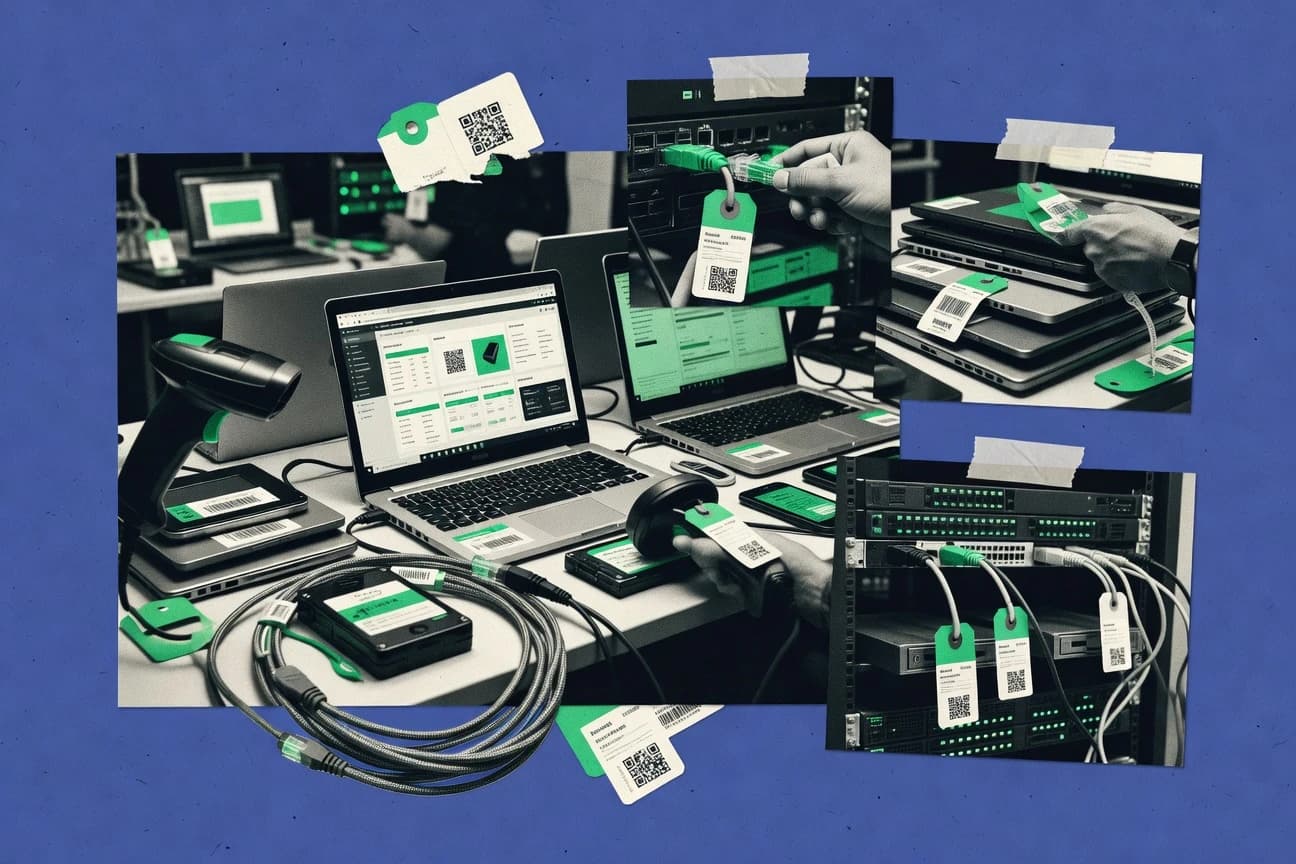
Editor pickQR and barcode asset labels connect physical scans to check-in, checkout, location changes, and audit history.
Built for fits when internal IT teams need self-hosted custody records with barcode handoffs and API connectivity..
ServiceNow ITAM
Editor pickServiceNow’s asset relationship model links hardware, software, users, contracts, and services to workflow approvals.
Built for fits when global IT teams already run ServiceNow and need asset controls linked to operational workflows..
Comparison Table
Ivanti Neurons for ITAM
enterpriseIT asset management platform with discovery, financial tracking, and compliance features.
Neurons Bots automate asset lifecycle actions from discovery findings through endpoint remediation.
Ivanti Neurons for ITAM supports centralized asset records with ownership, location, status, warranty, contract, and cost fields. Administrators can map discovered devices and applications to business services in a CMDB, then use lifecycle workflows for assignment, transfer, retirement, and end-of-life tracking. Neurons Bots adds event-driven actions, such as isolating a device, opening a service task, or requesting owner validation.
The broad feature set creates more administration than a simple registry, especially across connectors, roles, and workflow rules. For a distributed organization replacing unmanaged laptops, discovery can identify devices, workflows can assign ownership, and Bots can route exceptions to support teams. API and connector options support endpoint, directory, and service integrations, but coverage depends on configured data sources.
- +Neurons Discovery combines endpoint, network, and cloud inventory sources.
- +Neurons Bots trigger remediation from asset conditions.
- +Lifecycle workflows cover ownership, movement, retirement, and disposal.
- +License controls relate software license entitlements to deployments.
- –Advanced workflow design requires Ivanti administration experience.
- –Connector coverage determines inventory completeness across heterogeneous environments.
- –Reporting changes can require platform-specific configuration.
- –Some discovery and management functions depend on adjacent Neurons modules.
IT asset managers
Automated device lifecycle control
Fewer unmanaged lifecycle events
Software asset managers
License position reconciliation
Clearer license positions
Show 2 more scenarios
Service desk teams
Endpoint remediation routing
Faster exception handling
Bots convert discovery conditions into service tasks or endpoint actions without manual queue triage.
IT governance leaders
Portfolio risk reporting
Clearer replacement priorities
Lifecycle and ownership data expose stale records, unsupported devices, and unassigned assets.
Best for: Fits when distributed IT teams need automated discovery, lifecycle control, and endpoint actions across mixed environments.
Snipe-IT
SMBOpen-source IT asset management system for tracking hardware and software licenses.
QR and barcode asset labels connect physical scans to check-in, checkout, location changes, and audit history.
For distributed IT departments, Snipe-IT preserves ownership, location, status, warranty, purchase, and depreciation fields for each asset model and instance. Custom fields, custom statuses, bulk actions, import tools, and permission controls support organization-specific governance. QR and barcode scanning connects desk-side handoffs with asset history from a phone browser.
Automatic software usage metering and endpoint discovery sit outside Snipe-IT's core scope, leaving larger fleets dependent on external systems. Universities and public-sector departments can use Snipe-IT to record laptop assignments, lab equipment, accessories, and return events across multiple locations.
- +QR and barcode labels link physical scans to check-in, checkout, and audit actions.
- +Custom fields and statuses adapt records to departmental policies.
- +Documented REST API supports external synchronization and provisioning.
- +LDAP and SAML options support centralized identity administration.
- –No native network scanning or endpoint agent discovers devices automatically.
- –Software records do not provide built-in usage metering or deployment reconciliation.
- –Large deployments require disciplined model, field, and location taxonomy.
Internal IT departments
Laptop assignment across offices
Clear custody history
Schools and universities
Lab equipment circulation
Fewer unreturned items
Show 2 more scenarios
Public-sector agencies
Multi-location equipment accountability
Consistent asset governance
Administrators apply custom statuses, departments, and permission controls to equipment distributed across offices.
IT operations integrators
Identity-linked asset synchronization
Reduced duplicate entry
Teams connect Snipe-IT records with directory and provisioning workflows through API endpoints and webhooks.
Best for: Fits when internal IT teams need self-hosted custody records with barcode handoffs and API connectivity.
ServiceNow ITAM
enterpriseEnterprise IT asset management module within the Now Platform covering lifecycle and compliance.
ServiceNow’s asset relationship model links hardware, software, users, contracts, and services to workflow approvals.
Hardware Asset Management Pro connects financial, contractual, and operational records across asset lifecycles. Software Asset Management Pro adds software model normalization, publisher content, entitlement reconciliation, and reclamation workflows. Flow Designer, IntegrationHub, and REST APIs provide automation options for provisioning, approvals, and external system updates.
The tradeoff is administrative complexity across modules, data sources, roles, and publisher content. A global IT department already using ServiceNow can centralize ownership, contract records, approvals, and service relationships without adding a separate asset administration environment.
- +Native alignment with ServiceNow incident, change, request, and service records
- +Hardware and software modules share ownership, contract, and retirement data
- +Publisher content supports normalized software models and entitlement reconciliation
- +IntegrationHub and Flow Designer support cross-system automation
- –Advanced SAM coverage depends on publisher content and disciplined entitlement data
- –Discovery quality varies with connector coverage and endpoint permissions
- –Custom data models can require specialist administrators and scoped governance
- –User-facing asset tasks can feel dense outside ServiceNow’s broader interface
Global IT departments
Centralized hardware ownership control
Consistent asset accountability
Software licensing teams
Publisher entitlement reconciliation
Fewer license surprises
Show 1 more scenario
Service management teams
Incident-to-asset relationship tracking
Faster impact analysis
ServiceNow records connect affected assets with incidents, changes, requests, and service owners.
Best for: Fits when global IT teams already run ServiceNow and need asset controls linked to operational workflows.
Lansweeper
enterpriseAgentless IT asset discovery and inventory platform scanning network-connected devices.
Enforced software inventory consistency using cross-source enrichment from scans and endpoint data within saved discovery views.
Lansweeper is an agent-based and agentless IT asset inventory tool that turns device and software discovery into an auditable inventory record. Its discovery coverage is driven by network scanning plus endpoint inspection, with inventory enrichment that supports install-base and software entitlement to asset mapping workflows.
The platform ties configuration items to endpoints and tracks lifecycle signals like end-of-life and patch status for reporting and remediation prioritization. Automation support centers on scheduled discovery runs, saved views, and exportable inventory datasets for downstream software asset management and reporting.
- +Inventory accuracy improves with combined network scanning and endpoint inspection
- +Software inventory exports support install-base reporting and license compliance workflows
- +Rules and scheduled discovery runs reduce manual spreadsheet maintenance
- +Lifecycle reporting highlights end-of-life and patch gaps across the install base
- –Coverage depends on network reachability and endpoint communication paths
- –Deep integrations require extra configuration and careful identity mapping
- –Complex reporting often needs multiple filters and saved views
- –Large environments can require tuning discovery schedules and scan scope
Best for: Fits when IT needs near-real-time device and software inventory for license compliance and lifecycle reporting.
Flexera One
enterpriseIT asset management and software license optimization platform for enterprises.
True-up reconciliation workflow that ties entitlement evidence to resolution steps for contractual license adjustments.
Flexera One gathers software and cloud evidence into one workflow that maps installs, deployments, and usage to license obligations. The product’s strongest area is license compliance operations, including entitlement-to-deployment mapping and true-up reconciliation support.
Its automation center ties discovery inputs to ongoing asset lifecycle workflow decisions, so data stays aligned across reporting cycles. Flexera One also provides integration through REST APIs for syncing identity, inventory, and business rules into its asset processes.
- +Entitlement-to-deployment mapping supports license compliance workflows at scale
- +True-up reconciliation workflows connect evidence to reconciliation decisions
- +REST API integration supports automated provisioning of asset and licensing data
- +RBAC and audit log controls support regulated governance for asset owners
- –Requires careful configuration of discovery sources and data normalization
- –Advanced workflows involve multiple modules and cross-configuration dependencies
- –Patch and vulnerability reporting needs integration planning to avoid gaps
- –Workflow tuning for large estates takes time and iterative testing
Best for: Fits when enterprises need license compliance automation plus controlled governance across changing install-base data.
BMC Helix ITAM
enterpriseEnterprise IT asset management within the BMC Helix platform covering lifecycle and compliance.
Helix ITAM asset lifecycle workflows integrate with configuration item relationship modeling to connect install base changes to service context.
BMC Helix ITAM fits IT organizations that need asset lifecycle workflows tied to enterprise operations, not just spreadsheets or basic inventory lists. Core capabilities include software asset inventory, license compliance oriented reporting, and integration-driven normalization of installations and entitlements.
The product also supports configuration item relationships and lifecycle tracking so discovered and managed assets can be tied to business services. Automation and integration features rely on Helix extensibility so asset updates can flow into downstream processes that depend on accurate install-base data.
- +Workflow-driven IT asset lifecycle tracking across discovery to retirement stages
- +License compliance reporting with entitlement-to-asset mapping support
- +Configuration item relationship modeling for stronger asset to service context
- +Helix extensibility supports integration patterns for continuous asset updates
- –Admin configuration can be heavy when onboarding multiple discovery sources
- –Some analytics depend on consistent data quality across discovery inputs
- –Operational tuning is required to keep reconciliation workflows from lagging
- –Complex environments may need specialist governance to avoid mapping drift
Best for: Fits when enterprises need software asset inventory linked to license compliance and service-impact reporting workflows.
ManageEngine AssetExplorer
SMBIT asset management software for tracking hardware, software, and license compliance.
Workflow-driven asset lifecycle states that stay attached to discovered items during subsequent discovery refresh cycles.
ManageEngine AssetExplorer is an IT asset inventory tool that centers on agent-based discovery and asset lifecycle tracking across endpoints and servers. It connects discovered hardware and installed software into a unified inventory view with workflow-driven updates for status changes and decommissioning.
ManageEngine adds automation hooks through REST API access and scheduled discovery runs, which supports integration with external systems and repeatable refresh cycles. Reporting focuses on install base, end-of-life timing, and license-related views for software compliance use cases.
- +Agent-based discovery yields detailed endpoint hardware and installed software inventory
- +Asset lifecycle workflows support status tracking from onboarding to retirement
- +REST API supports external automation for inventory and metadata updates
- +Scheduled scans reduce manual effort for keeping install base current
- –Agent deployment planning adds operational overhead versus agentless discovery
- –License and compliance reporting can lag behind best-fit workflows without tuning
- –Deep CMDB modeling and relationships require extra configuration effort
- –Large environments may need careful scan scope and performance tuning
Best for: Fits when teams need recurring agent-based hardware and software inventory with lifecycle workflows and API automation.
InvGate Assets
SMBIT asset management tool with discovery, software licensing, and inventory tracking.
Asset lifecycle workflows can drive approvals and status changes tied to discovered inventory updates and ownership fields.
InvGate Assets is an IT asset inventory and software asset management tool that focuses on keeping installs, ownership, and lifecycle in sync. It provides agent-based discovery workflows, software inventory collection, and a structured asset lifecycle with automated updates.
For governance, it supports role-based access, audit logging, and configurable approval steps that tie changes to asset records and license context. Integration coverage is driven by an API and sync options that connect asset data to downstream service and compliance processes.
- +Agent-based discovery supports recurring inventory refresh instead of one-time scans
- +Configurable asset lifecycle workflows reduce manual reclassification work
- +Role-based access controls plus audit logs support change accountability
- +REST API supports integration with external asset and compliance systems
- –License reconciliation workflows require careful mapping of software entities
- –Endpoint discovery setup needs governance discipline to avoid duplicate device records
- –Advanced automation often depends on administrator-authored rules and templates
- –Complex multi-environment deployments need more configuration than basic use cases
Best for: Fits when mid-size IT teams need recurring asset inventory with license-aware workflows and integration via API.
PDQ Inventory
SMBWindows-focused IT asset inventory tool with scanning and reporting.
PDQ Inventory’s scan results drive a REST API surface for turning discoveries into automated asset workflows.
PDQ Inventory performs agent-based discovery of IT hardware and software across managed Windows endpoints, then keeps an install-base view updated through scheduled scans. Inventory results feed a configurable library of asset records and allow grouping by site, department, and custom tags.
The product also supports software inventory file imports and can pull richer details from endpoints without requiring manual spreadsheets for every asset refresh. PDQ Inventory’s REST API and automation hooks support integrations and workflow-triggering around discovered devices and software findings.
- +Agent-driven discovery produces detailed software inventory at scale
- +Configurable asset grouping with tags supports fast reporting by ownership
- +REST API enables inventory export and integration-triggered workflows
- +Software inventory imports reduce friction for environments with no agents
- –Non-Windows coverage depends on discovery approach and imported data quality
- –Automation requires API familiarity for multi-system synchronization
- –Custom reporting needs careful field mapping across scan runs
Best for: Fits when teams need frequent, agent-backed install-base reporting plus API automation.
Atera
SMBAll-in-one remote monitoring and management platform with asset tracking for MSPs and IT teams.
Atera’s asset lifecycle workflows connect discovery results to guided update and retirement steps with audit logging.
Atera targets IT and managed service teams that need end-to-end visibility for devices, users, and software alongside service management workflows. Agent-based discovery and asset tracking are paired with software inventory collection and license-focused reporting that supports install-base and entitlement alignment.
The system also supports automation through scheduled tasks and integration points via REST API so asset lifecycle updates can be driven by other tools. Admin governance centers on role separation, audit trails, and controlled workflows for onboarding and retiring assets.
- +Agent-based discovery ties discovered hardware to tracked software inventory
- +Asset lifecycle workflows support retiring assets and updating inventory states
- +REST API enables asset data sync and automation with external systems
- +Audit log visibility helps track admin and workflow changes
- –Agent coverage gaps can limit install-base reporting accuracy
- –License compliance views can require manual mapping for complex entitlement models
- –Automation rules need careful design to avoid oversized scheduled workloads
- –RBAC granularity may be insufficient for highly segmented enterprise teams
Best for: Fits when IT and managed service teams need automated discovery, software inventory tracking, and API-driven integrations.
Conclusion
After evaluating 10 technology digital media, Ivanti Neurons for ITAM stands out as our overall top pick — it scored highest across our combined criteria of features, ease of use, and value, which is why it sits at #1 in the rankings above.
Use the comparison table and detailed reviews above to validate the fit against your own requirements before committing to a tool.
How to Choose the Right it asset software
IT asset software consolidates device inventory, software inventory, and lifecycle workflows into a single governance path from discovery through retirement. This guide covers Ivanti Neurons for ITAM, Snipe-IT, ServiceNow ITAM, Lansweeper, Flexera One, BMC Helix ITAM, ManageEngine AssetExplorer, InvGate Assets, PDQ Inventory, and Atera.
Tool fit depends on how discovery results become controlled records and which systems receive updates through API and automation. Ivanti Neurons for ITAM pairs Neurons Discovery with Neurons Bots for endpoint remediation actions, while Snipe-IT ties QR and barcode labels to check-in, checkout, location changes, and audit history.
IT asset software for inventory accuracy, license compliance, and lifecycle governance
IT asset software combines inventory capture with relationship mapping so hardware, software, users, and contractual context stay consistent as assets change. Many platforms also provide software inventory exports for install-base reporting and license compliance workflows, with Lansweeper enforcing inventory consistency through cross-source enrichment.
The differentiator is how workflows turn discoveries into governed outcomes like entitlement-to-deployment mapping and true-up reconciliation. Flexera One focuses on true-up reconciliation that ties entitlement evidence to resolution steps, while Ivanti Neurons for ITAM automates asset lifecycle actions from discovery findings through endpoint remediation using Neurons Bots.
IT asset software capabilities that determine inventory truth and governance outcomes
Inventory correctness depends on how discovery sources are combined and how inconsistent device and software records are reconciled into controlled entries. Ivanti Neurons for ITAM improves inventory completeness by combining Neurons Discovery sources and then automating lifecycle actions with Neurons Bots from discovery findings.
Governance depends on how workflows connect assets to approvals, lifecycle transitions, and license compliance decisions. ServiceNow ITAM ties hardware and software relationships to workflow approvals, while Flexera One connects entitlement evidence to true-up reconciliation decisions.
Automation path from discovery findings to governed actions
Ivanti Neurons for ITAM uses Neurons Bots to trigger remediation from asset conditions after discovery. Atera also routes guided update and retirement steps from discovery results with audit logging.
Asset and software relationship modeling for approvals
ServiceNow ITAM links hardware, software, users, contracts, and services in a relationship model that drives workflow approvals. BMC Helix ITAM uses configuration item relationship modeling to connect install base changes to service context.
License compliance workflows tied to entitlement evidence
Flexera One focuses on true-up reconciliation that ties entitlement evidence to resolution steps for contractual adjustments. Helix ITAM supports license compliance reporting with entitlement-to-asset mapping tied to workflow-driven lifecycle tracking.
Cross-source inventory consistency and export-ready install-base reporting
Lansweeper enforces software inventory consistency through cross-source enrichment using saved discovery views. It also supports software inventory exports for install-base reporting and license compliance workflows.
Agent strategy that controls inventory coverage and reconciliation effort
ManageEngine AssetExplorer and InvGate Assets use agent-based discovery for recurring refresh cycles with workflow-driven lifecycle states. Snipe-IT lacks native network scanning and endpoint agent auto-discovery, so coverage depends on how data is entered and enriched.
Automation and integration surface for multi-system synchronization
PDQ Inventory exposes a REST API surface that turns scan results into automated asset workflows. PDQ Inventory pairs that API with agent-driven discovery at scale, while IvGate Assets supports integration via API for license-aware lifecycle workflows.
Choose by discovery-to-workflow control depth and the automation surface that fits operations
A fit decision should start with where discovery outputs become controlled records. Ivanti Neurons for ITAM turns findings into automated lifecycle actions through Neurons Bots, while ServiceNow ITAM turns asset relationships into workflow approvals inside the existing ServiceNow operational record model.
The second fork should match automation reach to operational guardrails. Flexera One centers on reconciliation decisions and evidence-to-resolution mapping, while Lansweeper centers on near-real-time inventory consistency through cross-source enrichment views.
Map discovery inputs to the exact outcome owners require
If endpoint remediation actions must start automatically from discovery findings, Ivanti Neurons for ITAM fits because Neurons Bots trigger remediation from asset conditions. If the operational requirement is approval-driven handling tied to incidents, changes, and requests, ServiceNow ITAM fits because approvals follow the asset relationship model.
Pick the lifecycle workflow engine that matches enforcement needs
If lifecycle workflow decisions must follow configuration item relationships into service context, BMC Helix ITAM fits because Helix ITAM integrates lifecycle workflows with configuration item relationship modeling. If lifecycle states must remain attached across discovery refresh cycles, ManageEngine AssetExplorer fits because its lifecycle states stay attached to discovered items during subsequent refresh cycles.
Select license reconciliation depth based on entitlement evidence complexity
If contractual license adjustments require evidence-based resolution steps, Flexera One fits because it runs true-up reconciliation tied to entitlement evidence and resolution decisions. If the environment can tolerate simpler license views, Lansweeper supports license compliance workflows via software inventory exports and cross-source enrichment rather than a reconciliation-first workflow.
Decide how coverage is created across networks, endpoints, and import sources
If the inventory program relies on agent-based recurrence and inventory detail, ManageEngine AssetExplorer and InvGate Assets fit because they use agent-based discovery to produce detailed endpoint hardware and installed software inventory. If scanning coverage and endpoint permissions are already engineered, Lansweeper fits because inventory accuracy improves with combined network scanning and endpoint inspection.
Match integration throughput to automation goals across systems
If automation must drive multi-system updates from scan results, PDQ Inventory fits because it exposes REST API for turning discoveries into automated asset workflows. If integration needs are mostly about connecting discovery events to inventory status updates with audit visibility, Atera fits because lifecycle workflows connect discovery results to guided update and retirement steps with audit logging.
Validate that record capture supports how physical custody and audit happen
If physical asset custody requires barcode handoffs and audit history, Snipe-IT fits because QR and barcode asset labels connect physical scans to check-in, checkout, location changes, and audit actions. If barcode-based custody is not required, Ivanti Neurons for ITAM and Flexera One prioritize automated lifecycle control and license reconciliation rather than physical label workflows.
Who benefits from these IT asset software workflows
IT teams should choose based on where the organization needs control. The tools in this list support outcomes from inventory consistency and audit trails to entitlement evidence reconciliation and endpoint remediation actions.
Fit also depends on how many sources must be reconciled and how those sources feed ongoing workflows rather than one-time scans.
Distributed IT teams that need automated endpoint remediation from asset conditions
Ivanti Neurons for ITAM fits distributed teams because Neurons Bots automate asset lifecycle actions from Neurons Discovery findings through endpoint remediation.
Enterprises standardizing on ServiceNow for operational change and approval workflows
ServiceNow ITAM fits organizations because its asset relationship model connects hardware, software, users, contracts, and services to workflow approvals inside the ServiceNow record system.
License compliance and true-up owners handling contractual adjustments at scale
Flexera One fits compliance owners because true-up reconciliation ties entitlement evidence to resolution steps and reconciliation decisions across changing install-base data.
IT asset managers needing near-real-time inventory consistency for license reporting exports
Lansweeper fits teams that need cross-source enrichment consistency because it combines network scanning and endpoint inspection and then exports software inventory for install-base reporting.
IT administrators running recurring inventory refresh via agents and lifecycle state tracking
ManageEngine AssetExplorer and InvGate Assets fit teams because agent-based discovery supports recurring inventory refresh and workflow-driven lifecycle states tied to discovered items and ownership fields.
Common mistakes when selecting IT asset software
Mistakes usually come from choosing a tool that does not match how governance will be enforced after discovery. Another common issue is assuming inventory completeness without validating connector coverage and communication paths.
Several tools also require configuration discipline to keep entitlement mapping and lifecycle states accurate across refresh cycles.
Selecting a barcode-first workflow tool without verifying discovery coverage expectations for software inventory
Snipe-IT can connect QR and barcode labels to check-in, checkout, and audit actions, but it has no native network scanning or endpoint agent auto-discovery, so coverage depends on what gets entered or imported.
Expecting perfect license reconciliation without verifying how entitlement data is normalized across discovery sources
Flexera One requires discovery source configuration and data normalization for true-up reconciliation, and ServiceNow ITAM SAM coverage depends on publisher content and disciplined entitlement data.
Underestimating the operational overhead of workflow-driven lifecycle automation and endpoint remediation design
Ivanti Neurons for ITAM can automate remediation through Neurons Bots, but advanced workflow design requires Ivanti administration experience and connector coverage affects inventory completeness.
Assuming analytics and compliance reports will stay accurate when discovery inputs vary in data quality
BMC Helix ITAM analytics can depend on consistent data quality across discovery inputs, and InvGate Assets warns that duplicate device records can occur without governance discipline for endpoint discovery setup.
Building automation on scan results without validating API-driven synchronization requirements
PDQ Inventory supports automation via REST API, but automation for multi-system synchronization requires API familiarity and non-Windows coverage depends on discovery approach and imported data quality.
How We Selected and Ranked These Tools
We evaluated Ivanti Neurons for ITAM, Snipe-IT, ServiceNow ITAM, Lansweeper, Flexera One, BMC Helix ITAM, ManageEngine AssetExplorer, InvGate Assets, PDQ Inventory, and Atera on feature coverage, ease of operational setup, and value for asset inventory and governance workflows. Features account for 40% of scoring because discovery-to-action automation matters for lifecycle control and remediation.
Ease and value each account for 30% of scoring because connector setup, workflow configuration, and discovery execution affect throughput. Ivanti Neurons for ITAM ranked highest because Neurons Bots automate asset lifecycle actions from discovery findings through endpoint remediation, and Neurons Discovery combines endpoint, network, and cloud inventory sources for broader inventory completeness.
Frequently Asked Questions About it asset software
How do Ivanti Neurons for ITAM and Lansweeper differ in discovery approach for software inventory?
Which tools provide REST API access for turning discovery results into automated workflows?
What breaks if license compliance teams rely only on install counts and skip entitlement-to-deployment mapping?
When should a team choose ServiceNow ITAM over a standalone inventory tool like Snipe-IT?
Which tools support SSO or directory integration patterns using identity connectors?
How do Ivanti Neurons Bots and Atera lifecycle workflows handle automated status changes and retirement steps?
Where does Lansweeper fall short for large environments that need zero-import inventory accuracy?
How does data migration work when moving from spreadsheets to an asset inventory with workflows and audit history?
What admin controls and audit logging features matter most when multiple teams update assets?
Tools reviewed
Primary sources checked during evaluation.
Referenced in the comparison table and product reviews above.
- Technology Digital MediaTop 10 Best It Asset Inventory Software of 2026
- Technology Digital MediaTop 10 Best It Asset Lifecycle Management Software of 2026
- MediaTop 10 Best Video Digital Asset Management Software of 2026
- Technology Digital MediaTop 10 Best Pc Software of 2026
- Technology Digital MediaTop 10 Best Test Management Software of 2026
Keep exploring
Comparing two specific tools?
Software Alternatives
See head-to-head software comparisons with feature breakdowns, pricing, and our recommendation for each use case.
Explore software alternatives→In this category
Technology Digital Media alternatives
See side-by-side comparisons of technology digital media tools and pick the right one for your stack.
Compare technology digital media tools→