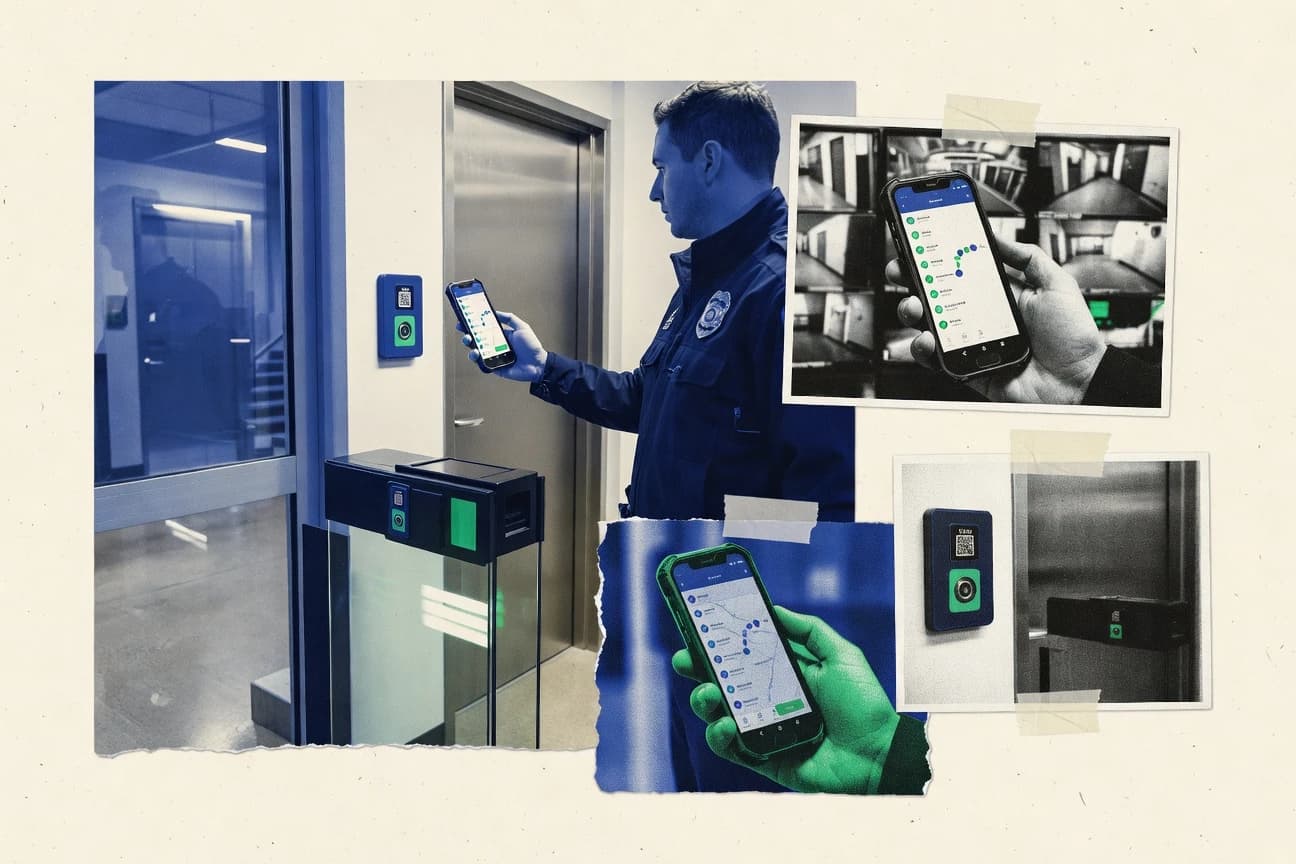
GITNUXSOFTWARE REVIEW
SecurityTop 9 Best Guard Tour Software of 2026
Editorial roundup comparing guard tour software for security teams, covering features and tradeoffs for tools like Guard1 Plus.

How we ranked these tools
Vendors set the topic, but our editors set the inclusion criteria and the evaluation framework before research starts.
Search agents gather the source set and the review record, including transcriptions of video reviews and podcasts.
Framework: Features 40% · Ease 30% · Value 30%
Gitnux may earn a commission through links on this page. This does not influence our reviews. Editorial policy
Guard1 Plus is the best pick for mid-size sites that need scan-to-report tour workflows because its exception-to-incident reporting ties missed or deviated checkpoints to accountable patrol events, not just scan history, whereas Novagems fits single-site SMB teams that want escalation built into the same tour timeline.
Editor’s top 3 picks
Three quick recommendations before you dive into the full comparison below — each one leads on a different dimension.
Guard1 Plus
Exception-to-incident report generation ties tour exception logging to accountable patrol incidents, not just raw scan history.
Best for: Fits when mid-size sites need scan-to-report tour workflows with exception logging and shift accountability controls.
Novagems
Editor pickIncident escalation workflow ties patrol exceptions to follow-up actions inside the same tour timeline.
Best for: Fits when a single site needs mobile patrol execution, checkpoint verification, and supervisor reporting without deep customization.
GuardsPro
Editor pickException logging links missed or deviating tour segments to the exact tour instance for supervisor follow-up.
Best for: Fits when security teams need consistent patrol execution with supervisor traceability across sites.
Comparison Table
Guard1 Plus
vertical specialistGuard tour system combining electronic checkpoint readers, patrol verification, and management reporting.
Exception-to-incident report generation ties tour exception logging to accountable patrol incidents, not just raw scan history.
Guard1 Plus is a guard tour software solution built around patrol execution and verification records that connect scans to tour checkpoints. It supports checkpoint scan capture from mobile workflows and produces patrol incident report outputs when guards log exceptions or deviations.
Admin functions focus on assigning tour routes, controlling who can view or act on tour data, and retaining audit trails for completion timestamps. The system also fits organizations that need shift-level continuity reporting for officer accountability and handover logs.
- +Checkpoint scan records link directly to tour completion timestamps
- +Incident logging converts missed or deviated checkpoints into structured reports
- +Shift handover log helps maintain officer accountability across changes
- +Admin controls support role-based access to tour views and exception actions
- –Tour route setup requires careful checkpoint mapping to avoid verification gaps
- –Advanced integration depth with external systems is limited without added tooling
- –Real-time monitoring detail depends on how mobile capture is configured
- –De-duplication logic for repeated scans is not always fine-grained
Security supervisors
Verify checkpoint scans during patrol tours
Clear patrol evidence trail
Shift operations teams
Log deviations and generate incident reports
Actionable deviation records
Show 2 more scenarios
Compliance and audit teams
Review audit trails for accountability
Audit-ready completion records
Administrators rely on retained audit trails to support officer accountability and completion timing evidence.
Guard managers
Assign routes and control tour access
Consistent route execution
Managers assign tour routes and restrict who can view or act on tour data with auditability.
Best for: Fits when mid-size sites need scan-to-report tour workflows with exception logging and shift accountability controls.
Novagems
SMBSecurity workforce software with guard tours, checkpoint tracking, incident reports, scheduling, and GPS monitoring.
Incident escalation workflow ties patrol exceptions to follow-up actions inside the same tour timeline.
Novagems is guard tour software built around mobile patrol execution and back-office visibility for supervisors. It supports checkpoint scan verification workflows that record tour progress, deviations, and completion timestamps for officer accountability reports.
The system targets shift-level governance with configurable patrol routes and incident escalation workflow records. Management view and reporting focus on tour exception logging so missed or out-of-order scans can be acted on during the same shift.
- +Checkpoint scan verification is central to both execution and reporting
- +Tour route deviation tracking supports supervisor review of patrol behavior
- +Tour exception logging helps surface missed or out-of-order checkpoints
- +Incident escalation workflow records link tour events to follow-up actions
- –Real-time tour monitoring is limited compared with higher-ranked products
- –RFID patrol wand and NFC checkpoint tag integration options feel narrower
- –Checkpoint beacon hardware support is not as broad as top-tier alternatives
- –Checkpoint scan verification setup needs careful configuration of patrol routes
Security supervisors
Confirm checkpoint visits via mobile patrol
Reviewable patrol timelines
Security operations managers
Plan shifts and assign officers
Structured staffing records
Show 2 more scenarios
Compliance administrators
Maintain training and inspection evidence
Centralized audit evidence
Administrators assign safety training and organize regulatory records for review and inspection readiness.
Safety and quality teams
Track corrective actions from events
Traceable closure ownership
Teams link investigations and safety events to assigned corrective actions until closure evidence is captured.
Best for: Fits when a single site needs mobile patrol execution, checkpoint verification, and supervisor reporting without deep customization.
GuardsPro
SMBSecurity guard management with tour tracking and incident reporting.
Exception logging links missed or deviating tour segments to the exact tour instance for supervisor follow-up.
GuardsPro fits organizations that run recurring patrol routes and need repeatable guard tour patrol protocol enforcement. Tour templates help standardize routes and checkpoint sets, while the mobile side records patrol progress and structured tour events for supervisor review. The reporting layer is built for operational oversight, including tour completion records and exception visibility when checkpoints are missed or tours deviate.
A key tradeoff is that deeper automation depends on how work is modeled as tours, checkpoints, and exceptions, so teams with highly bespoke processes may need more configuration to match their SOPs. GuardsPro works best when shifts follow stable route patterns and supervisors want consistent officer accountability reporting without manual spreadsheet reconciliation. It also fits multi-site deployments where governance needs to control who can view assignments and manage incident escalation workflow inputs.
- +Tour templates standardize checkpoint sets across shifts
- +Exception logging keeps supervisor review tied to specific tours
- +Structured completion timestamps support reliable scheduling audits
- +Incident escalation workflow captures patrol exceptions with context
- –Advanced workflows need careful tour and checkpoint configuration
- –Bulk reconfiguration across many sites can be slower than expected
- –Offline execution behavior depends on mobile device settings
Security supervisors
Review shift compliance fast
Fewer compliance data cleanups
Site operations managers
Standardize routes across locations
Lower SOP variance
Show 2 more scenarios
Incident response coordinators
Escalate patrol anomalies
Quicker incident triage
Escalation inputs attach to the impacted tour so reports carry the right operational context.
Training and compliance leads
Spot protocol gaps by tour history
Better follow-through
Completion records and exception patterns support targeted coaching for guard tour patrol protocol adherence.
Best for: Fits when security teams need consistent patrol execution with supervisor traceability across sites.
Skiplino
SMBQueue management platform that includes guard tour and patrol features.
Checkpoint scan verification is connected to tour exception logging so missed and deviated checkpoints surface inside the same officer review timeline.
Skiplino targets teams that run recurring guard tours with handheld verification at checkpoints and an admin console for tour execution. It supports mobile patrol flows for scanning checkpoint tags and recording tour progress with structured timestamps and incident fields.
- +Checkpoint scan verification tied to tour progress reduces manual post-check reconciliation
- +Tour exception logging captures deviations and missed checkpoints in the same review flow
- +Incident escalation workflow keeps patrol problems connected to the affected route
- +Structured officer tour completion timestamps support shift-level accountability reporting
- –Checkpoint reader hardware support can require tighter alignment than mixed RFID and QR inventories
- –Tour plan setup needs careful configuration to avoid false tour gap results
- –Advanced automation beyond standard tour events is limited without custom integrations
- –Geofenced patrol and breadcrumb-style GPS reporting are not the primary workflow
Digital service operators
Route access before tours begin
Controlled access and flow
Clinic reception teams
Run check-in and progress notifications
More orderly patient flow
Show 2 more scenarios
Contact center operations
Show multi-step service stage updates
Visible wait progression
Teams track stage progression and keep visitors updated with SMS or lobby displays.
Branch service managers
Assign visitors to correct counter
Consistent service ordering
Service organizations route walk-ins and scheduled visitors to the appropriate counter or service point.
Best for: Fits when teams need scan-to-report guard tours with exception and incident workflows for shift accountability.
QR-Patrol
vertical specialistGuard tour software that verifies patrol checkpoints through QR codes, NFC tags, GPS, and mobile devices.
Checkpoint scans write directly into tour history with a clear per-check verification trail for officer accountability.
QR-Patrol centers guard tour execution on QR code checkpoint scans, then ties each scan to a tour route and schedule. The system produces checkpoint scan verification trails plus tour completion timestamps for officer accountability and post-shift review.
- +QR checkpoint scanning workflow reduces missed check errors during execution
- +Tour reports include checkpoint-level verification and completion timestamps
- +Setup for routes, checkpoints, and post instructions fits common guard tour models
- +Exception handling captures deviation context inside the tour record
- –Limited visibility into wand dock synchronization and RFID-specific behaviors
- –Real-time tour monitoring depends on how exports and alerts are configured
- –Checkpoint tamper detection is not a core feature in the standard workflow
- –Incident escalation workflow coverage is thinner than in incident-heavy deployments
Security companies
Verify routine patrol routes via QR scans
Traceable patrol evidence
Security company managers
Compare posts across recurring routes
Improved post coverage visibility
Show 2 more scenarios
Security guards
Document incidents linked to patrol context
More complete incident records
Guards capture incident notes and supporting evidence tied to checkpoint scans and tour activity.
Shift supervisors
Record handover issues and outstanding tasks
Better continuity between shifts
Teams use shift records and handover logs to communicate incidents and unresolved issues between duties.
Best for: Fits when sites use QR checkpoint readers and need clear tour records with deviation notes and accountability.
Silvertrac
vertical specialistSecurity guard management software with patrol tours, incident reporting, inspections, and real-time field activity.
Scanner-agnostic checkpoint handling that normalizes RFID wand, NFC tag, and QR checkpoint scans into one tour verification history.
Silvertrac manages guard tour patrol verification from RFID patrol wand, NFC checkpoint tag, and QR code checkpoint workflows. It captures checkpoint scans into a tour history that supports checkpoint scan verification and patrol incident report logging.
- +Checkpoint verification works across RFID wand, NFC tags, and QR scans
- +Tour records link scans to officer accountability report outputs
- +Incident logging supports checkpoint and tour exception tracking
- +Configurable tour routes and checkpoint assignments reduce manual paperwork
- –Missed checkpoint alert workflows need consistent checkpoint mapping
- –Audit log depth for admin actions is limited for highly regulated governance
- –External integrations require more work to match custom dispatch data models
- –Real-time tour monitoring granularity can be coarse for high throughput sites
Security supervisors
Verify checkpoints using RFID or QR scans
Confirmed checkpoint completion
Guard managers
Configure tours and checkpoint lists
Standardized tour configuration
Show 1 more scenario
Compliance teams
Review accountability with exception logging
Accountability-backed reporting
Teams use officer accountability report outputs tied to completion timestamps and tour exception logging.
Best for: Fits when teams need scanner-based patrol verification plus incident and exception logging for standard tours.
Tourway
vertical specialistGuard tour patrol system with RFID and barcode checkpoint scanning.
Tour exception logging connects missed or out-of-sequence checkpoint scans to tour-level records for supervisor review.
Tourway targets guard tour execution with a mobile-first patrol flow tied to physical checkpoint scans. It supports defining patrol routes and collecting checkpoint verification events with timestamps for tour completion tracking.
- +Checkpoint scan workflow enforces ordering and flags deviations during patrol
- +Incident-style tour exception logging ties problems to specific tours
- +Supervisor reporting links officer accountability to tour completion timestamps
- +Shift handover records help maintain watch clock continuity across roles
- –Advanced workflows require more configuration than route-only deployments
- –Live tour monitoring details are limited compared with higher-integration systems
- –Offline patrol behavior needs design for coverage gaps in some sites
- –Hardware pairing options can constrain deployments tied to certain wand models
Security guard teams
Capture timestamped checkpoint verifications
Documented tour completion
Security supervisors
Review missed or out-of-order scans
Clear exception accountability
Show 1 more scenario
Shift coordinators
Maintain shift handover records
Better duty-period continuity
Teams use operational reporting to support officer accountability and shift handover communication.
Best for: Fits when supervisors need scan-verified patrol execution, deviation logging, and officer accountability without heavy custom builds.
PatrolScan
vertical specialistGuard tour patrol system with barcode and RFID checkpoint scanning.
Exception-driven incident escalation links missed checkpoints and route deviation to configurable follow-up steps.
PatrolScan is designed around tour execution, so guards complete a route on a mobile patrol app while the system records checkpoint-level verification and timestamps for later inspection. Supervisors get real-time tour monitoring views that surface tour gaps, missed reads, and logged tour exceptions without exporting spreadsheets. The software also keeps post order compliance evidence through checkpoint logs tied to each watch period and route.
- +Checkpoint scan verification produces audit-friendly logs per tour step
- +Real-time tour monitoring highlights missed checkpoints and route deviation
- +Incident escalation workflow connects exceptions to documented follow-up
- +Shift-based reporting supports consistent officer accountability review
- –Initial checkpoint reader hardware deployment requires careful site planning
- –Complex multi-site rules can increase admin workload for supervisors
- –Deep process customization needs disciplined configuration management
- –Large checkpoint volumes can slow review screens without filtering
Security operations managers
Review shift compliance automatically
Fewer manual reconciliation hours
Site security supervisors
React to real-time tour deviations
Faster incident response
Show 2 more scenarios
Guard teams
Complete patrol routes consistently
Lower reporting errors
Guards follow the assigned route in a mobile patrol app and record checkpoint reads.
Compliance and audit leads
Maintain patrol event evidence
Clear accountability trail
Audit leads rely on stored patrol events with completion timestamps and checkpoint logs.
Best for: Fits when security teams need consistent checkpoint verification with exception-driven escalation across shifts.
Bos Security
enterpriseSecurity operations platform with guard tour and patrol tracking features.
Live tour status changes trigger exception logging and incident escalation based on scan verification outcomes.
Bos Security is geared toward real-time tour monitoring where checkpoint scans drive patrol status and guard accountability reporting. The workflow includes missed checkpoint alerting, tour exception logging, and incident escalation workflow support when verification fails. Checkpoint verification can be driven by compatible reader hardware with scan records tied to tours and officer assignments.
- +Checkpoint-driven tour state updates with missed checkpoint alerting
- +Exception logging supports incident escalation workflow auditing
- +Device-to-officer assignment reduces patrol de-duplication mistakes
- +Configurable exports and event webhooks support automation
- –Setup requires consistent checkpoint mapping and reader labeling
- –Advanced governance controls are lighter than enterprise EMM suites
- –Offline capture behavior depends on site connectivity patterns
- –Complex multi-site rollouts take careful operational runbooks
Security operations managers
Handle missed checkpoint escalations quickly
Faster incident triage and reporting
Site supervisors
Review tour compliance per shift
Clear compliance evidence per shift
Show 2 more scenarios
IT and integration teams
Automate downstream incident processing
Less manual re-keying
Event exports and webhooks feed ticketing or dispatch systems from tour verification outcomes.
Contract security providers
Standardize patrol protocol across sites
More consistent patrol operations
Configuration-driven assignments reduce variation in checkpoint scan rules across locations.
Best for: Fits when multi-post teams need checkpoint verification and exception workflows with automation hooks.
Conclusion
After evaluating 9 guard tour software, Guard1 Plus stands out as our overall top pick — it scored highest across our combined criteria of features, ease of use, and value, which is why it sits at #1 in the rankings above.
Use the comparison table and detailed reviews above to validate the fit against your own requirements before committing to a tool.
Frequently Asked Questions About Guard Tour Software
How do PatrolScan and GuardsPro handle tour exception logging when checkpoint scans are missed?
Which tools support incident escalation workflow records instead of only storing scan history?
When do Guard1 Plus and QR-Patrol generate patrol incident report outputs?
What breaks if a team needs scanner-agnostic checkpoint handling across RFID patrol wand, NFC checkpoint tags, and QR code checkpoint readers?
How do Tourway and Checkpoint support tour completion timestamps and officer accountability reporting?
Which admin controls are designed for shift-level reporting and audit-friendly retention of patrol events?
How does Bos Security support offline-tolerant mobile patrol execution and what effect does that have on tour exception handling?
What extensibility or integration approach matters most when a security team needs automation hooks and exports?
Where does Tourway fall short if a team needs deep data model control for device-to-officer provisioning and configuration-driven connectivity?
Tools reviewed
Primary sources checked during evaluation.
Referenced in the comparison table and product reviews above.
How to Choose the Right Guard Tour Software
We separate guard tour software by how it handles configuration depth and verification evidence, then by how well those results move through its automation and reporting. The biggest gaps show up in evidence quality and auditability, plus how the system fits your shift workflow.
Evidence captured per checkpoint
Why it matters
Evidence quality in guard tour software affects whether disputes can be resolved quickly and whether managers trust the records. When evidence is thin, you spend time chasing manual corrections.
How to check
In a demo, set up one tour with multiple checkpoints and run a sample scan workflow end to end. Ask what exact fields get stored for each checkpoint and whether you can view an evidence trail by guard, shift, and checkpoint.
Offline tours with later sync
Why it matters
Offline field workflows matter in guard tours where coverage gaps and dead zones are common. If sync is weak, you lose data or create confusing duplicates after connectivity returns.
How to check
Ask the demo team to simulate a lost-connection window during a tour and then restore connectivity. Confirm what happens to scan events, how conflicts are handled, and whether the timeline stays consistent.
Rules engine for exceptions
Why it matters
A rules engine for exceptions lets guard tour software respond consistently to misses or delays without manual follow-up. That reduces missed handoffs and keeps work queues accurate.
How to check
Request a walkthrough where they configure one exception rule (for example, a missed or late checkpoint) and define what actions occur. Then ask them to show the resulting queue entry, notification, and the audit history of the rule run.
API and export for tour records
Why it matters
API and export options determine how easily guard tour data reaches other systems and how much control your team has over automation. Without a clear automation surface, you end up re-keying data.
How to check
Ask for documentation or a live example that pulls tour records by date range and by guard. Also ask for an export of both summary and event-level data, and verify field names match what your downstream expects.
Audit log for configuration changes
Why it matters
Audit log coverage in guard tour software helps you prove who changed schedules, checkpoint lists, or verification settings. That traceability is critical when results are questioned after the fact.
How to check
In the admin area, change a small configuration item (like a tour template or checkpoint order), then check whether an audit log entry appears. Verify you can filter by user and see what changed and when.
Red flags
- Checkpoint evidence is summarized so you can’t inspect an event trail later
- Offline tours produce missing or duplicated events after sync
- Exception handling runs without a visible audit trail of what triggered it
Fit by situation
- If your guards work in areas with dead zones, prioritize offline tours with later sync.
- If you need to justify results after disputes, prioritize evidence captured per checkpoint.
- If your operations depend on automated follow-up, prioritize rules engine for exceptions.
What changed in this review
Updated
Rotated out of our best list1
Checkpoint
We pick this list from a vetted pool in our market research. Market leaders stay; the other places can change with each update.
Funding and competing interests
This study was co-funded by several of the vendors assessed in it. No single vendor funded it. Funders could propose the market studied.
They had no role in selecting vendors, setting or weighting criteria, analysing data or drawing conclusions, and they received the same factual-accuracy check as every other vendor assessed.
Market definition, inclusion rules and criteria weights were fixed by an editor before research began and did not change afterwards. Editorial process →
Keep exploring
Comparing two specific tools?
Software Alternatives
See head-to-head software comparisons with feature breakdowns, pricing, and our recommendation for each use case.
Explore software alternatives→In this category
Security alternatives
See side-by-side comparisons of security tools and pick the right one for your stack.
Compare security tools→