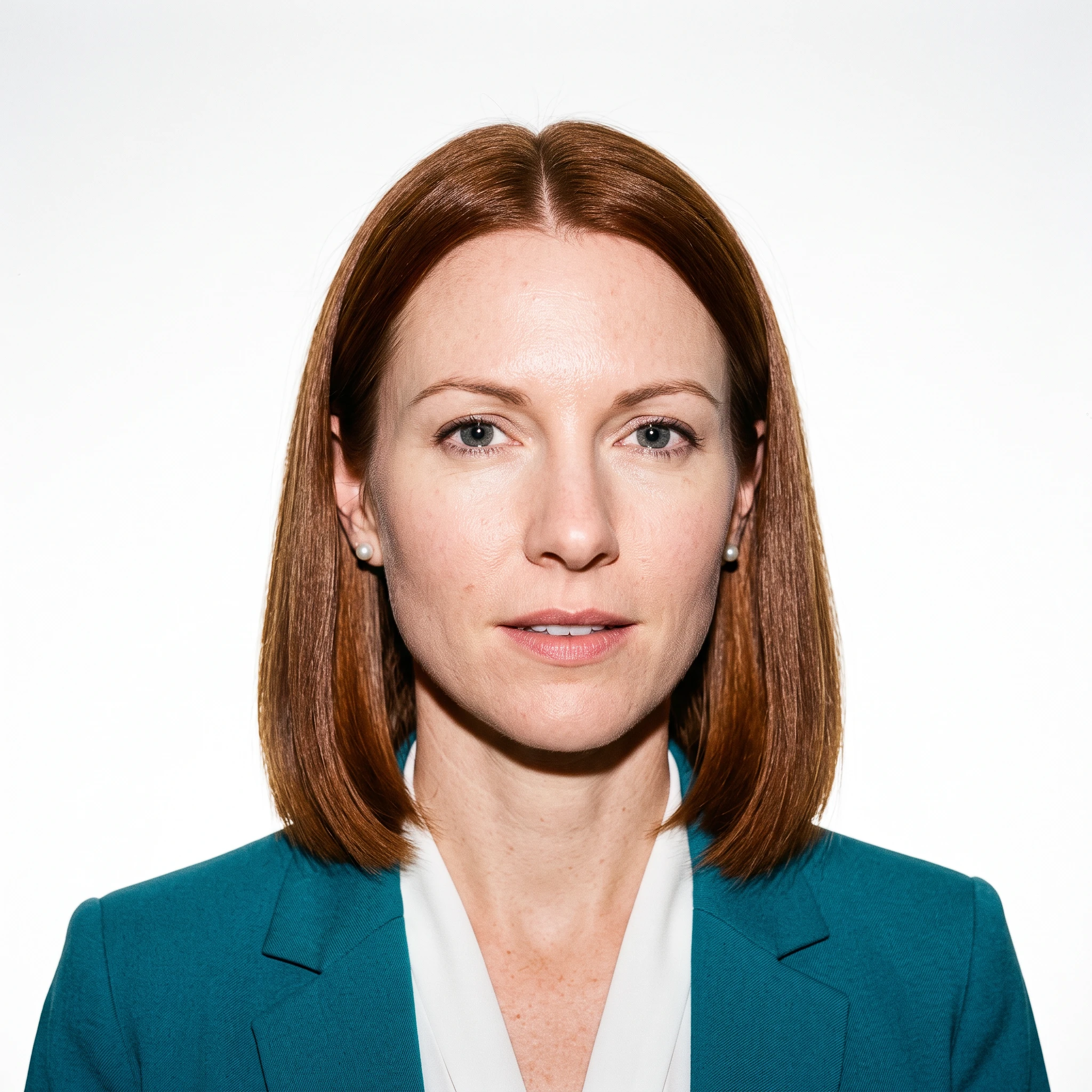

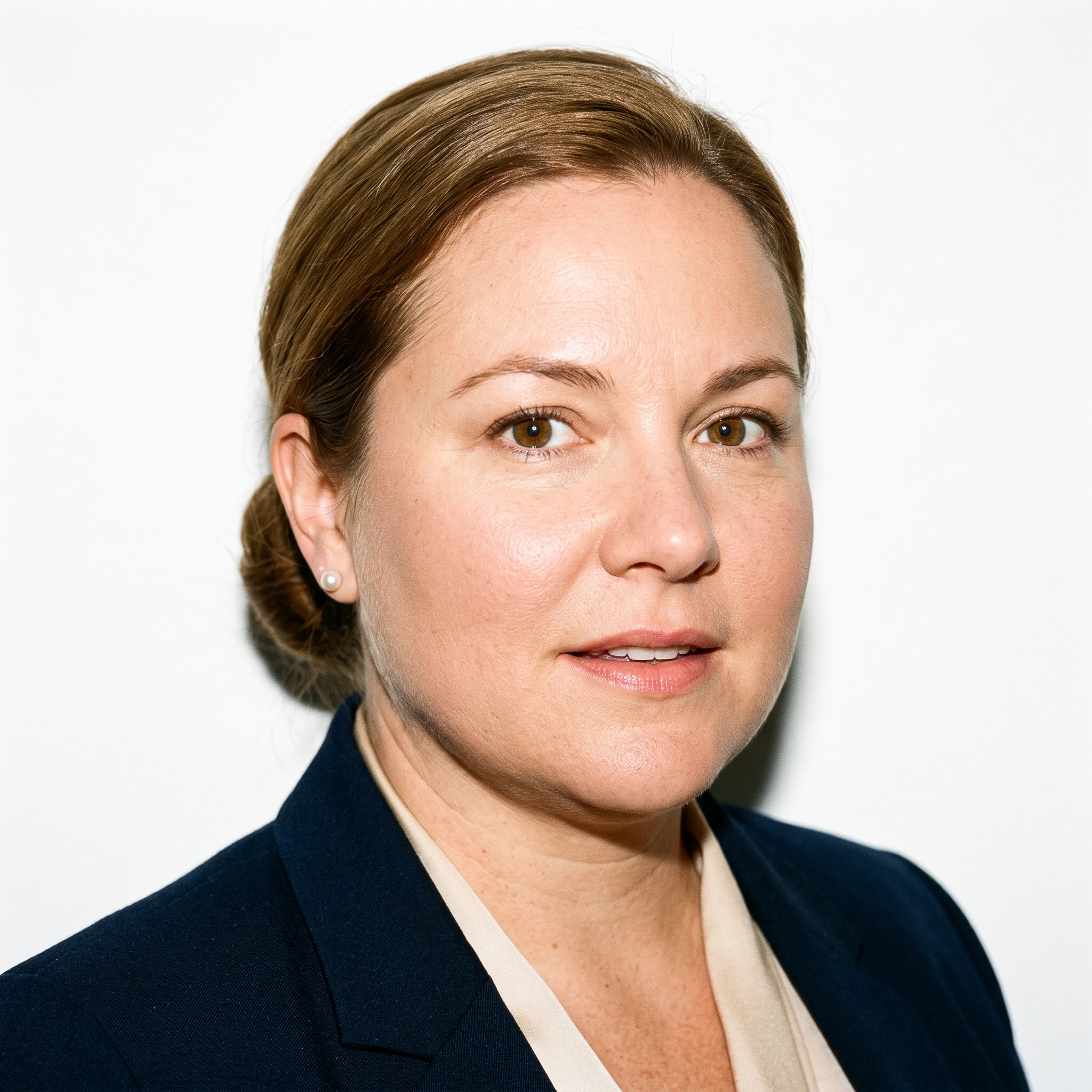
Part of our series: The People Behind the Research
Sigmadax publishes more than 10,000 industry reports across over 110 industries, alongside software Best Lists that weigh uptime history, SLAs, export paths and deployment control next to features.
---
George, you fact-check a large share of the Best Lists, and you come from actuarial work. How does that shape the reliability lens?
George Lockwood: Actuarial work is about the events that don't happen often but cost the most when they do. I have a Master's in Statistics and a Bachelor's in Mathematics, and I spent five years as an insurance market researcher at an independent actuarial advisory firm in Melbourne, then worked freelance as an insurance market analyst. At Sigmadax I report on insurance markets, actuarial statistics and financial risk data. The core lesson transfers directly: averages hide the events that matter. A tool that works beautifully 364 days a year and loses your data on the 365th is not a good tool on average. When I check a list, I'm asking what the worst plausible day looks like, and whether we have described it accurately.
Maja, you cover cloud and data center markets. What's your background?
Maja Vinter: I have a Master's in Computer Science and a Bachelor's in Information Systems, and I spent seven years as a cloud infrastructure researcher at an independent enterprise technology advisory firm in Rotterdam. At Sigmadax I cover cloud computing capacity, data center markets and enterprise infrastructure spending. Infrastructure people learn to read SLAs very literally. An availability percentage tells you what the vendor will compensate you for, not what will happen, and the compensation is usually a service credit, not the cost of your outage. A 99.9 percent monthly commitment still allows for roughly three quarters of an hour of downtime a month. So we read the actual terms: what counts as downtime, how it's measured, which exclusions apply and what you have to do to claim. Then we compare that against the vendor's own incident history.
Bianca, your focus is data engineering, which puts you right at the data ownership question.
Bianca Fernández: It does. I hold a Master's in Data Engineering and a Bachelor's in Information Systems, and I spent six years as a data engineering researcher at an independent analytics technology advisory firm in Mexico City before working freelance. At Sigmadax I cover data engineering platforms, analytics tooling and data warehousing markets. Data ownership sounds like a legal question, but in practice it's an engineering one: can you get your data out, in a usable format, with its history and metadata, in a reasonable time? Plenty of tools technically offer an export that turns out to be incomplete: the records without the relationships, or the current state without the history. We check export paths against the documentation, because "you own your data" means very little if you can't move it.
Attila, you write many of the Best Lists, and your own beat is beauty, DTC and wellness. Where does reliability come in?
Attila Horváth: Everywhere, once you see it. I have a Master's in Business Administration and a Bachelor's in Chemistry, and I spent five years as a beauty industry researcher at an independent consumer goods advisory firm in Luxembourg. Chemistry is good training for this. Cosmetic products are tested under stress, heat, light and time, before anyone trusts them on a shelf. That's reliability engineering by another name. And in direct-to-consumer commerce, the worst day for your software is often your best day for sales: a launch, a promotion, the holiday peak. A storefront tool that slows down under that load costs real revenue at exactly the wrong moment. I bring that question to every list I write, whatever the category: how does this behave when it matters most?
---
What does an "ops lens" add to a Best List?
Maja: Four things alongside features: uptime history, SLAs, export and portability, and deployment control, meaning whether you can choose where and how the software runs. Those are the factors operational buyers end up caring about once a tool is in production.
George: And we test what can be tested. SLAs get checked against the vendor's published terms. Export paths get checked against the documentation. Uptime claims get checked against status history. Where a vendor publishes none of that, the absence goes into the assessment too.
Bianca: It changes the picture in ways a feature comparison doesn't. A product with slightly fewer features but a clean export path and a transparent incident history can be the better choice for a team that has to live with it for years.
Walk us through the pipeline.
George: It starts with human-led sourcing. Analysts pull data from primary sources such as official statistics, vendor documentation and status histories, and humans decide what enters the pipeline. AI speeds up the research and extraction considerably; it can work through far more documentation than a person in the same time. Then comes reliability verification: we cross-check claims across sources and models and test the operational claims. Then editorial approval: an editor reviews the sourcing and the operational assessment and makes the final call. Only checked material is published.
Attila: Every figure carries a confidence band: verified, directional or single source. The target mix is roughly 70, 15 and 15 percent. It's a transparency signal, not a guarantee, and we're explicit about that.
Maja: For reliability data specifically, the band matters a lot. A vendor's self-reported uptime figure with no independent status history behind it is a single source, and we label it that way.
---
Sigmadax also publishes vendor-funded studies. Isn't that in tension with independence?
George: It would be without the rules. With them, the funding pays for the work without touching the conclusions. Each study is co-funded by several of the vendors it assesses, never by one vendor alone, because those vendors want rigorous, comparable research on their market to exist. Funders may propose the market. They don't pick the vendors, they don't set or weight criteria, and they don't approve findings.
Bianca: The protocol is fixed before research starts. An editor sets the market definition, the inclusion rules that determine the vendor set, and the criteria and their weights. It's published with the study and doesn't change once the research is underway.
Maja: Every vendor in scope, funder or not, is measured against the same criteria and gets the same factual-accuracy check on its own products before publication. We change things only where documentation supports the change, and findings, scores and statements about other vendors are not open to review.
Attila: The separation is the part readers should know about. Studies run through the same pipeline, source checks and exclusion rules as everything we publish, but they are never cited as evidence in our statistics reports or Best Lists, and they have no effect on rankings. Every completed study is published as found, labelled as vendor-funded at the top of the page, with a funding statement in its methodology.
---
What's the reliability question buyers forget to ask?
Bianca: "How do I leave?" Test the exit before you need it.
Maja: "What did the last major incident look like, and how was it communicated?" How a vendor handles an outage tells you more than the uptime percentage.
Attila: "What happens at peak load?" Most demos happen on a quiet Tuesday.
George: "What exactly does the SLA pay out?" The answer is usually a service credit, which is rarely the same thing as your loss.
Last question: what should readers take away about Sigmadax?
Maja: That we read the terms, not just the headline number.
Bianca: That data ownership is something you can check, and we check it.
Attila: That a tool is only as good as its worst day. We try to show you that day before you have to live through it.
George: That reliability is a statistical question with human consequences. We take both halves seriously.
---
Sigmadax.com publishes more than 10,000 free research reports and software Best Lists across over 110 industries. Explore the library at sigmadax.com/topics/ and read the full methodology at sigmadax.com/editorial-process/.