
GITNUXSOFTWARE ADVICE
Customer Experience In IndustryTop 10 Best Visitor Checking Software of 2026
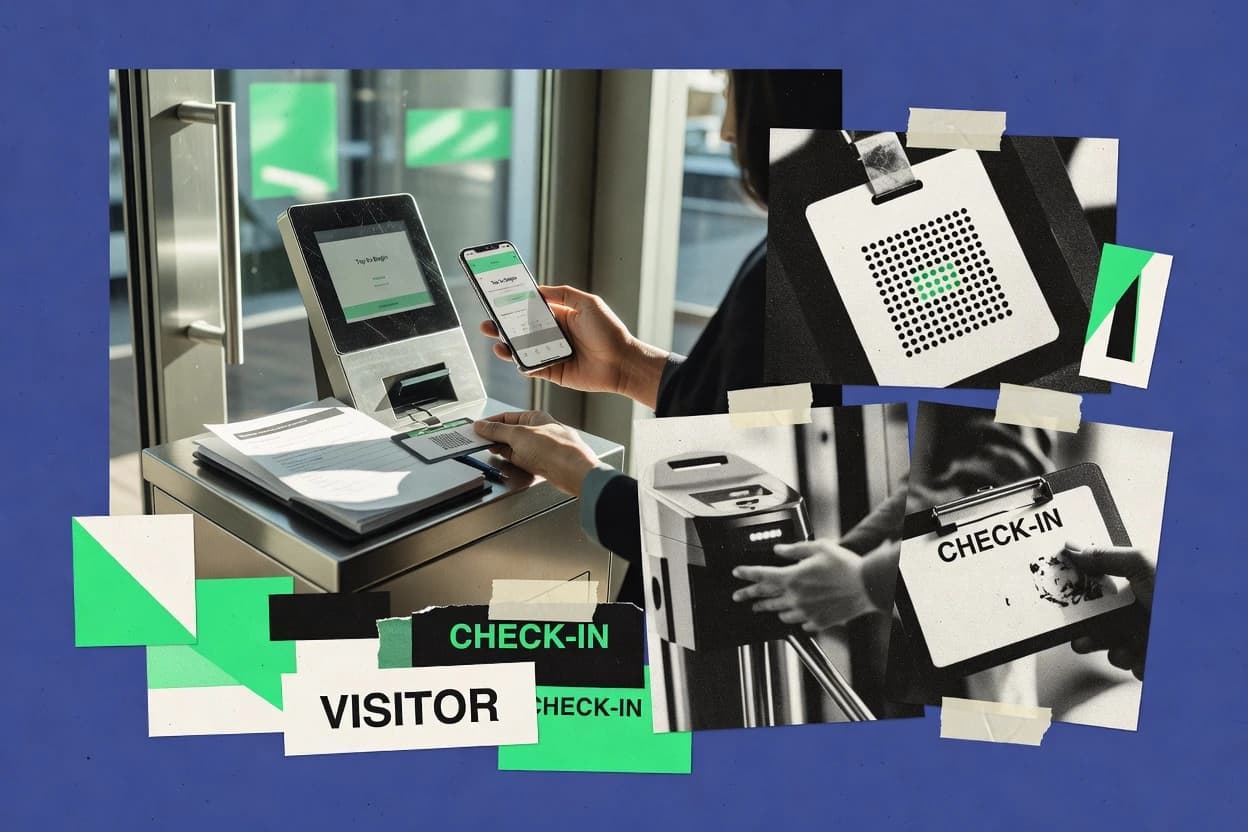
Top 10 visitor checking software rankings for facility teams, comparing Envoy, Vizitor, and The Receptionist features and tradeoffs.

How we ranked these tools
Core product claims cross-referenced against official documentation, changelogs, and independent technical reviews.
Analyzed video reviews and hundreds of written evaluations to capture real-world user experiences with each tool.
AI persona simulations modeled how different user types would experience each tool across common use cases and workflows.
Final rankings reviewed and approved by our editorial team with authority to override AI-generated scores based on domain expertise.
Score: Features 40% · Ease 30% · Value 30%
Gitnux may earn a commission through links on this page — this does not influence rankings. Editorial policy
Vizitor is the best fit for reception desks that need reliable visitor workflows with badge output and integrations, whereas Envoy works better for front-desk teams doing fast pre-registration check-in across multiple locations with consistent pass handling.
Editor’s top 3 picks
Three quick recommendations before you dive into the full comparison below — each one leads on a different dimension.
Vizitor
Configurable event-driven visit status and host notification that follows the check-in lifecycle.
Built for fits when facilities need visitor workflows, badge output, and integrations with external systems..
The Receptionist
Editor pickHost notification routing links visitor events to named staff so check-in actions trigger targeted alerts.
Built for fits when facility teams need consistent front-desk workflows across locations..
Envoy
Editor pickHost assignment workflow driven from the check-in experience, reducing front-desk back-and-forth during arrivals.
Built for fits when front-desk teams need fast pre-registration check-in across multiple locations with consistent pass workflows..
Comparison Table
Vizitor
SMBDigital visitor management system for reception desks, visitor check-in, and employee attendance.
Configurable event-driven visit status and host notification that follows the check-in lifecycle.
Vizitor covers core front-desk needs such as visitor pre-registration, on-site sign-in capture, and badge printing tied to each visit record. Arrival timestamp and check-out timestamp tracking are built into the visitor log, which reduces the need for separate spreadsheets. Host notification and visit status changes help coordinate who is expecting the visitor.
A tradeoff appears in setup depth, because accurate screening results depend on mapping visitor identity fields to the screening inputs. Vizitor fits best when a facility needs a consistent lobby workflow across multiple staff shifts and when badge output must match the underlying check-in record.
- +Badge printing tied to each visit record reduces manual mismatch risk
- +Host notification is aligned to visitor status transitions, not free-text notes
- +API and webhooks support integration with external access and visitor data systems
- +Configurable check-in flow supports different lobby workflows per facility
- –Screening accuracy depends on correct identity field mapping
- –Some integrations require stronger engineering effort than typical plug-in setups
- –Reporting depth can require more configuration than basic front-desk dashboards
- –Multi-site configuration takes deliberate governance to keep workflows consistent
Security operations teams
Screen visits with host-linked alerts
Faster escalation with clear context
Facilities front-desk staff
Standardize sign-in and badge printing
Lower front-desk admin work
Show 2 more scenarios
Multi-tenant security managers
Run consistent workflows across sites
Consistent coverage across locations
Configured visitor flows can support different lobby rules while keeping the visit log structured.
IT integration owners
Connect visitor events to access systems
Automated downstream updates
API and event hooks can push check-in and status changes into other operational tools.
Best for: Fits when facilities need visitor workflows, badge output, and integrations with external systems.
The Receptionist
SMBTablet-based visitor check-in system with custom workflows, agreements, and host alerts.
Host notification routing links visitor events to named staff so check-in actions trigger targeted alerts.
Teams choosing The Receptionist typically need a repeatable front desk workflow that moves from arrival to issued visitor pass with minimal manual steps. The system records arrival and check-out timestamps, supports a visitor log, and provides desk staff with guided forms for consistent data capture. Badge printing and photo capture are core to the in-lobby workflow instead of add-on modules.
A tradeoff appears when facilities require highly custom screening logic or bespoke document capture formats, because configuration tends to follow the available workflow templates. The Receptionist fits situations where a lobby process must run reliably across multiple locations with consistent host notifications and audit-ready visitor records. It also works well when tenant teams need controlled access to visitor events without exposing full administrative settings.
- +Guided front desk workflow reduces ad hoc check-in data entry
- +Photo capture and badge printing are built into the arrival flow
- +Pre-registration supports faster desk processing during peak times
- +Role-based access limits who can manage visitor events
- –Highly customized document capture may require workflow template constraints
- –Some integrations rely on configuration work for each facility setup
Multi-tenant property managers
Tenant-controlled visitor check-in
Lower cross-team operational friction
Corporate facilities teams
Peak-hour arrival handling
Faster lobby throughput
Show 2 more scenarios
Security and compliance leads
Audit-friendly visitor history
Clear event traceability
Visitor log entries capture arrival and check-out timestamps tied to the issued visitor pass workflow.
Reception operations managers
Consistent data capture
More complete visitor records
Configurable check-in forms standardize photo capture and required fields across multiple desks.
Best for: Fits when facility teams need consistent front-desk workflows across locations.
Envoy
enterpriseCloud-based visitor management platform for iPad check-in, host notifications, and badge printing.
Host assignment workflow driven from the check-in experience, reducing front-desk back-and-forth during arrivals.
Envoy fits facility and front-desk teams that want low-friction check-in for hosts and visitors, with staff guided through the arrival flow. Visitor pre-registration can reduce manual data entry at the front desk, and badge printing supports consistent pass handoff for escorted access or tenant reception. Reporting provides operational visibility into arrival and departure events, which helps when teams need to reconcile lobby throughput.
A tradeoff is that Envoy’s value leans heavily on its configured check-in workflow, so sites with highly bespoke paper-based steps may require process redesign. Envoy is a strong fit for multi-tenant lobbies that need a tenant directory-style host assignment workflow and consistent arrival timestamps across multiple desks.
- +Phone-forward check-in reduces typing for front-desk staff
- +Visitor pre-registration shortens lobby processing at peak arrivals
- +Badge printing supports consistent pass handoff at reception
- +Event reporting ties arrivals and departures to operational history
- –Complex edge cases may require workflow redesign
- –Advanced integrations depend on the connected identity and access stack
- –Multi-site rollout needs careful location configuration
- –Some compliance-style capture steps can feel add-on dependent
Facilities coordinators
Front desk onboarding for new tenant sites
Fewer manual steps at check-in
Tenant operations teams
Multi-tenant visitor traffic on lobby desks
Cleaner audit trails for visits
Show 1 more scenario
Security program managers
Identity-linked access workflows for visitors
Reduced friction for approved access
Integration with identity and access systems supports controlled visitor handling tied to staff workflows.
Best for: Fits when front-desk teams need fast pre-registration check-in across multiple locations with consistent pass workflows.
Sine
enterpriseVisitor, contractor, and induction management platform with contactless check-in and compliance tracking.
Event-driven workflow chaining that routes visitor check-in outcomes to notifications and downstream access processes.
Sine targets visitor checking workflows with a focus on front-desk automation and audit-ready event capture. The system supports pre-registration and front-door check-in flows with badge printing and ID scan collection for visitor logs.
Sine also emphasizes integration for host notification and access control handoff, so visitor events can trigger downstream processes. Automation is built around configurable check-in steps and connector-friendly event delivery that fits facility operations and multi-lobby environments.
- +Configurable check-in steps that match lobby front desk workflows
- +Visitor event capture supports badge printing and timestamped logs
- +Integration-oriented approach for host notification and downstream actions
- +Operational controls for multi-site deployments and consistent intake
- –Advanced workflow changes require disciplined configuration management
- –Some niche compliance capture steps may need extra setup
Best for: Fits when facility teams need automated visitor intake that hands events to hosts and access systems.
Sign In App
SMBVisitor and staff sign-in system with fire evacuation, data privacy compliance, and contactless check-in.
QR code visitor check-in combined with configurable digital sign-in fields for consistent front desk data capture.
Sign In App supports visitor sign-in and check-in workflows with digital forms, photo capture, and configurable visitor passes. Facility teams can use QR code entry and host notification to reduce manual front desk steps while keeping a timestamped visitor log.
Admins can manage check-in configuration, view sign-in history, and control which fields are collected for different visitor types. Integrations and automation depend on the available API and webhooks surface exposed by Sign In App for downstream systems such as access control and building apps.
- +Digital visitor log with configurable fields for different visitor categories
- +QR code check-in flow reduces manual searching at the desk
- +Host notification helps coordinate arrivals without printed sign-in sheets
- +Photo capture and pass printing support common lobby identity workflows
- –Automation relies on integration capabilities that may require engineering effort
- –Multi-site rollout needs careful configuration to keep tenant directories consistent
Best for: Fits when facility teams want low-friction lobby check-in with digital data capture and host notifications.
Raptor Technologies
vertical specialistVisitor management and emergency response platform primarily serving K-12 schools with sex offender screening.
ID scanning tied to visitor pass issuance helps maintain a consistent verification-to-badge workflow at reception.
Raptor Technologies supports visitor management for multi-site and multi-tenant facility environments where front desk workflows need consistent check-in, recordkeeping, and access coordination. The system covers visitor pre-registration, badge printing, and ID scanning workflows to capture arrival and departure events tied to a visitor pass.
Administrative controls focus on front desk configuration, identity verification rules, and operational audit trails tied to check-in activity. Automation centers on integration and workflow handoffs between reception, access control systems, and tenant-facing records for ongoing operational use.
- +Visitor pre-registration reduces front desk data re-entry during peak arrivals
- +ID scanning and badge printing connect check-in capture to physical visitor passes
- +Operational audit trails document check-in activity for compliance reviews
- +Integration options support handoff from reception workflows to access control operations
- –Configuration for multi-tenant lobby rules can take longer than single-site deployments
- –Some advanced workflow steps depend on integration capabilities rather than native modules
- –Reporting granularity may require careful setup to match internal audit expectations
- –Self-service kiosk coverage is limited compared with kiosk-first visitor products
Best for: Fits when facility teams need consistent check-in records and badge issuance across multiple locations.
Sign In Solutions
enterpriseVisitor management platform for secure check-ins, badge printing, and facility access workflows.
Form-driven check-in with built-in badge issuance and a visitor record that tracks arrival and checkout events end to end.
Sign In Solutions focuses on visitor check-in workflows driven by form configuration, badge issuance, and front desk logging tied to arrival and departure events. The system supports ID scanning and capture during check-in, then stores visitor records for a visitor log used by facility teams.
Admin controls center on access to sign-in screens, configurable check-in fields, and audit-oriented record keeping for operational review. Integration support is practical for identity handoff use cases, including SSO and directory syncing patterns for reducing manual user administration.
- +Configurable check-in forms reduce reliance on custom development
- +ID scanning and capture support faster visitor intake at the desk
- +Visitor records link arrival and checkout timestamps in one log
- +SSO and directory sync patterns reduce manual account management
- –Advanced kiosk and self-service flows require careful front desk workflow design
- –Badge printing setup depends on printer configuration discipline
Best for: Fits when facility teams need desk-based check-in with configurable fields, scanning, and logged visit history for audits.
piLOBI
SMBVisitor management software with touchless check-in, badges, and visitor analytics.
Event-linked badge printing and scanning tied to a single visitor timeline for clean arrival and check-out reporting.
piLOBI positions visitor checking around front-desk workflows with digital pre-registration, badge printing, and scanning to reduce manual sign-in. The system records arrival and departure events in a visitor log and supports host notification so reception teams can confirm arrivals quickly.
It also centers on tenant and facility configuration for multi-site environments, which helps keep lobby processes consistent across locations. Automation and data exchange appear geared toward operational handoffs between check-in, access-control integration, and audit-ready reporting.
- +Pre-registration reduces front-desk re-keying and speeds check-in
- +Badge printing is tied to the same event flow as scanning
- +Visitor log captures arrival and check-out timestamps for reporting
- +Tenant and facility configuration supports consistent multi-site setups
- –API extensibility details and endpoint coverage are not explicit during evaluation
- –Complex integrations require careful onboarding with access-control systems
- –Advanced workflow customization can feel configuration-heavy for small teams
- –Some compliance evidence may depend on enabled modules rather than defaults
Best for: Fits when facility teams need consistent pre-registration, badge output, and timestamped visitor logs across multiple lobbies.
Archie Visitor Management
vertical specialistVisitor management software for offices and coworking spaces with check-in and badge workflows.
Operational pass lifecycle reporting that ties badge issuance to visitor log entries for audit-friendly review.
Archie Visitor Management is a visitor checking workflow for front desks that captures visitor identity, issues a pass, and records arrival and departure events. Its core capability is front-desk and host notification flow tied to check-in throughput, including photo capture and badge printing.
The product also supports organizational governance through configurable visitor fields and operational rules that shape what staff collect and when. Archie focuses on practical operational recordkeeping for audits through a visitor log with timestamps and pass history.
- +Front-desk workflow links check-in to pass issuance and visitor logging
- +Photo capture and badge printing support a clear, auditable visitor record
- +Configurable capture fields reduce manual sign-in sheet work
- +Host notification flow helps keep staff informed during arrivals
- –Watchlist screening coverage is limited compared with specialized screening-first tools
- –Automation depth depends on integrations rather than built-in multi-system orchestration
- –Multi-tenant lobby controls need careful configuration to avoid data overlap
- –Event exports for downstream reporting can require admin handling
Best for: Fits when facility teams need a structured front-desk check-in workflow with host alerts and clear visitor logs.
Qminder
SMBQueue management and visitor check-in platform with SMS notifications and digital signage.
Real-time lobby queue state tied to QR check-in and host notification reduces waiting friction for reception teams.
Qminder focuses on queue and visitor flow management with QR-code based check-in, real-time lobby status, and automated host notifications. It records an arrival and check-in event stream that can be used for visitor log reporting and operational visibility.
The product supports configuration for multiple locations and tenant workflows, which matters for multi-tenant lobbies and front desk coverage. For facility teams comparing visitor checking tools, the differentiator is how Qminder centers digital check-in and live queue state rather than only manual sign-in replacement.
- +QR check-in is built for kiosk and lobby self-service workflows
- +Live lobby status supports faster host routing than static sign-in
- +Multi-location configuration supports distributed reception teams
- +Visitor log style reporting fits operational review use cases
- –Advanced ID scanning workflows are not the core check-in path
- –Evacuation muster reporting depends on correct configuration coverage
- –Automation depth for watchlist screening is limited versus specialized vendors
- –API availability for deeper integrations is less central than queue configuration
Best for: Fits when facility teams need QR-based check-in and live queue visibility for front desk throughput.
Conclusion
After evaluating 10 customer experience in industry, Vizitor stands out as our overall top pick — it scored highest across our combined criteria of features, ease of use, and value, which is why it sits at #1 in the rankings above.
Use the comparison table and detailed reviews above to validate the fit against your own requirements before committing to a tool.
How to Choose the Right visitor checking software
Visitor checking software manages the front-desk and self-service flow that turns an arrival into a logged visit record with badge printing, timestamps, and host alerts. This guide covers Envoy, Sine, Vizitor, The Receptionist, Sign In App, Raptor Technologies, Sign In Solutions, piLOBI, Archie Visitor Management, and Qminder. Each tool review focuses on how event-driven status, host notification routing, and check-in lifecycle handling affect throughput and data consistency at staffed entrances. Special attention goes to integration depth where Envoy and Sine connect check-in outcomes to downstream identity and access workflows.
Visitor teams usually run this workflow across multiple lobbies, tenant contexts, and visitor categories, so the practical differentiator becomes how configuration, automation, and API surface handle edge cases. Vizitor and The Receptionist emphasize lifecycle-aligned host notification paths and badge output tied to each visit record instead of free-text notes. Envoy and Sine prioritize orchestration around check-in events so arrivals reduce back-and-forth at the desk. Qminder and Sign In App emphasize QR-driven flows that move the lobby state forward fast for reception throughput.
Visitor checking software for logged check-in, badge issuance, and host notifications
Visitor checking software captures visitor identity and consent during arrival, records arrival and check-out timestamps, and issues a visitor pass with a badge printing step tied to the visit record. The software also routes status changes to hosts through configurable notification logic, so front-desk check-in actions translate into targeted alerts tied to named staff. Vizitor differentiates with configurable event-driven visit status and host notification that follows the check-in lifecycle. The Receptionist differentiates with host notification routing linked to named staff so check-in actions trigger targeted alerts instead of ad hoc messages.
In day-to-day facility operations, the category becomes a question of how check-in workflows chain into notifications, downstream access steps, and badge output without breaking the visit timeline. Sine emphasizes event-driven workflow chaining that routes check-in outcomes to notifications and downstream access processes. Envoy emphasizes a host assignment workflow driven from the check-in experience to reduce front-desk back-and-forth during arrivals.
Visitor checking workflow controls that protect the check-in timeline
Visitor checking software needs event-linked behavior so the system can carry one visit record through arrival, badge issuance, and check-out. When status changes drive host alerts and downstream steps, facilities avoid split-brain states where the desk says one thing and the log shows another.
Facilities also need badge output to stay tied to the same record that produced the timestamps. Vizitor and piLOBI anchor badge printing to the same event flow, while other tools can require more disciplined mapping to keep verification inputs aligned to issued passes.
Lifecycle-aligned host notification routing
Vizitor ties host notification to visit status transitions instead of free-text notes, so arrivals map to the right lifecycle stage. The Receptionist routes visitor events to named staff so check-in actions trigger targeted alerts for consistent front-desk handling.
Event-driven workflow chaining into downstream processes
Sine chains configurable check-in steps so outcomes route to notifications and downstream access processes without breaking the visit timeline. Envoy drives a host assignment workflow from the check-in experience to reduce front-desk back-and-forth during peak arrivals.
QR and kiosk-ready check-in data capture
Sign In App combines QR code visitor check-in with configurable digital sign-in fields for structured front-desk capture. Qminder builds QR check-in and real-time lobby queue state so host routing and queue visibility move together for staffed entrances.
Identity verification to badge issuance consistency
Raptor Technologies links ID scanning to visitor pass issuance so verification to badge output stays connected at reception. piLOBI ties badge printing and scanning to a single visitor timeline to keep arrival and check-out reporting consistent.
Audit-friendly visitor log with end-to-end events
Sign In Solutions tracks arrival and checkout events end to end with a form-driven check-in workflow that includes badge issuance. Archie Visitor Management ties badge lifecycle reporting to visitor log entries for audit-friendly review and operational pass tracing.
Choose a visitor checking system by workflow philosophy, not feature checklists
Visitor teams need to decide whether the check-in system should run as a guided front-desk workflow, a QR-first self-service flow, or an event-orchestrated engine that pushes outcomes to other systems. That choice determines how much configuration work will be required when edge cases appear.
The second decision is how host alerts and badge output should relate to the visit record. Vizitor and The Receptionist keep host messaging aligned to lifecycle state, while Sign In App and Qminder keep the lobby moving through QR-driven flows and live queue state.
Pick the operating model for arrivals at the front desk
Select The Receptionist if the front-desk team needs guided workflows that reduce ad hoc data entry during check-in. Select Envoy if pre-registration and phone-forward check-in are the dominant arrival path across multiple locations.
Decide whether automation should be lifecycle-driven or step-chained
Choose Vizitor when host notification must follow visit status transitions tied to the check-in lifecycle. Choose Sine when visitor intake must chain check-in steps into notifications and downstream access processes.
Match self-service and queue behavior to the lobby reality
Choose Sign In App when QR check-in should feed configurable digital sign-in fields and then notify hosts tied to those records. Choose Qminder when real-time lobby queue state and host routing are required to reduce waiting friction for reception teams.
Plan for verification and badge consistency across multi-location setups
Choose Raptor Technologies when ID scanning must connect directly to pass issuance so reception output stays consistent. Choose piLOBI when pre-registration, badge printing, and scanning must share a single visitor timeline for clean arrival and check-out reporting.
Validate how edge cases affect workflow stability
Choose Vizitor if event-driven status handling should keep host alerts consistent even when identity field mapping varies by facility. Choose Envoy if complex edge cases will be handled through workflow redesign capacity rather than ad hoc manual steps.
Who visitor checking software fits in facility operations
Visitor checking software fits facility teams that must turn arrival actions into a structured visitor log with badge output and host alerts. The main fit depends on whether the organization runs staff check-in as a guided workflow, as a QR-first lobby process, or as an event-orchestrated pipeline.
Multi-lobby facilities running staffed front desks
Vizitor fits when host notifications must track visit lifecycle transitions across locations with badge printing tied to each visit record. Envoy fits when front desks need fast pre-registration check-in and host assignment driven from the check-in experience.
Facilities standardizing front-desk operations across locations
The Receptionist fits when guided front desk workflow and arrival flow photo capture and badge printing reduce inconsistent desk behavior. Sign In Solutions fits when configurable check-in forms must capture desk data with badge issuance and logged visit history.
Organizations with high self-service volume and QR check-in
Sign In App fits when QR check-in should reduce manual searching and drive configurable digital sign-in fields plus host notification. Qminder fits when live lobby queue state tied to QR check-in is needed to route hosts faster than static sign-in.
Sites that require verification-to-pass consistency
Raptor Technologies fits when ID scanning must be the verification anchor that connects to visitor pass issuance. piLOBI fits when badge printing and scanning must remain linked to one visitor timeline for clean reporting.
Common visitor checking software pitfalls that break the workflow
Facilities often treat check-in capture and badge output as separate tasks, which creates mismatch risk between verification inputs and the issued visitor pass. Tools that tie badge printing to each visit record reduce that risk, while systems that depend on careful mapping can fail when identity fields are inconsistent.
Teams also underestimate how much automation stability depends on configuration discipline. Event-driven engines and event chaining can handle edge cases well, but advanced workflow changes still require disciplined setup when facilities operate across multi-tenant lobby rules.
Using a QR flow without validating host alert routing against the visit lifecycle
Qminder and Sign In App both rely on QR-driven check-in, but facilities still need to confirm that host notifications align to the right visit states rather than static check-in events.
Letting identity field mapping drift from the data captured at check-in
Vizitor depends on correct identity field mapping for screening accuracy, so facilities should standardize identity fields used during check-in before scaling to more visitor categories.
Building complex workflow edits without change control for event-driven steps
Sine and Vizitor use event-driven workflow behavior, so advanced changes should be treated as controlled configuration to avoid workflow instability when edge cases appear.
Deploying multi-location rules without planning for tenant or lobby rule configuration time
Raptor Technologies can take longer to configure multi-tenant lobby rules than single-site rollouts, so rollout schedules should account for configuration and validation time across each lobby.
Assuming evacuation or compliance reporting works without verifying coverage of configured steps
Qminder’s evacuation muster reporting depends on correct configuration coverage, so facilities should test evacuation outputs for each visitor path used in the lobby.
How We Selected and Ranked These Tools
We evaluated visitor checking workflow behavior across staffed front desks and lobby self-service scenarios using lifecycle-aligned host notification, badge printing tied to visit records, and QR-driven check-in paths. Features accounted for 40% of the ranking since event chaining and workflow stability determine whether arrival actions stay consistent through check-out.
Ease and value each accounted for 30% since facilities need predictable front desk execution and manageable rollout effort across multi-location setups. Vizitor set the benchmark with configurable event-driven visit status and host notification that follows the check-in lifecycle, plus badge output tied to each visit record.
Frequently Asked Questions About visitor checking software
How do Envoy and Vizitor handle host notification during the visitor lifecycle?
What integration patterns do Sine and Archie Visitor Management support for downstream access workflows?
Where do QR-based check-in products like Qminder and Sign In App differ in admin control?
How does identity or directory integration work with Sign In Solutions compared with The Receptionist?
When should multi-tenant lobby operations push teams toward Raptor Technologies or piLOBI?
What breaks if ID scan data is incomplete in Raptor Technologies versus Vizitor?
How do SAML SSO and RBAC features affect front-desk staffing workflows in Sign In Solutions and The Receptionist?
Which tool best supports audit-ready event capture across arrival and checkout timestamps: piLOBI or Archie Visitor Management?
What configuration overhead appears when comparing Envoy’s host assignment workflow to Qminder’s queue state routing?
Tools reviewed
Primary sources checked during evaluation.
Referenced in the comparison table and product reviews above.
- Facilities Property ServicesTop 10 Best Visitor Check In Software of 2026
- Customer Experience In IndustryTop 10 Best Guest Tracking Software of 2026
- Technology Digital MediaTop 10 Best Visitor Recording Software of 2026
- Market ResearchTop 10 Best Visitor Behavior Intelligence Services of 2026
- Cybersecurity Information SecurityTop 10 Best Check Verification Services of 2026
Keep exploring
Comparing two specific tools?
Software Alternatives
See head-to-head software comparisons with feature breakdowns, pricing, and our recommendation for each use case.
Explore software alternatives→In this category
Customer Experience In Industry alternatives
See side-by-side comparisons of customer experience in industry tools and pick the right one for your stack.
Compare customer experience in industry tools→