
GITNUXSOFTWARE ADVICE
Education LearningTop 10 Best Strength Training Software of 2026
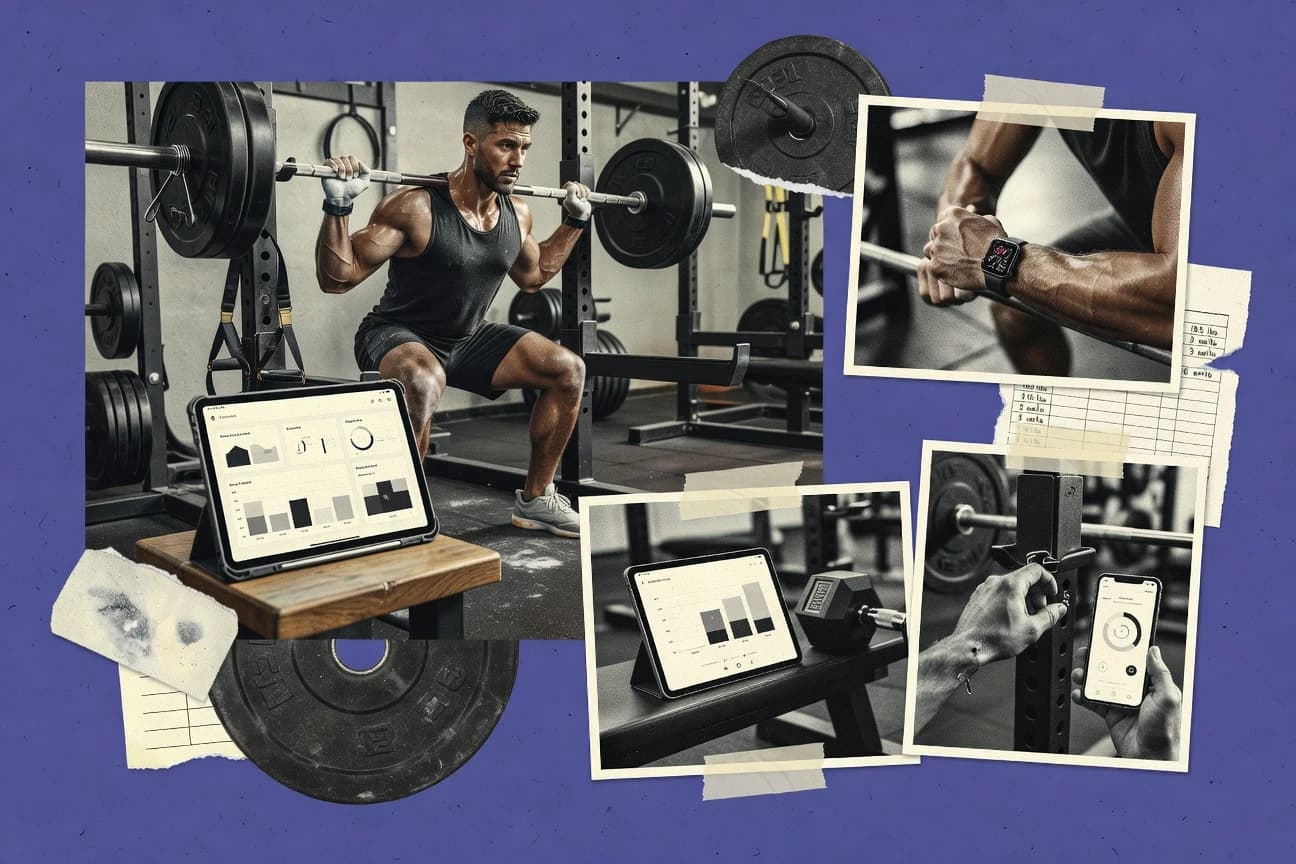
Ranked top strength training software for workout planning and tracking, comparing TrainHeroic, Fitbod, Boostcamp, and Strong, TeamBuildr, BodBot.

How we ranked these tools
Core product claims cross-referenced against official documentation, changelogs, and independent technical reviews.
Analyzed video reviews and hundreds of written evaluations to capture real-world user experiences with each tool.
AI persona simulations modeled how different user types would experience each tool across common use cases and workflows.
Final rankings reviewed and approved by our editorial team with authority to override AI-generated scores based on domain expertise.
Score: Features 40% · Ease 30% · Value 30%
Gitnux may earn a commission through links on this page — this does not influence rankings. Editorial policy
Strong is the best fit for consistent solo or coach-reviewed strength logging with clear progression history, while TeamBuildr works better for repeatable team program assignment and tracking, and if you need a team-focused workflow with straightforward logging, Teambuildr is the alternative pick.
Editor’s top 3 picks
Three quick recommendations before you dive into the full comparison below — each one leads on a different dimension.
Strong
Coach-managed program deployment with athlete training review inside the app workflow.
Built for fits when lifters and coaches need consistent workout logging, volume history, and coach review without complex engines..
TeamBuildr
Editor pickCoach-to-athlete workout assignment with schedule-based delivery and centralized workout history for revision cycles.
Built for fits when strength coaches need repeatable workout assignment and consistent tracking across teams..
BodBot
Editor pickPlan generation ties lifter constraints to repeatable exercise selection and progression, then keeps history aligned for coaching review.
Built for fits when coaches need guided strength programming plus structured workout logs for multiple lifters..
Comparison Table
Strong
SMBWorkout tracking app focused on logging strength training sets, reps, and progression.
Coach-managed program deployment with athlete training review inside the app workflow.
Strong’s core loop centers on building workouts from an exercise library, recording sets and reps, and using the app to reflect changes in performance over time. Volume load tracking and progression prompts reduce manual spreadsheet work when lifters need consistent history across exercises and weeks. Coaches can deploy workouts to athletes and review adherence through the coach-oriented views and program structure.
A tradeoff is that advanced programming constructs like detailed periodization builders and force-velocity workflows are not the primary focus, so complex mesocycle planning may require manual setup. Strong fits best for lifters and small coaching groups that want consistent workout logging, repeatable templates, and exportable history for analysis or reporting.
- +Fast set and rep logging with exercise history built into the workflow
- +Volume load reporting reduces spreadsheet work for progress monitoring
- +Coach deployment workflow supports shared programs and athlete training review
- +CSV workout export supports analysis in external tools
- –Periodization depth is limited compared with dedicated programming engines
- –Velocity-based or wearable-driven readiness workflows are not native-first
Independent lifters
Track progress across recurring programs
Clear progression trends over weeks
Strength coaches
Standardize workouts for multiple clients
Lower administration time
Show 1 more scenario
Gym team managers
Aggregate workouts for reporting
Faster team-level analysis
Export workout logs via CSV to roll up training data in external reporting workflows.
Best for: Fits when lifters and coaches need consistent workout logging, volume history, and coach review without complex engines.
TeamBuildr
vertical specialistStrength and conditioning software for building, tracking, and analyzing team training programs.
Coach-to-athlete workout assignment with schedule-based delivery and centralized workout history for revision cycles.
Coaches can create workouts, assign them to specific athletes or groups, and use consistent exercise selection to keep programming aligned. Athlete dashboards show scheduled sessions and capture sets and reps in a way that supports week-to-week progression. The workflow fits strength programs where coaching staff want standardization and faster updates rather than free-form logging.
A key tradeoff is that deep performance analytics depend more on what coaches choose to capture than on automatic derivations. Teams that want full velocity-based training automation or bar path analytics will need extra tooling outside TeamBuildr. TeamBuildr works best when coaches run recurring templates and want athlete management without building custom software.
- +Coach assignment workflow reduces back-and-forth on workout updates
- +Structured exercise library supports consistent session creation
- +Athlete workout pages make scheduled training easy to follow
- +Workout history makes progression review faster for coaching staff
- –Limited automation for advanced auto-regulation beyond captured inputs
- –Deeper performance analytics require external reporting workflows
- –Custom training logic is constrained by available template controls
- –Bulk edits across large athlete groups need careful coordination
Strength coaches
Assign weekly templates to athletes
Faster coaching iteration
Small training groups
Standardize programming across lifters
More consistent adherence
Show 1 more scenario
Athlete management teams
Coordinate multiple coaches and squads
Lower admin workload
Centralized workout delivery helps reduce coordination overhead when schedules change during the training cycle.
Best for: Fits when strength coaches need repeatable workout assignment and consistent tracking across teams.
BodBot
SMBAI personal trainer generating adaptive strength and conditioning workouts.
Plan generation ties lifter constraints to repeatable exercise selection and progression, then keeps history aligned for coaching review.
BodBot’s planning flow is built around programming workflows that map exercise choices to progression rules, so sessions can evolve without rewriting every day from scratch. Tracking centers on workout completion, sets, and performance notes in a format that stays readable across weeks. Coaching review is designed for fast scan of what was prescribed versus what was done, which reduces time spent reconciling logs.
A key tradeoff is that deep, custom periodization automation can require more setup work than simpler trackers that only record workouts. It fits well when a coach or gym wants consistent programming structure while athletes need guided sessions and a place to record outcomes for later adjustments.
- +Workout plan generation keeps exercise progression consistent across weeks
- +Athlete logs support quick coach review of prescribed versus completed work
- +Export-friendly workout history supports post-hoc analysis
- +Equipment and constraint inputs reduce session friction during planning
- –Advanced customization takes more configuration than basic workout trackers
- –Complex substitutions workflows can require manual attention
- –Wearable and VBT device integrations are not central to the core experience
- –Bulk athlete management tools are limited compared with dedicated LMS-style systems
Strength coaches
Scale consistent programming to athletes
Faster plan review cycles
Personal trainers
Adjust progression after performance gaps
More accurate next-week loads
Show 2 more scenarios
Gym admins
Maintain shared workout standards
Lower coach setup overhead
Repeatable templates support uniform guidance across athletes with different equipment access.
Remote lifters
Keep training notes organized
Better adherence continuity
Guided sessions plus readable logs reduce missed context when tracking progression over time.
Best for: Fits when coaches need guided strength programming plus structured workout logs for multiple lifters.
BridgeAthletic
vertical specialistStrength training and performance platform delivering customized programs with athlete monitoring.
Coach-oriented athlete tracking with shared workout structures for consistent adherence across a training group.
BridgeAthletic is a strength training software focused on structured workout building and athlete tracking. The workflow centers on logging exercises, tracking sets and progress over time, and organizing training into repeatable templates for consistency.
Administration is oriented around coaching oversight with shared athlete access paths rather than isolated personal logs. BridgeAthletic also supports data export workflows so teams can move training history into external analysis tools.
- +Template-driven workouts reduce repetition when programming multiple training blocks
- +Coach-style oversight for athlete logging supports consistent adherence
- +Export-focused workflows help with migration to spreadsheets and analytics tools
- +Exercise organization keeps large training logs searchable by session and pattern
- –Limited built-in periodization automation compared with engine-first tools
- –Advanced programming logic can require more manual setup than algorithmic planners
- –Wearable data integrations are not a central part of the workflow
- –Bulk athlete management features are less granular than dedicated team systems
Best for: Fits when coaching staff need repeatable workout templates and consistent athlete logging with exportable history.
Volt Athletics
vertical specialistAI-driven strength training platform providing periodized programs for teams and individuals.
Coach-managed athlete session workflow with a shared exercise library for consistent logging and review.
Volt Athletics helps coaches and lifters plan strength sessions, log workouts, and track progress through a structured exercise library and session workflow. The system centers on exercise selection, set and rep capture, and progress views that organize training history by movement and time.
It also supports team-style deployment where coaches can manage multiple athletes with consistent programming and cleaner session review. Automation and integrations are less transparent than in top competitors, so value depends more on disciplined use of the library, logging, and coach review process.
- +Structured workout logging workflow reduces mistakes in set and rep entry
- +Exercise library organization supports consistent movement naming across sessions
- +Progress views make it easier to spot trend changes in logged work
- +Coach-to-athlete session management streamlines review cycles
- –Periodization tooling is less explicit than engines built for block programming
- –Automation depth for load calculations and substitutions is limited
- –API and integration capabilities are not documented at the level seen elsewhere
- –Advanced data exports require manual cleanup for complex analysis
Best for: Fits when coaches need consistent session workflows and reliable workout logging across small teams.
Hevy
SMBWorkout tracker for logging strength training with social sharing and program planning.
Exercise-to-session continuity that auto-populates logged entries from prior workouts to keep progression consistent.
Hevy targets lifters and coaches who want structured workout logging with exercise templates, progression, and reporting in one place. The exercise library supports load and set tracking per exercise, with auto-filled entries from prior sessions and easy exercise switching mid-plan.
Hevy also includes training history views and exportable workout data for moving sessions into other workflows. The standout focus is consistent tracking of training variables so progress reports stay grounded in logged performance.
- +Exercise templates reduce repeated setup for common gym sessions
- +Workout history makes it easy to review progression across months
- +Exercise changes can be handled without rebuilding the whole workout
- +Data export supports moving logged workouts into other analysis tools
- –Deeper programming tools are limited compared with periodization-focused competitors
- –Automation coverage for advanced workflows depends on manual entry discipline
- –Granular team and governance features are thinner than coach-first systems
- –In-app reporting does not match specialized performance-metrics toolchains
Best for: Fits when lifters need fast logging with clear progress history and practical workout exports.
Alpha Progression
SMBStrength training app with progressive overload tracking and muscle balance analysis.
A structured plan and workout editing workflow that preserves movement and session consistency when plans change mid-stream.
Alpha Progression is a strength training app that centers workout planning and progression around a structured exercise and session workflow. Its core capabilities include logging sets and performance, editing workouts as training evolves, and tracking progress across time with exportable workout history.
The experience is built for lifters who want consistent program management rather than only freeform journaling. Automation depth comes from reusable templates and recurring plan structures that keep the same movement and rep framework across sessions.
- +Workout planning workflow keeps sessions consistent across weeks
- +Progress tracking ties logged work to the evolving plan structure
- +Editing workouts after creation supports mid-block adjustments
- +Workout history exports support reporting and review workflows
- –Programming depth can feel lighter than periodized coaching systems
- –Exercise taxonomy setup requires careful mapping to avoid duplication
- –Advanced auto-regulation logic is limited for RPE-driven changes
- –Collaboration and governance controls are not the main focus
Best for: Fits when consistent program templates matter more than deep coach-style periodization tooling.
JEFIT
SMBWorkout tracker and planner with a large exercise library focused on strength and bodybuilding.
Extensive exercise library plus muscle targeting that keeps routine building fast during repeated sessions.
JEFIT is a strength training workout tracker focused on logged exercises, programmable routines, and long-term history across repeated training cycles. It provides a structured exercise library and supports progression by tying sets, reps, and weights to a consistent plan view.
The app emphasizes high-frequency workout logging, detailed muscle targeting, and exporting workout data for follow-up in other tools. Coach-style workflows are supported through account sharing and management views, but automation depth is lighter than systems built around advanced programming engines.
- +Large exercise library with muscle tagging for faster logging
- +Clear workout templates for building routines without spreadsheets
- +Consistent set and rep history supports straightforward progression review
- +Workout exports enable manual analysis in external tools
- –Programming tools lag behind periodization-focused engines
- –Advanced regulation features are limited for RPE and readiness workflows
- –Plan editing can feel slow for frequent exercise substitutions
- –Automation and API surface are not built for deep app integrations
Best for: Fits when lifters prioritize fast workout logging and routine tracking over algorithmic periodization control.
Ladder
vertical specialistLadder delivers daily strength workouts through coach-led training teams.
Progression-linked plan templates that pair logging with repeatable progression behavior across sessions.
Ladder turns strength workouts into structured plans by combining exercise selection, set and rep logging, and progression rules in one workflow. The system supports templates for common lifting formats and tracks performance over time so lifters can keep a consistent progression loop.
Ladder also supports exports for workouts, which helps move data into external spreadsheets or coaching workflows. Admin-style governance is handled through workspace controls that manage access across athletes and coaches.
- +Structured plan builder keeps workouts aligned to progression rules
- +Clear performance history for exercises and variations across sessions
- +Workflow supports template-based programming formats without manual rebuilding
- +Workout export supports external tracking and reporting workflows
- –Advanced customization requires more configuration than logging-only apps
- –Exercise variation mapping can take time when swapping movements frequently
- –Integration options for wearable or VBT devices are limited
- –Automation depth for coach review loops is narrower than full athlete-management systems
Best for: Fits when lifters want progression-aware workout planning with solid history and spreadsheet-friendly exports.
StrengthLog
SMBStrengthLog provides workout logging, exercise tracking, and structured strength programs.
Template-driven workouts plus coach-oriented sharing keeps plan revisions connected to what lifters actually log.
StrengthLog targets lifters and coaches who want workout logging plus planning in one place, with exercise data and session templates tightly connected. The core workflow centers on building workouts, recording sets, tracking progress over time, and exporting training sessions for external review.
StrengthLog also supports coaching-style sharing and structured progression through reusable templates. The result is less about generalized fitness tracking and more about repeatable strength programming and consistent session records.
- +Workout templates speed up recurring strength programs and session setup
- +Clear set logging keeps progress tracking tied to the original exercise selection
- +Session export supports moving data into spreadsheets and manual reporting
- +Coach sharing features fit review workflows for remote guidance
- –Advanced programming needs more template work than true periodization automation
- –Some exercise library flexibility can feel constrained for complex substitutions
- –Reports depend on logged history, so early datasets look thin
- –Integration depth for wearables and devices is limited versus training-focused ecosystems
Best for: Fits when individuals or coaches need structured workout templates, consistent logging, and dependable session exports.
Conclusion
After evaluating 10 education learning, Strong stands out as our overall top pick — it scored highest across our combined criteria of features, ease of use, and value, which is why it sits at #1 in the rankings above.
Use the comparison table and detailed reviews above to validate the fit against your own requirements before committing to a tool.
How to Choose the Right strength training software
Strength training software in this guide centers on how lifters and coaches turn prescribed sessions into logged performance, then keep that history usable for the next update. Coverage includes Strong, TeamBuildr, BodBot, BridgeAthletic, Volt Athletics, Hevy, Alpha Progression, JEFIT, Ladder, and StrengthLog.
Each tool review focuses on the workflow differences that change daily use, such as coach-to-athlete assignment inside the app, plan generation tied to exercise progression, or set and rep logging that carries continuity across workouts.
Strength training software for workout logging, coaching review, and repeatable progression
Strength training software organizes strength sessions into templates or generated plans, then records sets, reps, and workout history so progression can be tracked over time. Tools like Strong emphasize coach-managed program deployment with athlete training review inside the app workflow, while Hevy prioritizes exercise-to-session continuity that auto-populates logged entries from prior workouts.
The main differentiator across the top options is how much automation drives the pipeline from programming to logging. TeamBuildr uses coach assignment workflow and centralized workout history for revision cycles, while BodBot combines plan generation with structured athlete logs so prescribed versus completed work stays reviewable.
Workflows that turn programming into usable logged progression
Strength training software matters most when it connects what gets prescribed to what gets logged, so later reviews reflect the real session history. The top tools in this list differ in how much of that pipeline is handled inside the app versus left to manual mapping.
Coach-managed program deployment and in-app review
Strong provides coach-managed program deployment with athlete training review inside the app workflow, so coaches can inspect logged work without switching tools. This is complemented by Strong’s volume load reporting that reduces manual progress monitoring compared with logging-only setups.
Coach assignment workflow with centralized history for revisions
TeamBuildr focuses on coach-to-athlete workout assignment delivered on a schedule with centralized workout history for revision cycles. Coach assignment reduces back-and-forth on workout updates while athlete logging stays stored in one place.
Plan generation tied to progression and prescribed-versus-completed review
BodBot generates workouts that tie lifter constraints to repeatable exercise selection and progression, then keeps athlete logs aligned for coaching review. This design keeps prescribed work traceable across weeks rather than losing context after substitutions.
Template-driven shared structures for group adherence
BridgeAthletic uses template-driven workouts and coach-oriented athlete tracking to keep session structure consistent across a training group. Coach-style oversight supports consistent adherence while remaining more workflow-driven than engine-first periodization automation.
Set and rep logging continuity that reduces entry mistakes
Volt Athletics provides a coach-managed athlete session workflow with a shared exercise library that supports reliable set and rep entry. The structured logging workflow is tuned for consistency across small teams rather than deep programming engines.
Exercise-to-session continuity through auto-populated templates
Hevy emphasizes exercise-to-session continuity that auto-populates logged entries from prior workouts to keep progression behavior consistent. This reduces repeated setup effort compared with tools that require reconstructing exercise lists each session.
Plan editing workflows that preserve consistency when updates happen
Alpha Progression centers on a plan and workout editing workflow that preserves movement and session consistency when plans change mid-stream. Progress tracking connects logged work to the evolving plan structure, which lowers the risk of orphaned sets after edits.
Choose strength training software by the programming-to-logging pipeline fit
Start by deciding where the workflow should live, meaning whether coaching control happens inside the app workflow or through external reporting processes. The tools in this list split cleanly between coach-managed deployment systems and logging-first tools that rely on disciplined manual inputs for deeper programming needs.
If coaching needs in-app review, prioritize coach-managed deployment
Select Strong when the workflow must keep coach review and athlete logs inside the same app flow through coach-managed program deployment. Choose it instead of tools that assign workouts but push deeper analytics into external reporting workflows, such as TeamBuildr.
If workout updates need centralized assignment cycles, match the team deployment shape
Pick TeamBuildr when workout assignment is the primary control surface and centralized workout history supports revision cycles across teams. Avoid treating it as a deep auto-regulation engine since advanced auto-regulation beyond captured inputs is limited.
If prescribed progression must stay traceable through plan generation, choose BodBot
Choose BodBot when plan generation must tie lifter constraints to repeatable exercise selection and progression while keeping prescribed versus completed work reviewable. Use it over template-led workflow tools like BridgeAthletic when the priority is guided progression behavior rather than adherence templates.
If sessions repeat often, reduce friction with exercise-to-session continuity
Choose Hevy when repeated sessions require minimal setup because auto-populated logged entries come from prior workouts. This continuity model is a better fit than logging systems that depend on manual reconstruction or more template work, such as StrengthLog.
If plans change mid-stream, require editing workflows that preserve structure
Select Alpha Progression when workout and plan editing needs to preserve movement and session consistency as updates happen. This reduces confusion compared with tools that keep progression aligned through exercise templates and variation mapping effort, such as Ladder.
Who should buy which workflow style
The right strength training software depends on whether the job is coaching oversight, routine logging, or multi-lifter programming review. This list shows distinct workflow centers, such as coach-managed deployment and athlete review in Strong, schedule-based coach assignment in TeamBuildr, and plan generation tied to prescribed progression in BodBot.
Strength coaches managing multiple lifters
Strong fits coaches who want coach-managed program deployment with athlete training review inside the app workflow and volume load reporting for progress monitoring. TeamBuildr fits coaches who focus on schedule-based workout assignment with centralized workout history for revision cycles.
Coaches who generate progression from lifter constraints
BodBot fits coaches who need plan generation that ties lifter constraints to repeatable exercise selection and progression. It also keeps athlete logs aligned so prescribed versus completed work stays reviewable.
Lifters and small teams who repeat gym sessions often
Hevy fits lifters who want exercise-to-session continuity through auto-populated logged entries from prior workouts. Volt Athletics fits small teams that need a structured coach-managed session workflow with a shared exercise library for reliable set and rep entry.
Training groups that run on shared templates and adherence checks
BridgeAthletic fits coaching staff who want shared workout structures for consistent adherence and coach-oriented athlete tracking. It emphasizes template-driven workout delivery more than engine-first periodization automation.
People who frequently edit plans mid-stream
Alpha Progression fits buyers who revise plans during a cycle and want the editing workflow to preserve movement and session consistency. It links progress tracking to the evolving plan structure so logged work stays tied to updated templates.
Common mistakes that break strength training software workflows
Many buying failures come from picking software by the breadth of the exercise library instead of the continuity and review loop. When prescribed work and logged work do not stay connected, progression tracking becomes manual and session history stops being actionable.
Buying a logging-first tool when coaches need in-app review tied to the deployment workflow
If coaching oversight must happen while reviewing athlete logs, Strong provides coach-managed deployment with athlete training review inside the app workflow. TeamBuildr can fit schedule-based assignment, but deeper performance analytics depend on external reporting workflows.
Assuming plan generation will stay consistent without addressing substitution and editing friction
BodBot keeps prescribed versus completed work aligned through plan generation tied to progression, but advanced customization can require more configuration and careful substitutions attention. StrengthLog and Ladder can also require more template work and configuration when exercise variation mapping becomes frequent.
Expecting advanced auto-regulation and readiness workflows without a governance discipline around inputs
TeamBuildr’s coach assignment workflow is strong for revision cycles, but advanced automation for auto-regulation beyond captured inputs is limited. Hevy also relies on manual entry discipline for advanced workflows because deeper programming tools are limited.
Ignoring the continuity model that reduces repeated session setup
Hevy’s exercise-to-session continuity auto-populates logged entries from prior workouts, which is a different workflow than template-driven setup in StrengthLog. Volt Athletics reduces set and rep entry mistakes with a structured session workflow, which is harder to replicate on tools that do more manual mapping.
How We Selected and Ranked These Tools
We evaluated Strong, TeamBuildr, BodBot, BridgeAthletic, Volt Athletics, Hevy, Alpha Progression, JEFIT, Ladder, and StrengthLog by feature coverage for workout logging and progression consistency, scoring 40% on those workflow capabilities. We weighted ease of use and value each at 30% by checking how quickly a lifter or coach can record work and preserve continuity across sessions.
Strong ranked first because it combines coach-managed program deployment with in-app athlete training review plus volume load reporting that reduces spreadsheet work for progress monitoring. We used the remaining tools to validate the tradeoffs, such as TeamBuildr’s schedule-based coach assignment workflow and BodBot’s plan generation tied to prescribed progression.
Frequently Asked Questions About strength training software
How do Strong and Hevy handle exercise-level volume history and progress review?
Which tool is better for coach-to-athlete workout assignment: TeamBuildr or StrengthLog?
How do Volt Athletics and BridgeAthletic differ in workout template reuse for teams?
When a lifter changes an exercise mid-plan, how does Hevy compare with Alpha Progression?
What breaks if a coaching workflow needs spreadsheet-friendly workout exports: who covers CSV export more directly?
How do Strong and TeamBuildr support standardized progression rules across multiple athletes?
Where does BodBot fall short compared with Strong for coach review workflows?
Which tool is the best fit for high-frequency logging with muscle targeting: JEFIT or Ladder?
What security and administrative controls should be evaluated for workspace management: Ladder vs BridgeAthletic?
Tools reviewed
Primary sources checked during evaluation.
Referenced in the comparison table and product reviews above.
- Education LearningTop 10 Best Training Management Software of 2026
- Education LearningTop 10 Best Sportswear Athletic Training Software of 2026
- Wellness FitnessTop 10 Best Exercise Software of 2026
- Education LearningTop 10 Best Cyber Security Training Software of 2026
- HR In IndustryTop 10 Best Employee Training And Development Software of 2026
Keep exploring
Comparing two specific tools?
Software Alternatives
See head-to-head software comparisons with feature breakdowns, pricing, and our recommendation for each use case.
Explore software alternatives→In this category
Education Learning alternatives
See side-by-side comparisons of education learning tools and pick the right one for your stack.
Compare education learning tools→