GITNUXSOFTWARE ADVICE
Personal Care ServicesTop 10 Best Spa Salon Software of 2026
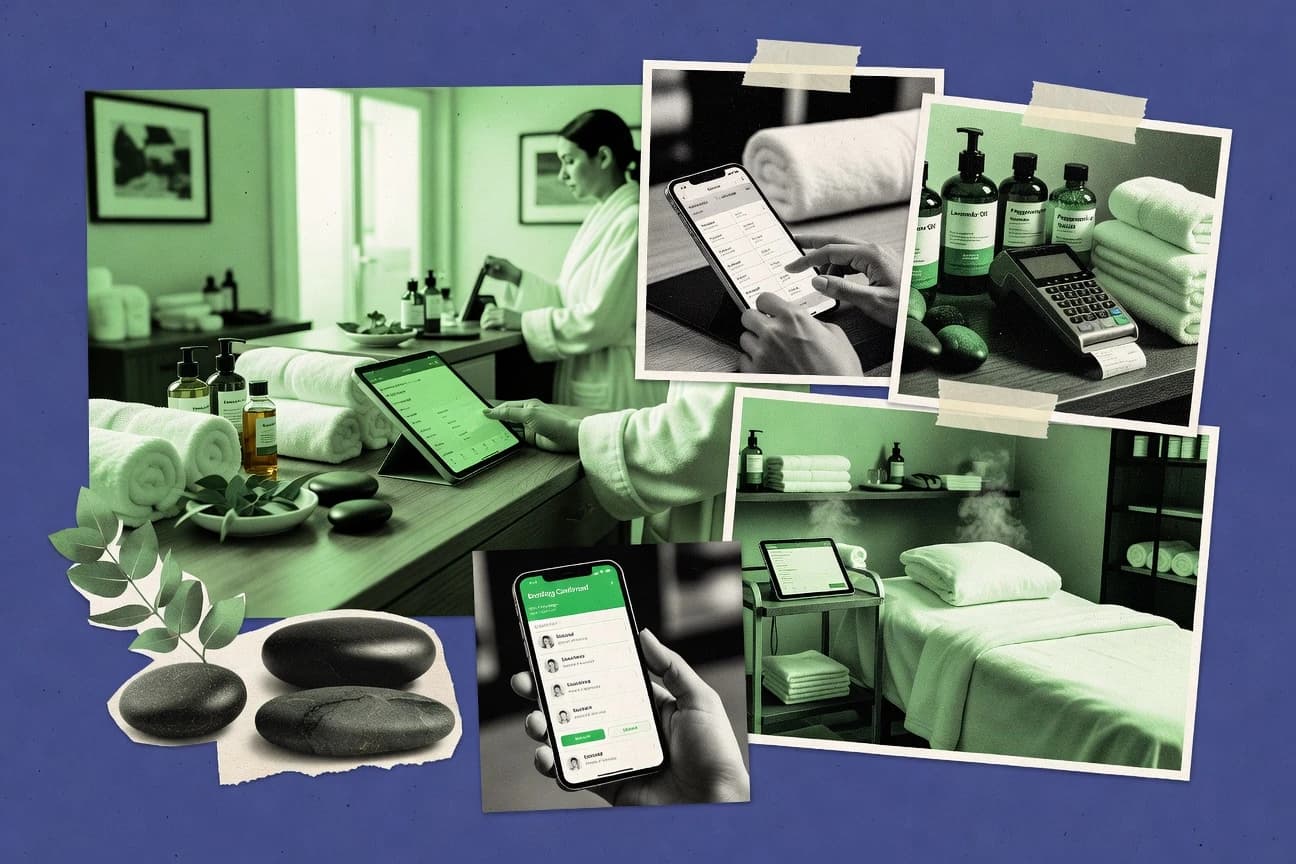
Top 10 spa salon software ranked by scheduling, payments, and reporting. Side-by-side comparisons for spa owners and managers, incl. Fresha, Kitomba, Mindbody.

How we ranked these tools
Gitnux editors write the brief first: the topic, the inclusion rules, and the frame for what belongs.
Agents extract product evidence with provenance, then collect written reviews and transcribe video reviews and podcasts.
Framework: Features 40% · Ease 30% · Value 30%
Gitnux may earn a commission through links on this page — this does not influence rankings. Editorial policy
Fresha is the best fit if you want spa-wide end-to-end booking, reminders, and front-desk scheduling with minimal customization, while Mindbody works best when you need stronger multi-location client history and automation for larger teams; choose Vagaro for a lighter entry when staff scheduling and intake fit your flow.
Editor’s top 3 picks
Three quick recommendations before you dive into the full comparison below — each one leads on a different dimension.
Fresha
Integrated booking-to-check-in workflow with built-in reminders tied to staff scheduling.
Best for: Fits when spa teams want end-to-end booking, reminders, and front-desk scheduling with minimal customization.
Kitomba
Editor pickForm-driven client intake attaches documentation to each client profile for appointment-linked history.
Best for: Fits when mid-size spas need configurable intake plus reliable scheduling across multiple staff and rooms.
Mindbody
Editor pickTwo-way calendar synchronization for practitioner and resource availability across connected systems.
Best for: Fits when spa teams need multi-location client history with automation and API integrations.
Comparison Table
Fresha
vertical specialistBooking, payments, marketing, and client management software for beauty and wellness businesses.
Integrated booking-to-check-in workflow with built-in reminders tied to staff scheduling.
Fresha’s core workflow links service selection, staff assignment, and booking confirmation into a single booking path. The system supports appointment scheduling for practitioners, treatment notes, and client history so staff can reference prior visits during check-in. Automated email and SMS reminders run around the scheduled time window to reduce no-shows and last-minute changes.
A notable tradeoff is that advanced clinic-grade intake depth, like structured patch test records and granular contraindication tracking, depends on how services and forms are configured. Fresha fits situations where a team needs fast setup for online booking, consistent reminders, and operational reporting across one or more locations without building custom software.
- +Online booking and staff calendars stay aligned during reschedules
- +Automated email and SMS reminders reduce missed appointments
- +Client profiles and treatment notes support consistent session prep
- +Multi-location management keeps staff and services organized
- –Structured contraindication and patch-test workflows may need careful configuration
- –Deep customization of appointment intake may not match forms-first clinics
- –Complex commission models can require manual operational discipline
- –Inventory and product batch tracking depth can lag specialized retail needs
Front desk managers
Handle reschedules and check-ins quickly
Fewer booking errors and faster service
Dermal therapy teams
Maintain visit history for care continuity
More consistent treatment preparation
Show 2 more scenarios
Multi-location operators
Coordinate services across branches
Lower coordination overhead
Operations teams manage staff availability and service menus across locations.
Growth-focused salons
Reduce no-shows with reminders
Improved attendance rates
Teams rely on automated email and SMS notifications around appointment times.
Best for: Fits when spa teams want end-to-end booking, reminders, and front-desk scheduling with minimal customization.
Kitomba
vertical specialistSalon and spa management software for appointments, client records, marketing, and reporting.
Form-driven client intake attaches documentation to each client profile for appointment-linked history.
Kitomba is a strong fit for salons that manage more than one staff member at a time and need predictable scheduling across practitioner calendars and service durations. Client intake and related documentation are handled via configurable forms that attach to client profiles, which keeps consent and consultation data close to the appointment timeline. The reminders and notifications layer reduces manual follow-up by sending scheduled messages based on appointment events.
A key tradeoff is that deeper workflow changes often require careful configuration of services, forms, and appointment rules rather than flexible drag-and-drop workflow authoring. Kitomba works best when processes are fairly consistent, such as standardized consultations, patch-test records when used, and repeatable service menus across locations.
- +Appointment scheduling supports staff calendars and room assignment planning
- +Client profiles keep intake and service history tied to upcoming appointments
- +Automated reminders and notifications reduce no-shows without extra manual steps
- +Multi-location operations are manageable through separate calendar control
- –Complex workflow changes can require more configuration effort than expected
- –Advanced integrations depend on available connector coverage and setup
- –Reporting depth may feel limited for highly custom KPI tracking
Front desk teams
Manage busy booking calendars
Fewer scheduling conflicts
Clinic coordinators
Collect consent and consultation data
Cleaner appointment documentation
Show 2 more scenarios
Operations managers
Reduce no-shows with reminders
Improved attendance rates
Managers configure automated notifications that trigger around appointment events and reschedules.
Multi-location owners
Coordinate staff across sites
More predictable coverage
Operators manage calendars and staff assignments to keep scheduling consistent across multiple locations.
Best for: Fits when mid-size spas need configurable intake plus reliable scheduling across multiple staff and rooms.
Mindbody
enterpriseBusiness management software for spas, salons, wellness centers, and fitness businesses.
Two-way calendar synchronization for practitioner and resource availability across connected systems.
Mindbody supports core spa workflows such as client intake forms, treatment notes, consent forms, and practitioner calendars inside appointment and client profiles. Resource scheduling and staff rota capabilities help map services to practitioners and rooms, while waitlist management supports filled schedules when clients cancel. Automated appointment reminders and notifications reduce no-shows while keeping cancellation policy enforcement consistent across locations.
A key tradeoff is that deeper customization of booking behavior and data capture often requires implementation work through configuration and API-linked integrations. Mindbody fits teams that already run on a service catalog and need centralized client history across multiple practitioners or locations, with automation focused on scheduling, reminders, and membership tracking.
- +Strong appointment scheduling with staff and resource constraints
- +Client profiles support treatment history and intake workflows
- +Automated reminders and cancellation handling reduce operational friction
- +API supports integration with external systems and data flows
- –Advanced booking customization can require integration and governance
- –Reporting depth depends on how services and staff are modeled
- –Multi-location rollouts need careful permission alignment
- –Some spa-specific workflows may rely on add-on configurations
Operations managers at multi-location spas
Coordinate schedules across locations
Fewer schedule disruptions
Clinic intake and compliance leads
Capture consents and records
Cleaner documentation trails
Show 2 more scenarios
Marketing and retention teams
Drive repeat bookings
Higher repeat attendance
Use automated reminders and membership tracking to support ongoing client visits.
Engineering and systems teams
Connect external platforms via API
Less manual data entry
Integrate booking events and client data with payments, CRM, and internal tooling.
Best for: Fits when spa teams need multi-location client history with automation and API integrations.
Zenoti
enterpriseCloud software for spa, salon, medspa, and wellness business operations.
Built-in consent and contraindication tracking that connects to treatment documentation and client history.
Zenoti centralizes spa and salon operations around appointment booking, treatment note capture, and client profile workflows. The system supports multi-location management with staff scheduling, service menu controls, and automated appointment reminders.
- +Appointment scheduling supports resource planning across rooms and practitioners
- +Treatment notes tie back to client profiles for longitudinal history
- +Multi-location setup supports shared service definitions and operational consistency
- +Marketing and reminder workflows reduce missed visits through automated notifications
- –Two-way calendar sync can require careful configuration for edge cases
- –Some advanced workflow automation needs guidance from implementation support
- –Report customization takes more effort than exporting standard operational views
- –Inventory and retail stock control depth may not fit all spa retail models
Best for: Fits when multi-location spa teams need tight scheduling and treatment documentation in one system.
Vagaro
SMBBusiness software for salon, spa, fitness, and personal care providers.
Built-in appointment reminder messaging ties directly to booking status changes, reducing manual follow-up work.
Vagaro schedules services, assigns staff, and takes online bookings through its booking tools. It manages client profiles with intake-style forms, service and treatment notes, and appointment workflows that cover rescheduling and cancellations.
- +Online booking flow that maps cleanly to service pricing and staff assignment
- +Appointment reminders via SMS and email reduce no-shows without extra tooling
- +Client profile records support intake data and service treatment notes
- +Multi-location scheduling and reporting supports distributed staffing
- –More complex customization often needs careful setup of service and scheduling rules
- –Advanced inventory and product batch tracking is not central to most spa workflows
- –Commission reporting is detailed but can require governance on staff pay settings
- –Two-way calendar sync behavior depends on chosen calendar integration setup
Best for: Fits when spa teams need staff-based scheduling, client intake, and automated reminders across one or more locations.
Mangomint
vertical specialistSalon and spa management software for scheduling, payments, reporting, and team operations.
Room and staff scheduling tied to client intake records keeps treatment readiness linked to each booking.
Mangomint targets spa and beauty teams that need end-to-end scheduling and service delivery in one workflow. It centers on appointment booking with staff and room allocation, plus client intake capture to support consistent treatment prep.
- +Scheduling includes staff and room planning in a single interface
- +Automated reminders handle confirmation and follow-up notifications
- +Client intake capture supports standardized pre-treatment information
- +Operational reporting ties bookings and service activity to staff
- –Advanced workflow changes rely on how services are modeled
- –Inventory and retail controls are limited compared with inventory-first systems
- –Multi-location governance lacks granular location-level role separation
- –Customization depth for forms is narrower than bespoke intake platforms
Best for: Fits when spa teams want fast appointment operations plus intake capture and reminders without heavy customization.
Meevo
vertical specialistSalon and spa management software covering appointments, payments, memberships, and reporting.
Room and practitioner scheduling configuration that enforces service-day constraints during booking.
Meevo centers spa operations on service delivery workflows tied to staff availability, room use, and treatment-day execution. Appointment booking is paired with client records that track intake details and treatment history for smoother repeat visits.
- +Scheduling workflows map directly to room and practitioner availability
- +Client profiles stay tied to prior treatments for faster repeat visits
- +Operational settings reduce day-of-service booking mistakes
- +Notification flows cover standard reminder needs for appointments
- –Client intake forms are less granular than systems built for complex contraindication capture
- –Multi-location management support is limited compared with larger spa suites
- –Inventory and retail controls are not as detailed as inventory-first retail POS integrations
- –Deep two-way calendar synchronization is not the strongest integration angle
Best for: Fits when spa teams need dependable scheduling execution tied to client history.
Salonized
vertical specialistSalon and spa software for scheduling, online booking, payments, and customer management.
Treatment notes are built into the service and practitioner booking flow, keeping clinical context attached to each appointment.
Salonized is a spa salon software package that focuses on appointment operations and treatment record workflows. It handles client profiles tied to services, practitioner calendars, and treatment notes so front desk and therapists share the same booking context.
- +Treatment notes stay attached to booked services and practitioners
- +Cancellation policy enforcement reduces last-minute operational churn
- +Automated reminders support SMS and email notification workflows
- +Inventory and product batch tracking align retail with compliance needs
- –Multi-location management can require deliberate configuration to stay consistent
- –Advanced reporting depends on data captured in appointment and treatment workflows
- –Two-way calendar synchronization may limit edge cases with custom booking rules
Best for: Fits when spa teams need end-to-end booking, treatment notes, and retail stock control in one workflow.
GlossGenius
SMBBusiness management software for independent beauty professionals and small salons.
Embeddable online booking page with therapist assignment and automated email and SMS reminders.
GlossGenius schedules spa and salon services with staff and resource availability, then records treatment outcomes in appointment histories. Client intake is handled through digital client profiles plus forms for consent and consultation details, and staff can maintain treatment notes per visit.
- +Online booking page supports service selection and therapist assignment
- +Treatment notes and appointment history keep client context in one record
- +Email and SMS reminders reduce no-shows from scheduled appointments
- +Reporting aggregates bookings by service and staff for operational visibility
- –Advanced multi-location workflows require careful setup of staff and calendars
- –Inventory and retail stock control coverage is limited compared with full retail systems
- –Patch test and contraindication tracking workflows need custom internal processes
- –External system integration depends on the available API and supported endpoints
Best for: Fits when a single studio needs online booking, intake forms, and notes tied to appointments.
Timely
vertical specialistOnline booking, scheduling, payments, and client management software for salons and spas.
Treatment notes are captured within the appointment context so staff see history at the point of service.
Timely is a spa salon software solution focused on appointment-first scheduling with staff and service workflows.
- +Appointment scheduling workflow stays fast under high booking volume
- +Treatment notes are linked directly to each client booking record
- +Automated reminders reduce manual chasing for upcoming appointments
- +Staff and practitioner calendar planning supports multi-room operations
- –Advanced package and membership configuration needs more setup work
- –Extensive inventory and retail stock control is limited for retail-heavy salons
- –Two-way sync behavior can vary by external calendar type
- –Reporting depth for franchise-style governance is not as granular as some rivals
Best for: Fits when appointment scheduling and treatment notes drive operations and staff calendars must stay controlled.
Conclusion
After evaluating 10 spa salon software, Fresha stands out as our overall top pick — it scored highest across our combined criteria of features, ease of use, and value, which is why it sits at #1 in the rankings above.
Use the comparison table and detailed reviews above to validate the fit against your own requirements before committing to a tool.
How to Choose the Right Spa Salon Software
Spa salon software connects appointment booking, staff scheduling, and client records so front-desk teams can manage throughput without switching systems. This buyer’s guide covers Fresha, Kitomba, Mindbody, Zenoti, and Vagaro, plus Mangomint, Meevo, Salonized, GlossGenius, and Timely.
The strongest options in this set tie booking changes to reminders, connect intake and treatment notes to client profiles, and keep calendars aligned across rooms and practitioners. Fresha is evaluated for an integrated booking-to-check-in workflow, while Mindbody is evaluated for two-way calendar synchronization across connected availability sources.
Spa Salon Software for appointment booking, treatment notes, and scheduling control
Spa salon software runs the end-to-end workflow from online booking through appointment execution with practitioner calendars, room or bed scheduling, and client profiles. It also captures treatment notes and consent or contraindication details where the workflow needs longitudinal history tied to each booking.
Fresha focuses on an integrated booking-to-check-in workflow with built-in reminders that align with staff scheduling changes. Zenoti places consent and contraindication tracking inside the treatment documentation flow and connects that history back to client profiles for multi-location scheduling and documentation continuity.
Integration, intake-to-treatment data flow, and scheduling governance
Spa teams typically run on appointment booking plus staff and room or bed scheduling, so software must carry status changes through to reminders and front-desk execution. Systems like Fresha and Vagaro tie booking state updates to automated messaging to reduce manual follow-up and missed visits.
Client records must also retain longitudinal workflow context, not just a booking confirmation. Zenoti, Fresha, and Kitomba connect consent or contraindication and intake documentation back to client profiles so treatment notes remain actionable across repeat appointments.
Booking-to-operations workflow with reminders
Fresha supports an integrated booking-to-check-in workflow with reminders aligned to staff scheduling changes. Vagaro ties appointment reminder messaging to booking status changes to reduce no-shows without extra tooling.
Intake and treatment documentation that stays attached to the client record
Zenoti builds consent and contraindication tracking into treatment documentation and ties it back to client history. Kitomba uses form-driven client intake that attaches documentation to each client profile for appointment-linked history.
Calendar synchronization across practitioners and resources
Mindbody provides two-way calendar synchronization for practitioner and resource availability across connected systems. Zenoti also supports resource planning across rooms and practitioners but requires careful configuration for two-way sync edge cases.
Room, practitioner, and service scheduling rules that enforce constraints
Meevo enforces service-day constraints during booking using room and practitioner scheduling configuration. Mangomint keeps room and staff scheduling tied to client intake records so readiness stays linked to each booking.
Treatment notes captured in the appointment execution context
Salonized attaches treatment notes to the service and practitioner booking flow so clinical context stays with each appointment. Timely captures treatment notes within appointment context so staff see history at the point of service.
Online booking page with therapist assignment and automated messaging
GlossGenius provides an embeddable online booking page with therapist assignment plus automated email and SMS reminders. GlossGenius keeps treatment notes and appointment history in one client record for ongoing context.
Map your appointment lifecycle to the software’s scheduling and documentation model
Choose based on how the software moves a single appointment through booking, scheduling, documentation, and follow-up messaging. Fresha fits teams that want operational execution from booking through check-in with reminders aligned to staff scheduling changes.
Choose based on how the software represents clinical risk capture and how reliably that content links to client history. Zenoti fits clinics where consent and contraindication tracking must live inside treatment documentation and remain attached to client profiles across locations.
Decide whether scheduling status changes must trigger communications automatically
Select Fresha if booking changes must drive check-in execution plus reminders synchronized with staff calendar reschedules. Select Vagaro if automated email and SMS reminders should trigger directly from booking status changes with staff-based scheduling.
Pick a documentation approach that matches how intake becomes clinical history
Select Zenoti if consent and contraindication tracking must connect to treatment documentation and then tie back to client history. Select Kitomba if intake forms need to attach documentation to each client profile with appointment-linked history.
Choose the calendar architecture based on connected systems and multi-location needs
Select Mindbody if two-way calendar synchronization across connected availability sources is required for practitioner and resource availability. Select Zenoti if multi-location scheduling and treatment documentation continuity matter, with resource planning across rooms and practitioners handled in the same workflow.
Validate constraint enforcement in the booking engine for your scheduling rules
Select Meevo when booking must enforce service-day constraints using room and practitioner scheduling configuration. Select Mangomint when staff and room planning must stay tied to client intake records so readiness is always linked to a booking.
Confirm how treatment notes appear to staff during appointment execution
Select Salonized when treatment notes must remain attached to the booked service and practitioner workflow. Select Timely when treatment notes must be visible in the appointment context so staff see history at the point of service.
Stress-test therapist assignment and staff calendar wiring for your booking flow
Select GlossGenius when the priority is an embeddable online booking page with therapist assignment plus automated email and SMS reminders. Select Fresha when online booking must integrate into front-desk operations because the check-in workflow is built to align with staff scheduling.
Who should buy Spa Salon Software from this set
Spa teams with multiple staff members and booking statuses need software that keeps scheduling, reminders, and client records aligned during changes. Fresha and Vagaro fit teams that want reminders tied to operational booking states.
Teams that treat client contraindications and consent as part of the longitudinal record need tools that attach those artifacts to client history. Zenoti and Kitomba are built around consent and contraindication workflows connected to client profiles.
Multi-staff spas that reschedule frequently
Fresha keeps online booking and staff calendars aligned during reschedules and ties reminders to operational changes. Vagaro connects reminder messaging to booking status changes that reflect reschedules across staff calendars.
Clinically oriented spas with structured consent and contraindication capture
Zenoti connects consent and contraindication tracking to treatment documentation and ties it back to client history. Kitomba attaches intake documentation to each client profile for appointment-linked history.
Studios that rely on connected availability systems or multi-location coordination
Mindbody emphasizes two-way calendar synchronization across practitioner and resource availability sources. Zenoti adds multi-location scheduling with treatment documentation continuity tied to client profiles.
Teams with strict room and service-day scheduling constraints
Meevo enforces service-day constraints during booking using room and practitioner scheduling configuration. Mangomint ties room and staff scheduling to client intake records so readiness stays linked to each booking.
Appointments driven by therapist assignment and embedded online booking
GlossGenius supports an embeddable online booking page with therapist assignment and automated email and SMS reminders. Fresha also supports end-to-end operational execution but emphasizes integrated booking-to-check-in workflow.
Common failure modes when buying Spa Salon Software
Many spa teams buy based on booking screens and then discover that reminders, intake capture, and documentation linkage do not follow the same workflow. This breaks front-desk execution when staff reschedules or when intake answers must persist across repeat visits.
Another common failure mode is assuming advanced workflow customization is quick. Multiple products in this set require configuration effort when service modeling and edge-case calendar behaviors are involved.
Treating reminders as a separate marketing tool instead of a booking status workflow
Fresha and Vagaro tie reminders to booking changes so front-desk teams do not need manual follow-up after reschedules. Selecting a tool that does not map messaging to booking status can increase missed appointments and admin work.
Assuming intake forms automatically become longitudinal clinical history
Zenoti and Kitomba both connect intake or consent artifacts back to client profiles so treatment history stays consistent. Tools with weaker intake-to-profile linkage force staff to recreate details for repeat visits.
Choosing a calendar sync workflow without testing edge cases in two-way synchronization
Mindbody and Zenoti both support two-way synchronization behaviors, but Zenoti requires careful configuration for edge cases. Failing to test reschedule flows can misalign practitioner or resource availability.
Selecting software for scheduling rules without validating constraint enforcement in the booking engine
Meevo enforces service-day constraints during booking, so it fits teams with rigid scheduling patterns. Mangomint ties room and staff scheduling to intake records, so readiness workflows stay coherent.
Overestimating flexibility without checking how service modeling affects workflow automation
Fresha can require careful configuration for structured contraindication and patch-test workflows that match clinic needs. Vagaro requires careful setup of service and scheduling rules for more complex customization.
How We Selected and Ranked These Tools
We evaluated Fresha, Kitomba, Mindbody, Zenoti, Vagaro, Mangomint, Meevo, Salonized, GlossGenius, and Timely using feature coverage at 40% and operational ease plus value at 30% each. Feature scoring emphasized how booking changes connect to reminders, how intake and treatment notes stay attached to client records, and how scheduling rules handle rooms and practitioners.
Fresha earned the highest ranking because it combines integrated booking-to-check-in workflow with built-in reminders that align with staff scheduling changes and because those operational status transitions are represented across the front-desk workflow. We also weighted Mindbody calendar synchronization mechanics because two-way practitioner and resource availability changes reduce manual coordination, and we weighted Zenoti and Kitomba higher when consent or contraindication artifacts were directly connected to client profiles for longitudinal documentation.
Frequently Asked Questions About Spa Salon Software
How do spa salon platforms handle end-to-end scheduling from online booking to check-in?
Which tools provide treatment note capture inside the appointment workflow instead of separate documentation?
When is a spa team likely to need two-way calendar synchronization?
What breaks if appointment reminders rely on one-way notifications rather than booking-status triggers?
How do integrations and APIs affect connections to payments, point-of-sale, or marketing systems?
What admin controls and access permissions matter for multi-location spa operations?
How does a platform link consent and contraindication data to treatment documentation?
When should a spa plan for data migration of client profiles, treatment history, and intake forms?
How do room and resource scheduling constraints affect appointment availability?
What extensibility or customization approaches help spa teams manage intake and service delivery workflows?
Tools reviewed
Primary sources checked during evaluation.
Referenced in the comparison table and product reviews above.
- Personal Care ServicesTop 10 Best Salon Spa Software of 2026
- Personal Care ServicesTop 10 Best Cloud Based Salon Software of 2026
- Personal Care ServicesTop 10 Best Salon Point Of Sale Software of 2026
- Personal Care ServicesTop 10 Best Hair Salon Online Booking Software of 2026
- Personal Care ServicesTop 10 Best Spa And Pool Business Software of 2026
Keep exploring
Comparing two specific tools?
Software Alternatives
See head-to-head software comparisons with feature breakdowns, pricing, and our recommendation for each use case.
Explore software alternatives→In this category
Personal Care Services alternatives
See side-by-side comparisons of personal care services tools and pick the right one for your stack.
Compare personal care services tools→