
GITNUXSOFTWARE ADVICE
Facilities Property ServicesTop 10 Best Smart Locker Software of 2026
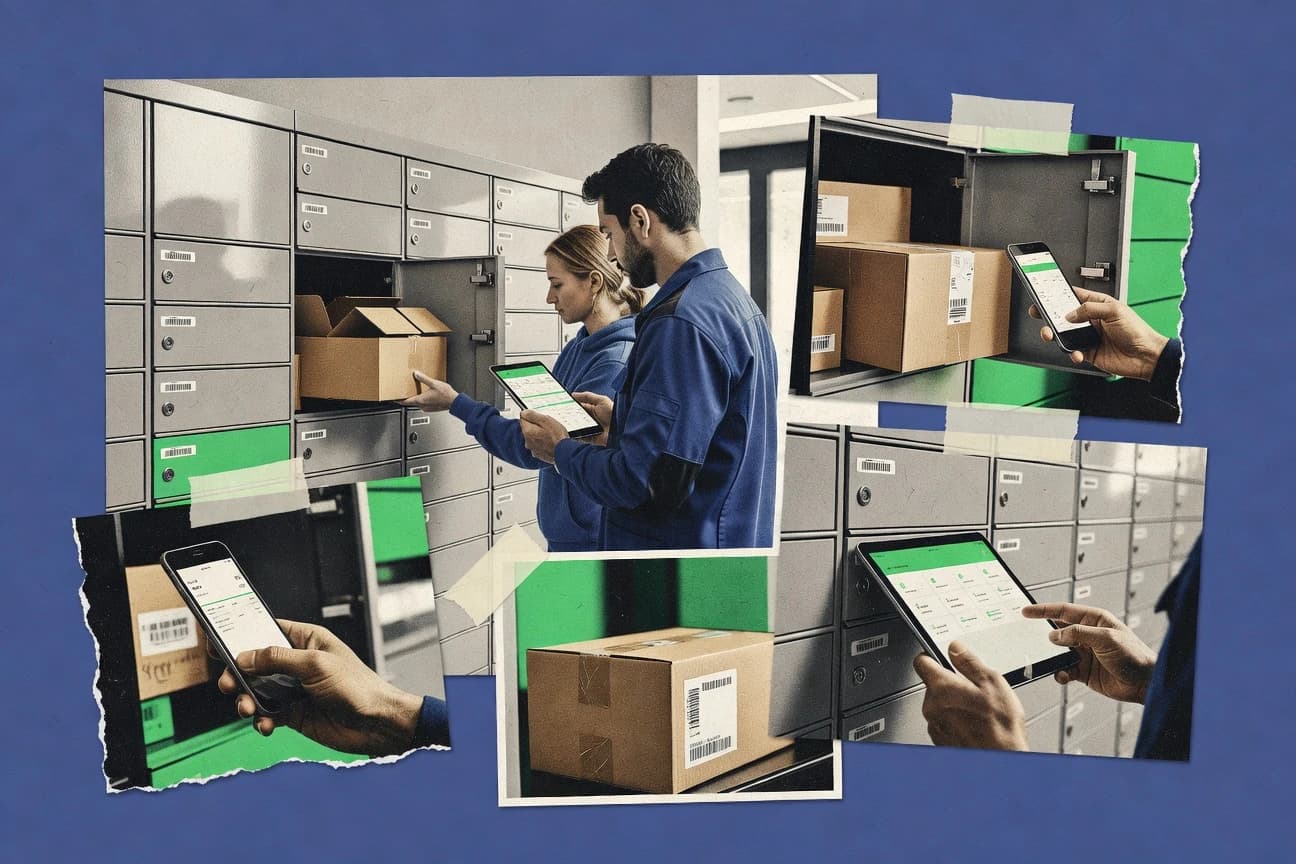
Ranked comparison of smart locker software for storage management, covering LockTec, GANTNER, Luxer One, and other top tools for teams.

How we ranked these tools
Core product claims cross-referenced against official documentation, changelogs, and independent technical reviews.
Analyzed video reviews and hundreds of written evaluations to capture real-world user experiences with each tool.
AI persona simulations modeled how different user types would experience each tool across common use cases and workflows.
Final rankings reviewed and approved by our editorial team with authority to override AI-generated scores based on domain expertise.
Score: Features 40% · Ease 30% · Value 30%
Gitnux may earn a commission through links on this page — this does not influence rankings. Editorial policy
LockTec is the best fit when multi-site locker operations need event-driven automation and audit-ready unlock trails, whereas GANTNER is the stronger choice for larger workplaces, leisure sites, and institutions that want centrally governed administration with integration-ready handling.
Editor’s top 3 picks
Three quick recommendations before you dive into the full comparison below — each one leads on a different dimension.
LockTec
Delivery event automation that ties unlock authorization to compartment occupancy state changes and operator audit logging.
Built for fits when multi-site locker operations need event-driven automation and audit-ready unlock trails..
GANTNER
Editor pickCompartment-level operational monitoring with configurable delivery status workflows tied to centralized administration.
Built for fits when multi-site locker operations need controlled administration and integration-ready event handling..
Luxer One
Editor pickDelivery event workflow management that ties locker actions to pickup, reattempt, and return outcomes across sites.
Built for fits when multi-site delivery locker ops need consistent assignment, pickup access, and exception workflows..
Comparison Table
LockTec
vertical specialistLockTec supplies electronic locker systems with software for parcel and asset access.
Delivery event automation that ties unlock authorization to compartment occupancy state changes and operator audit logging.
LockTec coordinates locker occupancy monitoring with unlock authorization and delivery lifecycle steps, so operators can trace what happened per compartment. Credential support covers PIN-based entry and QR-code style access, which reduces friction for package recipients and couriers. Admin work includes provisioning access for assignments, controlling temporary unlock windows, and keeping an audit trail for chain-of-custody record reconstruction.
A practical tradeoff is that advanced automation depends on correctly mapping device identifiers to each compartment in the locker bank configuration. LockTec fits best when courier or internal operations need consistent handling across multiple sites and when exception workflows like return-to-sender require tight operational logging.
- +Delivery lifecycle automation with per-compartment event logging
- +Credential access supports PIN and QR-style unlock flows
- +Remote unlock authorization integrates with external delivery systems
- +Multi-site administration for locker assignment and access policy
- –Compartment mapping requires careful device-to-slot configuration
- –Exception handling workflows need upfront rule design for edge cases
- –Advanced integrations depend on implementing event handling correctly
- –Role separation for day-to-day ops can feel coarse in larger teams
Logistics operations teams
Courier delivery lockers with exceptions
Faster exception resolution
Campus facilities
Student click-and-collect locker assignment
Lower admin workload
Show 2 more scenarios
Retail fulfillment coordinators
Omnichannel pickups at locker banks
Fewer pickup incidents
Synchronizes delivery status with recipient credential access and unlock timing.
IT integration engineers
Identity and delivery system integration
More consistent workflows
Uses an automation and API surface to push and react to locker events.
Best for: Fits when multi-site locker operations need event-driven automation and audit-ready unlock trails.
GANTNER
enterpriseGANTNER provides electronic locker management for workplaces, leisure facilities, and institutions.
Compartment-level operational monitoring with configurable delivery status workflows tied to centralized administration.
GANTNER supports compartment-level operations for electronic locker banks through a centralized management layer that administrators use to allocate lockers and track delivery progress. The workflow coverage aligns with chain-of-custody style expectations through delivery events and operational visibility into each compartment's state. This makes it a fit for campus operations and multi-site logistics teams that need repeatable processes rather than one-off manual handling.
A tradeoff is that enterprise integration and governance depth require deliberate setup of permissions and connectivity, especially when identity systems and courier workflows must align. It works best when locker operations already run through internal directories or when delivery events must feed downstream systems with clear operational ownership.
- +Central admin workflows for multi-site compartment allocation and status tracking
- +Role-based permissions for configuration and operational actions
- +Integration paths for identity and delivery event processing
- +Operational telemetry for monitoring locker and compartment state
- –Enterprise governance setup can require more time than simpler deployments
- –Courier integration depth depends on required delivery and return workflows
- –API-led automation needs disciplined event mapping to internal systems
- –Operational visibility is strongest when processes follow the platform model
Campus operations teams
Parcel lockers for student click-and-collect
Fewer manual delivery exceptions
Enterprise facilities managers
Employee pickup lockers across buildings
Consistent locker governance
Show 2 more scenarios
Logistics operations teams
Courier delivery workflows with returns
Lower operational turnaround time
Delivery event flows drive operational actions for failed deliveries and return-to-sender.
Systems integration teams
Identity-linked access and event automation
Cleaner audit trail for handoffs
Integrations align locker access and delivery events with existing internal systems.
Best for: Fits when multi-site locker operations need controlled administration and integration-ready event handling.
Luxer One
vertical specialistLuxer One manages package lockers, deliveries, notifications, and recipient access.
Delivery event workflow management that ties locker actions to pickup, reattempt, and return outcomes across sites.
Luxer One is designed around package delivery lockers, with workflows that track pickup windows and manage delivery outcomes like reattempts and returns. Locker assignment and compartment allocation are handled in the administration interface, which helps keep device utilization aligned to site usage. Access can be delivered via PIN-based access and QR-style redemption patterns, which fit common courier and customer pickup flows.
A practical tradeoff is that deeper identity-provider integration and directory synchronization can require additional setup effort than systems that offer fully turnkey authentication. Luxer One fits best when operations teams need consistent delivery event handling across multiple locations and want audit-friendly chain-of-custody records tied to locker actions.
- +Delivery workflow coverage is built around parcel pickup and failed-delivery outcomes
- +Multi-site administration supports compartment allocation without per-locker manual tracking
- +Remote locker control is aligned to redemption and access events tied to deliveries
- +Access supports PIN and QR-style pickup patterns for courier and customer use
- –Identity-provider integration can demand extra configuration versus simpler auth setups
- –Complex access policies may take admin iterations before handling edge cases cleanly
- –Automation depth depends on the integration path chosen for delivery and status events
Campus operations teams
Manage student parcel pickups at dorm clusters
Lower manual dispatch workload
Retail click-and-collect teams
Handle returns and failed pickup attempts
More completed pickups
Show 2 more scenarios
Facilities managers
Operate locker banks across multiple entrances
Improved locker utilization
Multi-site compartment allocation keeps capacity planning aligned to each location’s delivery volume.
Logistics coordinators
Coordinate courier delivery and redemption timing
Fewer missed handoffs
PIN-based access and remote unlock actions support courier arrival and time-bounded pickup windows.
Best for: Fits when multi-site delivery locker ops need consistent assignment, pickup access, and exception workflows.
Vecos
enterpriseVecos provides cloud-managed smart lockers for workplaces, campuses, and logistics.
Admin-configured delivery event handling that turns locker and compartment state changes into actionable operational updates for staff workflows.
Vecos targets smart locker management with a focus on operational control for parcel delivery workflows and locker usage reporting. It supports locker assignment and compartment allocation so administrators can map physical lockers to delivery and collection processes.
The system emphasizes automation around delivery status, including event handling that can drive downstream actions and reporting. Role-based admin control and activity traceability support multi-site locker administration where governance needs exceed single-operator use.
- +Locker assignment and compartment allocation map physical banks to workflows
- +Delivery status automation supports reporting and operational follow-ups
- +Admin controls support multi-site locker administration with structured permissions
- +Audit trail visibility helps track access and operational actions
- –Identity-provider integration depth may be limited versus enterprise lockstep directories
- –Automation coverage depends on specific delivery events and available connectors
- –Some advanced governance actions require careful operator training
- –Extensibility via API documentation was not detailed enough for rapid custom workflows
Best for: Fits when multi-site parcel lockers need controlled assignment, automated event handling, and audit visibility.
KEBA
enterpriseKEBA provides automated parcel locker systems and software for delivery networks.
Delivery-state driven remote unlock with event-to-workflow mappings across assigned compartments.
KEBA runs a smart locker management platform for parcel pickup, internal click-and-collect, and controlled compartment access across one or multiple locker locations. The system supports electronic locker bank workflows such as assignment and compartment status handling, with remote unlock and delivery-state driven actions.
Integration work is anchored around identity-provider integration and access-control integration so credentials can be provisioned and verified consistently. KEBA also provides administrative controls for multi-site locker administration with operational auditability tied to access and delivery events.
- +Supports remote unlock tied to delivery or assignment workflows
- +Multi-site locker administration supports consistent operations across locations
- +Identity-provider integration supports centralized credential provisioning
- +Audit trail coverage ties access and delivery events to actions
- –Identity and access-control integration requires implementation effort
- –Courier integration depth varies by delivery workflow and partner setup
- –Automation coverage depends on how events map to the configured states
- –Operational tuning for occupancy telemetry can require ongoing governance
Best for: Fits when enterprises need locker workflows with identity integration and centrally governed multi-site administration.
Package Nexus
vertical specialistPackage Nexus provides package locker systems and delivery management software.
Delivery event driven workflow orchestration that maps carrier scans to compartment status and recipient access updates.
Package Nexus targets teams managing parcel locker operations who need controlled deployment of lockers and predictable delivery workflows. The core capabilities center on locker provisioning, access-code generation for end customers, and delivery event handling that can drive status updates.
Administration focuses on multi-site locker administration workflows plus operator screens for compartment allocation and occupancy visibility. Integration coverage emphasizes automation hooks for courier events and outbound notification flows that support failed-delivery and return-to-sender handling.
- +Locker provisioning workflow supports consistent setup across multiple sites
- +Access-code handling supports time-bound pickup experiences for recipients
- +Delivery event processing supports failed-delivery and return-to-sender flows
- +Operational screens support compartment allocation and occupancy monitoring
- –Courier integration depth can require operational mapping for each carrier
- –Remote unlock and credential modes are limited to what the system supports
- –Some governance controls depend on disciplined role assignment practices
- –Automation depends on event coverage that must match real-world delivery states
Best for: Fits when multi-site locker operators need operational control of assignments plus delivery-state automation without heavy custom development.
Morse Watchmans
vertical specialistMorse Watchmans manages keys and security equipment through electronic locker systems.
Event-driven delivery and exception workflows tied to remote unlock actions and audit trail records.
Morse Watchmans pairs electronic locker controls with parcel handling workflows, which matters for delivery and click-and-collect use cases that need end-to-end tracking. The system is designed for multi-site locker administration, including compartment status monitoring and remote unlock operations for staff.
Administration centers on locker assignment rules and access-code issuance tied to delivery and collection events. Morse Watchmans also provides audit trail records to support chain-of-custody requirements for failed deliveries and returns.
- +Remote unlock workflows map to courier collection and exception handling
- +Compartment status monitoring supports occupancy and delivery progress checks
- +Audit trail records help teams track chain-of-custody events
- +Locker assignment and code issuance reduce manual administration
- –Integration depth depends heavily on how identity and delivery systems connect
- –Multi-site governance can require disciplined admin role ownership
- –Workflow coverage for returns and failure paths depends on configuration
- –Setup effort rises when credential methods span PIN, QR, or RFID
Best for: Fits when campus or logistics teams need parcel-ready locker workflows with remote unlock and audit visibility across sites.
Parcel Pending
enterpriseParcel Pending provides automated package lockers and software for delivery management.
Exception handling workflow that routes failed-delivery and return-to-sender steps through locker-specific operational states.
Parcel Pending centers smart locker operations on managed locker hardware plus delivery and click-and-collect workflows. It supports parcel locker delivery handling with configuration for compartment allocation, access-code delivery to recipients, and operational status tracking for failed deliveries and returns.
Locker managers can administer assignments across locations and run day-to-day exception handling without custom software. Integration and automation depend on its delivery-event and operational interfaces for connecting with shipping platforms and internal systems.
- +Operational tools for allocation, access-code issuance, and delivery exceptions
- +Multi-site administrative workflows for managing locker inventory and assignments
- +Status visibility for occupancy and compartment state for faster troubleshooting
- +Managed approach reduces controller operations for distributed locker deployments
- –Integration depth varies by carrier workflow and may require custom mapping
- –Advanced identity-provider integration and RBAC granularity are limited
- –Webhook-style automation depends on available event types for each workflow
- –Analytics for occupancy history are less granular than warehouse-grade systems
Best for: Fits when distributed teams need managed parcel locker workflows with staff-friendly operations.
Traka
enterpriseTraka manages electronic key and equipment lockers through access-control software.
Compartment-level lifecycle tracking that connects unlock events to assignment records for end-to-end chain-of-custody style auditing.
Traka manages access to smart lockers by driving locker control, allocation, and dispense events from its central software. Its core focus is operational governance for locker banks, including assignment tracking, compartment availability, and audit trails for each unlock and access attempt.
Traka also supports workflows used in parcel collection and returns, where remote status updates and controlled access codes or credentials are required. Integration depth is driven through configuration options for identity and access control and through machine-facing connectivity for real-time locker state.
- +Strong audit trail coverage for unlock and access outcomes
- +Granular locker allocation controls for compartment level administration
- +Operational workflow fit for click-and-collect and returns handling
- +Locker occupancy monitoring with compartment status telemetry support
- –Admin UI can feel dense for multi-site locker administration
- –Integration options require careful planning around identity access patterns
- –Some failed-delivery and return workflows need more configuration work
- –Workflow reporting depth depends on how events are mapped in setup
Best for: Fits when multi-site locker banks need tight assignment control, clear audit trails, and real-time compartment status telemetry.
Cleveron
enterpriseCleveron develops automated parcel lockers and software for retail and last-mile delivery.
Cleveron’s delivery outcome tracking connects compartment status telemetry to courier handoff records and exception workflows.
Cleveron targets organizations that need automated parcel locker delivery with controlled access and measurable delivery outcomes.
The system supports compartment allocation, remote unlock flows, and tracking around courier handoffs so operations can reconcile successful deliveries and exceptions.
Admin control focuses on multi-site locker administration and operational policies for assignment and access lifecycles.
Integration coverage centers on courier integrations and delivery event processing so locker events can feed downstream logistics systems.
- +Remote unlock workflows reduce customer wait time
- +Delivery tracking supports operational reconciliation of outcomes
- +Multi-site administration fits geographically distributed locker banks
- +Compartment allocation and access policies reduce assignment errors
- –Integration depth depends on courier workflows and event formats
- –Advanced governance needs disciplined role separation and process
- –Exception handling for failed-delivery workflows can be operationally heavy
- –Limited flexibility for nonstandard credential types compared to some rivals
Best for: Fits when multi-site parcel lockers need courier-driven workflows and remote unlock with tight access control.
Conclusion
After evaluating 10 facilities property services, LockTec stands out as our overall top pick — it scored highest across our combined criteria of features, ease of use, and value, which is why it sits at #1 in the rankings above.
Use the comparison table and detailed reviews above to validate the fit against your own requirements before committing to a tool.
How to Choose the Right smart locker software
This buyer's guide covers smart locker management software tools for parcel lockers, click-and-collect lockers, and multi-site locker banks. It explains how to compare LockTec, GANTNER, Luxer One, Vecos, KEBA, Package Nexus, Morse Watchmans, Parcel Pending, Traka, and Cleveron using concrete capability differences.
The guide focuses on operational automation for delivery and exception events, admin and governance control for multi-site deployments, and the integration and event mapping work needed to connect lockers to courier systems and identity providers. Every section references specific tools to help narrow the shortlist fast.
Smart locker management software that runs delivery-to-compartment workflows across locker banks
Smart locker management software coordinates locker banks with compartment allocation, recipient access issuance, delivery event handling, and remote unlock actions. It reduces manual tracking by tying delivery outcomes and occupancy state changes to operational workflows like pickup, reattempt, failed-delivery handling, and return-to-sender.
Teams use these systems for distributed parcel lockers at campuses, workplaces, retail sites, and logistics networks. LockTec and GANTNER represent the category when the primary goal is multi-site administration plus delivery-event automation and audit-ready unlock trails.
What to evaluate in smart locker software for assignment, event handling, and operational control
Smart locker software succeeds when it consistently maps delivery outcomes to the right compartment state, the right unlock authorization, and the right audit record. The tools in this category differ most in how they handle exception workflows and how much governance control they provide for multi-site operations.
Evaluation should also check how event handling is configured and how reliably the platform can translate courier or identity inputs into locker actions without turning edge cases into manual operator work.
Delivery-event workflow orchestration tied to compartment state
Look for tools that connect delivery events to compartment occupancy changes and the resulting unlock authorizations. LockTec is built for delivery event automation that ties unlock authorization to compartment occupancy state changes and operator audit logging, while Package Nexus maps carrier scans to compartment status and recipient access updates.
Compartment-level lifecycle tracking with chain-of-custody style auditing
Prioritize compartment-level lifecycle records that connect assignment records to every unlock and access attempt. Traka connects unlock events to assignment records for end-to-end chain-of-custody style auditing, while Morse Watchmans ties event-driven delivery and exception workflows to audit trail records for failed deliveries and returns.
Multi-site provisioning and compartment allocation governance
Evaluate how the platform provisions compartments and enforces locker assignment rules across multiple sites. GANTNER provides central admin workflows for multi-site compartment allocation and status tracking, while Vecos supports locker assignment and compartment allocation mapping physical locker banks to delivery and collection processes.
Exception handling for failed delivery and return-to-sender routed through locker states
The best tools treat failed delivery and return flows as first-class workflows tied to operational locker states. Luxer One manages delivery workflow management across pickup, reattempt, and return outcomes, while Parcel Pending routes failed-delivery and return-to-sender steps through locker-specific operational states.
Credential and access modes for PIN and QR-style pickup flows
Confirm that access issuance and redemption modes match real-world pickup requirements for customers and couriers. LockTec and Luxer One support credential access flows using PIN and QR-style unlock patterns, while KEBA and Morse Watchmans anchor access provisioning to identity-provider and access-control integration so credentials can be verified consistently.
Identity-provider and access-control integration depth
Check how the platform integrates with identity and access-control systems for centralized credential provisioning and role-based configuration. KEBA centers its integration around identity-provider integration and access-control integration, while Cleveron focuses integration more on courier event formats for delivery outcomes and compartment telemetry.
Choose based on delivery automation model, governance depth, and integration fit
Smart locker deployments differ by whether operations center on delivery-event automation, centralized identity governance, or compartment-level chain-of-custody auditing. The right choice depends on which workflow model must be correct under real courier edge cases.
A practical approach is to pick the tool whose event mapping and governance controls match the operating model. Then validate that identity and courier integration work matches internal capabilities without forcing repeated manual exception handling.
Map the delivery and exception workflows that must run without manual intervention
List required flows for pickup, reattempt, failed delivery, and return-to-sender for each site type. LockTec and Luxer One fit teams that want delivery event workflow management tied to unlock authorization and delivery outcomes, while Parcel Pending targets exception handling routed through locker-specific operational states.
Decide whether the operation needs compartment-level chain-of-custody audit trails
If regulators, campus security, or logistics teams need end-to-end evidence per assignment and unlock attempt, prioritize Traka or Morse Watchmans. Traka connects unlock events to assignment records, and Morse Watchmans provides audit trail records that support chain-of-custody style requirements for failed deliveries and returns.
Select the governance model for multi-site provisioning and role separation
For controlled administration across sites, evaluate GANTNER and Vecos because both emphasize centralized admin workflows for compartment allocation and status tracking. If day-to-day operations require clear role separation for larger teams, LockTec can still work well but may feel coarse for role separation and may require careful governance design.
Confirm credential and access modes match the required pickup experience
Check which access modes the software supports for recipient redemption and courier actions. LockTec and Luxer One support PIN and QR-style unlock patterns, while KEBA emphasizes identity-provider integration so credentials can be provisioned and verified centrally.
Validate integration workload against internal systems and event formats
Assess whether integrations depend on disciplined event mapping and whether courier integrations vary by carrier workflow. Vecos warns that automation coverage depends on specific delivery events and available connectors, and Cleveron ties integration depth to courier workflows and event formats, so event mapping work can become the real project scope.
Stress-test compartment mapping and edge-case handling before rollout
If physical device-to-slot configuration is complex in the deployment, LockTec can require careful compartment mapping to avoid assignment mistakes. If exception workflows are nonstandard, Luxer One and LockTec may need upfront rule design for edge cases, while Package Nexus requires automation event coverage to match real-world delivery states.
Which organizations should use smart locker management software
Smart locker management software fits teams running parcel locker or click-and-collect operations where deliveries must trigger correct compartment actions. It is most valuable when operations span multiple sites and when courier or identity integration reduces manual handling.
The tools in this category target different operating models, so the audience fit depends on whether the organization needs delivery-event automation, centralized governance, or compartment-level auditability.
Multi-site locker operators that need event-driven automation plus audit-ready unlock trails
LockTec is a strong fit because it ties delivery event automation to unlock authorization linked to compartment occupancy state changes and operator audit logging. This audience typically benefits from consistent results across sites when courier events and occupancy telemetry must stay synchronized.
Enterprises that require controlled administration and role-based configuration for multi-site deployments
GANTNER and KEBA fit teams that need enterprise governance and centralized monitoring across sites. GANTNER provides role-based permissions for configuration and operational actions, while KEBA centers workflows on identity-provider and access-control integration for centrally governed credential provisioning.
Campus and logistics teams that need remote unlock with chain-of-custody audit trails
Morse Watchmans matches campus and logistics needs by providing audit trail records that track chain-of-custody style events for failed deliveries and returns. Traka is another fit when compartment-level lifecycle tracking must connect unlock events to assignment records for evidence-grade auditing.
Distributed retail and last-mile deployments that depend on courier event processing
Cleveron fits geographically distributed locker banks where courier-driven workflows and delivery outcome reconciliation are the core requirement. Parcel Pending also fits distributed teams because it focuses on exception handling and staff-friendly operational state workflows for failed deliveries and returns.
Parcel locker operators that want admin-configured delivery event handling for operational reporting
Vecos fits operations that need admin-configured delivery event handling to turn locker and compartment state changes into actionable updates for staff workflows. It also supports locker assignment and compartment allocation mapping physical banks to delivery and collection processes.
Smart locker software pitfalls that derail operations during rollout
Rollouts often fail when delivery workflows are assumed to be uniform across carriers and sites. They also fail when compartment mapping, event mapping, or identity governance is treated as a minor configuration task.
The cons across LockTec, GANTNER, Luxer One, Vecos, and others point to repeatable mistakes that increase operator work and reduce reliability.
Underestimating how much compartment mapping and device-to-slot configuration affects correctness
LockTec requires careful device-to-slot configuration because compartment mapping is a governance-sensitive step. Vecos also maps physical locker banks to workflows, so inaccurate mapping can break reporting and operational updates even when the delivery events are correct.
Treating courier and delivery event mapping as a one-time setup instead of an ongoing edge-case program
Tools like Vecos and Package Nexus depend on automation coverage that matches real-world delivery states and available connectors. Cleveron integration depth also depends on courier workflows and event formats, so missing event types can leave exception workflows under-configured.
Skipping identity-provider or access-control implementation effort when centralized credential provisioning is a requirement
Luxer One can require extra configuration for identity-provider integration versus simpler auth setups, so edge-case complexity can surface late. KEBA and Morse Watchmans both rely on identity and access-control integration for consistent credential provisioning, so delaying implementation planning usually shifts work into rollout.
Assuming role separation is automatic for multi-site operations without designing admin ownership
LockTec notes that role separation for day-to-day ops can feel coarse in larger teams, and Morse Watchmans says multi-site governance requires disciplined admin role ownership. GANTNER provides role-based permissions for configuration and operational actions, but enterprise governance setup still takes time when processes differ by site.
How We Selected and Ranked These Tools
We evaluated each smart locker management platform on feature coverage for delivery-to-compartment workflows, ease of operating multi-site locker administration, and the overall value delivered by how well the tool reduces operator work. Features carried the most weight, followed by ease of use and value, so tools with stronger delivery-event orchestration and clearer compartment lifecycle tracking rose faster. Scores were derived from criteria-based editorial research that uses the provided product capability descriptions and operational details, not lab testing or private benchmark results.
LockTec set itself apart because delivery event automation ties unlock authorization to compartment occupancy state changes and operator audit logging, which directly improved the feature score and also reduced operator handling complexity for exception scenarios.
Frequently Asked Questions About smart locker software
How do smart locker systems expose delivery events to external systems through an API or automation surface?
Which tools support identity-provider integration and directory synchronization for locker access control?
What audit trail data is typically recorded for remote unlock and failed-delivery workflows?
How does the admin configure locker assignment rules and compartment allocation across multiple sites?
Which platforms map carrier scans to compartment status and recipient access updates in a delivery workflow?
When does a system use temporary access codes versus RFID or other credentials for parcel locker pickup?
What breaks if a delivery event webhook or courier event feed is delayed or missing?
How is failed-delivery and return-to-sender handling implemented at the workflow level?
Which tools provide extensibility for custom workflows around delivery states and locker events?
How should administrators plan data migration when moving from manual locker assignment to automated locker assignment tracking?
Tools reviewed
Primary sources checked during evaluation.
Referenced in the comparison table and product reviews above.
- Facilities Property ServicesTop 10 Best Smart Office Software of 2026
- Personal Care ServicesTop 10 Best Locksmith Inventory Software of 2026
- Facilities Property ServicesTop 10 Best Facility Key Management Software of 2026
- Cybersecurity Information SecurityTop 10 Best Lockout Software of 2026
- Personal Care ServicesTop 10 Best Locksmith Business Software of 2026
Keep exploring
Comparing two specific tools?
Software Alternatives
See head-to-head software comparisons with feature breakdowns, pricing, and our recommendation for each use case.
Explore software alternatives→In this category
Facilities Property Services alternatives
See side-by-side comparisons of facilities property services tools and pick the right one for your stack.
Compare facilities property services tools→