GITNUXSOFTWARE ADVICE
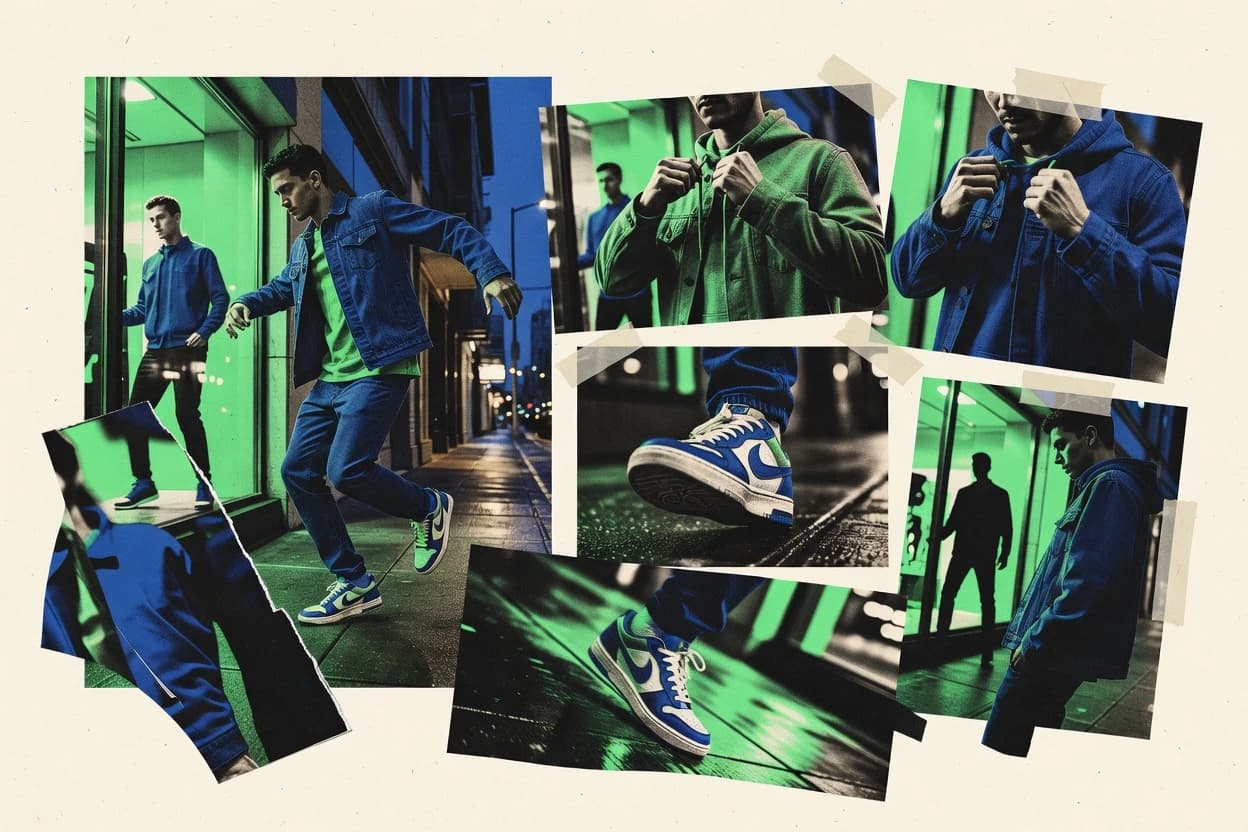
AI Fashion PhotographyTop 10 Best AI Streetwear Poses Generator of 2026
Compare options for an ai streetwear poses generator, covering outputs and fit for creators planning photo shoots and fashion content.

How we ranked these tools
Vendors set the topic, but our editors set the inclusion criteria and the evaluation framework before research starts.
Agents extract product evidence with provenance, then collect written reviews and transcribe video reviews and podcasts.
Framework: Features 40% · Ease 30% · Value 30%
Gitnux may earn a commission through links on this page — this does not influence rankings. Editorial policy
Midjourney is the best pick for designers needing fast, prompt-driven streetwear pose lookbook imagery because its tight prompt and parameter control keeps composition consistent across pose variations, whereas Generated Photos suits merchandising teams that want reference-steered batches where streetwear silhouettes stay readable as the set expands.
Editor’s top 3 picks
Three quick recommendations before you dive into the full comparison below — each one leads on a different dimension.
Midjourney
Prompt and parameter control that maintains streetwear composition consistency across pose variations in a single render loop.
Best for: Fits when designers need fast, prompt-driven streetwear pose lookbook imagery without pose dataset output.
Generated Photos
Editor pickReference-driven pose steering that keeps streetwear silhouette readable across multi-pose batch sets.
Best for: Fits when merchandising teams need fast, repeatable streetwear pose sets for lookbook layouts.
Leonardo AI
Editor pickPose template style prompt guidance paired with iterative re-generation to keep wardrobe presentation coherent across many frames.
Best for: Fits when streetwear teams need fast pose iteration for lookbook images, not rigged pose datasets.
Comparison Table
Midjourney
creative suiteAI image generation platform with strong prompt adherence for fashion editorials, outfit concepts, and stylized pose compositions.
Prompt and parameter control that maintains streetwear composition consistency across pose variations in a single render loop.
Midjourney turns pose requests into rendered images with tight prompt controllability, which makes it practical for rapid streetwear pose concepting. Iteration happens inside a prompt and parameter loop that supports generating multiple pose variations for a single outfit concept and refining composition. The workflow also fits teams that need visual direction quickly for product imagery, because exports are delivered as finished images rather than intermediate pose-only assets.
A key tradeoff is that Midjourney focuses on image generation rather than explicit skeletal rigging or pose export formats, so downstream pose dataset building may require extra tooling. It fits usage situations where a designer needs a multi-pose streetwear lookbook batch from prompt changes, not a deterministic pose transfer pipeline for a fixed model rig.
- +Fast prompt iteration for consistent streetwear pose framing
- +Parameter control supports repeatable pose direction iterations
- +Multi-variant outputs help build lookbook pose sets quickly
- +Strong garment styling rendering for outfit concept visualization
- –Limited native support for pose export in skeletal or dataset formats
- –Pose fidelity can drift when prompts mix pose and scene details
- –Deterministic pose matching is weaker than template-driven rigs
- –Few controls exist for per-joint skeletal constraints
Streetwear designers
Generate lookbook pose concepts
Cleaner pose direction for shoots
Fashion marketing teams
Batch campaign imagery variations
Faster creative iteration cycles
Show 2 more scenarios
Agencies and art directors
Rapid style exploration for editorial
More concepts per creative sprint
Test pose and styling direction while keeping garment appearance readable.
Product visualizers
Concept renderings for garments
Quicker garment approvals
Create full-body streetwear concept images for early alignment with stakeholders.
Best for: Fits when designers need fast, prompt-driven streetwear pose lookbook imagery without pose dataset output.
Generated Photos
vertical specialistSynthetic human image platform with controllable AI faces and full-body people assets for fashion and marketing mockups.
Reference-driven pose steering that keeps streetwear silhouette readable across multi-pose batch sets.
Generated Photos fits streetwear lookbook pose generation where garment placement and readable full-body framing matter more than photoreal identity. Generated Photos uses pose templates and prompt inputs to steer body orientation across consistent multi-pose scenes. It favors reference-driven generation, which helps keep streetwear silhouette and outfit readability stable across iterations. Teams using it for merchandising visuals typically rely on batch pose generation and pose export to move outputs into layout and asset pipelines.
A tradeoff appears in pose fidelity when extreme articulation or very specific landmark alignment is required for a single fashion moment. Generated Photos can still deliver usable streetwear reference images for style exploration and pose transfer, but precision matching to a designer’s exact skeletal intent may require extra manual iteration. It works best when the goal is repeatable lookbook coverage at controlled variety levels, not frame-perfect motion replication for animation rigs.
- +Consistent full-body pose outcomes for streetwear lookbook iteration
- +Batch pose generation speeds up angle coverage for merchandising
- +Pose export supports downstream layout and asset workflows
- +Reference-driven prompts reduce outfit drift across variations
- –Pose fidelity drops for highly specific landmark alignment
- –Extreme poses can introduce visible pose artifacts needing retakes
- –Quality depends on prompt and reference discipline during iteration
- –Less suited for exact skeletal rig replication workflows
Ecommerce merchandising teams
Build streetwear lookbook pose coverage
Faster lookbook asset turnaround
Creative directors
Iterate pose moods for campaigns
More concept options per sprint
Show 2 more scenarios
Studio photographers
Pre-plan garment pose compositions
Reduced shot planning churn
Use pose planning outputs to confirm silhouette and staging before shoots.
Brand visual content ops
Produce multi-scene pose batches
Higher throughput for visuals
Export generated pose sets into asset pipelines for faster marketing assembly.
Best for: Fits when merchandising teams need fast, repeatable streetwear pose sets for lookbook layouts.
Leonardo AI
SMBGenerative image platform with fine-tuned models, image guidance, and pose-capable creation workflows.
Pose template style prompt guidance paired with iterative re-generation to keep wardrobe presentation coherent across many frames.
Leonardo AI is a practical choice for streetwear pose generation when consistent character framing matters more than rig-level control. The workflow centers on using pose-related guidance from inputs plus prompt refinement, which fits common streetwear lookbook needs like full-body poses and repeatable styling across multiple frames. It also supports batch-like iteration through repeated generation and variations, which helps produce pose sets without leaving the image workspace.
A tradeoff appears in pose fidelity when the prompt guidance conflicts with garment structure, which can introduce pose artifacts around limbs and drape. Leonardo AI fits best when teams want fast reference-driven generation and visual iteration rather than strict skeletal rigging or deterministic pose export for downstream pipelines.
- +Reference-driven workflow keeps streetwear styling consistent across pose variations
- +Fast iteration from prompt edits reduces time spent restarting generation
- +Multi-pass edits help correct pose issues without losing overall look
- +Built-in pose template style prompts support repeatable lookbook composition
- –Pose fidelity drops when garment drape conflicts with limb placement
- –Deterministic pose export for pipelines is limited versus rig-first tools
Streetwear lookbook editors
Batch pose variations for campaigns
Faster pose coverage per concept
Fashion brand social teams
Rapid iterations from reference images
More posts per concept
Show 2 more scenarios
Creative agencies
Multi-pose scene mockups
Quicker review-ready image rounds
Produce pose-focused image sets for client reviews while keeping silhouette and styling aligned.
E-commerce content producers
Consistent character framing
Lower reshoot needs
Re-generate variations to maintain consistent framing across product styling and pose changes.
Best for: Fits when streetwear teams need fast pose iteration for lookbook images, not rigged pose datasets.
Krea
creative suiteRealtime AI image generation and enhancement platform for fast visual iteration from prompts and references.
Pose interpolation across generated frames for multi-pose streetwear lookbooks, keeping stance direction consistent between variations.
Krea creates streetwear pose reference images through an interface built around pose templates and reference-driven generation. The workflow supports full-body pose variation and pose interpolation so teams can build consistent streetwear lookbook poses with fewer manual redraws.
- +Pose templates produce consistent full-body streetwear silhouette directions
- +Pose interpolation helps smooth transitions across multi-pose lookbook sets
- +Pose export supports handoff into editorial and 3D blocking workflows
- +Batch pose generation accelerates iteration on outfit and stance variants
- –Pose fidelity drops when reference framing conflicts with the garment drape
- –More control than a prompt-only tool, which can slow early iteration
- –Pose export formats support some pipelines but may need conversion for others
- –Automation depth is limited when teams require fine-grained per-frame controls
Best for: Fits when fashion studios need repeatable streetwear poses from templates with batch iteration and export for downstream pipelines.
OpenArt
SMBAI image generator with pose tools, character control, and fashion-friendly prompt workflows.
Batch pose generation with pose interpolation lets teams create multi-pose scene sets that keep framing consistent across a streetwear look series.
OpenArt generates full-body streetwear pose renders from pose inputs, pairing reference-driven generation with pose control for lookbook-style imagery. It supports batch pose creation and pose export workflows that keep character framing consistent across variations.
- +Batch pose generation for consistent streetwear lookbook sets
- +Pose export workflow supports downstream editing and compositing
- +Reference-driven generation helps preserve garment silhouette intent
- +Pose interpolation supports smooth variation between key poses
- –Pose fidelity drops on extreme angles without additional constraints
- –Limited control for garment-pose coherence across complex draping
- –Interpolation can introduce limb jitter in longer pose sequences
- –Export formats provide less metadata than advanced pose pipelines need
Best for: Fits when a small studio needs repeatable full-body pose variations for streetwear lookbooks with manageable iteration time.
PoseMy.Art
vertical specialistBrowser-based pose reference tool with adjustable 3D figures for image prompting and composition planning.
Pose interpolation tuned for streetwear pose sets, producing smooth variation across a consistent silhouette.
PoseMy.Art generates streetwear pose renders from prompts and pose inputs, with a workflow aimed at producing repeatable full-body poses for product-style visuals. Core capabilities center on reference-driven pose creation, pose interpolation for variation, and export of rendered outputs for lookbook and catalog use.
- +Pose templates help keep full-body streetwear silhouettes consistent
- +Pose interpolation supports smooth variation across a pose set
- +Multi-pose scene generation supports coherent outfit presentation
- +Batch pose generation reduces time for lookbook-style series
- –Pose fidelity drops on extreme angles without strong pose input
- –Export formats focus on rendered outputs rather than skeletal rig data
Best for: Fits when streetwear teams need consistent pose variations for lookbooks and catalog mockups.
Fotor AI Image Generator
SMBConsumer image generator with fashion prompt support and template-led visual creation.
Prompt-based reference-driven generation that lets garment and silhouette details steer the final streetwear look.
Fotor AI Image Generator focuses on fast, web-based image creation that can be repurposed for streetwear pose workflows through prompt-driven full-body scenes. It supports reference-driven generation by combining pose intent in the prompt with garment and silhouette descriptors to reduce the gap between concept and final look.
- +Prompt-driven generation enables quick streetwear lookbook pose variations
- +Image editing tools help refine garment appearance after pose iteration
- +Batch-style repeat outputs support high-volume concept exploration
- +Works fully in-browser, reducing setup friction for pose experiments
- –No dedicated pose template library for consistent full-body posture control
- –Pose precision can drift without specialized pose conditioning controls
- –Export formats and metadata retention for pose transfer workflows are limited
- –Automation and API surface for pose generation is not geared to developers
Best for: Fits when designers need quick streetwear pose concepts and style continuity without strict pose fidelity requirements.
Magic Poser
vertical specialist3D posing application for creating custom human references for illustration and AI image prompting.
Pose template plus pose intensity controls create consistent stance variations suited to streetwear silhouettes.
Magic Poser generates streetwear pose content from pose templates and reference-driven inputs. It focuses on producing consistent full-body pose variations for lookbook-style scenes, with controls for pose intensity and multi-pose composition.
- +Pose template workflow supports consistent streetwear lookbook compositions
- +Pose intensity slider helps dial stance and expressiveness without changing the base pose
- +Batch pose generation speeds up variation creation for layout ideation
- +Pose export fits common downstream asset review and iteration loops
- –Pose fidelity can drift on extreme angles without careful reference selection
- –Multi-pose scene control is limited for precise inter-character spacing
- –Pose interpolation can introduce minor pose artifacting between distant endpoints
- –Advanced skeletal rigging controls and anthropometric landmarking are not exposed deeply
Best for: Fits when streetwear teams need fast, repeatable full-body pose variations for lookbook planning and iteration.
Recraft
design-focusedAI design and image generation tool for creating stylized visuals with strong control over composition and brand aesthetics.
Pose intensity slider that preserves pose intent from the streetwear reference image while varying body tension across iterations.
Recraft generates streetwear poses from reference images using a pose library and pose transfer workflow. It lets creators iterate pose variations with intensity and template-driven posing for full-body streetwear reference image scenes.
- +Reference-driven pose transfer helps keep streetwear silhouettes consistent
- +Pose intensity slider supports controlled pose variation without full rework
- +Pose template workflow speeds repeatable multi-pose scene creation
- +PNG pose export supports quick reuse in lookbook and editing tools
- –Pose fidelity drops when the streetwear garment fit conflicts with the reference posture
- –Batch pose generation can increase inference latency during large runs
Best for: Fits when studios need fast, repeatable streetwear pose frames for lookbooks and prompt datasets.
Canva AI Image Generator
SMBDesign suite with integrated AI image generation for styled characters, outfits, and campaign visuals.
Integrated Canva canvas workflow lets pose iterations be refined into publishable lookbook compositions without leaving the design surface.
Canva AI Image Generator turns streetwear pose direction into full image outputs inside a design workflow, which differs from pose-only generators that export skeletons or templates. It provides prompt-based control and lets creators iterate toward consistent streetwear lookbook poses using the broader Canva canvas and styling tools.
- +Prompt-driven iteration supports fast streetwear look development inside one workspace
- +Works alongside Canva design assets for typography, crops, and layout variants
- +Single-step creation reduces friction for quick pose concepting
- +Good at producing varied full-body scenes from a textual streetwear direction
- –Limited control of pose lock behavior for consistent multi-shot sequences
- –No direct pose template or skeletal rig export for downstream posing workflows
- –Pose fidelity can drift from a strict reference stance across iterations
- –Batch pose generation and throughput are weaker than pose-library tools
Best for: Fits when designers need quick streetwear pose concepts for lookbook layouts without exporting structured pose data.
How to Choose the Right AI Streetwear Poses Generator
We look for differences in how consistently a tool produces streetwear-ready poses. In practice, Pose control strength and Garment fit handling usually separate “pretty results” from usable pose sets.
Pose control strength
Why it matters
Pose control strength determines whether you can steer stance, limb angles, and framing to match a clothing shoot plan. For streetwear, small posture shifts change how the fit reads on camera.
How to check
Try a demo with 2–3 distinct pose targets (for example, side lean, hands-in pockets, seated). Check whether the output stays close to your selected pose across different shots without drifting.
Garment fit handling
Why it matters
Garment fit handling matters because clothing coverage and fold behavior must survive pose changes. If the system treats garments loosely, you get unrealistic silhouettes that don’t sell the outfit.
How to check
Use the same clothing across at least two very different poses (standing vs. reaching). Compare whether hems, sleeve lengths, and waistband placement stay believable.
Streetwear style consistency
Why it matters
Streetwear style consistency is the difference between generic fashion bodies and outfits that look like real street photography. It affects how the tool frames accessories, stance attitude, and scene-ready proportions.
How to check
Run a set of prompts using streetwear terms and a consistent wardrobe. Look at whether the tool keeps the same “street” look across outputs or flips into a different style mid-batch.
Output variation controls
Why it matters
Output variation controls let you explore poses without losing the original intent. For editorial work, you need controlled variation instead of random outcomes that force reshoots.
How to check
Generate a small set from one starting pose and then request variations. Confirm you can dial variation up or down while maintaining the core pose intent.
Batch workflow and export options
Why it matters
Batch workflow and export options save time when you’re building a pose set for multiple looks. You want outputs delivered in a form your editors can immediately use.
How to check
Create multiple poses in one run and export in at least two formats your team would accept. Verify naming, file organization, and whether exports preserve intended framing.
Prompt-to-pose workflow clarity
Why it matters
Prompt-to-pose workflow clarity affects how quickly you reach repeatable results. When the mapping is unclear, you’ll spend more effort correcting poses than shooting.
How to check
Use one short prompt and modify only a single phrase (like “hands in pockets” vs. “arms crossed”). Check whether the change produces the expected pose shift rather than broad stylistic changes.
Red flags
- Pose changes don’t match the input when you switch between targets
- Garments distort (waistbands, sleeves, hems) differently for the same outfit
- Outputs vary wildly in style even when prompts stay consistent
Fit by situation
- If we’re building a reusable pose set for many streetwear looks, prioritize Batch workflow and export options.
- If we need to match a specific stance from a shoot plan, prioritize Pose control strength.
- If our main risk is unrealistic clothing coverage during movement, prioritize Garment fit handling.
Frequently Asked Questions About AI Streetwear Poses Generator
How does Krea handle batch pose generation compared with Magic Poser and PoseMy.Art?
Which tools export pose data instead of only final images for downstream pose prompt engineering?
When does ControlNet-style conditioning fit better than a reference-driven image workflow in this category?
How do Leonardo AI and Midjourney support pose variation without losing streetwear silhouette continuity?
What breaks when pose fidelity drops in Fotor AI Image Generator compared with Generated Photos?
Which tool workflow is better for multi-look scene planning that stays consistent across full-body compositions?
How do Recraft and Krea differ when the input is a streetwear reference image and the output needs variation?
Which integrations and APIs fit studios that need automation around pose templates and export pipelines?
How do security and access controls typically map across these tools when teams need role-based governance?
Conclusion
After evaluating 10 ai streetwear poses generator, Midjourney stands out as our overall top pick — it scored highest across our combined criteria of features, ease of use, and value, which is why it sits at #1 in the rankings above.
Use the comparison table and detailed reviews above to validate the fit against your own requirements before committing to a tool.
Tools reviewed
Primary sources checked during evaluation.
Referenced in the comparison table and product reviews above.
Funding and competing interests
This study was co-funded by several of the vendors assessed in it. No single vendor funded it. Funders could propose the market studied.
They had no role in selecting vendors, setting or weighting criteria, analysing data or drawing conclusions, and they received the same factual-accuracy check as every other vendor assessed.
Market definition, inclusion rules and criteria weights were fixed by an editor before research began and did not change afterwards. Editorial process →
- Top 10 Best AI Size Chart Fashion Model Generator of 2026
- Top 10 Best Qipao AI On Model Photography Generator of 2026
- Top 10 Best Outerwear AI Product Photography Generator of 2026
- Top 10 Best Bottoms AI Product Photography Generator of 2026
- Top 10 Best Boilersuit AI On Model Photography Generator of 2026
- Top 10 Best Board Shorts AI On Model Photography Generator of 2026
- Top 10 Best AI Young Man Generator of 2026
- Top 10 Best AI White Hair Male Generator of 2026
- Top 10 Best AI Whimsigoth Fashion Photography Generator of 2026
- Top 10 Best AI Watch Video Generator of 2026
- Top 10 Best AI Watch Fashion Model Generator of 2026
- Top 10 Best AI Visual Kei Fashion Photography Generator of 2026
- Top 10 Best AI Vintage Outfit Generator of 2026
- Top 10 Best AI Virtual Product Photo Generator of 2026
- Top 10 Best AI Vietnamese Male Generator of 2026
- Top 10 Best AI Victorian Goth Fashion Photography Generator of 2026
- Top 10 Best AI Vaporwave Fashion Photography Generator of 2026
- Top 10 Best AI Vampire Goth Fashion Photography Generator of 2026
- Top 10 Best AI Twee Fashion Photography Generator of 2026
- Top 10 Best AI Thigh Photography Generator of 2026
Keep exploring
Comparing two specific tools?
Software Alternatives
See head-to-head software comparisons with feature breakdowns, pricing, and our recommendation for each use case.
Explore software alternatives→In this category
AI Fashion Photography alternatives
See side-by-side comparisons of ai fashion photography tools and pick the right one for your stack.
Compare ai fashion photography tools→