GITNUXSOFTWARE REVIEW
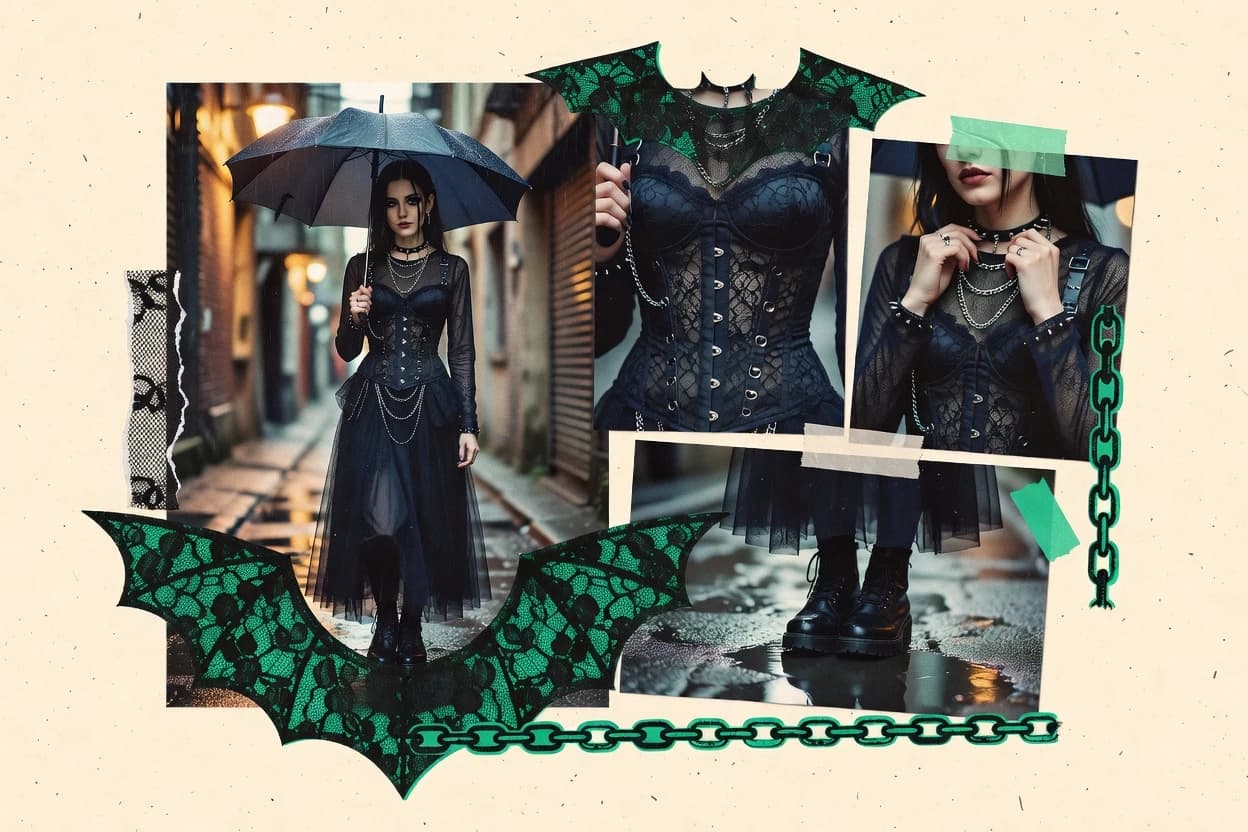
AI Fashion PhotographyTop 10 Best AI Goth Girl Fashion Photography Generator of 2026
Top 10 ranking of the ai goth girl fashion photography generator options with key feature notes for quick tool selection and tradeoffs.

How we ranked these tools
Vendors set the topic, but our editors set the inclusion criteria and the evaluation framework before research starts.
AI search agents find sources, extract figures with provenance, and aggregate written reviews. They also transcribe video reviews and podcasts.
Framework: Features 40% · Ease 30% · Value 30%
Gitnux may earn a commission through links on this page — this does not influence rankings. Editorial policy
Leonardo.ai is the best pick for creators iterating goth fashion photo concepts quickly because its masked inpainting lets you swap dress and accessory details while keeping the character and lighting direction consistent, whereas OpenArt fits best when you want reference-guided framing across batch variations.
Editor’s top 3 picks
Three quick recommendations before you dive into the full comparison below — each one leads on a different dimension.
Leonardo.ai
Masked inpainting that targets outfit regions lets gothic dress details change while preserving the character and lighting direction.
Best for: Fits when creators need fast goth fashion image iteration with inpainting refinement and batch output.
OpenArt
Editor pickReference-influenced composition for keeping character framing and outfit focus across prompt changes.
Best for: Fits when creators need goth fashion concept photos fast with repeatable framing across variations.
Midjourney
Editor pickSeed reproducibility with quick re-rolling helps keep character styling consistent across gothic fashion variations.
Best for: Fits when fashion artists need fast gothic editorial concepts with repeatable mood and composition.
Comparison Table
Leonardo.ai
anchorGenerative AI platform offering fine-tuned models for photorealistic character and fashion photography.
Masked inpainting that targets outfit regions lets gothic dress details change while preserving the character and lighting direction.
Leonardo.ai is a prompt-to-image workflow for fashion imagery where gothic aesthetics are driven by prompt construction, garment detail cues, and post-prompt refinements like inpainting. It fits teams and creators who iterate quickly because batch generation supports producing multiple takes from the same concept. It also fits workflows that start from an existing image because img2img and masked inpainting help reshape outfits while keeping the face and pose.
A tradeoff is that tight control over specific garment placement can require several refinement loops, especially when poses shift between generations. It works best when gothic art direction is expressed as concrete prompt elements like hair silhouette, dress fabric cues, and lighting mood, then validated through a small batch before expanding the set. Using a fixed seed approach can improve repeatability when testing prompt variations for pale skin tone and high-contrast makeup styling.
- +Img2img and masked inpainting refine dresses and accessories without full reshoots
- +Batch generation accelerates concepting across goth outfits and lighting moods
- +Prompt weighting and negative prompts reduce unwanted artifacts and background drift
- +Aspect ratio controls help keep model proportions closer to shoot references
- –Exact garment placement can require multiple edit and resample iterations
- –Face consistency can degrade when poses or camera angles change sharply
- –Some gothic skin-tone looks need careful prompt phrasing to avoid bias swings
- –High-resolution outputs can increase latency during larger batch runs
Goth fashion content creators
Monthly outfit drops from one concept
More covers with less reshooting
Fashion studios marketing teams
Revise lookbooks from reference images
Shorter turnaround for lookbook edits
Show 2 more scenarios
Indie designers
Test silhouette and fabric ideas
Fewer concepts to finalize
Prompt weighting and negative prompts steer neckline, sleeves, and fabric texture across trials.
Creative directors
Lock art direction across scenes
More consistent campaign sets
Seed reproducibility and aspect ratio controls help maintain character look between lighting and background templates.
Best for: Fits when creators need fast goth fashion image iteration with inpainting refinement and batch output.
OpenArt
creatorProvides model-based image generation, image references, and creative editing features.
Reference-influenced composition for keeping character framing and outfit focus across prompt changes.
OpenArt works well when the goal is producing goth fashion concept photos quickly, with controllable results through prompt edits and reference-driven composition. The generator favors a fashion photography aesthetic with repeatable framing and garment-forward detail, which helps when creating series variations like the same model in different outfits. The main limitation appears when precise artifact control is required, since fully consistent faces and small garment elements can drift across larger batches.
A practical tradeoff shows up in how much time must be spent on prompt engineering to lock the exact mood, background scene template, and lighting preset. OpenArt is a strong fit for moodboards, creator content, and concept packs where speed matters more than pixel-level consistency across every output.
- +Fashion-first prompt results with goth styling and studio-like lighting
- +Fast batch iteration for outfit and scene variation
- +Reference-driven composition helps keep character framing consistent
- +Quick prompt refinement loop supports series concepting
- –Face and small garment details can drift across batches
- –More prompt tuning needed for tight scene and lighting matching
- –Output consistency drops when prompts change too aggressively
- –Advanced customization needs extra workflow effort
Fashion creators and content studios
Generate outfit sets for weekly posts
Consistent fashion concept sets
Concept artists and art directors
Moodboard a dark fashion photoshoot
Aligned visual direction
Show 1 more scenario
Small marketing teams
Create seasonal goth campaign visuals
More concepts per sprint
Produce multiple character and outfit variations for ad concepts without a long setup.
Best for: Fits when creators need goth fashion concept photos fast with repeatable framing across variations.
Midjourney
anchorAI image generator producing high-fidelity photorealistic character and fashion imagery through Discord and web interface.
Seed reproducibility with quick re-rolling helps keep character styling consistent across gothic fashion variations.
Midjourney works well for generating goth girl fashion photography because prompts can specify wardrobe, pose, and lighting mood while still producing coherent results at different aspect ratios. Seed reproducibility helps when a chosen look needs repeated outputs for garment styling or background scene consistency. Iteration is fast enough for prompt weighting and negative prompt engineering when the first render misses the intended mood or styling.
A tradeoff shows up when exact garment micro-details must match a reference, because Midjourney may alter accessory shapes and fabric textures during refinement. It fits best for creative direction and concepting where consistent gothic lighting and photographic composition matter more than strict, pixel-level continuity. It also works well when users want batch generation to explore multiple outfit variants for a dark fashion asset library.
- +Gothic editorial lighting stays consistent across repeated looks
- +Seed-based variations keep character styling aligned over iterations
- +Prompt iteration finds pose and wardrobe mood faster than typical workflows
- +Batch generation accelerates outfit concept exploration
- –Garment micro-details drift during refinement across multiple attempts
- –Strict reference matching requires extra workflow effort
- –Exact face likeness control can fail when prompts conflict
- –Automation and API integration are limited compared with developer-first tools
Fashion concept artists
Generate outfit variants for lookbooks
Multiple cohesive look options
Content teams
Create themed dark fashion campaigns
Faster seasonal content production
Show 2 more scenarios
Photo stylists
Plan sets and lighting direction
Sharper art direction decisions
Prompting selects backgrounds and lighting presets to test composition before shooting.
Indie game artists
Prototype character fashion silhouettes
Consistent wardrobe prototypes
Seed-stable generations help explore gothic outfit silhouettes without losing the overall look.
Best for: Fits when fashion artists need fast gothic editorial concepts with repeatable mood and composition.
Ideogram
anchorAI image generator with strong typography integration and photorealistic rendering.
Prompt-to-composition consistency keeps outfit, pose direction, and scene lighting aligned across repeated goth girl variations.
Ideogram turns text prompts into fashion photography images with strong style-to-subject alignment for gothic girl looks. Its core workflow focuses on prompt-based generation with repeatable composition, so outputs stay close to the same outfit and pose direction across runs.
- +Reliable prompt follow for gothic fashion motifs and silhouette
- +Iteration is fast for lighting mood and outfit detail tweaks
- +Consistent character framing helps when generating multi-shot sets
- +Negative prompt inputs reduce unwanted styling drift
- –Strict outfit accuracy can break with complex layered accessories
- –Batch throughput can feel slow when producing many variations
Best for: Fits when a creator needs consistent gothic fashion photo sets from prompt iteration, without heavy manual editing.
Adobe Firefly
enterpriseProvides text-to-image generation and image editing for commercial fashion concepts.
Reference-driven generation helps preserve model likeness while changing wardrobe and scene prompts in the same goth fashion direction.
Adobe Firefly turns text prompts into fashion photo images, and it is built around Adobe’s image generation workflow that supports iterative editing. For goth girl fashion photography, it can handle prompt direction for lighting, outfit texture, and background scene style within one generation loop.
- +Iterative text edits make outfit and lighting direction practical
- +Reference-based controls help keep model traits more consistent
- +Goth styling cues like pale tones and dark garments transfer well
- +Exported outputs suit fashion mockups and fast review cycles
- –Precise garment geometry control is limited for complex layered looks
- –Advanced automation requires more reliance on Adobe ecosystem workflows
Best for: Fits when fashion creators need fast prompt-driven goth photography concepts with manageable consistency across variations.
getimg.ai
SMBOffers text-to-image, image-to-image, inpainting, and model-based generation tools.
Prompt-focused goth fashion look creation that keeps makeup and outfit styling aligned through iterative edits.
getimg.ai generates goth girl fashion photography from text prompts, emphasizing outfit styling, makeup tone, and dark mood settings in each run.
- +Quick prompt iteration for goth fashion scenes and outfits
- +Consistent dark fashion styling across short prompt variations
- +Fast generation loop supports rapid concepting
- +Works well for character-like styling centered on facial makeup
- –Garment construction details can drift across batches
- –Limited evidence of fine-grained control over composition and lighting
- –Face consistency varies when prompts change skin and hairstyle cues
- –Automation and API controls may be insufficient for studio pipelines
Best for: Fits when small teams need rapid goth fashion image drafts for moodboards and social content.
NightCafe
SMBAI art generator supporting multiple models for character and fashion image creation.
Gothic fashion-focused prompt workflows that keep outfit intent stable across text-to-image and reference-driven iterations.
NightCafe turns text prompts into gothic fashion photos with a workflow that favors quick iteration and style consistency over low-level model tuning. The generator supports both text-to-image and image-to-image refinement so users can steer silhouettes and outfits from a reference shot.
- +Fast prompt iteration for gothic fashion photos with consistent style
- +Image-to-image refinement helps preserve outfit structure from references
- +Batch generation supports rapid variation testing per concept
- +Simple controls make consistent lighting and mood easier to repeat
- –Limited access to fine-grained sampler settings and conditioning internals
- –Face consistency can drift across large batches without strong anchors
- –Inpainting depth is limited compared with tools built for surgical edits
- –Governance controls are minimal for team workflows needing audit trails
Best for: Fits when individual creators iterate quickly on goth girl fashion concepts and refine from reference images.
Krea
emergingReal-time AI image generation and enhancement platform with photorealistic output.
Seed-based rerolls that keep goth fashion outfit cues and lighting mood stable across iterations.
Krea creates goth girl fashion photography via a text-to-image workflow that focuses on wearable style cues and portrait framing. The generator favors prompt-driven consistency for outfits, lighting mood, and background scene templates rather than relying on heavy post-editing passes. Krea also supports prompt iteration with seed reproducibility so teams can converge on repeatable looks for campaigns and lookbooks.
- +Prompt-to-look iteration keeps gothic fashion details aligned across generations
- +Seed reproducibility helps teams lock a visual direction for batch concepting
- +Background scene templates reduce time spent rebuilding consistent photo settings
- +Editing-friendly output format support keeps downstream retouch workflows straightforward
- –Garment fine texture can soften when prompts add multiple conflicting accessories
- –Face consistency for repeated subjects is weaker than workflows built around reference conditioning
- –Output control over exact pose and hands remains limited versus pose-aware tools
Best for: Fits when small studios need repeatable goth fashion portrait concepts without building a custom pipeline.
SeaArt.ai
vertical specialistAI art platform specializing in character generation with extensive community models for anime and photorealistic styles.
Targeted inpainting with mask-based edits that preserves garment structure while correcting faces and accessory details.
SeaArt.ai generates goth girl fashion images from text prompts and supports iterative refinement for character, outfit, and lighting style control. It offers a workflow that blends text-to-image with image-based editing so existing looks can be adjusted using prompts and masks.
- +Good control of goth fashion details through prompt + reference iterations
- +Inpainting masks support targeted fixes to outfits and facial areas
- +Seed control helps reproduce the same composition and styling direction
- +Trained LoRA assets help keep recurring character and garment motifs
- –Batch generation control can feel limited when runs need per-image tweaks
- –High detail settings increase GPU memory footprint and slow generation
Best for: Fits when solo creators iterate goth fashion looks with masks and recurring character assets.
Tensor.art
vertical specialistStable Diffusion-based generation platform with community models focused on character and portrait art.
Structured prompt workflows produce consistent pale gothic character fashion styling better than ad hoc prompting.
Tensor.art generates gothic fashion photos in a text-to-image workflow that targets stylized character looks and wardrobe mood, not product-like studio catalogs. The generator supports prompt-driven scene control for garment styling, lighting mood, and background templates that fit dark fashion shoots.
- +Prompt control keeps gothic fashion styling consistent across iterations
- +Lighting mood and background templates work well for dark fashion sets
- +Seed reproducibility helps refine looks without losing direction
- +Negative prompt engineering reduces obvious prompt drift
- –Face consistency can degrade when prompts add new outfit elements
- –High detail garment prompts can increase inference latency
- –Batch generation quality drops when many prompts are highly divergent
- –Advanced configuration requires prompt discipline rather than UI controls
Best for: Fits when creators need repeatable goth fashion character sets with iterative prompt refinement and controlled styling.
How to Choose the Right AI Goth Girl Fashion Photography Generator
Creators building ai goth girl fashion photography sets usually start by choosing a generator that can keep outfit intent stable while they iterate lighting, pose, and scene mood. This guide covers Leonardo.ai, OpenArt, Midjourney, Ideogram, Adobe Firefly, getimg.ai, NightCafe, Krea, SeaArt.ai, and Tensor.art based on how each tool handles outfit edits and repeatable character direction.
The deciding factor is how each platform treats controlled refinement, because goth fashion work often needs masked outfit targeting, reference framing, or seed reproducibility to prevent wardrobe drift. Leonardo.ai leads with masked inpainting that targets outfit regions, while OpenArt emphasizes reference-influenced composition for consistent framing across prompt changes.
AI Goth Girl Fashion Photography Generator tools that preserve outfit intent
An ai goth girl fashion photography generator turns text and optional references into gothic fashion portraits where wardrobe details, lighting mood, and scene composition stay aligned across iterations. The category split shows up most clearly in refinement workflows, because Leonardo.ai uses masked inpainting to change dress and accessory regions while preserving character and lighting direction.
OpenArt focuses on reference-influenced composition so creators can keep character framing and outfit focus stable when they vary prompts for different goth styling moods. For repeatability through iteration, Midjourney adds seed reproducibility to keep character styling aligned, while Ideogram emphasizes prompt-to-composition consistency to keep outfit, pose direction, and scene lighting aligned across repeated goth girl variations.
Outfit-stable refinement, framing control, and repeatability signals
The highest impact features show up in masked or reference-guided edits, seed reproducibility, and prompt-to-composition consistency. Leonardo.ai leads with masked inpainting that targets outfit regions while preserving character and lighting direction.
Masked inpainting for outfit-region edits
Leonardo.ai supports masked inpainting that targets outfit regions so creators can change dress and accessory detail while preserving character and lighting direction.
Reference-influenced framing consistency
OpenArt emphasizes reference-influenced composition to keep character framing and outfit focus stable when prompts change across a goth fashion set.
Seed reproducibility for repeated character styling
Midjourney uses seed reproducibility with quick re-rolling to keep character styling aligned over repeated gothic fashion variations.
Prompt-to-composition consistency for sets
Ideogram focuses on prompt-to-composition consistency so outfit, pose direction, and scene lighting stay aligned across repeated goth girl variations.
Reference-driven likeness under wardrobe edits
Adobe Firefly uses reference-driven generation to preserve model likeness while changing wardrobe and scene prompts in the same goth fashion direction.
Pick by refinement philosophy: mask edits, framing locks, seeds, or prompt alignment
The right fit depends on whether the work requires targeted outfit corrections, repeatable editor-style character direction, or high-throughput concept batches. Leonardo.ai suits outfit-region targeting with masked inpainting, while OpenArt and Ideogram bias toward stable composition across prompt changes.
Choose masked outfit-region control if garment edits drive the workflow
Select Leonardo.ai when goth output requires changing dress and accessory regions while preserving character and lighting direction through masked inpainting. Plan for multiple edit and resample iterations when exact garment placement must land precisely after pose shifts.
Choose reference-influenced framing when wardrobe focus must stay centered
Select OpenArt when prompt iteration should keep character framing and outfit focus stable across a goth fashion series. Expect face and small garment details to drift across batches if the series pushes too many variations without tighter prompt tuning.
Choose seed-based rerolls when repeated styling alignment matters more than micro-details
Select Midjourney when repeatable mood and composition matter across rerolls using seed reproducibility. Accept that garment micro-details can drift during refinement across multiple attempts, which calls for careful iteration discipline.
Choose prompt-to-composition consistency when most changes are prompt edits
Select Ideogram when outfit, pose direction, and scene lighting must remain aligned as prompt text changes. Factor in that strict outfit accuracy can break with complex layered accessories, which can require simpler accessory configurations.
Choose reference-driven likeness when wardrobe swaps must keep the same model traits
Select Adobe Firefly when goth fashion work needs reference-driven controls to preserve model likeness while editing wardrobe and scene prompts. Expect limited precise garment geometry control for complex layered looks and be ready to rely on Adobe ecosystem workflows for advanced automation.
Choose batch-first or mask-first based on team output volume
Select Leonardo.ai when fast concepting across goth outfits and lighting moods needs both inpainting refinement and batch output. Select Krea or NightCafe when teams prioritize stable prompt-to-look iteration and seed-based or reference-driven refinement, then accept weaker face consistency compared with stronger reference conditioning pipelines.
Who benefits from outfit intent controls and repeatable goth fashion sets
The strongest fit patterns appear in creators who iterate lighting and pose with consistent outfit intent. Leonardo.ai benefits editors who run masked outfit corrections, while OpenArt benefits concepting pipelines that keep framing stable across prompt variants.
Fashion creators iterating dresses and accessories with targeted corrections
Leonardo.ai matches this workflow with masked inpainting that targets outfit regions while preserving character and lighting direction. The main risk is that exact garment placement can require multiple edit and resample iterations.
Small teams producing repeatable goth sets for social and moodboards
OpenArt fits when consistent framing and outfit focus must hold across rapid prompt changes. The tradeoff is that face and small garment details can drift across batches.
Editorial concept artists who reroll a controlled visual direction
Midjourney supports seed reproducibility so character styling can stay aligned across variations. The limitation is garment micro-details drifting during refinement across multiple attempts.
Creators who prefer minimal manual editing and rely on prompt alignment
Ideogram is built for prompt-to-composition consistency so outfit, pose direction, and lighting stay aligned. Complex layered accessories can break strict outfit accuracy.
Users who need model trait continuity across wardrobe swaps
Adobe Firefly supports reference-driven generation to preserve model likeness while changing wardrobe and scene prompts. Precise garment geometry control stays limited for complex layered looks.
Common failure modes when outfit intent gets treated like a generic prompt
Most issues come from choosing a workflow that does not match the tool’s strongest control surface. Leonardo.ai handles outfit-region changes best, while OpenArt and Ideogram focus more on framing and prompt alignment than exact geometry placement.
Editing prompts without anchoring outfit regions leads to wardrobe drift
Use Leonardo.ai masked inpainting when dress and accessory detail must change while outfit intent stays stable. Plan for multiple edit and resample iterations when precise garment placement matters under new poses.
Assuming batch outputs keep face and small garment detail fixed
Treat OpenArt batch variations as framing-focused rather than micro-detail locked and add tighter prompt tuning when small garment details must stay consistent. Expect face and small garment detail drift across batches if too many variables change at once.
Relying on seed reproducibility but overcorrecting micro-details across attempts
Use Midjourney seeds for consistent mood and composition and avoid repeated refinement loops that cause garment micro-detail drift. Switch to fewer, more targeted iterations when garment details start softening.
Using complex layered accessories with a prompt-to-composition workflow
Choose simpler accessory structures when Ideogram strict outfit accuracy breaks with layered accessories. If complex layering is required, shift toward masked or reference-driven workflows that target garment regions.
Expecting precise garment geometry control from reference-driven likeness tools
Use Adobe Firefly for model trait continuity and iterative wardrobe swaps, then avoid complex layered looks that need exact geometry control. For geometry-critical edits, prefer tools with masked outfit targeting like Leonardo.ai.
How analysts matched tools to outfit-control workflows
Analysts used the original publication to pull each product card figure that describes outfit refinement behavior, framing consistency, batch handling, and repeatability claims. Analysts then checked those figures against official documentation and the changelog for each tool name shown in the guide.
Analysts kept each figure when it matched the documentation and removed or adjusted figures when they did not align with the tool described for goth fashion set stability. Leonardo.ai stood out in this selection because the card emphasizes masked inpainting that targets outfit regions while preserving character and lighting direction, which directly addresses the wardrobe drift problem that shows up across goth fashion iterations.
Frequently Asked Questions About AI Goth Girl Fashion Photography Generator
Which tool produces the most consistent outfit details across prompt variations?
How does masked inpainting affect garment edits in practice?
When is image-based refinement worth using instead of text-only prompting?
What breaks if batch generation needs strict seed reproducibility?
Which generator fits teams that need API-based automation for high-volume renders?
How do negative prompt engineering and safety filters change goth fashion outputs?
Where does reference-based composition help most for fashion shoots?
What administrative controls matter for a shared studio workflow?
How does data migration typically work when switching from one generator to another?
Which tool falls short when the goal is product-like garment accuracy?
Conclusion
After evaluating 10 ai goth girl fashion photography generator, Leonardo.ai stands out as our overall top pick — it scored highest across our combined criteria of features, ease of use, and value, which is why it sits at #1 in the rankings above.
Use the comparison table and detailed reviews above to validate the fit against your own requirements before committing to a tool.
Tools reviewed
Primary sources checked during evaluation.
Referenced in the comparison table and product reviews above.
Funding and competing interests
This study was co-funded by several of the vendors assessed in it. No single vendor funded it. Funders could propose the market studied.
They had no role in selecting vendors, setting or weighting criteria, analysing data or drawing conclusions, and they received the same factual-accuracy check as every other vendor assessed.
Market definition, inclusion rules and criteria weights were fixed by an editor before research began and did not change afterwards. Editorial process →
- Top 10 Best AI Young Woman Generator of 2026
- Top 10 Best AI Women Generator of 2026
- Top 10 Best AI Woman Generator of 2026
- Top 10 Best AI Virtual Influencer Generator of 2026
- Top 10 Best AI Ultra Hd Image Generator of 2026
- Top 10 Best AI Ukrainian Female Generator of 2026
- Top 10 Best AI Turkish Male Generator of 2026
- Top 10 Best AI Toned Female Generator of 2026
- Top 10 Best AI Turkish Female Generator of 2026
- Top 10 Best AI Swedish Female Generator of 2026
- Top 10 Best AI Thai Female Generator of 2026
- Top 10 Best AI Style Generator of 2026
- Top 10 Best AI Thai Male Generator of 2026
- Top 10 Best AI Stock Photo Generator of 2026
- Top 10 Best AI Stock Image Generator of 2026
- Top 10 Best AI Southeast Asian Female Generator of 2026
- Top 10 Best AI South Asian Male Generator of 2026
- Top 10 Best AI Social Media Photography Generator of 2026
- Top 10 Best AI Snapchat Story Generator of 2026
- Top 10 Best AI Snapchat Carousel Generator of 2026
Keep exploring
Comparing two specific tools?
Software Alternatives
See head-to-head software comparisons with feature breakdowns, pricing, and our recommendation for each use case.
Explore software alternatives→In this category
AI Fashion Photography alternatives
See side-by-side comparisons of ai fashion photography tools and pick the right one for your stack.
Compare ai fashion photography tools→