GITNUXSOFTWARE REVIEW
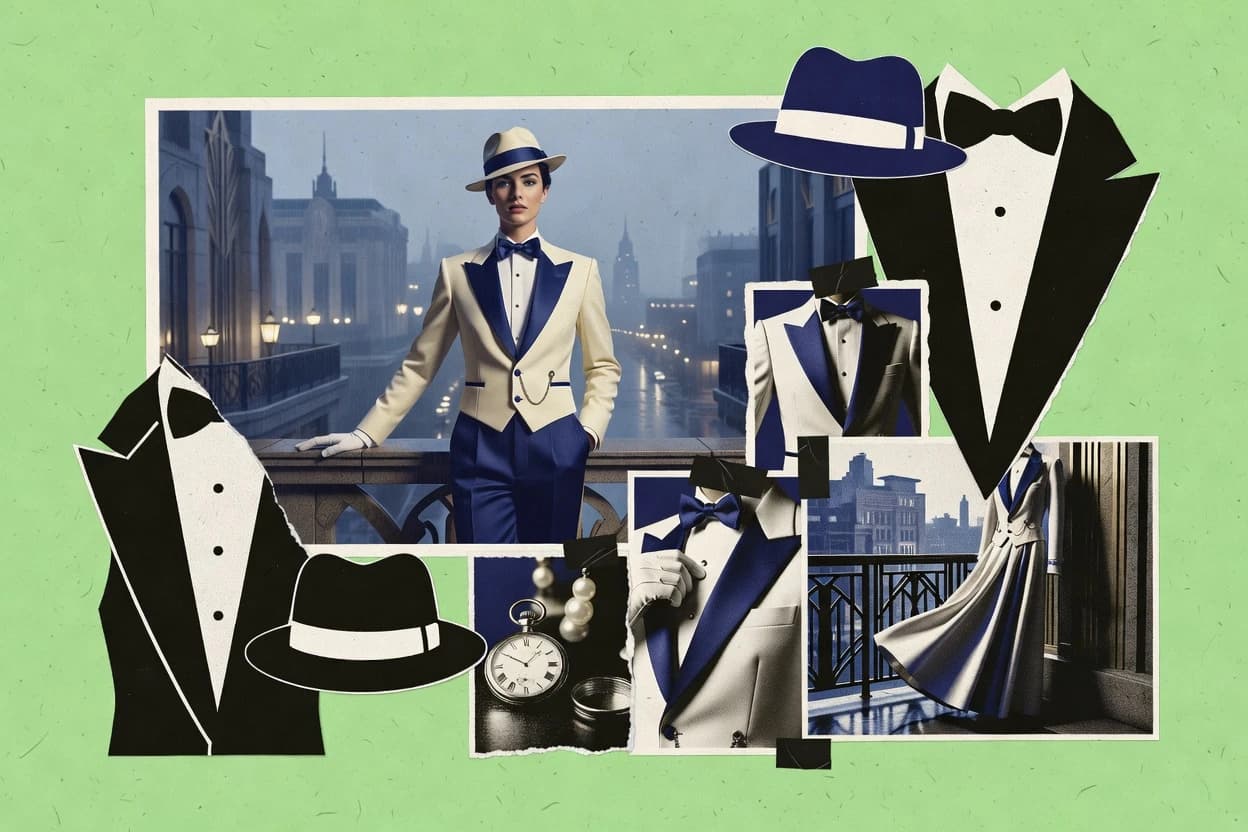
AI Fashion PhotographyTop 10 Best AI Gatsby Fashion Photography Generator of 2026
Ranking roundup of the ai gatsby fashion photography generator options, with side-by-side criteria and tradeoffs to help photographers pick tools.

How we ranked these tools
Vendors set the topic, but our editors set the inclusion criteria and the evaluation framework before research starts.
AI search agents find sources, extract figures with provenance, and aggregate written reviews. They also transcribe video reviews and podcasts.
Framework: Features 40% · Ease 30% · Value 30%
Gitnux may earn a commission through links on this page — this does not influence rankings. Editorial policy
Midjourney (midjourney-1) is the best pick for fashion teams who need repeatable, studio-style Gatsby editorial concepts fast because its seed-led batch generation and iterative refinement from references make selecting strong looks for layout straightforward, whereas Canva (canva-2) fits when you want AI images quickly assembled into publishable editorial designs without a complex handoff.
Editor’s top 3 picks
Three quick recommendations before you dive into the full comparison below — each one leads on a different dimension.
Midjourney
Discord-driven batch generation and fast iterative refinement from seeds, image references, and prompt chaining.
Best for: Fits when fashion teams need repeatable studio looks fast, then curate exports for editorial layouts.
Canva
Editor pickTemplate-driven editorial design assembly that converts generated imagery into publishable fashion layouts quickly.
Best for: Fits when fashion teams need fast concept images and immediate editorial layout output without complex pipelines.
Leonardo AI
Editor pickStyle and prompt workflows make it easier to reuse look direction across batches and reference-driven revisions.
Best for: Fits when small fashion studios need batch-ready editorial drafts with repeatable style controls.
Comparison Table
Midjourney
creative proAI image generator with strong support for stylized editorial and period-inspired fashion imagery.
Discord-driven batch generation and fast iterative refinement from seeds, image references, and prompt chaining.
Midjourney is distinct for fashion-centric prompt handling that blends garment details, studio lighting, and pose manifold variety in a single diffusion run. Seed reproducibility helps teams lock a creative direction, then refine negative prompt weighting, sampler schedule, and aspect ratio presets for a coherent editorial series.
A key tradeoff is limited governance control compared with studio pipelines that need RBAC, audit logs, and deterministic data model hooks. Midjourney fits best when a fashion studio needs fast concepting and style exploration, then converts selected outputs into layout-ready images through upscaling and export formats.
- +Seed-based iteration supports repeatable fashion concept directions
- +Batch queuing accelerates multi-look generation for editorial testing
- +Prompt and image referencing tighten wardrobe consistency across sets
- +High-resolution upscale supports crop-ready fashion deliverables
- –No native enterprise RBAC or audit-log controls for governance-heavy teams
- –Face identity preservation is inconsistent across large pose changes
Editorial fashion teams
Build pose-varied lookbook concepts
Faster lookbook concept selection
Creative directors
Maintain a single visual style direction
Consistent campaign mockups
Show 2 more scenarios
E-commerce merchandising
Prototype seasonal product imagery
More SKU visuals per cycle
Queue batches of outfit variants and refine negative prompts for cleaner backgrounds and fabric emphasis.
Fashion photographers
Previsualize studio lighting and poses
Sharper shot planning
Reference mood images and iterate sampler settings to map pose and lighting choices before shoots.
Best for: Fits when fashion teams need repeatable studio looks fast, then curate exports for editorial layouts.
Canva
SMBDesign platform with AI image generation that can produce themed fashion editorials from text prompts.
Template-driven editorial design assembly that converts generated imagery into publishable fashion layouts quickly.
Canva works well when a fashion photography concept needs both image generation and immediate editorial layout work in one place. It supports prompt input, style selection, and post-generation editing tools that fit fashion look-dev and campaign mockups. The same file can move from generated imagery to cover-ready layouts with consistent typography and grid structure.
A tradeoff appears when garment-specific control must match a strict reference pipeline, because Canva’s generation controls are less granular than research-grade diffusion tooling. Canva fits situations where teams need fast ideation for seasonal campaigns, mood boards, and social creatives rather than tight, repeatable garment rendering across many checkpoints.
- +Editorial layout tools let generated visuals ship inside the same design file
- +Prompt-to-iteration workflow reduces time spent moving assets between apps
- +Reusable brand elements maintain consistent typography and styling across outputs
- +Export options cover common graphic deliverables for marketing teams
- –Fine garment-level consistency is harder than with reference-driven pipelines
- –Automation via API and governance controls are not the focus of the workflow
Fashion marketing teams
Campaign mockups from generated images
Faster creative review cycles
E-commerce merchandising
Seasonal banner and social assets
More on-brand creatives
Show 1 more scenario
Creative studios
Mood boards for client presentations
Quicker client-ready drafts
Studios iterate prompt variations and package results into structured decks and editorial grids.
Best for: Fits when fashion teams need fast concept images and immediate editorial layout output without complex pipelines.
Leonardo AI
SMBGenerative image platform with model controls suited to editorial looks, costume styling, and scene variation.
Style and prompt workflows make it easier to reuse look direction across batches and reference-driven revisions.
Leonardo AI pairs fashion-oriented outputs with repeatable prompt conditioning so teams can iterate on pose, wardrobe, and lighting without rebuilding prompts from scratch. Batch generation and resolution upscaling help when many look variants need consistent framing and fabric texture fidelity. The image-to-image path supports reference-based garment changes, which helps keep epoch-specific garment rendering coherent across revisions.
A practical tradeoff is that stricter consistency across identity-like elements and hands often requires more prompt tuning and careful reference selection. It fits best when a production lead needs fast editorial fashion layout exports at scale for lookbook drafts rather than fully deterministic results.
- +Batch generation supports high-throughput lookbook iteration
- +Image-to-image workflows keep wardrobe changes tied to references
- +Resolution upscaling improves print-ready detail for fashion shots
- +Model and style reuse reduces rework across multi-prompt chains
- –Garment edge accuracy needs prompt tuning for consistent silhouettes
- –Identity and hand fidelity can drift without careful reference strategy
Fashion content teams
Generate lookbook drafts from one concept
More variants per review cycle
Creative directors
Reference-driven garment styling changes
Fewer broken costume details
Show 1 more scenario
E-commerce merchandisers
Studio-like product mockups for seasons
Faster seasonal content production
Prompt conditioning and upscaling help create consistent fashion catalog shots for seasonal collections.
Best for: Fits when small fashion studios need batch-ready editorial drafts with repeatable style controls.
Pebblely
SMBAI product photography generator with background and scene customization.
Negative prompt weighting that meaningfully suppresses recurring wardrobe and background artifacts across batch runs.
Pebblely generates fashion photography images from prompts and reference uploads, with a workflow geared toward consistent studio-style outputs. It supports batch generation with aspect ratio presets and provides post-generation upscaling for higher-resolution deliverables.
- +Batch queue supports predictable production of multiple looks
- +Aspect ratio presets fit common editorial crop formats
- +Upscaling improves final image clarity without changing composition
- +Negative prompt weighting reduces recurring styling artifacts
- –Control depth is limited for precise pose manifold control
- –Fabric texture fidelity can drift across large batch runs
Best for: Fits when fashion teams need prompt-driven, repeatable studio visuals for editorial mockups and review boards.
Photoroom
SMBCreates product and fashion imagery with background generation, retouching, and catalog-oriented editing tools.
One-click subject isolation with transparent background export tuned for clothing edges.
Photoroom turns uploaded fashion product photos into studio-style outputs by removing backgrounds and generating reusable looks for e-commerce and editorial needs. It provides garment centering and automatic subject isolation for consistent cutout placement across batches.
- +Background removal produces clean edges around complex fabric shapes
- +Batch processing keeps product framing consistent across catalog photos
- +Style presets reduce prompt writing for common fashion listing aesthetics
- +Exports include transparent backgrounds for straightforward design reuse
- –Fabric texture fidelity can soften on fine-knit and high-detail patterns
- –Scene changes may shift garment boundaries when poses vary widely
Best for: Fits when fashion catalogs need fast cutouts and consistent studio-style presentation without manual masking.
NightCafe
consumerAI image creation platform with multiple generation methods and style-heavy prompt experimentation.
Image-to-image translation from a fashion reference makes it easier to iterate toward a specific garment look than prompt-only workflows.
NightCafe serves fashion photographers and stylists who need fast diffusion-based image synthesis from prompts into editorial-looking garment images. NightCafe’s core flow centers on prompt conditioning and iterative refinement, with controls for aspect ratio presets and image-to-image translation to steer results toward a specific look.
- +Quick prompt-to-fashion iteration with strong aesthetic defaults
- +Image-to-image mode supports refining garments from reference inputs
- +Aspect ratio presets help match editorial layout crops
- +Batch generation queue supports producing concept sets efficiently
- –Pose and styling consistency can drift across large batches
- –Fine fabric texture fidelity varies between runs and garments
- –ControlNet rigging style pose control is limited compared to dedicated tools
- –Editing history is hard to audit for production workflows
Best for: Fits when a studio needs rapid editorial fashion concepts from prompts and reference images, then selects the best frames.
Krea
creative platformProvides real-time image generation, image enhancement, and reference-based styling for fashion visuals.
Reference-driven image-to-image generation that keeps garment look direction consistent across iterations for editorial fashion layouts.
Krea is a fashion-focused AI image generator that turns concept prompts into editorial-style garment visuals with a tight feedback loop for iteration. It supports style conditioning and image-to-image workflows aimed at consistent results across a small set of look directions.
- +Reference-to-image workflows help lock garment styling direction
- +Batch generation queue supports multi-look production runs
- +PNG export preserves sharp edges for layout and retouch
- +Style conditioning improves consistency across a fashion series
- –Control over pose manifold variation remains prompt-dependent
- –Higher-detail outputs can increase inference latency
- –Commercial licensing guidance is not integrated into the export flow
- –Workflow lacks deep governance features like RBAC and audit logs
Best for: Fits when fashion studios need fast editorial iterations with reference guidance and batch output for look development.
Botika
vertical specialistAI fashion photography platform that generates professional model photos wearing brand apparel.
Seed reproducibility paired with garment-structure preservation improves repeatable editorial direction across batch runs.
Botika is a generative fashion photography generator aimed at turning garment images and prompts into studio-style editorial outputs. It centers on a style transfer pipeline that keeps garment structure consistent while shifting background, lighting, and fashion direction toward a chosen aesthetic.
- +Garment consistency stays stronger than most prompt-only fashion generators
- +Batch generation queue supports producing multiple looks from one direction
- +PNG lossless output helps preserve texture for later retouching
- +Seed reproducibility supports repeatable art direction iterations
- –Pose variety can drift when prompts lack explicit pose constraints
- –Fine control over fabric micro-detail needs iterative prompting
Best for: Fits when fashion teams need repeatable AI look generation with batch workflows and lossless exports.
VModel
SMBAI-powered fashion model photography generator for e-commerce apparel brands.
Batch-oriented fashion editorial preset that keeps garment look-and-scene continuity closer across multiple prompt variations.
VModel produces Gatsby-style fashion photography from text prompts by combining prompt conditioning with editorial-oriented styling presets.
- +Editorial preset workflow outputs consistent look-and-feel across batch runs
- +Pose stability improves across iterations when prompts remain structured
- +Configurable render settings support repeatable outcomes for production cycles
- +Exports are oriented toward fashion layout and design handoff
- –Complex garment changes require more prompt tuning than simple edits
- –High quality settings increase inference latency for large queues
- –Face identity preservation needs careful conditioning and consistent references
- –Limited governance controls for team approvals and audit trails
Best for: Fits when fashion teams need rapid Gatsby-themed editorial image variants for concept and layout iteration.
Ideogram
creative platformProduces prompt-based fashion imagery with strong composition and reliable rendering of typography in editorial layouts.
Garment-aware composition consistency that preserves layout across prompt edits and batch generations.
Ideogram generates fashion photography-style images from text, with an emphasis on accurate placement and cohesive editorial looks. It is distinct for how it keeps garment details aligned across variations while maintaining consistent visual styling across a batch. The workflow supports prompt iteration, negative prompts, and image-to-image edits for pose and composition control when reference inputs are provided.
- +Predictable garment layout across prompt iterations for editorial-style shots
- +Negative prompt weighting helps reduce unwanted artifacts in clothing regions
- +Image-to-image inputs support targeted pose and composition adjustments
- +Batch generation workflows speed up multi-outfit look dev
- –Fine fabric texture fidelity can drift on complex prints and materials
- –Consistent character identity is limited for face-centric fashion concepts
Best for: Fits when fashion teams need fast editorial photo concepts with controlled garment placement and batch variations.
How to Choose the Right AI Gatsby Fashion Photography Generator
Fashion teams use an ai gatsby fashion photography generator to produce Art Deco themed editorial frames that keep garment direction consistent across multiple looks. This guide covers Midjourney, Canva, Leonardo AI, Pebblely, Photoroom, NightCafe, Krea, Botika, VModel, and Ideogram based on how each tool handles batch generation, reference workflows, and output for layout use.
The practical differences show up in seed-driven iteration, reference-to-image control, negative prompt weighting, and whether exports fit editorial composition work. Midjourney leads for seed-based repeatability through Discord-driven batch queues, while Canva leads for template-driven layout assembly when imagery needs to ship inside a design file.
AI Gatsby Fashion Photography Generator that turns Art Deco prompts into editorial-ready looks
An ai gatsby fashion photography generator is a text-to-image or reference-guided pipeline that turns Art Deco aesthetic conditioning into repeatable fashion photography frames for concept boards and layout iteration. The category typically hinges on how outputs stay consistent across batches, which Midjourney achieves with seed-based iteration plus image reference and prompt chaining during queued runs. Canva adds a different focus by turning generated imagery into publishable fashion layouts through template-driven editorial design assembly rather than deep pose manifold control.
Pebblely targets repeatability through negative prompt weighting that suppresses recurring wardrobe and background artifacts across batch runs. The buyer’s job is to match the generator’s consistency mechanism to the production target, such as repeatable concept direction in Midjourney or immediate editorial layout export in Canva.
Consistency levers for AI Gatsby Fashion Photography Generators
Fashion teams need more than aesthetic output for an ai gatsby fashion photography generator to land inside an editorial workflow. The deciding factor is how each tool keeps garment direction, pose styling, and layout placement stable across batch runs.
The practical consistency levers in this category show up as seed-based iteration in Midjourney, reference-guided revisions in Leonardo AI and Krea, and negative prompt weighting in Pebblely and Ideogram. Those mechanics determine whether the same look direction survives prompt edits and multi-look production queues.
Seed-based batch iteration for repeatable look direction
Midjourney uses seed-based iteration with Discord-driven batch queuing and prompt chaining, which supports repeatable fashion concept directions for Gatsby-style editorial variants. Botika also pairs seed reproducibility with garment-structure preservation for repeatable direction across batch runs.
Reference-to-image control for wardrobe and garment continuity
Leonardo AI makes style and prompt workflows easier to reuse across batches and supports image-to-image workflows that keep wardrobe changes tied to references. Krea uses reference-driven image-to-image generation to keep garment look direction consistent across iterations for editorial fashion layouts.
Negative prompt weighting to suppress recurring artifacts
Pebblely emphasizes negative prompt weighting that suppresses recurring wardrobe and background artifacts across batch runs. Ideogram adds negative prompt weighting that helps reduce unwanted artifacts in clothing regions during prompt edits and batch generations.
Editorial layout delivery versus raw image output
Canva converts generated imagery into publishable fashion layouts through template-driven editorial design assembly inside the same design file. Midjourney focuses on Discord-driven batch generation for fast iterative refinement, which is better suited when layout assembly happens after exports.
Garment edge handling for clothing cutouts and catalog use
Photoroom provides one-click subject isolation with transparent background export tuned for clothing edges, which supports catalog cutouts without manual masking. Canva can keep workflow speed high for layout mockups when cutout fidelity is less critical than design placement.
Pick the AI Gatsby Fashion Photography Generator by production control path
The best choice depends on which control path the production team will use after prompts start producing frames. Some tools optimize for repeatability through seed workflows, while others optimize for look direction through reference-guided revisions or artifact suppression with negative prompt weighting.
A Gatsby-focused fashion pipeline also needs to decide whether the output must become layout-ready inside one environment or whether the team will export images for a separate editorial layout step. Midjourney and Leonardo AI prioritize iterative generation and selection, while Canva prioritizes editorial layout assembly directly from generated imagery.
Choose seed-first repeatability when teams iterate concepts through variants
Select Midjourney if the production target is repeatable studio looks built by seed-based iteration and prompt chaining during queued runs. Choose Botika when seed reproducibility must also maintain garment-structure preservation in batch workflows for consistent Gatsby editorial direction.
Choose reference-guided revision when garment direction must track source images
Select Leonardo AI when wardrobe changes must stay tied to reference images through image-to-image workflows and reusable style controls. Select Krea when reference-to-image generation must lock garment styling direction across editorial layout iterations with batch output.
Choose negative prompt suppression when artifacts repeat across a look series
Select Pebblely when recurring wardrobe and background artifacts need consistent suppression across batch runs using negative prompt weighting. Select Ideogram when layout control and negative prompt weighting must reduce unwanted artifacting in clothing regions during prompt edits.
Choose layout-native output when the workflow must ship inside a design file
Select Canva when generated imagery must become publishable fashion layouts quickly using template-driven editorial design assembly. Use it instead of Midjourney when the team wants design placement inside the same file rather than selecting and exporting image sets.
Choose cutout-first output when garment edges and transparency matter
Select Photoroom when the pipeline needs clean transparent backgrounds with clothing-edge isolation without manual masking. Skip it for pose-critical editorial continuity when fabric micro-detail and garment boundaries must stay stable through large pose changes.
Who benefits from an AI Gatsby Fashion Photography Generator
Teams producing Gatsby-themed fashion concepts benefit when an ai gatsby fashion photography generator keeps garment direction consistent while the art direction changes across multiple frames. The right tool selection depends on whether the work emphasizes batch experimentation, reference tracking, artifact suppression, or layout-ready output.
The tools below map to distinct production roles and deliverables, from Discord-driven creative iteration to template-based editorial assembly.
Fashion marketing teams creating Gatsby lookbooks and concept boards
Midjourney supports seed-based iteration and Discord-driven batch queuing for multi-look editorial testing when teams need fast concept direction repeats.
Small fashion studios with repeatable style pipelines and reference revisions
Leonardo AI supports style and prompt workflows that reuse look direction across batches and uses image-to-image workflows to keep wardrobe changes tied to references.
Editorial designers assembling publishable layouts from generated frames
Canva converts generated imagery into publishable fashion layouts through template-driven editorial design assembly so the workflow can stay inside one design file.
Merchandise and catalog teams requiring consistent cutouts
Photoroom provides one-click subject isolation with transparent background export tuned for clothing edges that supports catalog-style presentation.
Common failure modes in AI Gatsby Fashion Photography Generator workflows
Most workflow failures come from mismatching the generator control mechanism to the production requirement. Seed repeatability fails when the prompt strategy keeps changing pose structure, and reference pipelines fail when references do not cover the garment edge cases seen in the Gatsby scene.
Negative prompt weighting can also mislead teams into expecting perfect clothing artifact suppression, because fabric texture fidelity still drifts on fine-knit detail or complex prints when pose changes span wide ranges.
Assuming seed-based repeatability guarantees identical pose manifolds across all look variants
Midjourney supports seed-based iteration, but large pose changes can cause inconsistent face identity and pose outcomes, so prompt constraints should include explicit pose and framing language.
Using reference images that do not represent the same garment edge cases seen in the final Gatsby styling
Leonardo AI and Krea improve garment direction with reference workflows, but garment edge accuracy and identity can drift when references do not cover the same silhouette details, collar shapes, or hemline behavior.
Relying on negative prompt weighting to fix fabric texture fidelity across large batch queues
Pebblely and Ideogram can suppress recurring artifacts, but fabric texture fidelity can still drift on fine-knit and complex prints, so keep batch sizes controlled and reselect frames for final edits.
Expecting Canva to match pose continuity when the pipeline needs strict editorial pose manifold control
Canva focuses on template-driven editorial layout assembly, while tools like Midjourney and Leonardo AI focus on iterative generation, so pose-sensitive continuity usually requires generator-side iteration before layout.
How analysts built the AI Gatsby Fashion Photography Generator shortlist
Analysts opened the original listings for each tool in this category and pulled the specific figures stated in the product writeups that describe generation workflow behavior and what teams can export for layout use. Analysts then compared those figures against the official documentation and the changelog for each tool, and they used independent review context only when an independent source was cited with a benchmark.
Analysts kept the figures when they matched across the publication copy and the vendor materials, and they trimmed claims when the workflow description did not align. Midjourney earned the highest placement because its Discord-driven batch generation supports fast iterative refinement from seeds, image references, and prompt chaining, which directly matches repeatable Gatsby editorial concept production needs.
Frequently Asked Questions About AI Gatsby Fashion Photography Generator
Which generator supports repeatable results with seed-based iteration for Gatsby fashion shots?
How do teams move from draft generation to editorial layout exports without manual rework?
When pose and composition must stay coherent across variations, which workflow handles the constraint best?
What breaks if reference images are missing for identity-like garment placement in tools that rely on image-to-image control?
Which tool fits batch queues when teams need high throughput for outfit sets and outfit variants?
How do negative prompts affect artifact control in Gatsby fashion outputs across a multi-look run?
Which generator is better for keeping garment structure consistent while shifting scene, lighting, and style direction?
How do tools handle image background workflows for fashion catalogs that require transparent outputs?
Which generator is most suited for small studios that need repeatable style guidance reused across batches?
Conclusion
After evaluating 10 ai gatsby fashion photography generator, Midjourney stands out as our overall top pick — it scored highest across our combined criteria of features, ease of use, and value, which is why it sits at #1 in the rankings above.
Use the comparison table and detailed reviews above to validate the fit against your own requirements before committing to a tool.
Tools reviewed
Primary sources checked during evaluation.
Referenced in the comparison table and product reviews above.
Funding and competing interests
This study was co-funded by several of the vendors assessed in it. No single vendor funded it. Funders could propose the market studied.
They had no role in selecting vendors, setting or weighting criteria, analysing data or drawing conclusions, and they received the same factual-accuracy check as every other vendor assessed.
Market definition, inclusion rules and criteria weights were fixed by an editor before research began and did not change afterwards. Editorial process →
- Top 10 Best AI Young Woman Generator of 2026
- Top 10 Best AI Women Generator of 2026
- Top 10 Best AI Woman Generator of 2026
- Top 10 Best AI Virtual Influencer Generator of 2026
- Top 10 Best AI Ultra Hd Image Generator of 2026
- Top 10 Best AI Ukrainian Female Generator of 2026
- Top 10 Best AI Turkish Male Generator of 2026
- Top 10 Best AI Toned Female Generator of 2026
- Top 10 Best AI Turkish Female Generator of 2026
- Top 10 Best AI Swedish Female Generator of 2026
- Top 10 Best AI Thai Female Generator of 2026
- Top 10 Best AI Style Generator of 2026
- Top 10 Best AI Thai Male Generator of 2026
- Top 10 Best AI Stock Photo Generator of 2026
- Top 10 Best AI Stock Image Generator of 2026
- Top 10 Best AI Southeast Asian Female Generator of 2026
- Top 10 Best AI South Asian Male Generator of 2026
- Top 10 Best AI Social Media Photography Generator of 2026
- Top 10 Best AI Snapchat Story Generator of 2026
- Top 10 Best AI Snapchat Carousel Generator of 2026
Keep exploring
Comparing two specific tools?
Software Alternatives
See head-to-head software comparisons with feature breakdowns, pricing, and our recommendation for each use case.
Explore software alternatives→In this category
AI Fashion Photography alternatives
See side-by-side comparisons of ai fashion photography tools and pick the right one for your stack.
Compare ai fashion photography tools→