GITNUXSOFTWARE ADVICE
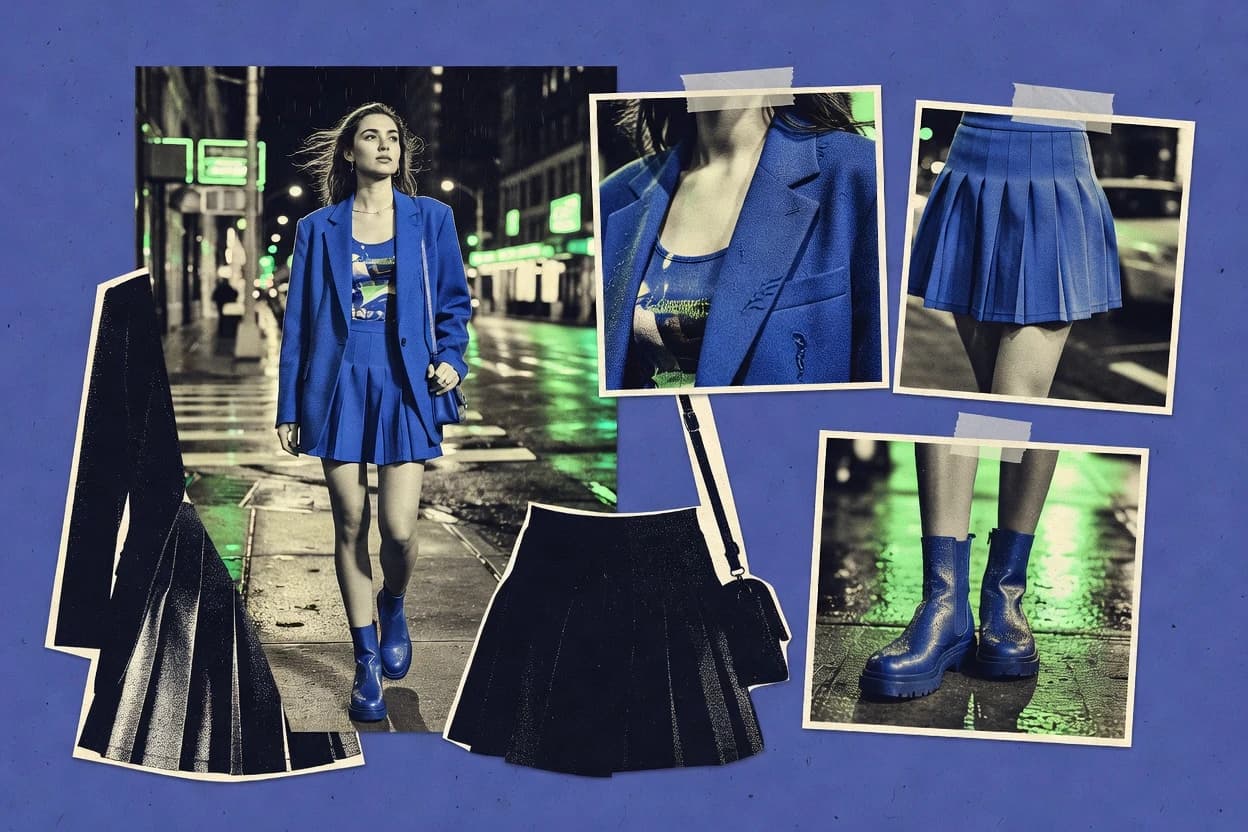
AI Fashion PhotographyTop 10 Best AI Downtown Girl Fashion Photography Generator of 2026
Ranking-style roundup of the ai downtown girl fashion photography generator tools like Midjourney, with strengths, limits, and use cases for creators.

How we ranked these tools
Vendors set the topic, but our editors set the inclusion criteria and the evaluation framework before research starts.
AI search agents find sources, extract figures with provenance, and aggregate written reviews. They also transcribe video reviews and podcasts.
Framework: Features 40% · Ease 30% · Value 30%
Gitnux may earn a commission through links on this page — this does not influence rankings. Editorial policy
Photoroom is the best pick for fashion teams cranking out downtown lookbook variations because its one-click cutout and background swap keeps repeated subject outputs clean and usable, whereas Flair AI fits when you want prompt-driven downtown street-style ideation with consistent outfit styling.
Editor’s top 3 picks
Three quick recommendations before you dive into the full comparison below — each one leads on a different dimension.
Photoroom
One-click subject cutout plus background replacement that stays usable across repeated lookbook outputs.
Best for: Fits when fashion teams need quick studio and street-style image variation at high volume.
Flair AI
Editor pickPrompt-based downtown street-style image generation with consistent outfit styling across repeated variations.
Best for: Fits when fashion teams need rapid downtown street-style visual ideation without model customization.
Midjourney
Editor pickSeed-based repeats that keep characters and urban composition consistent across outfit variation iterations.
Best for: Fits when fashion teams need fast downtown lookbook drafts and repeatable visual exploration.
Comparison Table
Photoroom
SMBGenerates product scenes and marketing images with background replacement, retouching, and AI expansion.
One-click subject cutout plus background replacement that stays usable across repeated lookbook outputs.
Photoroom supports practical pre-processing for fashion editorial composition by cutting out subjects, cleaning edges, and swapping backgrounds to match urban backdrop generation goals. It also supports repeatable staging through aspect ratio presets and resolution upscaling for share-ready outputs across common lookbook formats. The workflow depth tends to suit marketing teams that need turnaround time and controlled styling rather than deep model editing.
A clear tradeoff appears in limited low-level conditioning control compared with systems that expose ControlNet conditioning or LoRA fine-tuning knobs. Teams still get strong results for outfit variation rendering when they start with clear, well-lit subject photos. For workflows that need strict garment fidelity across extreme pose changes, manual re-shoots or multiple iterations are often required.
- +Fast cutout and edge cleanup for fashion subjects
- +Background swap workflows that fit urban street-style sets
- +Batch-friendly output generation for multiple outfit options
- +Aspect ratio presets reduce crop churn for lookbooks
- –Limited ControlNet conditioning style controls for exact scene structure
- –Harder to preserve fine garment texture under large changes
E-commerce merchandising teams
Create downtown girl lookbook variations
Faster seasonal lineup updates
Content creators
Produce consistent outfit thumbnails
Less manual retouching time
Show 1 more scenario
Social media marketers
Refresh campaign hero images quickly
More campaign creative options
Marketers reuse cutouts to update backgrounds and compositions while keeping subject focus stable.
Best for: Fits when fashion teams need quick studio and street-style image variation at high volume.
Flair AI
vertical specialistBuilds branded product and fashion compositions using models, garments, props, and scene layouts.
Prompt-based downtown street-style image generation with consistent outfit styling across repeated variations.
Flair AI fits teams that want consistent street-style aesthetic outputs for fashion editorial composition without building a custom diffusion pipeline. It is strongest when a prompt can encode the scene, outfit mood, and styling intent, then be iterated across multiple looks for a lookbook or campaign moodboard. The result tends to stay coherent across variations when prompts share structure and the same subject framing is used repeatedly.
A tradeoff appears when the goal is precise garment fidelity or strict pose guidance, since Flair AI relies on prompt conditioning and has limited ways to constrain anatomy-level details. Flair AI works well when the priority is fast downtown girl fashion ideation for social assets and early creative review, while pixel-accurate fixes are better handled by downstream editors or inpainting tools.
- +Fast prompt-driven outfit variation rendering for editorial look exploration
- +Downtown street-style aesthetic consistency across iterative generations
- +Urban backdrop framing helps maintain scene coherence
- –Garment fidelity can drift under highly specific styling constraints
- –Advanced constraint workflows like face-level consistency need extra prompt iterations
Fashion creative directors
Downtown lookbook concept generation
Shortlisted concepts for art direction
E-commerce merchandising teams
Seasonal outfit variation sets
More visual options per campaign
Show 1 more scenario
Social media marketers
Street-style content batch creation
Higher campaign asset throughput
Create repeatable downtown girl scenes with slight styling changes to fill content calendars efficiently.
Best for: Fits when fashion teams need rapid downtown street-style visual ideation without model customization.
Midjourney
generalistAI image generator known for producing stylized, high-aesthetic character and fashion imagery from text prompts.
Seed-based repeats that keep characters and urban composition consistent across outfit variation iterations.
Midjourney is geared toward diffusion-based text-to-image synthesis where prompt engineering drives subject appearance, outfit details, and urban backdrop generation. It supports generation controls that matter for fashion shoots, including aspect ratio presets and resolution upscaling for output meant for layout work. Seed reproducibility helps maintain consistent characters and compositions across iterations when building outfit variations for lookbook drafts.
A tradeoff is that garment fidelity can drift across variations when prompts specify complex logos, exact fabric textures, or highly specific dress patterns. Midjourney fits best when fashion teams need fast batch generation for street-style moodboards, then refine a small subset for final editing using a consistent seed and tighter prompt constraints.
- +Strong editorial street-style composition from short prompts
- +Seed reproducibility supports repeatable outfit variation exploration
- +Aspect ratio presets reduce cropping work for lookbook layouts
- +Resolution upscaling improves usable output clarity
- –Garment fidelity can slip on intricate prints and logos
- –API surface is limited for automation and integration-heavy workflows
Fashion editors and stylists
Downtown lookbook concept generation
Shortlist of strongest frames
Fashion marketers
Street-style ad creative exploration
Creative options for campaigns
Show 1 more scenario
Creative directors
Urban backdrop and lighting tests
Moodboard-ready visual sets
Produce batches that vary skyline and street lighting conditions to match brand references.
Best for: Fits when fashion teams need fast downtown lookbook drafts and repeatable visual exploration.
Adobe Firefly
enterpriseCreates fashion imagery with text prompts, reference images, generative fill, and composition controls.
Generations can be refined with inpainting to correct specific fashion and scene elements without restarting the whole prompt cycle.
Adobe Firefly is an image-generation workspace tied to Adobe’s creative ecosystem, with prompt-to-photo creation focused on predictable visual results. It supports text-to-image prompting for fashion editorial scenes, including urban backdrop generation and lighting condition control.
- +Fashion editorial images stay aligned to described garment details
- +Inpainting supports fixing hands, logos, and wardrobe seams after generation
- +Lighting condition prompts translate into recognizable street-style contrast
- +Works efficiently for batch generation of outfit variations from one concept
- –Face consistency degrades across large batches when outfits vary heavily
- –Pose guidance control is less precise than dedicated conditioning workflows
- –Complex multi-subject scenes can drift in wardrobe fidelity
- –Integration depth can depend on Adobe ecosystem assets and file handoffs
Best for: Fits when fashion teams need fast, edit-friendly downtown street-style photography variations inside an Adobe workflow.
Canva
SMBGenerates fashion visuals and campaign layouts with AI image creation and template-based editing.
AI image output placed directly into Canva page layouts for instant street-style lookbook and social grid production.
Canva generates AI fashion imagery within a visual design workflow that mixes prompt-based image creation with layout, typography, and brand assets. It supports style variation by re-running prompts inside a page-based editor, and it can place generated fashion shots into editorial grids and social formats without exporting to another tool.
- +Prompt-to-image output drops directly into editable editorial layouts
- +Templates and brand kits keep fashion lookbook consistency across pages
- +One canvas supports typography, crop, and background art direction
- +Variation iterations are fast because edits stay in the same workflow
- –Fine garment fidelity and fabric texture control is limited versus specialized generators
- –No direct seed reproducibility control for repeatable shoots
- –API access and automation hooks are not geared for batch fashion shoots at scale
- –Face and pose consistency across multiple outfit sets can drift
Best for: Fits when a small creative team needs quick AI fashion photography concepts inside an editorial layout workflow.
insMind
SMBCreates and edits product and fashion images with virtual models, backgrounds, and retouching.
Street-style prompt conditioning that keeps lighting, pose, and outfit styling aligned across an editorial series.
insMind targets fashion photographers who need rapid downtown girl street-style outputs with editorial composition cues. It generates outfits and scenes from text prompts while offering controls that keep lighting, pose, and styling closer to the requested look.
- +Prompt iteration quickly shifts outfits, stance, and street backdrop
- +Consistent character framing supports editorial lookbook-style series
- +Lighting and weather cues follow prompt wording better than many generators
- +Batch generation speeds up outfit variation for one concept
- –Garment textures can drift when prompts push strong style transfer
- –Long concept sessions need tighter prompt control to reduce variance
- –Face consistency weakens across larger batch sizes
- –Advanced automation and API integration controls are limited for studios
Best for: Fits when a fashion photographer needs fast downtown lookbook concepts and outfit variations without heavy production overhead.
Mage.space
vertical specialistWeb-based Stable Diffusion interface providing access to thousands of community models for stylized image generation.
Downtown fashion photography prompt-to-scene workflow that keeps outfit presentation readable while swapping urban backdrops.
Mage.space focuses on AI fashion photography generation with a fashion-editorial street-style look, built around prompts that map to full scenes rather than single objects. It supports rapid outfit variation rendering so teams can iterate across poses, styling, and urban backdrop compositions without rebuilding prompts each time.
- +Fashion-editorial street-style compositions that feel tailored to downtown fashion shoots
- +Fast outfit variation rendering that reduces repeated prompt crafting
- +Prompting that keeps garment styling more consistent across scene changes
- +Scene-focused generations that better match lookbook-style batch workflows
- –Pose and lighting condition control can drift for more extreme prompt changes
- –Advanced customization options are limited compared with lower-level generative pipelines
Best for: Fits when fashion teams need quick downtown lookbook variations with consistent garment styling and urban scenes.
Ideogram
creative platformGenerates photorealistic fashion scenes from prompts with image references and composition guidance.
Prompt-to-fashion rendering that translates downtown street lighting and wardrobe wording into consistent editorial compositions.
Ideogram focuses on turning text prompts into fashion photography with editorial street-style output that fits downtown girl aesthetics. The workflow centers on prompt-driven image generation with style-focused controls that help keep wardrobe and scene consistent across related shots.
- +Fast iteration from prompt changes to fashion-photo compositions
- +Street-style backgrounds and lighting cues translate reliably
- +Tighter garment direction than generic text-to-image tools
- +Consistent results across closely related outfit variants
- –Face consistency can drift across larger variant sets
- –Pose guidance is less exact for specific stance requests
- –Complex layering details can blur or merge in the garment
- –Advanced automation and governance controls are limited
Best for: Fits when prompt-driven fashion editorial images need quick outfit and location iteration without manual image editing.
Niji Journey
vertical specialistImage generation service focused on anime and illustrative styles, capable of producing stylized character art.
Prompting tuned for downtown girl fashion editorials, producing street-scene compositions with consistent outfit styling.
Niji Journey generates downtown girl street-style fashion images from text prompts, with an emphasis on editorial composition and urban backdrops. It produces consistent outfit-focused results by applying a stylized anime-adjacent look to fashion photography scenarios.
- +Strong downtown street-style aesthetics with consistent editorial framing
- +Batch prompt iteration for outfit and scene variation sets
- +Outfit detail preservation across variations in a single prompt theme
- +Clear prompt controls that translate into predictable composition changes
- –Fine garment fidelity can degrade on complex layered outfits
- –Limited tooling for exact face identity consistency across many generations
Best for: Fits when fashion creators need fast downtown lookbook image variations from prompts.
NovelAI
vertical specialistAI storytelling platform with a built-in image generator focused on anime and character art.
Seed reproducibility plus inpainting edits make it practical to converge on a specific outfit across rerolls.
NovelAI focuses on text-to-image generation driven by prompt control and style conditioning, with a workflow tuned for narrative and character continuity rather than purely editorial layout tools. For downtown girl fashion photography prompts, it can produce street-style looks with consistent clothing motifs and repeatable scenes when prompts and seeds are kept stable.
- +Good character and outfit consistency across repeated prompt variations
- +Inpainting and outpainting support post-edit framing and garment fixes
- +Prompt-driven styling that fits street-style fashion scenes
- +Seed-based reproducibility helps iterate toward a specific look
- –Garment fidelity can drift without tight prompt control and regeneration
- –Pose guidance is indirect and may need multiple passes
- –Batch generation throughput depends on settings and model load
- –API and automation surface is limited for production pipelines
Best for: Fits when solo creators iterate on downtown fashion looks and need repeatable style control.
How to Choose the Right AI Downtown Girl Fashion Photography Generator
Fashion teams and solo creators use an ai downtown girl fashion photography generator to turn downtown street-style prompts into repeatable fashion-photo compositions and outfit variations. This guide focuses on ten tools with different control paths, including Photoroom for cutout and background replacement, Flair AI for prompt-based downtown outfit consistency, and Midjourney for seed-driven repeatability.
Other included tools cover image refinement and edits in Adobe Firefly, in-layout outputs in Canva, and series-style prompt conditioning in insMind. NovelAI adds seed reproducibility plus inpainting and outpainting for reroll convergence, while Mage.space, Ideogram, and Niji Journey target fast street-scene fashion rendering with varying degrees of face and garment stability.
AI Downtown Girl Fashion Photography Generator for street-style outfits and editorial scenes
An ai downtown girl fashion photography generator creates fashion-editorial, downtown street-style images from text-to-image prompting, with outputs tuned around outfit presentation, urban backdrops, and scene lighting cues. Photoroom targets high-volume workflows by combining one-click subject cutout with background replacement that remains usable across repeated lookbook outputs. Flair AI emphasizes prompt-driven downtown street-style image generation that keeps outfit styling consistent across iterative variations without model customization.
Tools like Midjourney use seed reproducibility to preserve characters and urban composition across outfit variation iterations, while Adobe Firefly adds inpainting to correct specific fashion and scene elements without restarting the whole prompt cycle. The core decision comes down to whether the workflow prioritizes cutout and background swapping, seed-based repeatability, or edit-in-place refinement for hands, logos, and wardrobe seams.
Control paths that keep downtown fashion outputs consistent
Downtown girl fashion photography generators differ most by how they preserve the subject across variations, since outfit styling, face stability, and garment texture often drift when users change only prompt text. Teams and solo creators get steadier results when the tool offers a control path aligned to the workflow stage, like cutout and background replacement or inpainting for hands and logos.
Cutout and background replacement stability
Photoroom supports one-click subject cutout plus background replacement that stays usable across repeated lookbook outputs. This suits fashion teams that need fast street-style sets without redoing the subject each time.
Prompt-driven outfit consistency across iterations
Flair AI focuses on prompt-based downtown street-style image generation with consistent outfit styling across repeated variations. This fits teams that want rapid editorial look exploration without model customization.
Seed-based repeatability for character and composition
Midjourney uses seed reproducibility to keep characters and urban composition consistent across outfit variation iterations. This supports repeatable exploration when the goal is a controlled lookbook draft.
Inpainting to correct specific fashion and scene elements
Adobe Firefly adds inpainting so fashion editors can fix hands, logos, and wardrobe seams after generation without restarting the prompt cycle. This matches workflows that need edit-in-place corrections rather than full rerolls.
In-layout generation for lookbooks and social grids
Canva delivers AI image output directly into Canva page layouts for instant street-style lookbook and social grid production. This fits small creative teams that need prompt-to-layout output in one workflow.
Pose and lighting alignment in editorial series
insMind emphasizes street-style prompt conditioning that keeps lighting, pose, and outfit styling aligned across an editorial series. This supports consistent framing when generating multiple images as a cohesive set.
Choose by control depth, reroll behavior, and integration shape
The fastest choice comes from matching the tool to the control point where the workflow breaks down, like subject isolation, garment fidelity, or repeatability across many variations. The same generator can feel consistent for quick sketches and unpredictable for high-fidelity editorial constraints, so the decision has to target the failure mode.
Pick the workflow stage where edits must be deterministic
Choose Photoroom if the workflow needs subject cutout and background replacement that stays usable across repeated lookbook outputs. Choose Adobe Firefly if the workflow needs inpainting to correct specific elements like hands, logos, and wardrobe seams without restarting the prompt cycle.
Lock repetition with seeds when the same scene must recur
Choose Midjourney when seed reproducibility matters for keeping characters and urban composition consistent across outfit variation iterations. Choose NovelAI when repeatability also needs inpainting plus inpainting and outpainting edits to converge on a specific outfit across rerolls.
Use prompt conditioning when outfit styling consistency is the priority
Choose Flair AI when prompt-based downtown street-style rendering must keep outfit styling consistent across iterative variations without model customization. Choose insMind when a series needs lighting and pose aligned with outfit styling through prompt conditioning.
Choose a layout-first output path when production is the bottleneck
Choose Canva when the output must land directly inside editable editorial layouts with templates and brand kits for multi-page consistency. This avoids a separate design handoff step for street-style lookbooks and social grid production.
Account for constraint gaps that can drift on complex details
Choose Midjourney when the tool’s repeatability outweighs garment fidelity risks on intricate prints and logos. Choose Adobe Firefly when garment and scene corrections outweigh the risk that face consistency can degrade across large batches with heavy outfit variation.
Match advanced customization needs to the tool’s control depth
Choose Photoroom for fast high-volume cutout and background swaps even when detailed scene-structure conditioning is limited. Choose Mage.space when a prompt-to-scene workflow must keep outfit presentation readable while swapping urban backdrops, while accepting that pose and lighting condition control can drift on more extreme prompt changes.
Who benefits from each downtown fashion control path
Different teams and creators optimize for different kinds of consistency, like stable subject isolation, seed-based repeats, or edit-in-place corrections. The tool choice should align to how the group produces street-style sets and how much manual post-editing they can absorb.
Fashion photo teams producing lookbooks at volume
Photoroom fits workflows that need one-click cutout plus background replacement across repeated lookbook outputs without rebuilding subjects each time.
Editors generating fast downtown outfit concepts from prompts
Flair AI fits teams that prioritize prompt-driven downtown street-style consistency for outfit styling across iterative variations without model customization.
Creators running repeatable visual explorations with controlled composition
Midjourney fits when seed reproducibility must keep characters and urban composition consistent across outfit variation iterations.
Studios that require post-generation fixes for hands, logos, and seams
Adobe Firefly fits teams that want inpainting to correct specific fashion and scene elements after generation instead of rerolling the entire prompt.
Small creative teams shipping images into ready-to-publish layouts
Canva fits groups that need prompt-to-image output dropped into editable page layouts for street-style lookbooks and social grid production.
Common failure modes when generating downtown girl fashion images
Most issues come from treating consistency as a single setting, even though face stability, garment texture, pose guidance, and background structure often respond differently to prompts. The fix is to choose a tool whose strongest control path matches the specific kind of drift the workflow triggers.
Using a prompt-only workflow when the subject must stay fixed across many variations
Choose a seed-based tool like Midjourney when repeatability must preserve characters and urban composition across outfit iterations, because prompt-only approaches can drift on complex constraints.
Trying to fix hands, logos, and wardrobe seams with rerolls instead of edit-in-place correction
Use Adobe Firefly when inpainting can correct specific fashion and scene elements after generation without restarting the whole prompt cycle.
Over-pushing garment fidelity when the generator struggles with intricate prints and layered outfits
Plan for garment fidelity limitations on intricate prints and logos with Midjourney and expect texture drift under highly specific styling constraints with Flair AI and other prompt-driven tools.
Assuming background swaps keep garment texture intact under large scene changes
Use Photoroom when cutout and background replacement speed matters, but avoid relying on it for fine garment texture preservation under large changes.
Generating a series without a conditioning path for lighting and pose alignment
Pick insMind when lighting, pose, and outfit styling must stay aligned across an editorial series, because pose guidance can drift with tools that handle prompt-to-scene changes without the same conditioning emphasis.
How analysts validated which tools fit downtown street-style fashion workflows
Analysts opened the original publication pages and copied each figure that appeared beside the passages describing the tools. Analysts then checked each copied figure against official documentation and the changelog, and they used a cited independent review only when it served as the stated source for that figure.
The shortlist kept tools that consistently matched the documented capability focus for downtown street-style fashion rendering, including Photoroom’s cutout and background replacement workflow for repeatable lookbook outputs. The final set also reflected where tools clearly differed in control paths, like seed-based repeats in Midjourney and inpainting correction in Adobe Firefly.
Frequently Asked Questions About AI Downtown Girl Fashion Photography Generator
Which tool handles outfit cutouts and background swaps with minimal manual editing for downtown girl looks?
How do seed-based repeats help keep characters and urban composition consistent in a downtown girl fashion series?
What breaks if a workflow needs pixel-accurate garment fidelity instead of editorial-ready street-style aesthetics?
When teams need inpainting to correct specific fashion and scene elements, which generator workflow fits best?
Which generator is better for prompt-driven downtown street-style ideation without model customization?
How do API and automation needs differ across these tools for production pipelines?
Which tool supports an end-to-end editorial layout workflow where generated fashion shots land directly in grids and templates?
When garment styling must stay readable while swapping urban backdrops, which workflow prioritizes that control?
Where does face consistency or character coherence tend to require extra work across rerolls?
What administrative controls and security posture should teams expect when multiple roles manage generation workflows?
Conclusion
After evaluating 10 ai downtown girl fashion photography generator, Photoroom stands out as our overall top pick — it scored highest across our combined criteria of features, ease of use, and value, which is why it sits at #1 in the rankings above.
Use the comparison table and detailed reviews above to validate the fit against your own requirements before committing to a tool.
Tools reviewed
Primary sources checked during evaluation.
Referenced in the comparison table and product reviews above.
Funding and competing interests
This study was co-funded by several of the vendors assessed in it. No single vendor funded it. Funders could propose the market studied.
They had no role in selecting vendors, setting or weighting criteria, analysing data or drawing conclusions, and they received the same factual-accuracy check as every other vendor assessed.
Market definition, inclusion rules and criteria weights were fixed by an editor before research began and did not change afterwards. Editorial process →
- Top 10 Best AI Black Hair Male Generator of 2026
- Top 10 Best AI Bengali Male Generator of 2026
- Top 10 Best AI Beach Photo Generator of 2026
- Top 10 Best AI Beach Photography Generator of 2026
- Top 10 Best AI Avatar Image Generator of 2026
- Top 10 Best AI American Female Generator of 2026
- Top 10 Best AI American Male Generator of 2026
- Top 10 Best AI African Female Generator of 2026
- Top 10 Best AI Aesthetic Photography Generator of 2026
- Top 10 Best AI Aesthetic Photo Generator of 2026
- Top 10 Best AI African Male Generator of 2026
- Top 10 Best AI Ad Image Generator of 2026
- Top 10 Best AI Aesthetic Image Generator of 2026
- Top 10 Best AI 2K Image Generator of 2026
- Top 10 Best AI 4K Image Generator of 2026
- Top 10 Best AI Size Chart Fashion Model Generator of 2026
- Top 10 Best Qipao AI On Model Photography Generator of 2026
- Top 10 Best Outerwear AI Product Photography Generator of 2026
- Top 10 Best Bottoms AI Product Photography Generator of 2026
- Top 10 Best Boilersuit AI On Model Photography Generator of 2026
Keep exploring
Comparing two specific tools?
Software Alternatives
See head-to-head software comparisons with feature breakdowns, pricing, and our recommendation for each use case.
Explore software alternatives→In this category
AI Fashion Photography alternatives
See side-by-side comparisons of ai fashion photography tools and pick the right one for your stack.
Compare ai fashion photography tools→